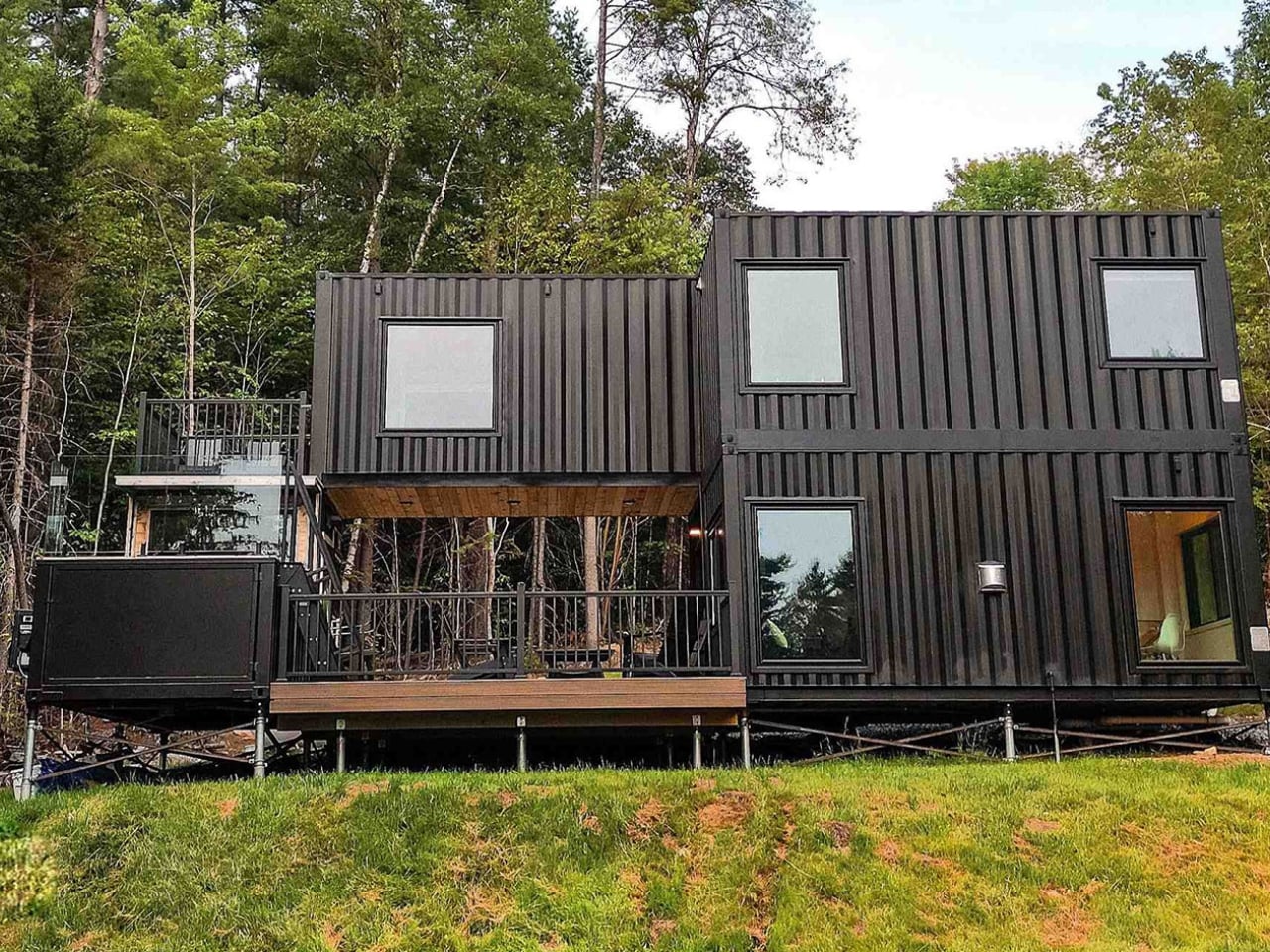
The Vermont Villa by Backcountry Containers is the kind of build that makes you reconsider everything you thought you knew about shipping container homes. Not because it’s shocking, but because it’s genuinely, quietly good.
The running joke about container homes has always been that they’re either a clever budget hack or an architect’s ego project that ends up costing twice as much as a conventional house anyway. The Vermont Villa doesn’t entirely escape that conversation, but it does manage to sit on the more convincing side of it. Backcountry Containers, a family-owned U.S. builder, stacked and arranged five shipping containers (three 20-foot units, one 40-foot, and a custom 20-foot SaunaPlunge container) into a two-story, three-bedroom, two-bath home that sits quietly in rural Vermont and looks like it genuinely belongs there.
Designer: Backcountry Containers
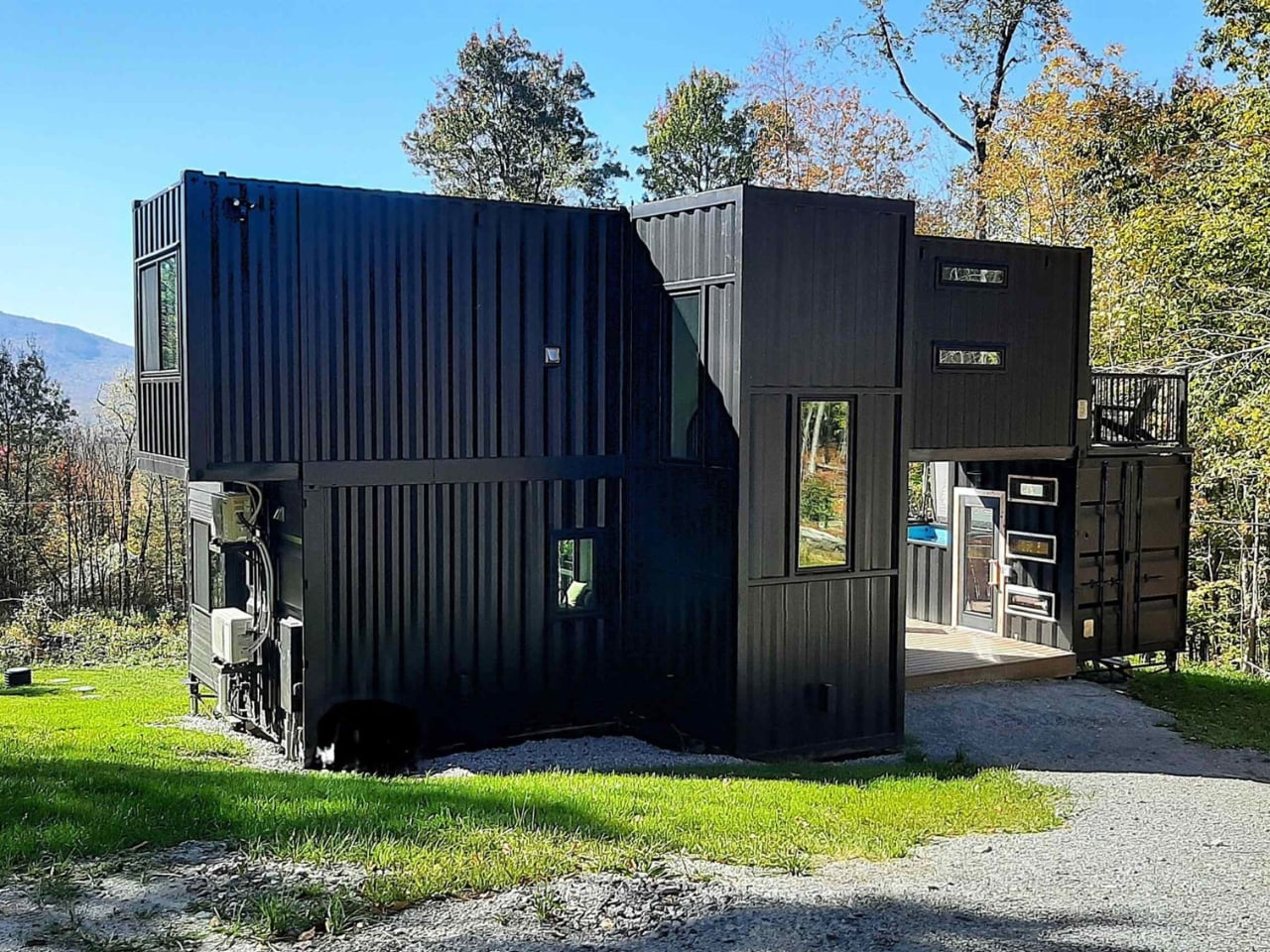
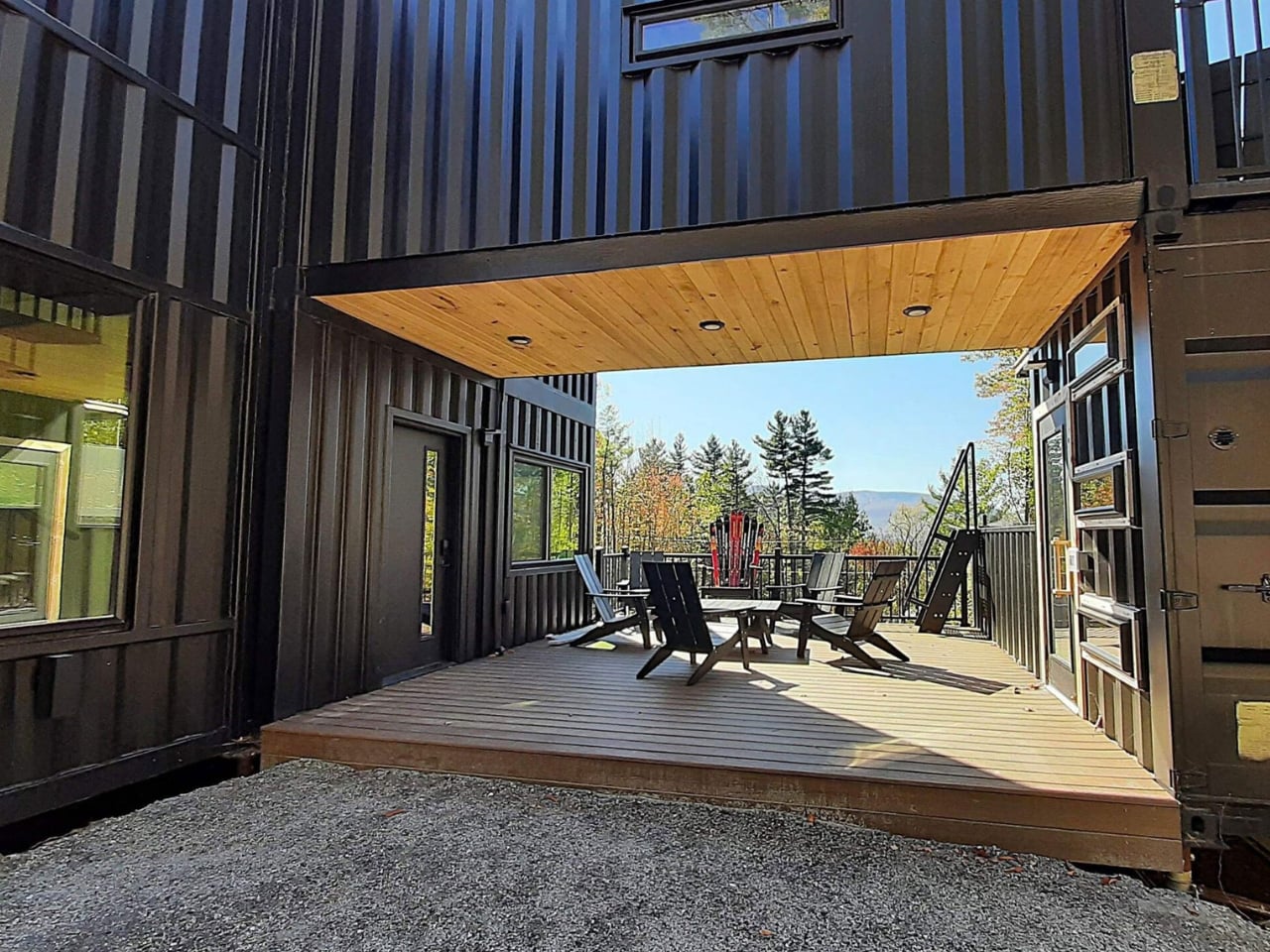
All five containers are painted a uniform matte black, which sounds like it could go very wrong in the middle of the New England countryside, but it actually works. The arrangement is staggered rather than just linear, creating terrace spaces on multiple levels. Against trees and open sky, the structure reads as intentional rather than industrial. The heavy modification helps too: the containers have been cut up and fitted with windows and doors that give the home a proper architectural language, rather than looking like boxes with holes punched in them.
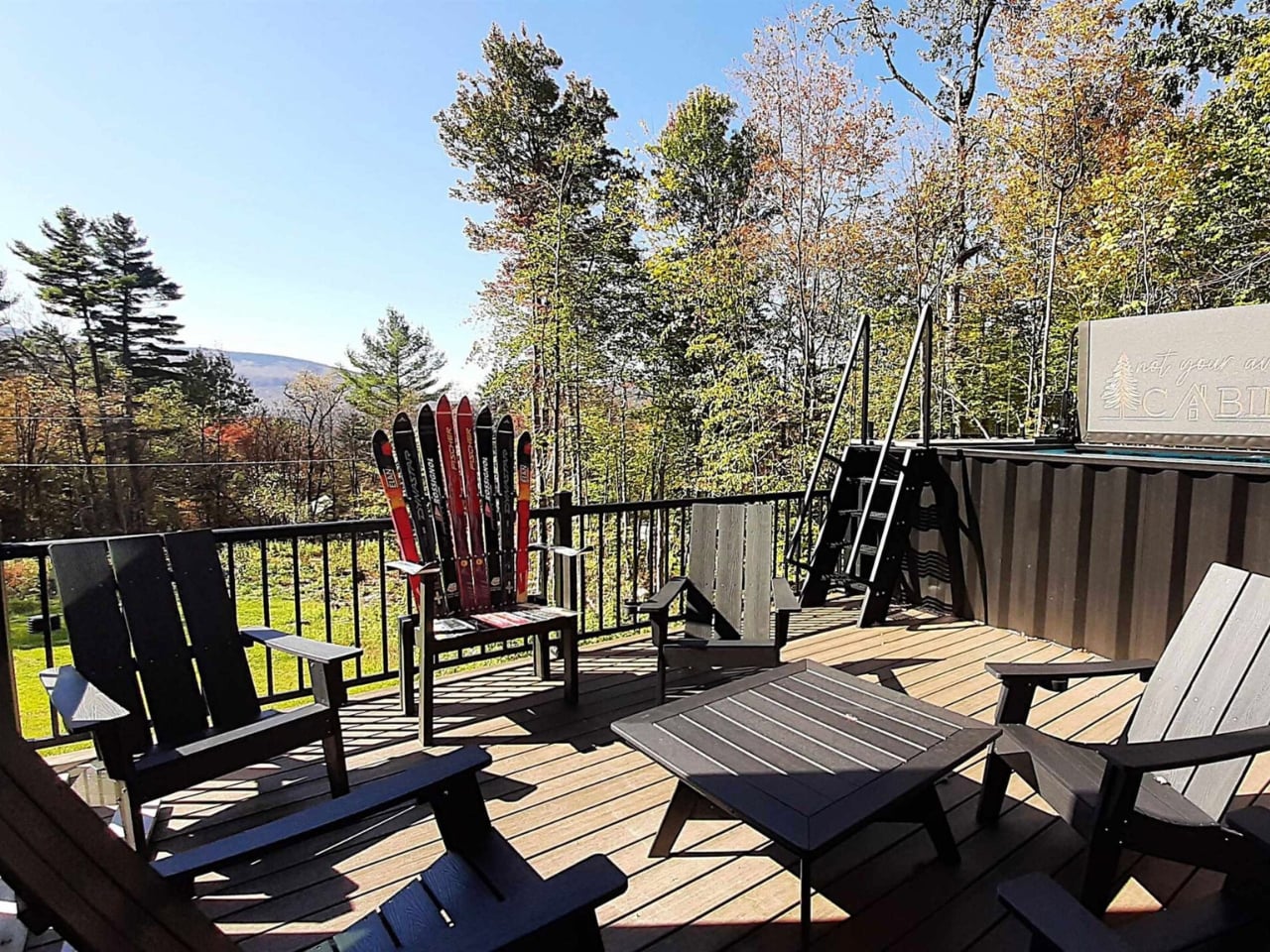
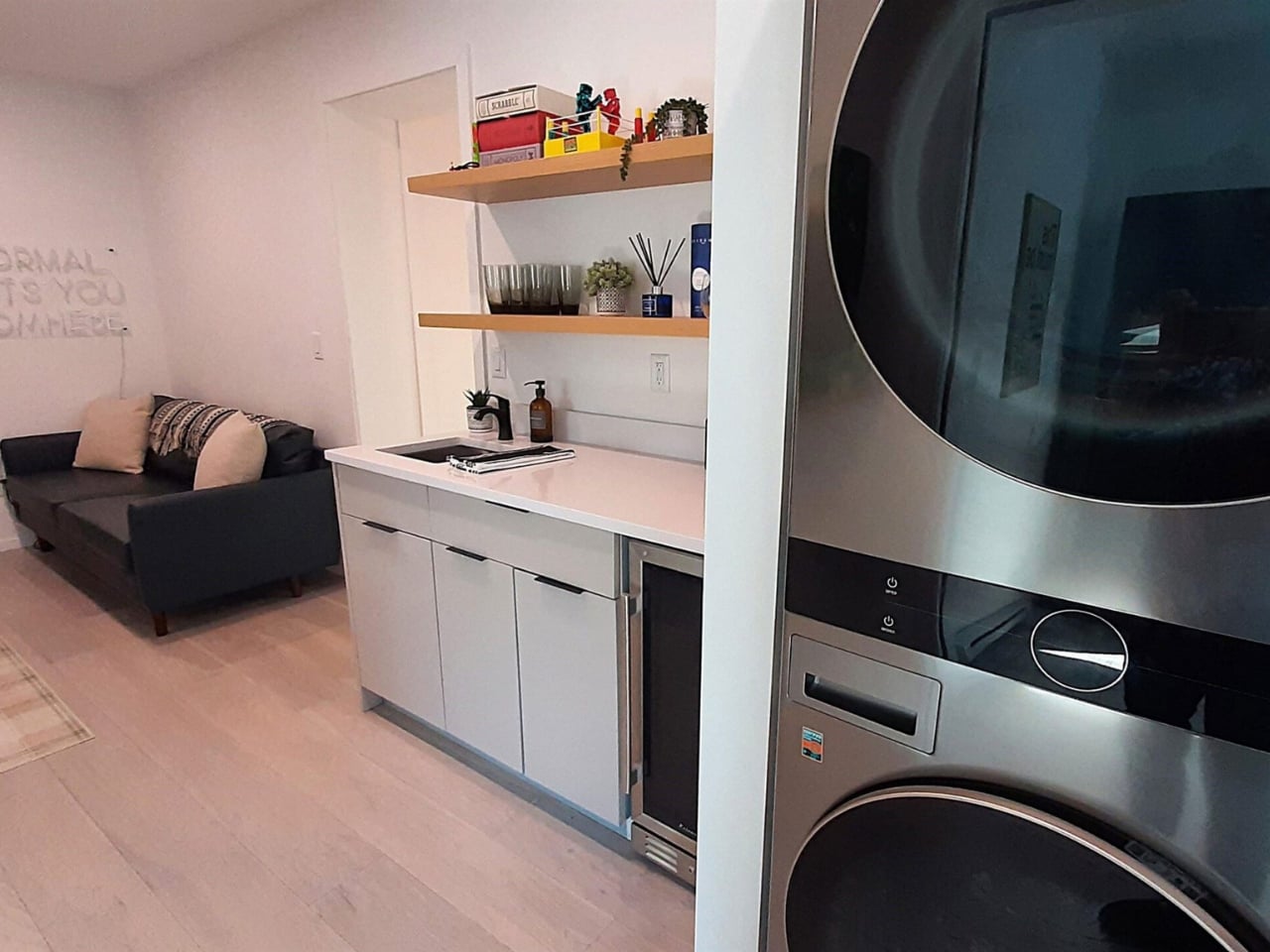
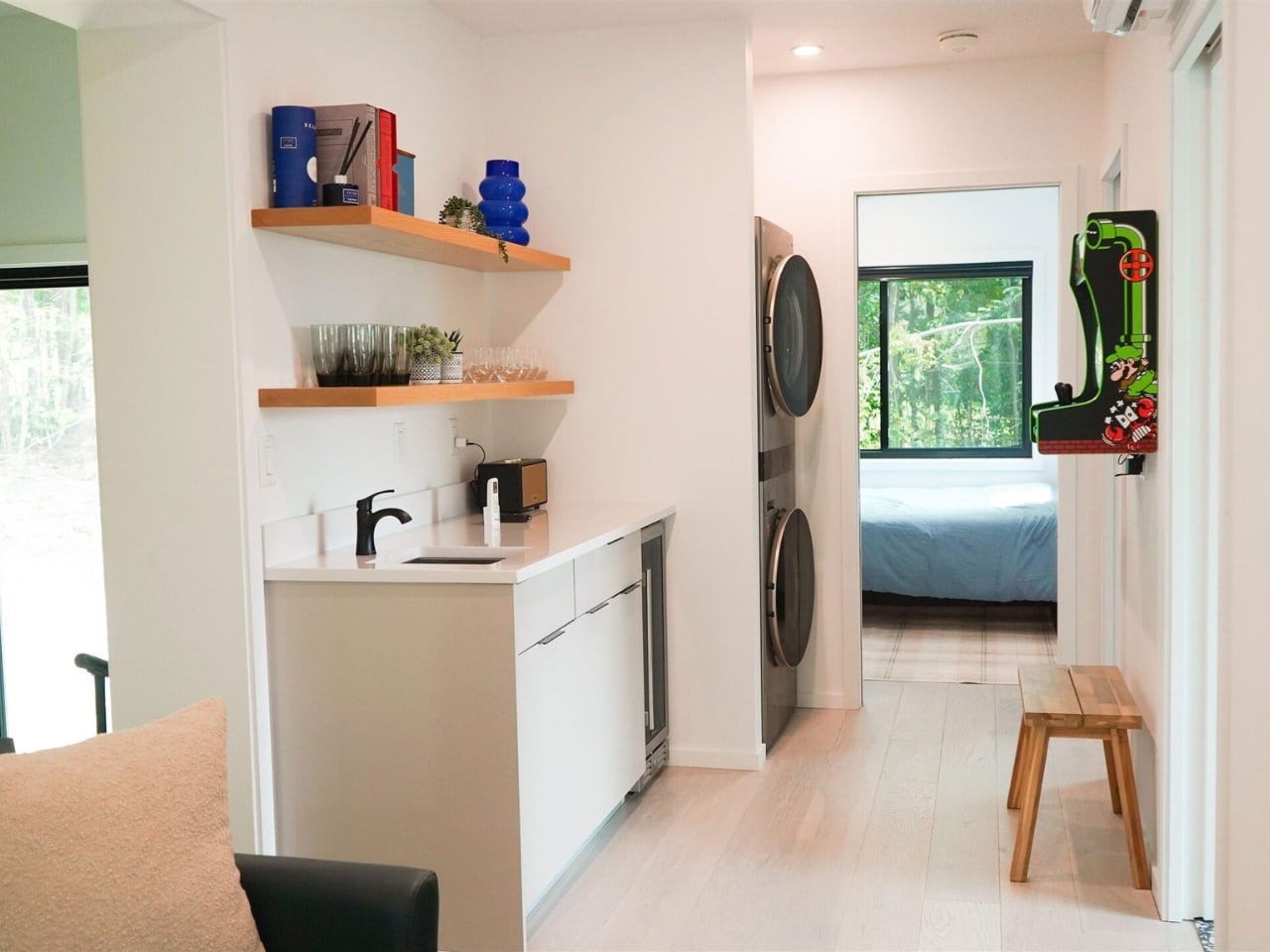
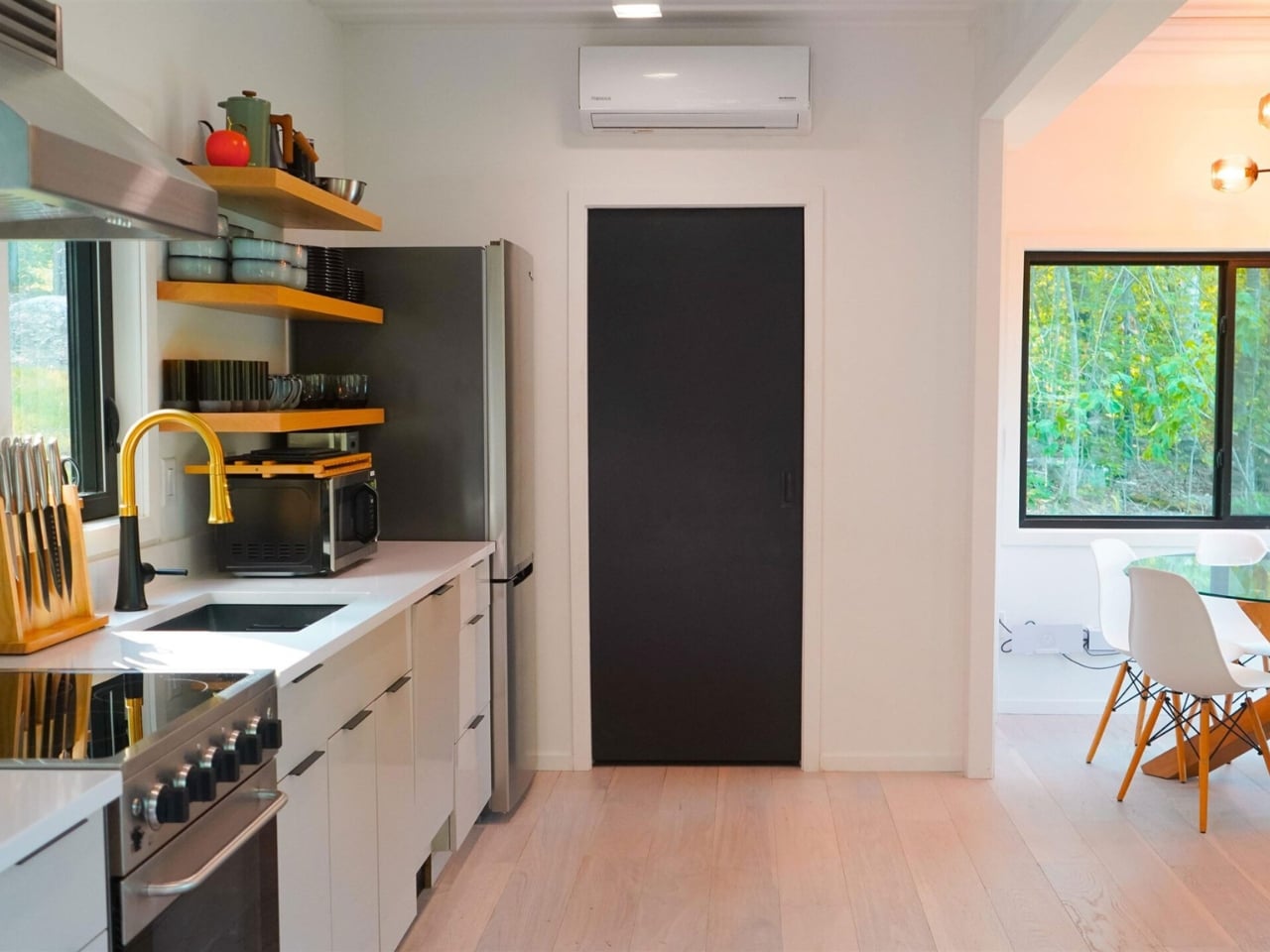
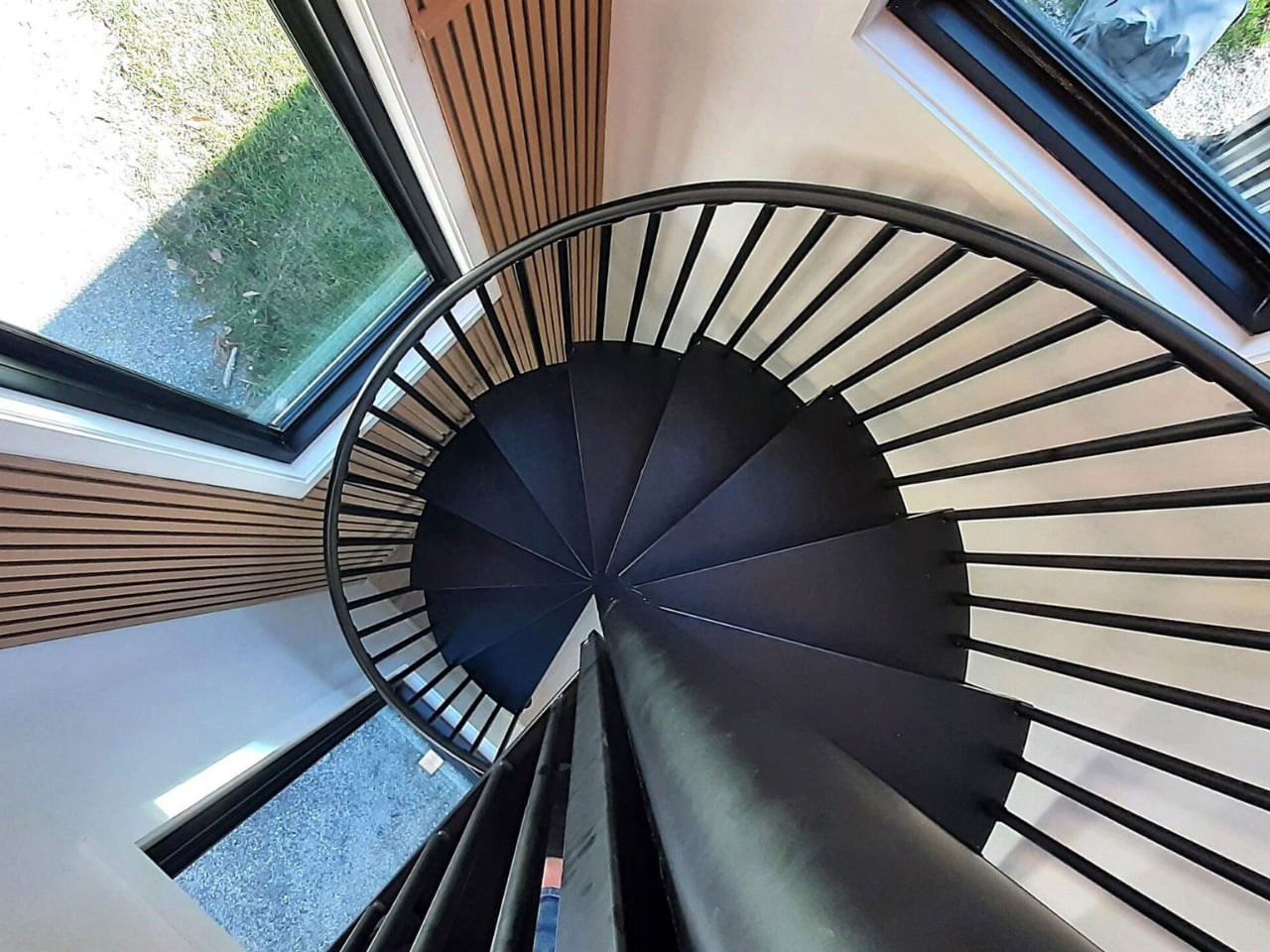
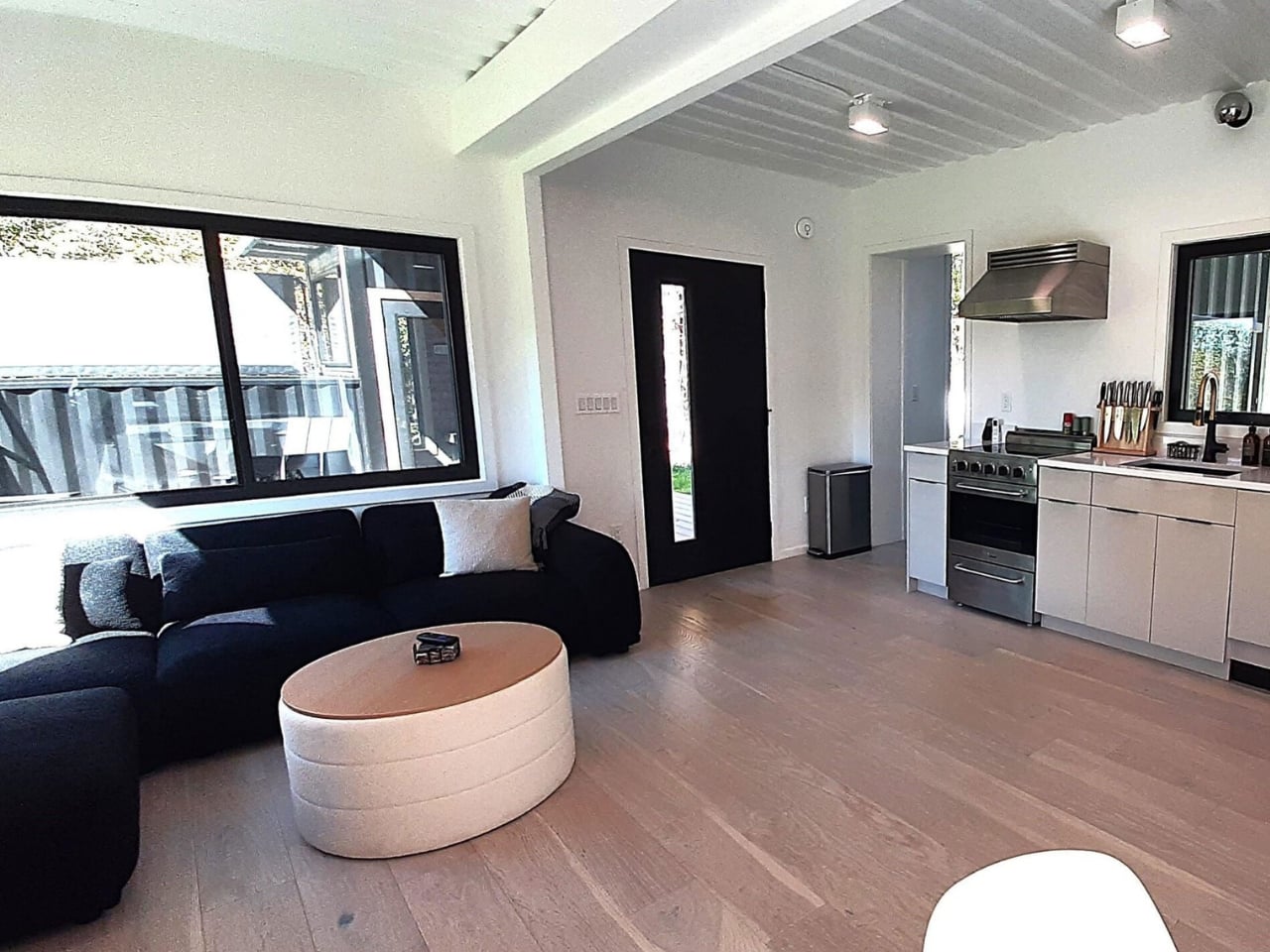
Inside, the layout includes a full kitchen, a wet bar, two separate living areas, and a spiral staircase connecting the two floors. Natural light is the real hero of the interior. Container homes are often criticized for feeling like dim metal tubes, and Backcountry Containers clearly took that criticism to heart. The windows throughout are generous, and the open-plan approach keeps the space from feeling like you’re living inside cargo. The bedrooms and bathrooms are described as “well-appointed,” which is the kind of language designers use when the finishes are actually nice and they’d rather undersell than overpromise.
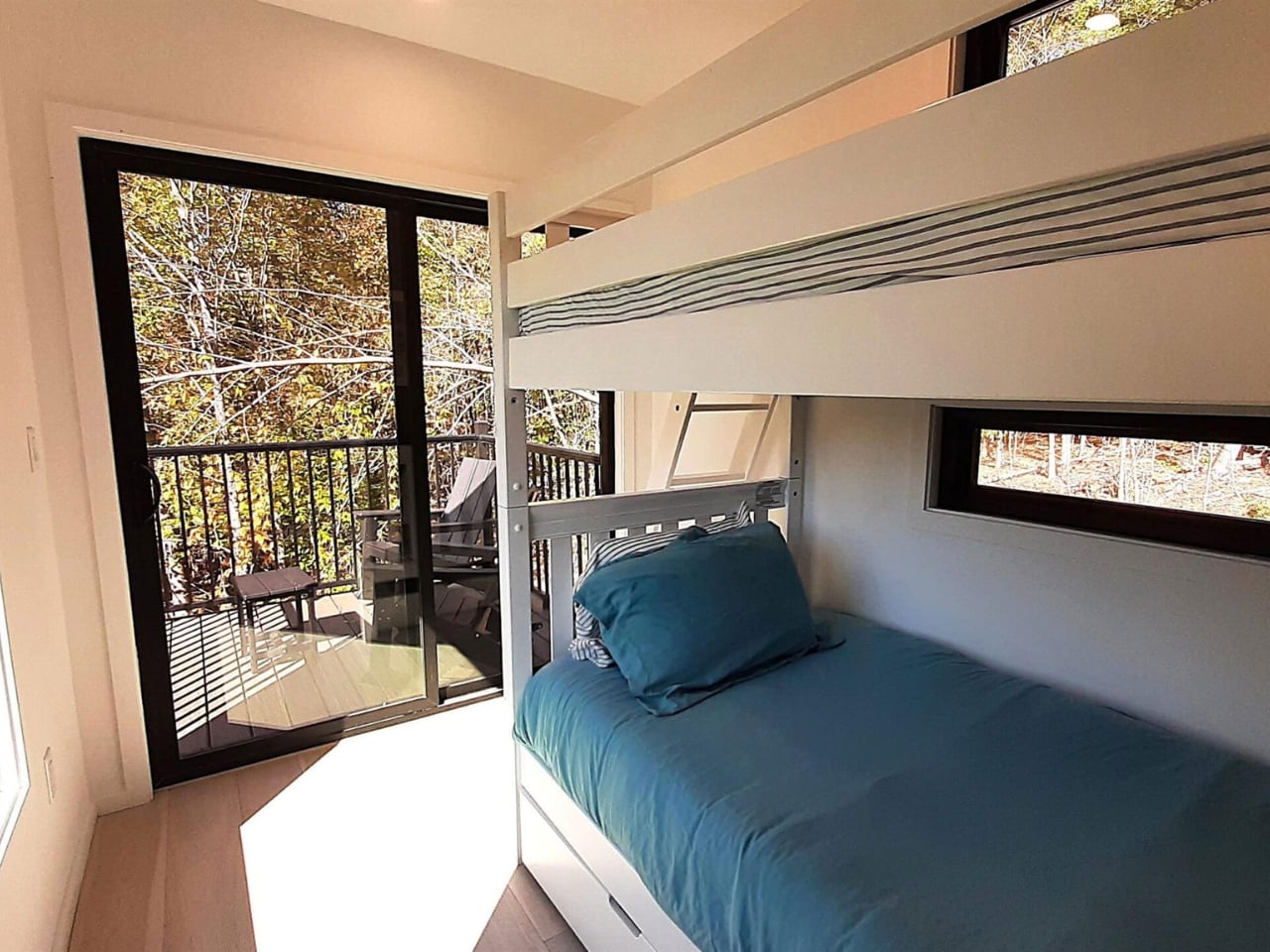
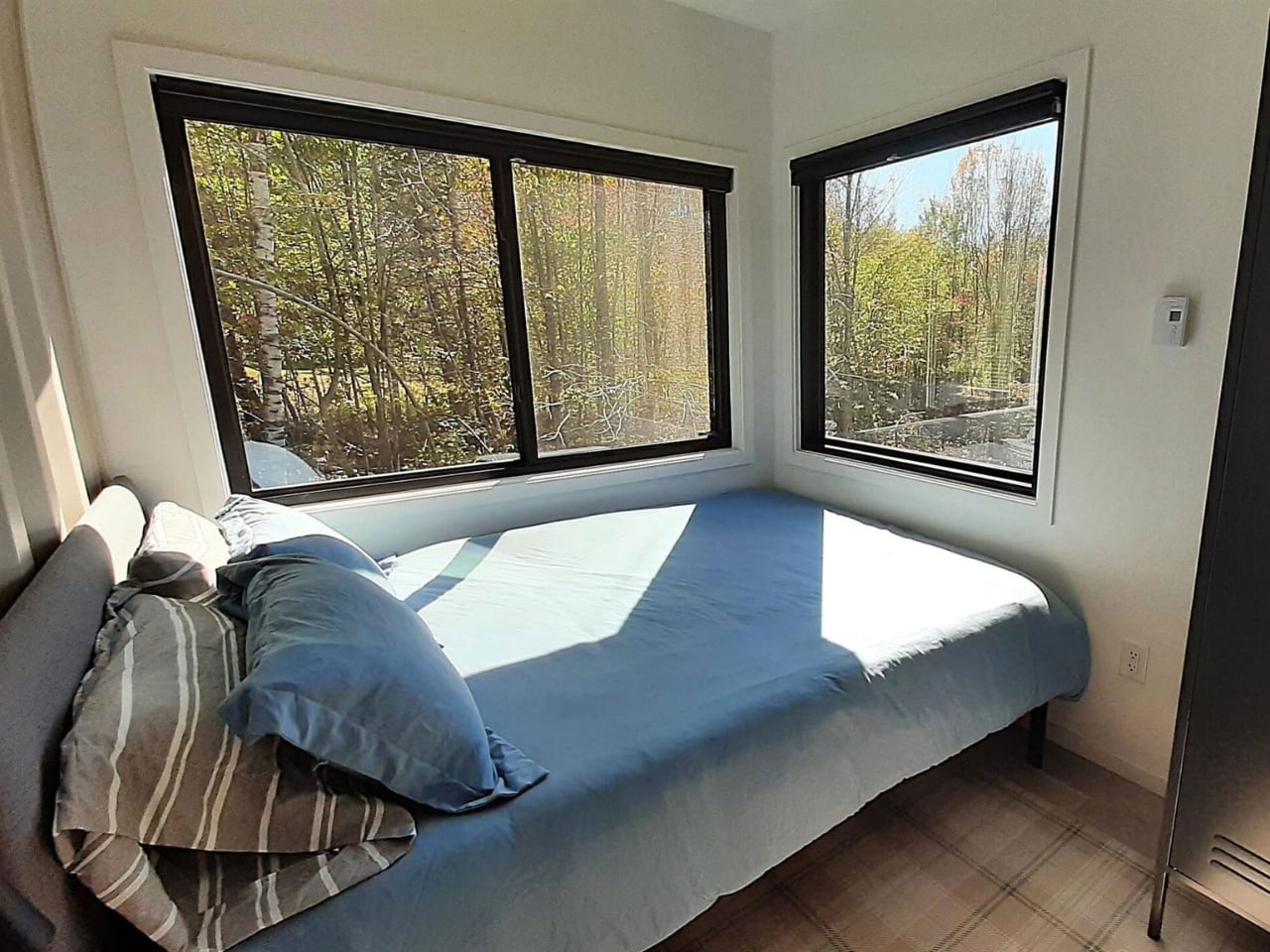
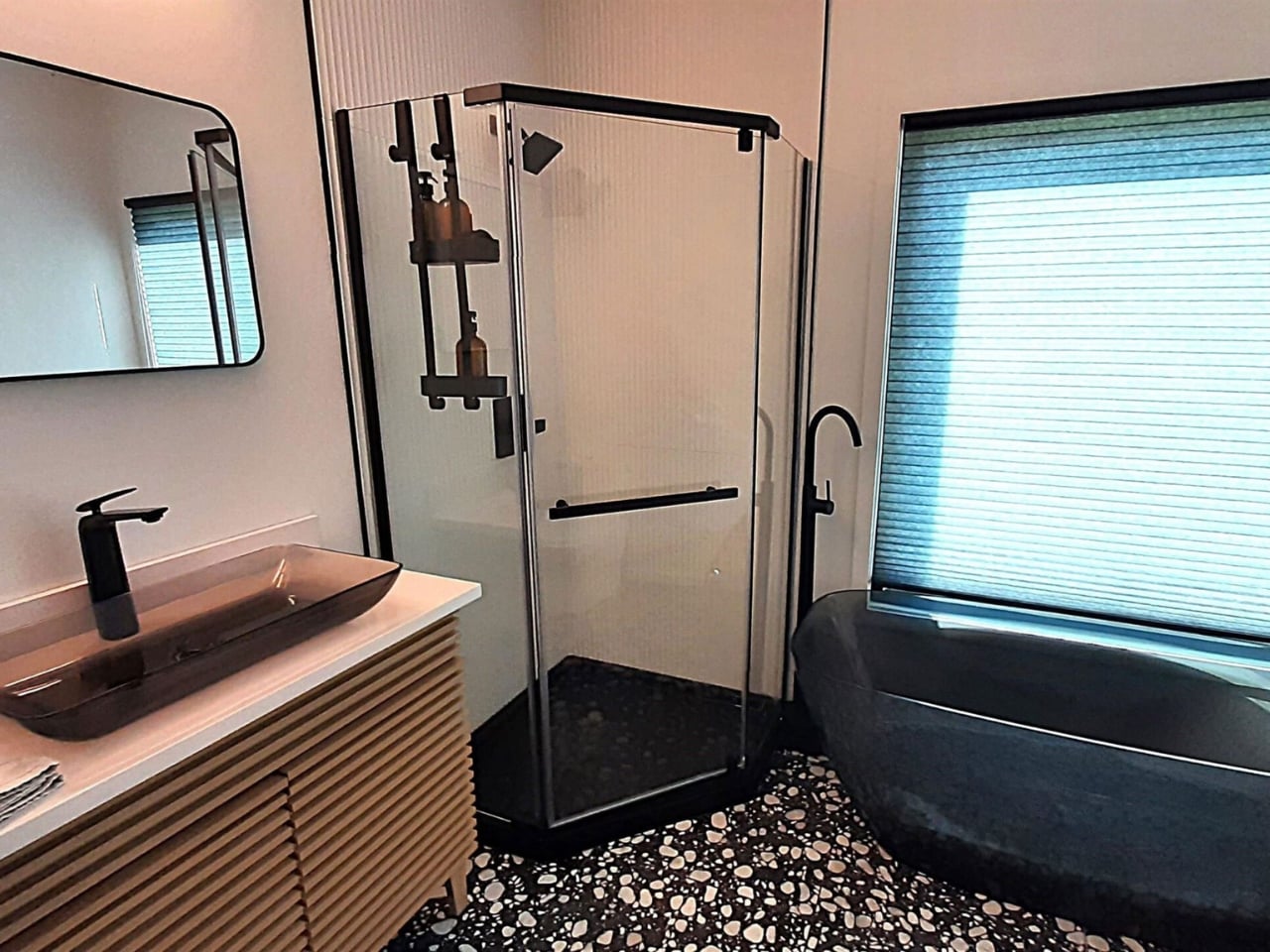
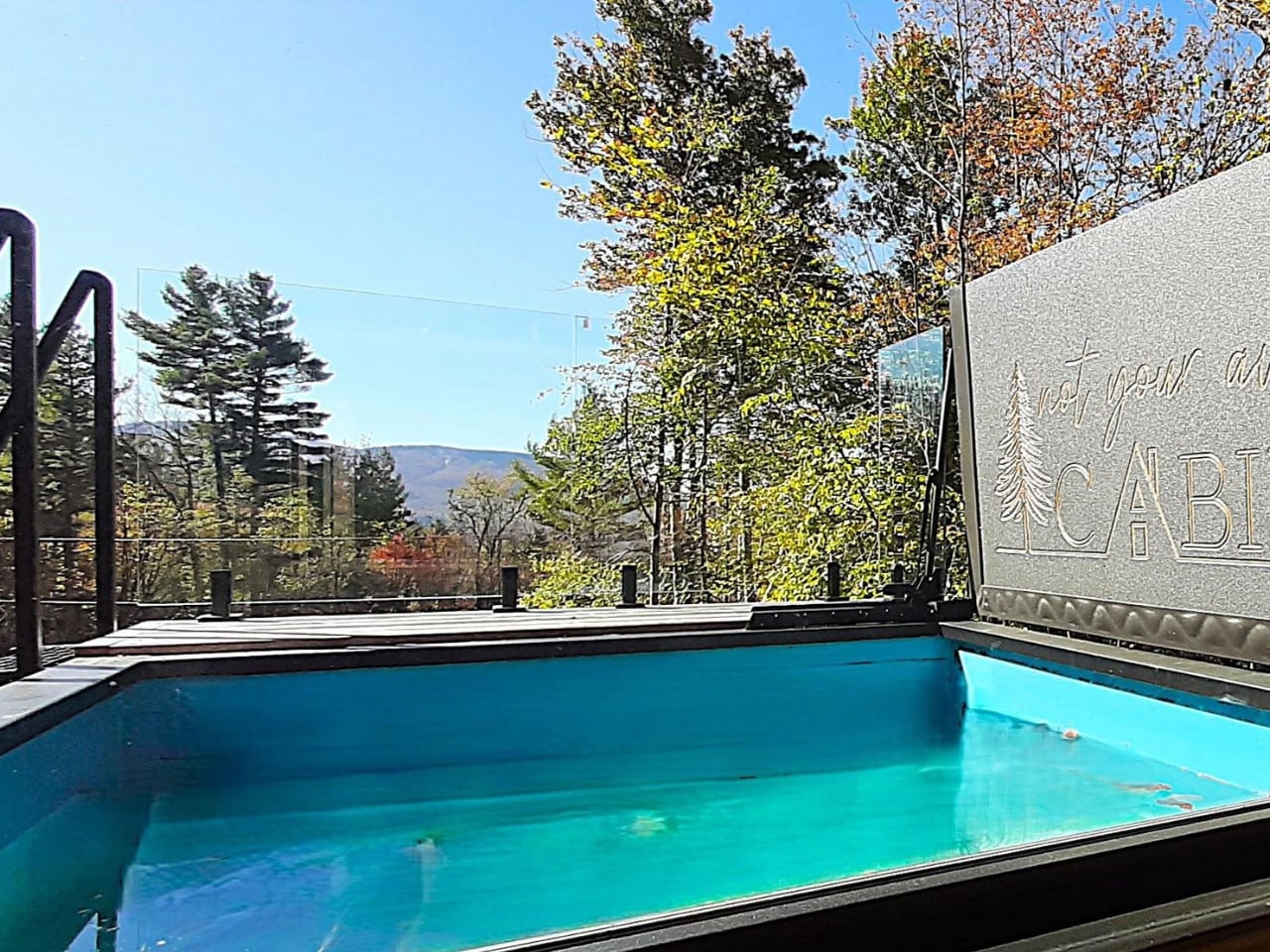
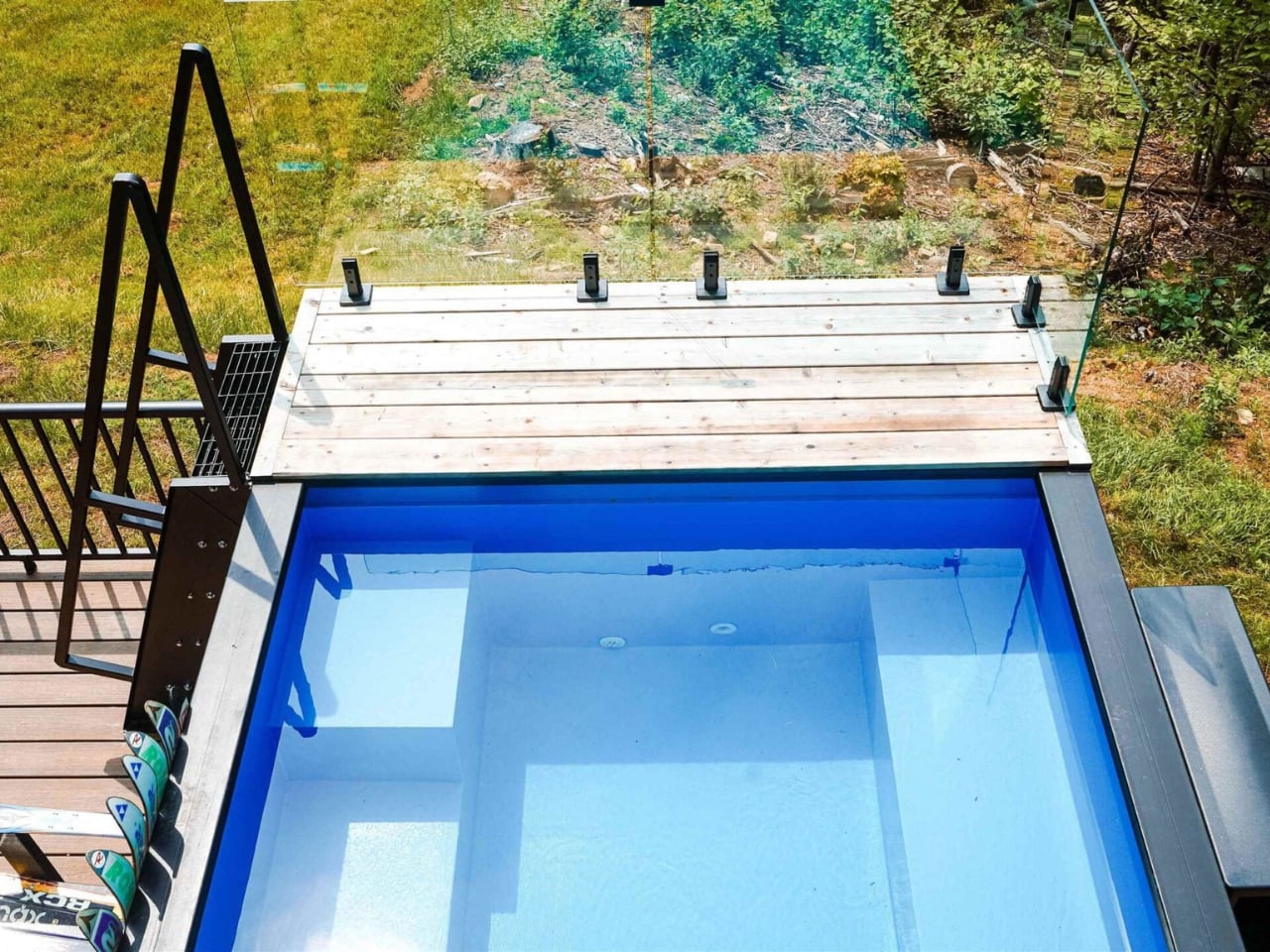
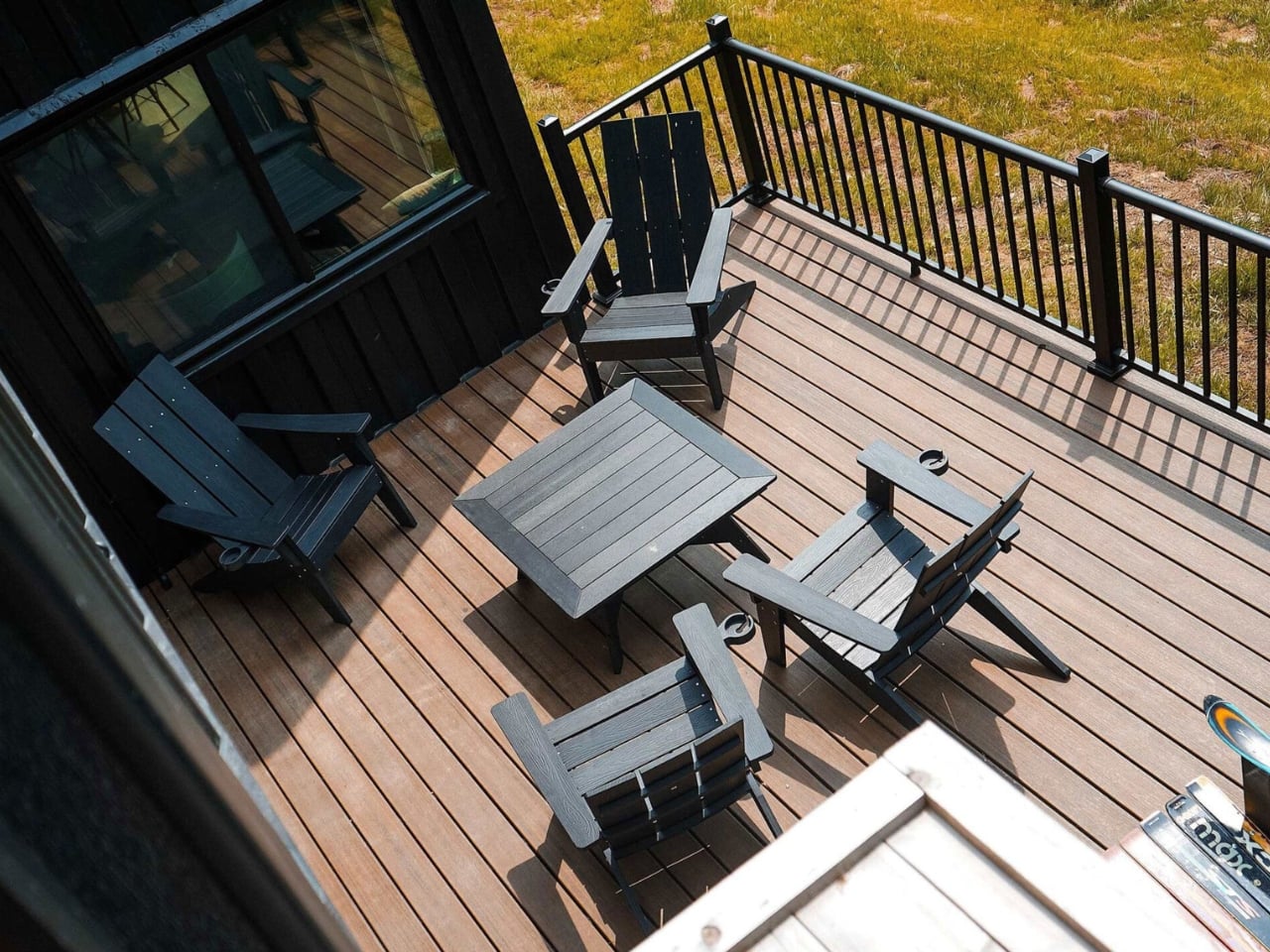
The outdoor situation is where things get genuinely interesting. Two decks, one at ground level and one on the rooftop, anchor the exterior. The views from a rooftop in that corner of the country, at almost any time of year, tend to be worth the climb. But the real conversation piece is the SaunaPlunge container: a custom 20-foot unit that combines a sauna with a three-in-one plunge pool. Cold plunging has had its cultural moment over the past few years, and integrating it directly into the home’s architecture rather than dropping a freestanding tub somewhere near the back porch feels like a legitimately smart call. It treats wellness as infrastructure, not decoration.
Container architecture has been having a sustained moment for over a decade now, and the discourse around it tends to oscillate between two poles. Either it’s framed as some radical act of sustainability (which it is, somewhat, though the modifications and insulation required complicate that story), or it gets dismissed as a design trend that doesn’t actually solve any real housing problem. Both critiques have merit. The Vermont Villa isn’t pretending to fix affordable housing. It’s a well-designed, custom-built home that happens to be made from repurposed industrial materials, and it makes no apology for that.
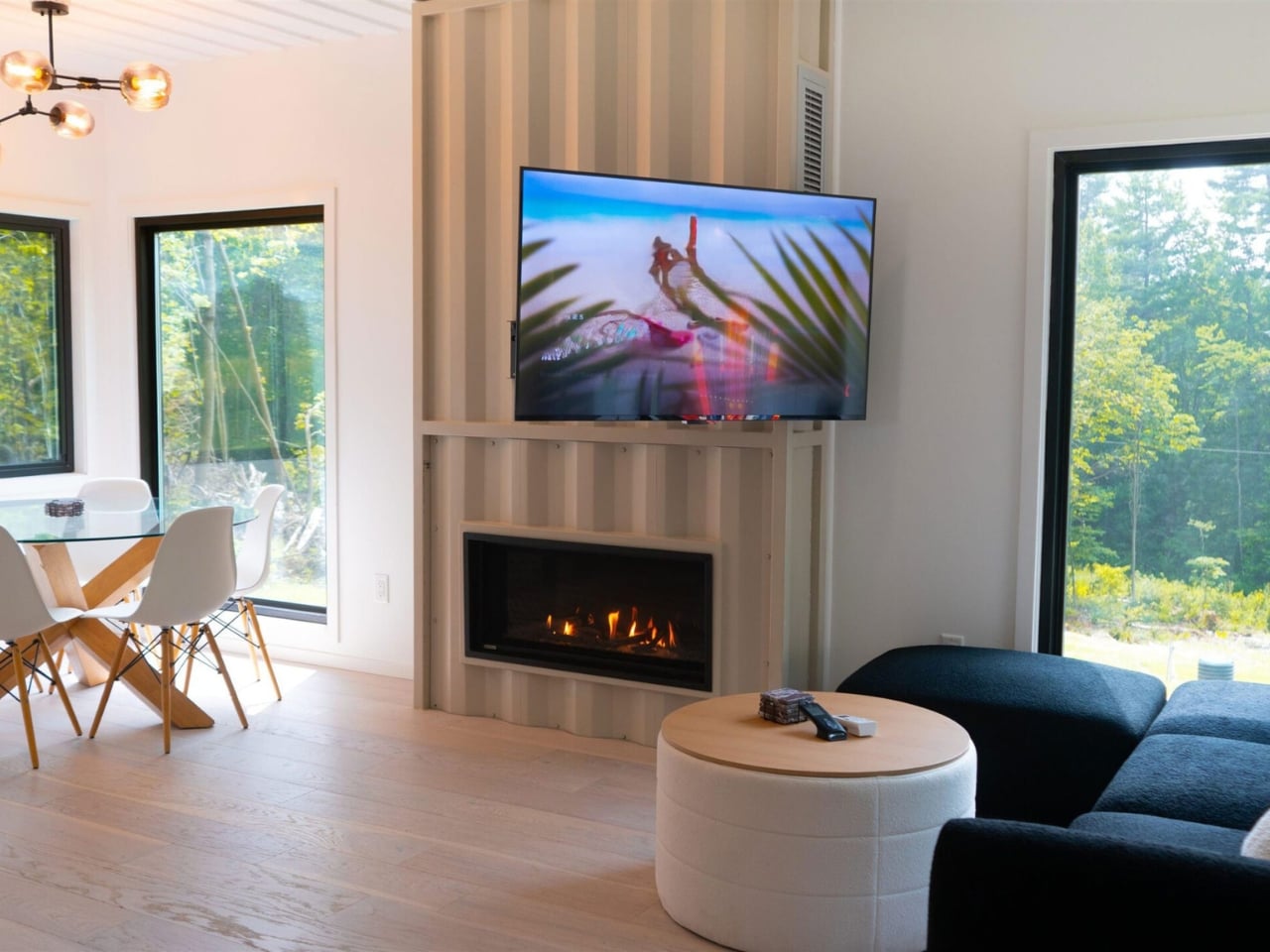
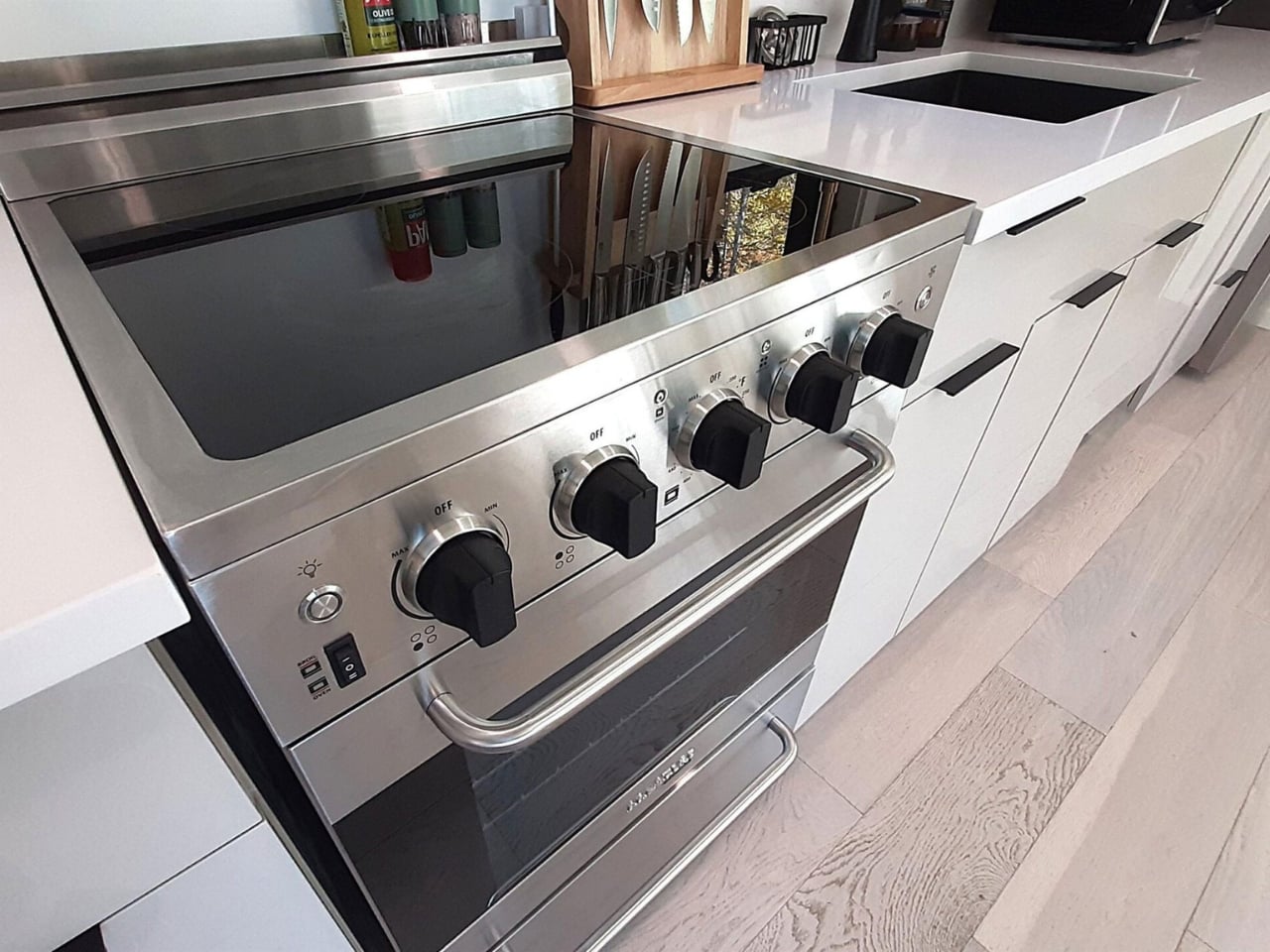
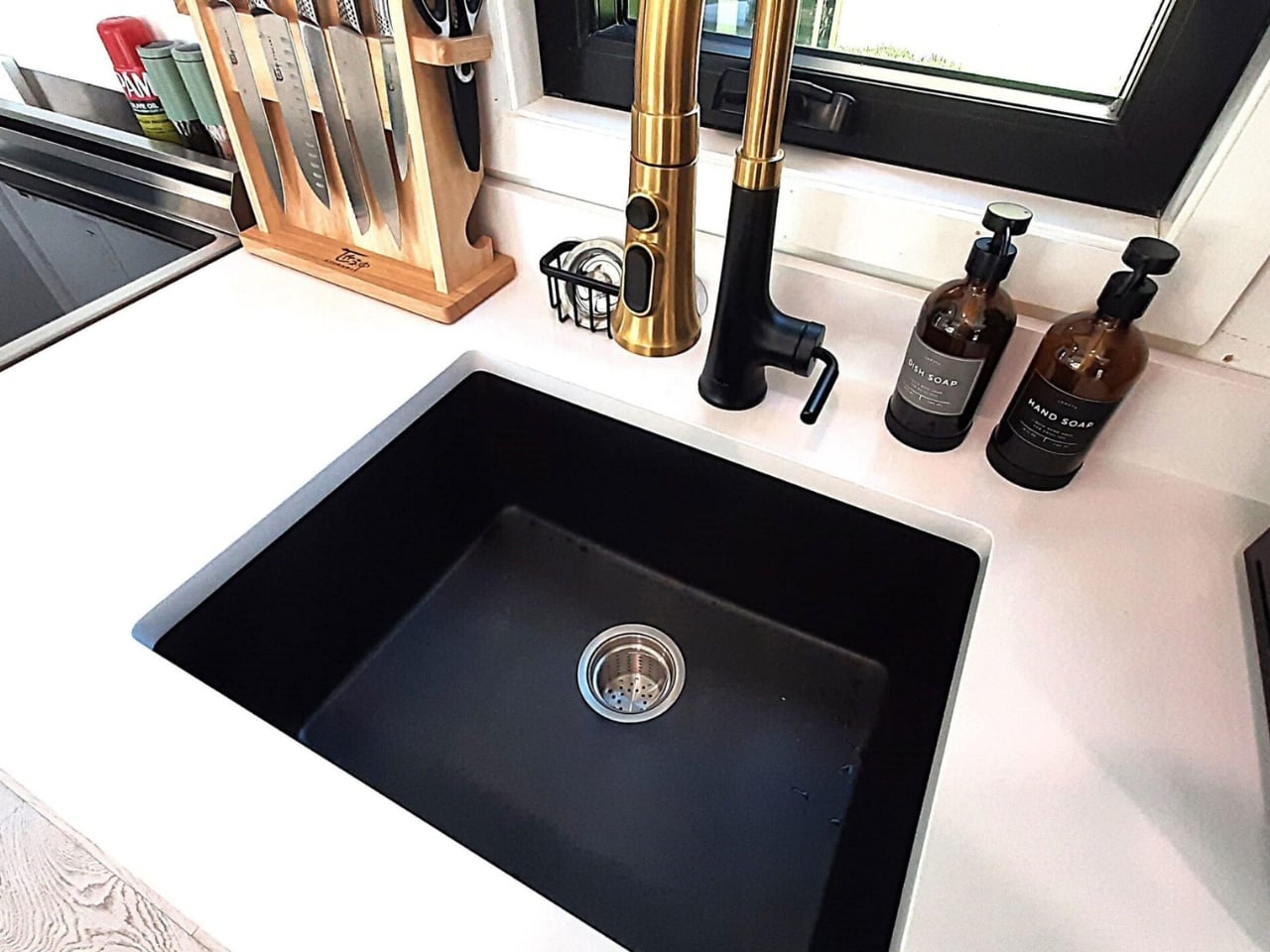
Backcountry Containers has been building container homes for over a decade, with features on HGTV and the DIY Network to show for it. Every project is handled by their in-house team, from design and metal fabrication to carpentry and plumbing. They know how to deliver a project that doesn’t look like a prototype or a mood board come halfway to life. The Vermont Villa is a finished home with a pool, a sauna, a rooftop deck, and enough interior square footage to feel genuinely livable for a family. That’s the benchmark container homes have been reaching toward for years, and this one clears it comfortably.
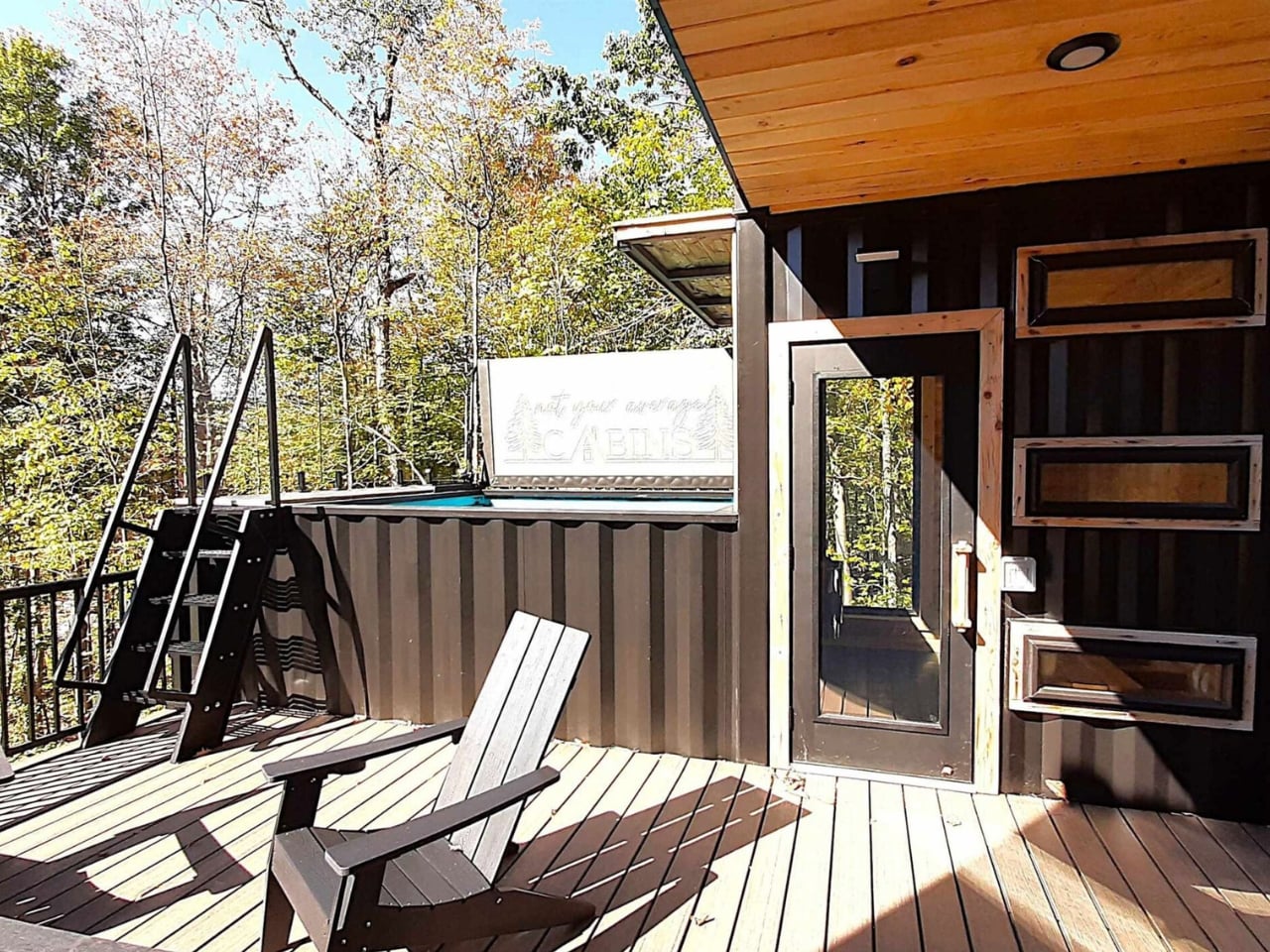
The question I keep coming back to isn’t whether container homes are worth it. It’s whether a build like this starts to shift what we consider normal. The Vermont Villa makes a decent case that it should.