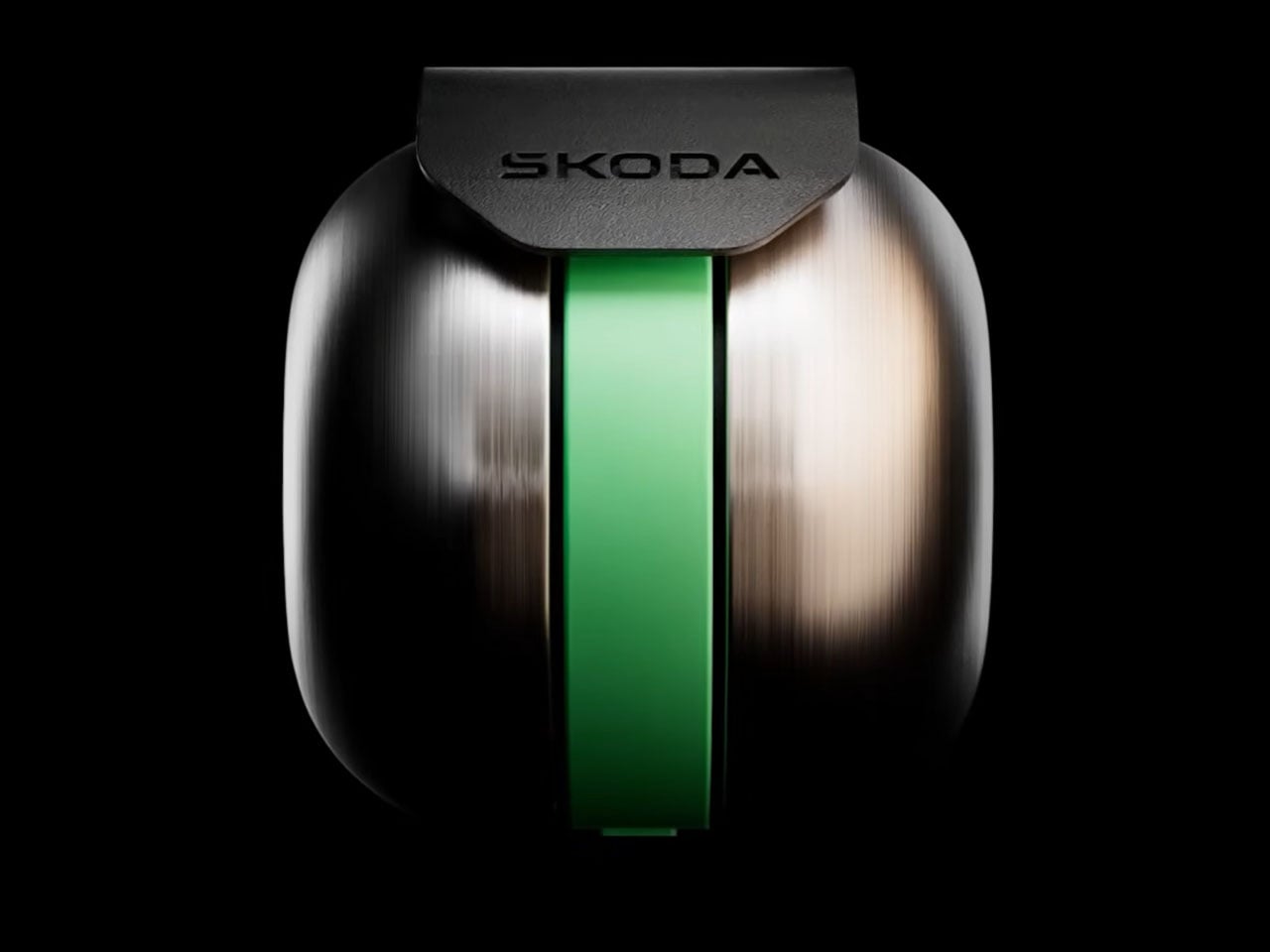
Times have changed so much, we’ve got people walking on the streets with their ANC turned on to zone out, but are unaware of the risks motorists can pose. With active noise-cancelling headphones becoming increasingly common, the sounds of the city (from traffic to bicycle bells) can easily disappear behind layers of digital silence. Recognizing this growing safety challenge, Škoda Auto has introduced the DuoBell, a cleverly engineered bicycle bell designed to cut through active noise cancellation and alert distracted pedestrians before a potential collision occurs.
The concept addresses a modern urban problem: many people walk while listening to music through headphones equipped with active noise cancellation (ANC), which filters out environmental noise. While effective for immersive listening, ANC can also suppress critical warning sounds such as approaching bicycles. To tackle this issue, Škoda collaborated with researchers and audiologists from the University of Salford to study how conventional bicycle bells interact with ANC algorithms and why they often fail to be heard. Their research revealed that typical bells operate within frequency ranges that noise-cancelling systems can easily identify and suppress, essentially muting them for headphone users.
Designer: Škoda
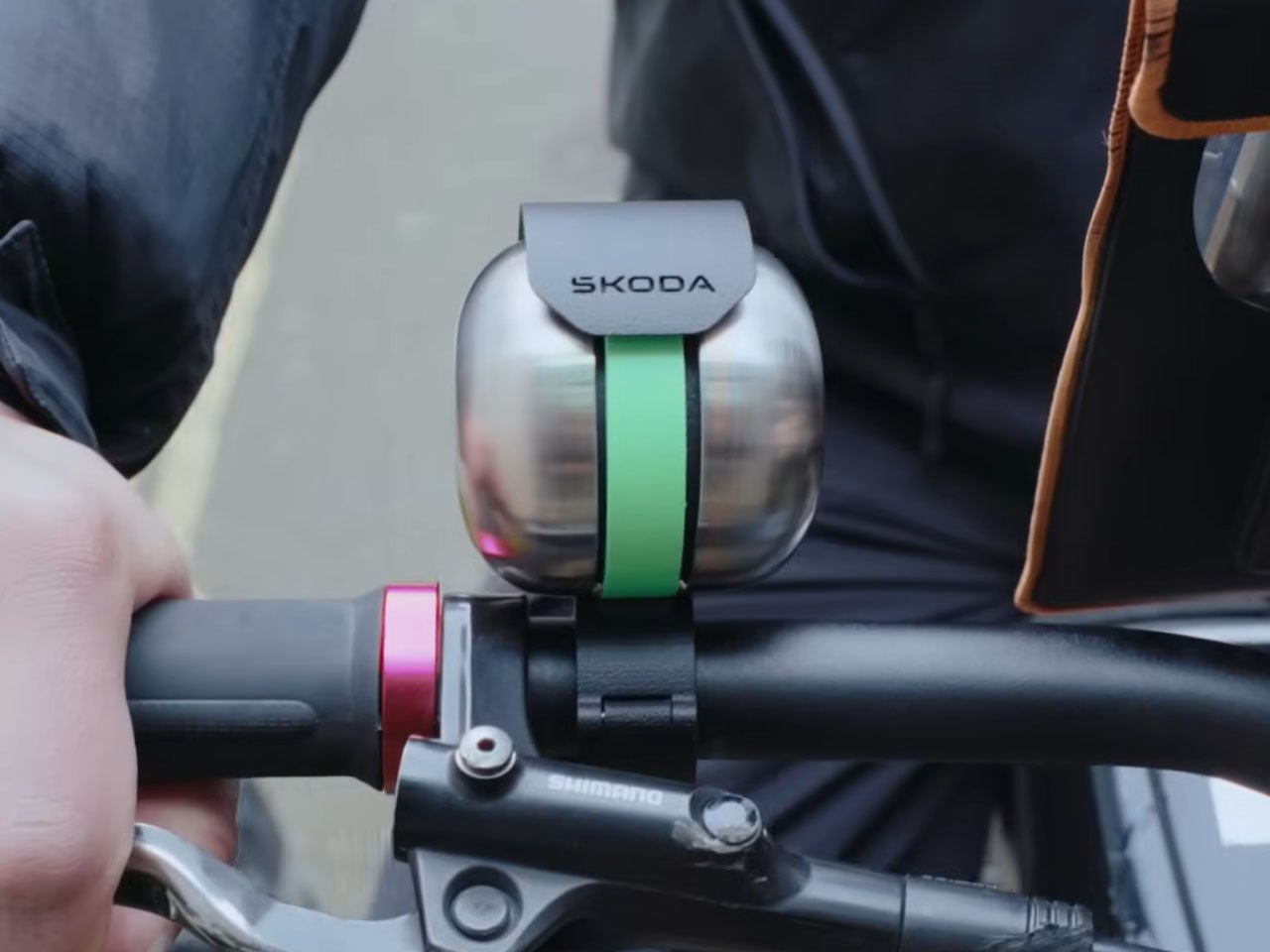
The DuoBell was designed as an analog solution to this digital limitation. Instead of relying on louder volume alone, the bell targets a specific frequency band that ANC systems struggle to eliminate. Through acoustic testing, researchers identified a “safety gap” between 750 and 780 Hz, a range where noise-cancelling algorithms are less effective. The bell is tuned precisely within this band, significantly increasing the chances that pedestrians wearing ANC headphones will hear it.
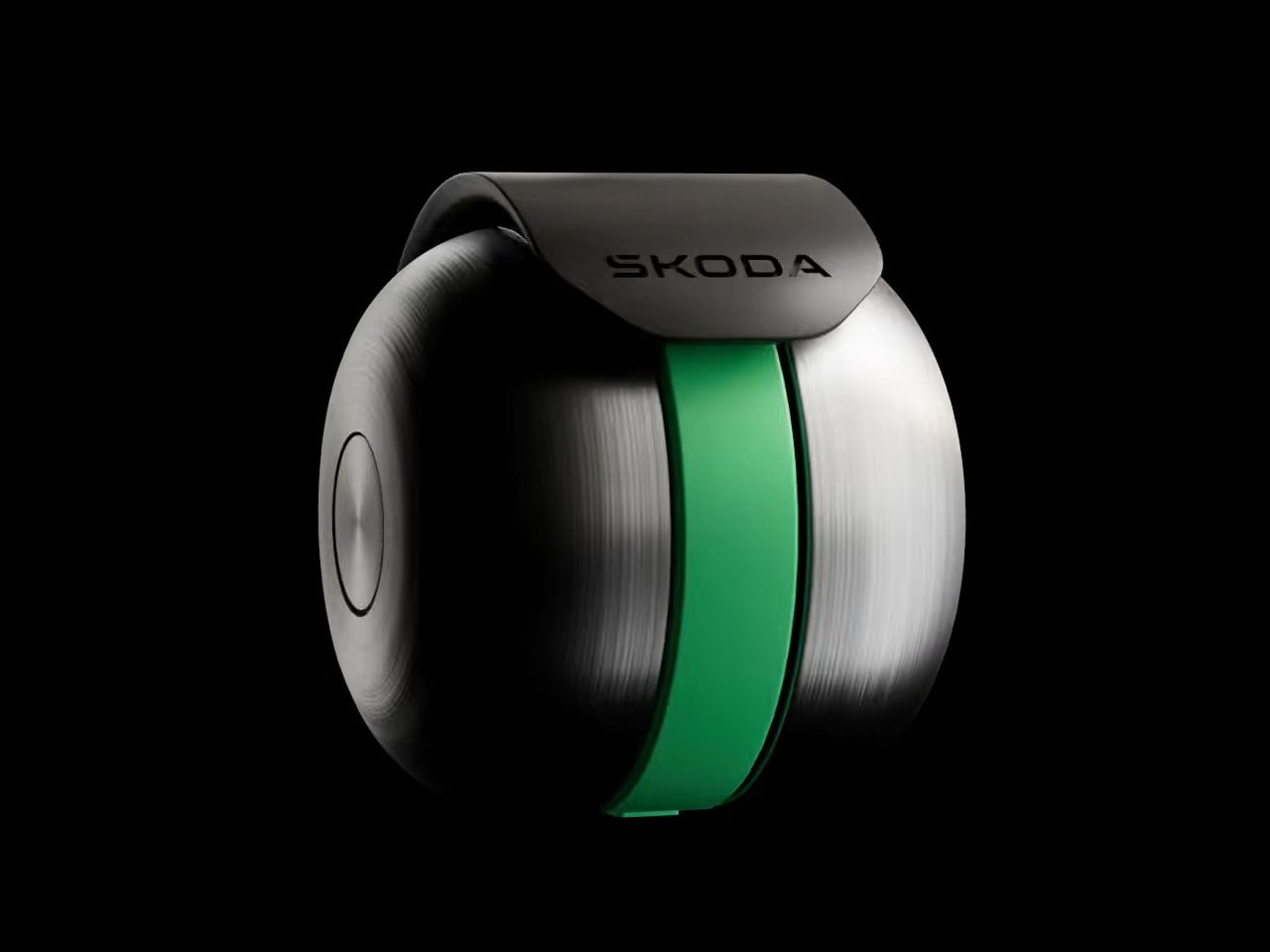
But frequency tuning is only part of the innovation. True to its name, the DuoBell incorporates a dual-resonator design that generates two distinct tones. This layered sound profile confuses noise-cancelling algorithms that typically rely on predictable, steady noise patterns to cancel audio signals. The bell also uses a specially engineered hammer mechanism that produces rapid and irregular strikes, making the sound harder for digital filters to track and suppress.
Testing suggests the design could make a meaningful difference in real-world cycling safety. According to measurements conducted during trials, pedestrians wearing ANC headphones gained up to 22 meters of additional reaction distance when the DuoBell was used compared to a conventional bell. That extra margin can provide critical seconds for both cyclists and pedestrians to react, reducing the likelihood of accidents in busy urban areas.

The bell has already been evaluated outside the lab as well. Field trials were carried out on the streets of London in February, where couriers riding for the delivery platform Deliveroo tested the device during everyday routes. Many riders reportedly found the bell effective enough that they expressed interest in continuing to use it after the trials concluded, highlighting its practical benefits in dense city environments.
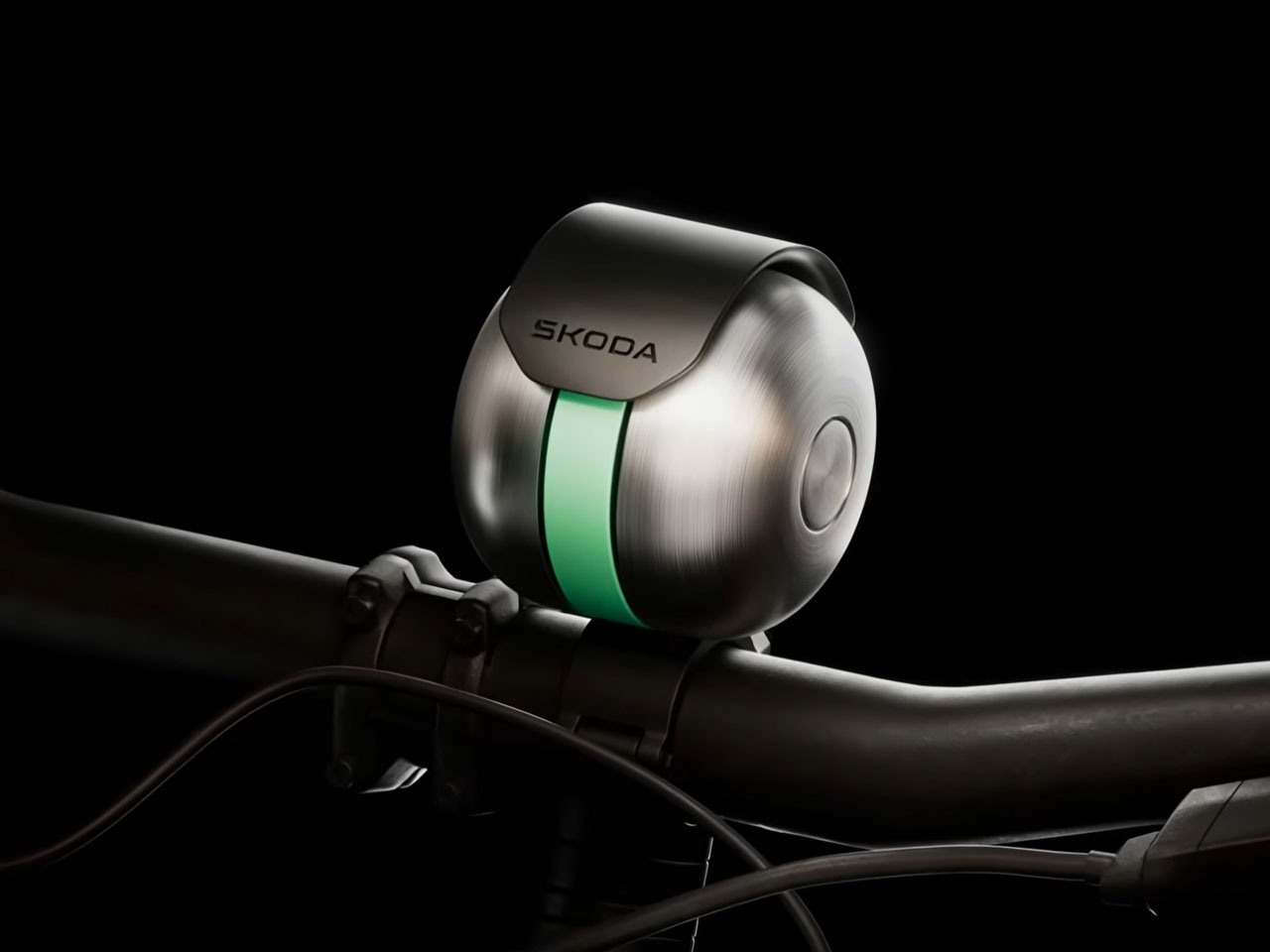
Interestingly, the DuoBell achieves all of this without any electronics, batteries, or smart connectivity. It remains a fully mechanical bicycle bell – simple, durable, and easy to install – while using acoustic science to solve a modern technological problem. Škoda also plans to share its research findings publicly, hoping the insights can contribute to broader discussions about pedestrian safety in cities where personal audio devices are now part of everyday life.