The climate crisis has shifted from distant concern to an urgent force redefining how you think about shelter. In this new reality, luxury aligns with resilience, autonomy, and intelligent material choices. Every element of design becomes a strategic response to a world where landscapes and weather patterns are increasingly unstable.
This analysis transcends conventional sustainability to explore proactive, life-supporting product design. Let’s understand what transforms a home into a regenerative ecosystem, one that protects, adapts, and restores. Together, they shape a biophilic refuge that safeguards long-term value, enhances thermal performance, and offers enduring stability amid global unpredictability.
1. Closed-loop Water Management Systems
Unpredictable rainfall patterns now demand a complete shift in how you manage water at home. In a future of scarcity, water can no longer be treated as a passive utility but as a carefully governed resource. Resilient living begins with systems that elevate conservation from habit to infrastructure.
Integrated rainwater harvesting and advanced greywater recycling units represent this evolution. These high-capacity, closed-loop technologies deliver strong returns by reducing dependence on strained municipal supplies and protecting against shortages. They sustain the landscape, stabilize daily use, and offer long-term security. Across leading practices, water autonomy is increasingly viewed as the strongest safeguard against climate volatility.
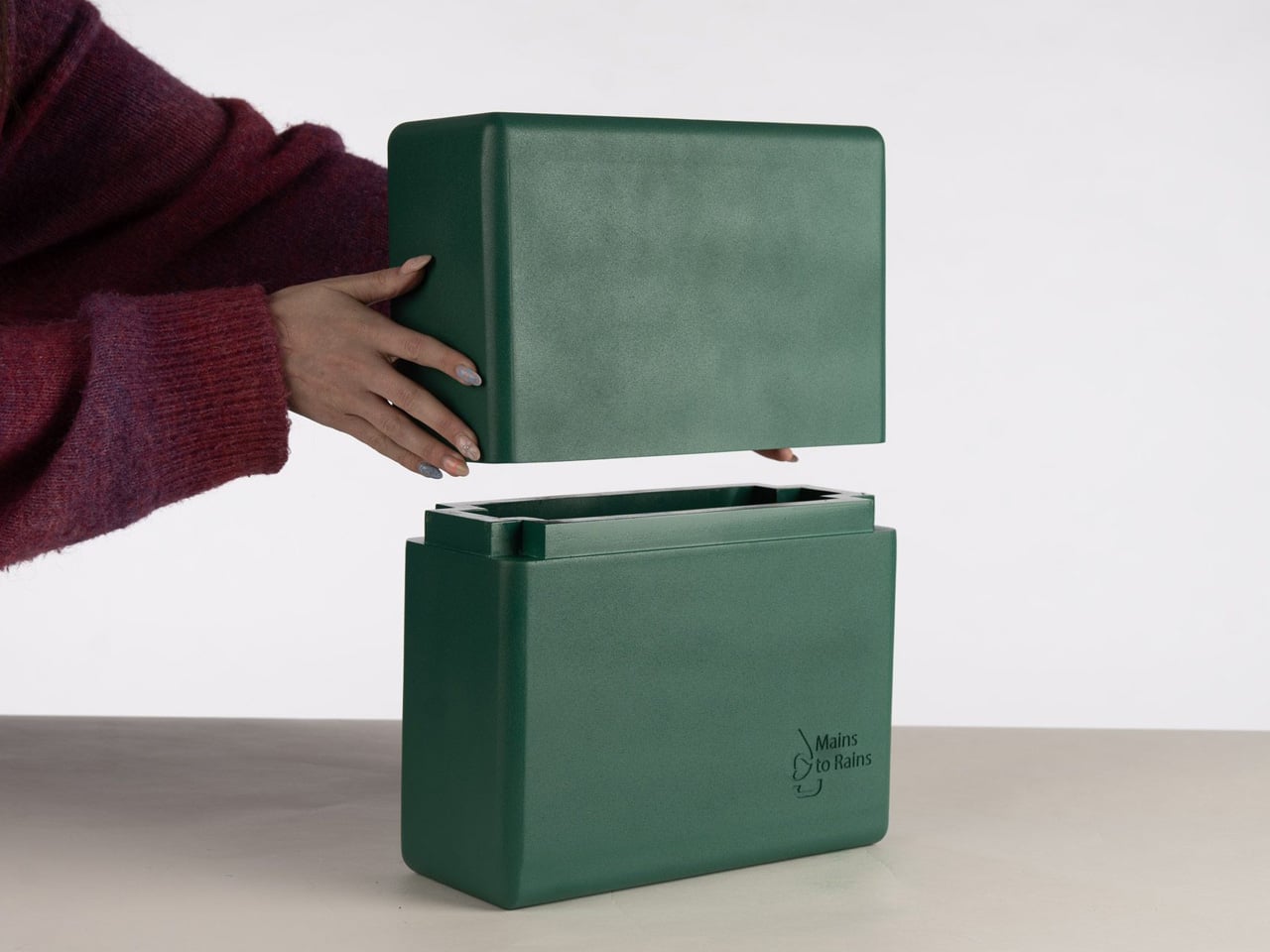
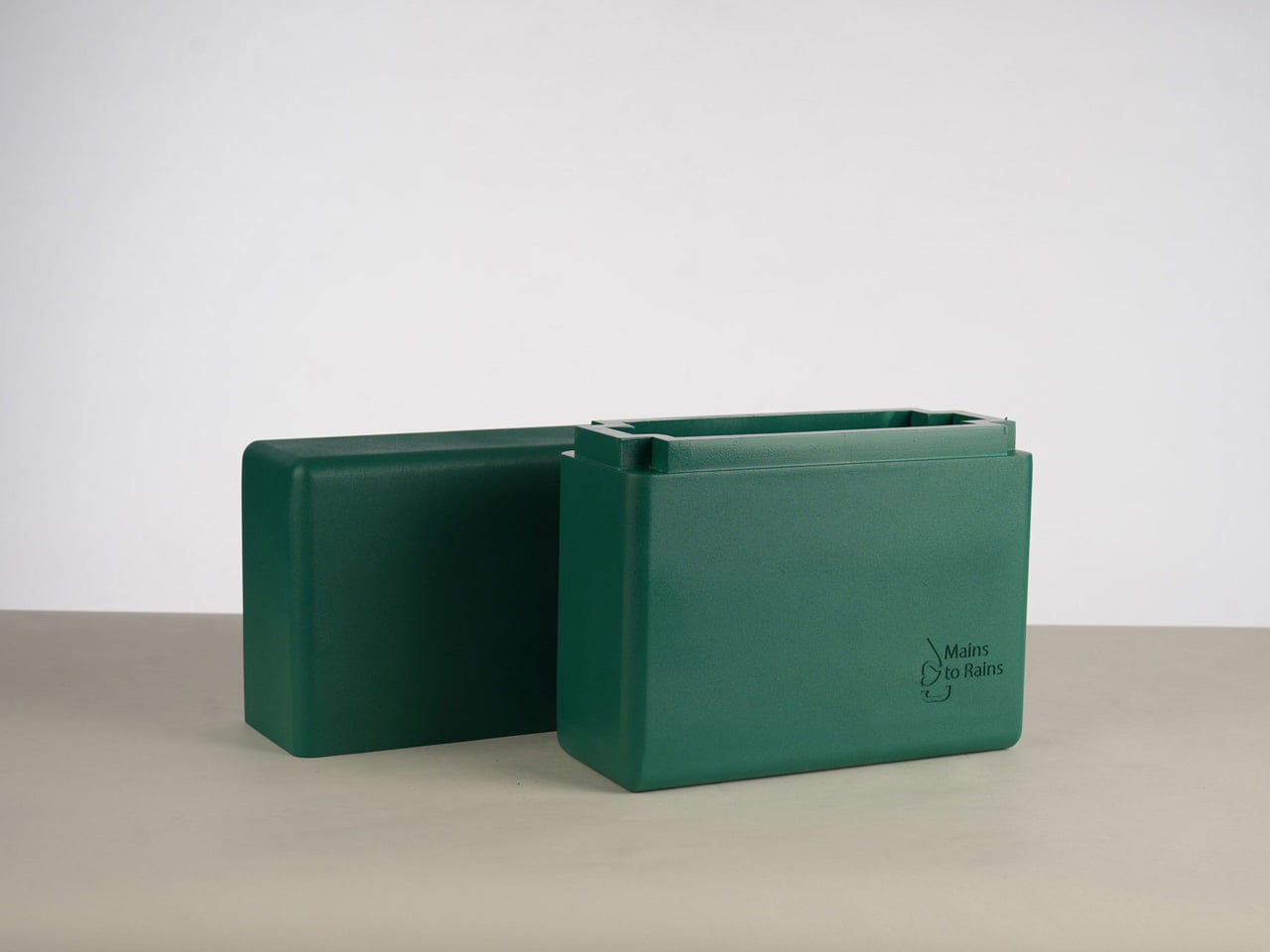
The Mains to Rains system is a smart, retrofit rainwater-harvesting kit designed to attach directly to your existing guttering without any structural changes. Instead of requiring contractors, permits, or expensive installations, the product simply clips onto standard drainpipes and immediately redirects rainwater into storage containers. Its plug-and-use design makes it accessible for any homeowner looking to manage water more efficiently, especially as bills rise and rainfall becomes increasingly unpredictable. The system works during heavy downpours to capture excess water that would normally overload storm drains, and it provides a reliable supply for everyday outdoor use during dry spells.
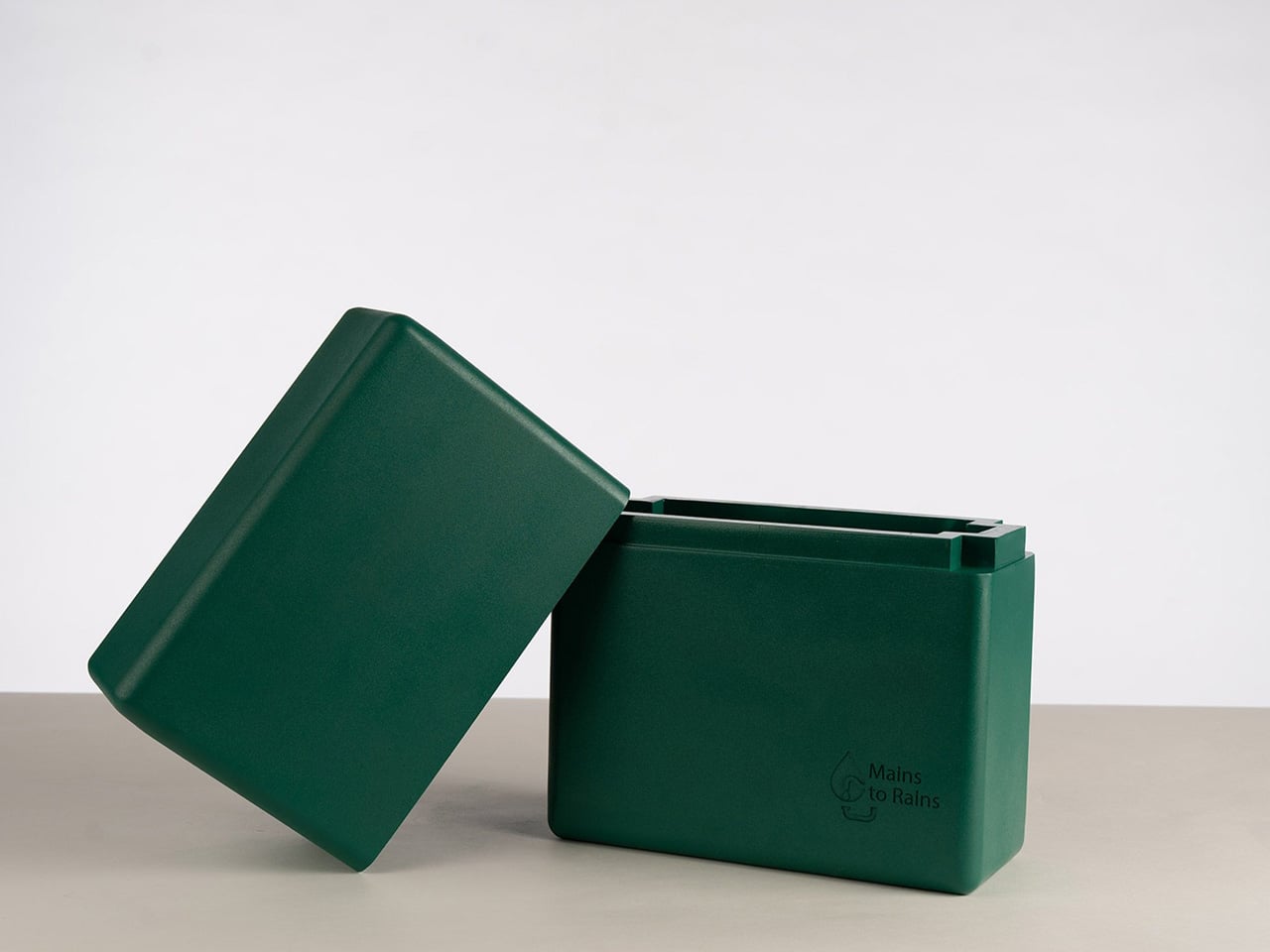
What sets Mains to Rains apart is its practicality and performance. The stored rainwater is naturally soft and chemical-free, making it ideal for plants and gardens. When used across multiple homes, the product helps ease pressure on municipal drainage and water systems while reducing household utility costs. It’s a simple, effective upgrade that turns every rainfall into a valuable resource.
2. Hybrid, Decentralised Energy Generation
A future-ready home must evolve from passive energy use to active energy production. Depending solely on a central grid has become a clear risk as extreme weather intensifies, making self-generated power an essential layer of protection and continuity for everyday living.
Building-integrated photovoltaics and modular battery storage deliver this shift with refined solar surfaces that double as architectural materials. Paired with high-density batteries capable of islanding the property, they create true energy independence. This dual-function approach maximizes material efficiency while ensuring critical systems like HVAC and communication remain operational during outages, protecting comfort, stability, and the long-term performance of the home.
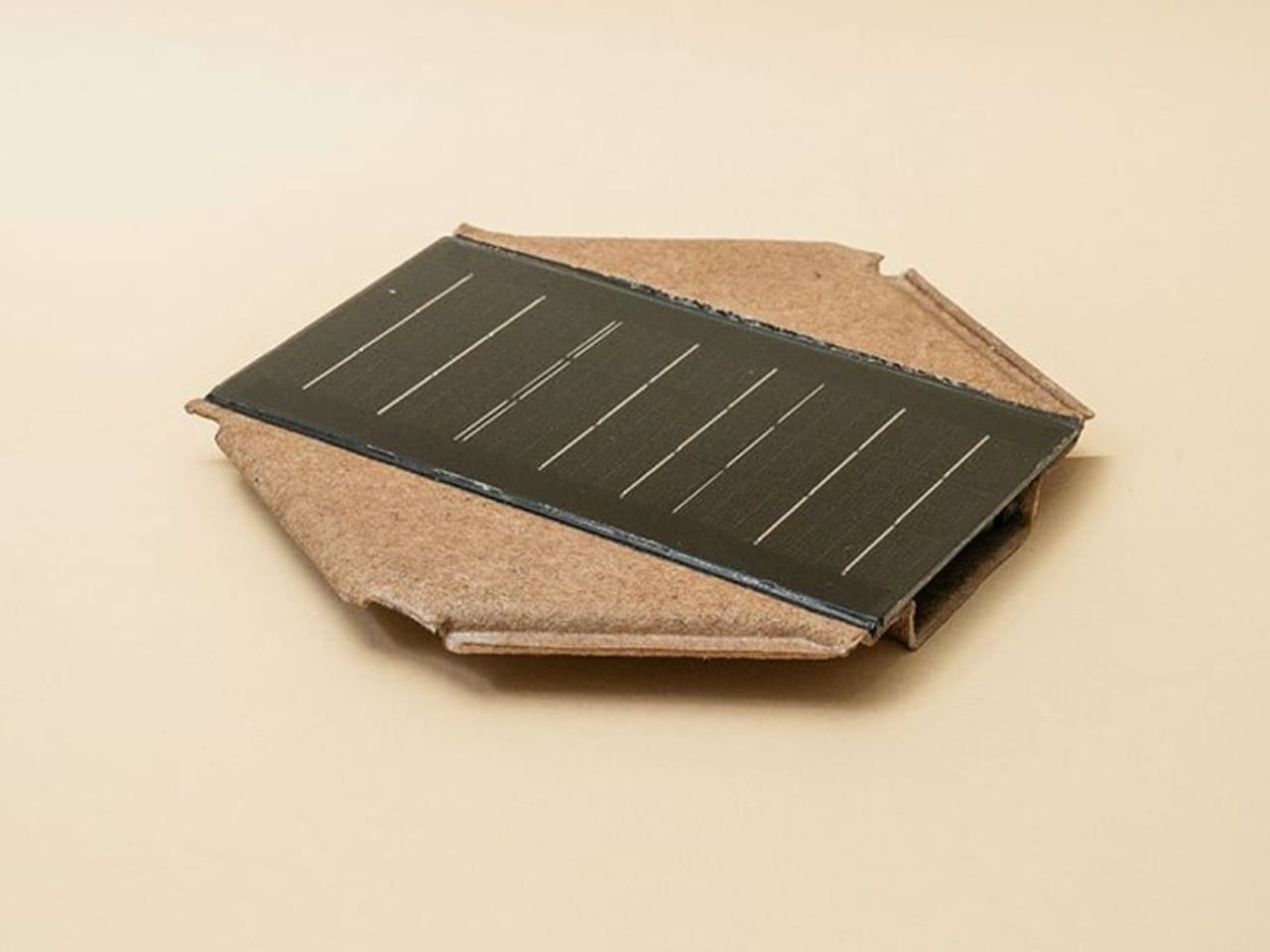
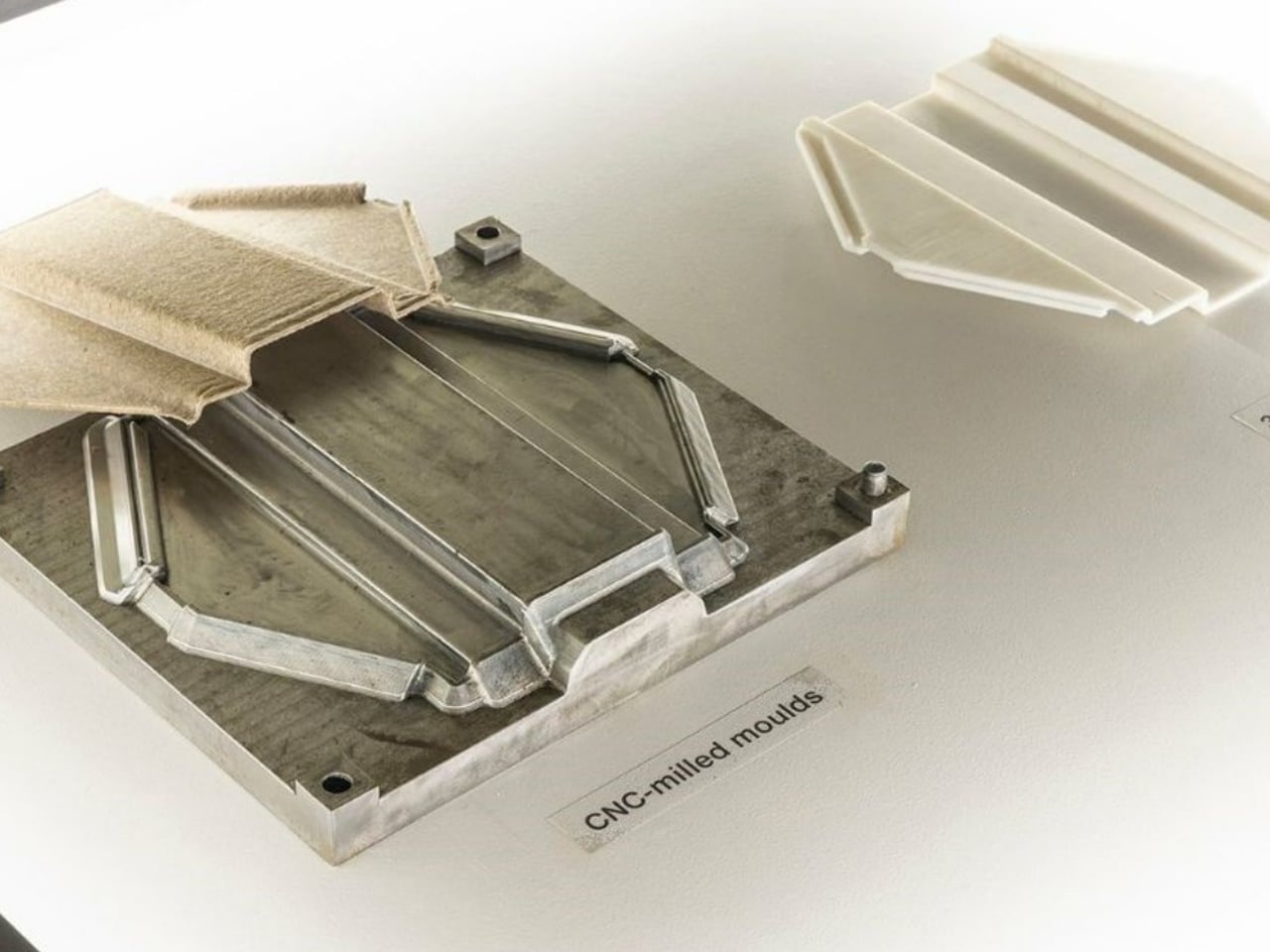
Studio SKLIM’s Lo-Hi Tech project demonstrates how primitive materials and advanced technologies can work together to create sustainable, high-performing solutions. Its Ke-Sol System (KSS) combines lightweight Kenaf fiber biocomposite tiles with custom monocrystalline solar panels, forming modular, tiltable roof units that generate clean energy. Produced through high thermal pressure, the Kenaf tiles become strong yet light, offering an eco-friendly alternative to conventional roofing. By transforming natural fibers into energy-producing surfaces, the KSS demonstrates how traditional materials can be upgraded to meet modern environmental needs.

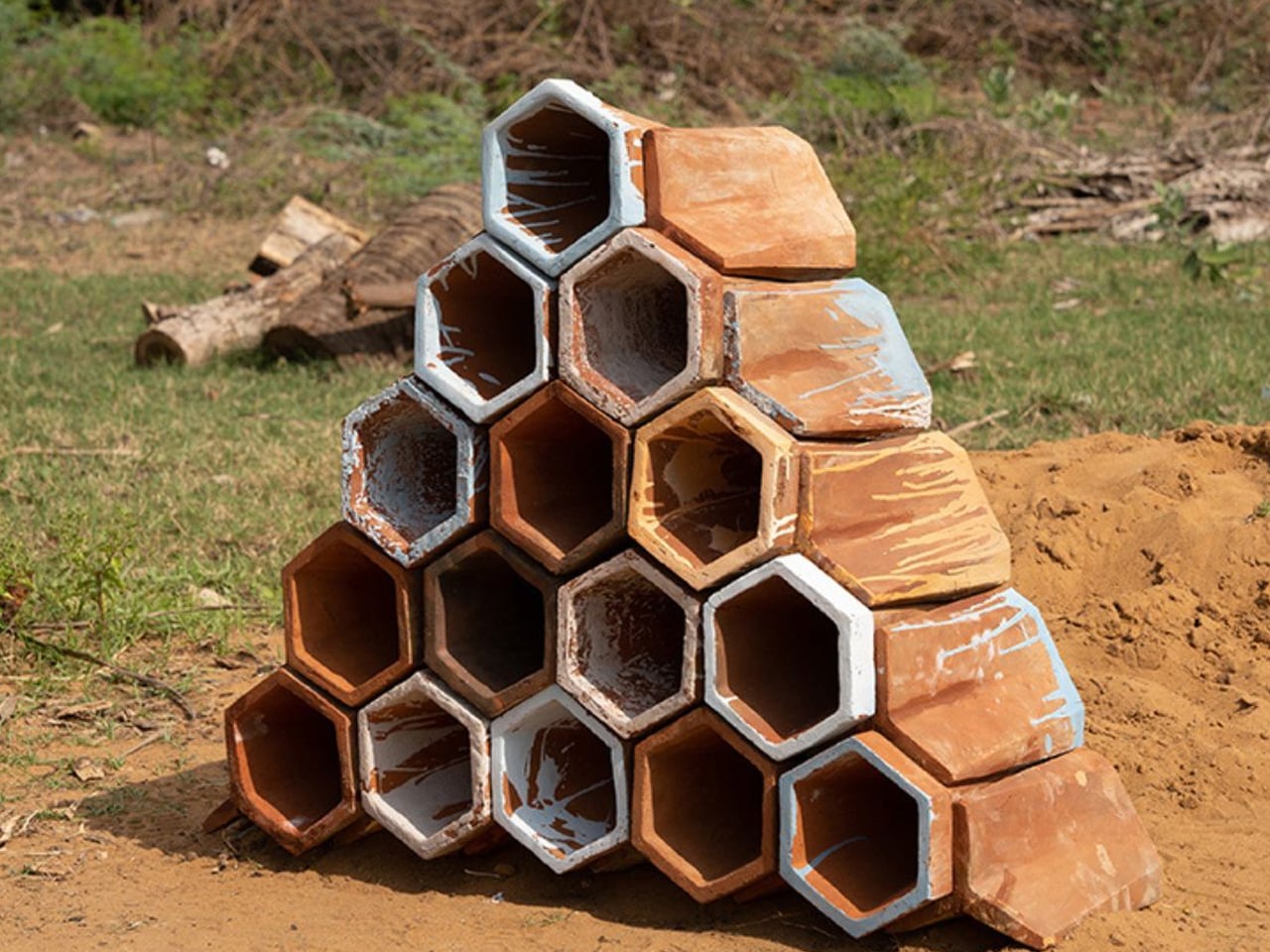
The Terra-Cooling System (TCS) uses terracotta’s natural cooling abilities to create wall components that act as both evaporative coolers and water tanks. With Hex and Tri modules refined through CFD simulations, the TCS can lower air temperatures by up to 6.5°C, making it ideal for applications such as EV-charging shelters that cool their surroundings while using solar lighting at night. Together, these systems highlight how craftsmanship and technology can shape a more sustainable future.
3. Passive Thermal Regulation Materials
Reducing the energy required for heating and cooling remains the most effective way to lower a home’s carbon footprint and operating costs. In this shift toward efficiency, the performance and integrity of materials become essential, shaping how naturally and consistently a space maintains thermal balance.
Phase Change Material (PCM), like integrated drywall and high-performance aerogel insulation, exemplifies this approach. PCMs store and release heat as temperatures fluctuate, while aerogels deliver exceptional insulation with minimal thickness. Together, they reduce HVAC peak loads, cut energy bills, and enhance interior comfort. Their high thermal mass and low conductivity ensure enduring performance and long-term material value.
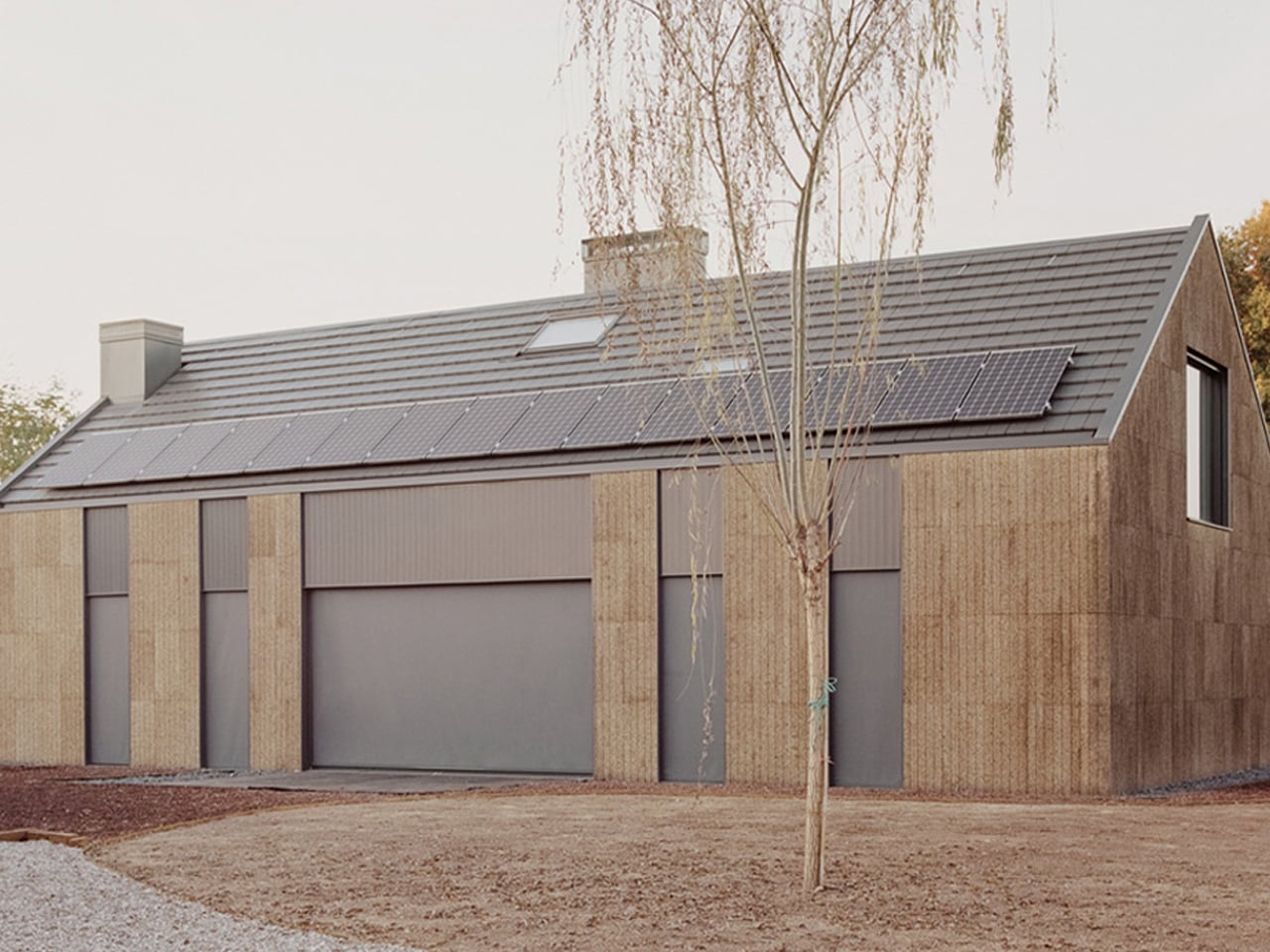
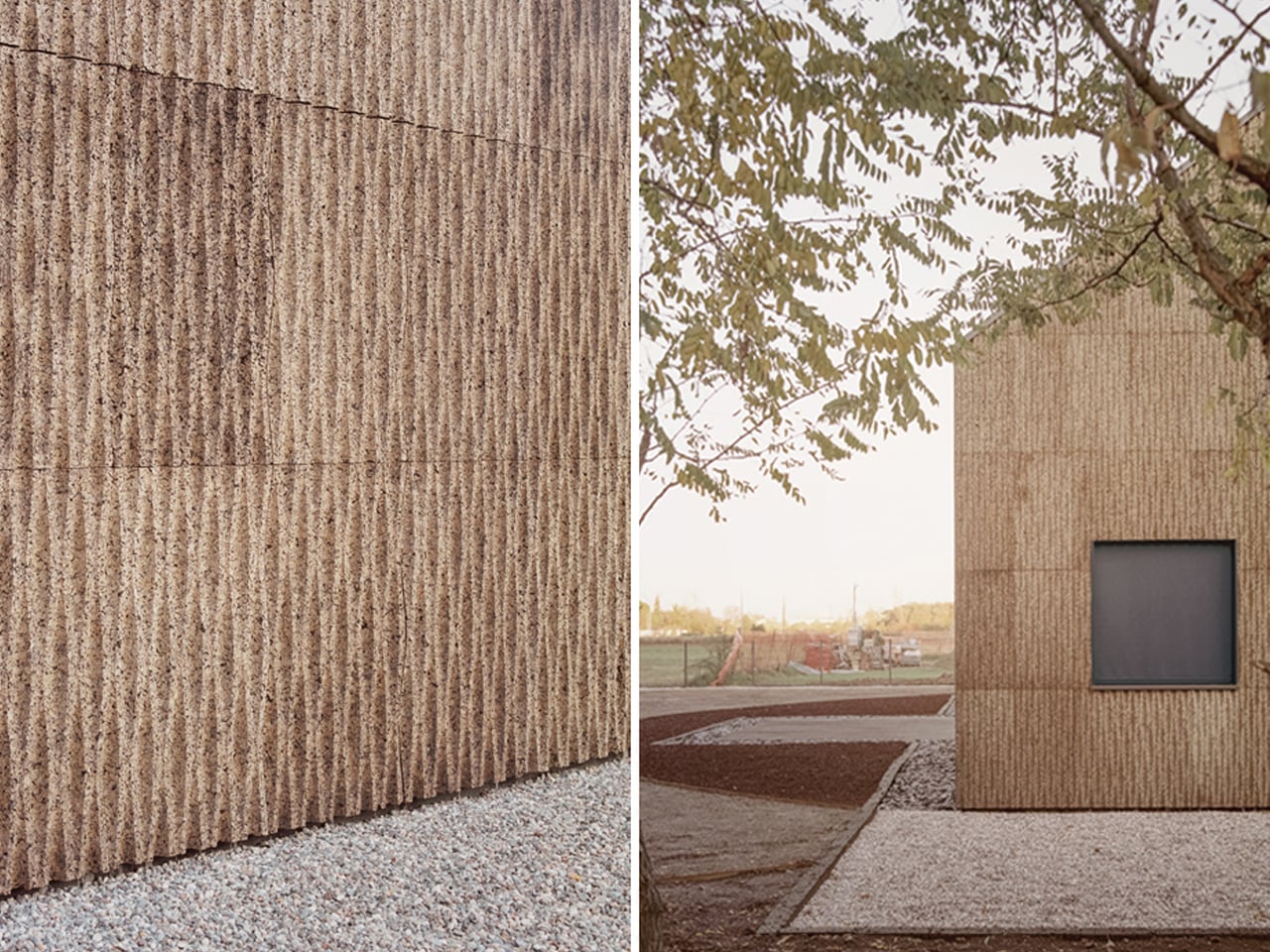
Just beyond a small Italian village, LCA Architetti has created the House of Wood, Straw, and Cork, a rural home designed with natural insulation at its core. Built for a pair of computer scientists seeking a sustainable lifestyle, the two-storey structure features a prefabricated timber frame wrapped in cork cladding. Harvested from cork oak bark, the cork exterior provides exceptional thermal performance while blending seamlessly with the surrounding farmland. The home’s primary insulation comes from straw, repurposed from discarded rice plants donated by local farmers. This straw infill, traditionally used in rural barns and henhouses, offers strong insulating properties while reducing agricultural waste.
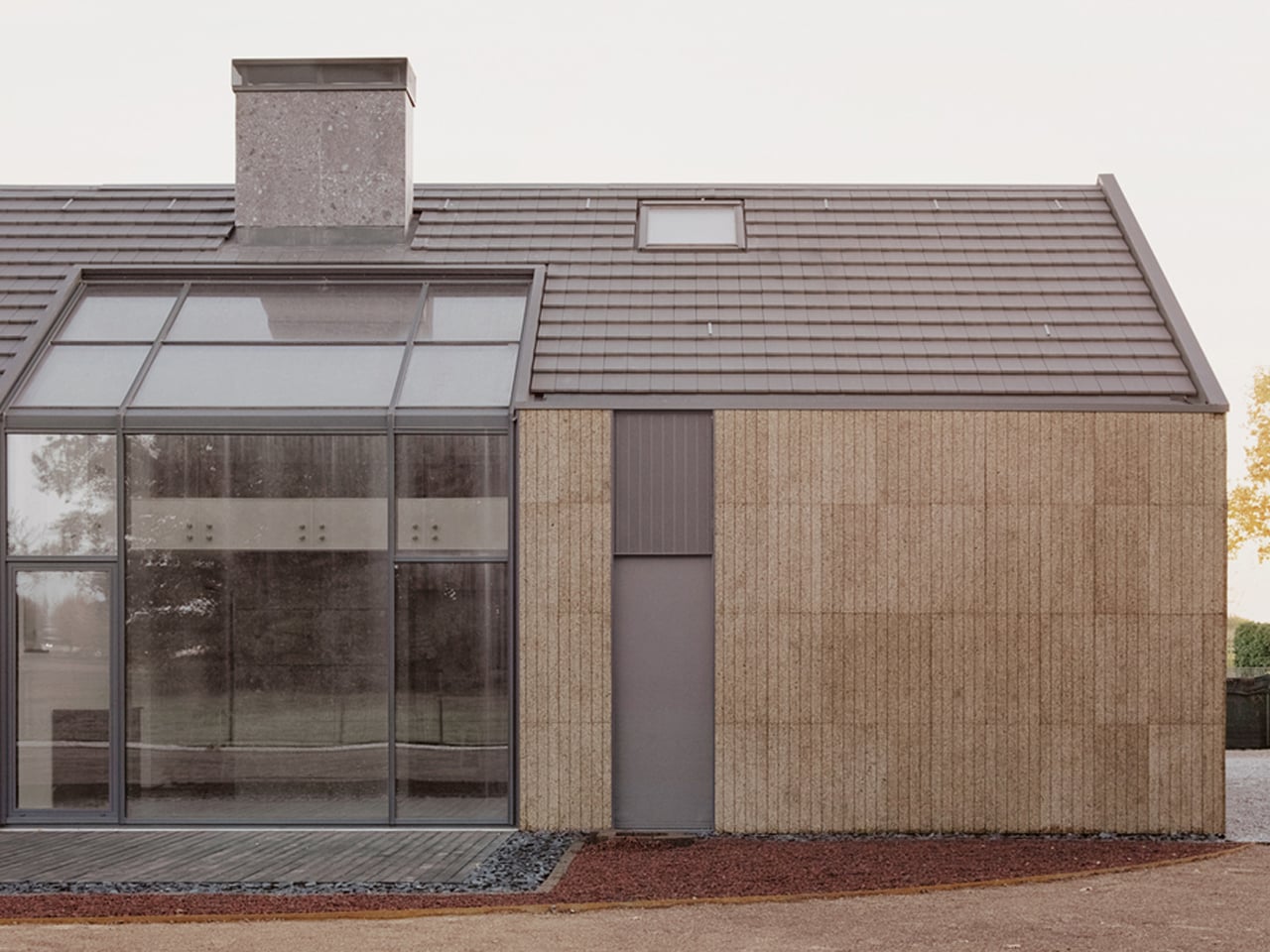
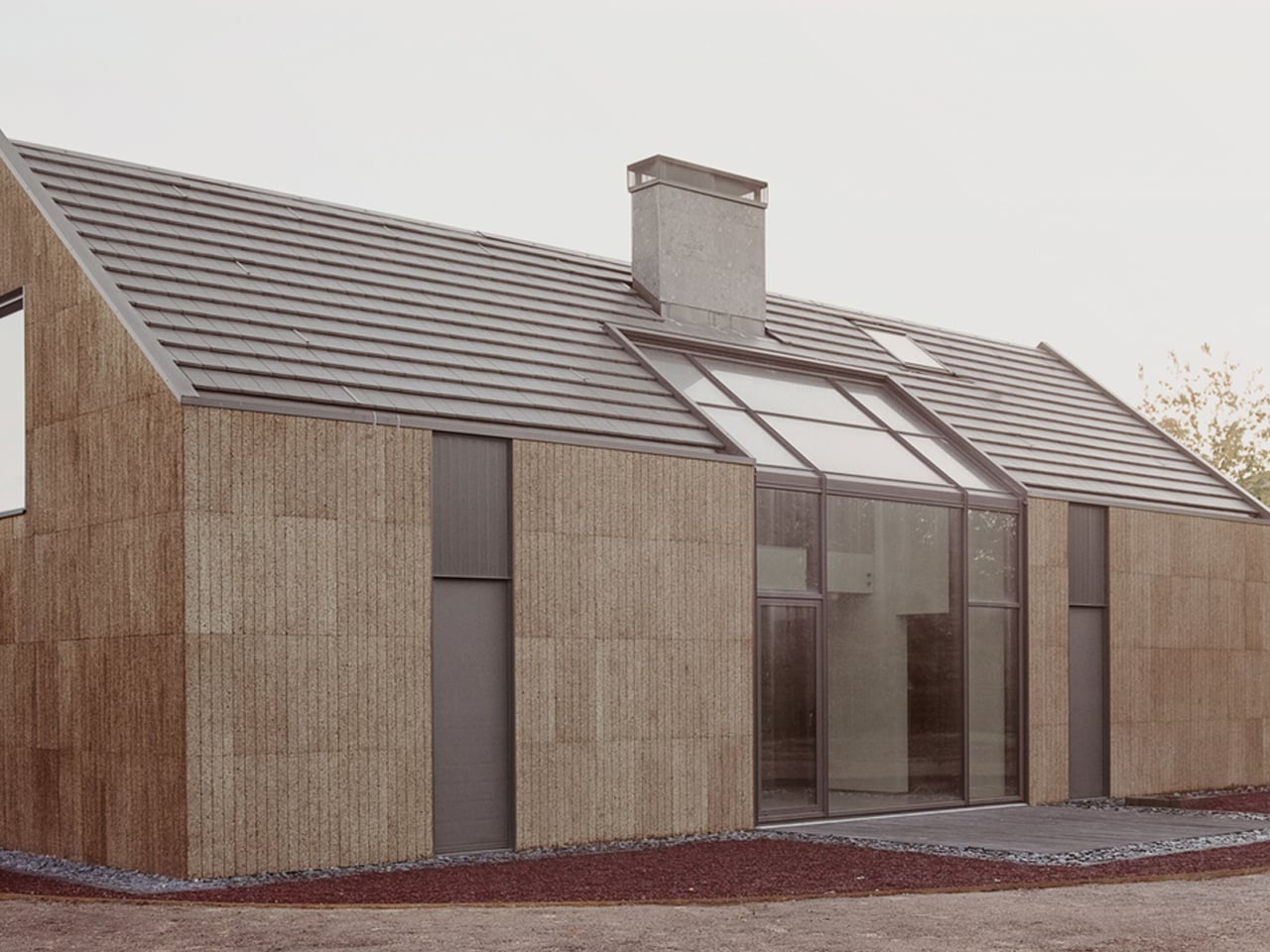
The house further enhances its energy efficiency with a rooftop array of solar panels, allowing it to produce much of its own power. By combining cork and recycled straw insulation with renewable energy, the home maintains comfortable indoor temperatures year-round while significantly lowering carbon emissions. Every material and method prioritizes environmental sensitivity, ensuring the home remains in harmony with its natural setting.
4. Integrated Indoor Vertical Farms
Food security is emerging as a fundamental pillar of domestic resilience. As climate pressures disrupt traditional agriculture, the fusion of architecture and controlled-environment growing systems offers a reliable, hyper-local source of fresh produce directly within the home.
Automated hydroponic or aeroponic vertical farming units deliver this capability through precise control of light, nutrients, and microclimate. Though the upfront cost is notable, the return lies in year-round nutritional certainty and a zero-mile food footprint. By reducing dependence on fluctuating supply chains, these systems transform the kitchen into a small-scale production hub, reinforcing biophilic living and reconnecting residents with the origin of their nourishment.
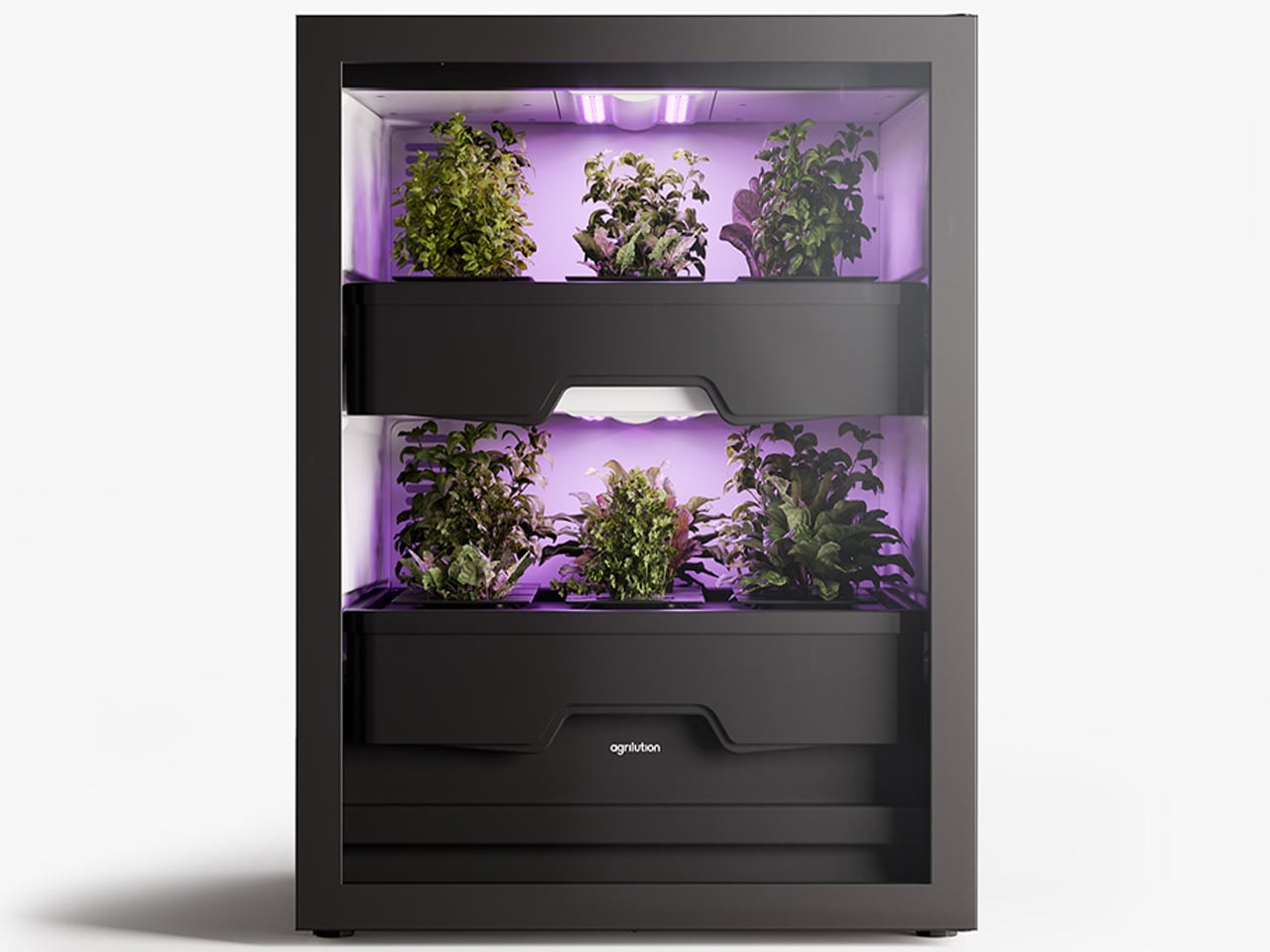
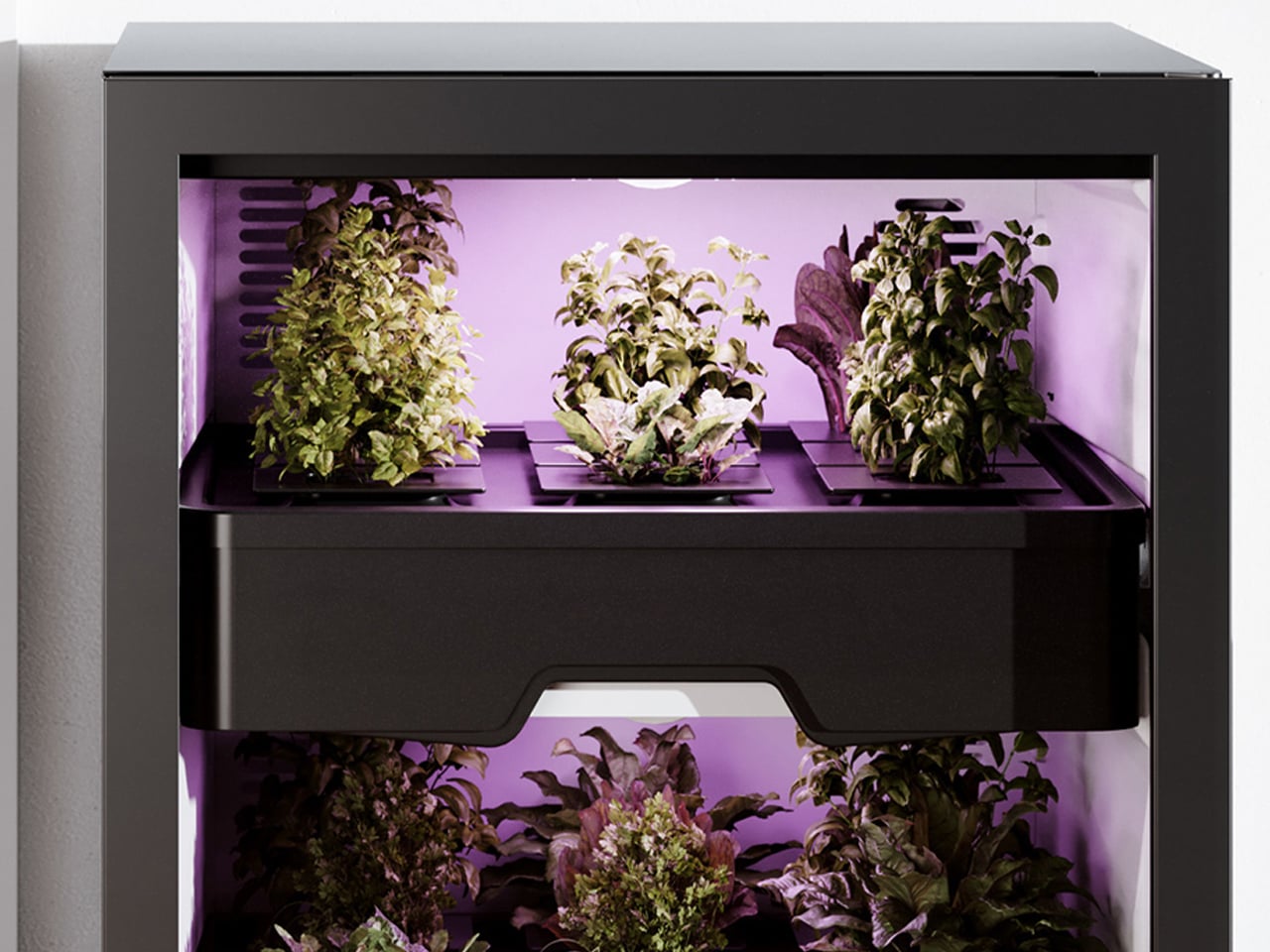
As more people embrace sustainable living, whether by growing vegetables or choosing reusable products, indoor vertical farming has become a popular solution for those with limited space. In response, Berlin-based design studio The Subdivision has envisioned Agrilution, a compact vertical farming appliance designed for modern homes. Shaped like a small refrigerator and nicknamed Plantcube, Agrilution features two sliding shelves that hold soil planters and crops. Built-in LED grow lights provide consistent artificial sunlight, ensuring plants receive the nourishment they need to thrive indoors.
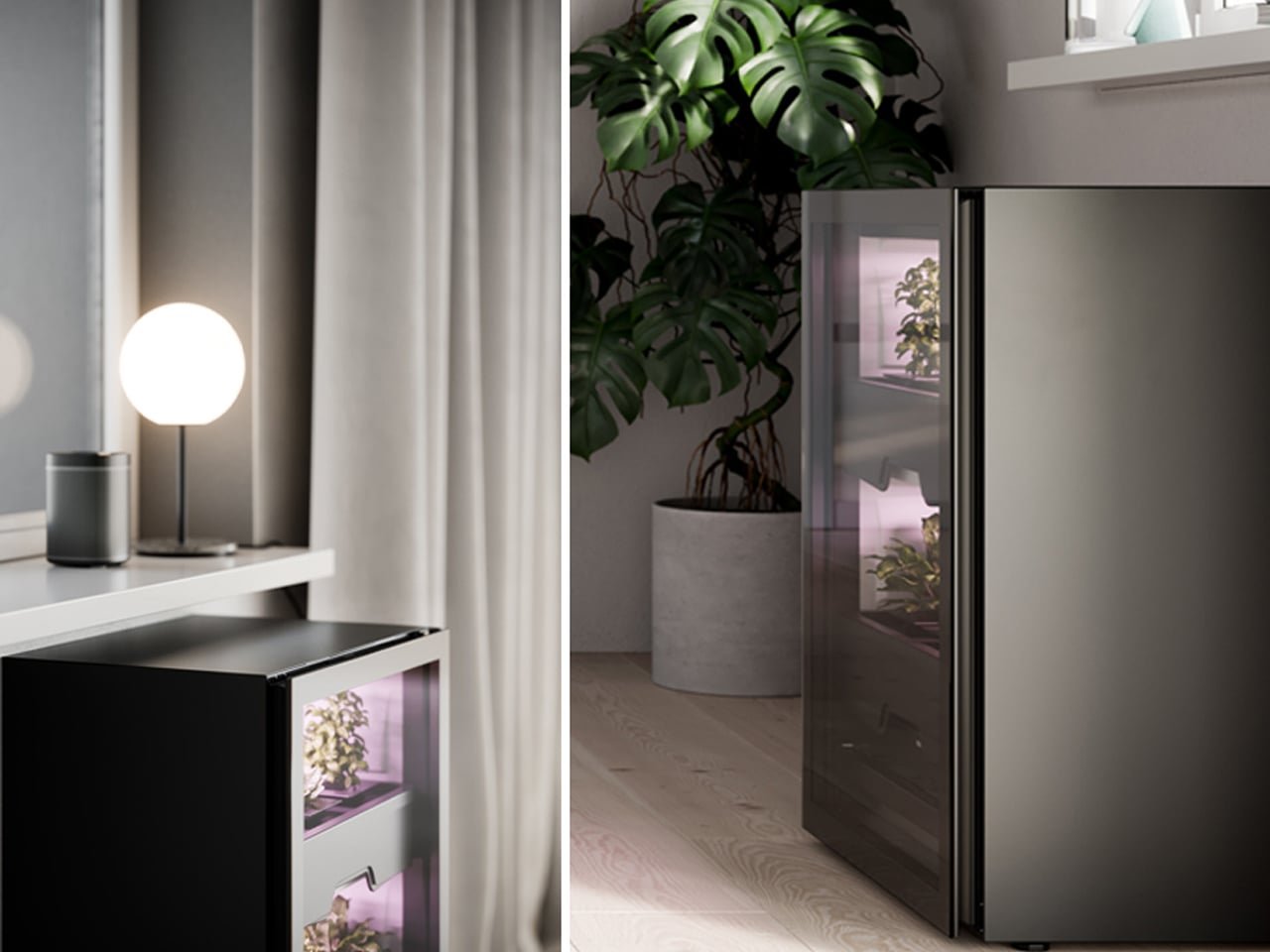
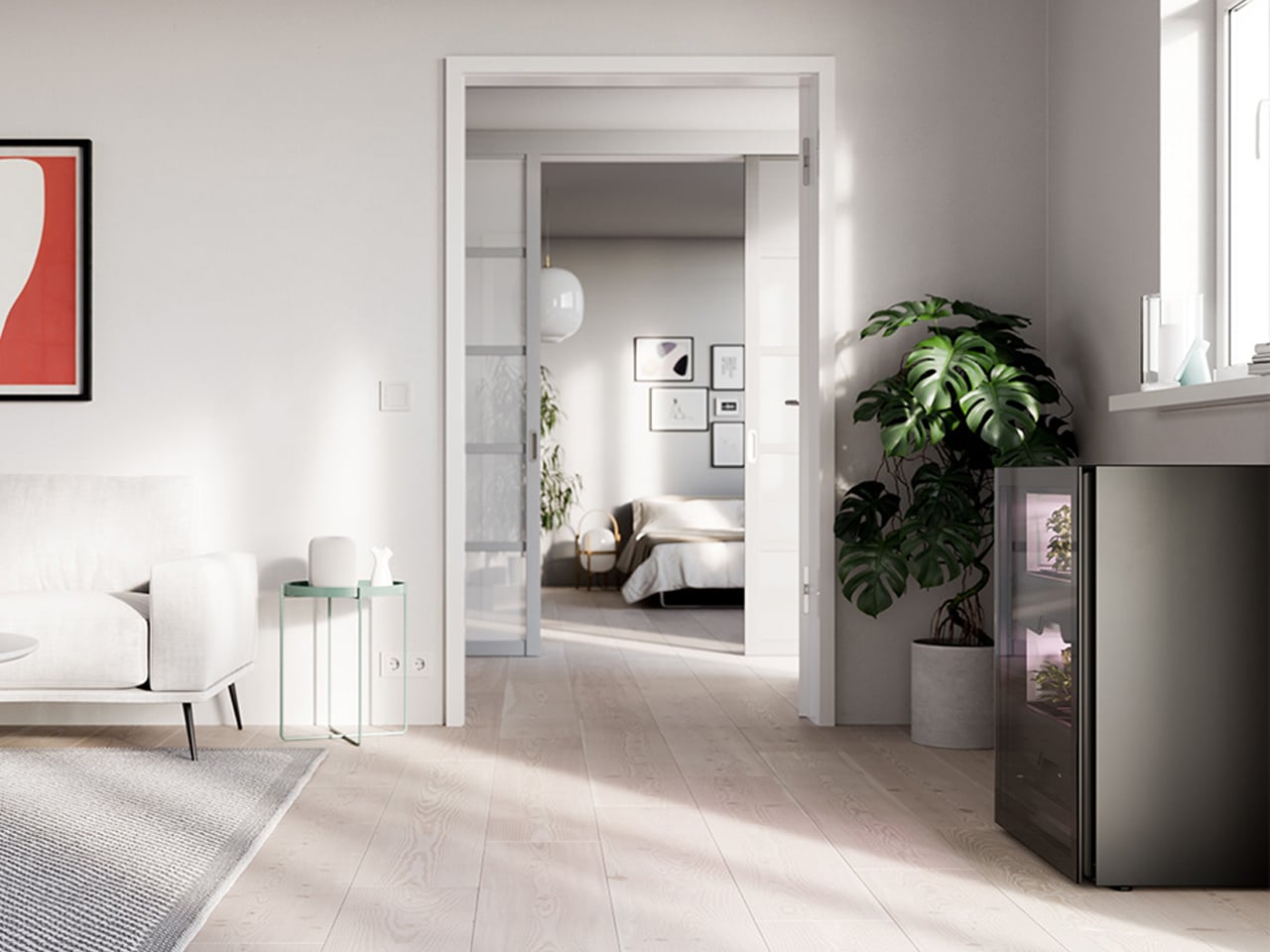
Agrilution also includes a smart app that guides users through plant care by signaling when water, nutrients, or soil replenishment are required. This combination of vertical farming and smart technology makes home gardening more accessible, even for beginners. With a sleek, black, minimalist design, the appliance blends effortlessly into contemporary interiors. As eco-friendly lifestyles gain momentum, Agrilution offers an elegant, easy way to bring sustainable food production directly into the home.
5. Resilient Homes For Rising Sea Levels
Homes built for rising sea levels must prioritize a strong, watertight building envelope capable of resisting frequent flooding, storm surge, and intensified coastal winds. As tides rise and soil becomes more saturated, foundations face higher stress, making durable structural systems essential. A reinforced shell that blocks moisture, prevents erosion damage, and maintains stability during extreme weather ensures long-term safety for occupants in vulnerable coastal areas.
Advanced materials further enhance resilience. Marine-grade, non-corrosive cladding protects against saltwater exposure, while impact-resistant glazing withstands high-pressure winds and floating debris. Corrosion-proof fasteners, elevated floor systems, and sealed joints reduce repair costs and prolong the lifespan of homes facing the realities of a changing coastline.
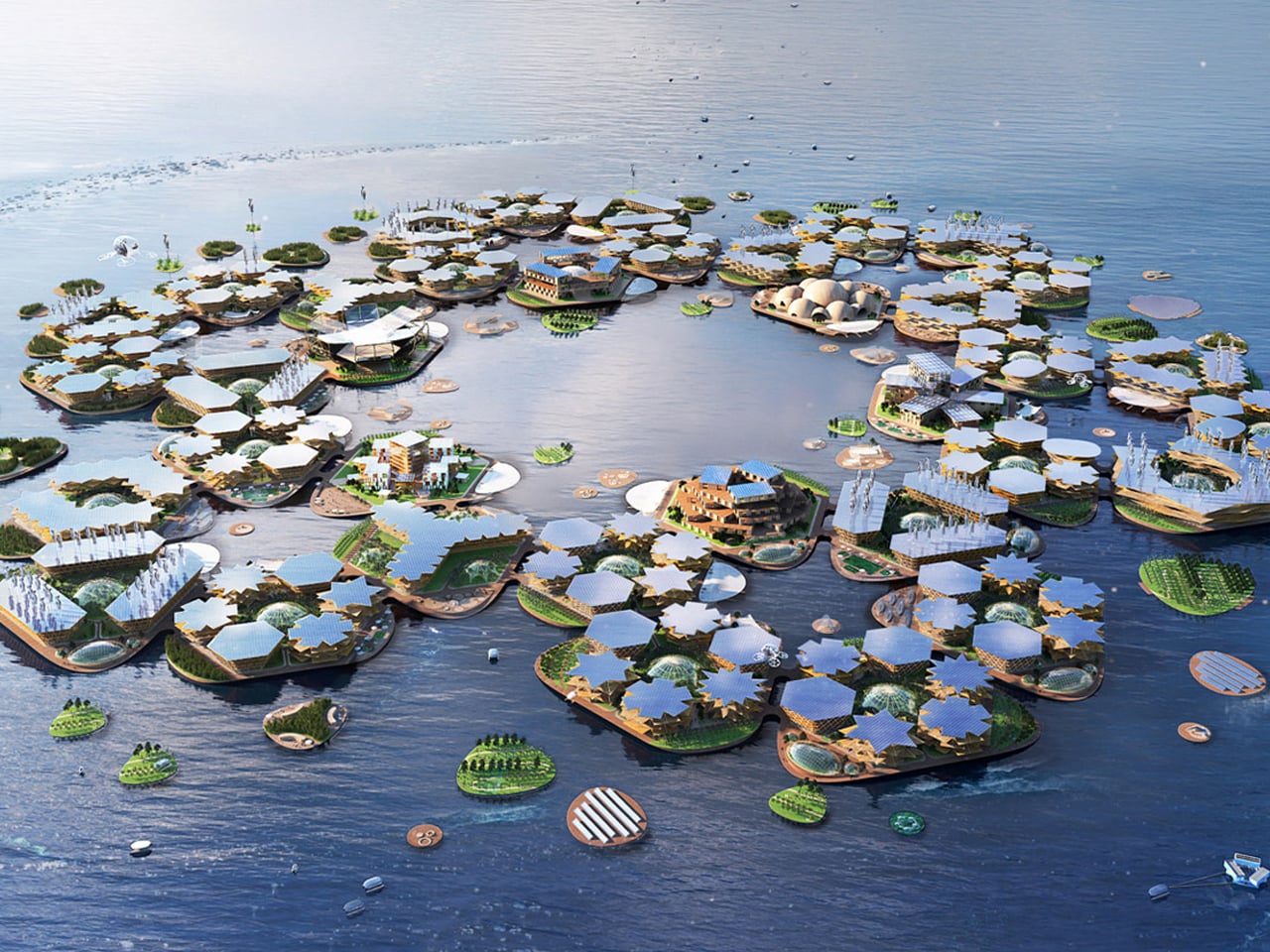
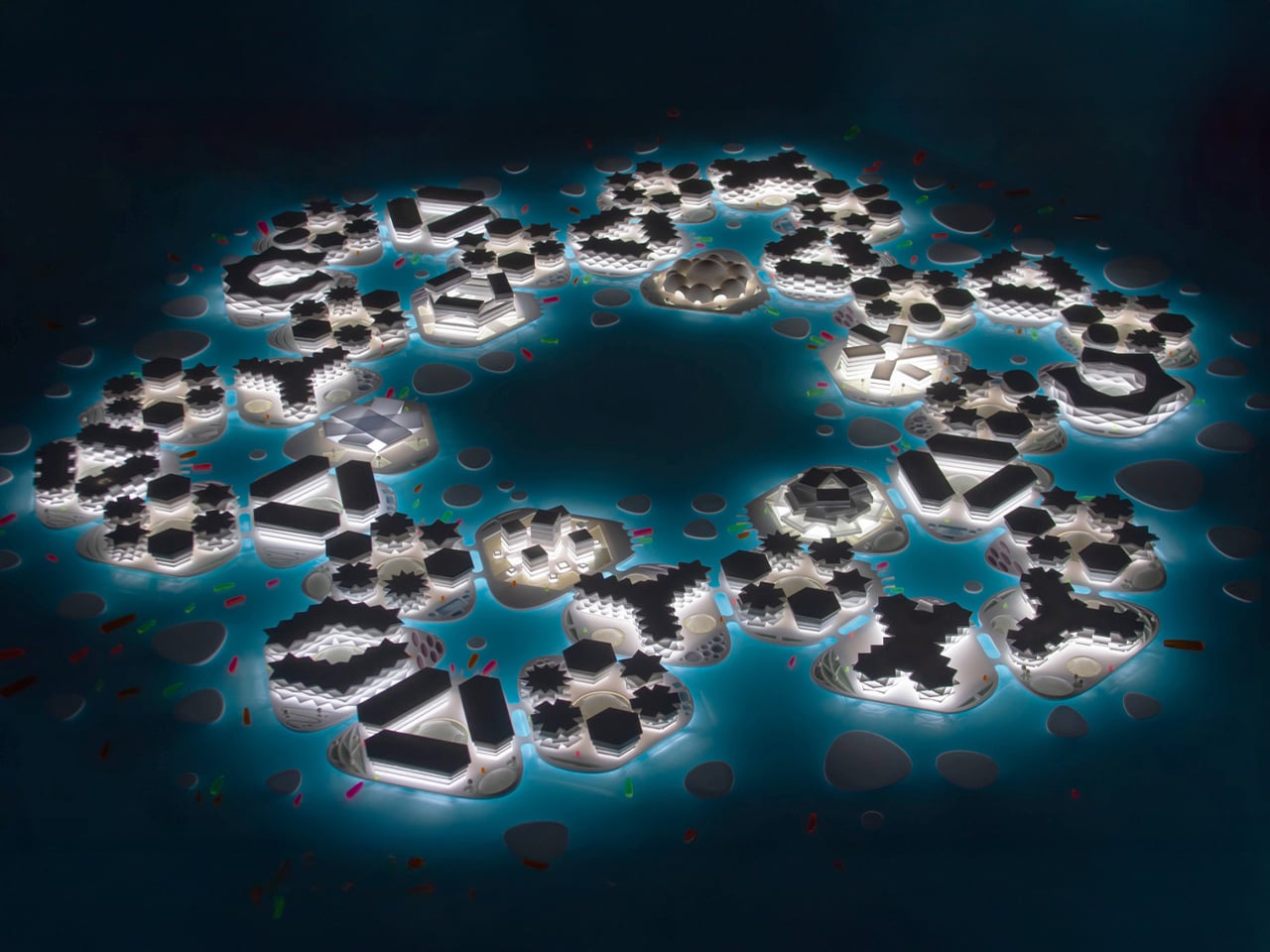
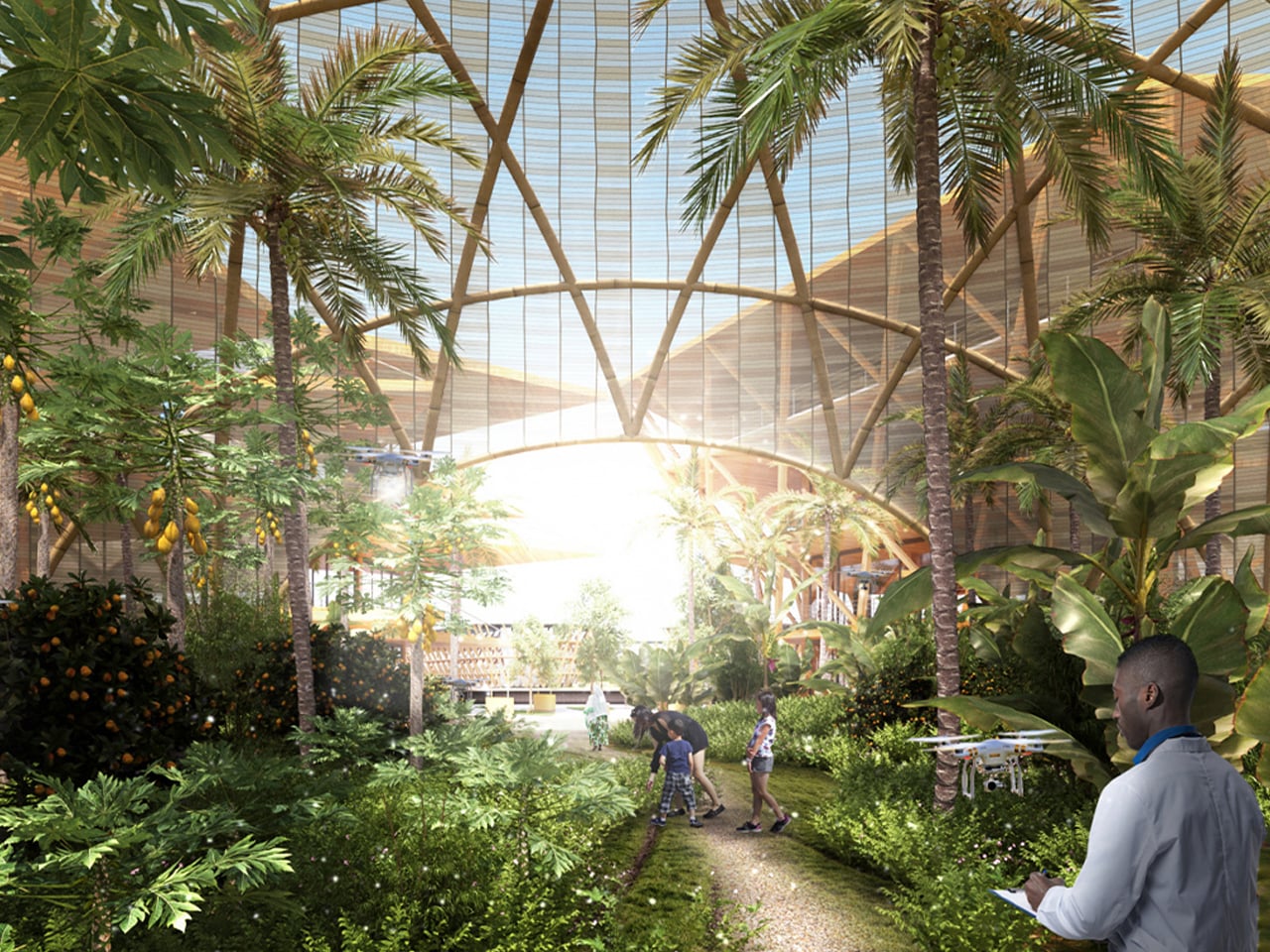
OCEANIX is an innovative floating city concept developed by BIG, Bjarke Ingels Group, envisioned for construction off the coast of South Korea. The project has received approval from UN-Habitat and the Metropolitan City of Busan, moving it closer to reality. Designed as a fully sustainable habitat, each 2-hectare module houses around 300 residents, and multiple modules can connect to form a 1,650-person village. These floating neighborhoods integrate underwater farming, greenhouses, and renewable energy systems to support long-term self-sufficiency. Residents can move easily on foot or by boat between the interconnected platforms.
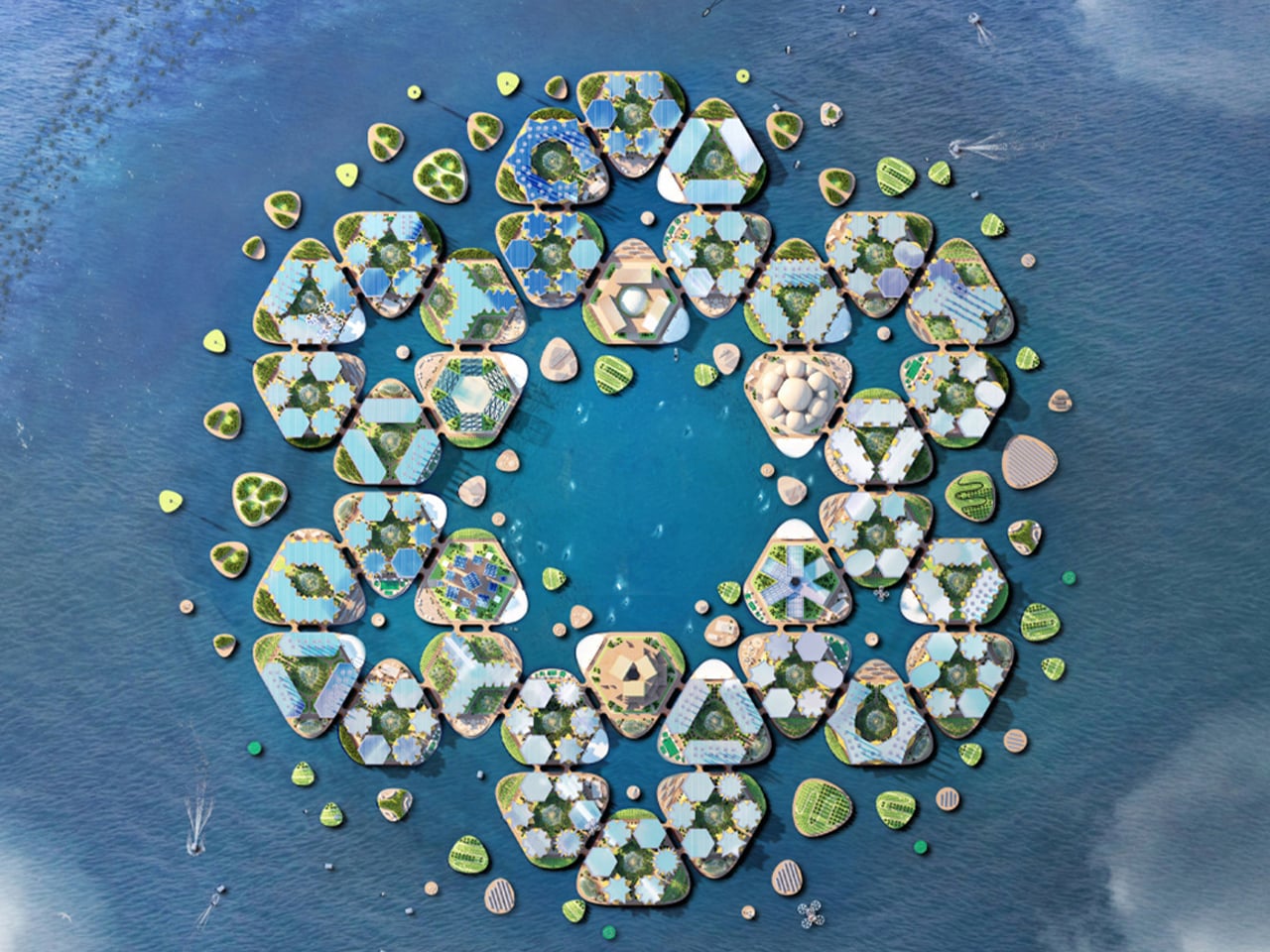

Resilience is central to OCEANIX’s design. The floating city is engineered to endure extreme natural forces, including category 5 hurricanes, tsunamis, and rising sea levels. Its masterplan features homes, public squares, art installations, markets, sports facilities, and schools, offering all the functions of a modern community while maintaining safety and stability even under severe environmental stress.
Luxury today is defined not by display but by certainty. When the five core pillars of energy independence, water autonomy, resilient envelopes, adaptive materials, and hyperlocal food systems work in harmony, the home transforms into an active, self-sustaining organism. This marks a new architectural mandate: to design spaces that are elegant, regenerative, and secure, offering the lasting peace of mind that comes from true environmental mastery.