For the past two years, on-device AI has been a hardware arms race, a contest to see whose NPU could post the most TOPS before the next product cycle. Qualcomm claimed the Snapdragon X Elite was the laptop chip AI deserved. Intel answered with Core Ultra and its own NPU tier. Apple quietly kept winning by making its Neural Engine feel native to everything the operating system actually does. Lenovo’s AI Host Mini, a $440 mini PC launching in China on July 1, approaches the whole argument from the opposite direction, starting with 8,000 software tools and asking how little hardware you need to run them well. At 45 TOPS and 8GB of RAM, the answer it proposes is going to make a lot of spec-chasers uncomfortable.
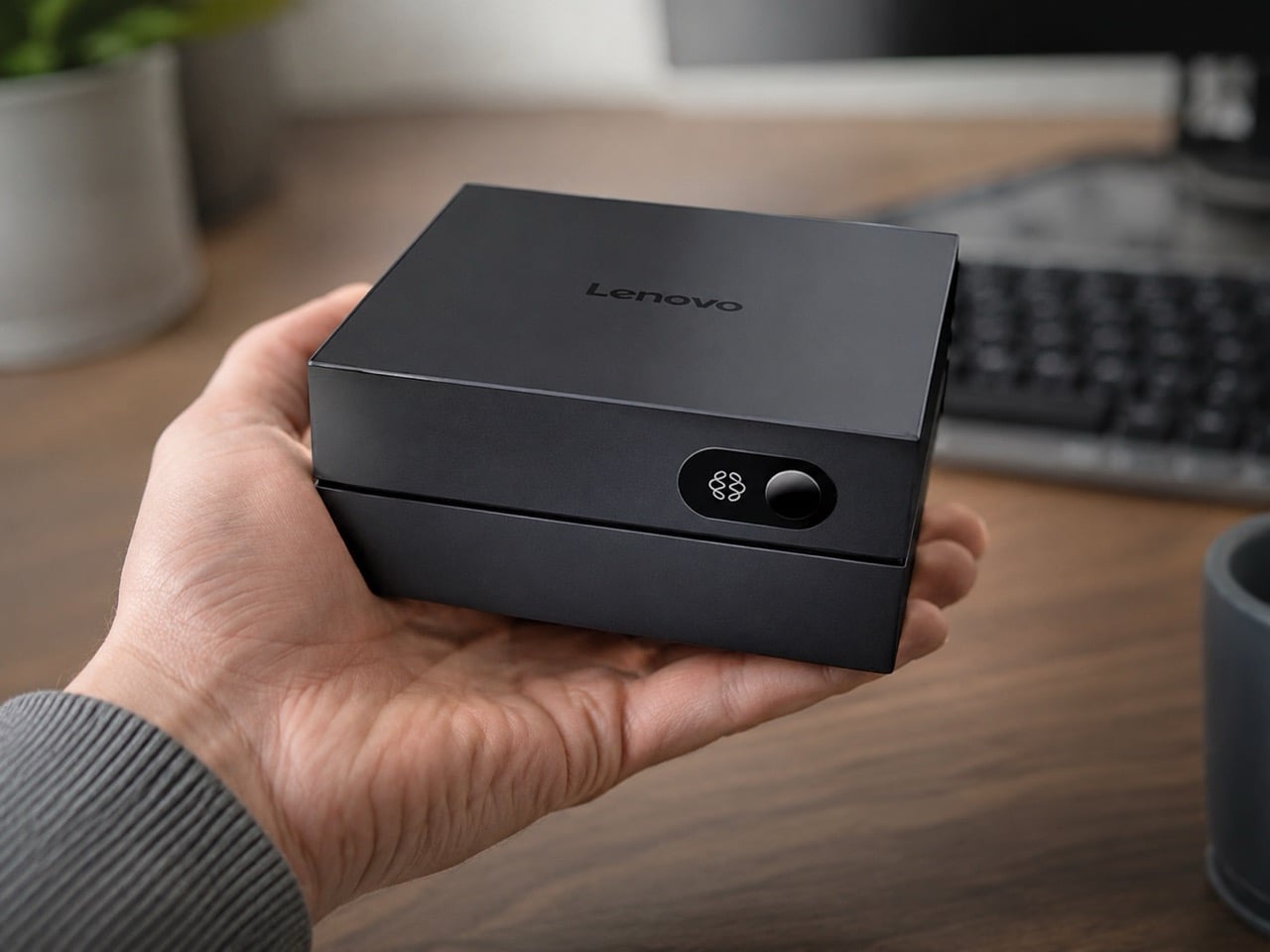
The physical object is a plain black box, 10 x 10 x 4.8 centimeters and 0.48 liters in volume, smaller than the Mac mini, which starts at $769. The processor is a Cixin P1 CD8180, a Chinese ARM chip with twelve CPU cores and an Immortalis-G720 GPU carrying ten cores, backed by 8GB of LPDDR5-6000 RAM and a 256GB SSD. Lenovo runs the platform on Ubuntu Linux with a proprietary Tianxi Claw layer handling access to the AI skills marketplace, and the system reportedly handles multiple agent instances running simultaneously. Connectivity covers two USB-C, four USB-A, 2.5 Gbit/s Ethernet, HDMI 1.4, and DisplayPort 1.4. CNY 2,999 (about $440) buys a China-exclusive launch with no confirmed path to international shelves.
Designer: Lenovo
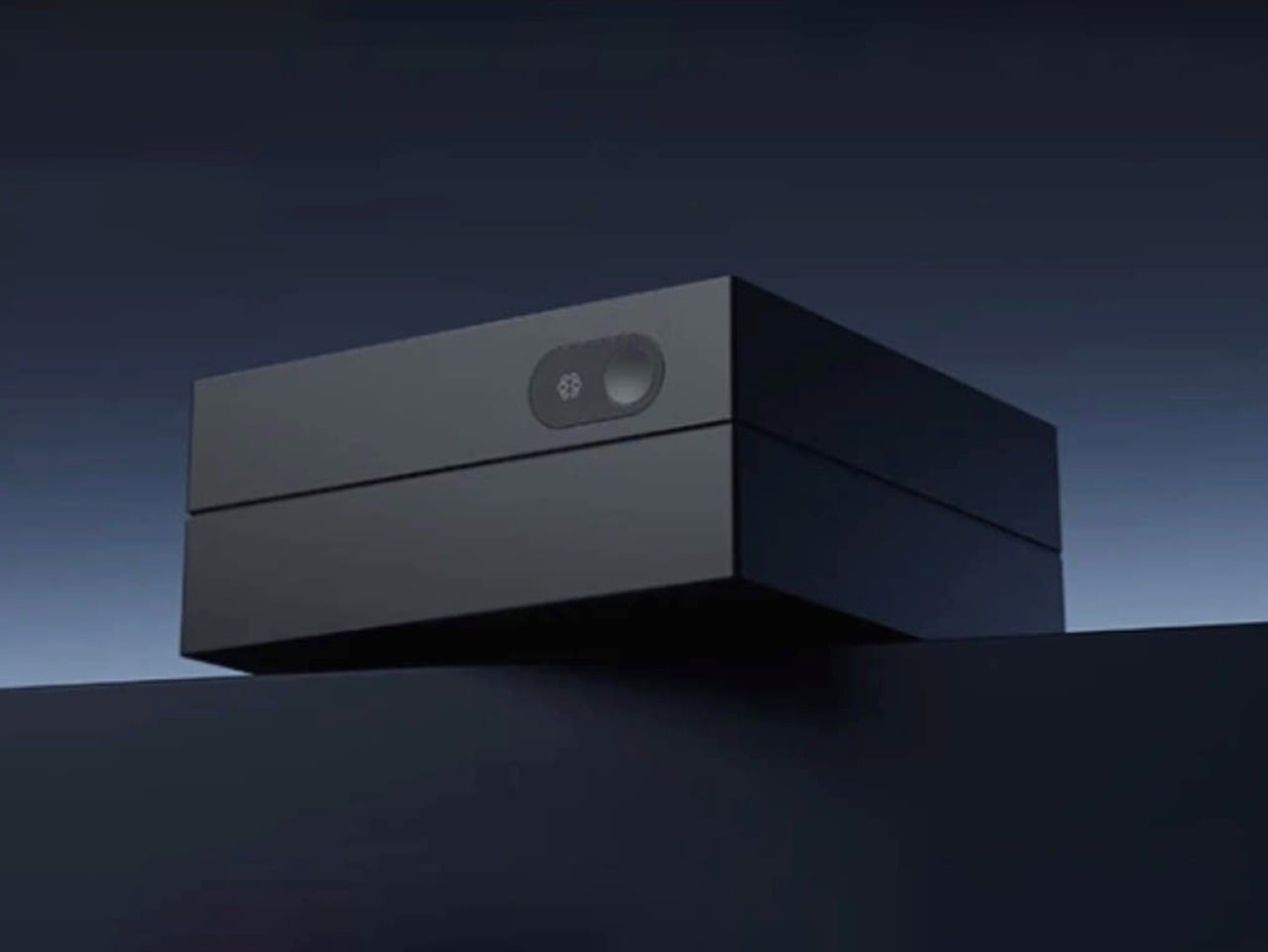
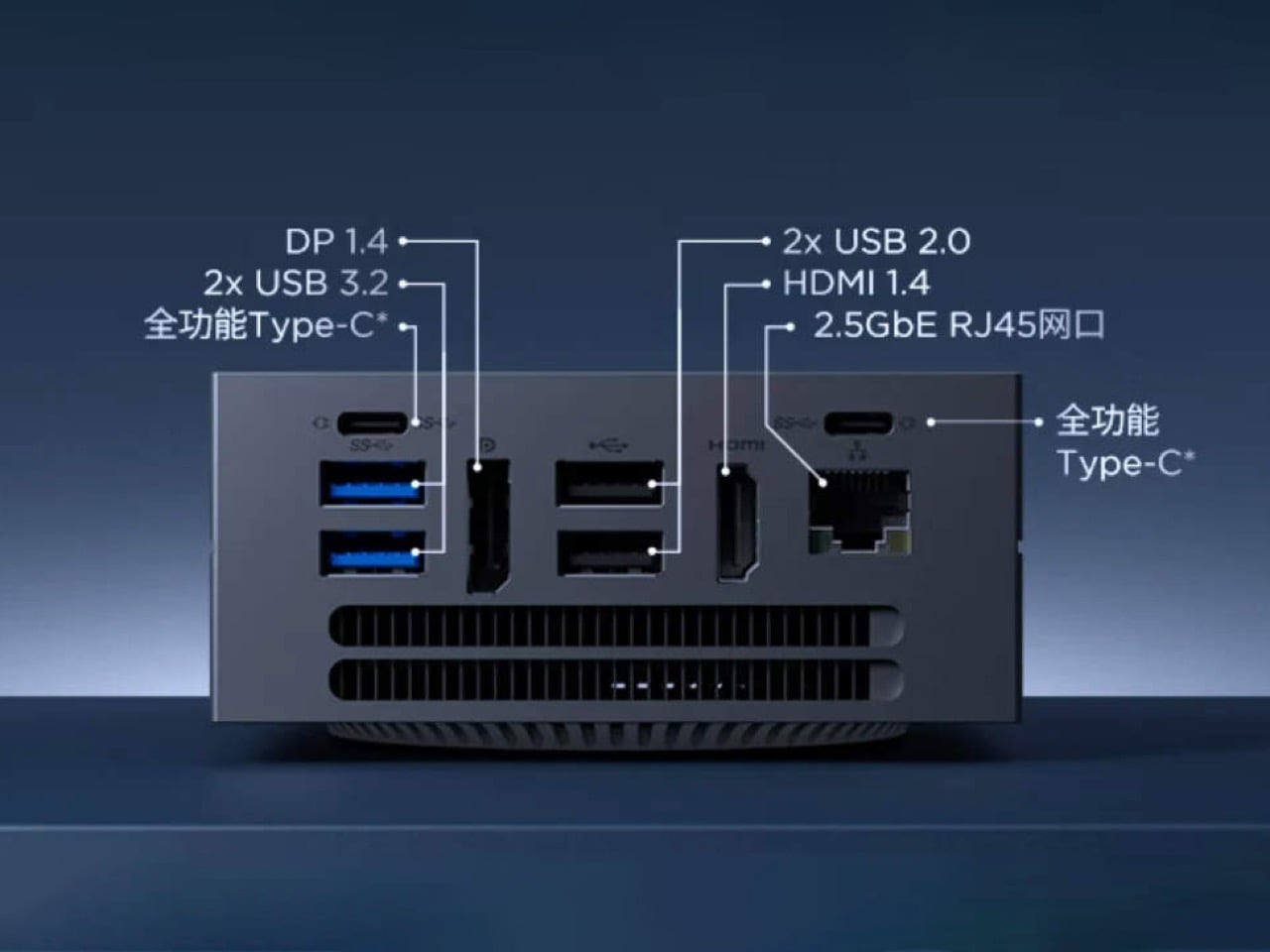
The Cixin P1 chip is the most politically loaded component in any mini PC announced this year. US export controls have cut Chinese manufacturers off from TSMC’s advanced nodes and Nvidia’s AI accelerators, forcing a generation of engineers to solve hard problems with constrained tools. That pressure has already produced genuine surprises: Huawei’s Kirin 9000s proved domestic silicon could power a sold-out flagship, and DeepSeek R1 showed that a frontier-class language model could be trained on a fraction of the compute budget everyone assumed was mandatory. The Cixin P1 follows that lineage, delivering 45 TOPS from hardware no Western analyst would have put on a competitive spec sheet two years ago. Doing more with less has always been a survival strategy; in China’s tech industry right now, it looks increasingly like a competitive advantage.
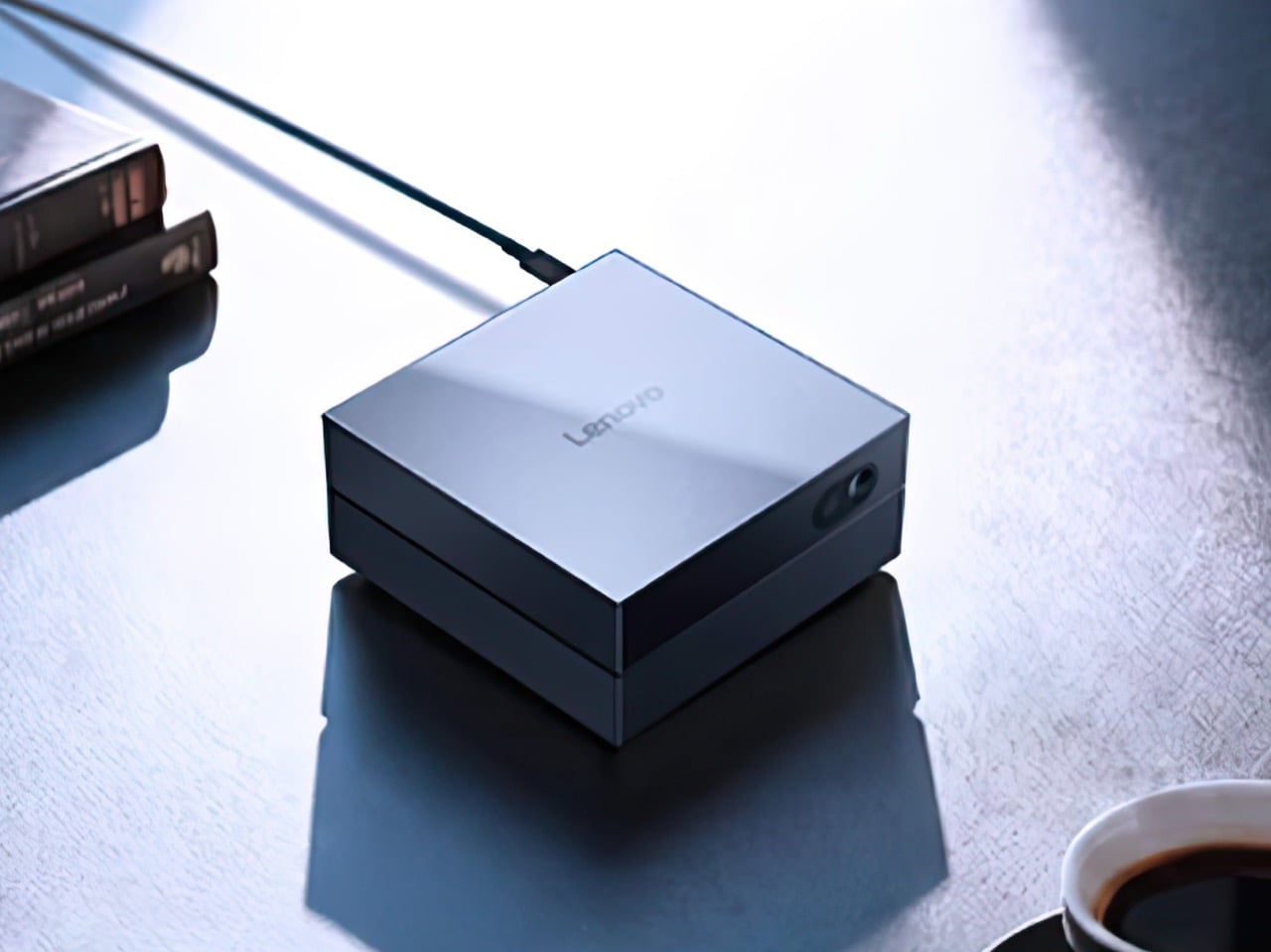
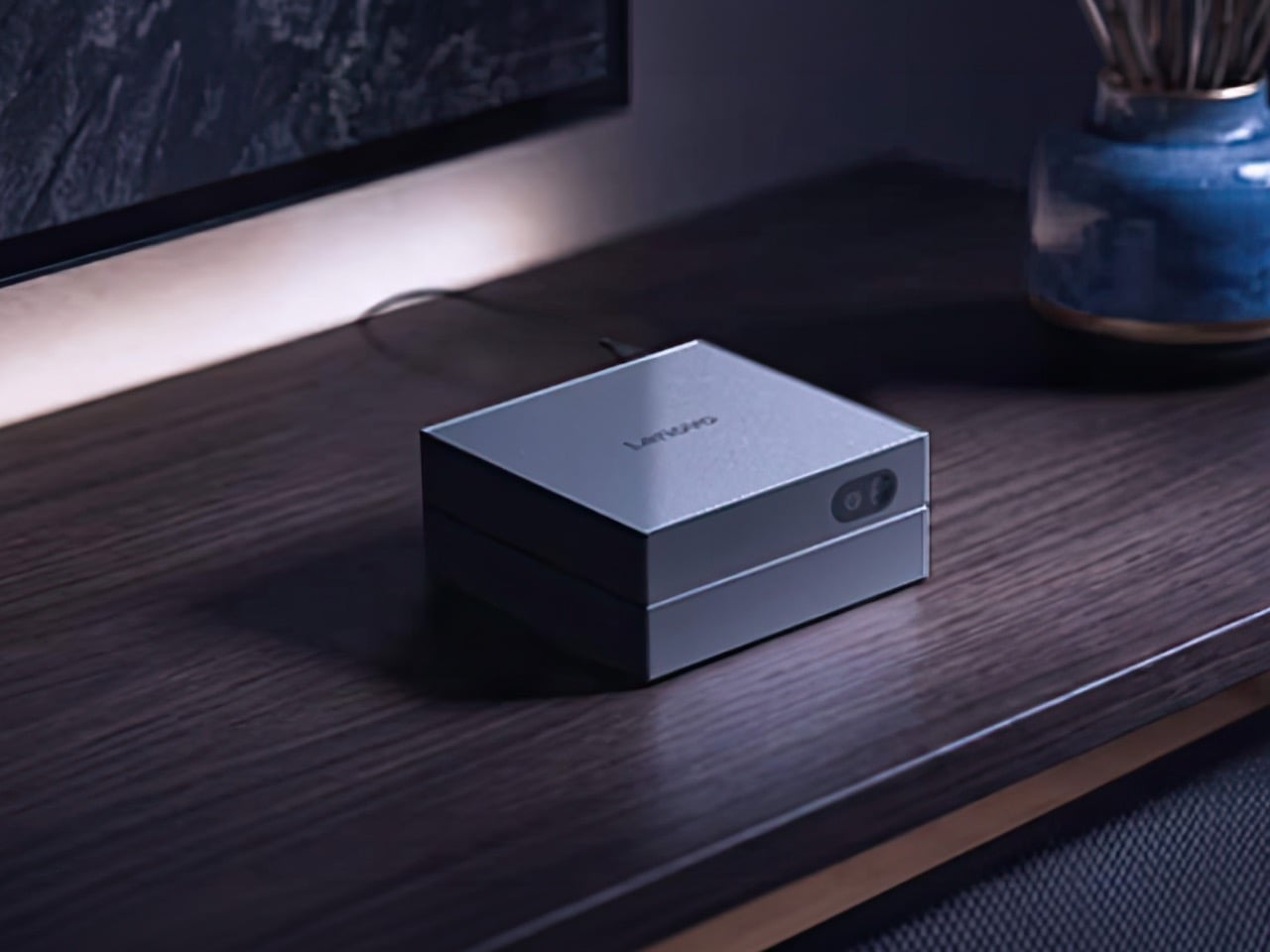
A skill, in Lenovo’s Tianxi Claw framework, is a purpose-built AI agent: a compact, fine-tuned model trained to do exactly one job well. Whether translating a document, transcribing audio, or automating a repetitive workflow, each runs lean and fast by design. A 1-billion-parameter model fine-tuned for translation outperforms a general 7-billion-parameter model on that same task while consuming a fraction of the memory, which is why 8GB can feel adequate here when it would feel genuinely limiting on a machine trying to run a full LLM. The system handles multiple agent instances simultaneously, so one processes voice input while another works through an image task in the background. That is a fundamentally different vision for personal AI: less one omniscient assistant, more a small and efficient team of specialists.
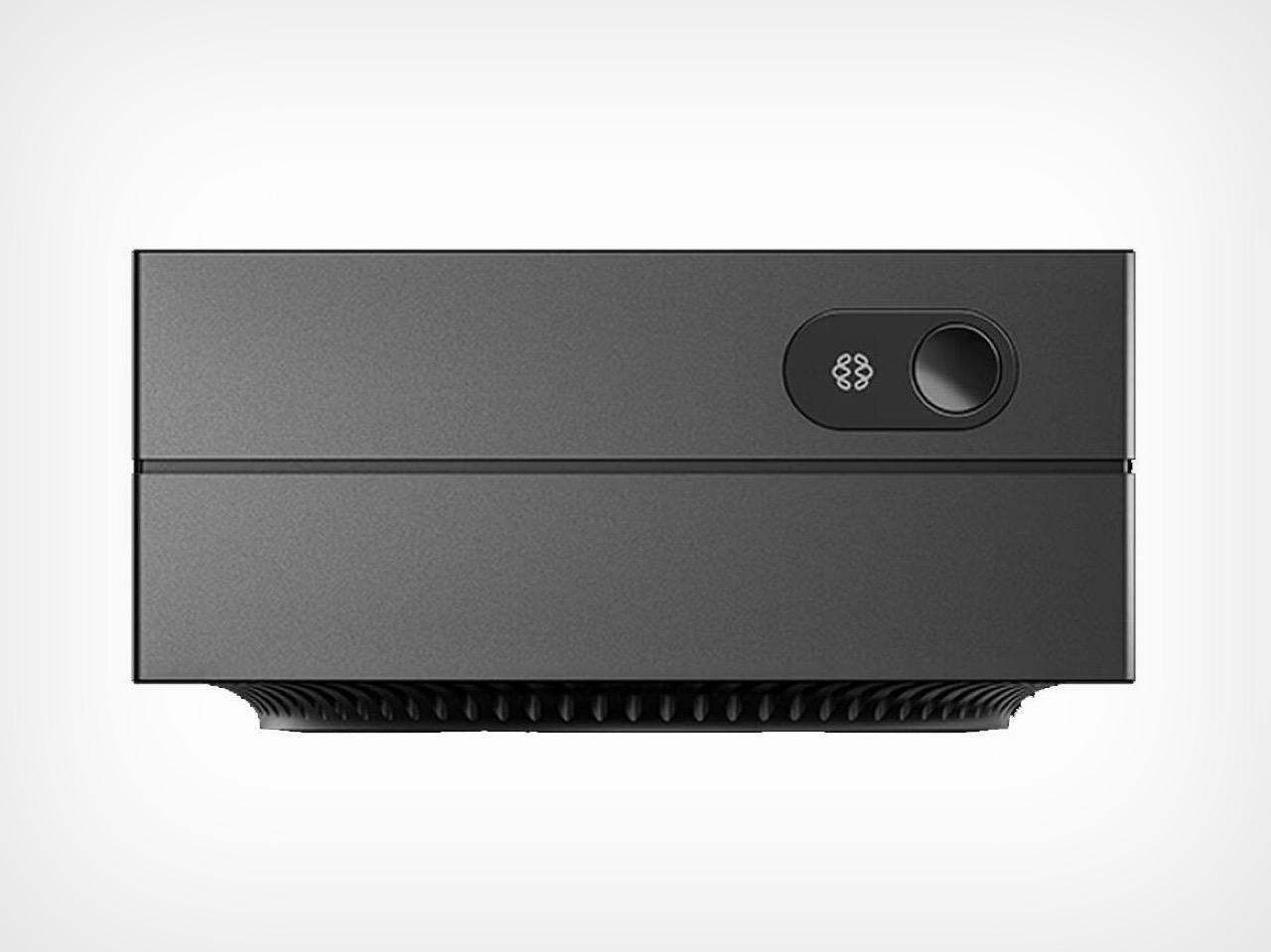
The honest caveat sits in the software stack: Tianxi Claw is a proprietary platform built for Chinese consumers, and the skills catalog is oriented toward Mandarin-speaking users for now. There is also a China-exclusive July 1 launch date with nothing confirmed internationally. The 8GB RAM ceiling matters at the edge of demanding generative tasks, where the Yoga Mini i Gen 11’s 32GB ceiling and the Minisforum MS-S1 Max’s 128GB unified pool have headroom this machine simply doesn’t. But none of that changes what the AI Host Mini signals: if domestic Chinese silicon delivers 45 TOPS at $440 in 2026, the trajectory points toward personal AI computers that cost less than a mid-range smartphone within two product cycles. China’s tech industry is answering the affordability question faster than almost anyone predicted, and as usual, it is doing it with whatever tools the room allowed.
SHARE