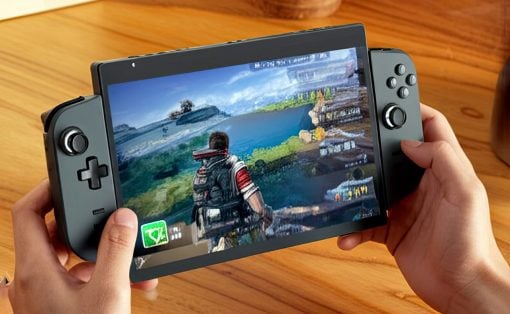
Handheld gaming has grown into a serious market, but no single device has managed to satisfy every trade-off at once. The Nintendo Switch sacrifices power for portability, the Steam Deck adds weight and Linux friction, and the ROG Ally costs too much while battery anxiety lingers. Every existing option addresses one frustration and sidesteps another, leaving a gap that’s wide enough for something genuinely different.
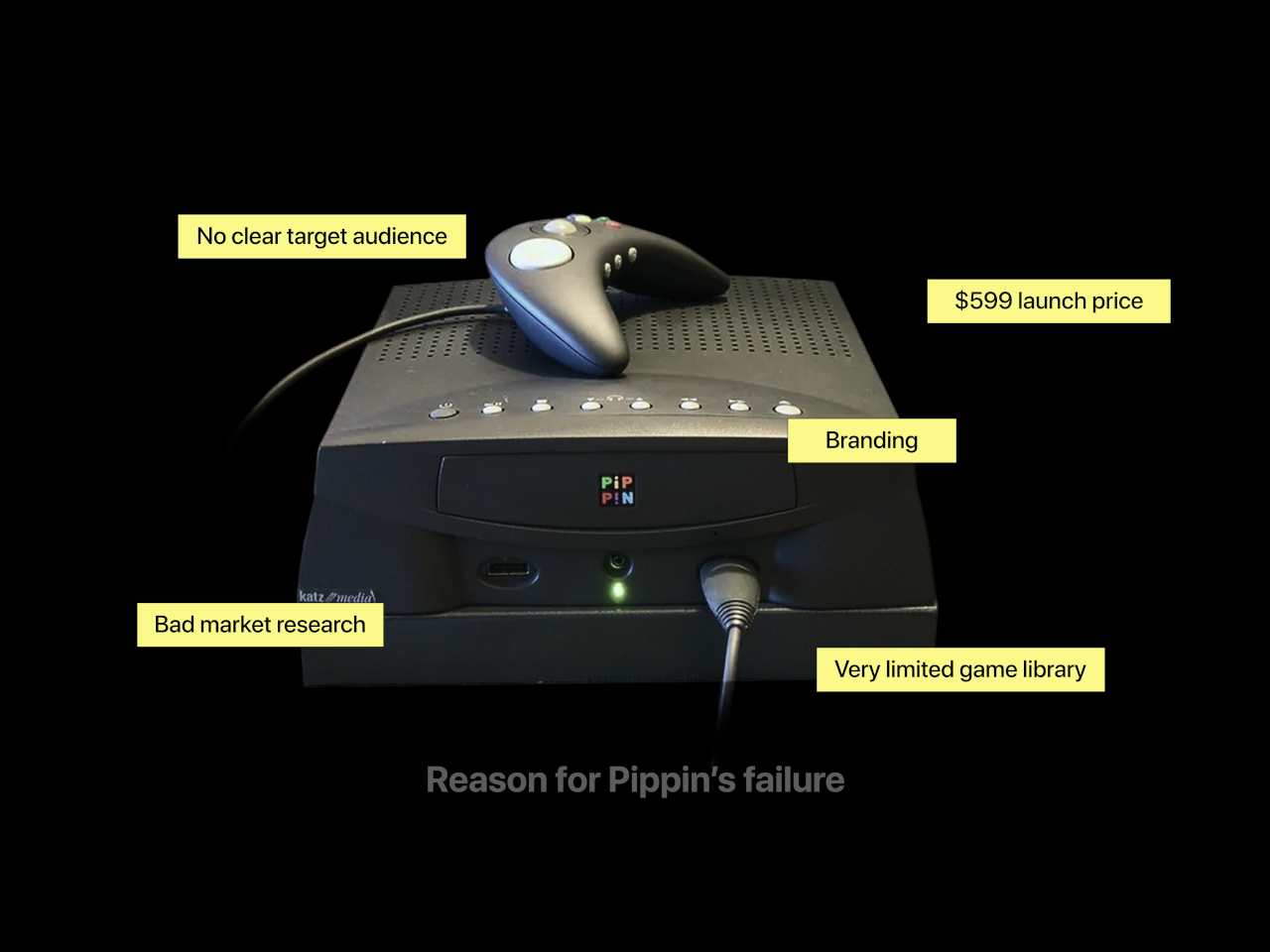
That gap is what Pippin V2 sets out to fill. The concept takes its name from one of Apple’s biggest failures: the Bandai Pippin, a gaming console launched in 1996 that folded within a year because of poor market research, no clear audience, and a $599 price tag most wouldn’t pay. This project poses one straightforward question: What would it look like if someone finally got it right?
Designer: Aditya Rajiv
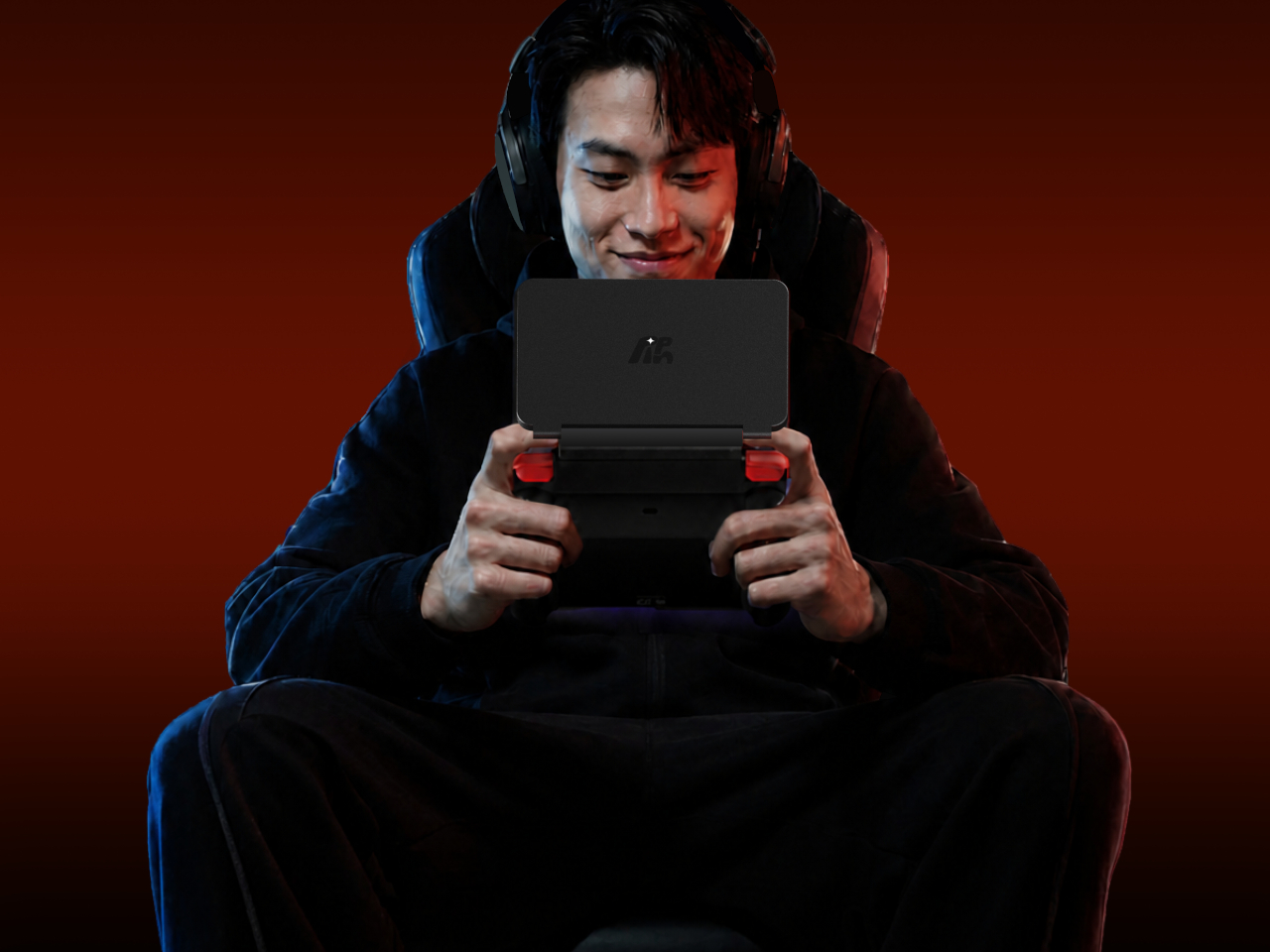
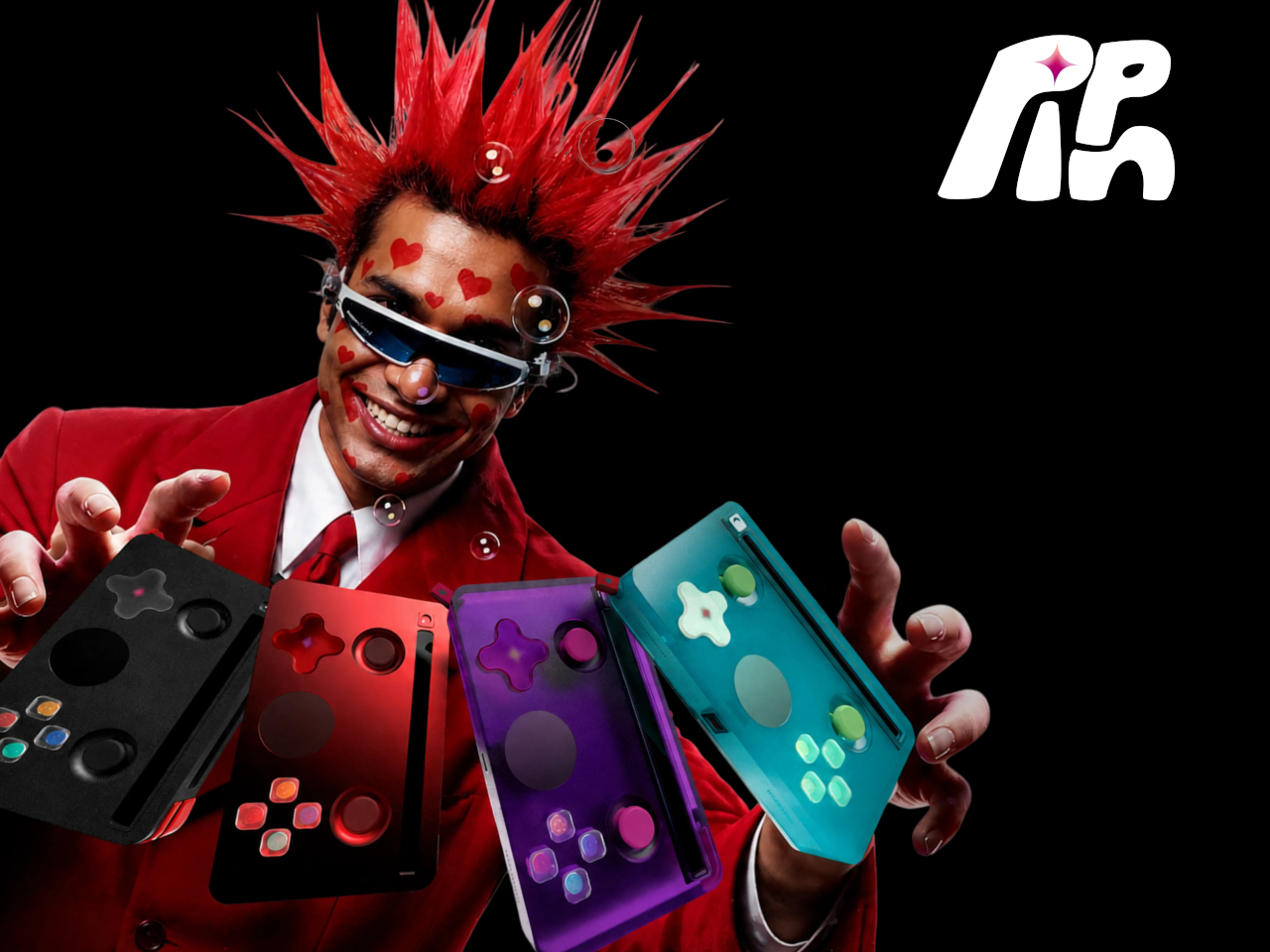
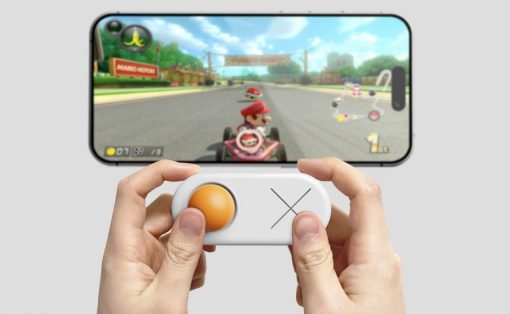
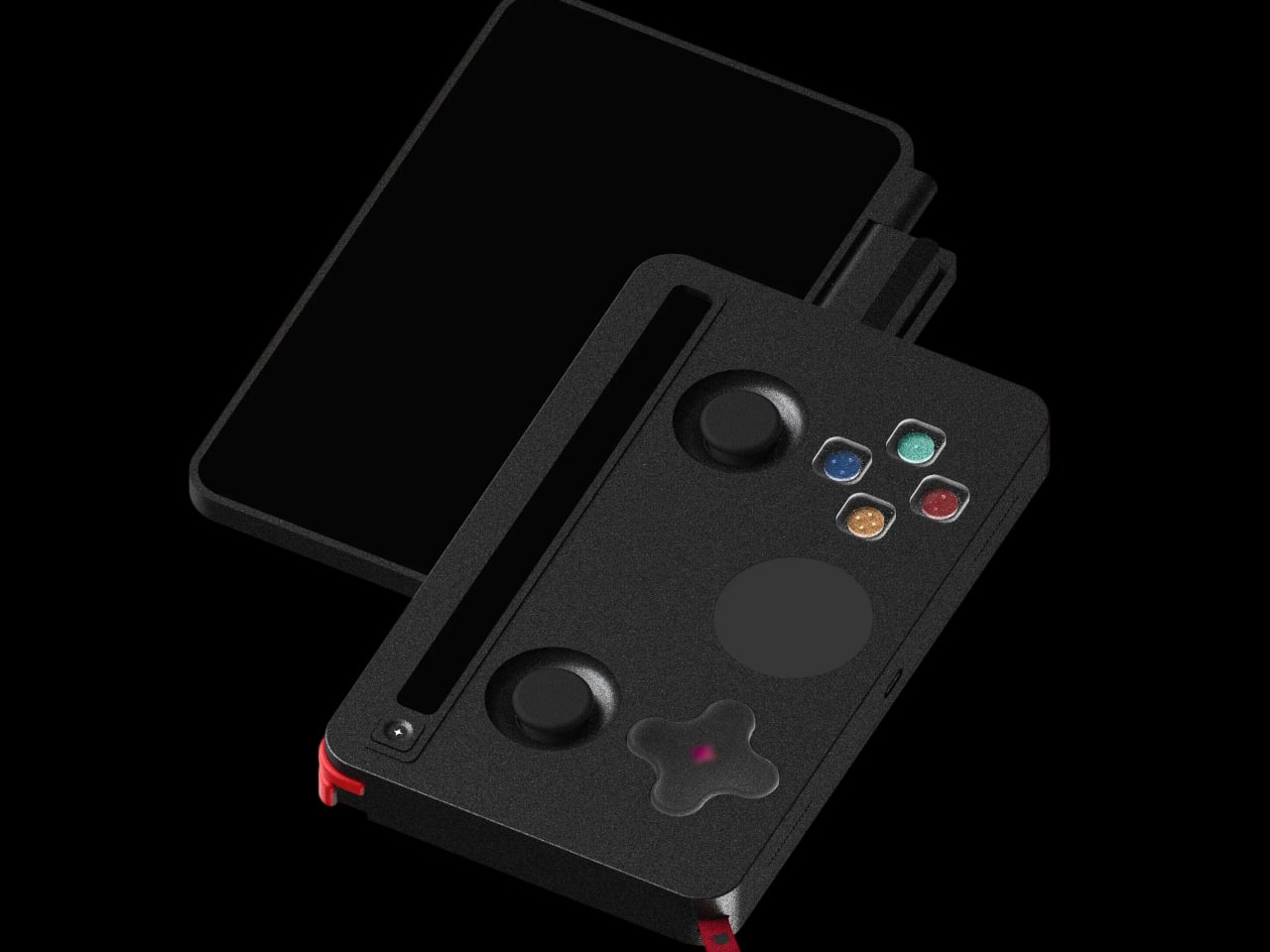
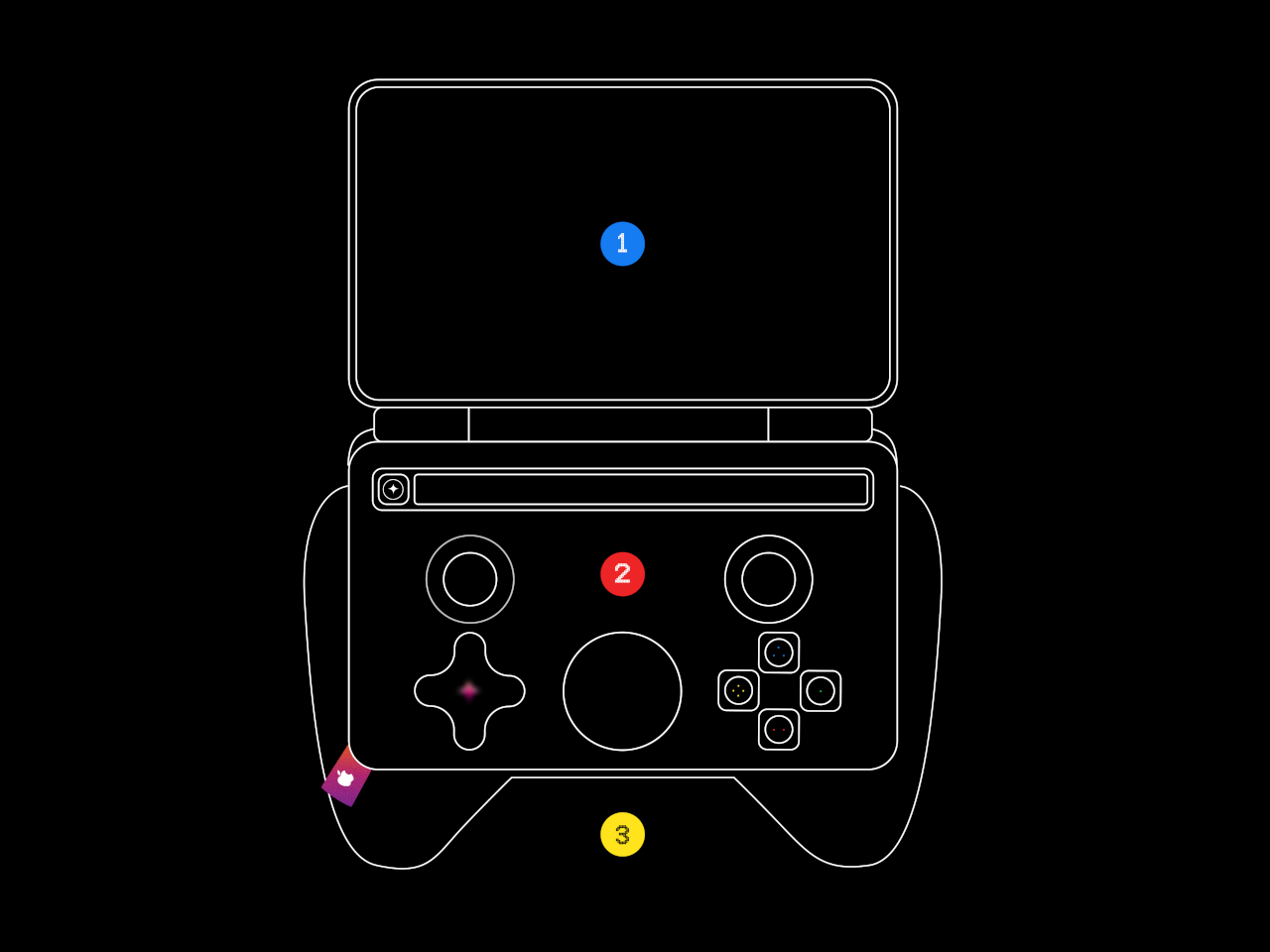
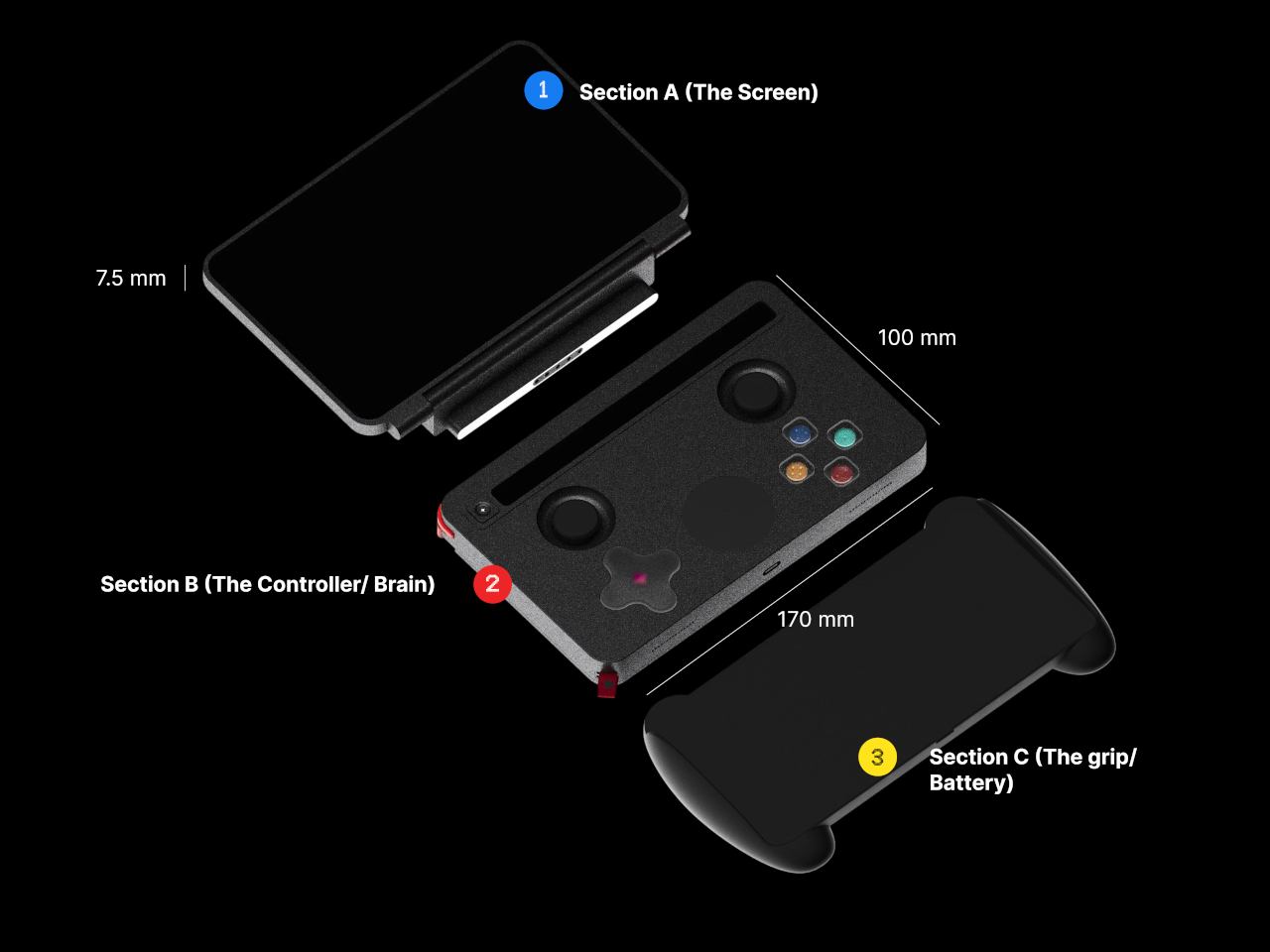
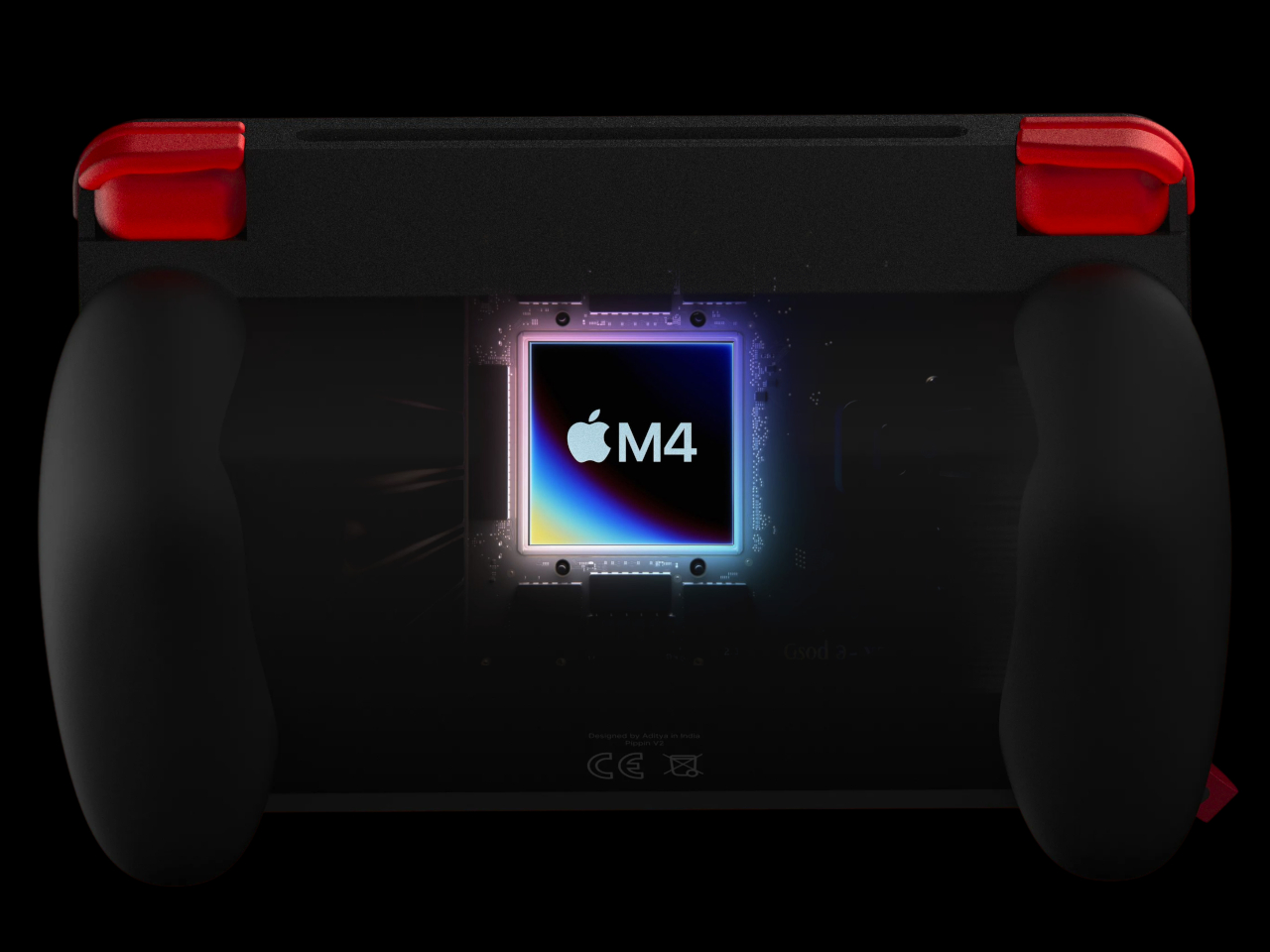
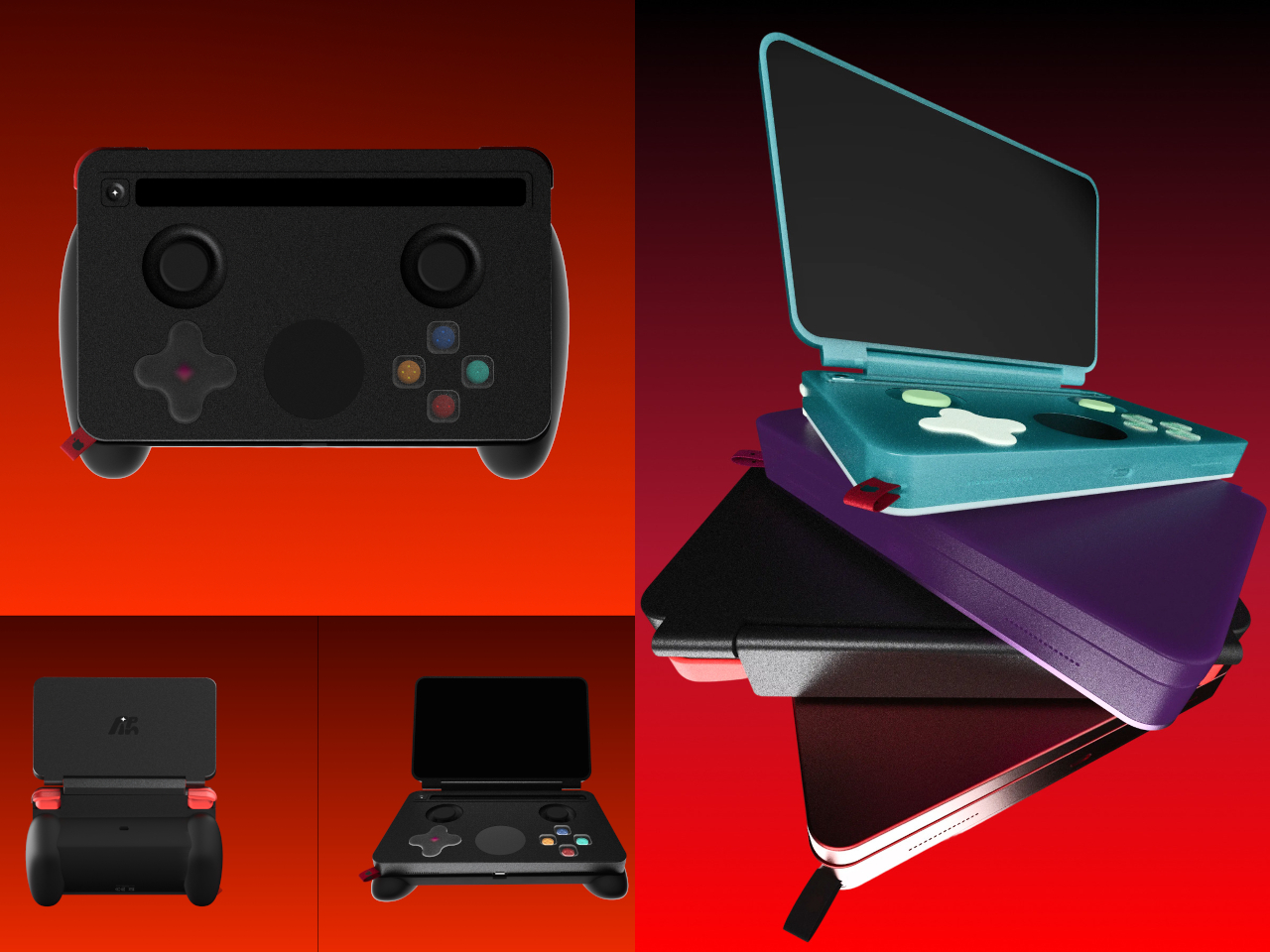
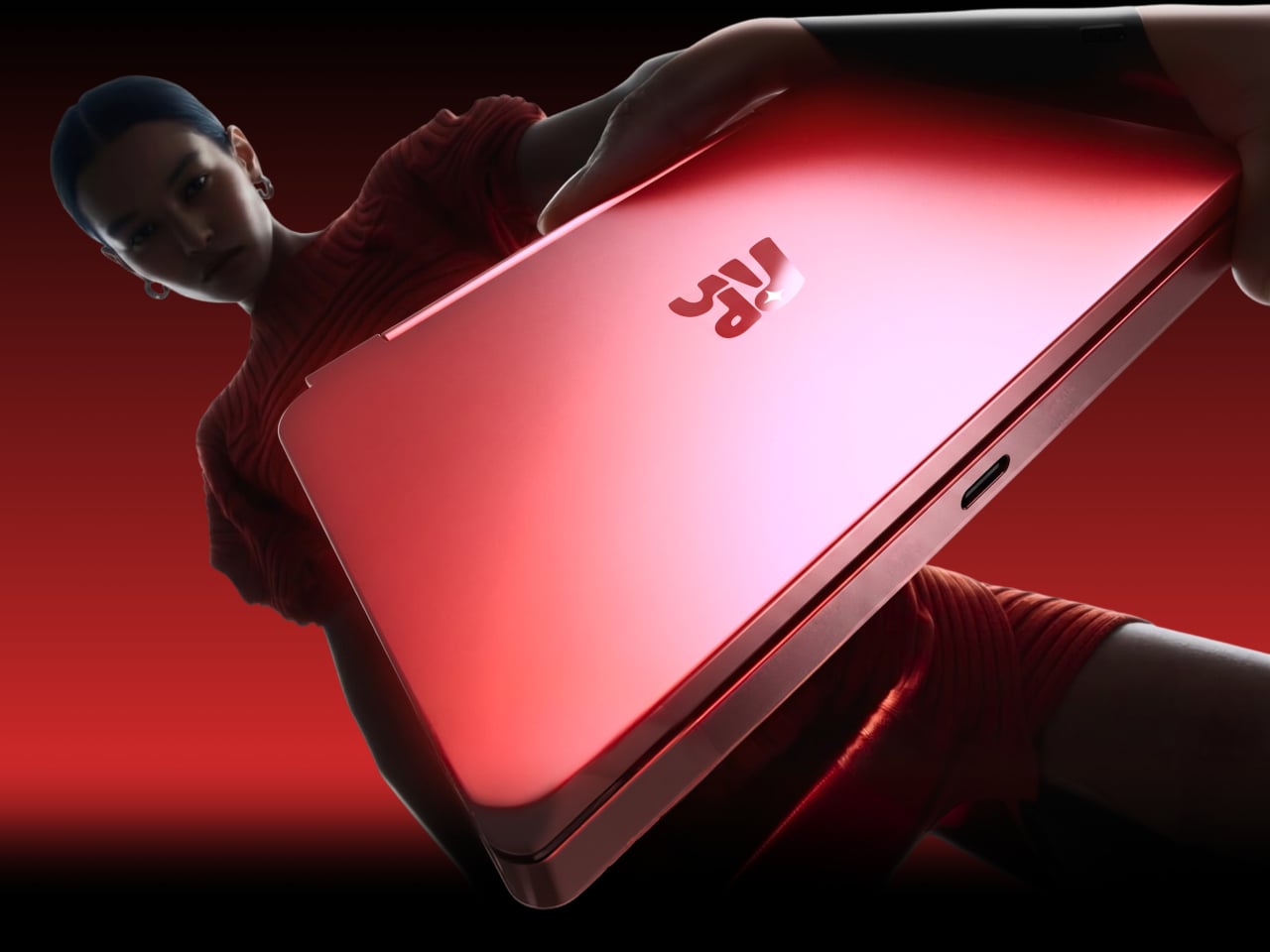
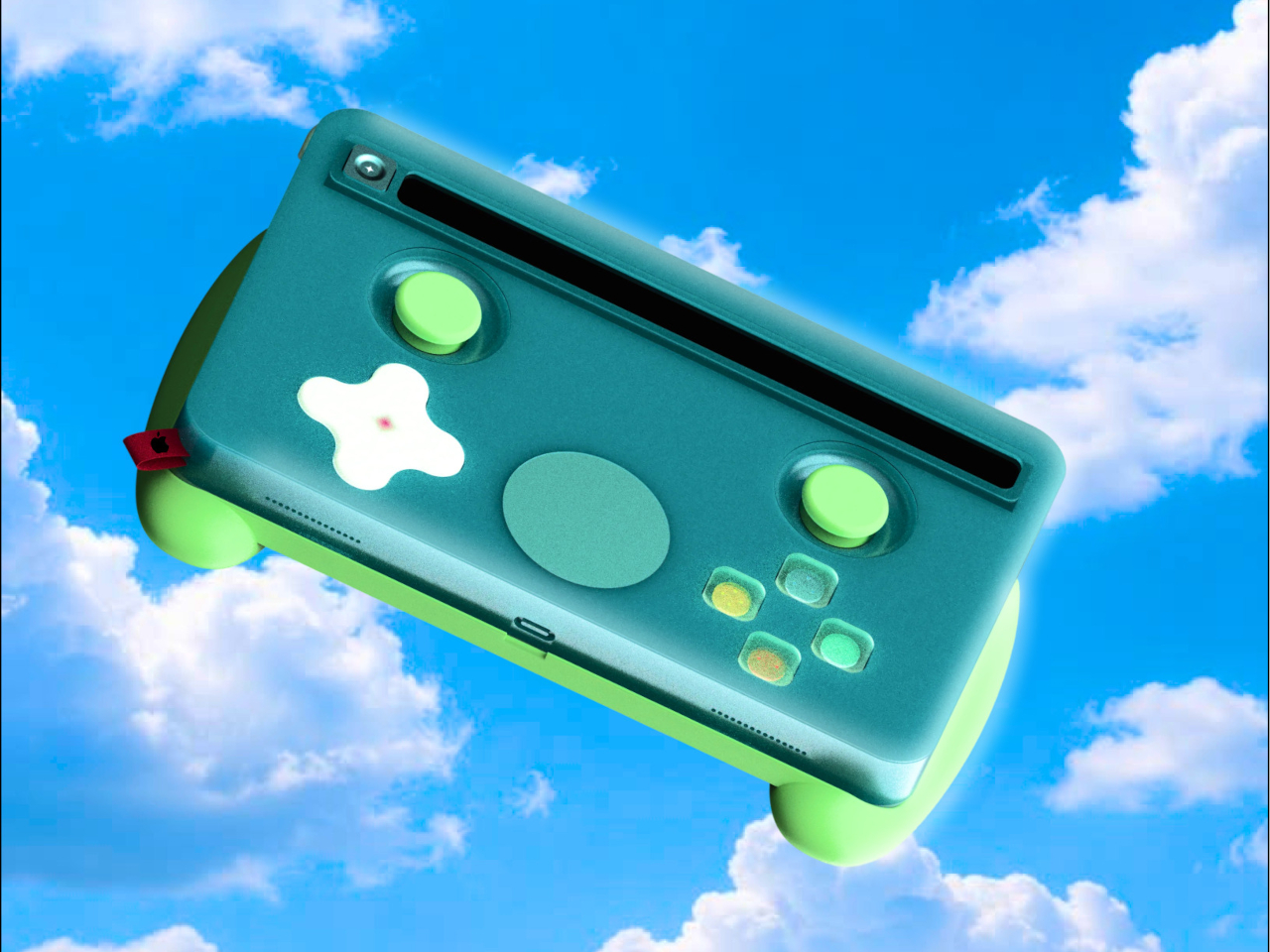
The design breaks into three separable parts. Section A is the display, a panel just 7.5 mm thin that detaches from the controller and works on its own. Section B is the controller and processing brain, housing an Apple M4 chip and the full input layout at 100 by 170 mm. Connect it wirelessly to any screen you already own, and the built-in display isn’t the only option anymore.
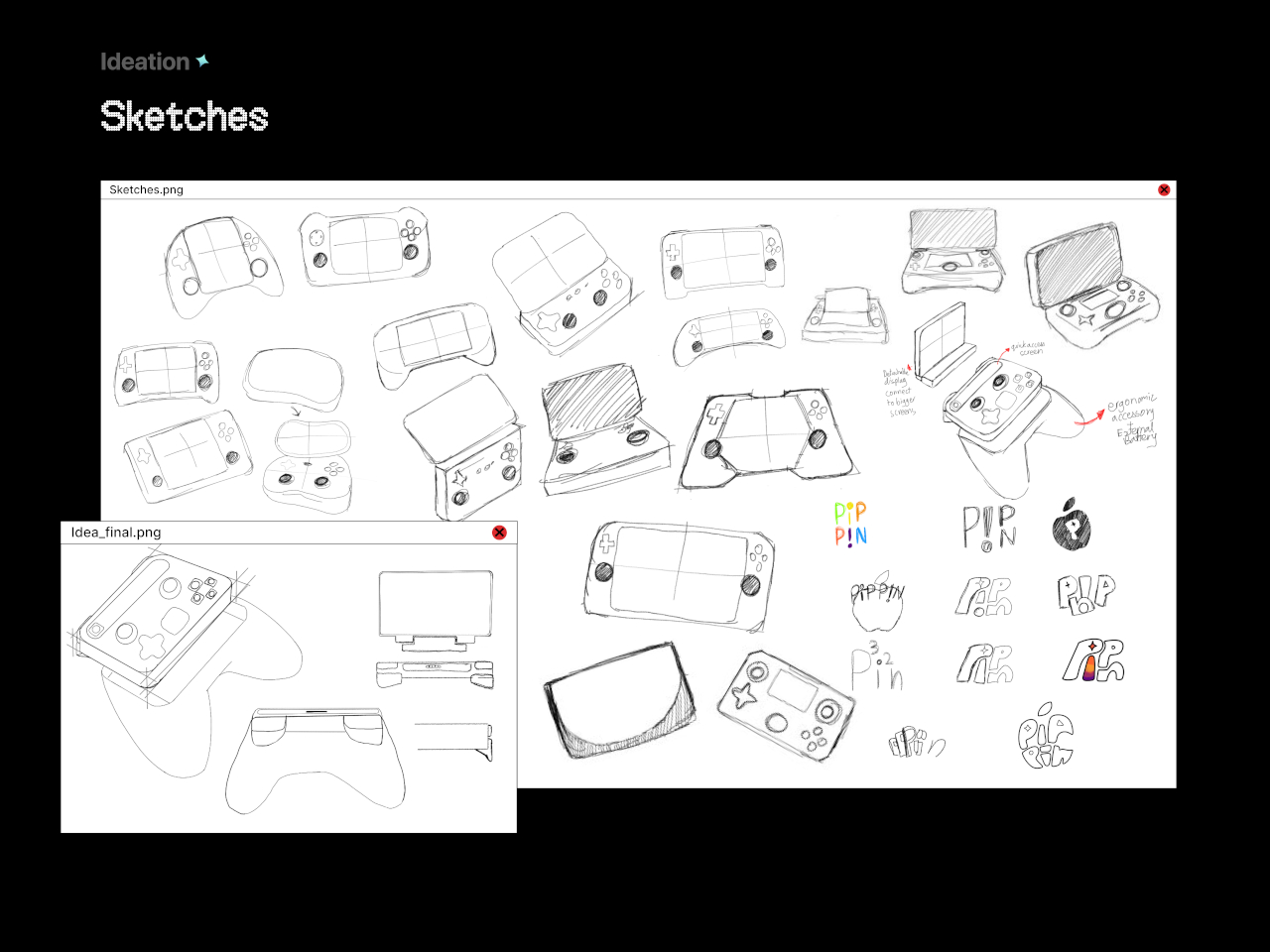
The third piece is the battery grip. Most portable gaming devices pit battery life and ergonomics against each other: longer sessions demand bigger batteries, and bigger batteries add bulk and strain. The grip attachment resolves both at once, adding play time while its ergonomic contour eases hand fatigue during extended sessions. Attach it for a long night of gaming; leave it off when you don’t need the extra weight.
The M4 chip is what makes AAA game support credible in this form factor. Apple’s silicon handles workloads that typically require desktop-class cooling and dedicated GPU memory, without the thermal runaway that plagues other handheld competitors. For someone who plays Cyberpunk 2077 or God of War on a home console but wants to continue on a commute, the power ceiling doesn’t require compromising on which games you can actually run.
Cross-device continuity is the other argument for an Apple-branded handheld over another gaming PC alternative. Survey research conducted for this project found that nearly 75% of users were open to handheld gaming, and the biggest complaint about mobile gaming was the lack of physical controls. A device that’s already inside the existing iPhone and Mac ecosystem removes the friction of starting from scratch on a new platform.
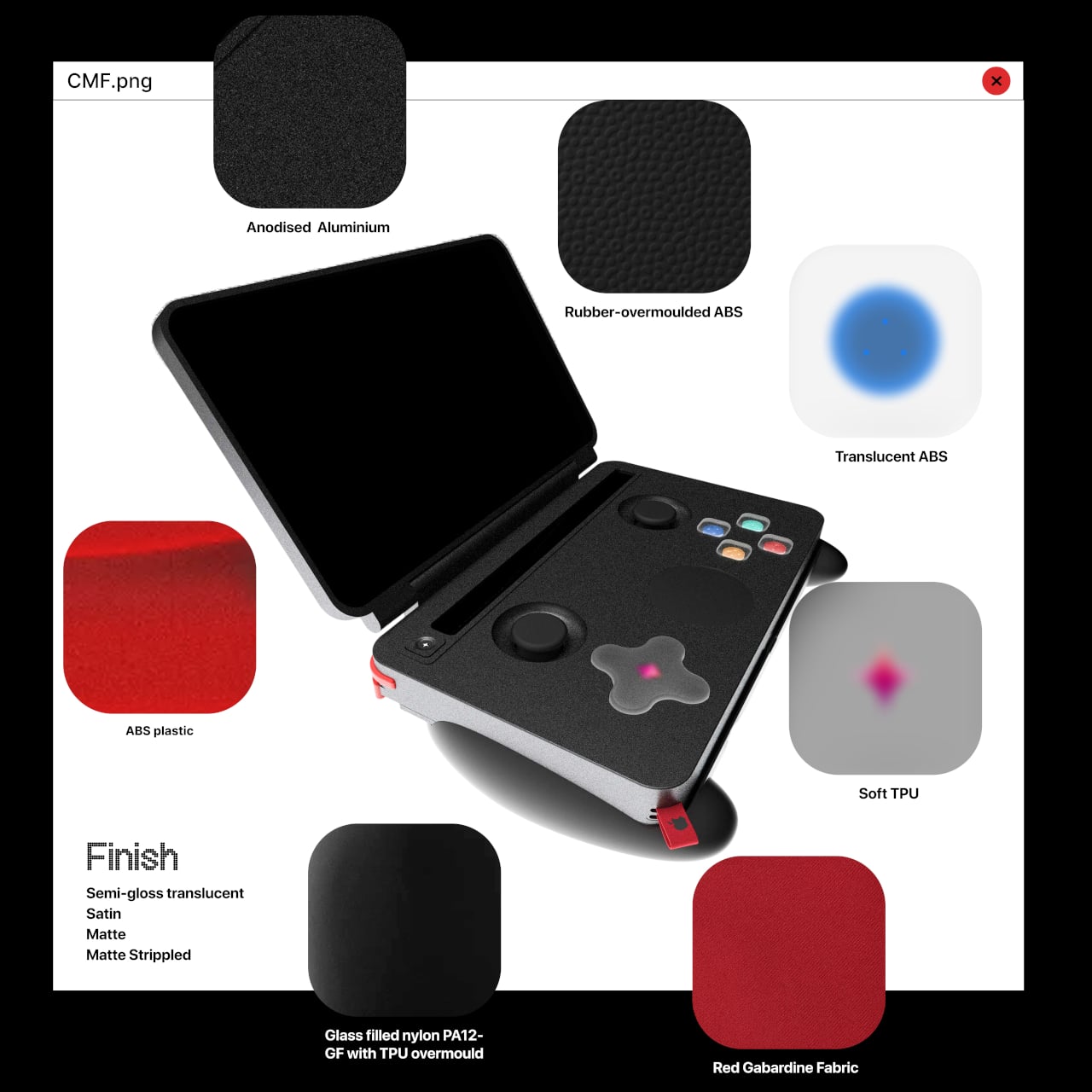
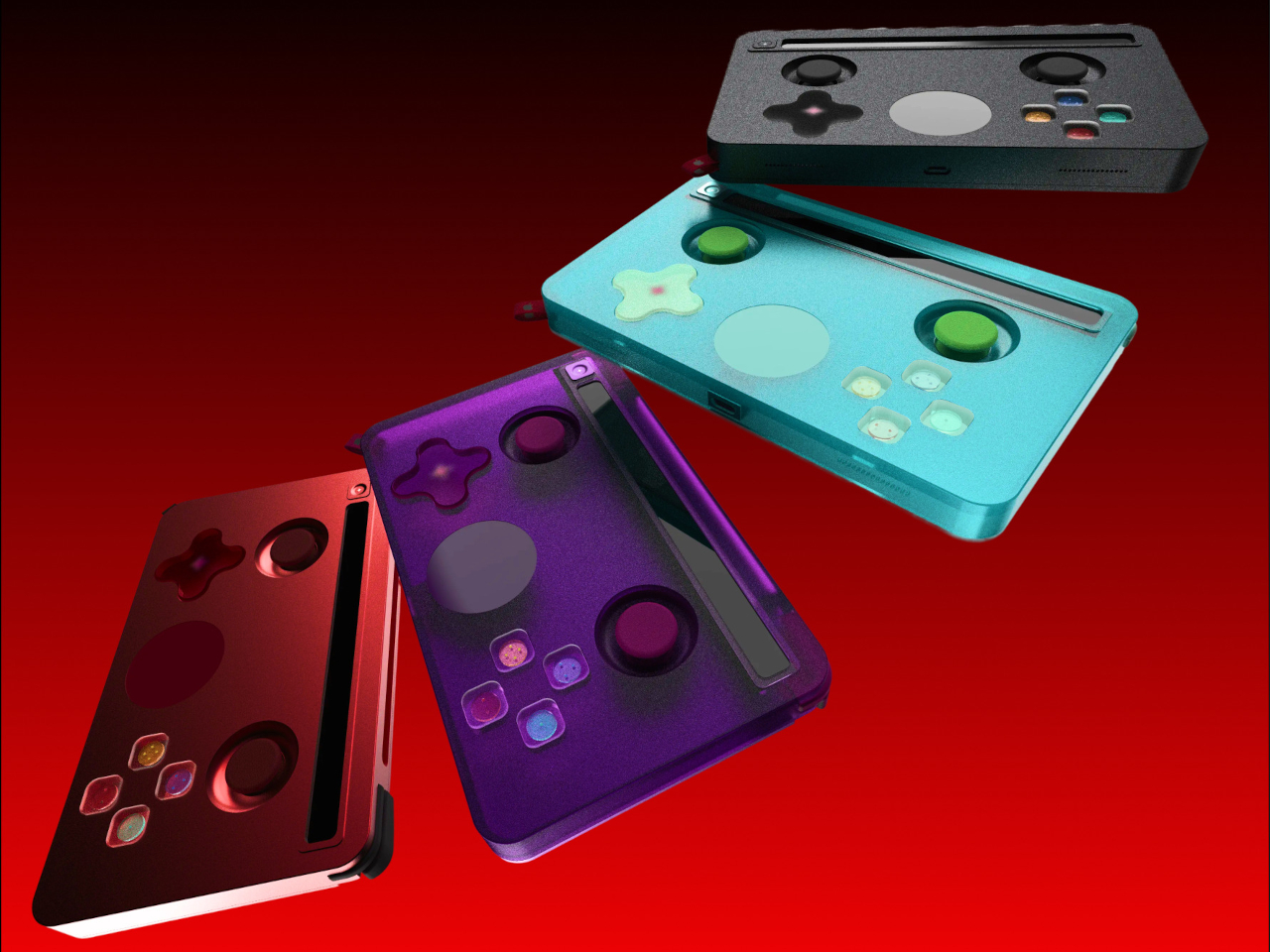
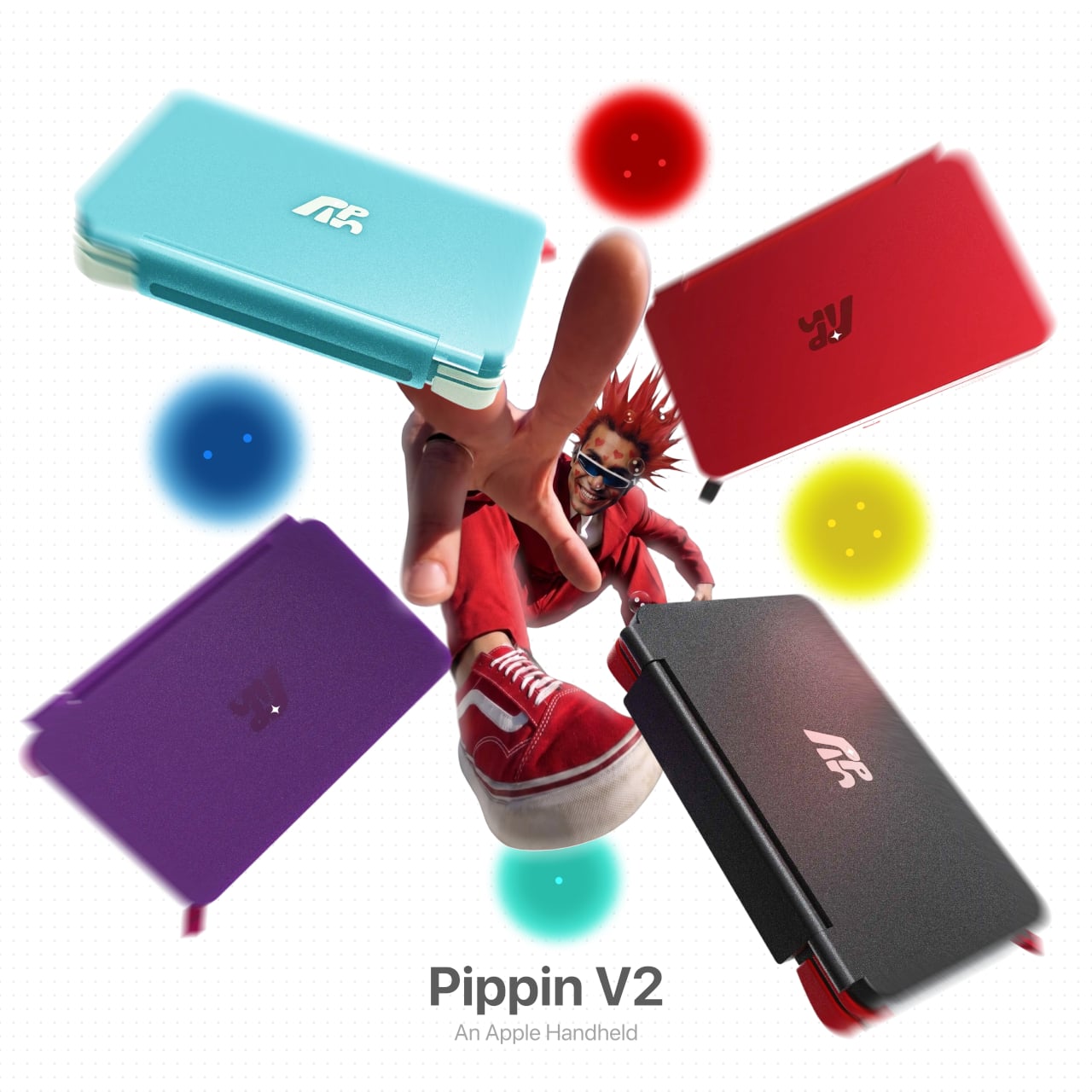
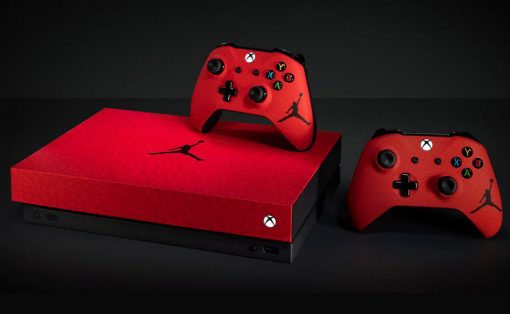
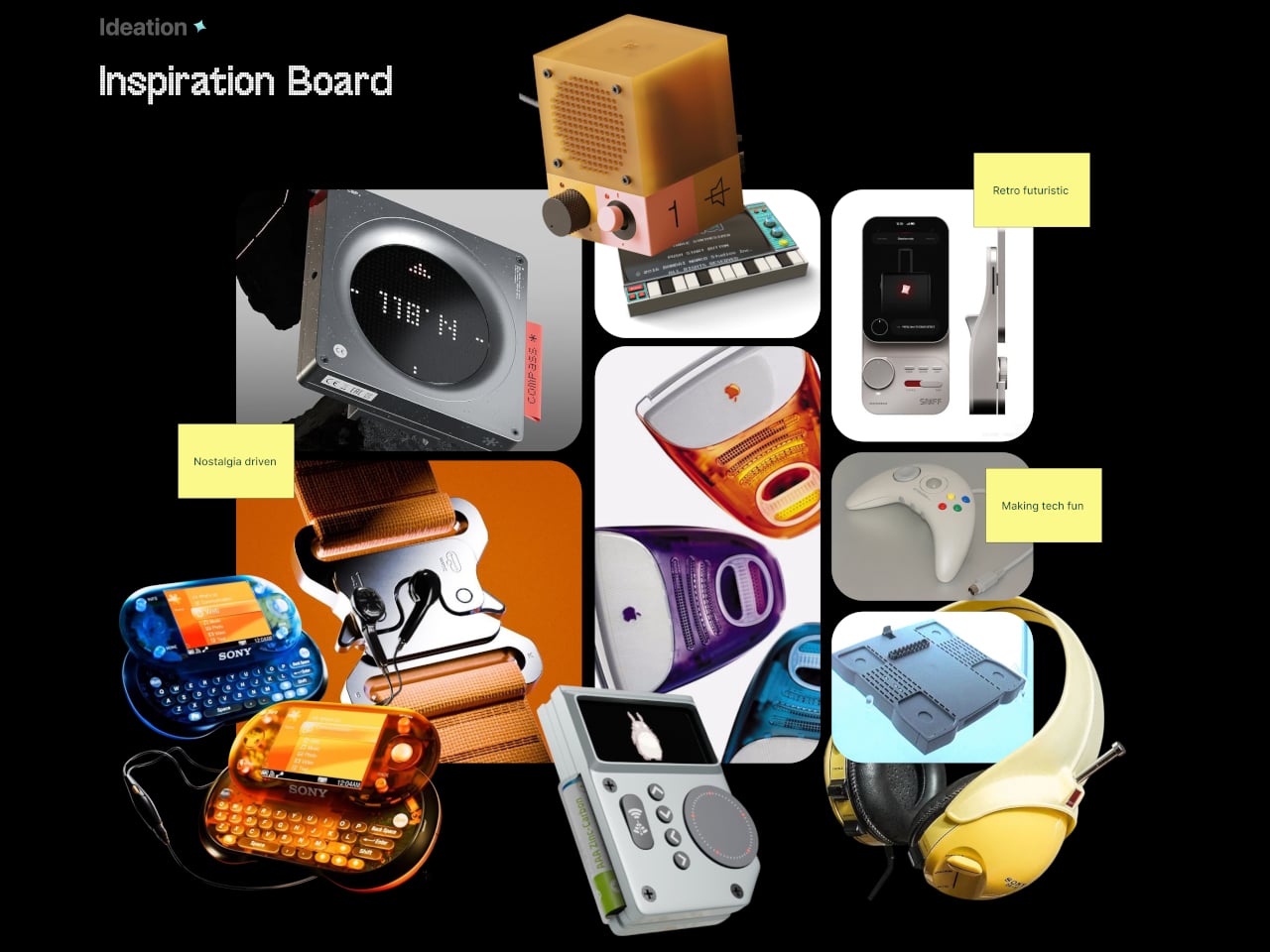
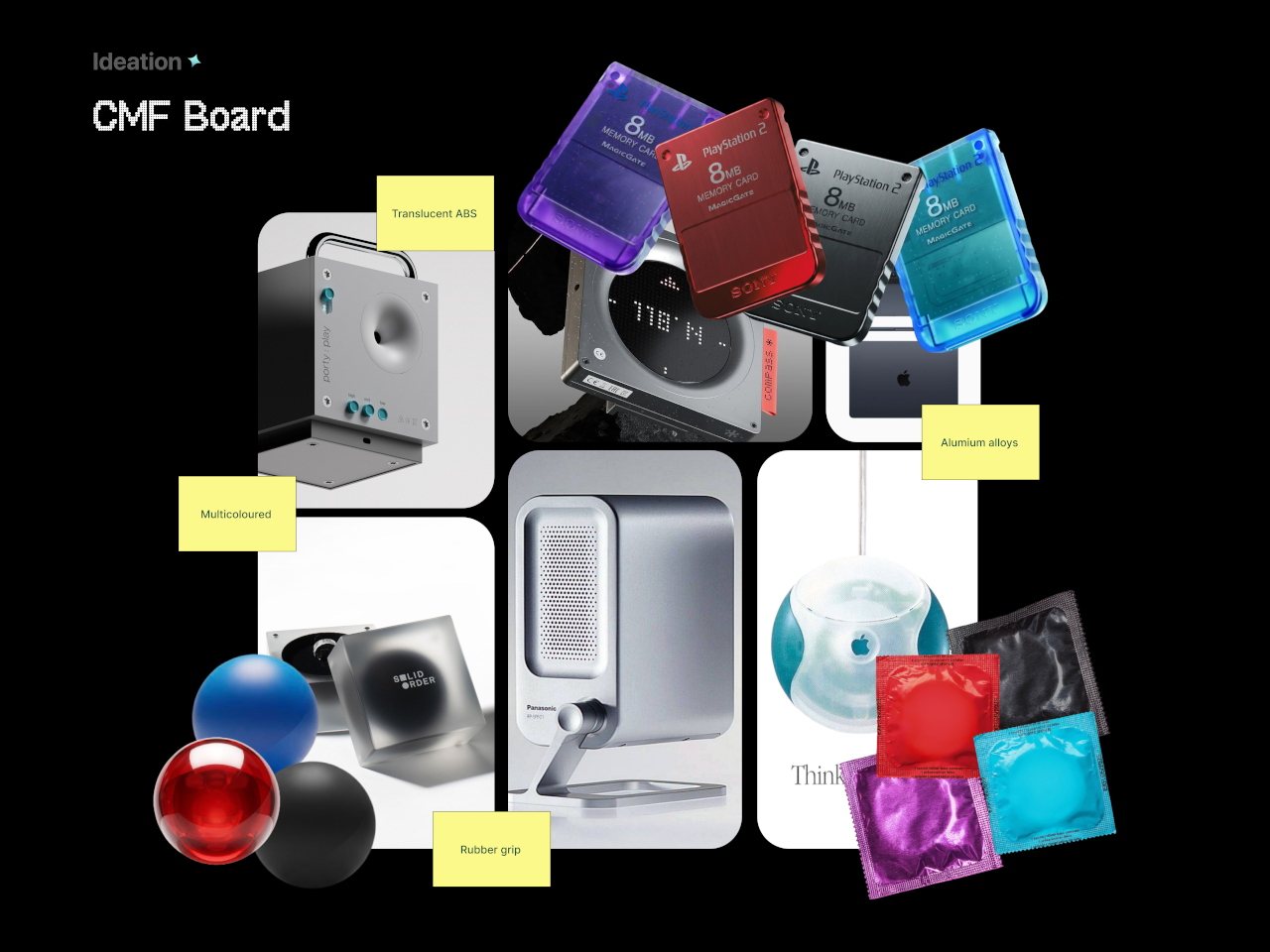
The materials reflect the dual identity between Apple’s refined aesthetic and the tactile demands of gaming hardware. The controller body uses anodised aluminium and ABS plastic, with rubber-overmoulded sections for grip and soft TPU for the control surfaces. There are four color options: Metallic Black, Metallic Red, Grape, and Bondi Blue, each carrying translucent and satin finishes that the iMac G3 would’ve recognized.
Pippin V2 is still a concept, with no indication Apple will actually build anything like it. The gap it addresses is real, though, and the research behind it points to an audience that’s already there. Apple’s biggest untapped strength in gaming has always been its ecosystem, and this concept makes the argument that the same infrastructure powering your iPhone and Mac could power something worth playing seriously.