The furniture industry has been slow to reckon with its reliance on plastic. From injection-molded shells to synthetic fabrics, plastic finds its way into even the most design-forward pieces. Recycling has long been positioned as the answer, but the numbers don’t hold up. Only 19% of plastic produced globally actually gets recycled, and incineration, a practice that releases pollutants into the air, has surged 34% recently.
Matthew Whatley came to this problem not as a materials scientist, but as a furniture designer who’d spent a decade with his hands in the work. After years of carpentry and concrete formwork, he studied product design in Vancouver and Melbourne, and a trip through Southeast Asia, where plastic waste is impossible to ignore, pushed him toward a specific question: what if furniture didn’t need plastic?
Designer: Matthew Whatley
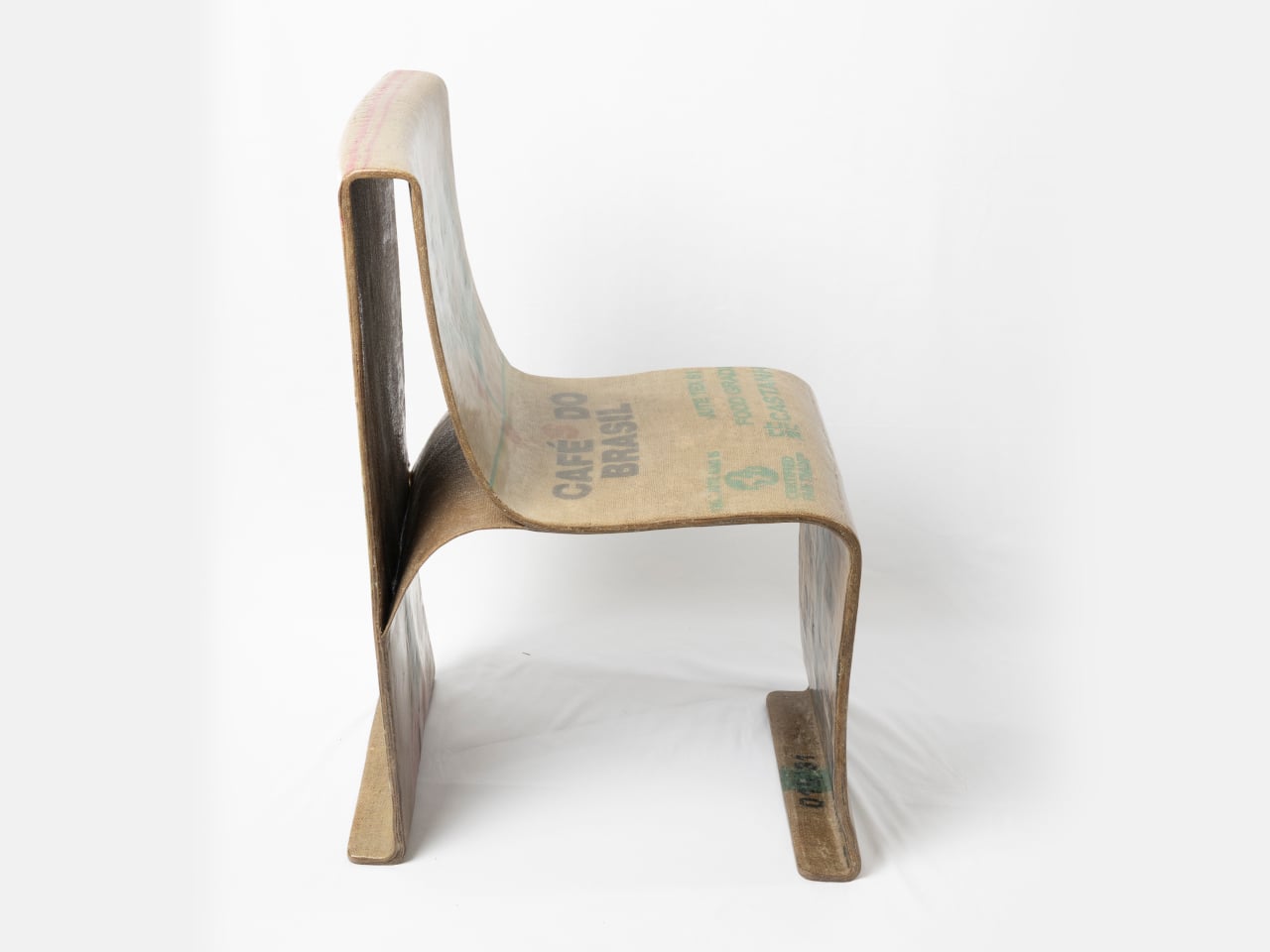
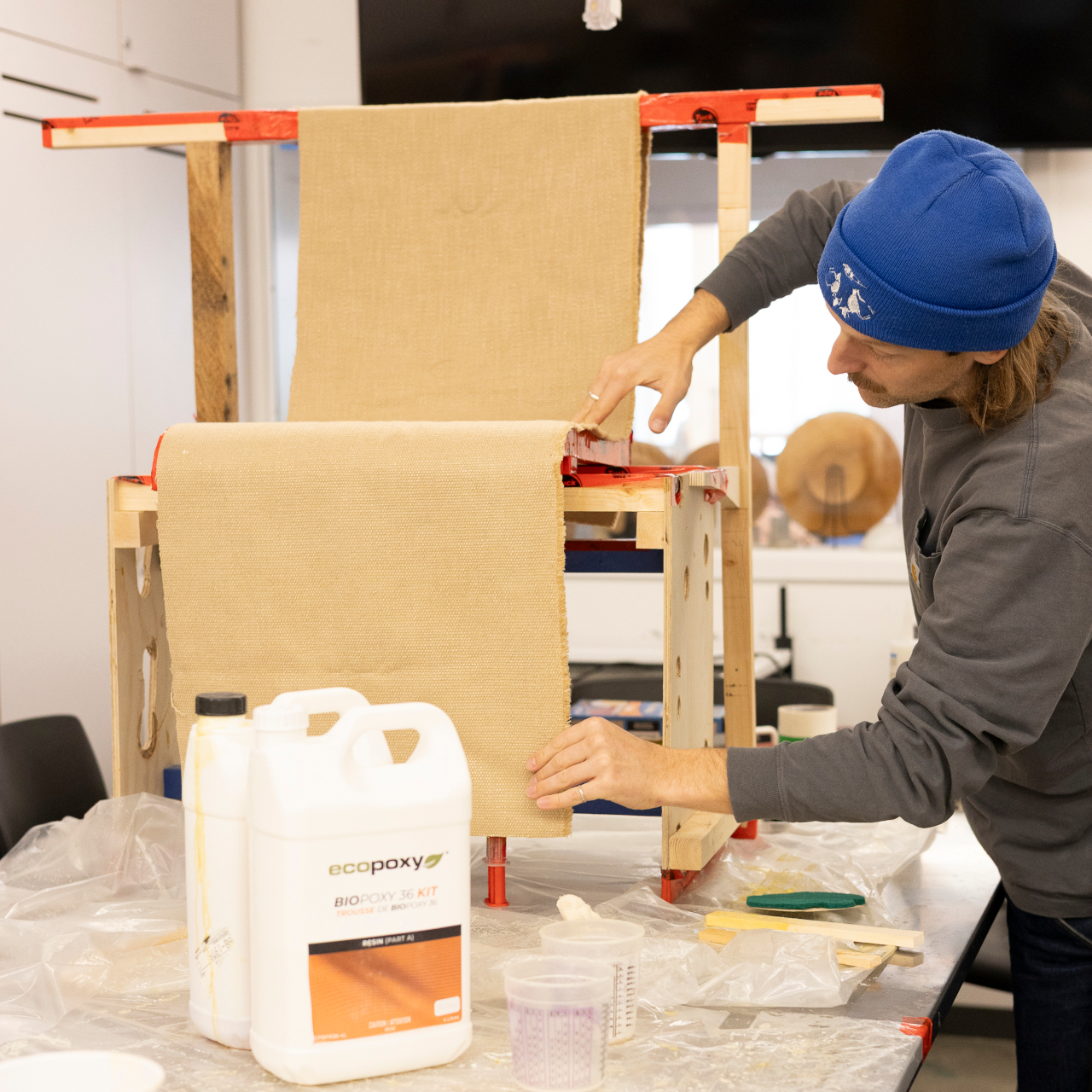
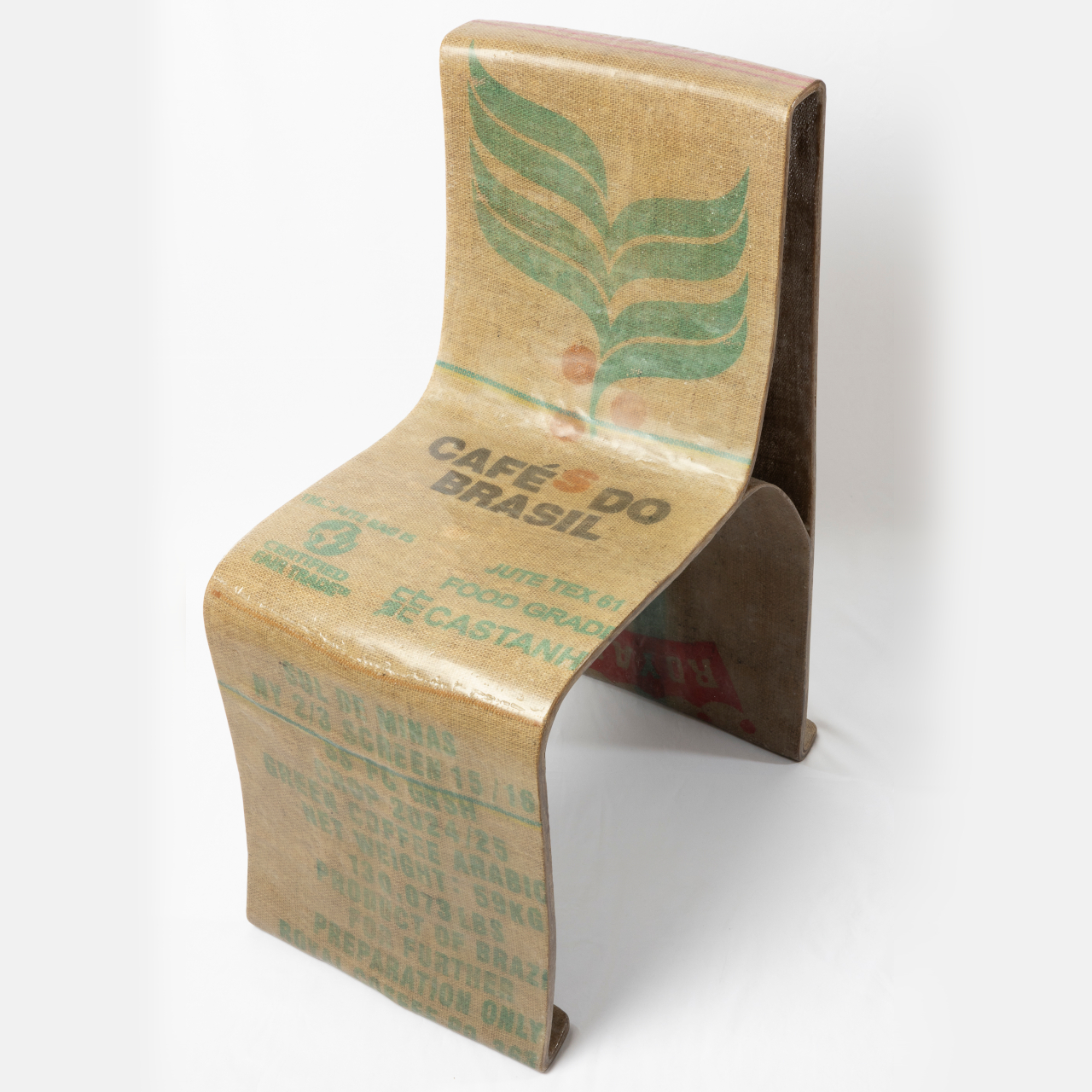
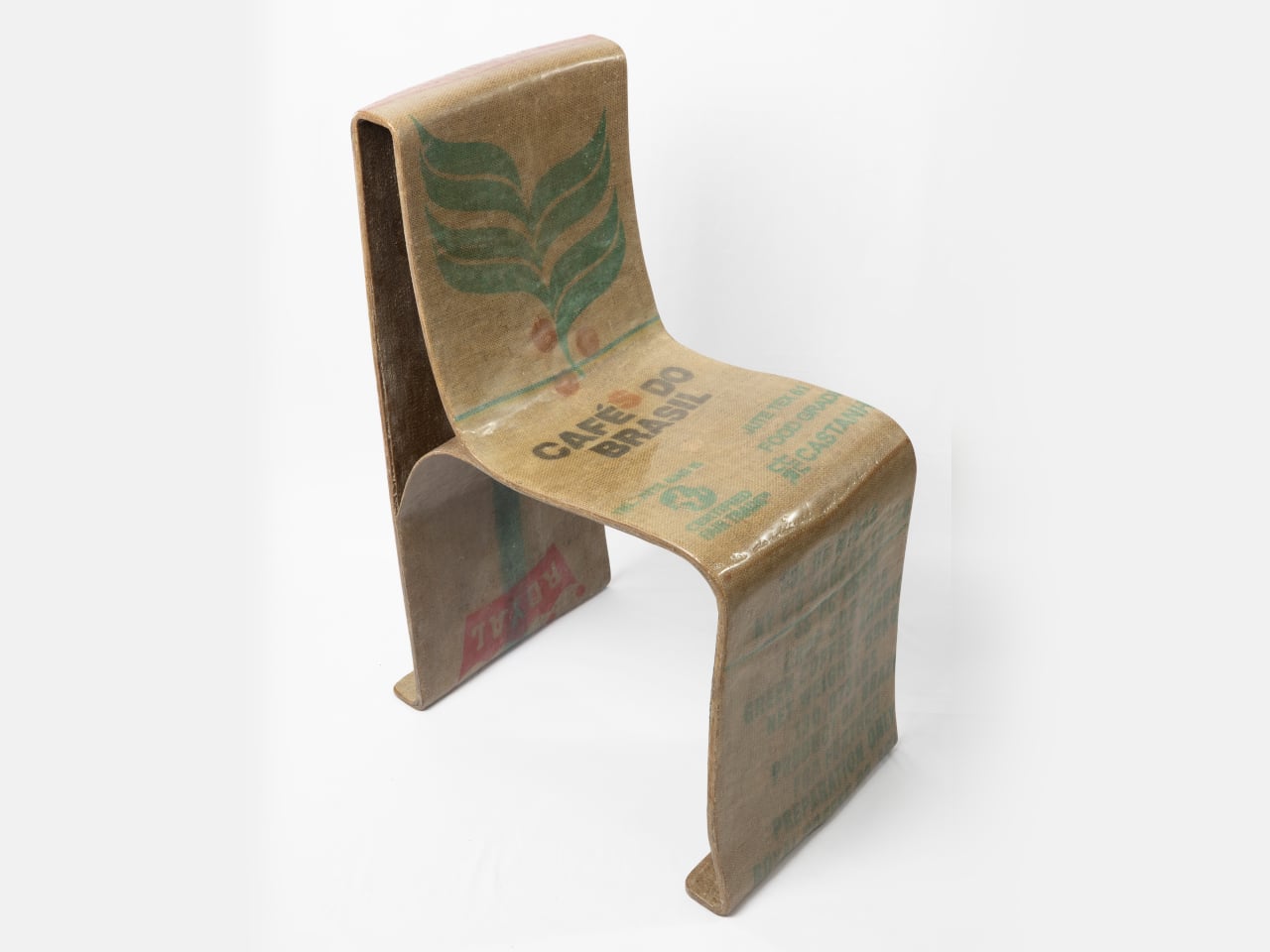
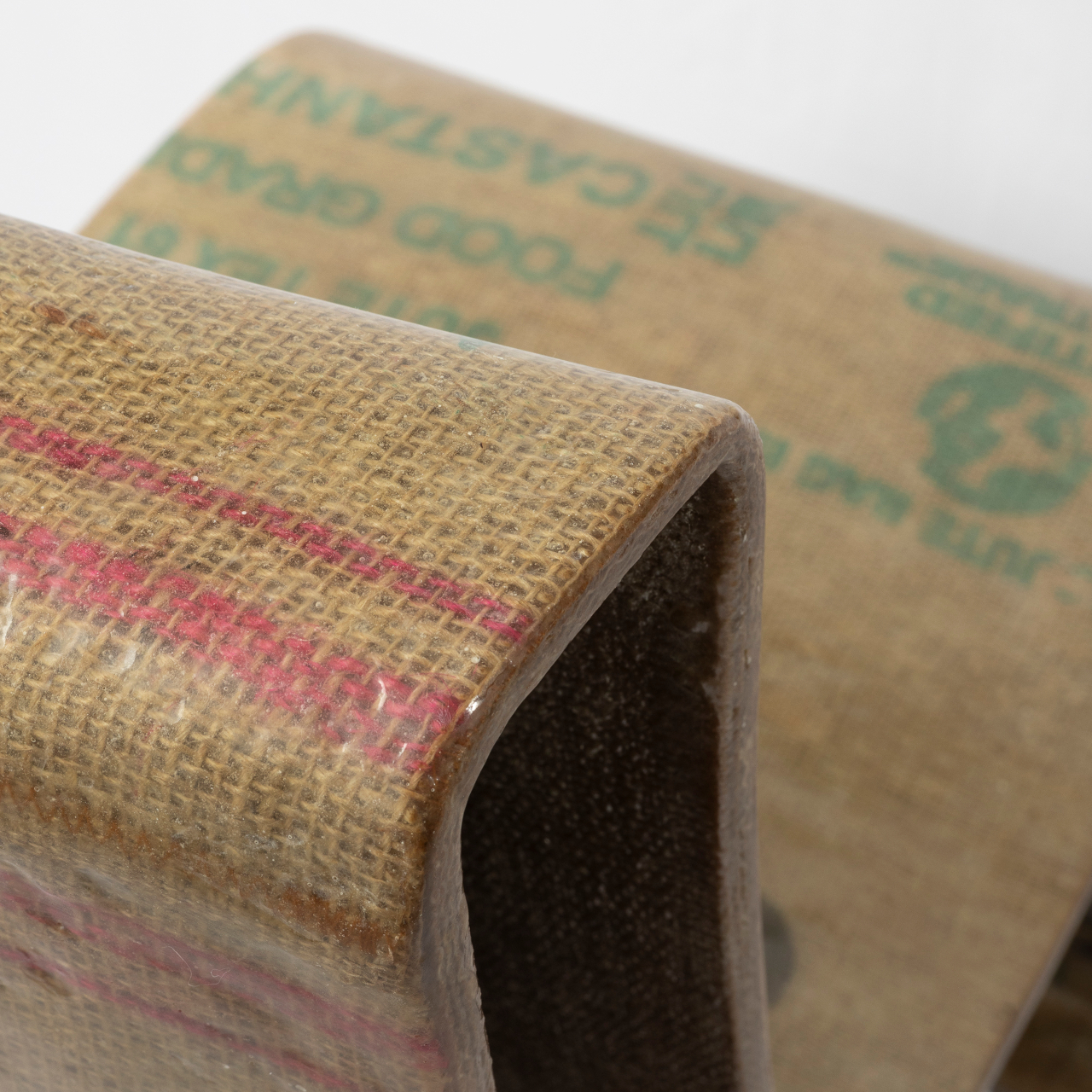
The Novum Chair is his answer, built from a combination of natural woven fiber and bio-based resin. The two materials form a composite: the fiber provides structure and texture, while the resin binds and hardens it into a rigid, load-bearing shell. It’s a relatively simple idea on paper, but getting it to actually hold a person’s weight required significant hands-on material testing.
The result is a chair that doesn’t look like it’s making a statement about sustainability; it just looks good. Its form is a single, continuous shell that sweeps from the backrest down through the seat and curls beneath to cradle the sitter. The woven surface is visible through the resin coating, giving it a warm, textile-like quality that reads more like craft than manufacturing.
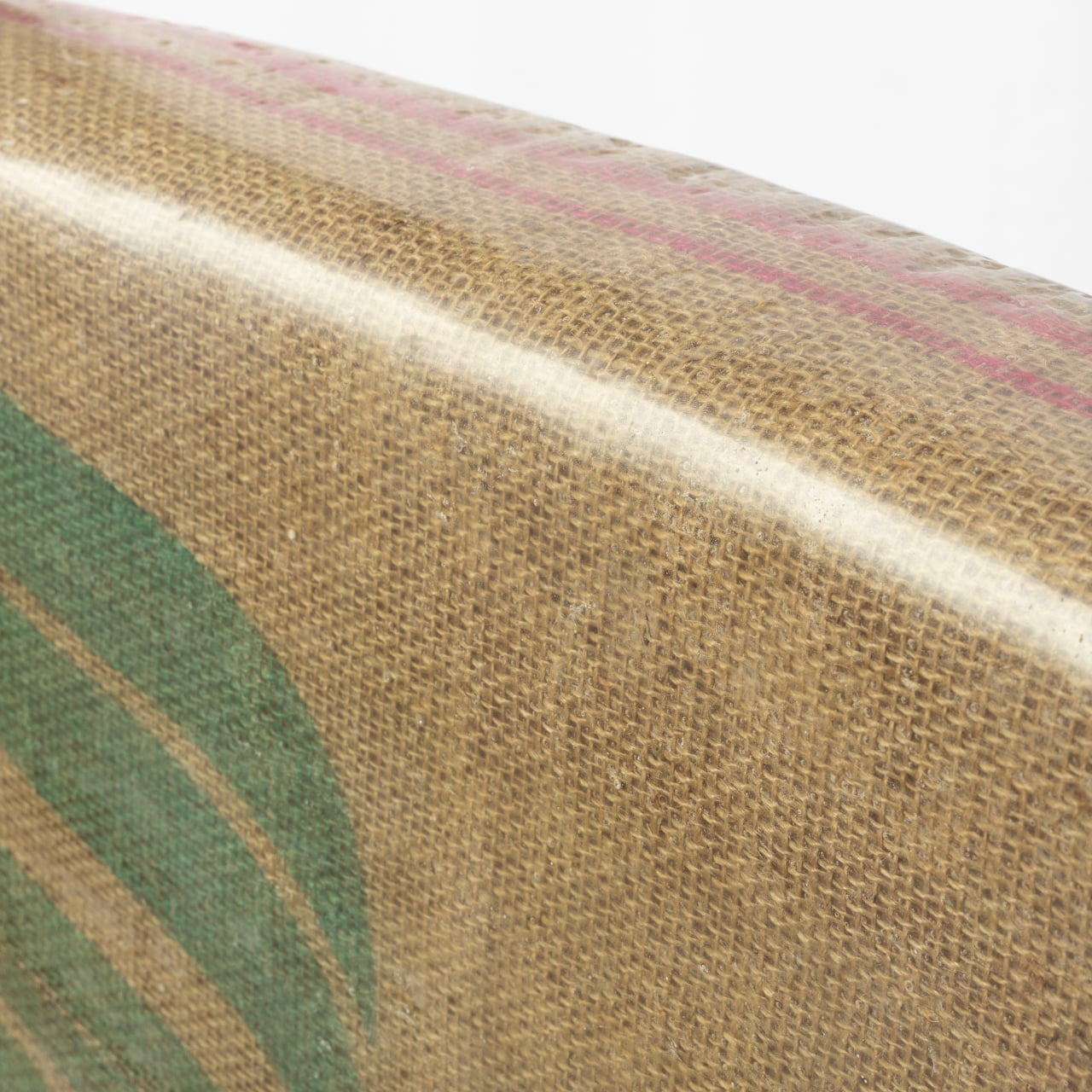
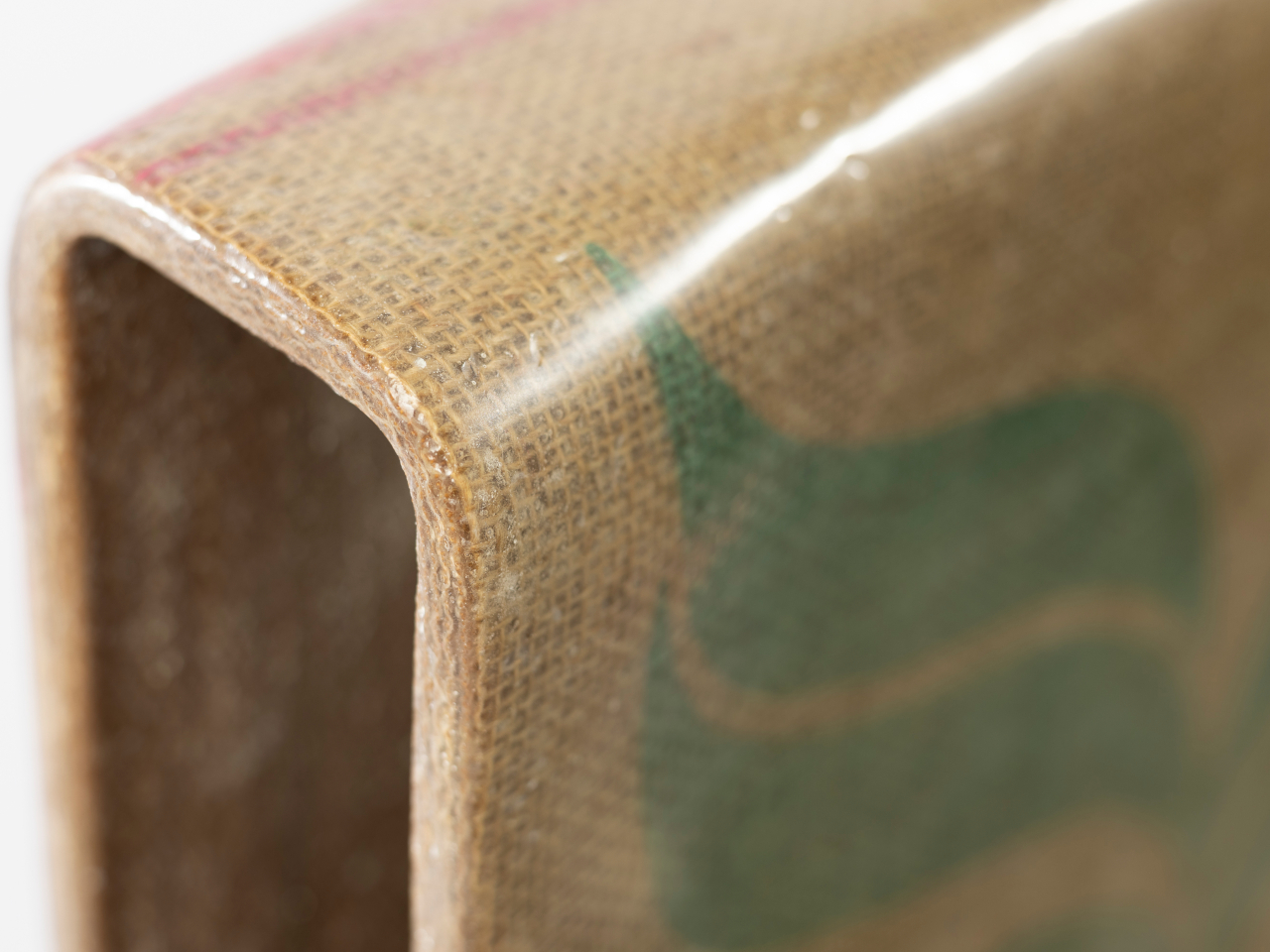
There’s something refreshing about a chair you could put in a design studio, a cafe, or a considered living space without it demanding attention. The Novum Chair has the kind of understated confidence that lets the material do the talking. The texture and warm amber of the resin-soaked fiber give it a character that shifts with the light, something molded plastic never manages.
Part of what makes this approach worth taking seriously is that it sidesteps one of the more uncomfortable truths about recycled plastics. Re-rendered recycled plastic isn’t the clean solution it’s often portrayed as; it can be roughly 10 times more toxic than the original material. Natural fibers and bio-based resins don’t carry that baggage, which makes this composite a genuinely different starting point.
Whatley is candid about the fact that bio-based resins aren’t perfect yet. They’re relatively expensive, not high enough in bio content, and not yet as accessible as conventional materials. But the Novum Chair isn’t presented as a finished product so much as a proof of concept that structurally sound, beautiful furniture can be built around materials that don’t depend on plastic.
What Whatley has done is take a material problem that feels overwhelming in scale and distill it into something you can sit in. That’s no small thing. The conversation around plastic alternatives tends to stay abstract, caught up in policy and data. A chair that you can actually inhabit, one that looks beautiful, pulls the conversation out of the theoretical and into the everyday.