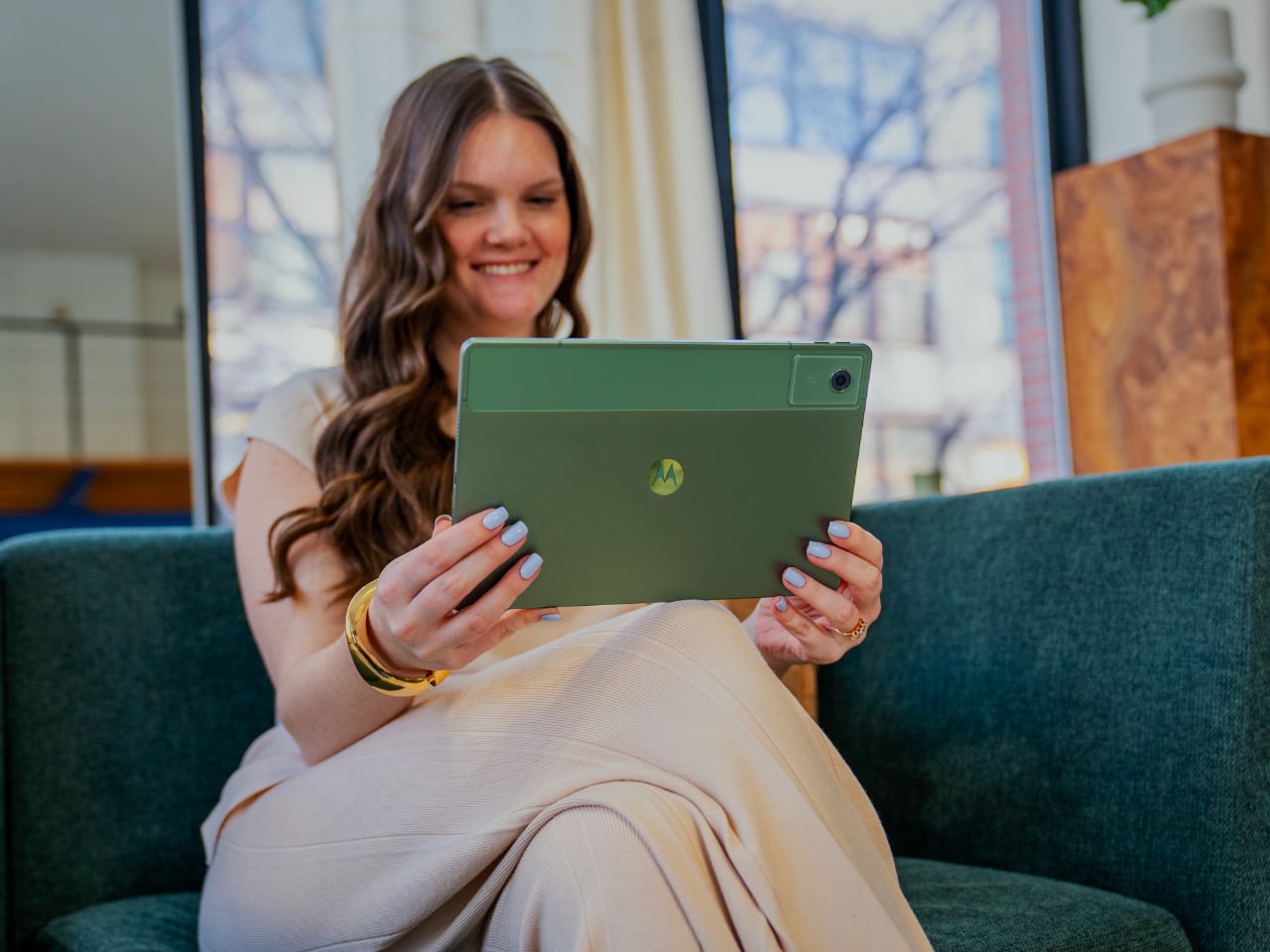
Motorola has introduced the moto pad – 2026, a new Android tablet that expands the company’s device lineup beyond smartphones and into a more connected cross-screen experience. Announced alongside the moto g stylus – 2026, the tablet is positioned as a larger-screen companion for productivity, entertainment, and everyday multitasking. Based on its specs and overall appearance, the device also appears to be a rebranded version of the Moto Pad 60 Neo, which launched in India last year.
That resemblance matters because the moto pad – 2026 does not arrive as a dramatic reinvention of the Android tablet formula. Instead, it looks like Motorola is leaning on a familiar hardware base and repositioning it for a wider audience under a simpler product name. In that sense, the story here is not just about a new tablet, but about how Motorola is continuing to build out a broader ecosystem around its existing devices.
Designer: Motorola
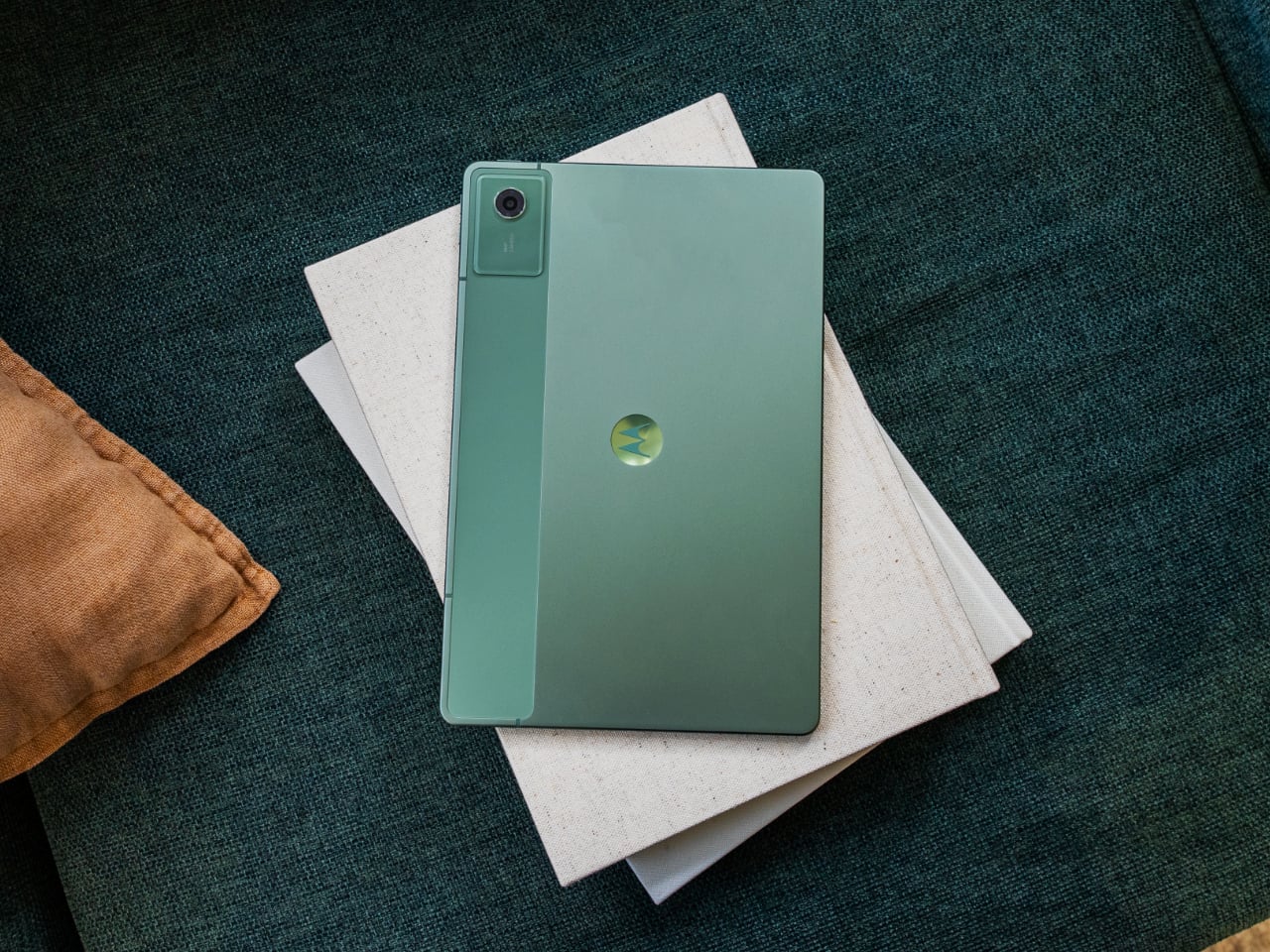
The moto pad – 2026 centers on an 11-inch display with 2.5K resolution and a 90Hz refresh rate, giving it a hardware foundation aimed at streaming, reading, and light productivity. Motorola says the screen reaches up to 500 nits in High Brightness Mode, which should make it usable in a wider range of lighting conditions. The tablet’s 6.99mm profile and roughly 480g weight also suggest a design meant to feel portable rather than bulky, whether it is being used on a desk, on a couch, or on the go.
The spec sheet also points to an anti-fingerprint finish and a PANTONE Bronze Green metal design. Those details give the device a cleaner and slightly more refined visual identity than many budget-focused tablets that tend to settle for plain plastic shells. Even if the overall hardware looks familiar, Motorola is clearly trying to make the tablet feel more polished and lifestyle-friendly in the way it is presented.
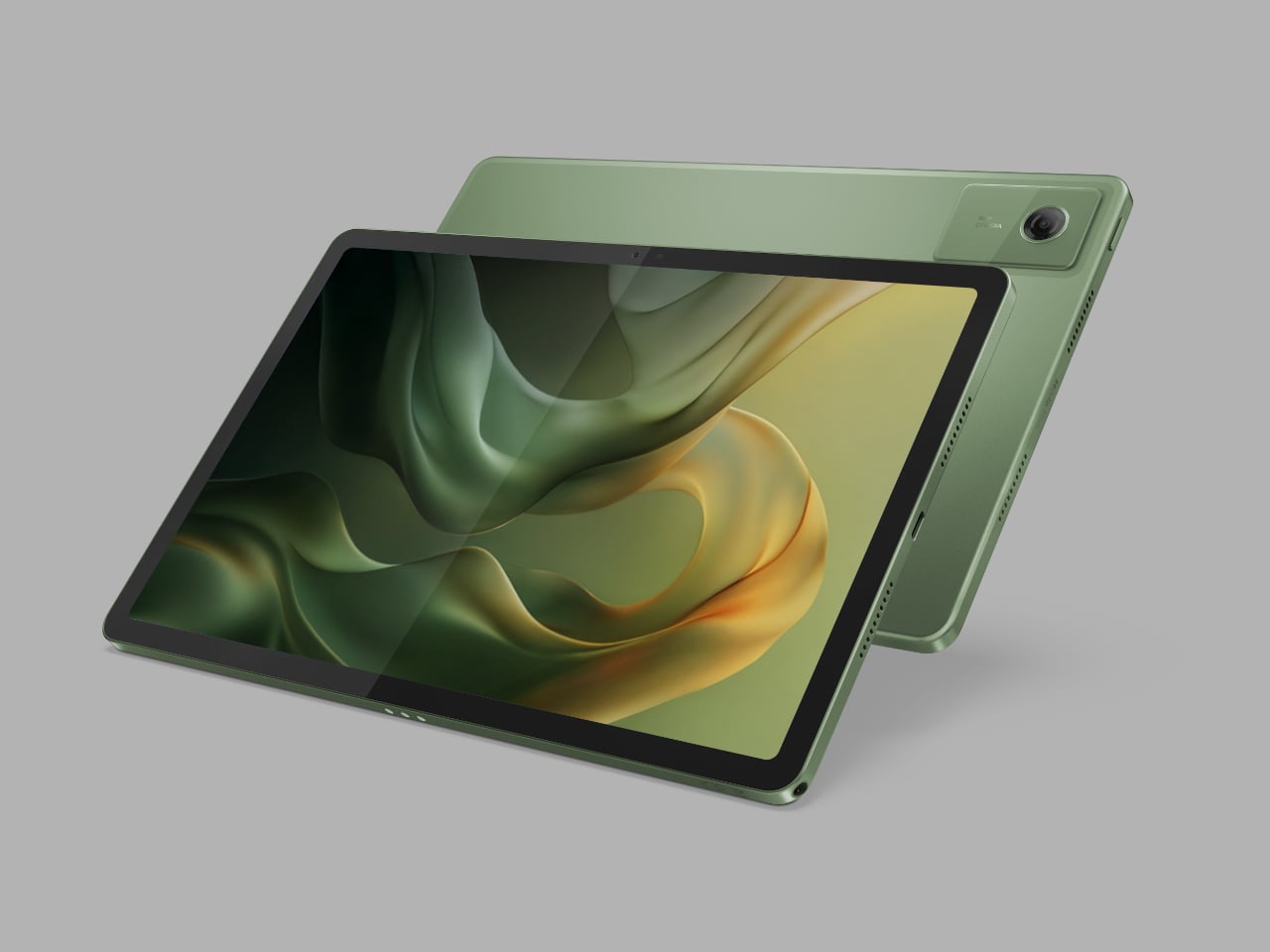
Performance is handled by the MediaTek D6300 5G processor, paired with 8GB of LPDDR4x memory and 128GB of built-in storage. The tablet also supports microSD expansion up to 2TB, adding flexibility for users who want to keep more video, downloads, apps, and documents locally. That combination should be enough for everyday streaming, browsing, reading, casual gaming, and light multitasking, even if it is not positioned as a high-end productivity machine.
One of the more practical additions is 5G connectivity, which gives the moto pad – 2026 an advantage over Wi-Fi-only tablets that lose some of their usefulness away from home or office networks. That makes the device easier to imagine as a portable screen for students, travelers, or anyone who wants a larger display without constantly relying on hotspot connections. It also helps reinforce the idea that this is meant to be a flexible everyday tablet rather than a stay-at-home media slab.
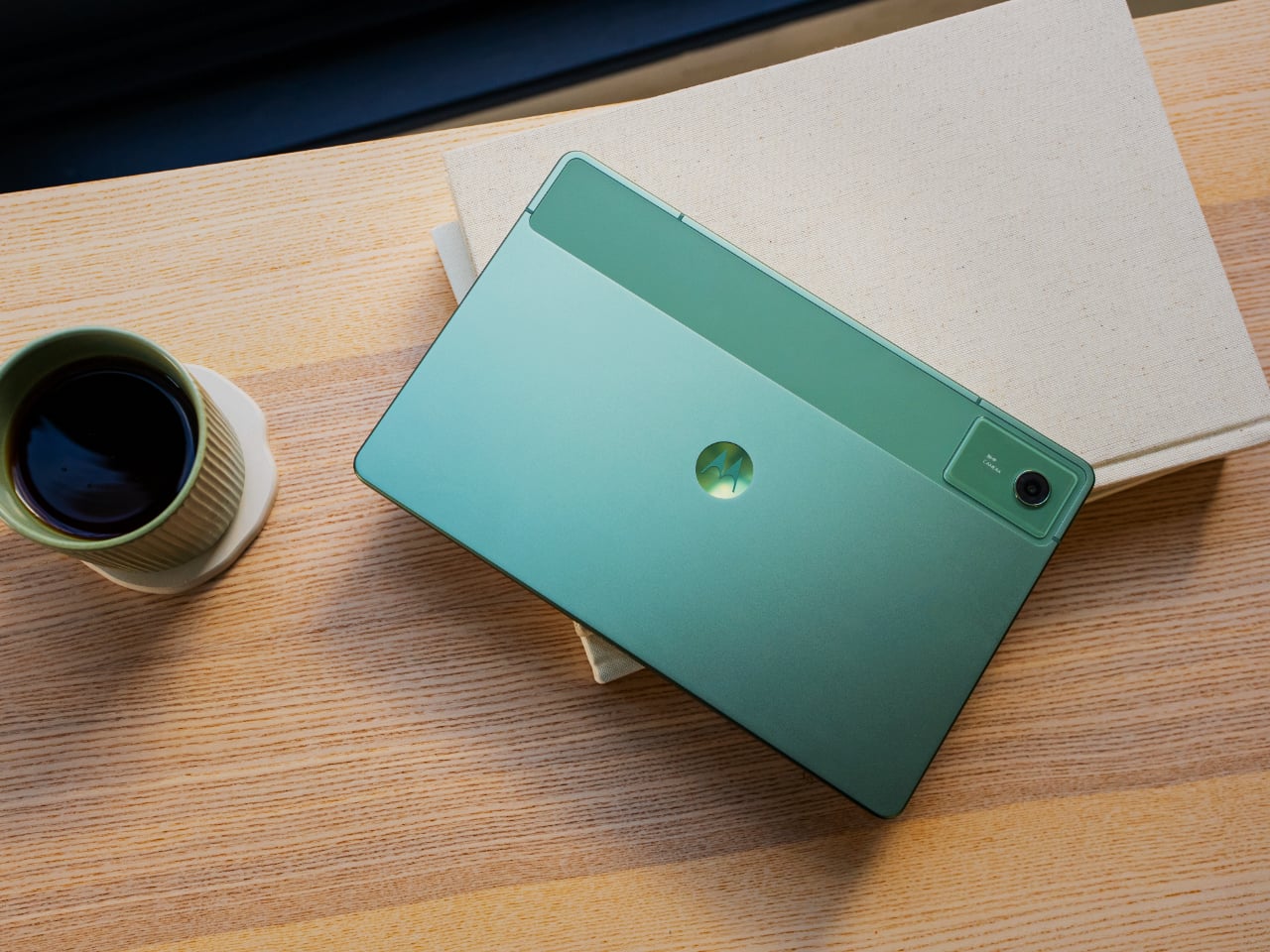
Audio appears to be one of the stronger parts of the package. The moto pad – 2026 includes quad speakers with Dolby Atmos, which should give it a better foundation for movies, streaming, and casual gaming than entry-level tablets with simpler speaker setups. A 3.5mm headphone jack is also included, which remains a practical feature for users who still prefer wired audio or want an easy connection for older accessories.
The software story here is less about reinvention and more about ecosystem fit. Motorola says the moto pad 2026 supports Smart Connect, allowing it to work more closely with phones and PCs for multitasking and content sharing across screens. It also includes Circle to Search, extending one of Android’s more useful recent features to a larger display and giving the tablet a more modern software feel.
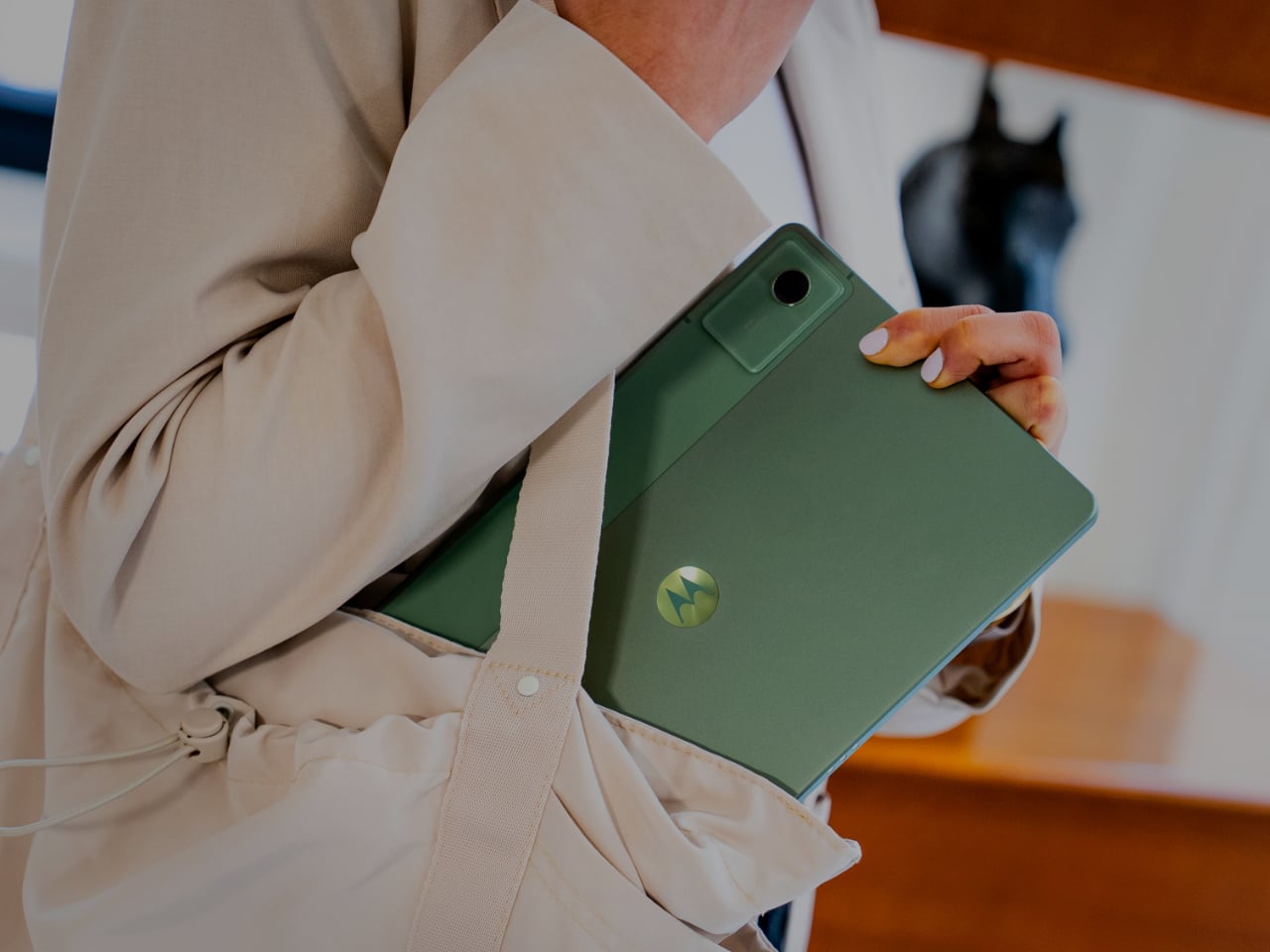
Battery life is backed by a 7,040mAh cell, while charging tops out at 20W. The spec sheet also lists an IP52 rating, along with a 5-megapixel front camera and an 8-megapixel rear camera, reinforcing the sense that this is primarily a media and productivity tablet rather than a device built around photography or premium flagship ambitions. Taken as a whole, the moto pad 2026 looks like a practical addition to Motorola’s lineup, even if its strongest selling point may be how familiar it already seems.