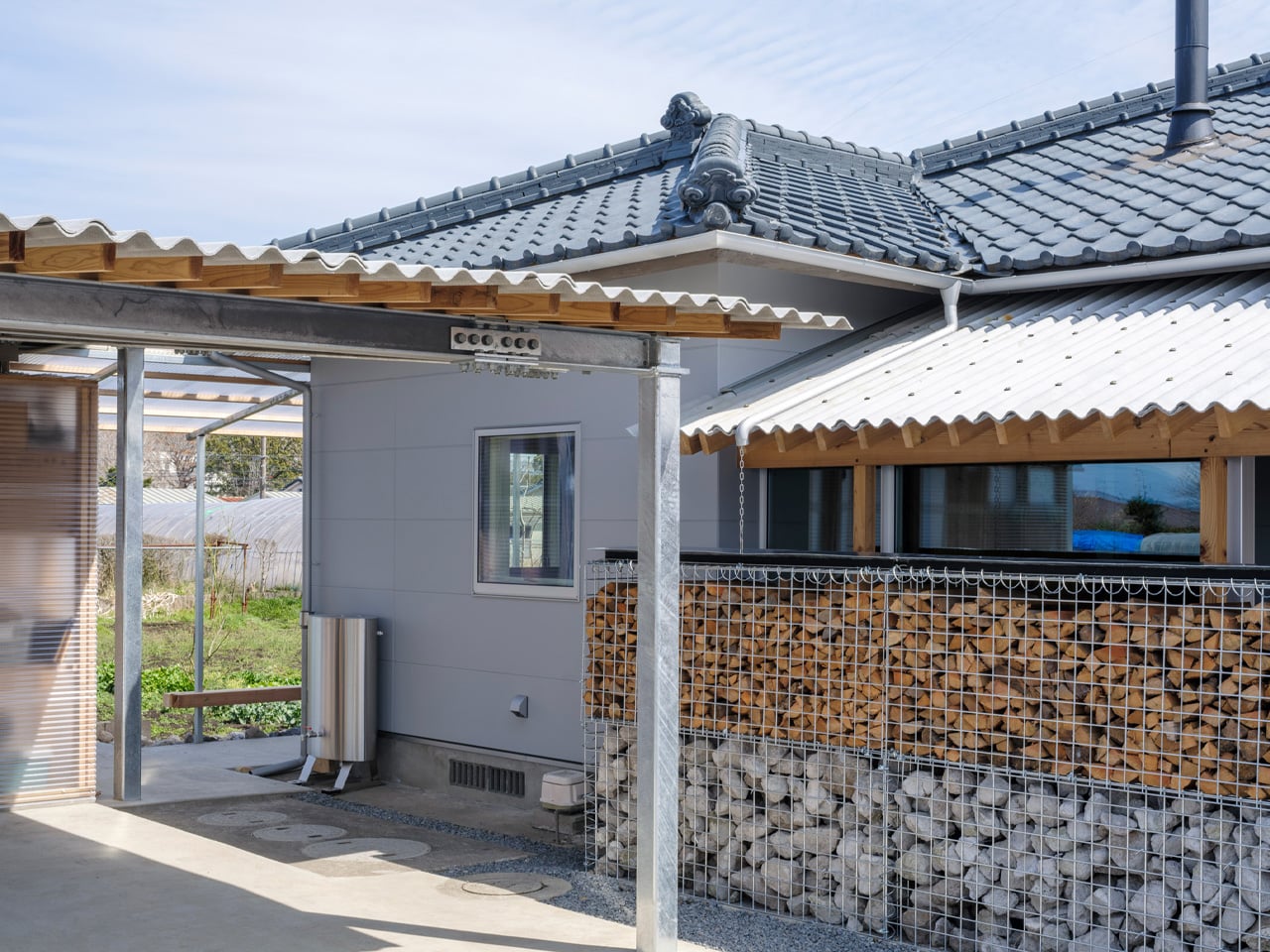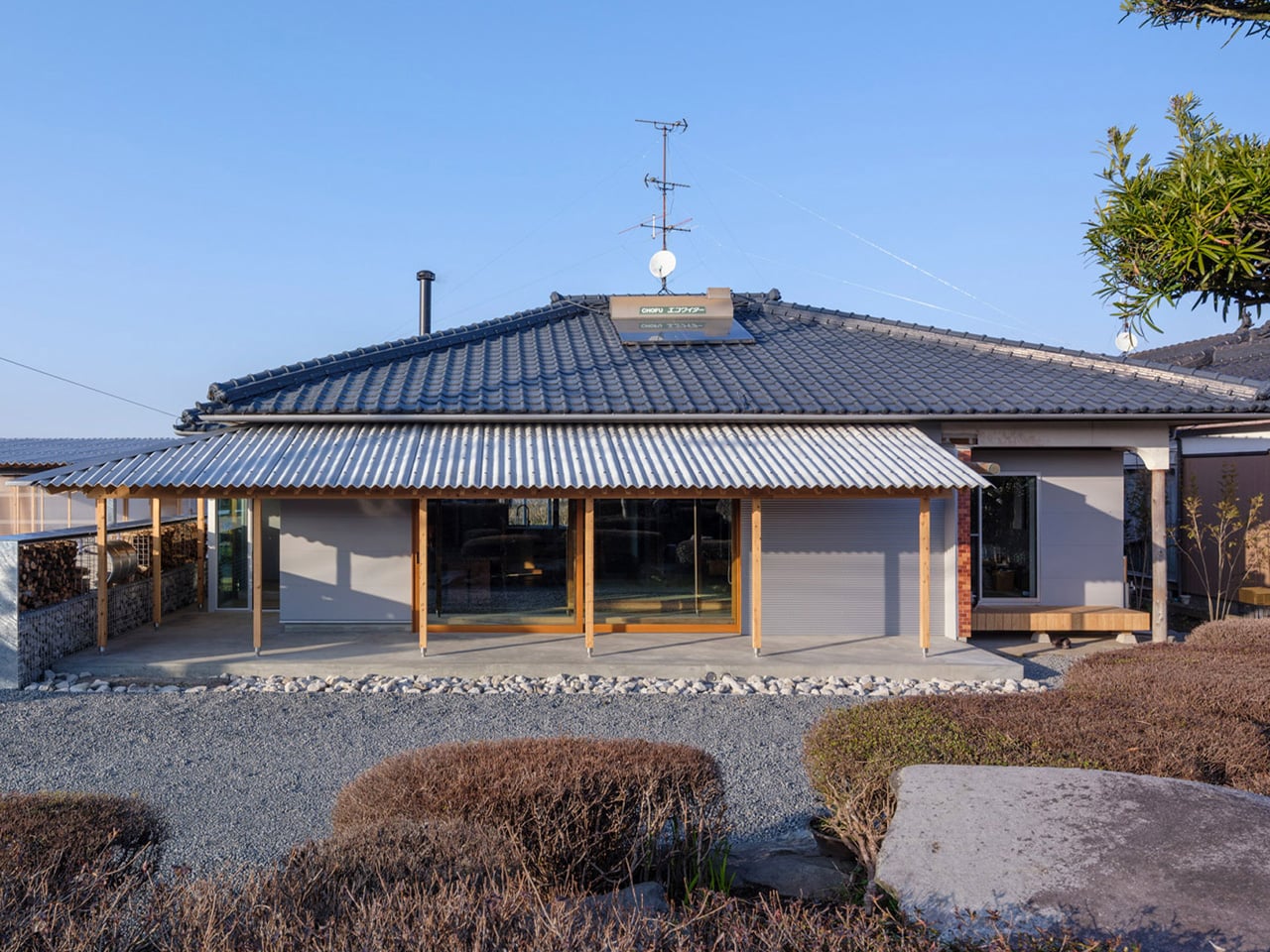
Returning home is a deeply intentional process. Not just to a place, but to a life — one shaped by memory, family, and the particular quality of light that falls through a familiar window. That is precisely the spirit YNAS brought to House in Miyakonojo, a renovation and extension of a traditional timber home in southern Japan that quietly redefines what it means to belong somewhere.
The project began with a couple who, after raising their children and shifting careers, chose to return to the wife’s ancestral home in Miyakonojo to live alongside her father. The house carried history in its bones — a traditional layout of rooms partitioned by sliding screens, arranged off a dark, L-shaped corridor that kept the living area, kitchen, dining room, and bedroom firmly separated from one another. It was a home that had turned inward, closing itself off from both the people inside and the landscape beyond its walls.
Designer: YNAS
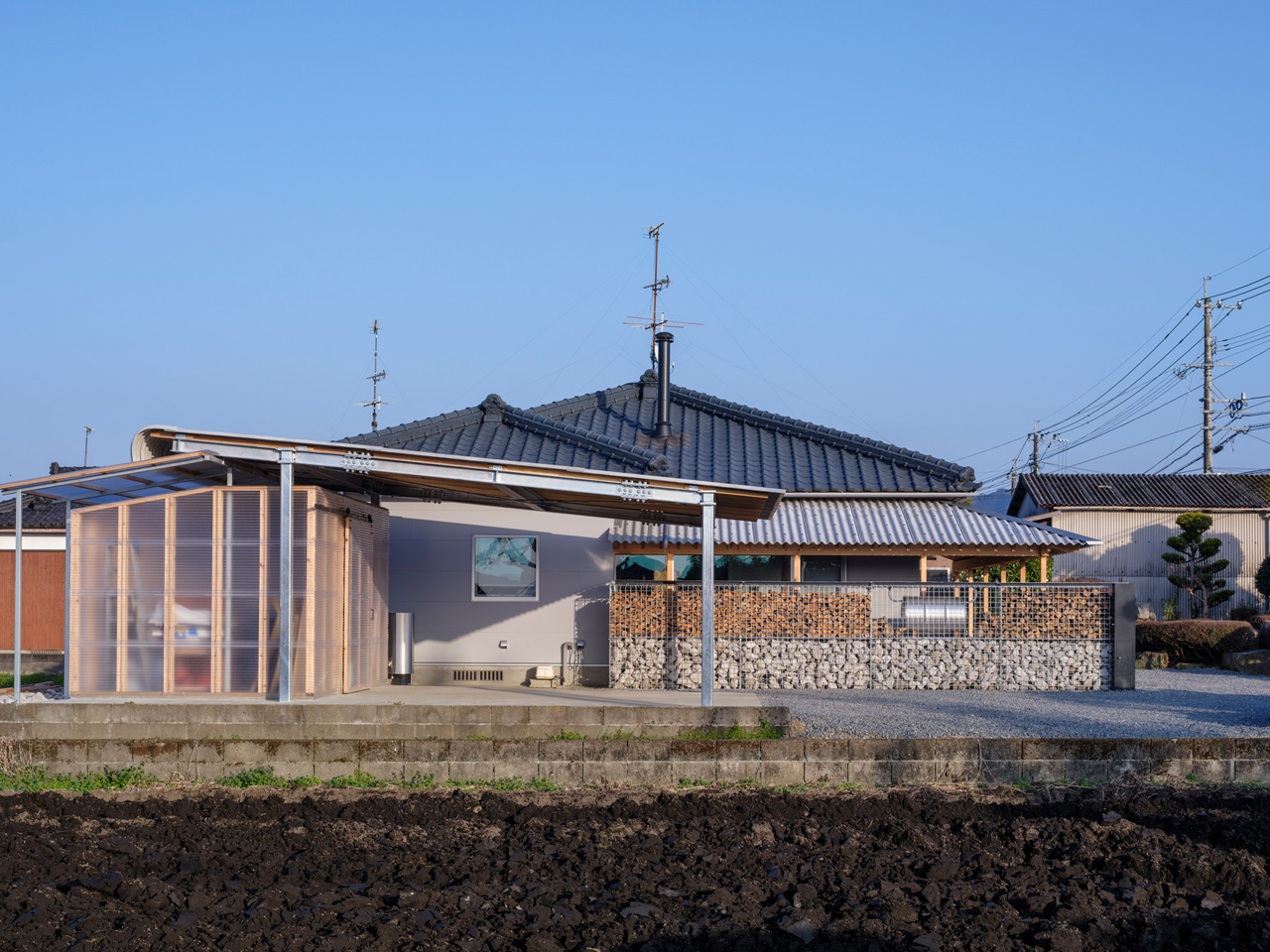
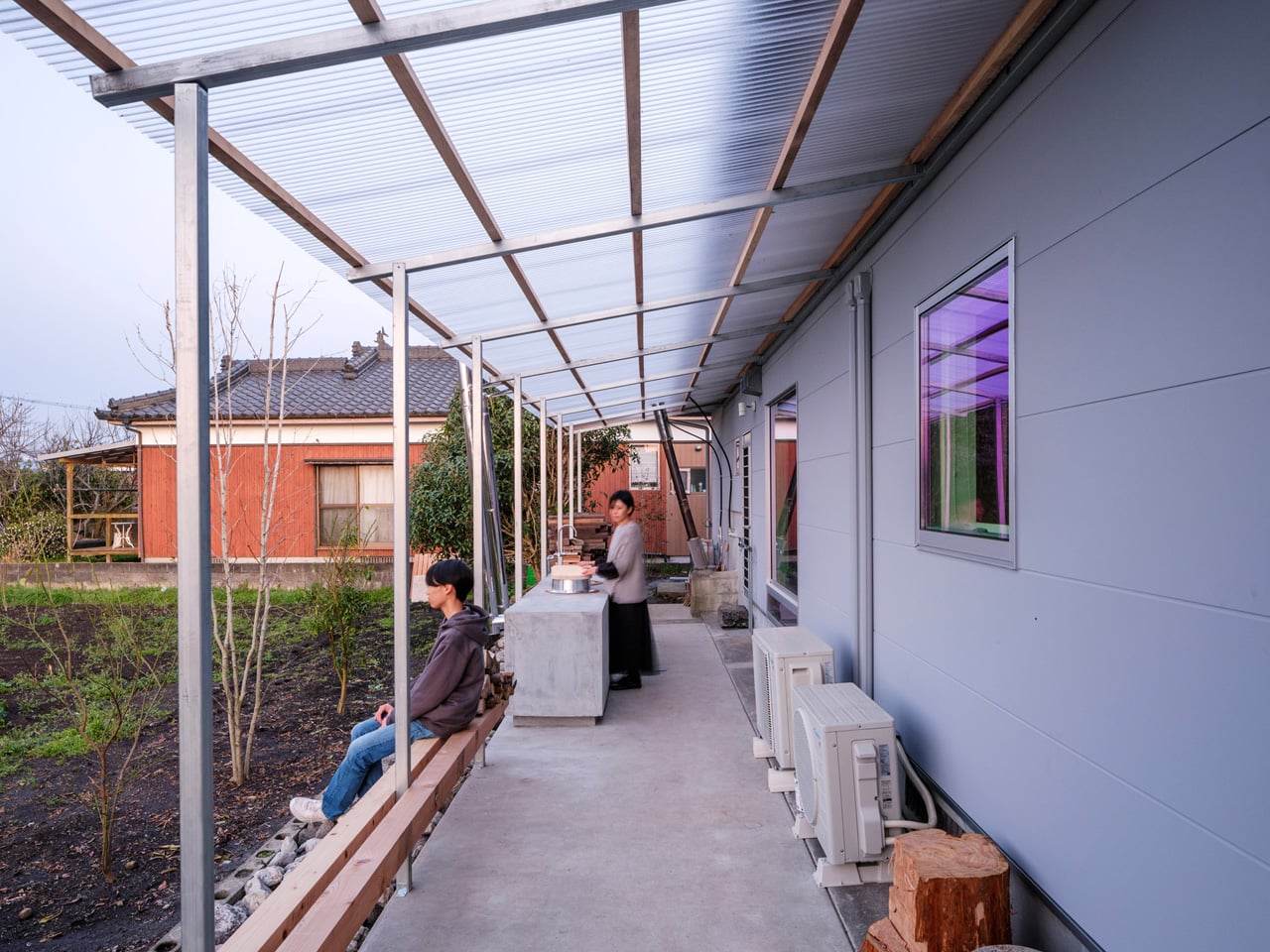
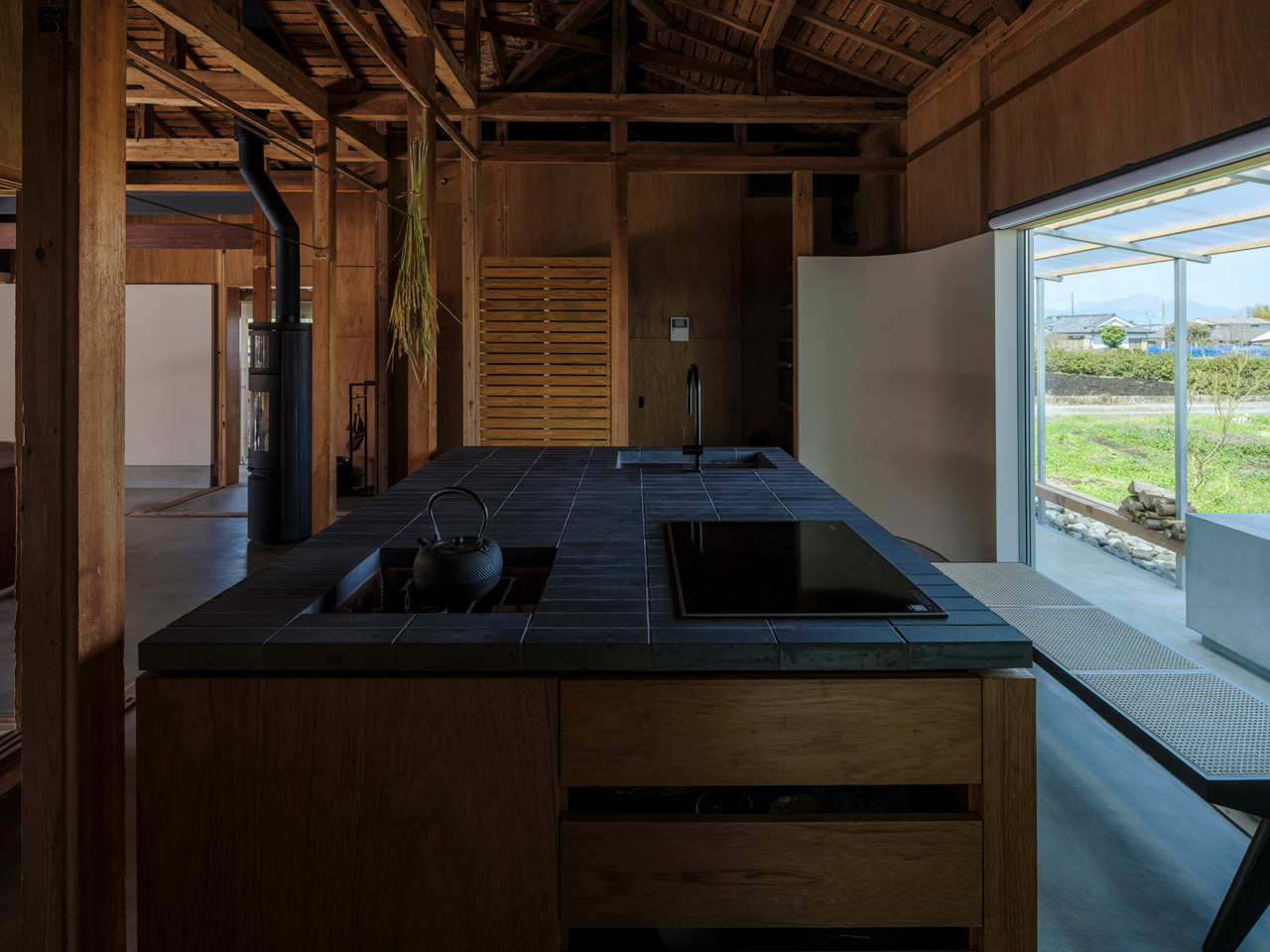
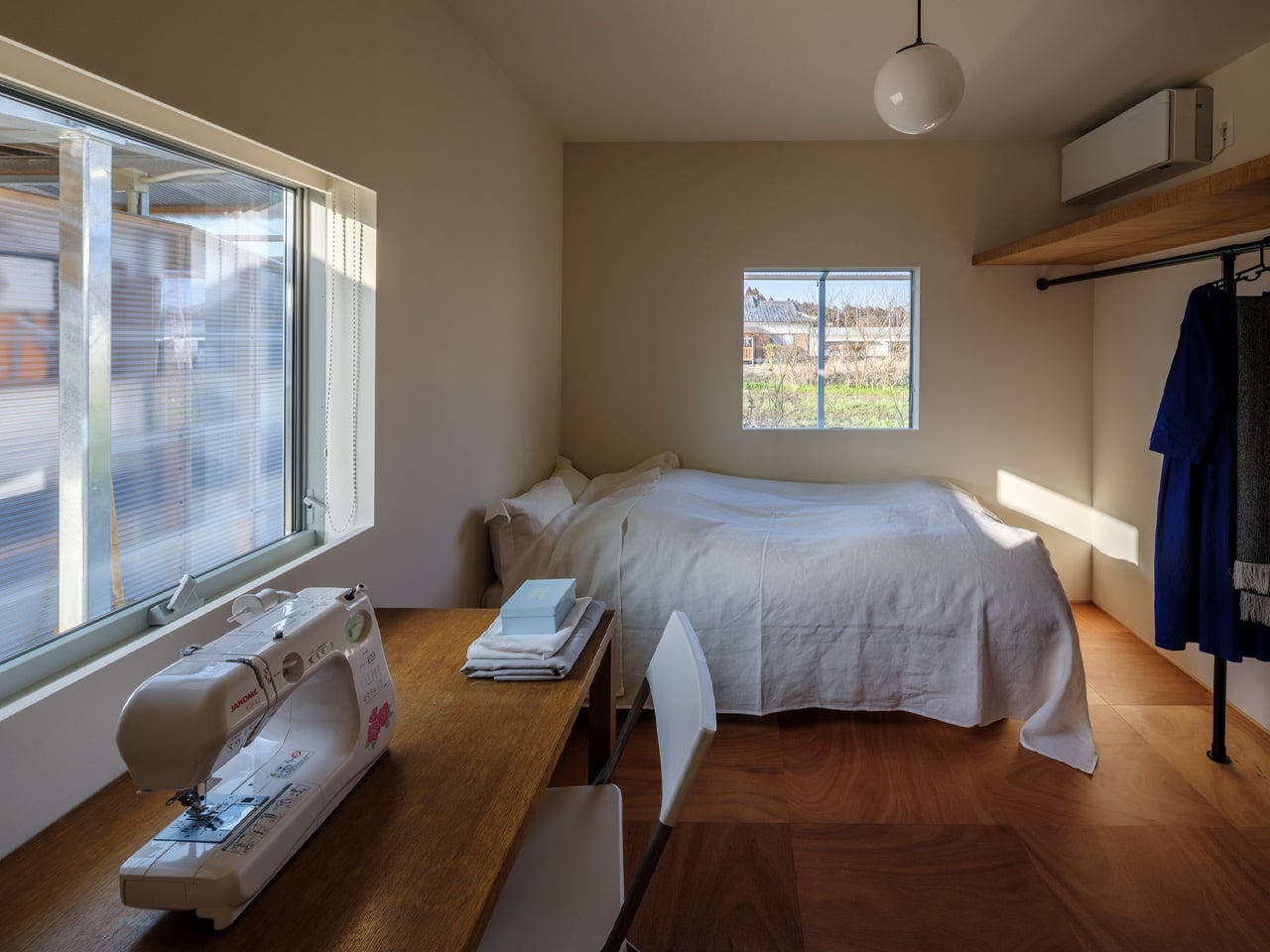
YNAS dismantled that introversion entirely. The studio opened up the cramped internal layout, dissolving the rigid partitions to let space breathe and flow the way a home shared between generations should. The transformation is not just structural — it’s philosophical. The design rejects the idea that privacy requires enclosure, leaning instead into a more generous, paradoxical logic: that openness itself can become a form of protection.
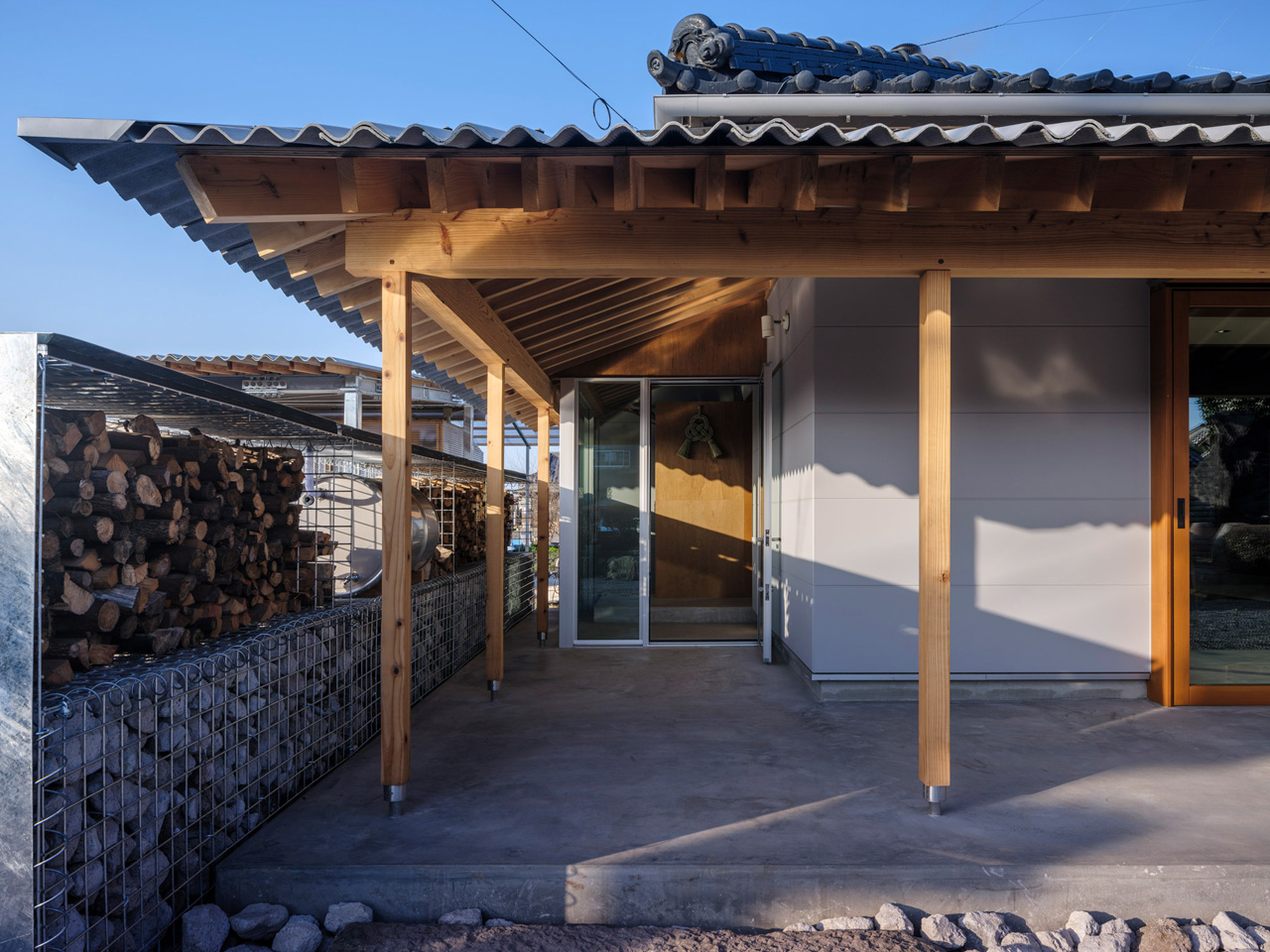
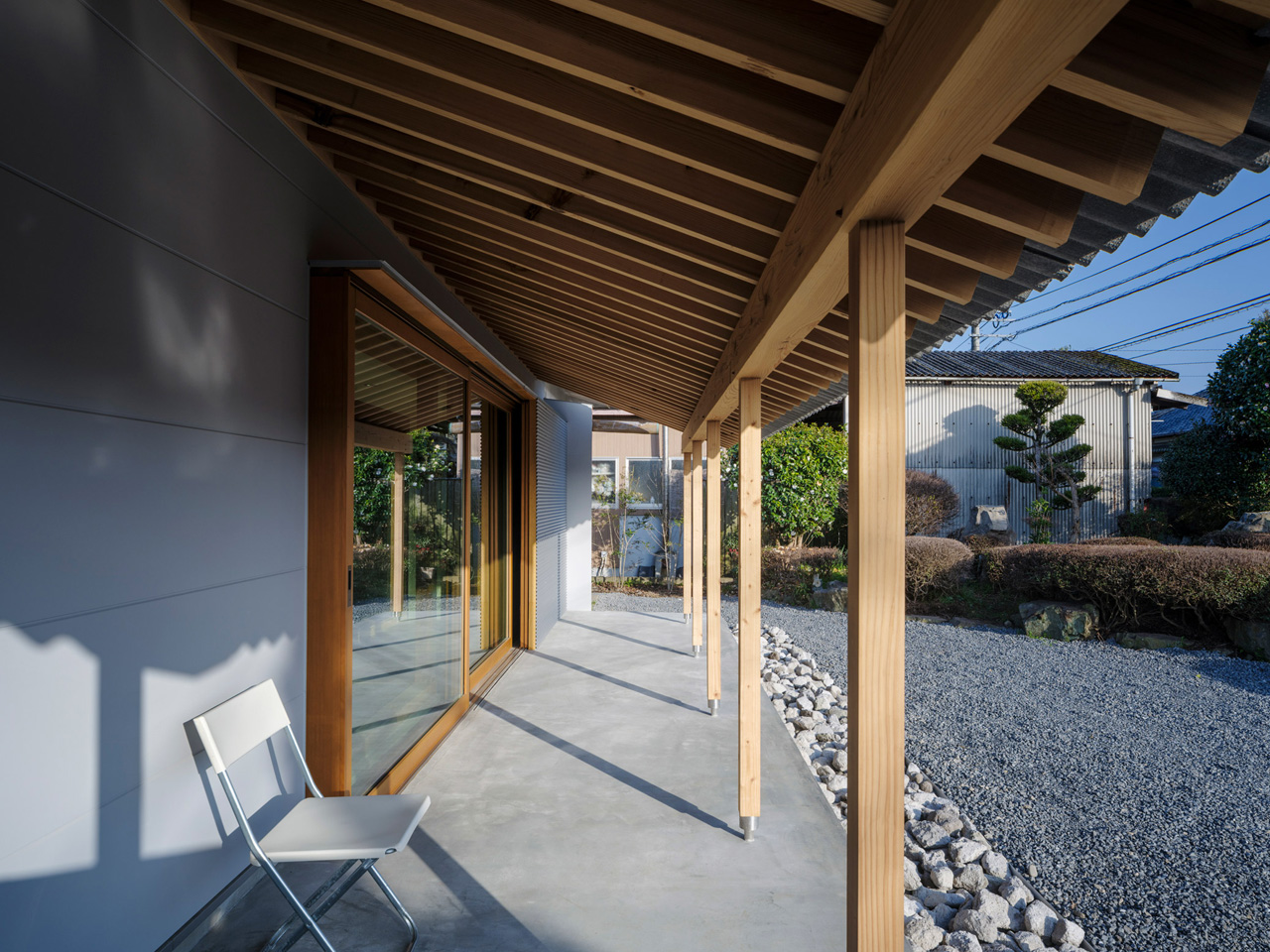
That thinking is most visible in the corrugated metal canopies YNAS added to the exterior. Timber-framed and industrial in material, they extend the home outward, creating covered outdoor spaces that blur the threshold between inside and out. An outdoor kitchen and a wood-fired bath become part of daily life, not luxuries tucked away from it. Neighbors might catch a distant glimpse of the family gathered outside, or notice smoke rising from the stove — and that, the studio argues, is the point.
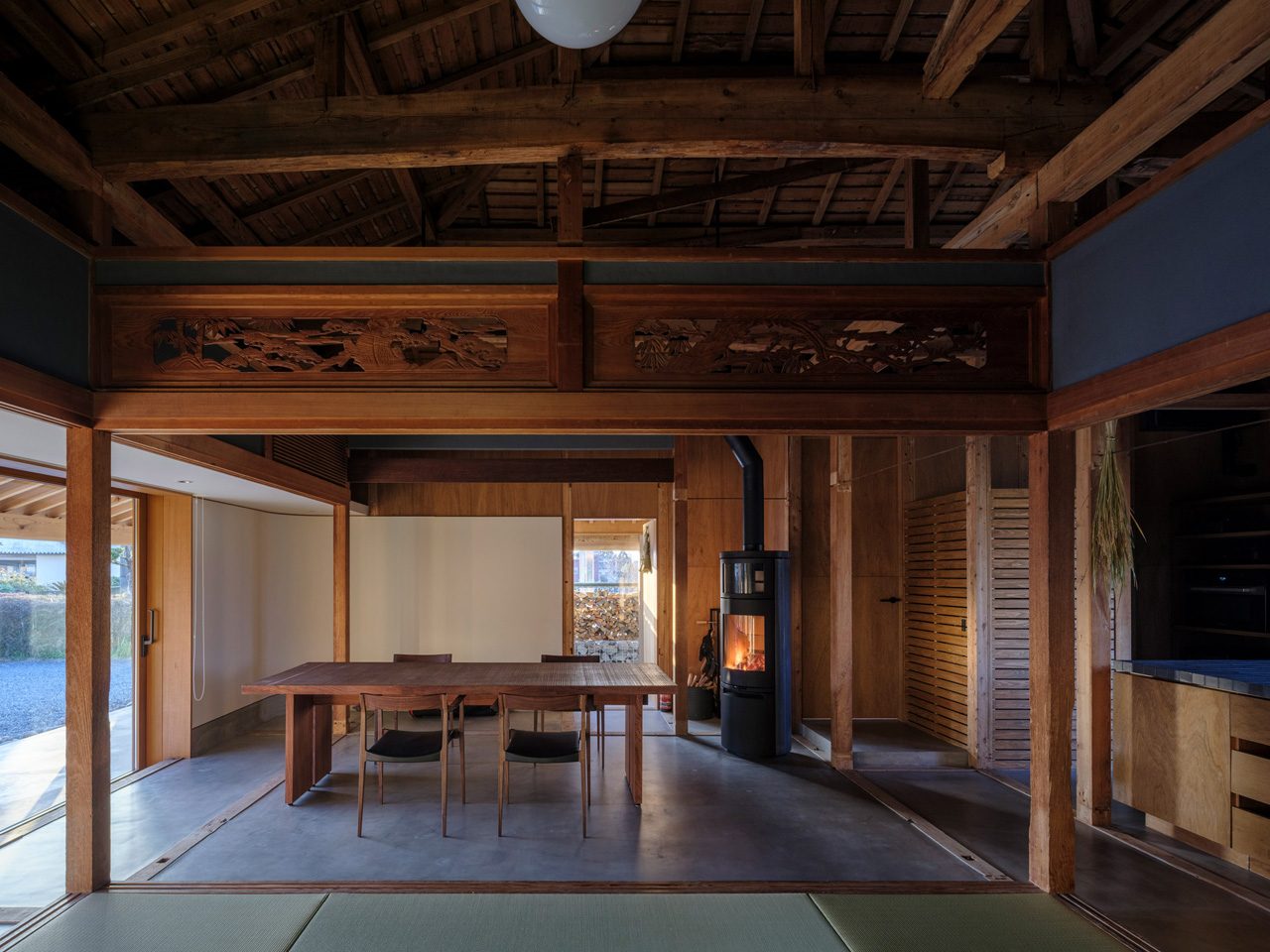
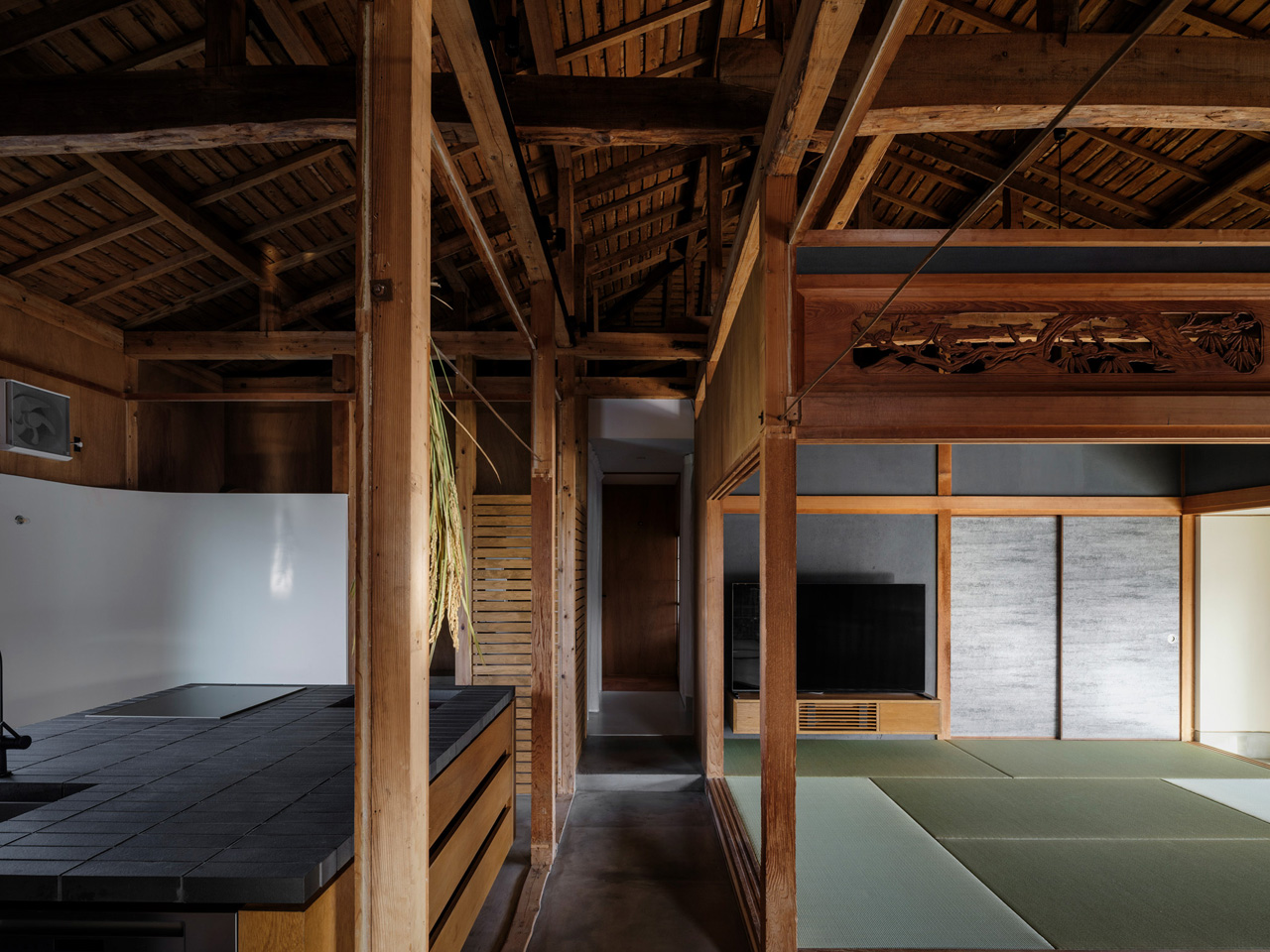
“The house once again becomes a part of the landscape through the ‘signs of life’ it emits,” YNAS noted of the project. It’s a rare architectural position — one that treats visibility not as exposure but as community, as a soft signal that a home is lived in and loved.
The result is a house that honors its past without being imprisoned by it. The ancestral bones remain, but the rooms now open to each other, to the garden, to the sky. Corrugated metal and old timber sit side by side without apology. Three generations share space under a roof that has finally learned how to exhale. In Miyakonojo, YNAS has done something quietly radical: they’ve made a home feel, again, as it belongs to the world around it.