NASA spent $2.7 billion building Perseverance and getting it to Mars. CircuitMess will sell you a buildable, functional, AI-capable replica for $309, and you get to solder every joint yourself. The kit launched in early 2025 and has sold 4,000 units across five restocks, each batch clearing out in approximately two hours. The math on that kind of sell-through rate points to something working at a level most STEM products never reach. The engineering decisions behind the kit explain why people keep showing up for the restocks instead of waiting for broader availability.
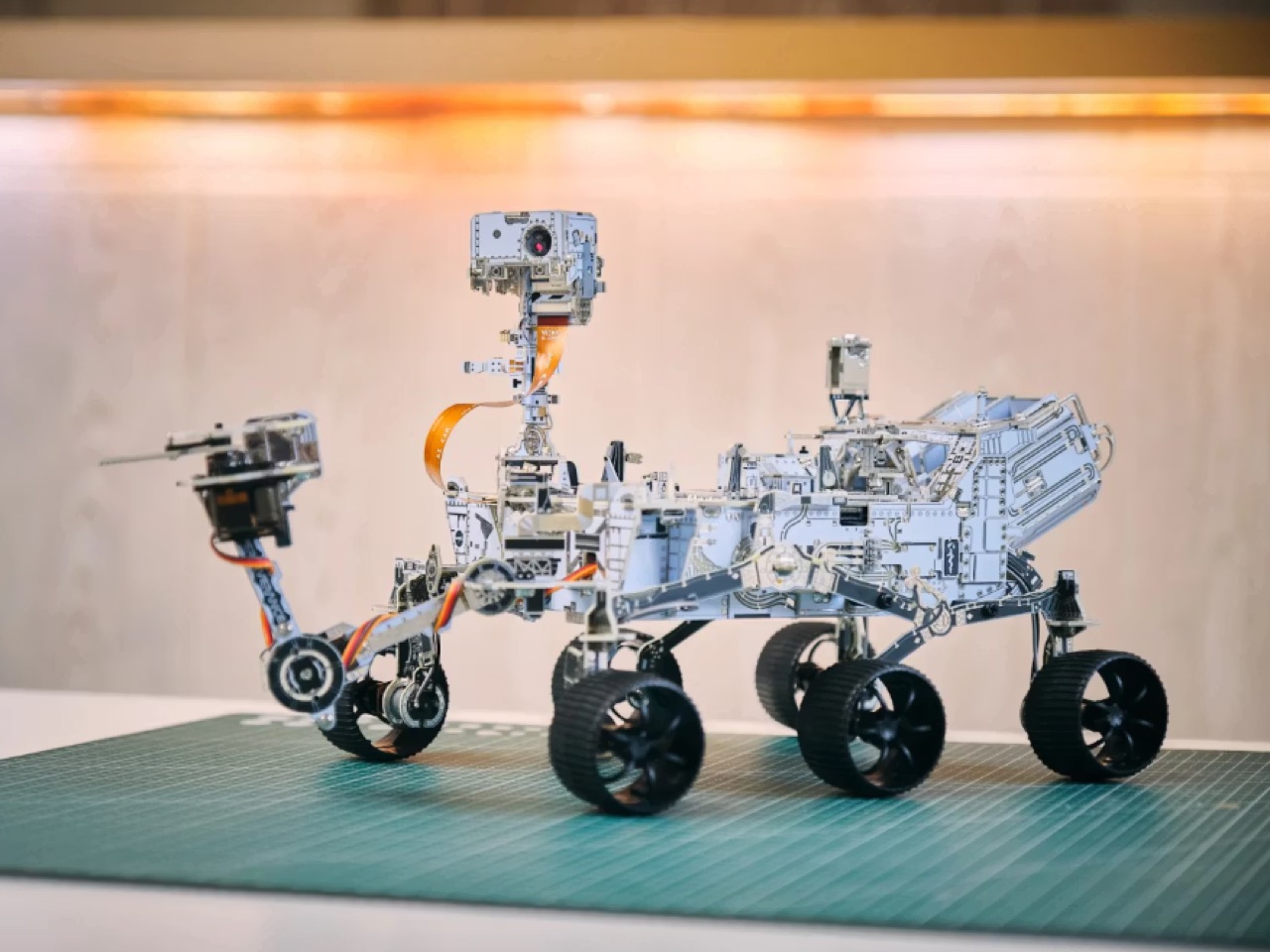
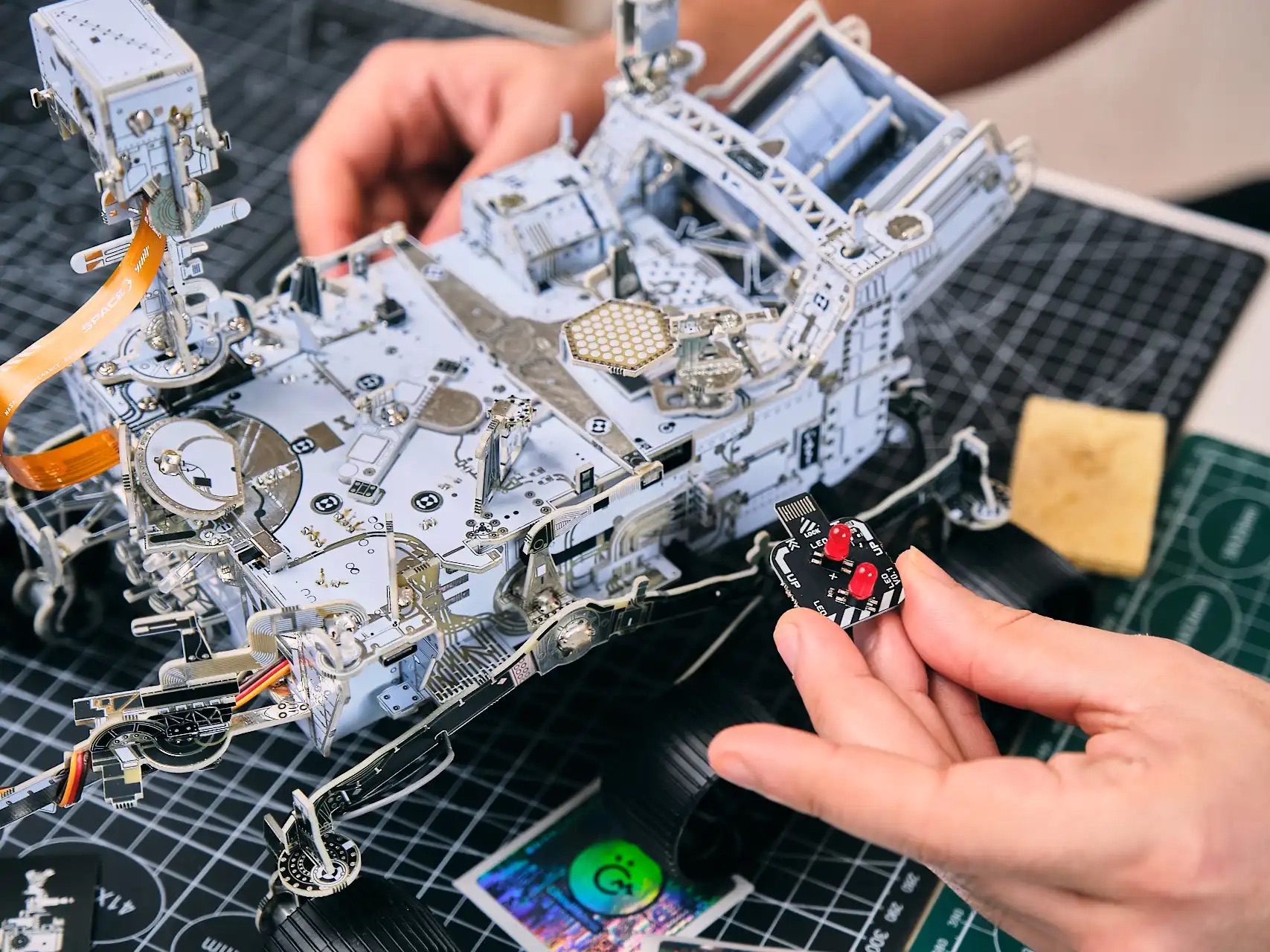
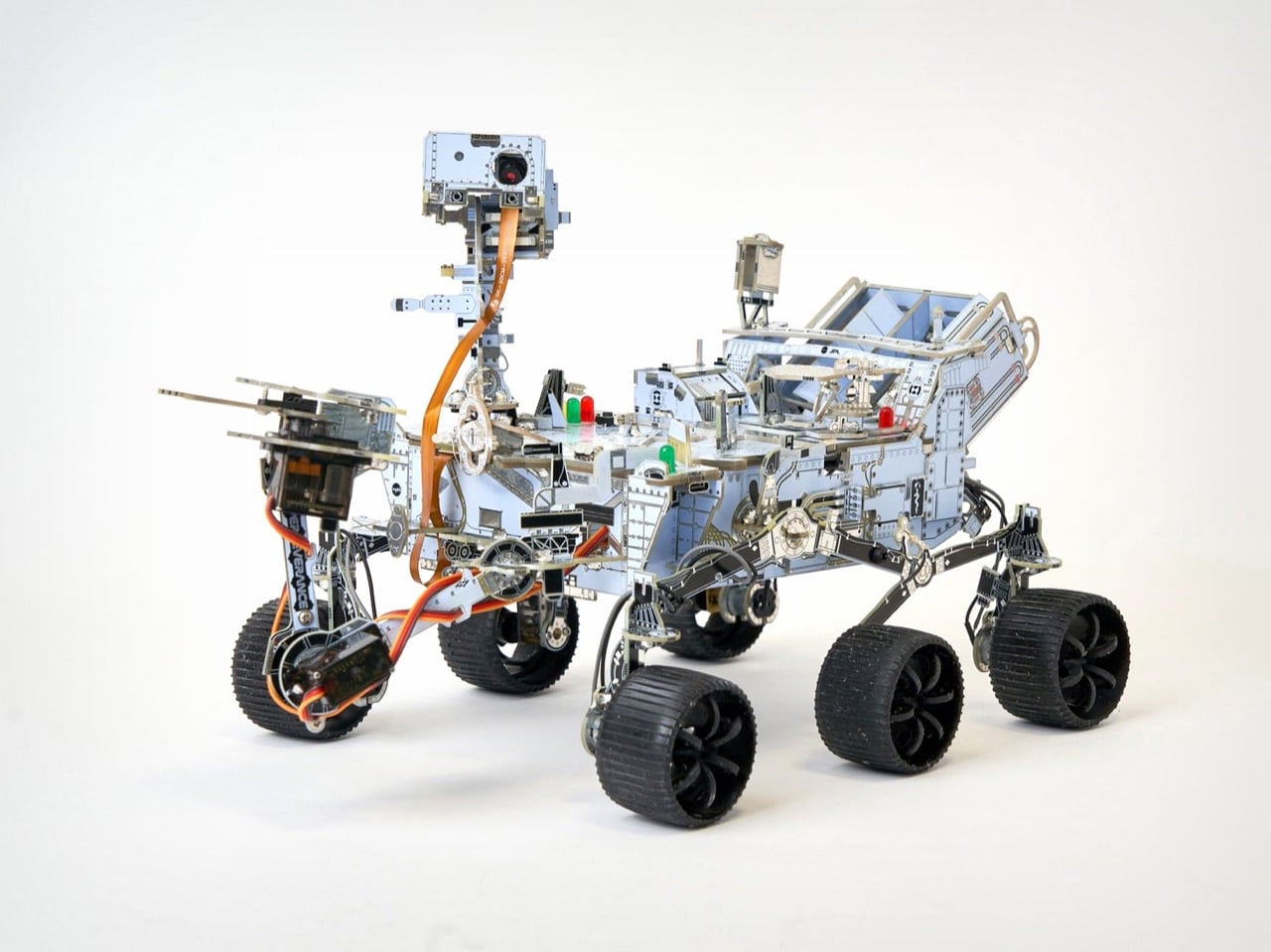
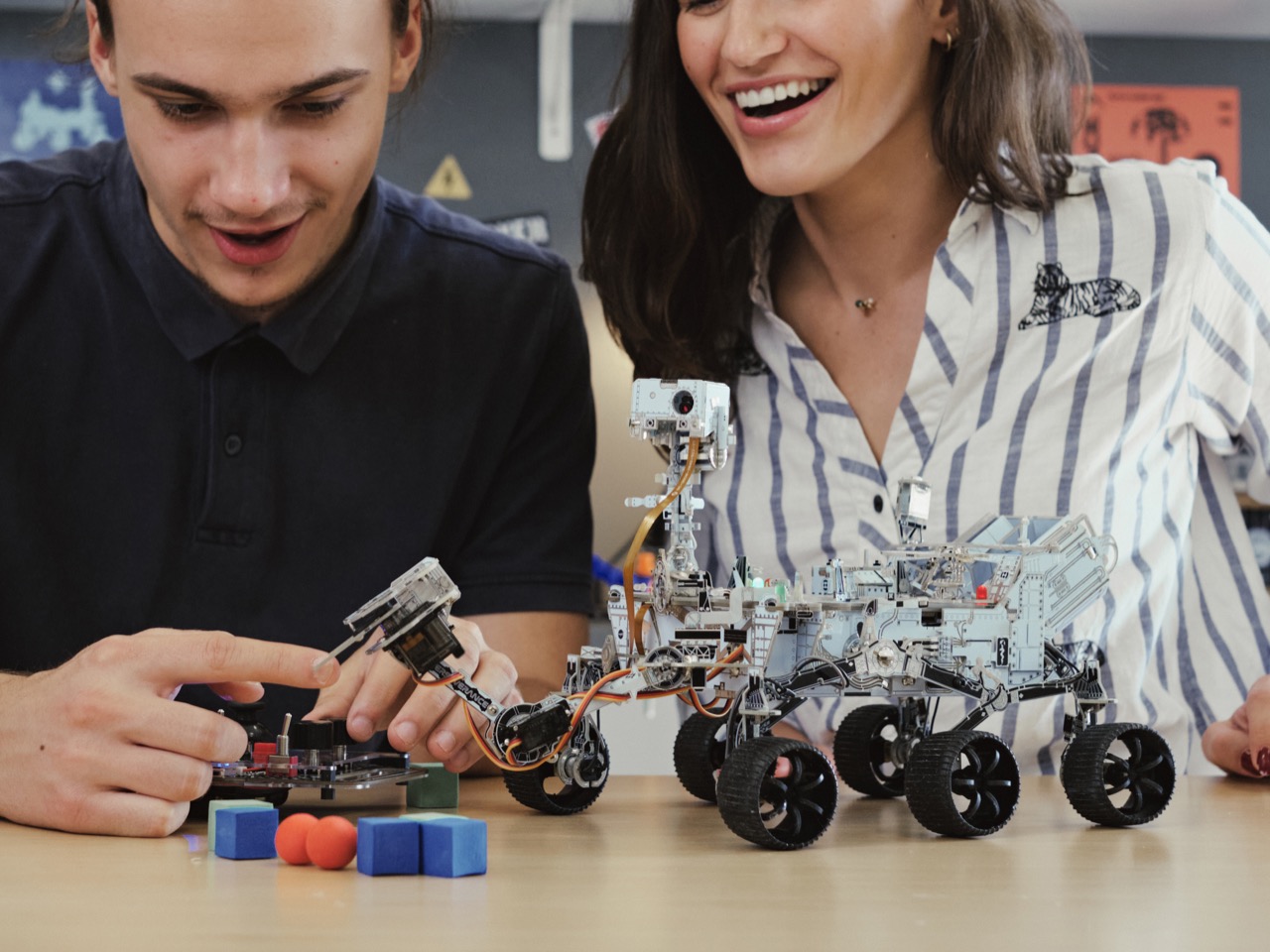
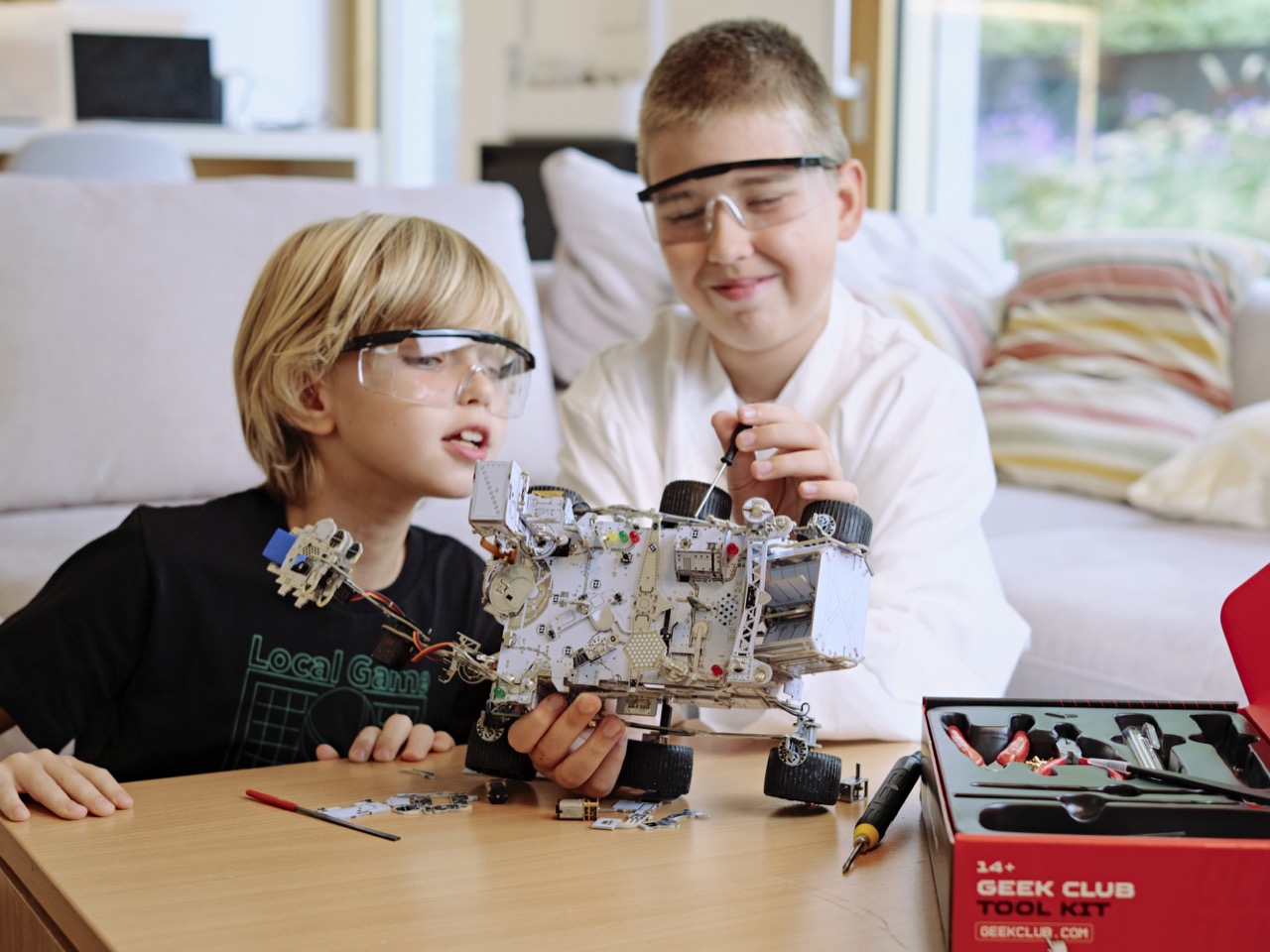
CircuitMess secured NASA approval for the branding and matched the mechanical design to the real rover’s geometry, down to the rocker-bogie suspension that allows independent wheel movement across uneven terrain. The hardware includes six DC motors for propulsion, two servo motors for the arm and camera, a dual-core ESP32 microcontroller, and an AI-capable camera module with object recognition. Assembly involves soldering 300-plus components over roughly 20 hours, with all tools provided in the kit. Control options include a custom RF controller you build yourself, WiFi remote access, and autonomous navigation modes powered by the onboard AI. The firmware lives on GitHub as an open-source repository, and the rover accepts Python, C++, and Arduino IDE programming for anyone who wants to modify its behavior or add new capabilities through the modular expansion ports.
Designer: CircuitMess
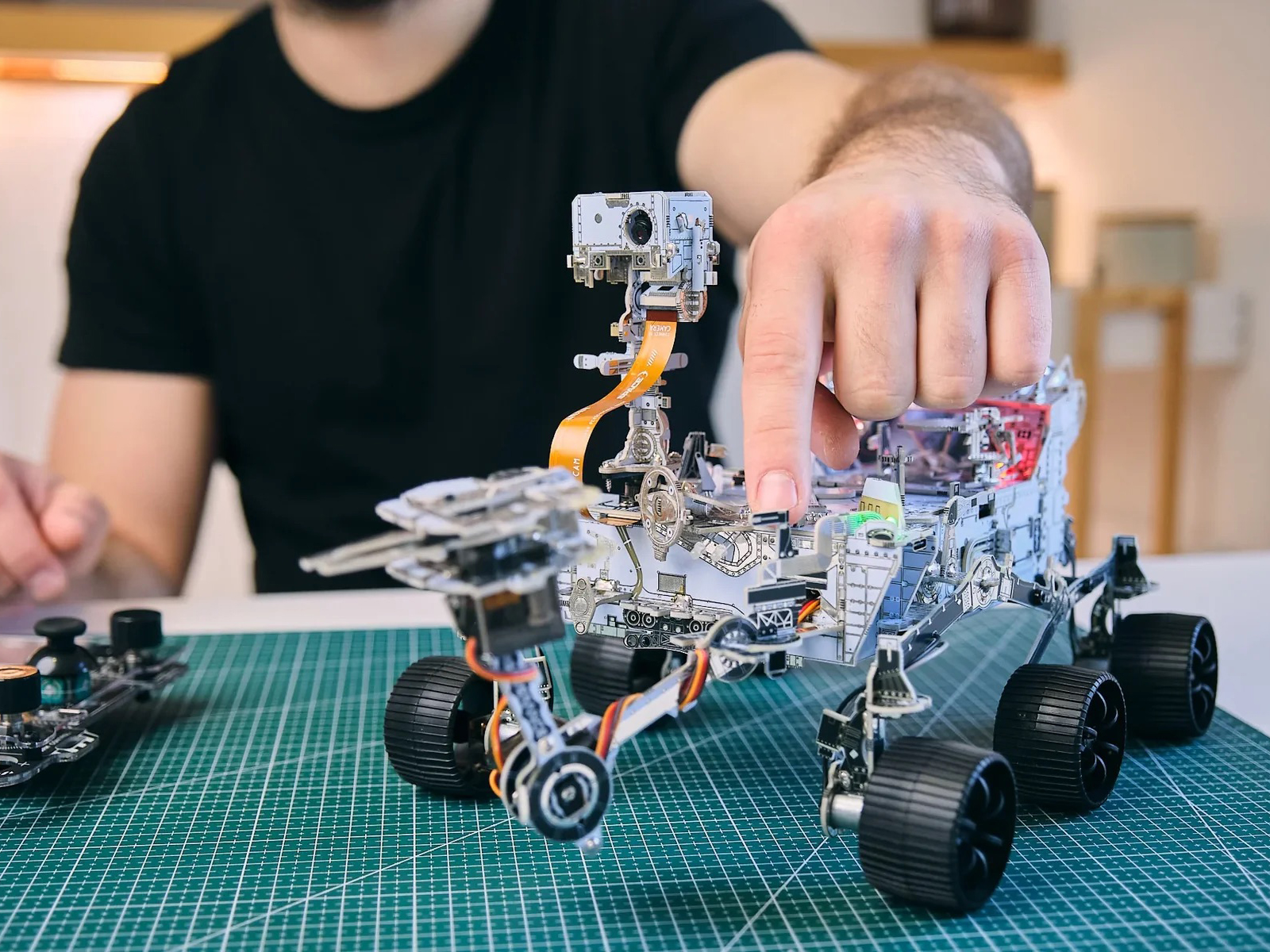
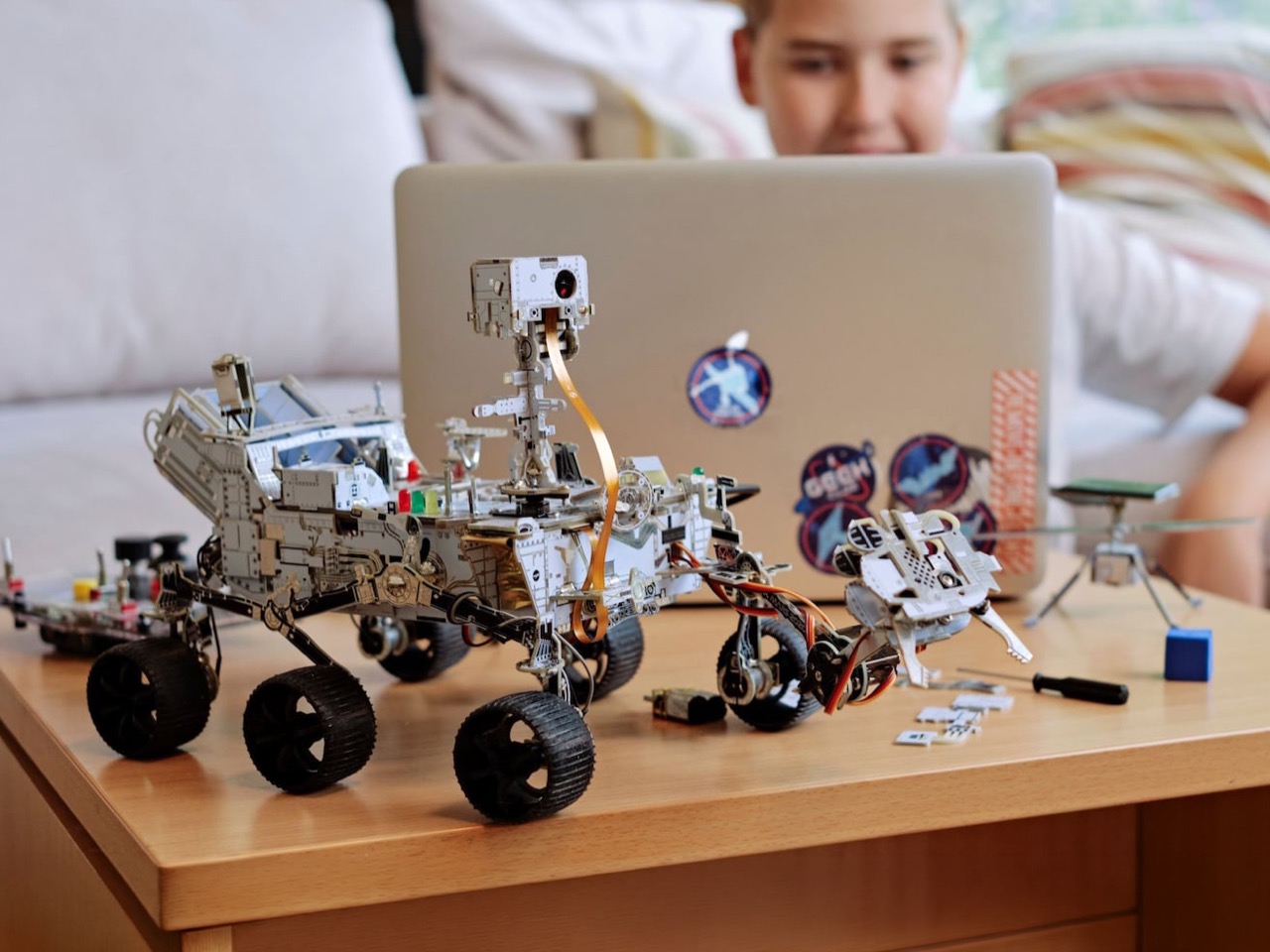
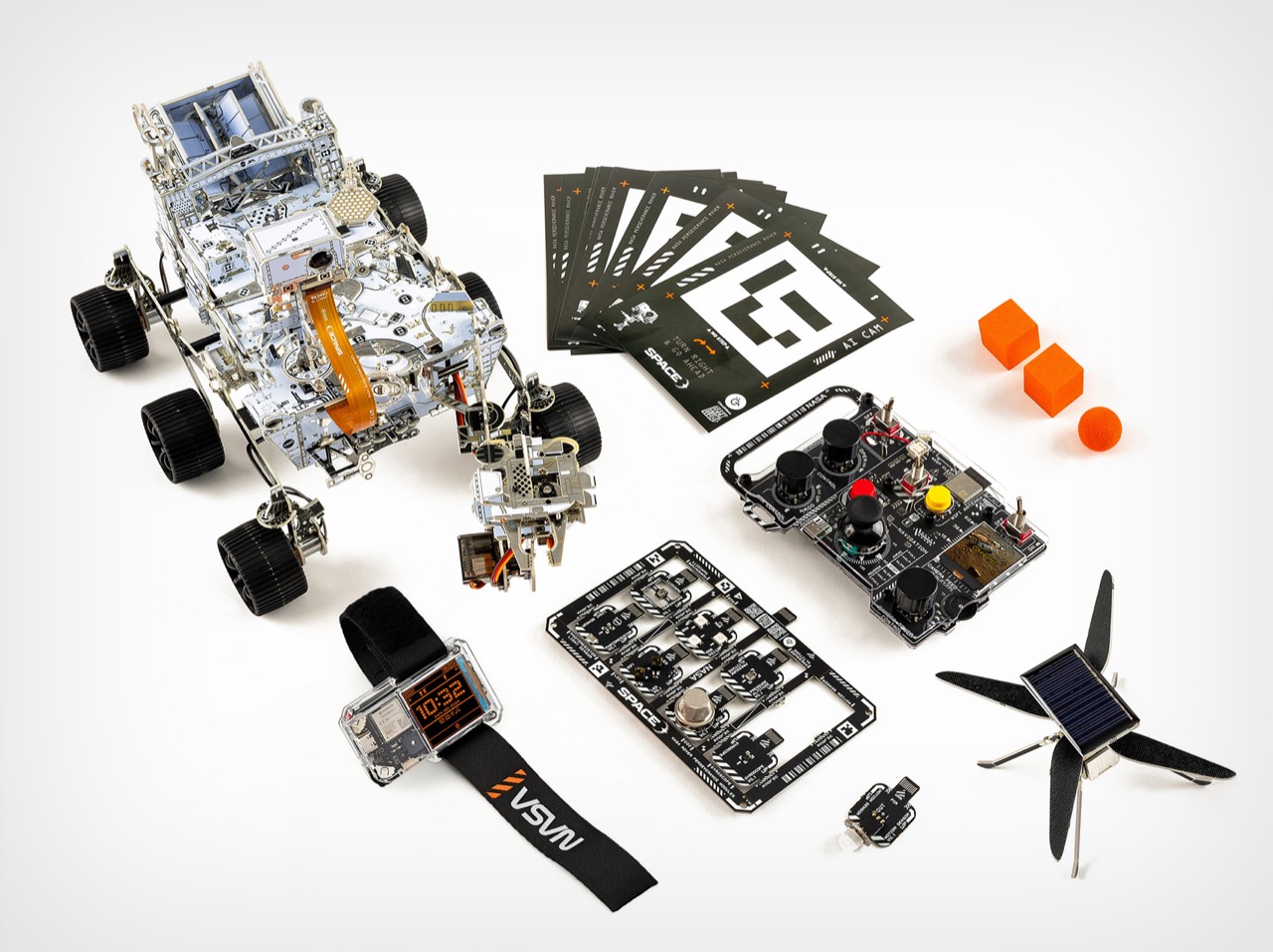
The process is guided but not restrictive, and after completing the base rover, users can reprogram it in Python or C++, experiment with CircuitBlocks, integrate additional modules, or alter its behavior entirely. That distinction matters because most STEM kits treat the build as a finish line. You follow the instructions, snap the final piece into place, drive it around for an afternoon, and then it becomes shelf decoration. The kit functions as a flexible platform rather than a one-time build. The modular architecture accepts additional sensor modules, letting builders upgrade and enhance their rover’s capabilities over time. The included fiducial marker cards give the AI camera immediate objects to recognize and track, so the computer vision feature has a real use case right out of the box. The orange foam cubes and balls visible in the kit photography serve as sample collection targets for the robotic arm, turning the rover into a functional system with tasks to perform, not a static display model.
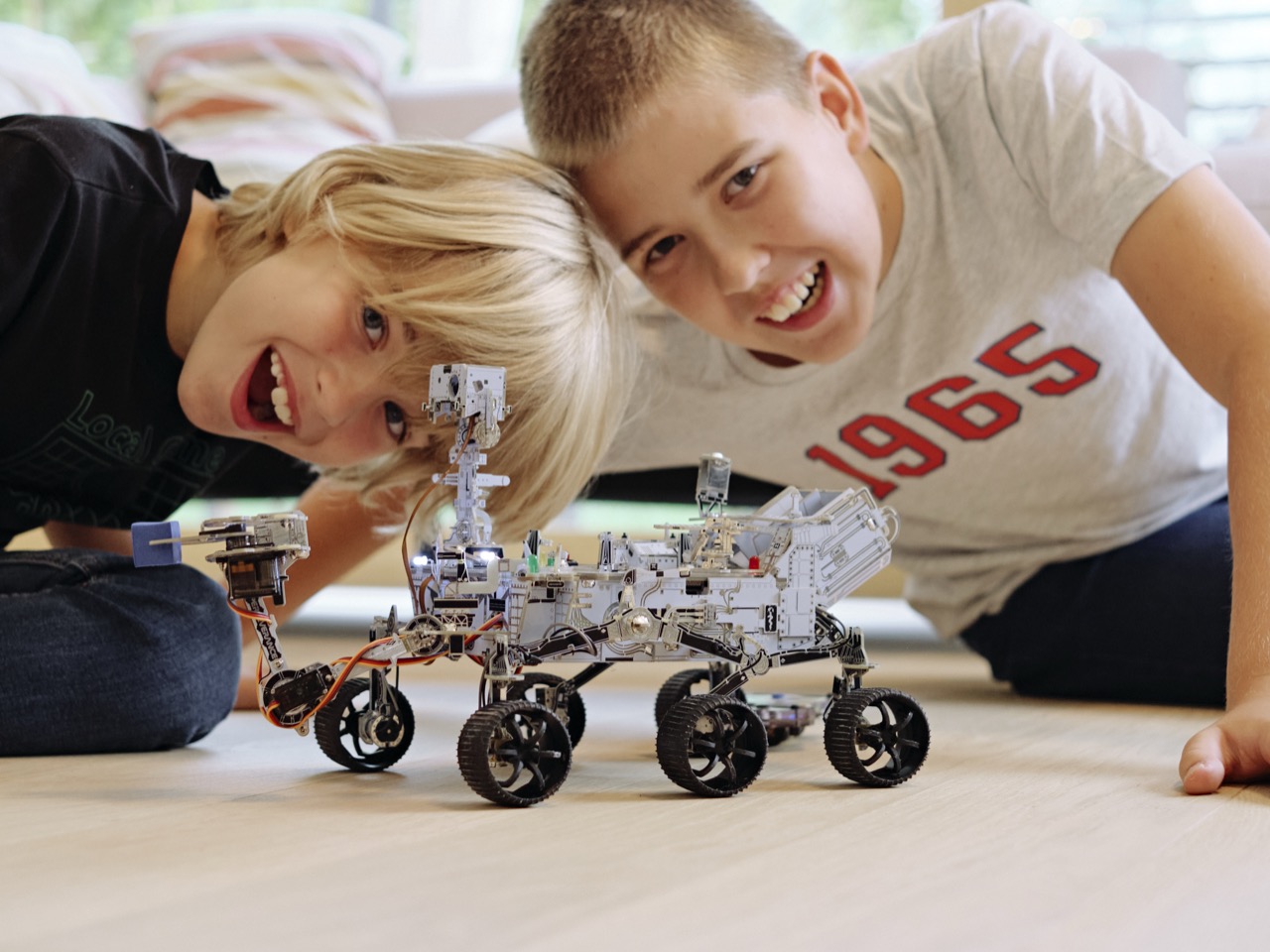
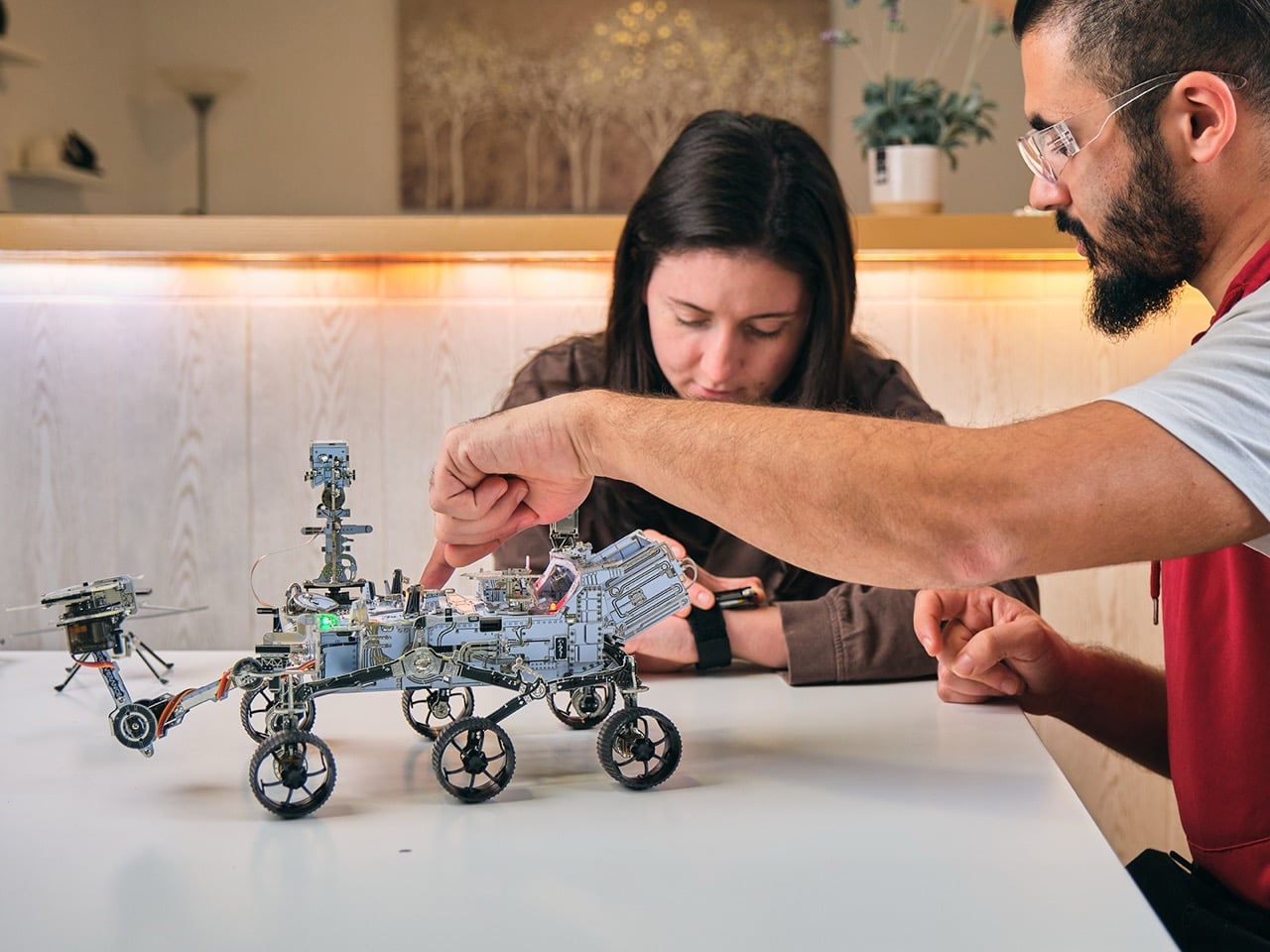
While most STEM products bury their appeal in technical jargon and uninspired concepts, CircuitMess tapped into current trends to entice a broader audience, with strategic direction that aligned with Mars rover making real discoveries millions of miles away. Perseverance landed in Jezero Crater in February 2021, and for a sustained period afterward, space exploration felt culturally immediate in a way it hadn’t since the early shuttle era. People were watching a robot drive around Mars in near real-time, following sample collection updates, tracking the Ingenuity helicopter flights. CircuitMess launched this kit while that public interest was still live, and the timing was surgical. The kit didn’t sell because people wanted another electronics project. It sold because people wanted to understand how the thing they were watching on the news actually worked, and CircuitMess offered a credible path to that understanding.
The NASA Mars Perseverance Rover kit is available at circuitmess.com for $349. Since launching in early 2025, the kit has sold 4,000 units across five restocks, with each batch selling out in approximately 2 hours. If you’re the kind of person who followed the Perseverance mission beyond the landing headlines, who knows what a rocker-bogie suspension does or why a dual-core processor matters for onboard AI, this is one of the few educational kits that respects that level of interest.