Most tablets arrive as sealed objects with decisions already made for you: storage is fixed, the battery is buried somewhere inaccessible, and the operating system is whatever the manufacturer chose. You use the device on those terms until it slows down or falls out of software support, and then you replace it. Brax Technologies, the company behind the BraX3 privacy smartphone, is betting there’s a different way to do this.
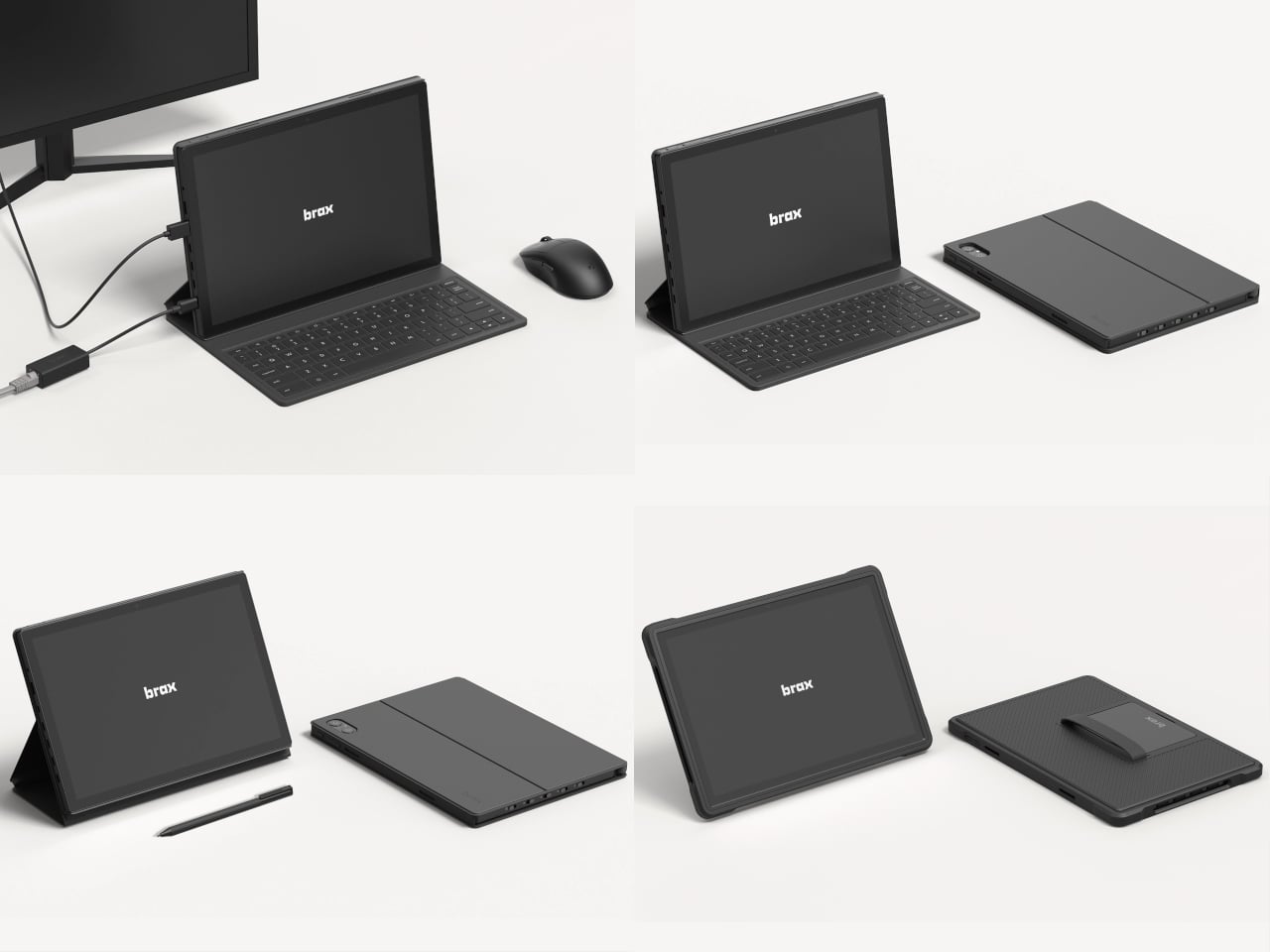
The open_slate is a 12-inch 2-in-1 tablet that treats its hardware as a starting point rather than a finished product. Inside the chassis sits an M.2 2280 slot, a standard used in laptops and desktops, allowing owners to swap in faster storage, add capacity, or eventually slot in a network card. There’s also a user-replaceable battery, which sounds mundane until you consider how few tablet makers have bothered to include one in years.
Designer: Brax Technologies
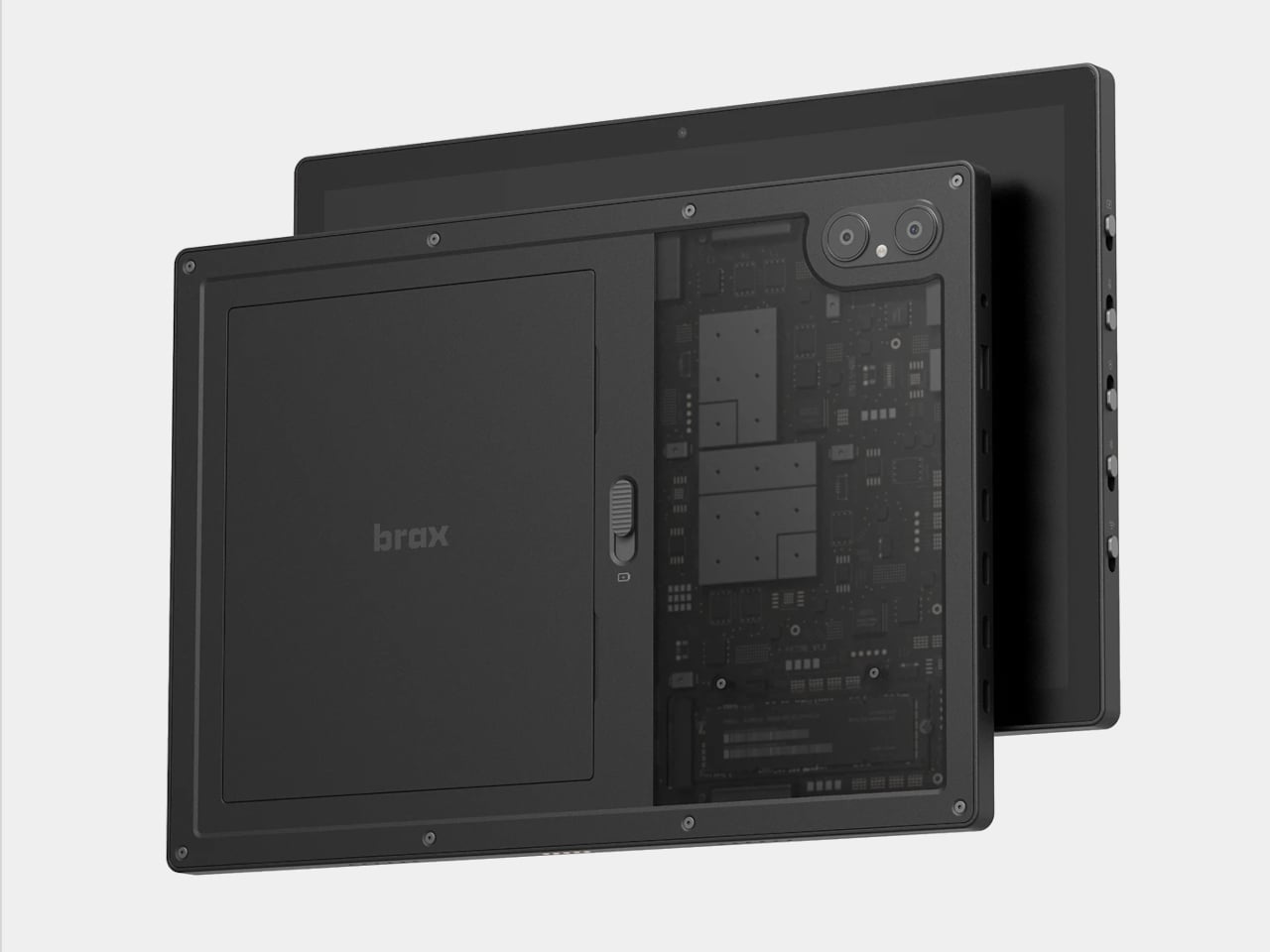
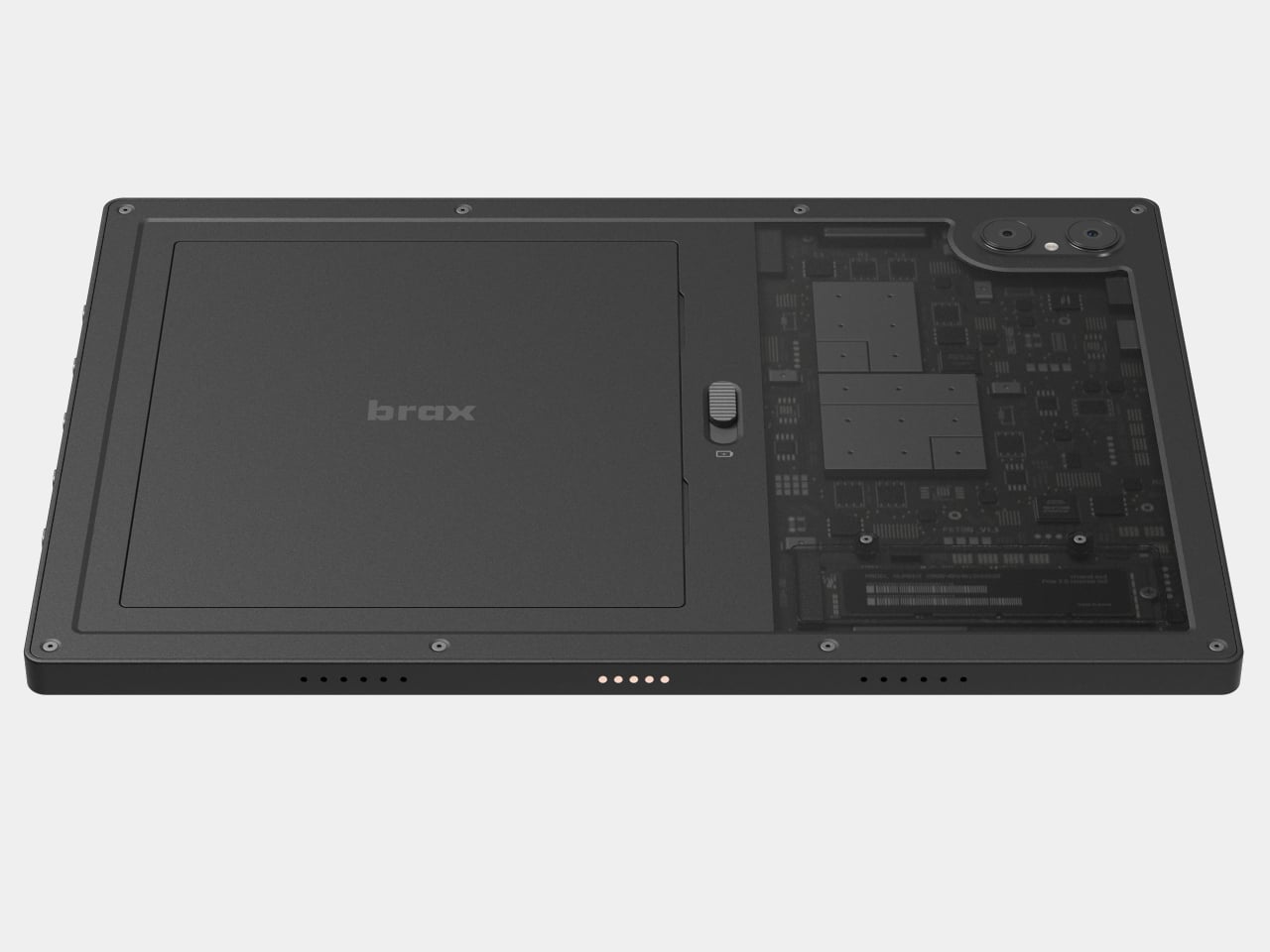
That battery holds 8,000mAh and carries a claimed 20-hour runtime, a figure that tracks given how efficiently ARM processors handle light workloads. The MediaTek Genio 720 chip pairs two Cortex-A78 performance cores with six Cortex-A55 efficiency cores. It’s a capable mid-range processor, not a desktop replacement, but paired with either 8GB or 16GB of RAM and a 120Hz display, daily use should feel smooth for the tasks the device is designed for.
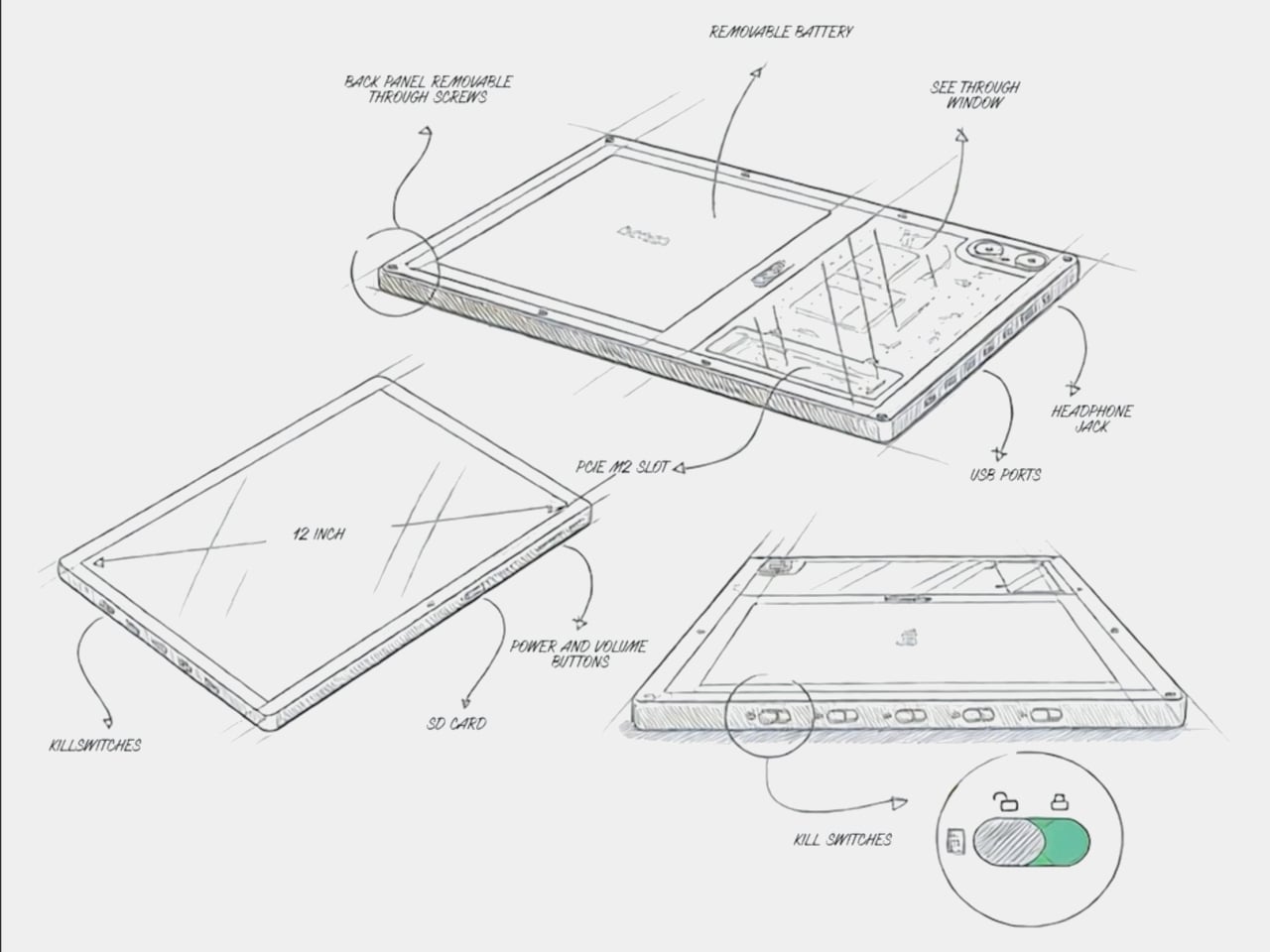
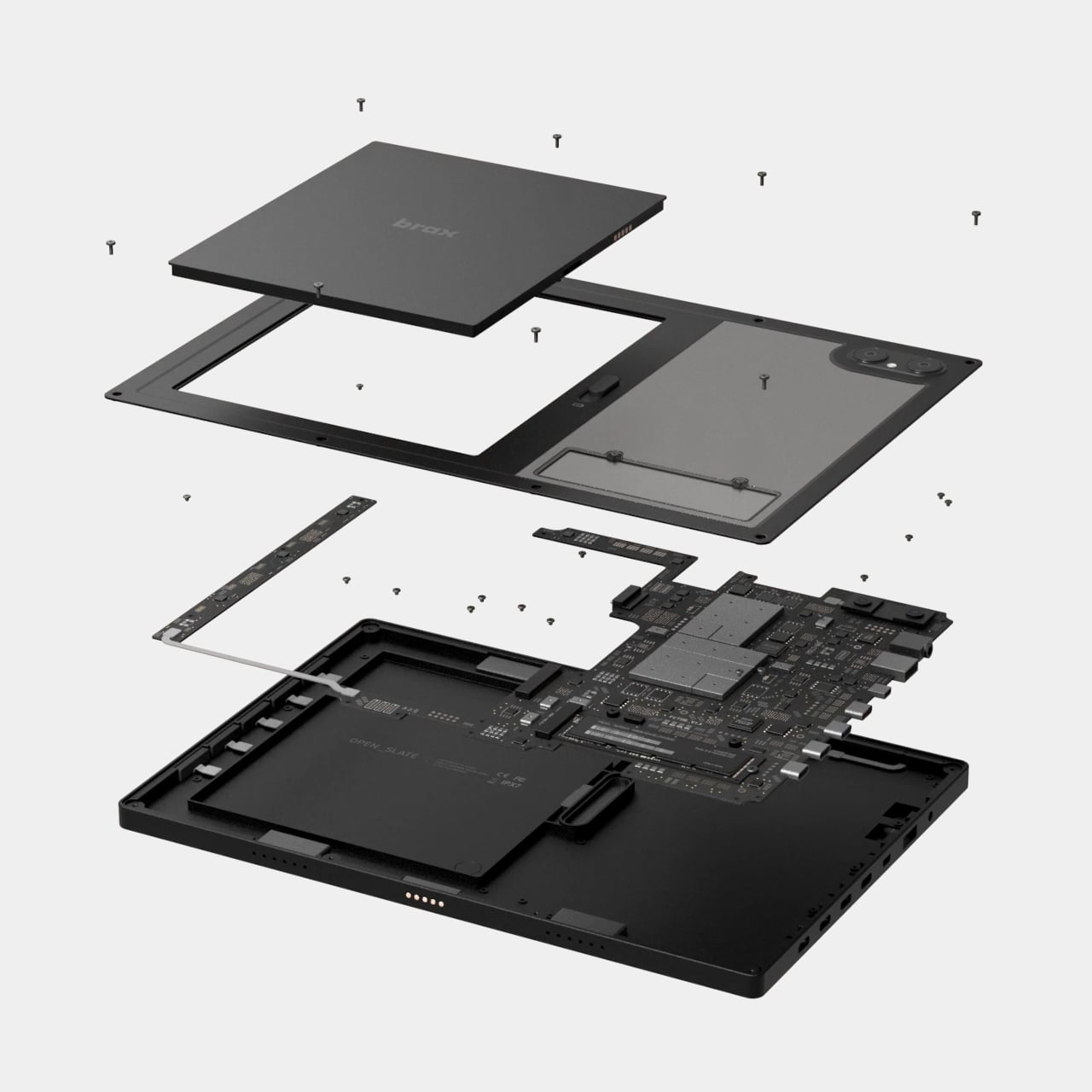
That 12-inch IPS screen runs at 1600 x 2400 resolution with Gorilla Glass protection and supports a stylus at 4,096 levels of pressure sensitivity. Connectivity covers Wi-Fi 6E, Bluetooth 5.3, GPS, and two USB-C ports, one supporting DisplayPort 1.4 output. Someone writing on the go, sketching ideas, or running a Linux terminal while connected to an external monitor could reasonably treat this as a primary machine, provided the software cooperates.
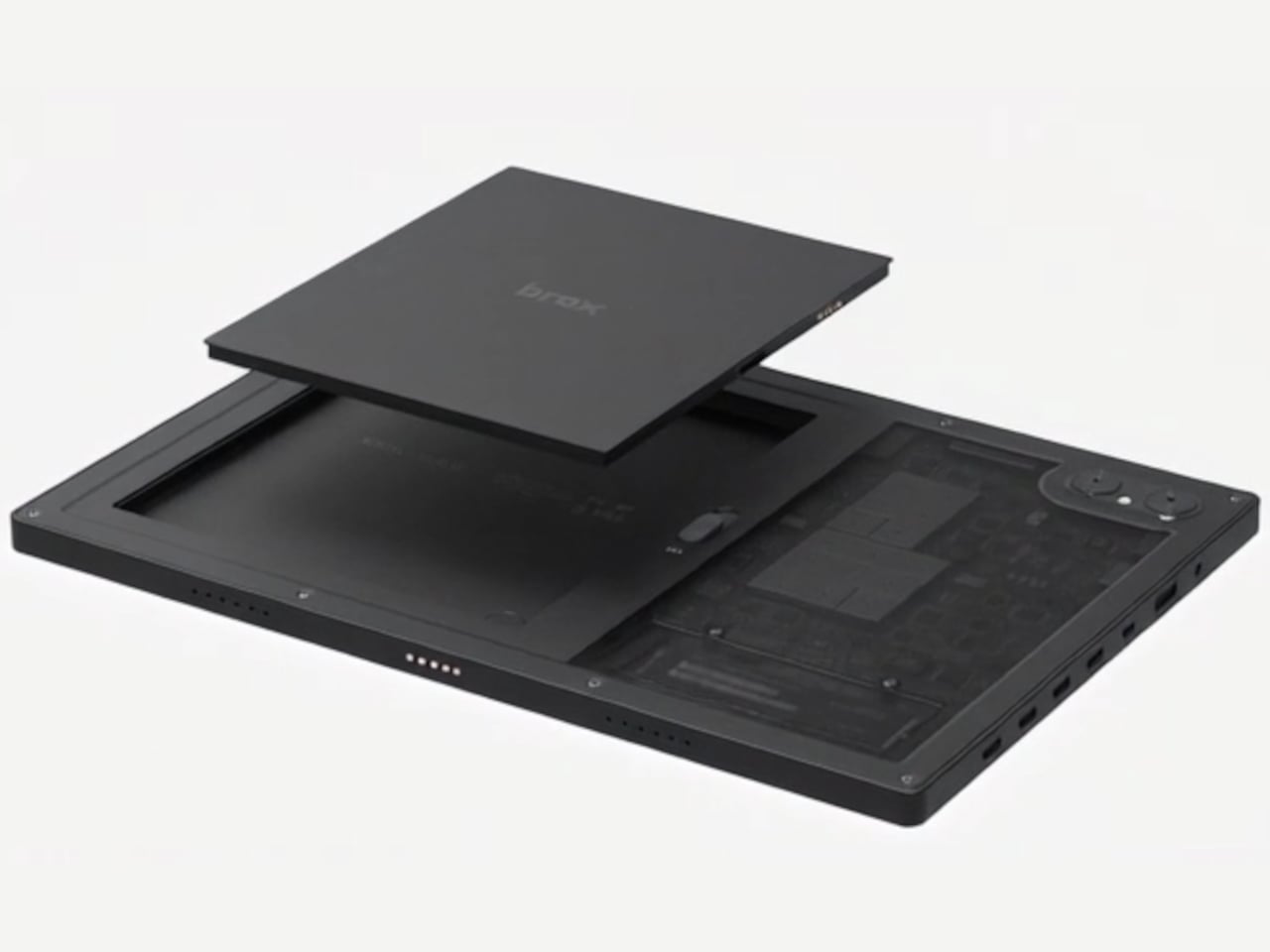
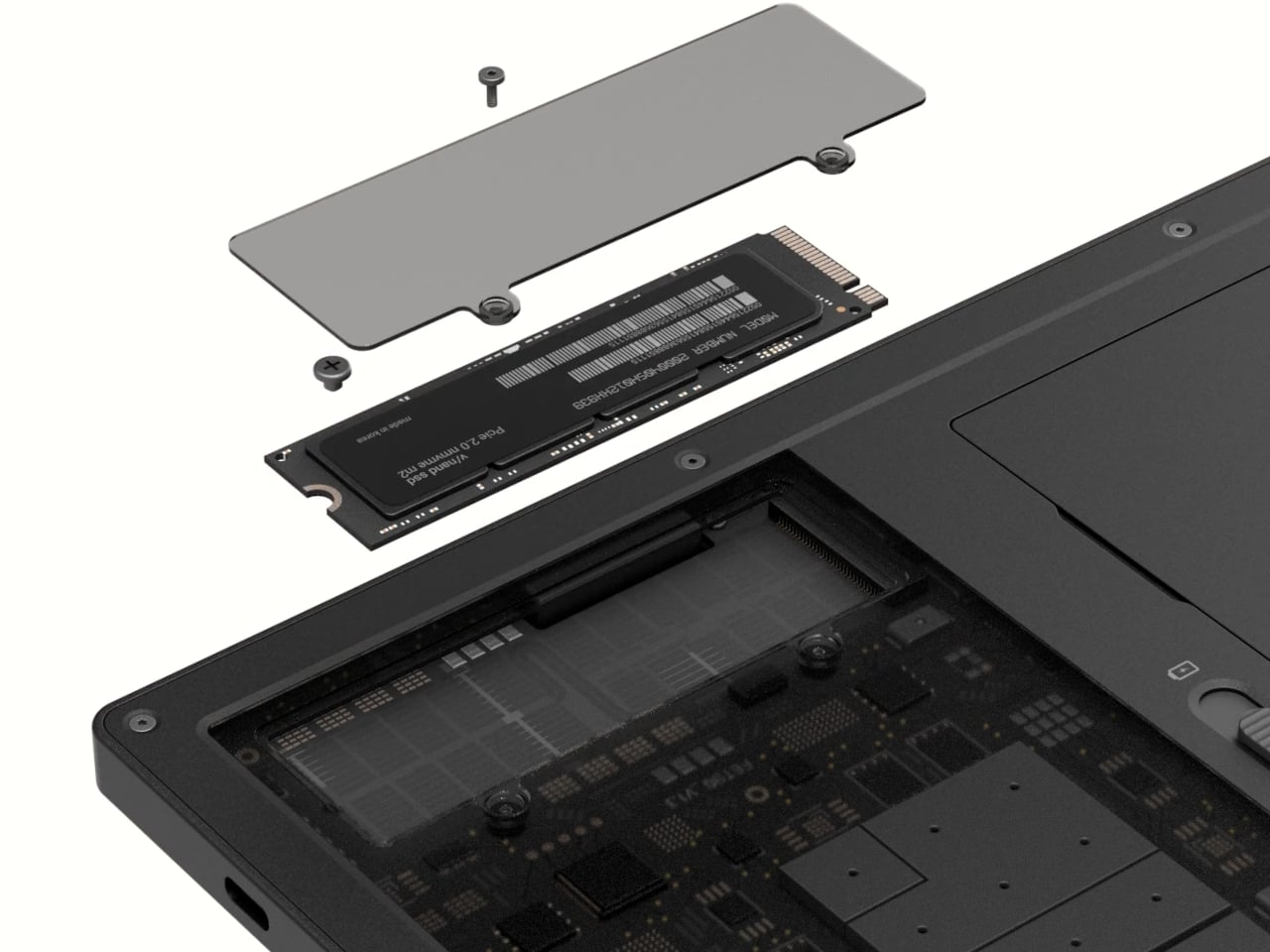
On that note: the open_slate ships with BraxOS, a de-Googled Android build, and targets Ubuntu support through MediaTek’s Genio developer platform. Brax acknowledges that some Linux features may not be complete at launch, which is an honest position for a small team working outside the mainstream supply chain. ARM Linux has improved considerably, but it still surprises you at inconvenient moments.
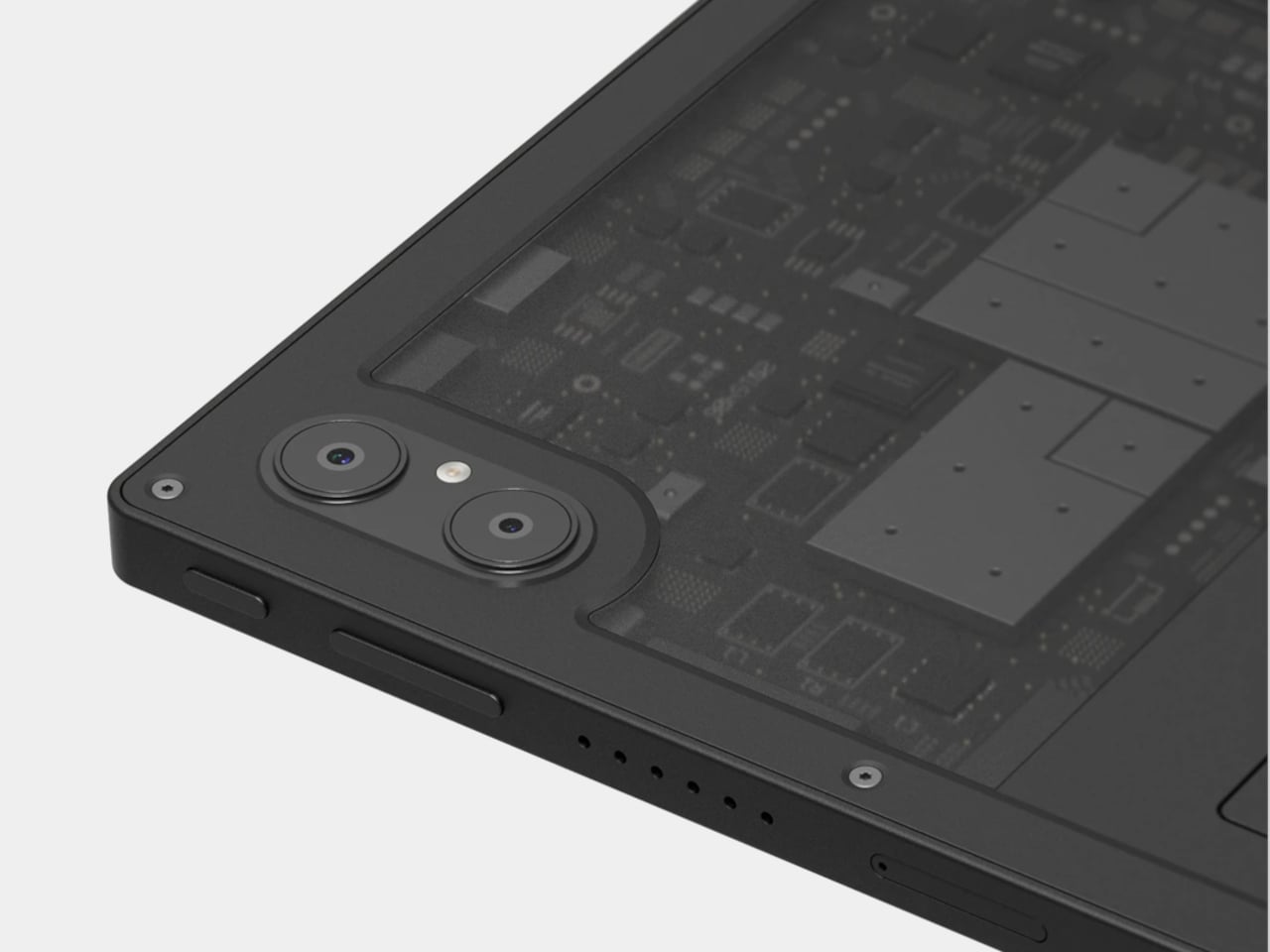
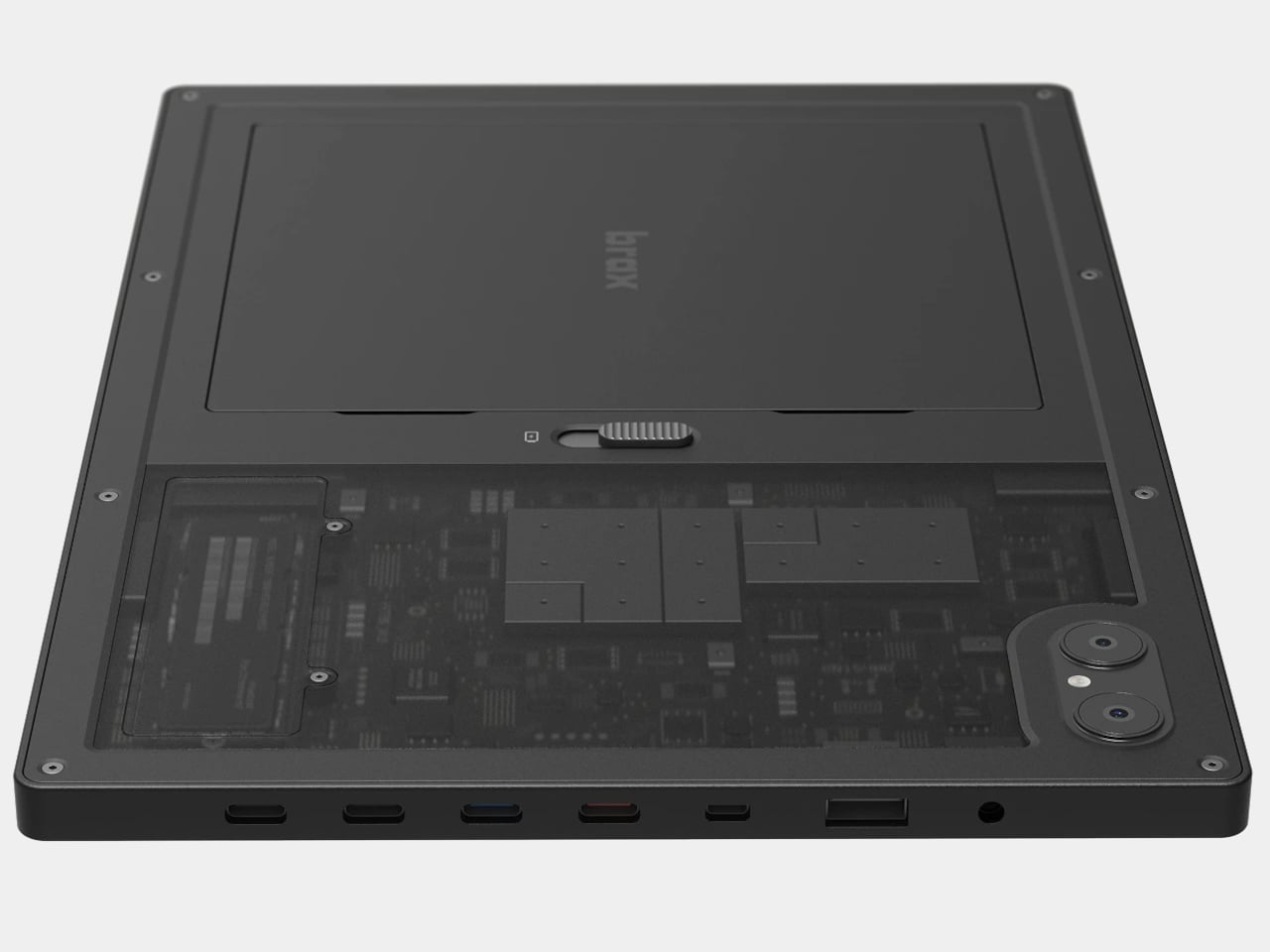
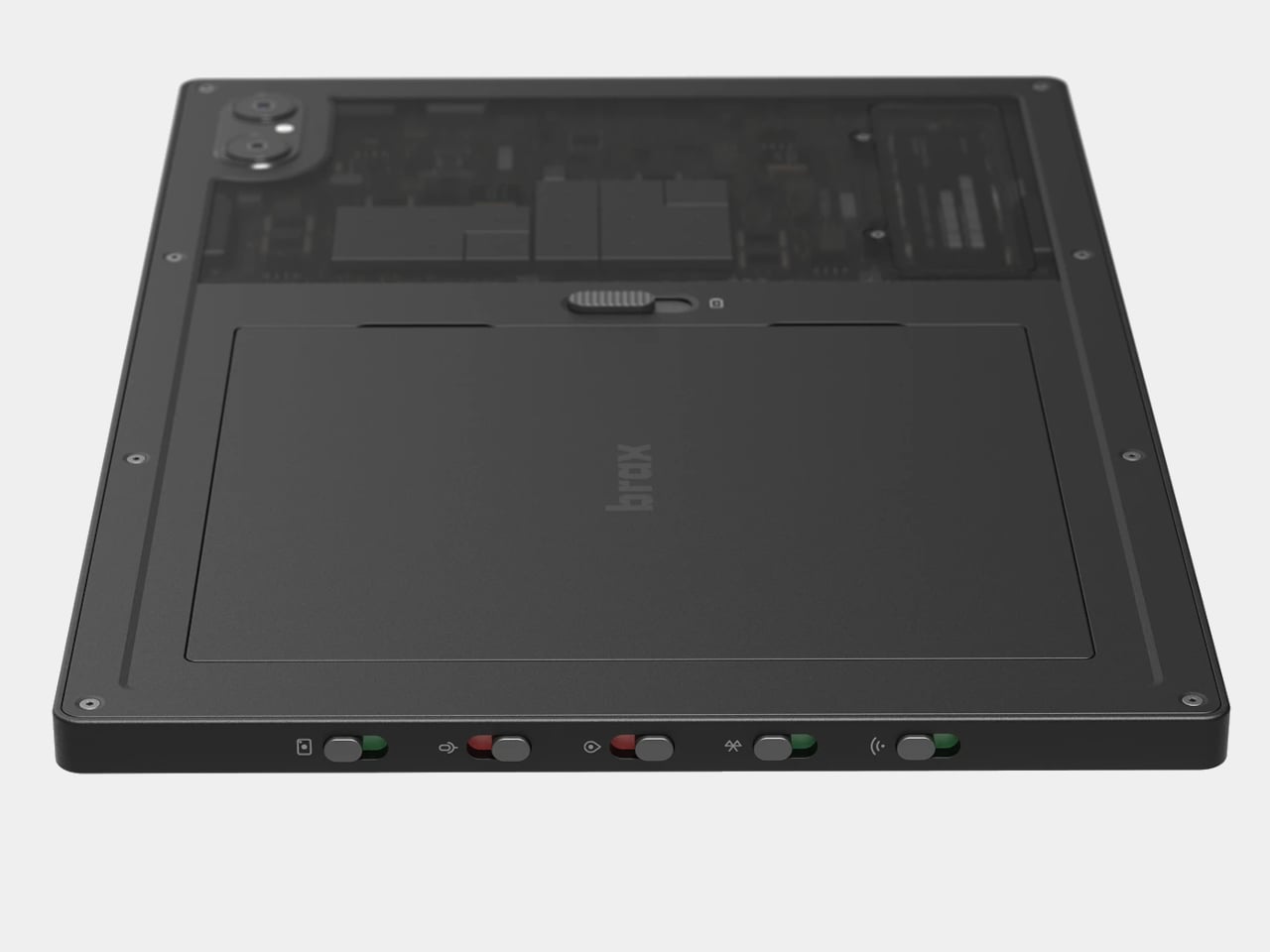
The physical kill switches are the most distinctive feature on paper. Dedicated toggles cut power to the cameras, microphone, Wi-Fi, Bluetooth, and GPS at the hardware level, not through a software setting that an app might quietly bypass. This design logic comes from the secure laptop world, and applying it to a consumer tablet is unusual enough to notice. For anyone who’s thought seriously about what their devices transmit and to whom, the appeal is immediate.