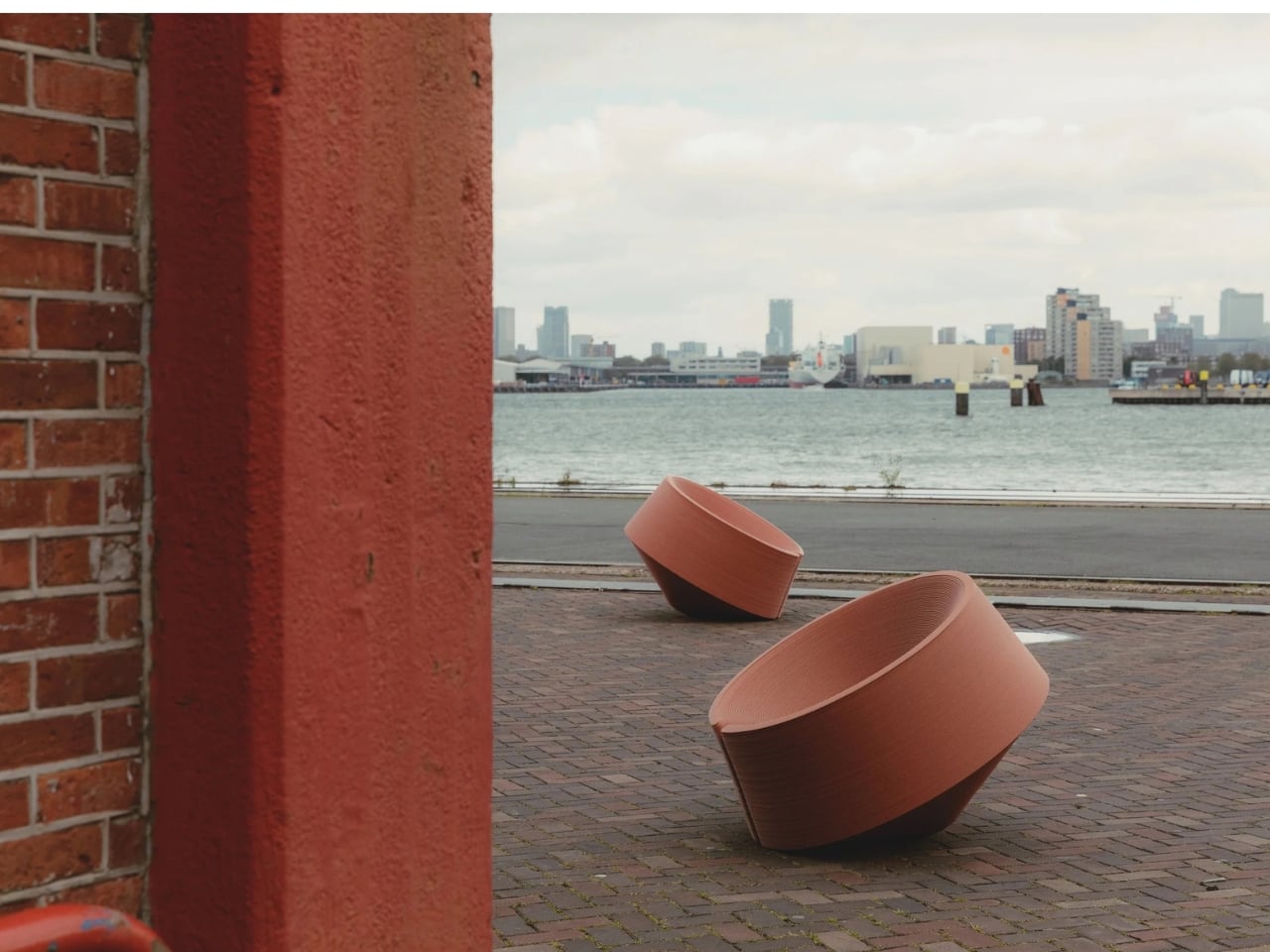

The first thing I noticed in Michele Margot’s photo of the Rotterdam waterfront was the color of the rope. Even tangled up in bags, it was bright enough to draw my eye away from the brick paving. It looked like it had done a hard day’s work for the last time, and I wouldn’t have given much thought to where it went next. That’s the bit the photo made me reconsider.
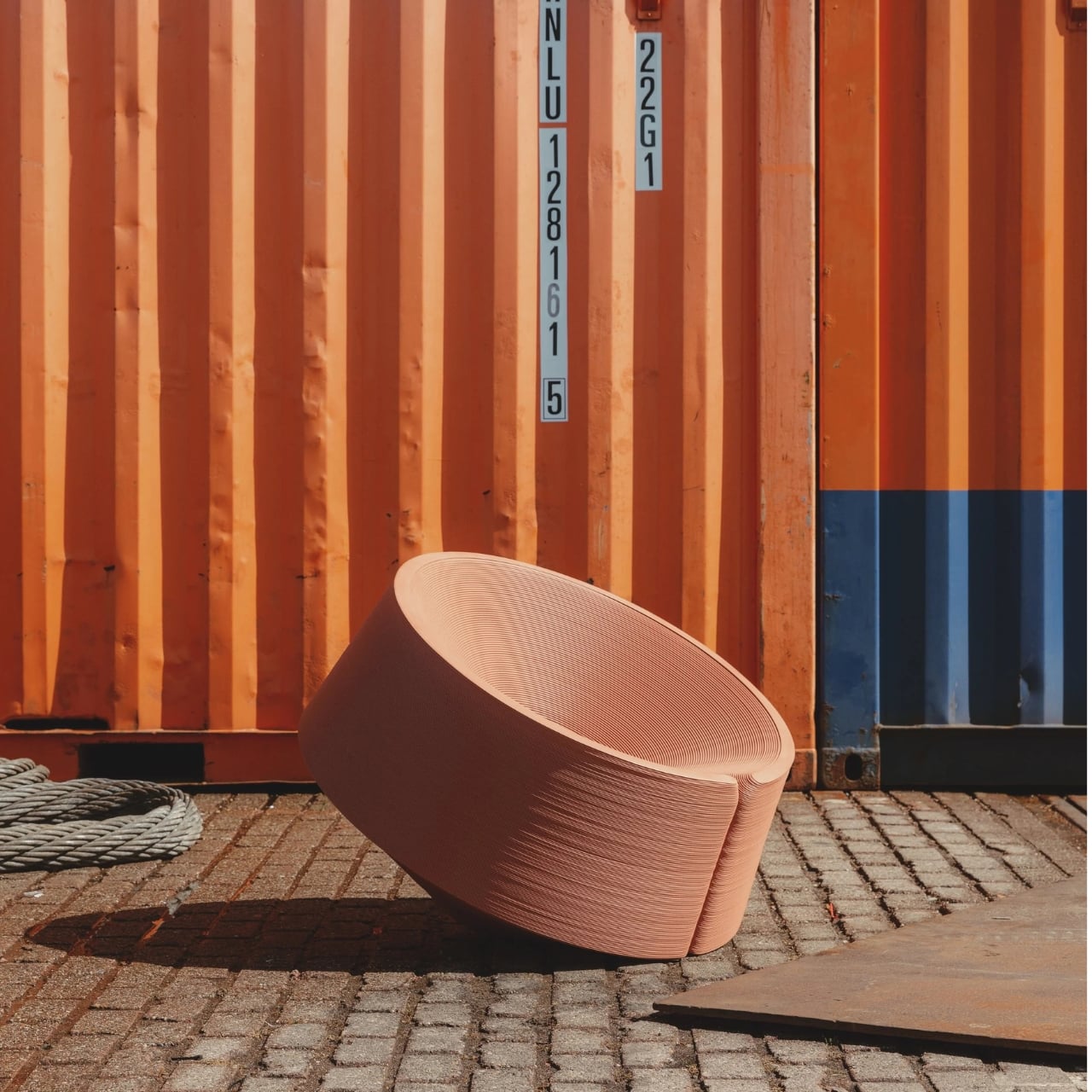
Discarded ship ropes often end up incinerated or turned into lower-value materials, according to project facilitator In4Art. Rotterdam design studio The New Raw found another use for a batch from the local harbor: Buoy, a series of 3D-printed public seats with the warm orange color of unglazed pottery. The rope lends the seats their color, but my favorite nod to the harbor is the one you can’t see in the photo. Shift your weight and the whole seat rocks.
Designer: The New Raw
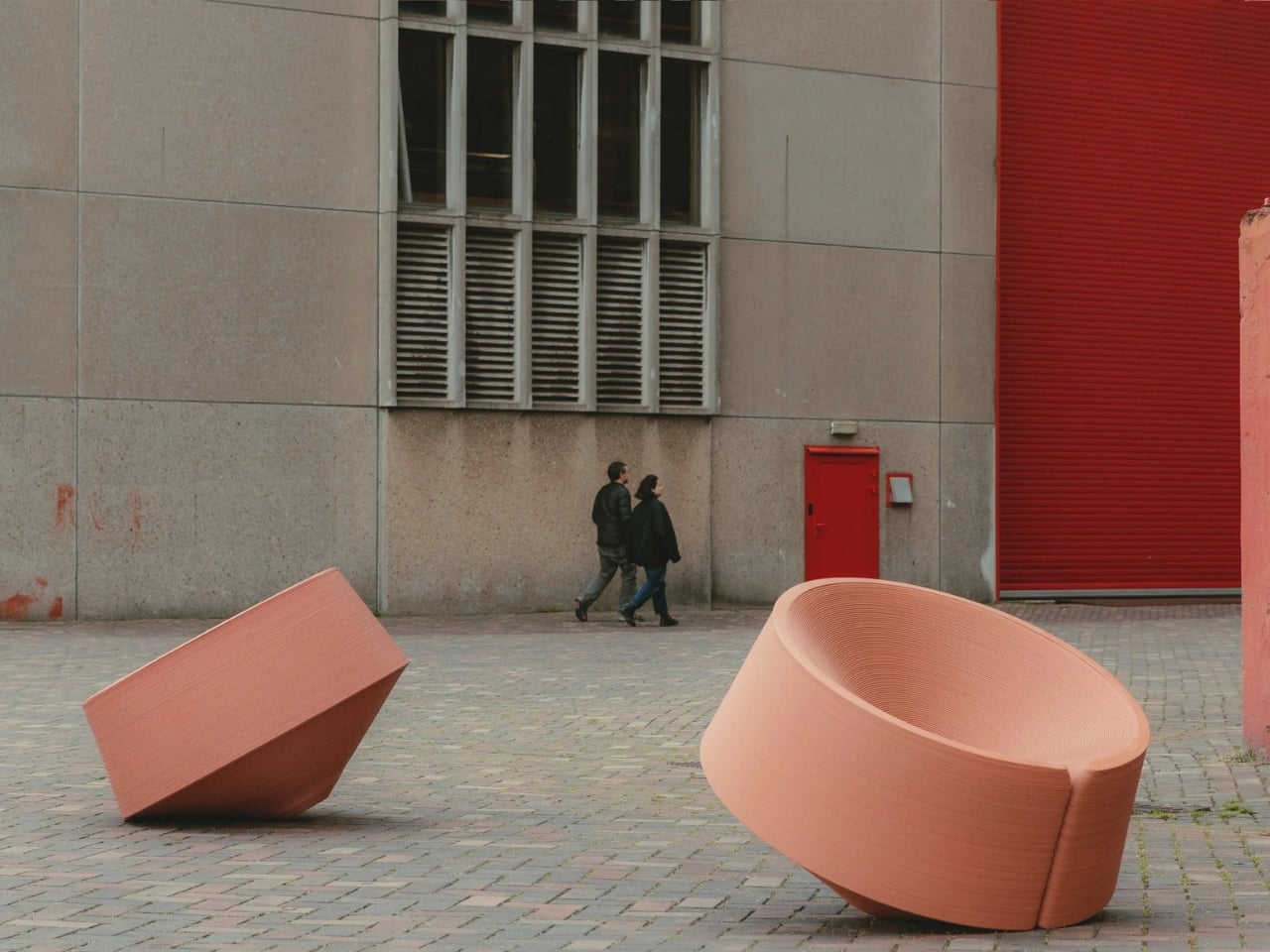
Getting from rope to seat took a trip out of town. IKM Hendrik Veder collected the ropes in Rotterdam, and Healix cleaned and shredded them in Maastricht before processing the plastic into pellets. Back in Rotterdam, The New Raw melted the recycled polypropylene and used a robot to lay it down one layer at a time. The studio says the series used 45 kilograms of recycled plastic, or about 99 pounds. The size of the batch determined how many seats could be made, and each one carries an engraved batch and production number.
I like that the studio left the color alone. The orange comes from the ropes themselves, with no added pigments or coatings. Against the brick paving in the project photos, the seats look closer to clay than to the bright plastic I associate with playground equipment. Up close, the printed layers give away how they were made. You can follow the lines around the bowl and down the narrow notch in the front, where they bend into a pattern that reminds me of a thumbprint. It’s a better finish than a perfectly smooth surface would have been.
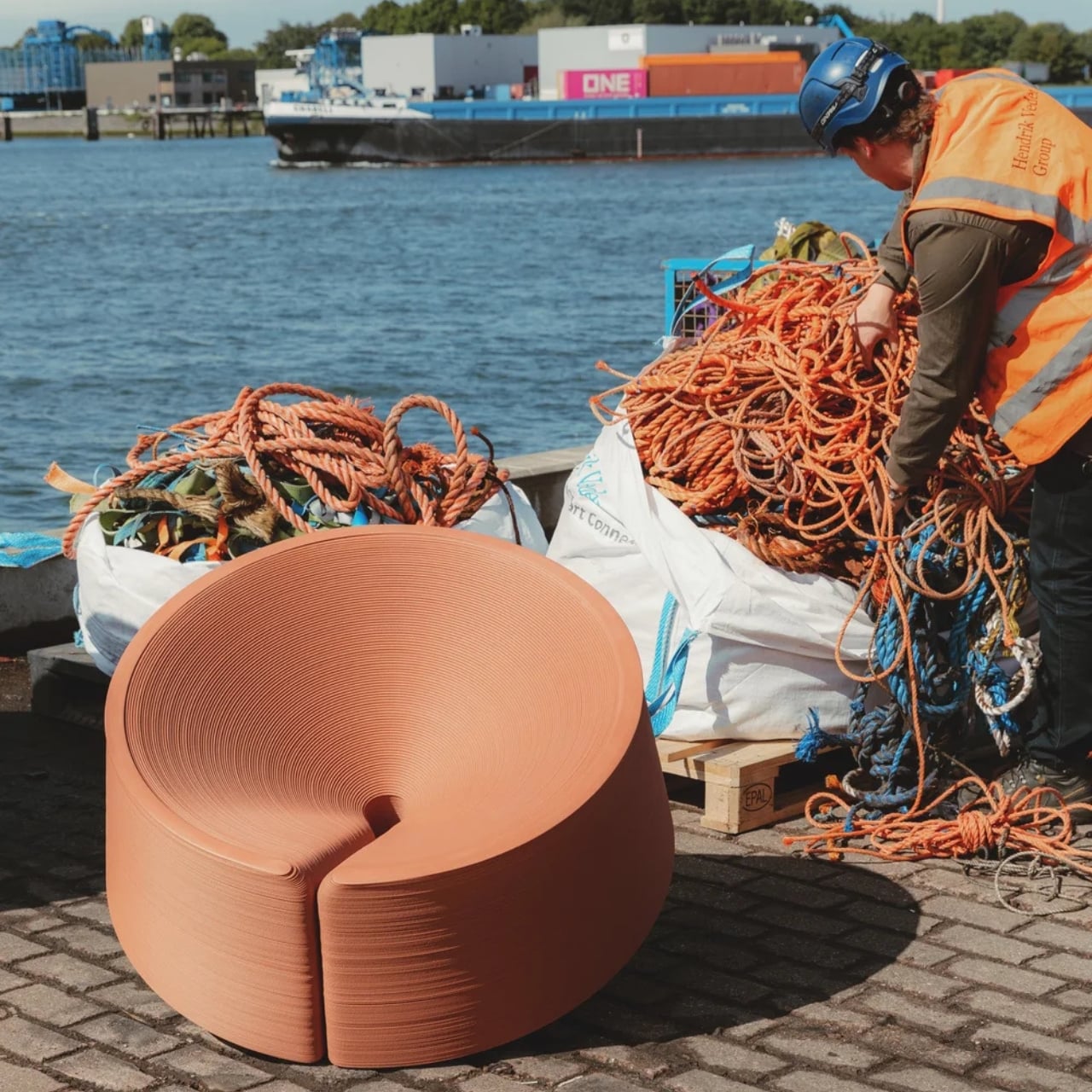

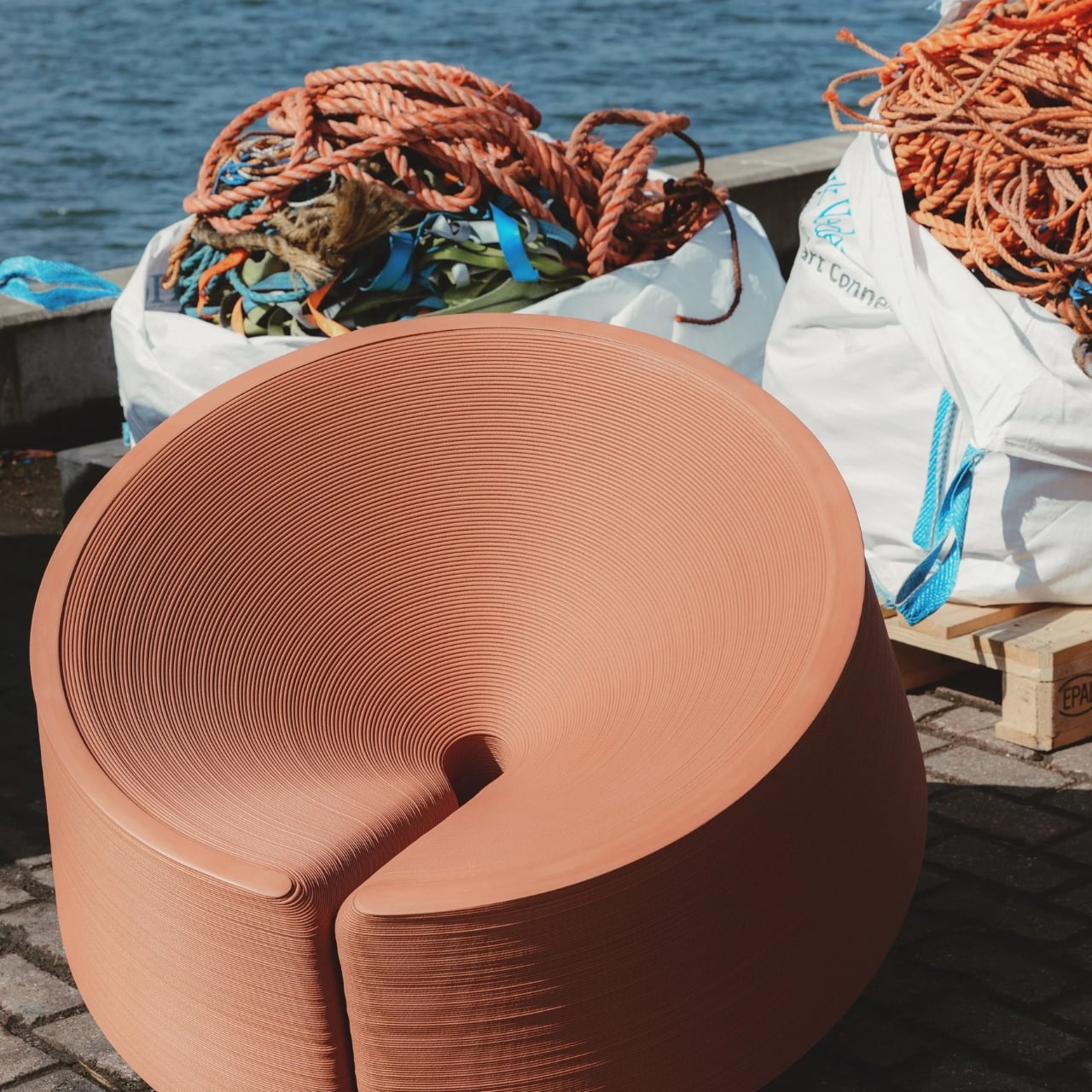
From the side, the seat looks a little like a spinning top that’s come to rest. A wide rim sits above a tapered base, so a shift in weight rocks the whole object. I like the difference between seeing that shape and finding out what it does. A sculpture of a buoy would tell you where the idea came from. A seat that moves under you gives the reference a chance to register before you’ve read a word about the project.
Of course, sometimes I want a seat to do the very ordinary job of staying put. A rocking stool makes sense as an extra place to stop along a waterfront, where sitting can be part of the outing. I’d be less excited to find it was the only place to sit while waiting for a ferry. I’d put a conventional bench nearby and let people decide how much participation they want from their furniture. Also, not everyone enjoys having a rocking seat as it can cause nausea and dizziness. This seat can just be an option for the more “adventurous” ones that would want to try it.
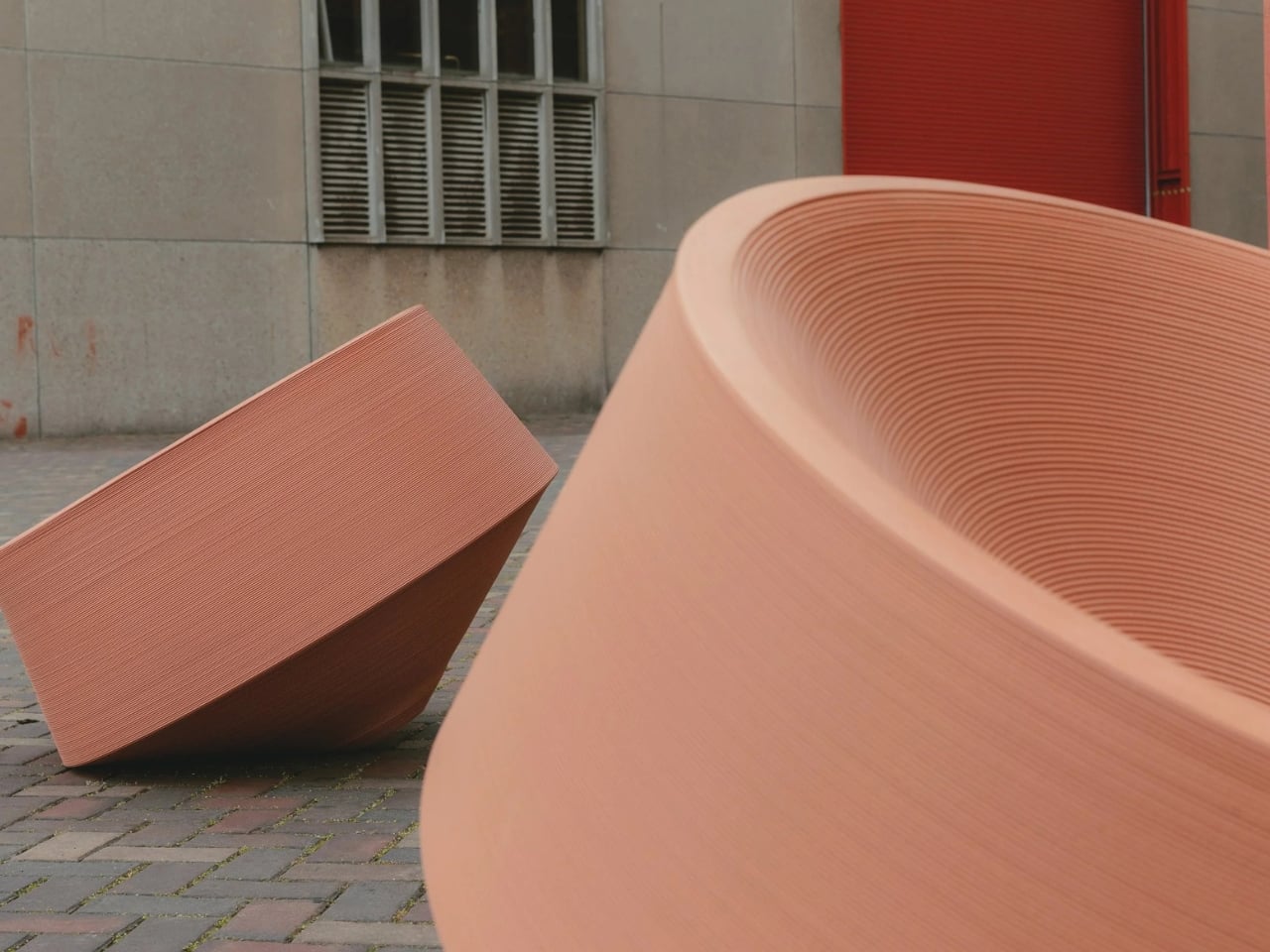
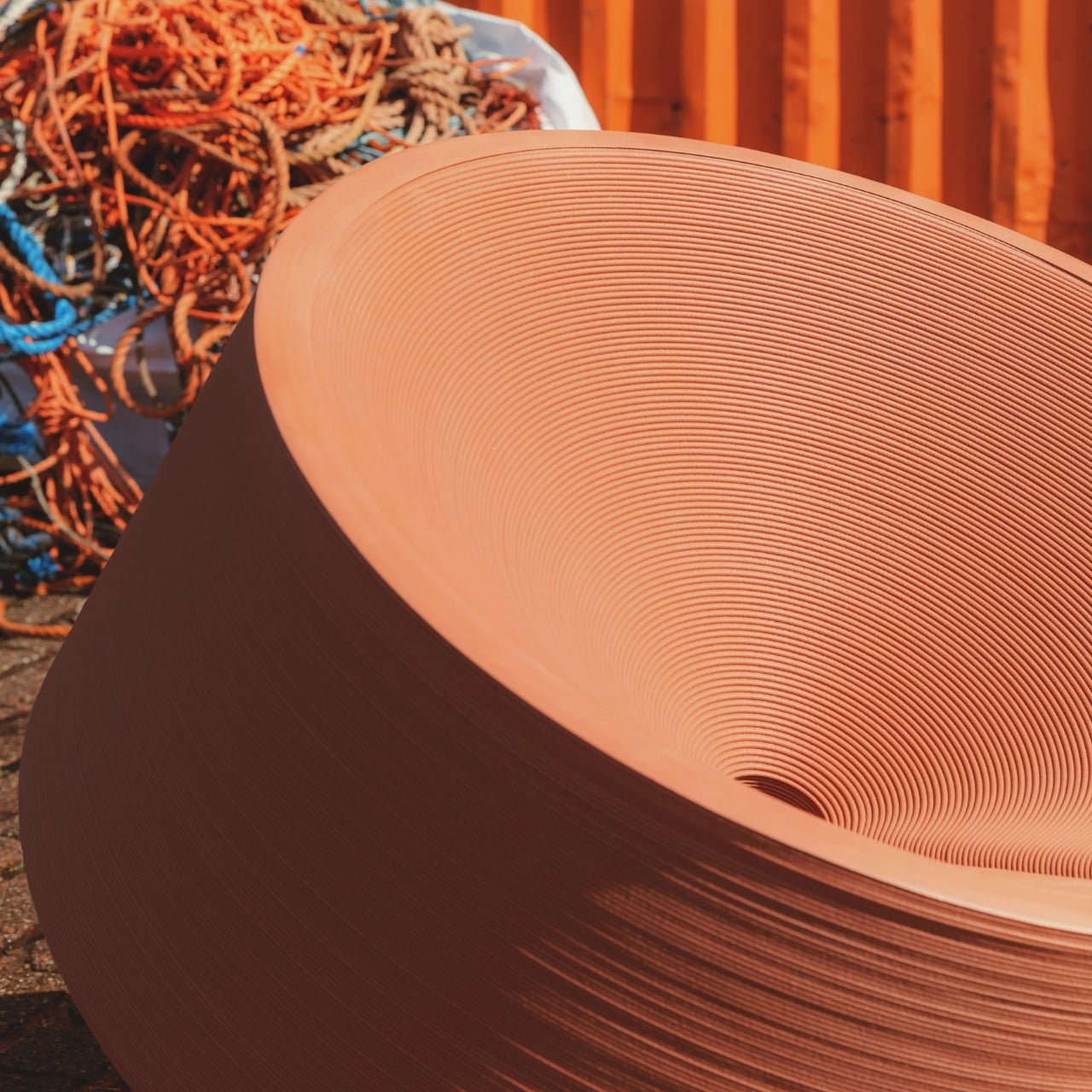
Buoy is a built pilot, and that distinction matters. In4Art says making more furniture this way would require a steadier supply of rope, sorting by color at the point of collection, and processing that can compete economically with new plastic. The orange I like so much depends on what comes in. If a city wanted a whole run of identical seats, somebody would have to plan for that well before the printer switched on.
That’s also why I’d rather see another port borrow the process than order a look-alike. Its discarded ropes might produce a different color or enough material for an entirely different object. Rotterdam already has a seat that looks a little like its brickwork and moves a little like the buoys in its harbor. The fun would be seeing what another city makes when it starts with its own pile of rope.