
I have owned exactly four humidifiers in my adult life, and every single one of them looked like a medical device that wandered into my living room by mistake. White plastic, a blinking blue light, and a fine mist that smelled like nothing at all unless I dumped in a capful of essential oil that made the whole apartment smell like a spa that’s trying too hard. That’s the quiet frustration most of us live with. Humidifiers solve dry air, but they rarely solve the fact that they’re ugly, and the aromatherapy add-on usually means synthetic fragrance oils that can irritate sensitive noses or just smell fake after the third use.
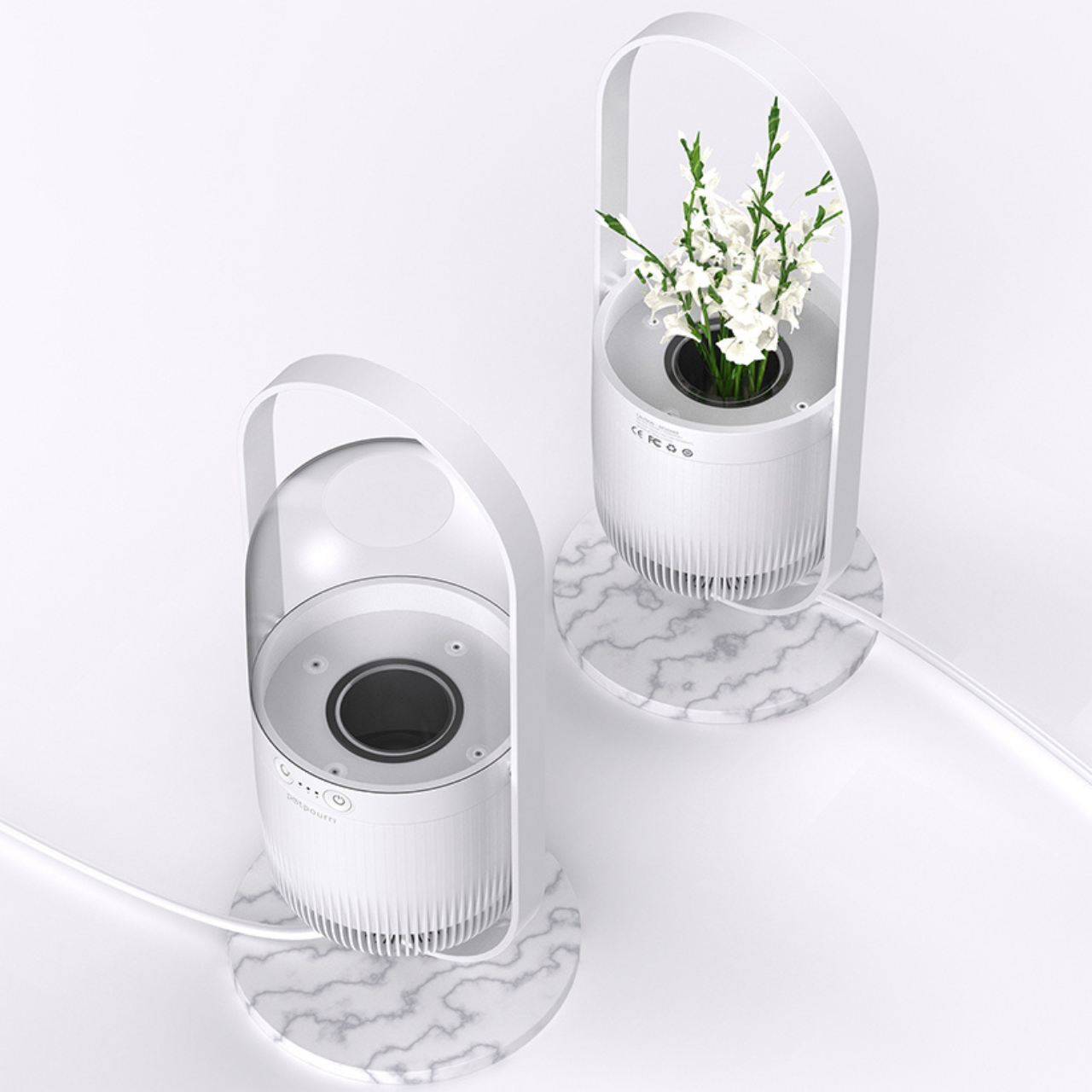
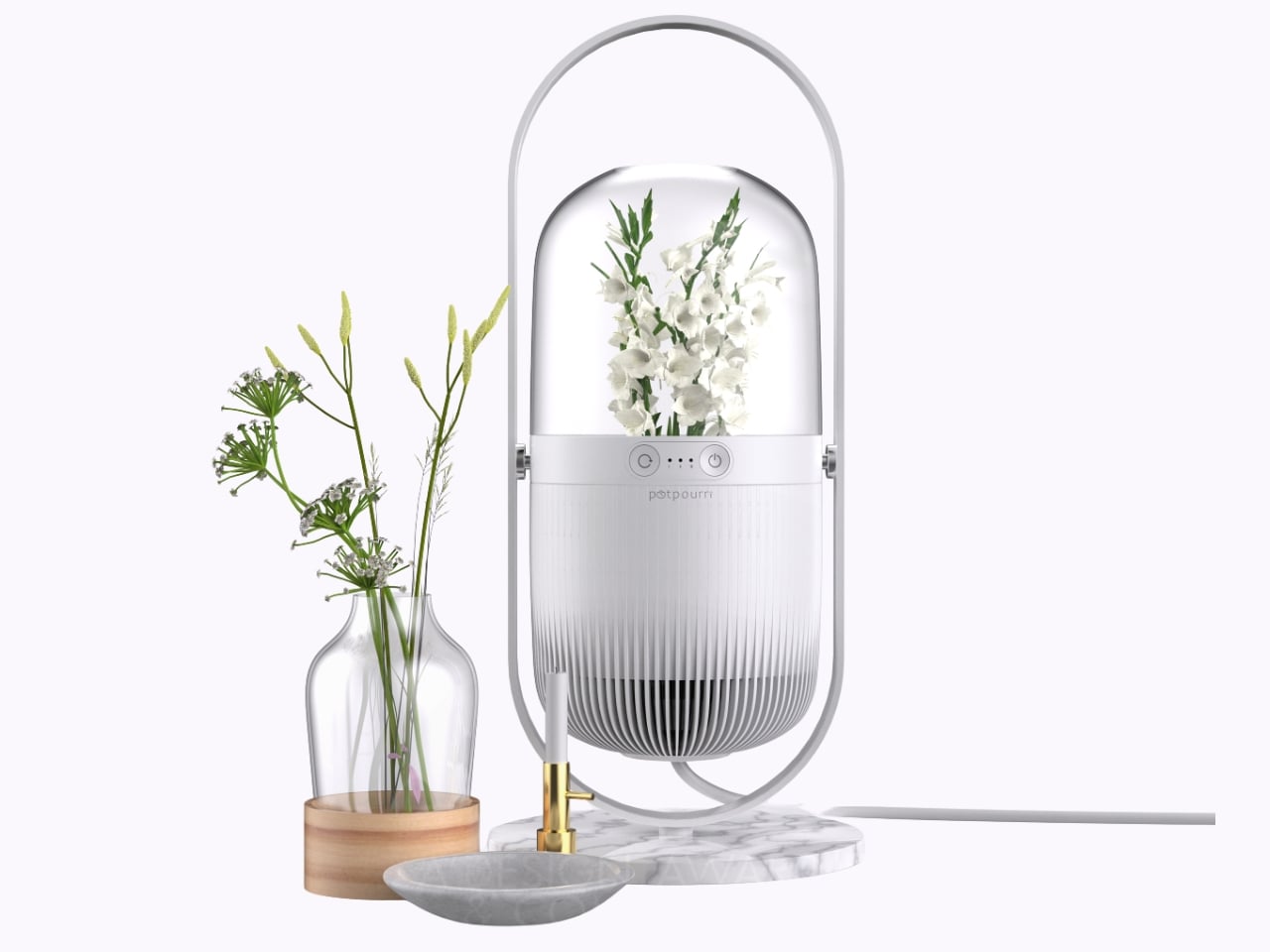
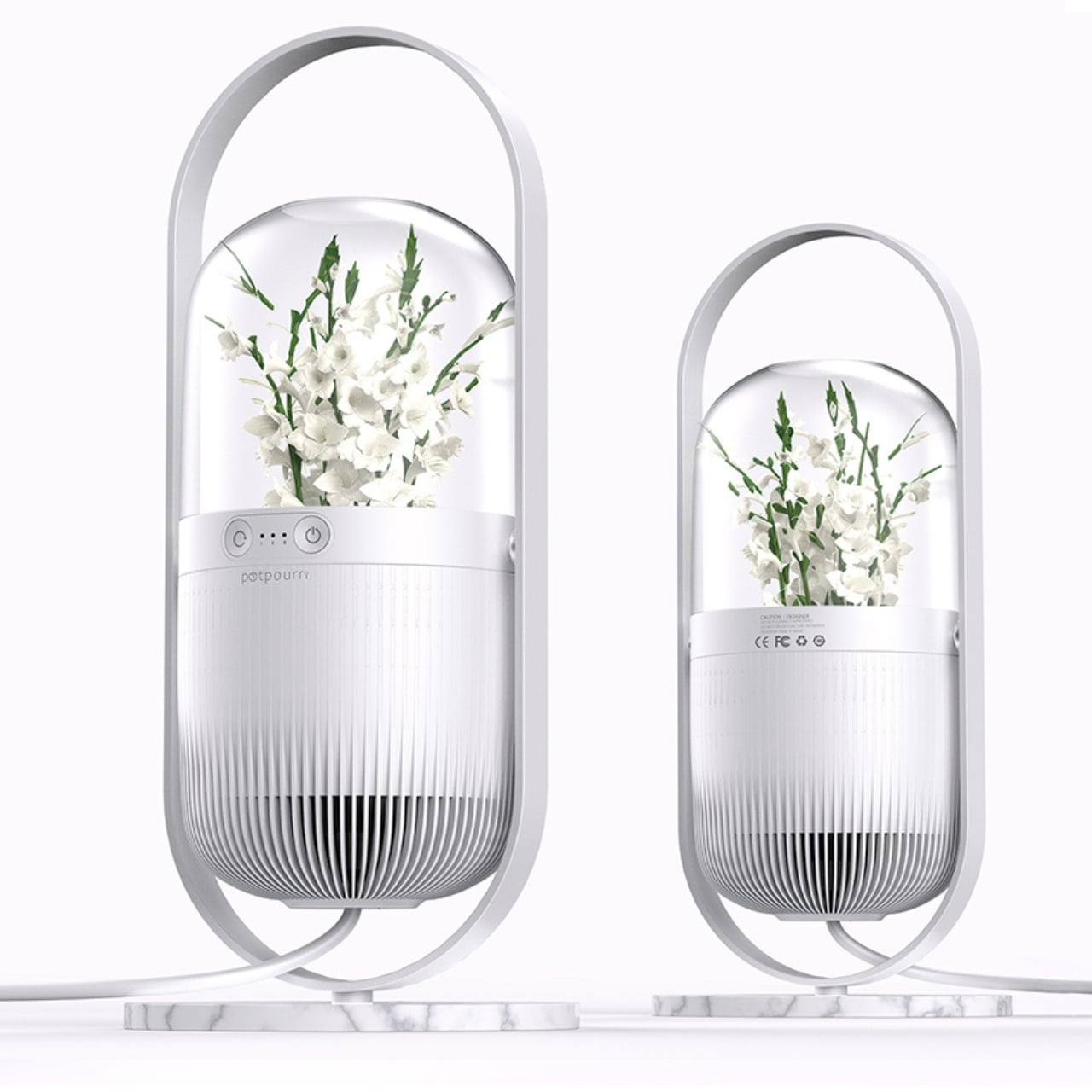
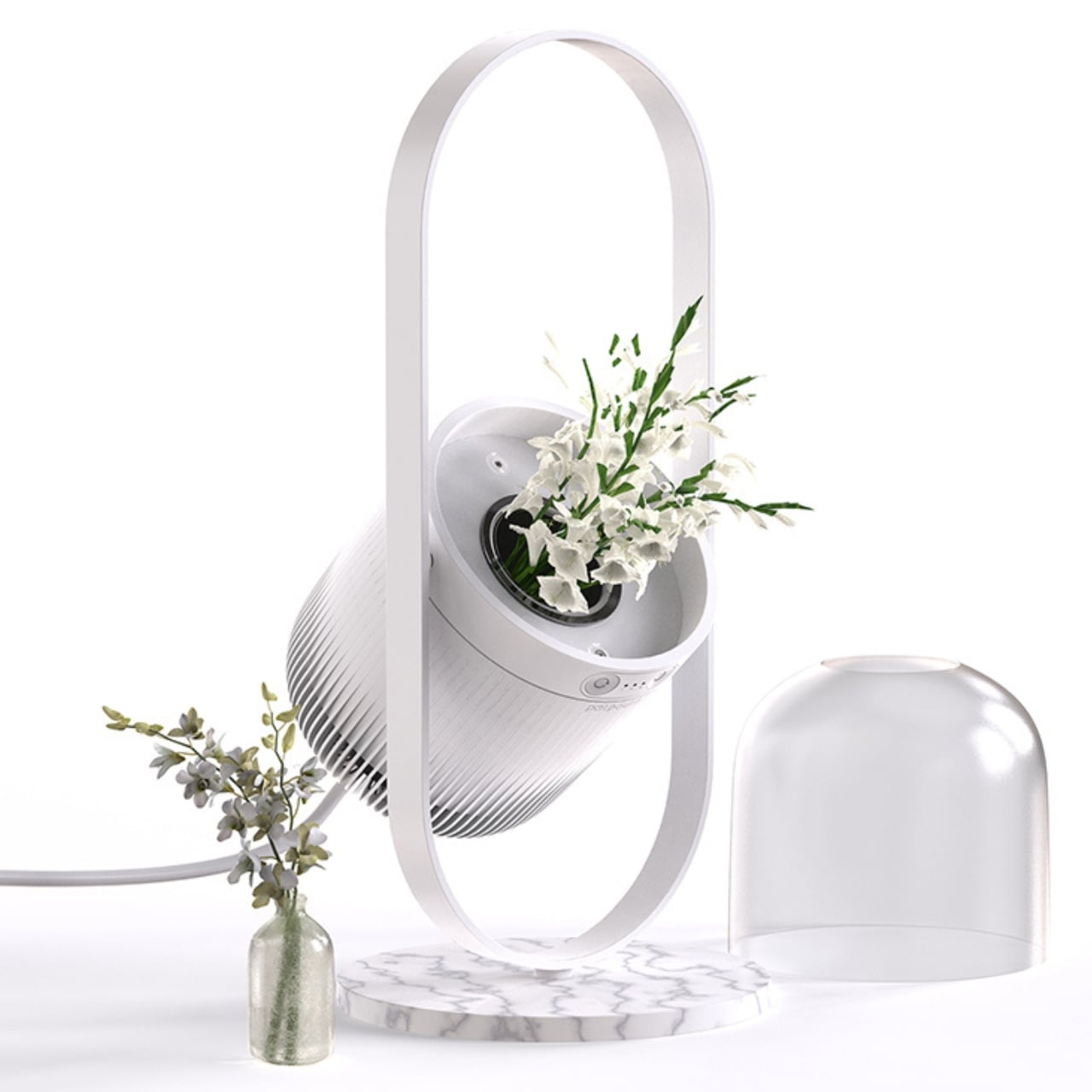
Yong Zhang, an industrial design professor in China, designed something that sidesteps both problems at once. His creation, Potpourri, won an Iron A’ Design Award in the Home Appliances category, and it does something I have not seen another humidifier attempt. Instead of relying on bottled oils to generate scent, it grows actual flowers inside itself, and those flowers are the fragrance source. The device waters the plants, the plants release moisture and natural aroma into the air, and a transparent acrylic dome keeps everything protected while still letting sunlight through.
Designer: Yong Zhang

The problem this solves is more personal than it first sounds. Most aromatherapy devices are asking you to trust a manufacturer’s version of what lavender or eucalyptus should smell like. Potpourri asks you to trust an actual lavender plant. There is a meaningful difference between diffusing a synthetic approximation of a scent and standing near the real thing while it blooms. I find that distinction quietly compelling, because it reframes the humidifier from a utility object into something closer to a small ecosystem sitting on your desk.
The engineering challenge here was not trivial either. Getting flowers to actually thrive inside a humidifier, rather than rot from overwatering or wilt from underexposure to light, required Zhang to rethink how the enclosure handles both moisture and airflow. The acrylic cover does double duty: it shields the petals from being knocked around or damaged, and it creates a semi-enclosed microclimate that recycles water more efficiently, which means less refilling for the plant owner. It is a humidifier that also functions as a self-sustaining flowerpot, and I think that dual identity is the smartest part of the whole concept.
What strikes me as an American consumer looking at this design is how well it fits a moment when people are actively trying to remove synthetic fragrance from their homes. Candle warnings, essential oil skepticism, and a general fatigue with “clean scent” marketing have pushed a lot of households toward wanting less artificial stuff in the air they breathe, not more gadgets promising to fix it chemically. Potpourri never asks you to add a fragrance oil at all. The scent is simply whatever the flower produces, on its own schedule, in its own intensity.
I do wonder about the practical realities of living with this thing daily. Flowers die. Petals brown and drop. Someone has to actually tend a living organism instead of just refilling a water tank and forgetting about it for a month. That is a real commitment compared to a standard humidifier, and I suspect it will appeal most to people who already enjoy having plants around and don’t mind the occasional pruning. It is not a low-maintenance gadget pretending to be one, and I respect that Zhang did not try to disguise that tradeoff.
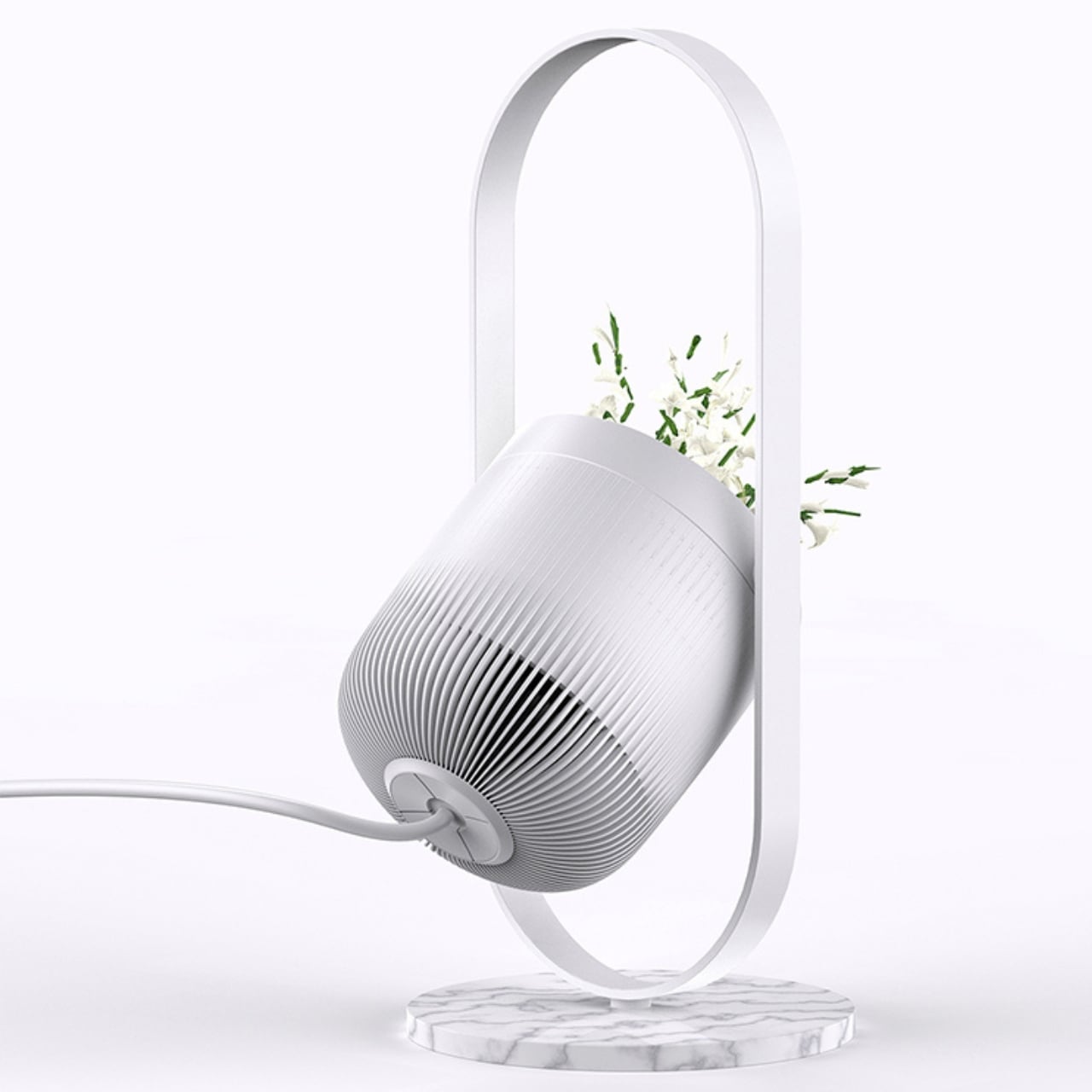
What Potpourri ultimately represents is a small but honest rethink of a category that has gotten stuck in sameness. Home appliances rarely ask us to nurture something in exchange for the function they provide. This one does, and the exchange feels fair. You give it light and water, it gives you humidity and a scent nobody bottled in a factory. In a category full of devices trying to imitate nature, it is refreshing to find one that just invited nature in directly.