
Something shifts in late August that has nothing to do with school. The house starts to feel like evidence of a summer that ran on improvisation – schedules buried in group chats nobody reads, keys that went somewhere in July and only half-returned, a desk that spent three months as a charging station and a landing pad for things with no permanent address. The calendar turning does not fix any of this by itself.
These eight gadgets do not ask you to overhaul the way you live. They ask much smaller things: where does the schedule live so everyone sees it, what happens to the desk when the workload returns, how many cables are living on a surface that has no business holding them. Each one solves a specific piece of the September reset without requiring a renovation. The whole house earns back its organization, room by room.
1. reTerminal Sticky
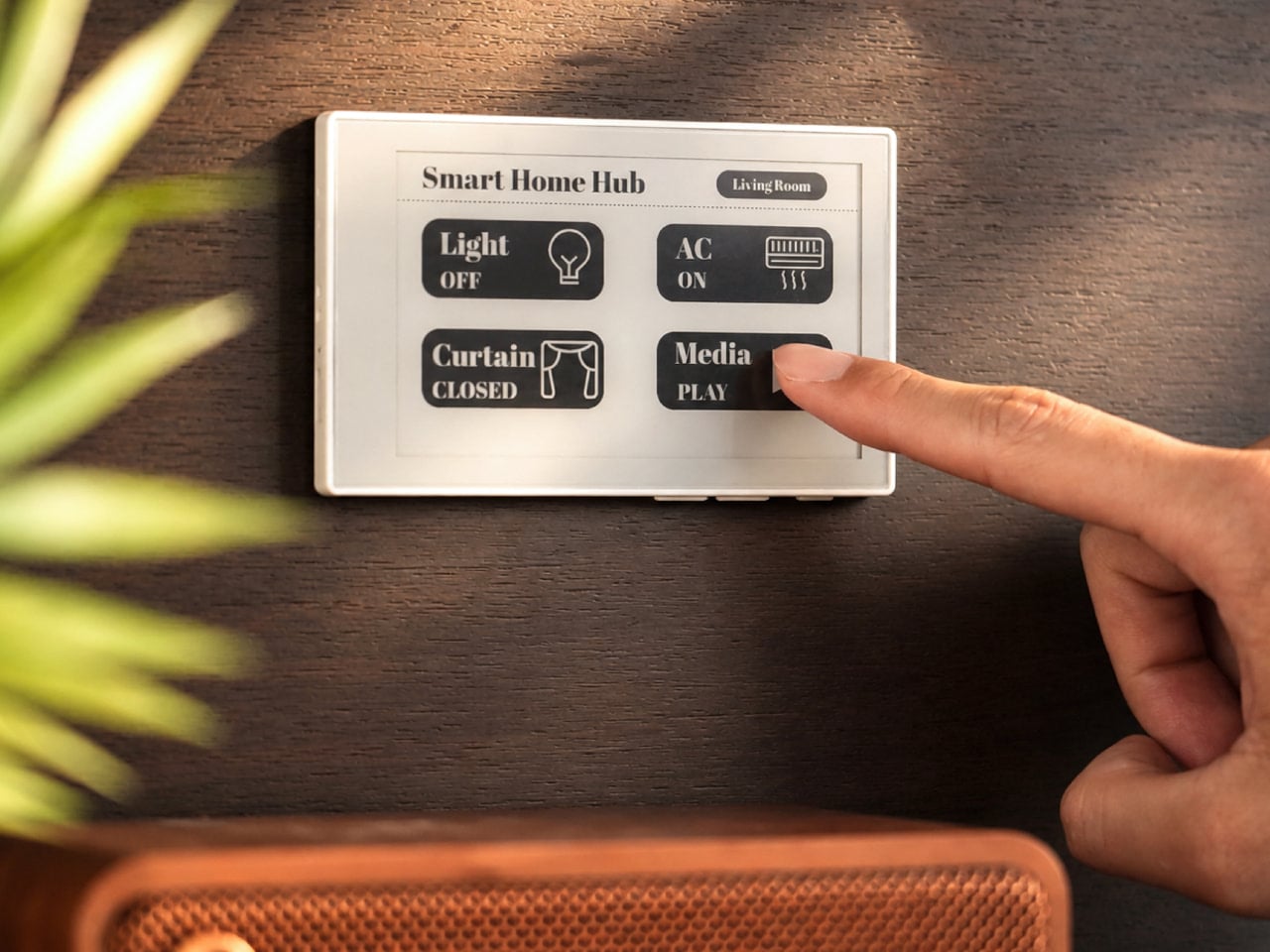
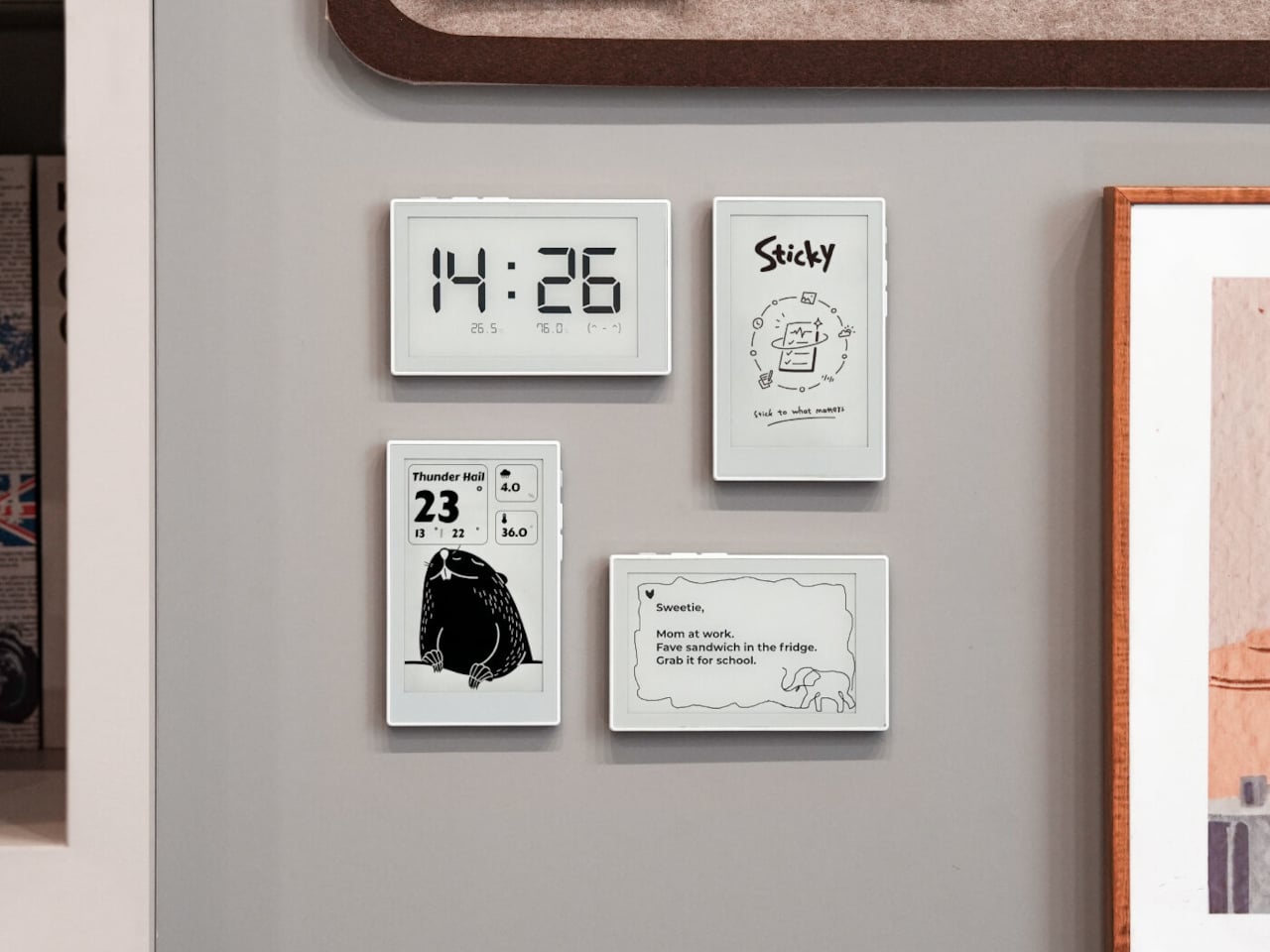
The problem with a family group chat is structural, not social. It requires everyone to already be looking at their phone to see the message, which is the precise moment most people are doing something else entirely. The reTerminal Sticky moves the shared schedule off the phone and onto the fridge – a 3.97-inch E-Ink touchscreen in a 7.3mm body that magnets directly to any metal surface and shows notes, reminders, weather, and a clock without drawing power to maintain the image.
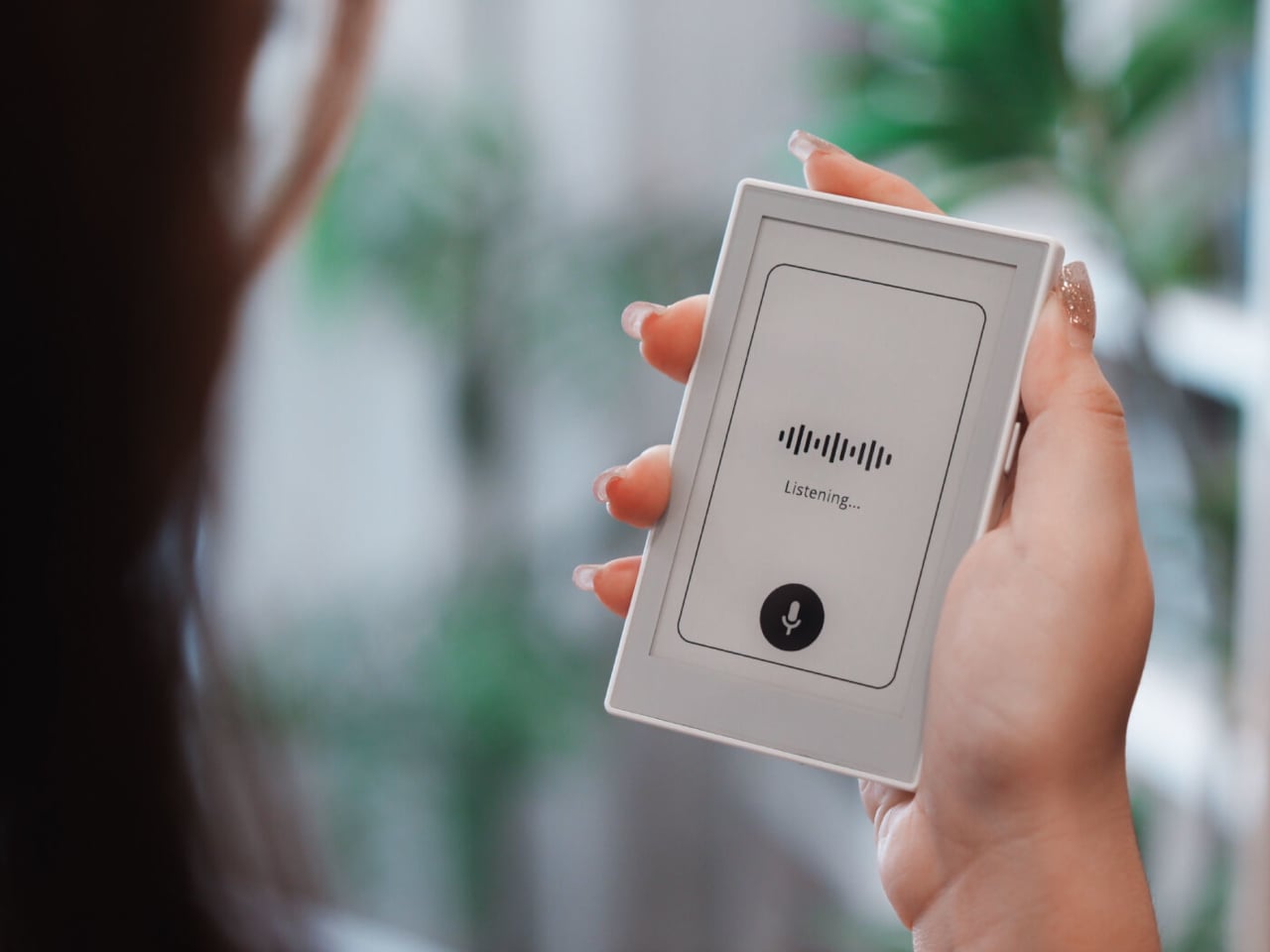
Someone at work can post a dinner reminder to the home screen over Wi-Fi or cellular using the Seeedash companion app, no text chain required. At home, a physical button lets you press and speak – the display transcribes the voice directly into a note without opening anything first. The 750mAh battery lasts a week under normal use and potentially months in Battery Saver Mode, which removes the main reason most small gadgets get quietly retired after the first month.
What we like
- Remote note posting means the schedule updates the moment it changes, not when someone remembers to mention it in a thread
- E-Ink holds the display without drawing power, so a full week of reminders appears on the fridge without a mid-week charge
What we dislike
- The monochrome screen trades color for legibility and battery life, which is the right trade-off for a kitchen surface but worth knowing before purchase
- Voice input currently supports English and Chinese only, which limits the feature for multilingual households
2. ClearSlide Box Opener
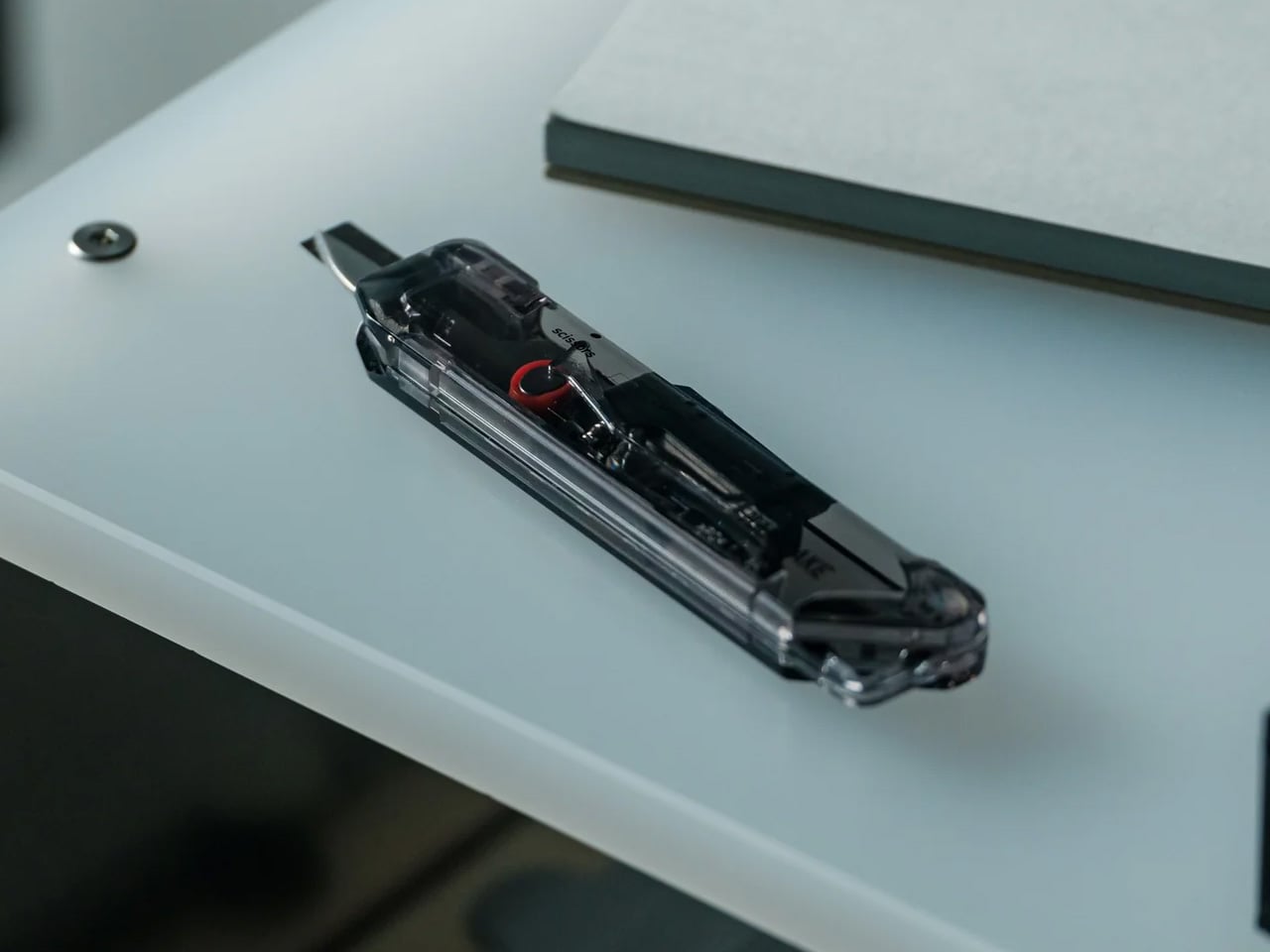
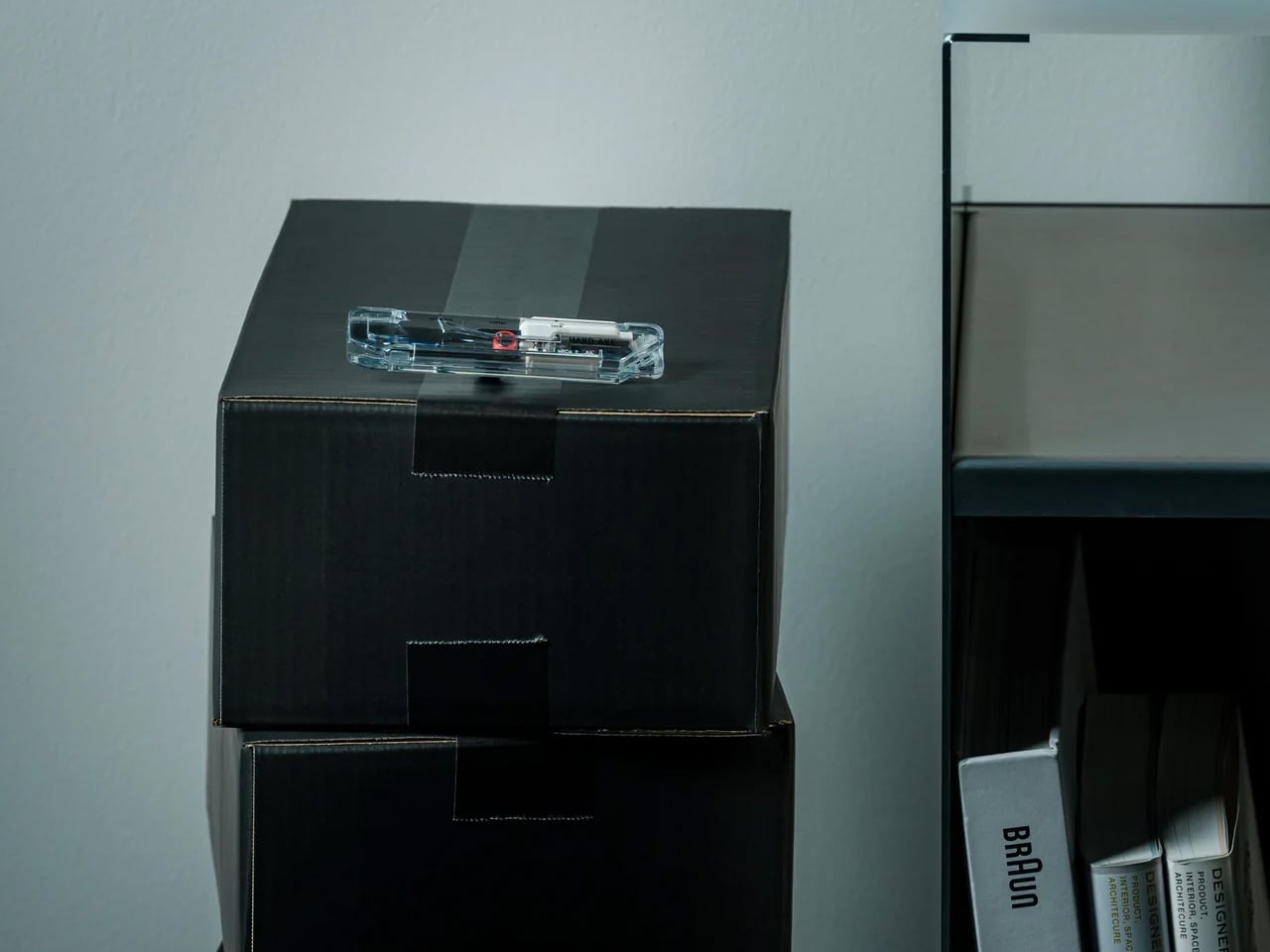
Back-to-school week in 2026 means a run of boxes at the front door – school supplies, replacement headphones, the desk lamp that was finally ordered. The recurring problem is not the boxes. It is setting them down to find a box cutter, then setting the box cutter down to find scissors for the tag inside. ClearSlide solves that two-tool problem with a single sliding thumb motion that cycles through lock, cutter, and scissors without setting the box down.
The 0.12-inch blade extension is deliberate – it cuts through packaging tape cleanly while staying far enough from the contents to avoid second-guessing every pass. The detail that earns it a permanent spot is the transparent shell. The red slider and internal mechanism are fully visible as you cycle positions, each one locking with a crisp click before releasing with a clean spring action. At $30, it is the most straightforward decision on this list.
What we like
- The single-hand sliding mechanism switches between box cutter and scissors without setting the package down, which is exactly the problem it promises to solve
- The transparent shell makes every internal shift visible as you use it, turning a utility object into something worth keeping on the counter
What we dislike
- The 0.12-inch blade is optimized for tape and packaging, not heavier cutting tasks that need more blade depth
- Limited units are currently available in the Select Shop, so the window to order without waiting is shorter than most products on this list
3. Orbitkey Key Organiser
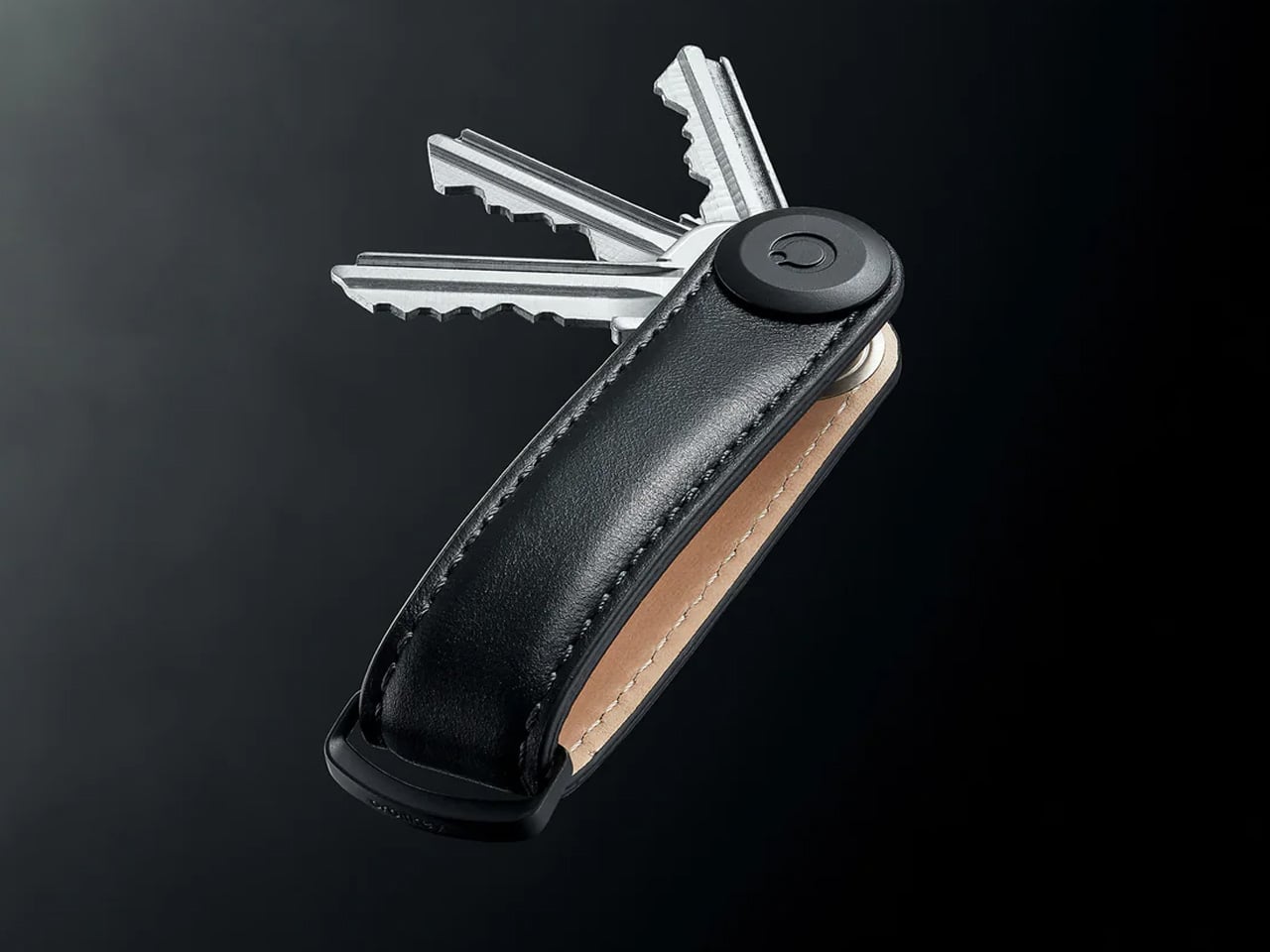
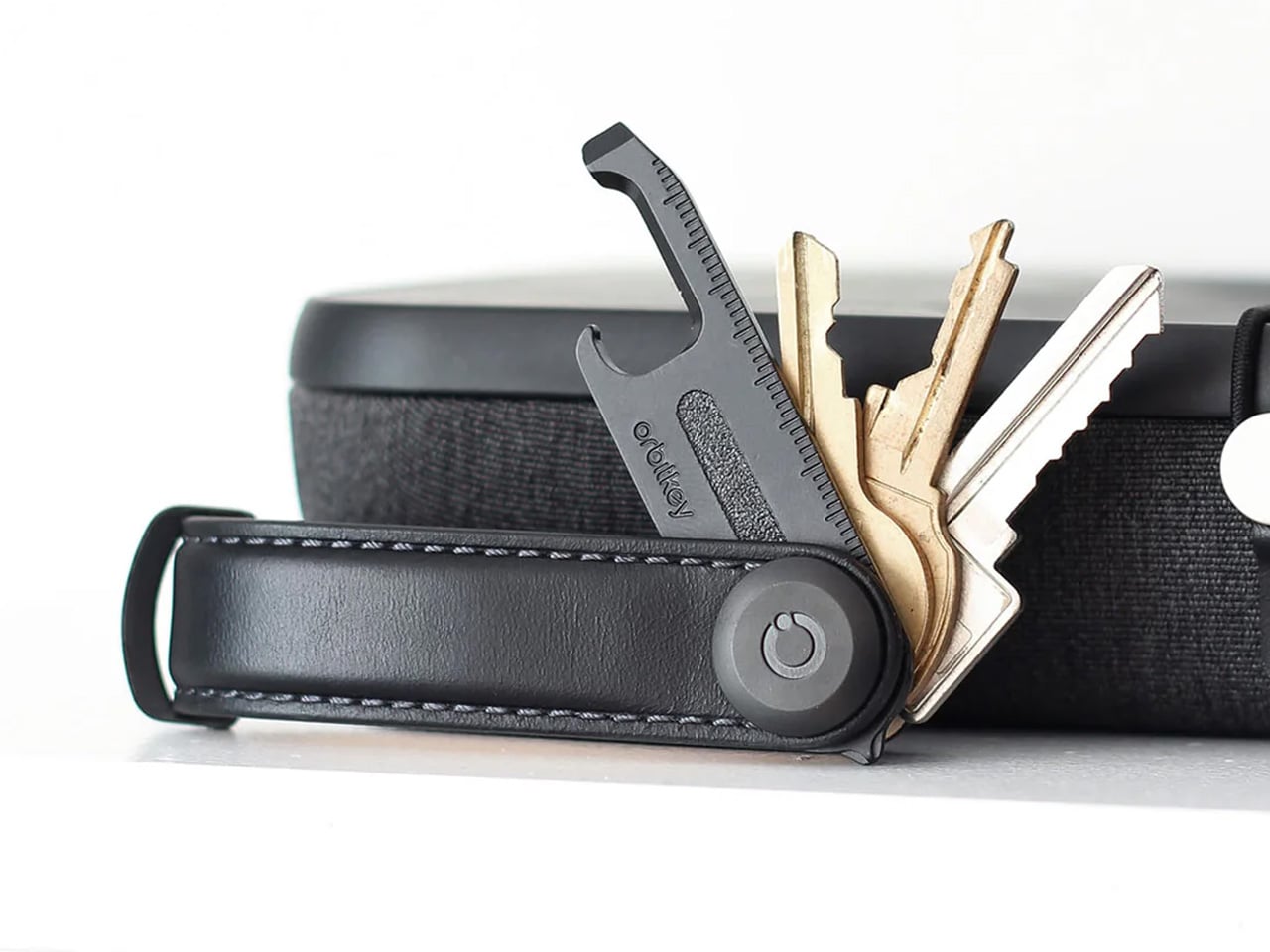
September brings keys back into rotation – school fobs, office cards, library returns that spent summer in a drawer with no forwarding address. A standard key ring solves the problem with the bluntness of something designed before pockets had size constraints: keys press ridges into trouser pockets for eight hours straight and jingle through every corridor between them. The Orbitkey stacks up to seven keys flat inside a full-grain leather spine, held under tension with stainless steel hardware, producing no movement and no sound when closed.
The leather exterior develops its own wear pattern over years of daily use, an explicit design position about longevity that most keychain products never bother taking. A small ring attachment handles anything that does not stack flat inside the body, and five colorways cover the full range from black dress leather to warmer cognac tones. Heading out the door with the Orbitkey in your pocket for the first time, the first thing you notice is the absence of sound from your keys. Then you stop noticing it, which is the point.
What we like
- The tension-stacking system eliminates key jingle, which sounds like a minor gain until you experience a full working day without it
- Full-grain leather construction ages into character rather than showing damage, built to outlast the annual trend cycle by a significant margin
What we dislike
- Initial key installation involves a screwdriver and careful threading – not difficult, but a real first-use commitment that catches some buyers off guard
- Oversized or irregularly shaped keys may not stack cleanly within the system’s geometry, worth confirming before purchase rather than after
4. Fantom X Wallet
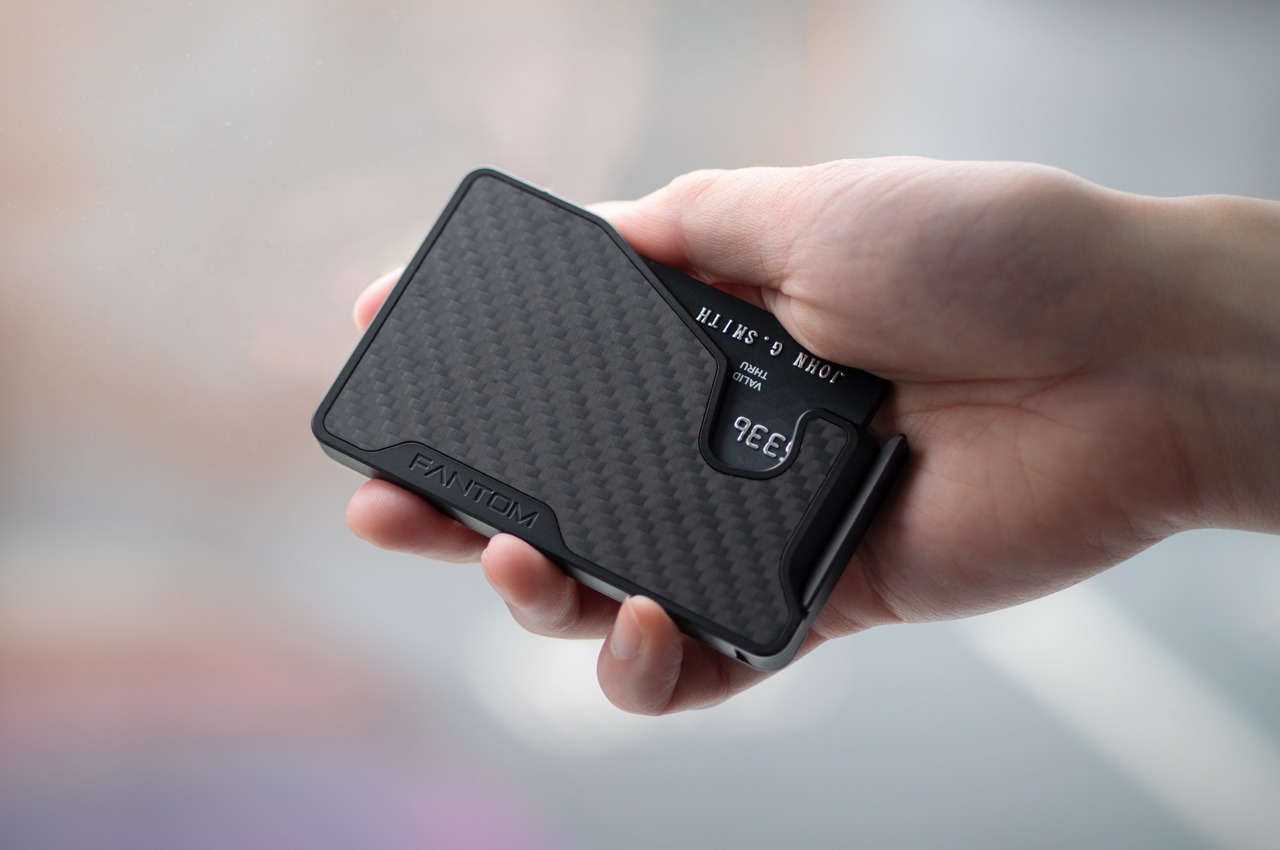

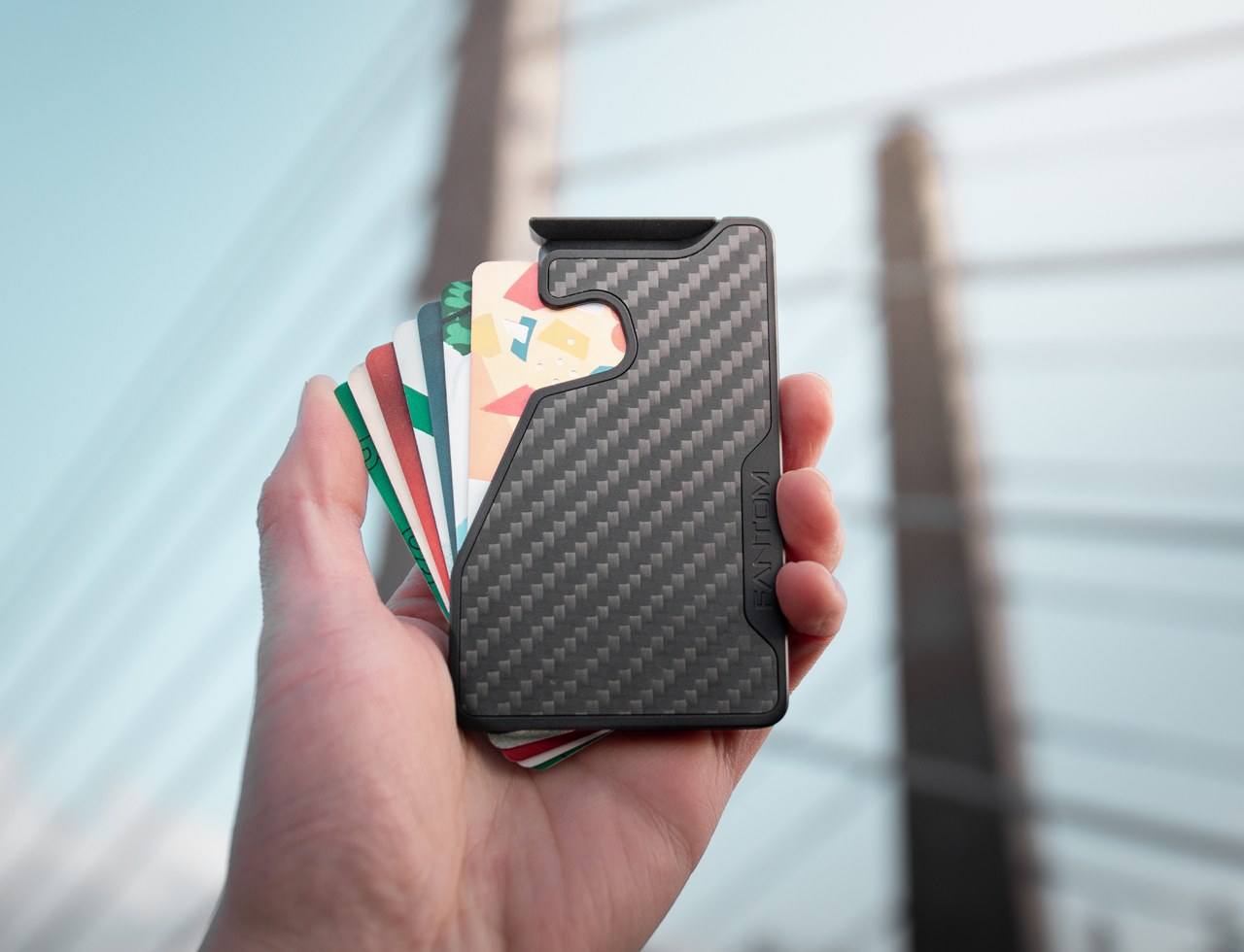

The wallet is the one object in the house that nobody reorganizes until it physically stops closing. By late August it carries summer receipts from June, loyalty cards for places visited once, and transit cards added during travel that have no reason to remain. The Fantom X treats the wallet as an engineering problem rather than a craft one – a machined aluminum chassis that retains cards mechanically and ejects them in sequence with a spring-loaded press of a button, organized by frequency of use rather than pocket habit.
Nothing in its construction is soft, which means nothing in this wallet degrades. The bead-blasted aluminum body borrows its material logic from the better end of the EDC market: fewer components, one mechanism, no organic materials that can stretch, crack, or lose tension under daily use. Cards organize themselves by ejection sequence, which introduces a useful kind of intentionality about what actually deserves a slot. Heading into a structured fall with a wallet this considered makes the stretched billfold feel like a problem you have finally solved rather than one you are still living with.
What we like
- Machined aluminum construction eliminates the stretching and cracking that defines the lifespan of leather and fabric wallets across every price bracket
- The spring-loaded ejection fans cards in sequence, removing the fumbling that every other slim wallet format still requires at the checkout counter
What we dislike
- The mechanical ejection system has a learning curve for anyone switching from a traditional bifold, with the first week involving genuine reorientation
- Cash carry is minimal depending on configuration, which limits practicality for anyone who still moves through the day with notes in their pocket
5. Olight Baton 4 Premium Edition
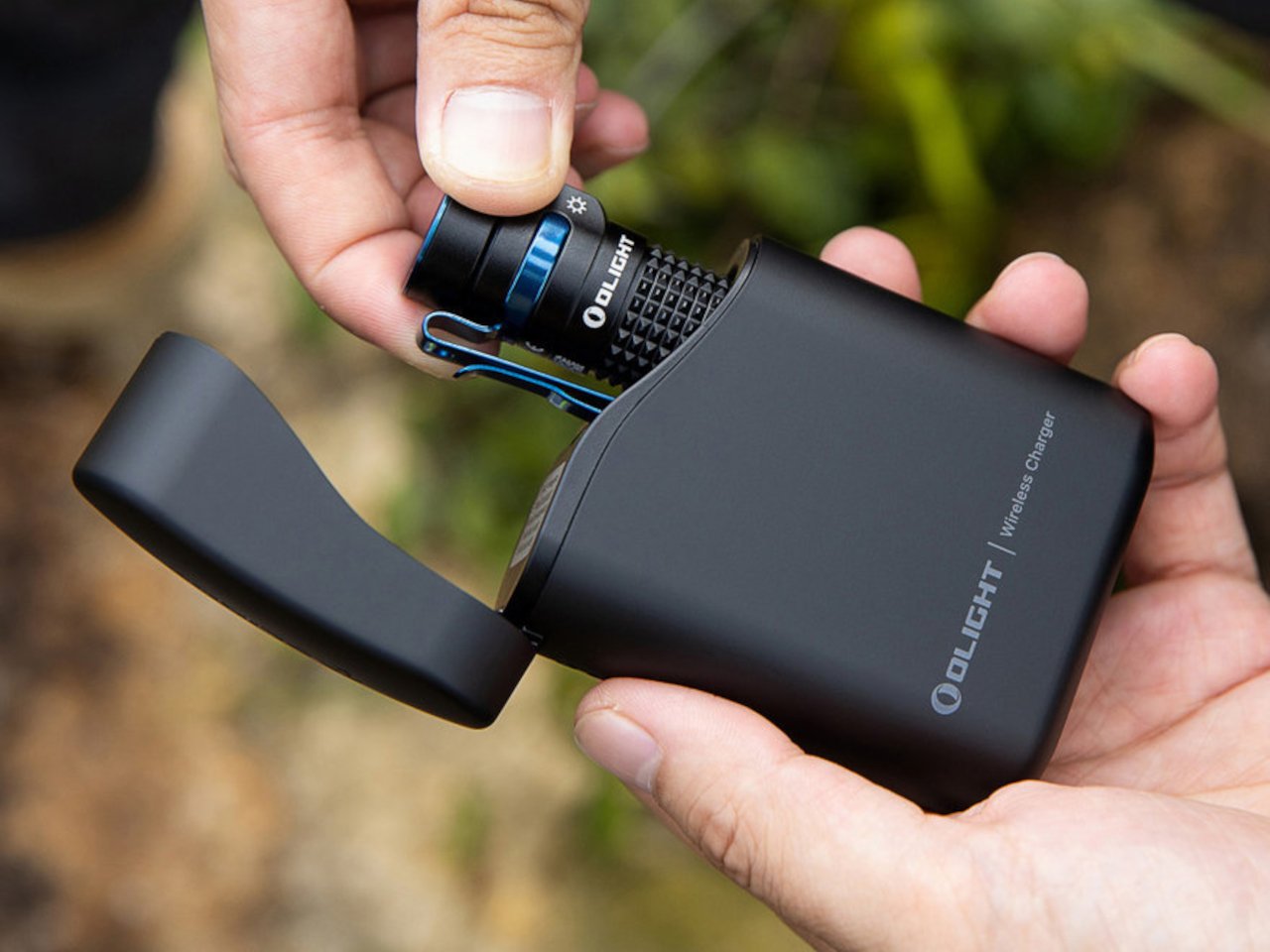
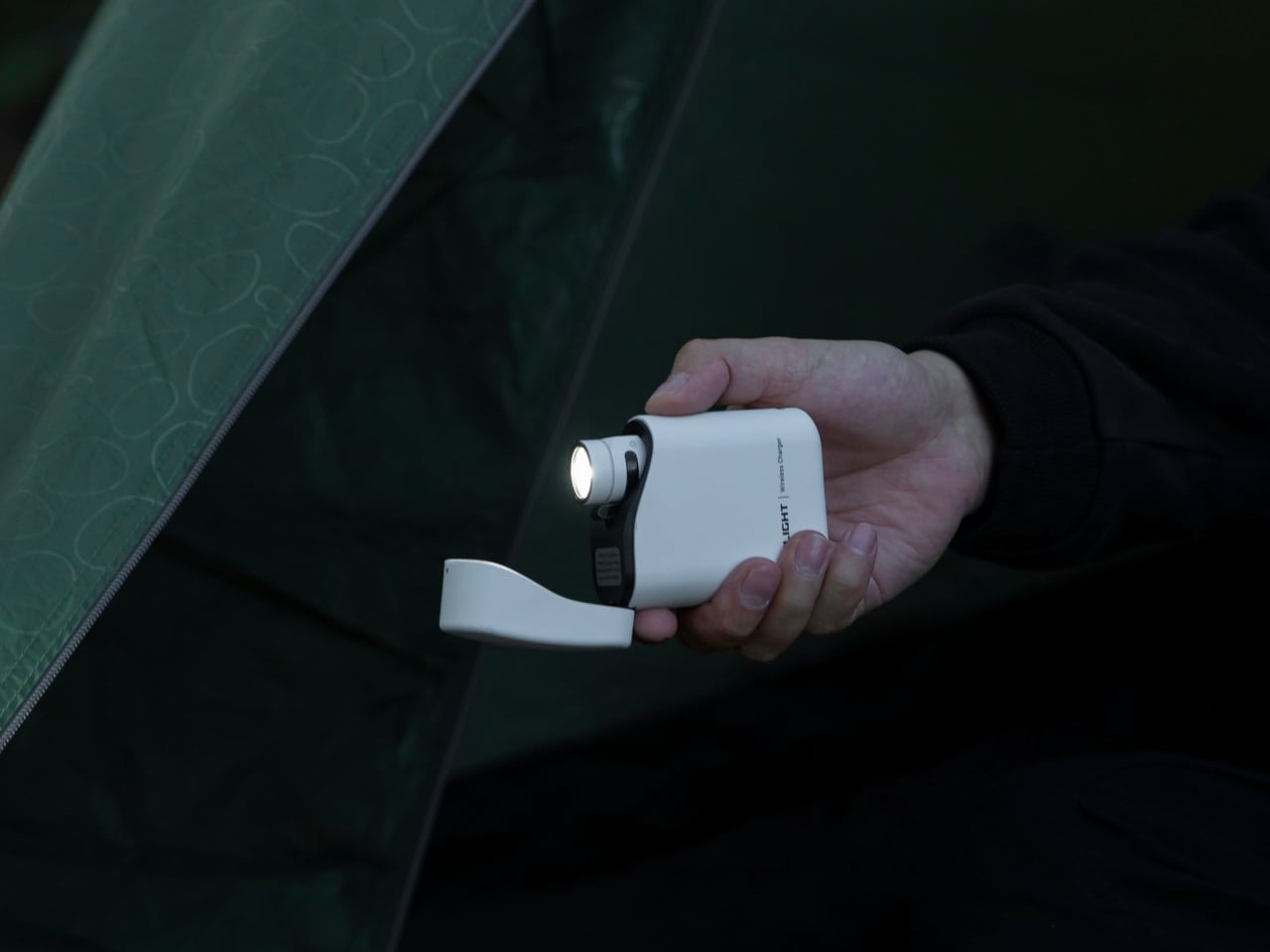
By mid-September, sunset arrives before 7 pm across most of the US. The dead flashlight, the empty power bank, and the missing lantern resurface together as the same problem – the house is not ready for the darker half of the year. The Baton 4 Premium resolves all three by making the charging case the primary object rather than the flashlight and power bank as separate things. The flip-top case carries 5,000mAh, recharges the Baton 4 up to five times, and activates the light without removing it from the case at all.
The 1,300-lumen output and IP68 waterproof rating handle the practical end of what a flashlight needs to do. The magnetic tail cap converts it into a freestanding lantern by sticking to any steel surface, removing the need for a separate camp light in most low-light situations and proving genuinely useful during a power outage. For a house heading into fall, the Baton 4 Premium makes the case that two carry problems can be resolved by a single considered object – which is the only standard that matters when the evenings start arriving early.
What we like
- The charging case serves as a functional 5,000mAh power bank and activates the flashlight without removing it, two carry problems resolved by one object instead of two
- The magnetic tail cap frees both hands during stationary tasks without requiring any additional accessories, stands, or setup
What we dislike
- Maximum brightness draws battery faster than lower output modes, meaning more frequent recharging on heavy-use days and more reliance on the case as compensation
- The case adds volume to the carry; users wanting the flashlight alone will need to leave the power bank function behind, which partially defeats the premise of carrying less
6. MagBoard Clipboard




A stack of papers with no system is not a filing problem – it is a thinking problem. Back-to-school week produces a specific kind of paper chaos: printed schedules, permission forms, project outlines, and to-do lists that exist on separate sheets because they were never meant to live together permanently. The MagBoard Clipboard holds up to 30 loose sheets under a magnetic lever mechanism, securing them firmly enough for daily use while releasing them individually the moment a page needs to move, be filed, or be removed entirely. A hardcover backing means you can write against it standing at the kitchen counter, leaning against a wall, or anywhere without a flat surface underneath.
What separates this from a standard clipboard is the organizational logic it allows. Notes for different projects stay on separate sheets and get assembled in whatever order the week demands – not the order they were written. When a task is done, the page comes out cleanly. When a new one is added, it slots in where it belongs rather than at the back of a bound notebook that cannot be rearranged. The water-resistant cover handles the unpredictability of a house in motion. At $45, it is the analog organizational layer the desk has been missing since July.
What we like
- The magnetic lever holds sheets firmly enough for daily use but releases individual pages instantly, so the system adapts to how the week actually unfolds rather than locking you into a sequence
- The hardcover backing turns any wall, counter, or standing surface into a writing station, which is where most household decisions actually get made
What we dislike
- Loose sheets require more active management than bound pages – a page left outside the clipboard is a page that can disappear into the pile it was meant to replace
- Only 4 units currently available in the Select Shop, so order before the stock runs out
7. LEGO-Inspired Silicone Cable Organizer
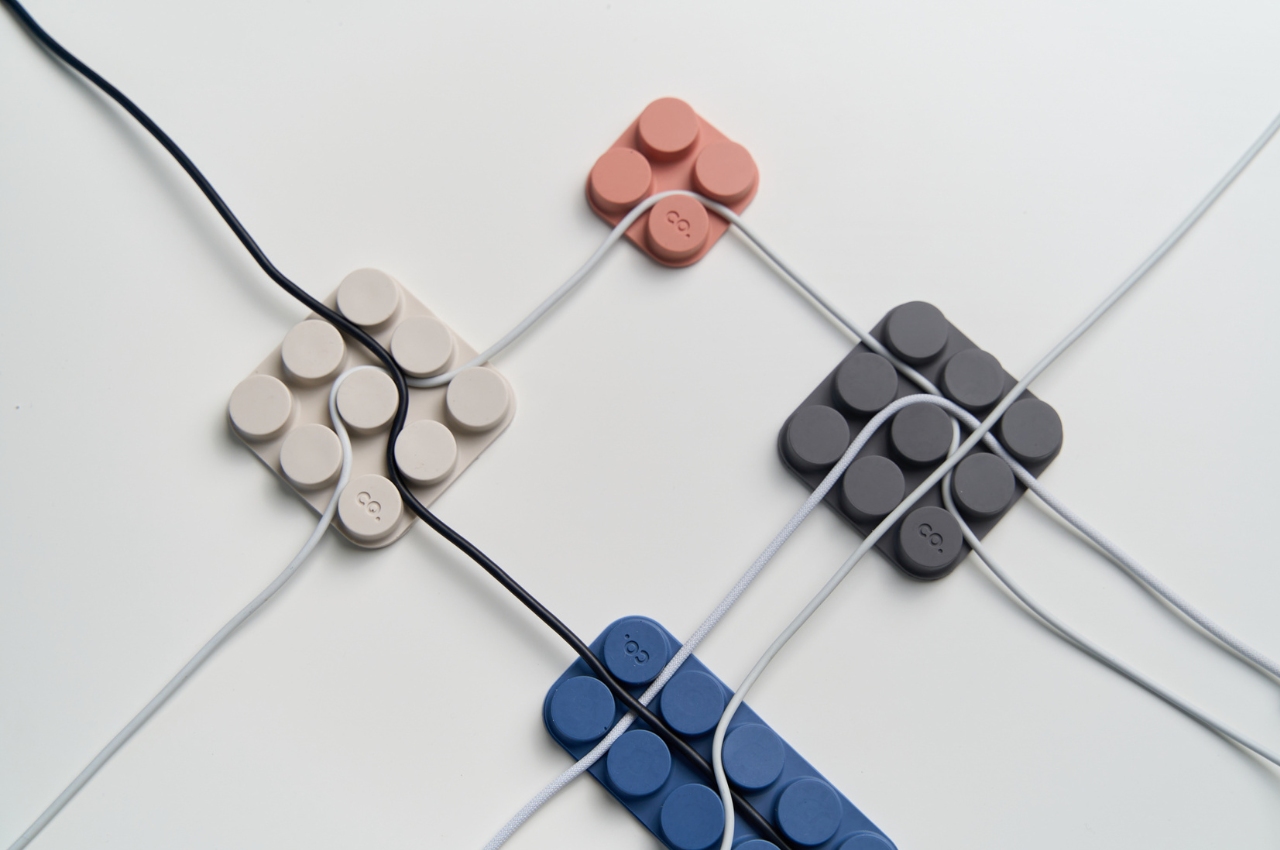
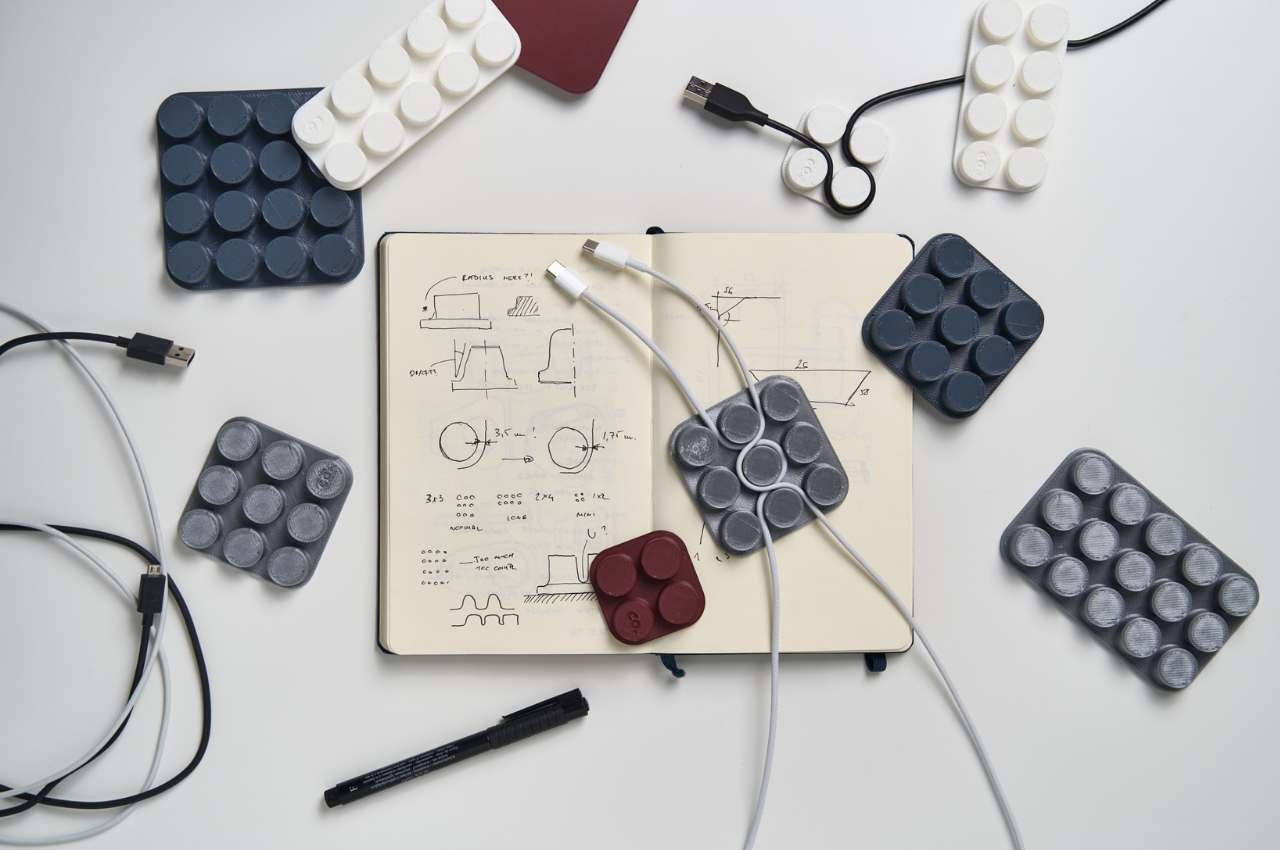
By late August the home office desk looks like evidence of a summer that happened entirely online – charging cables for devices not seen since June, tangled around adapters that no longer have a corresponding device on the other end. This modular silicone organizer uses a peg-and-row design to secure up to two cables per row across three size formats, holding each one in place without clips, Velcro, or anything that needs to be replaced. A micro-suction tape base holds the whole unit to any desk surface without permanent installation.
The design borrows its logic from LEGO – modular, expandable, and quietly satisfying to configure. You can run the USB-C row along the back edge, the charging cable along the front, and route the HDMI somewhere in the middle, each one held cleanly to its port without crossing anything else. It takes four minutes to set up and several months to forget you own it, which is the only standard cable management needs to meet. The desk underneath gets quieter, and the work that happens on it tends to follow.
What we like
- The modular peg-and-row design accommodates different cable thicknesses and desk configurations without cutting, drilling, or permanent attachment
- The micro-suction base holds firmly enough for daily use but lifts cleanly when the setup changes
What we dislike
- The playful silicone form reads as casual rather than minimal, which may not suit every aesthetic in a more formal office environment
- Limited color options mean matching a monochromatic desk setup requires some compromise
8. Dockcase 7-in-1 Hub
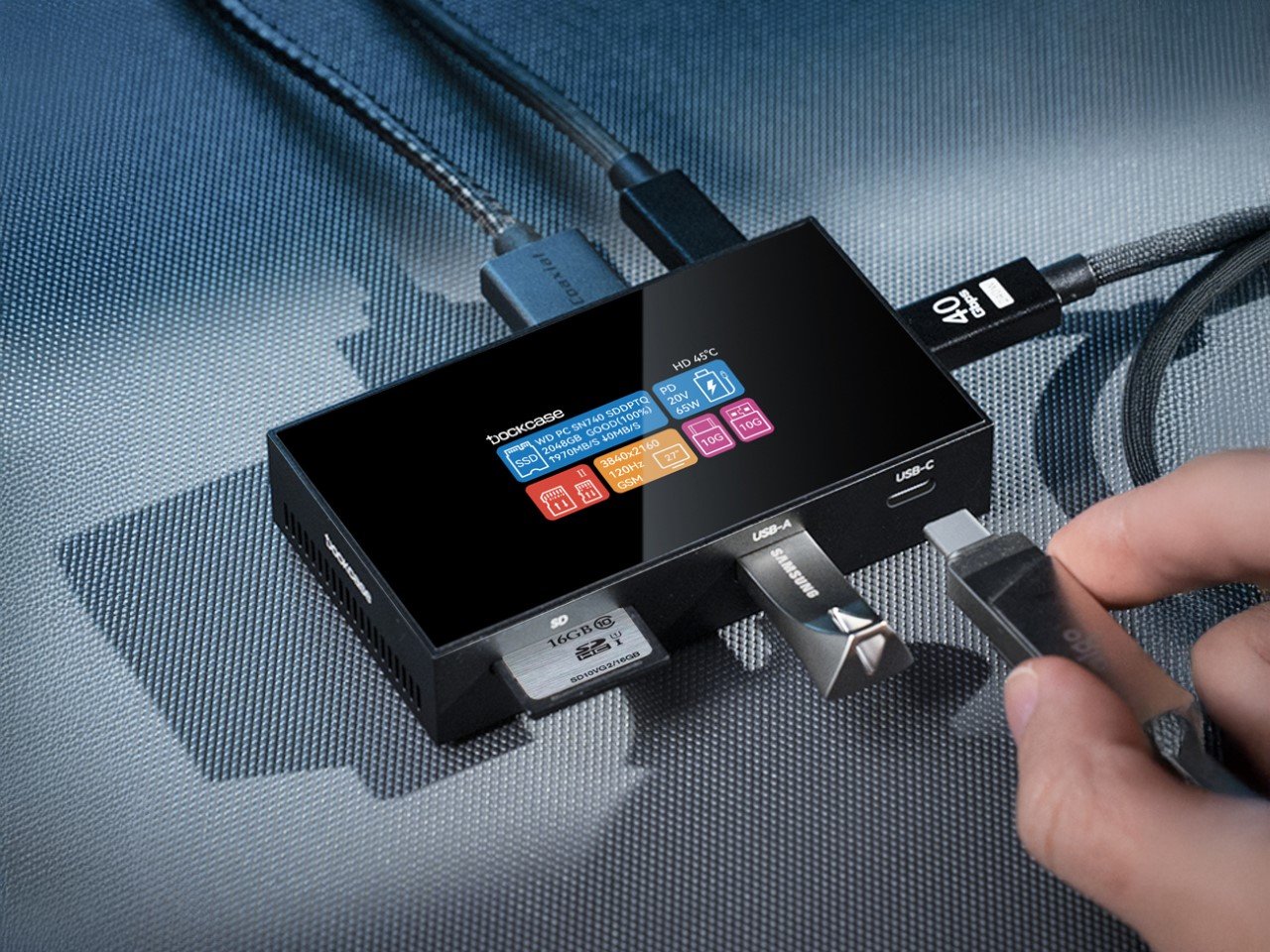
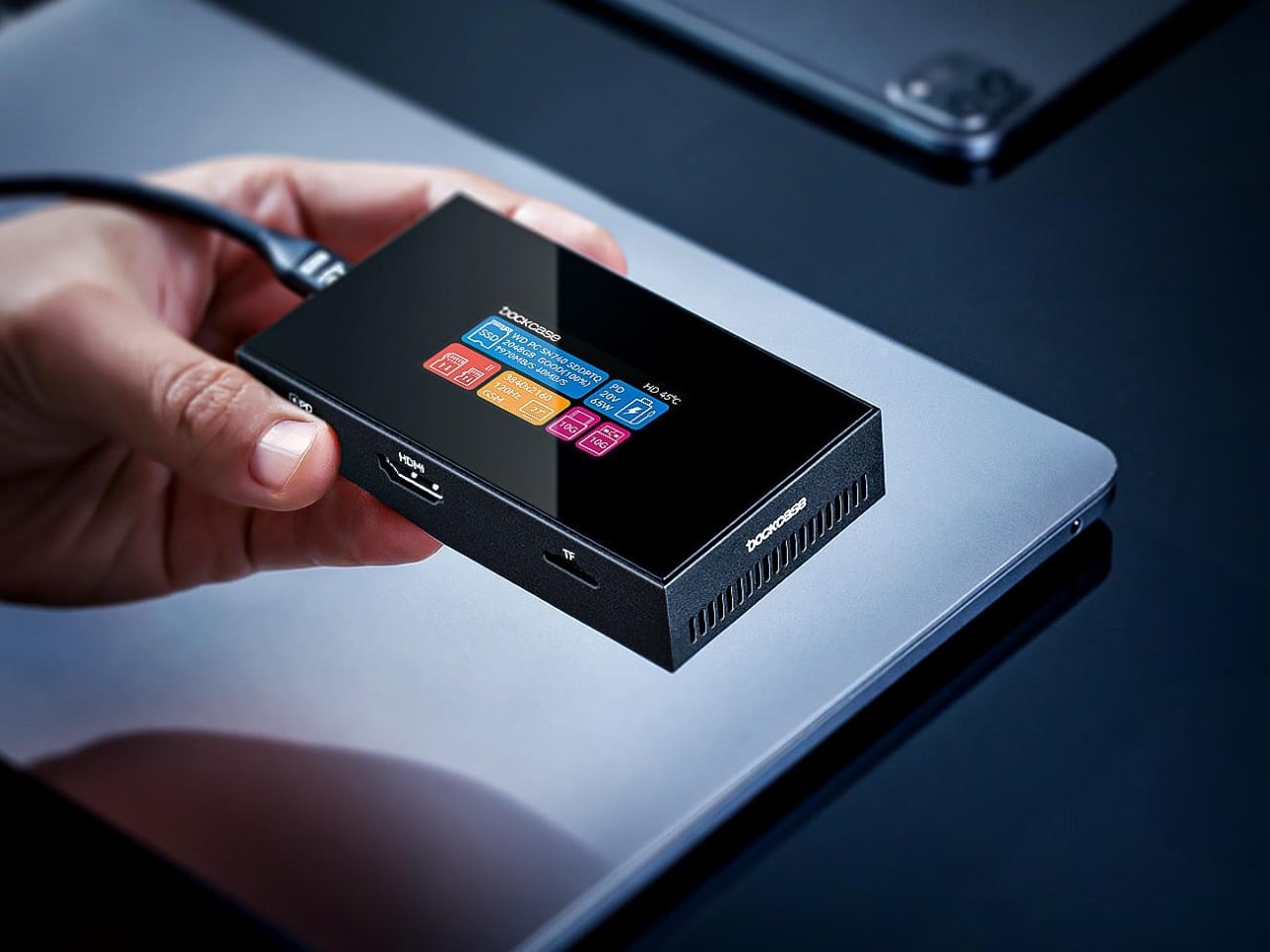
The desk that works for summer browsing is not the desk that works for a fall workload. The Dockcase consolidates seven connections – ports, 2TB SSD storage, and 100W power delivery – into a single machined aluminum slab that tucks beneath a monitor stand or alongside a laptop without adding visible mass to the surface. An integrated touchscreen tells you what is connected and how much storage remains with a tap, replacing the guesswork that comes from plugging into an unmarked hub and hoping for the best.
The result is a desk that looks planned rather than assembled over time, with every cable routed through one point instead of distributed across a surface that was never meant to hold this many devices. For anyone returning to a structured working week in September, this consolidation is not cosmetic – it removes the daily friction of searching for the right cable and frees up the kind of mental space the season demands. One object replaces half a dozen. The desk earns its function back.
What we like
- Consolidating seven connections into one device removes the individual dongles and adapters that accumulate into clutter before you notice them doing it
- The integrated touchscreen provides at-a-glance connection and storage status without opening a settings panel or pulling out your phone
What we dislike
- The premium price compared to basic hubs is the straightforward trade-off for the touchscreen, SSD storage, and aluminum build quality
- The stationary slab format works best on a stable desk surface and is not designed to move with a laptop between locations
Start With What Costs You Time
A house reset for September is not a single purchase. It is a sequence of smaller decisions – where does the schedule live so everyone sees it, where do the keys go when the door closes, what happens to the desk when the workload returns. Each product here answers one of those questions without announcing itself. The goal is not a house that looks organized. It is a house that works as though it always was.
Start with the one that solves the most persistent problem. If the kitchen runs on a group chat nobody reads, the reTerminal Sticky earns its spot on the fridge immediately. If the desk disappeared under cables in July and never recovered, the Dockcase and Cable Organizer address that in an afternoon. The whole house does not need to change at once. It only needs to change in the places that cost you time every single day.