PC gaming has never had a proper physical media equivalent. Console players have always had something tangible to hold and shelve, a disc or cartridge that represents one specific game. On PC, games live in a library on a platform that’s only yours as long as the platform stays up. It’s convenient, but a lot of PC gamers quietly miss the ritual of picking something physical off a shelf.
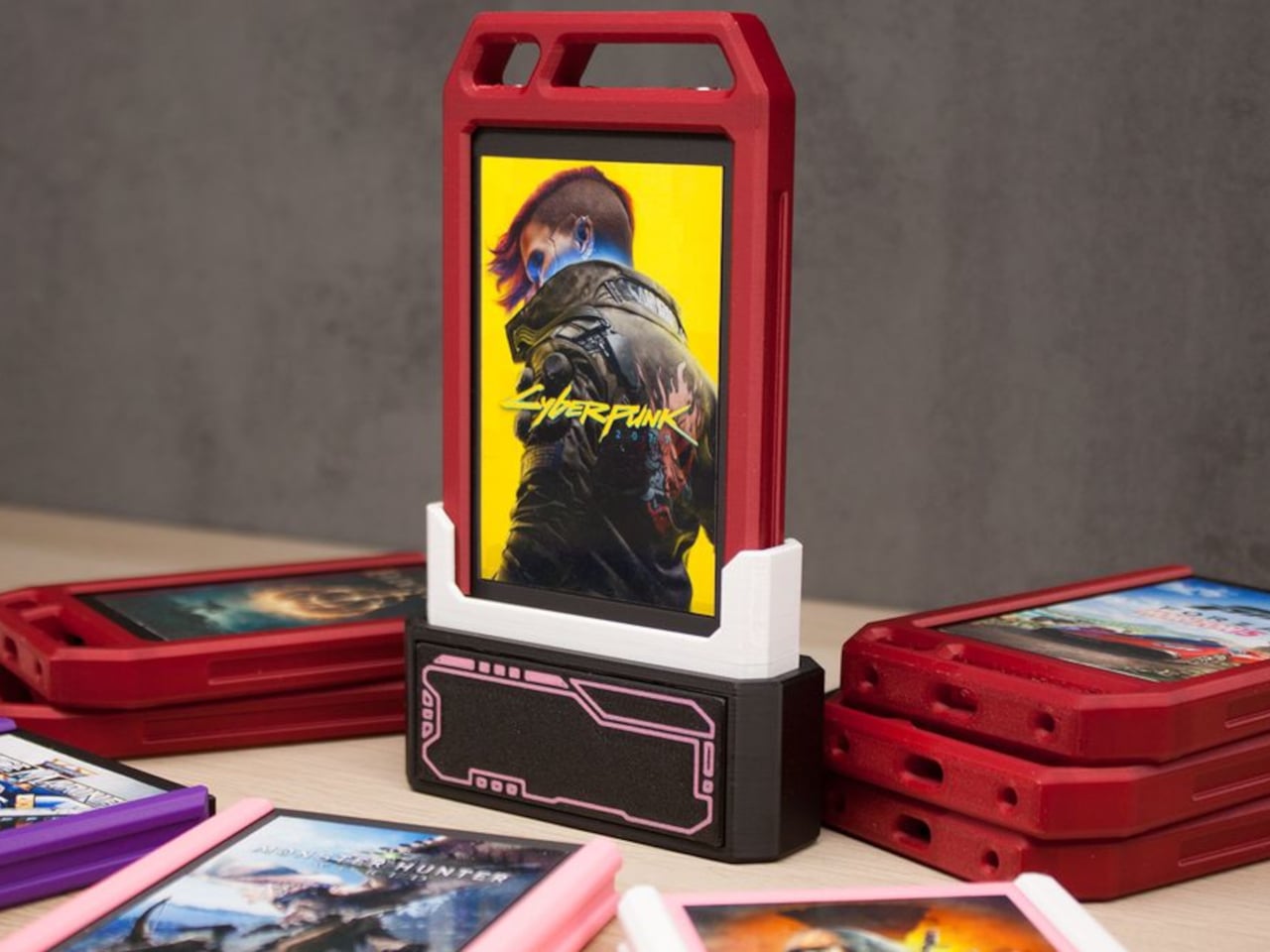
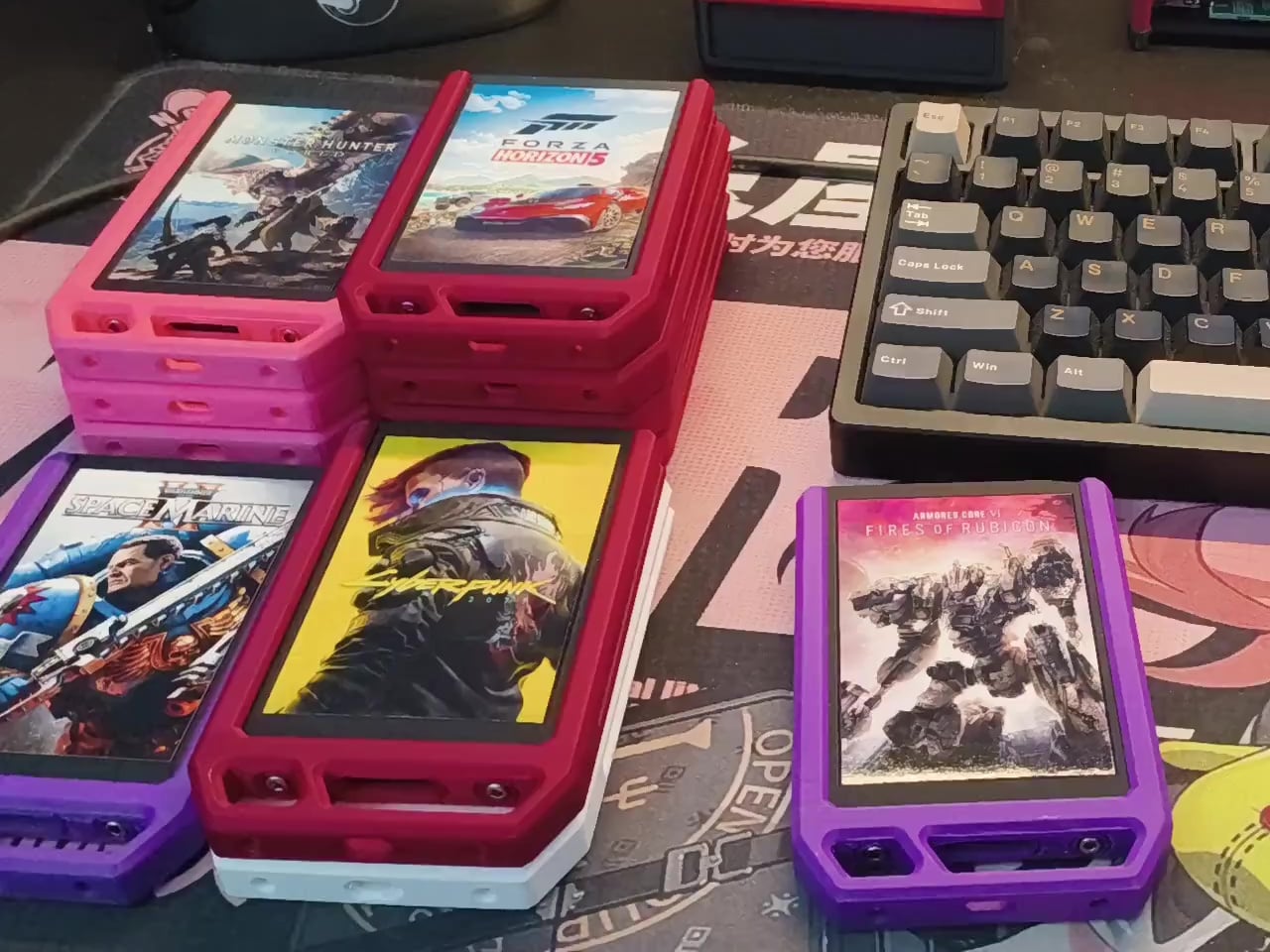
A post on Reddit recently took a direct swing at that gap. A gamer picked up a handful of secondhand 2.5-inch SATA SSDs, each 128 GB and priced at around €7 ($8) a piece, and built a cartridge system for Steam. Each drive holds a single game alongside a script that auto-navigates Steam to that game’s page once the drive is plugged in. Auto-launching the game directly is also possible.
Designer: Jibril-sama (images courtesy of Tom’s Hardware)
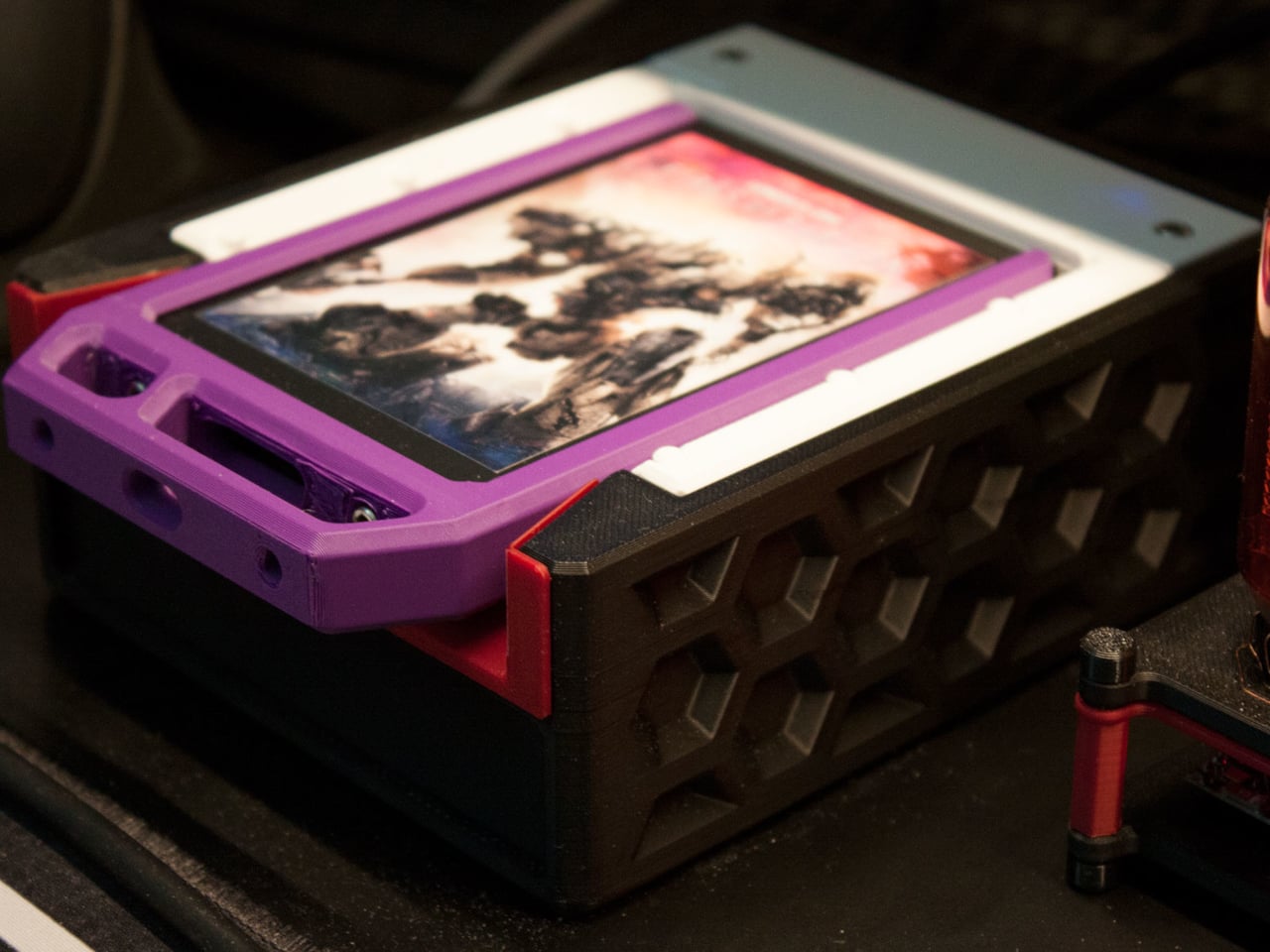
What really sells the effect is the presentation. Rather than leaving the drives as bare hardware with labels stuck on, each SSD sits inside a colorful protective case with custom game art on the cover. The result looks genuinely like a cartridge collection, not a pile of storage drives. It’s the kind of detail that makes the idea land visually rather than just functioning as a clever technical trick.
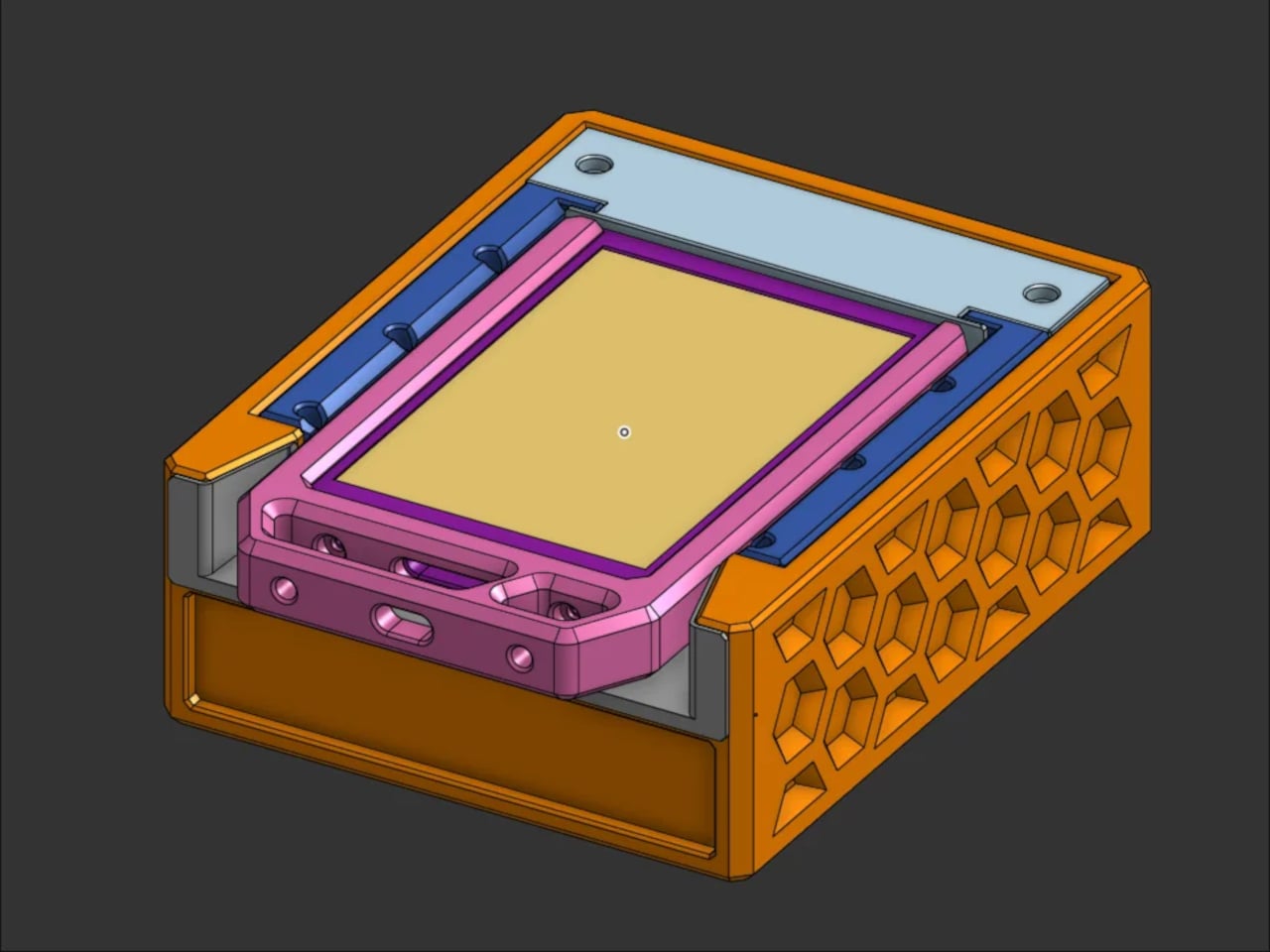
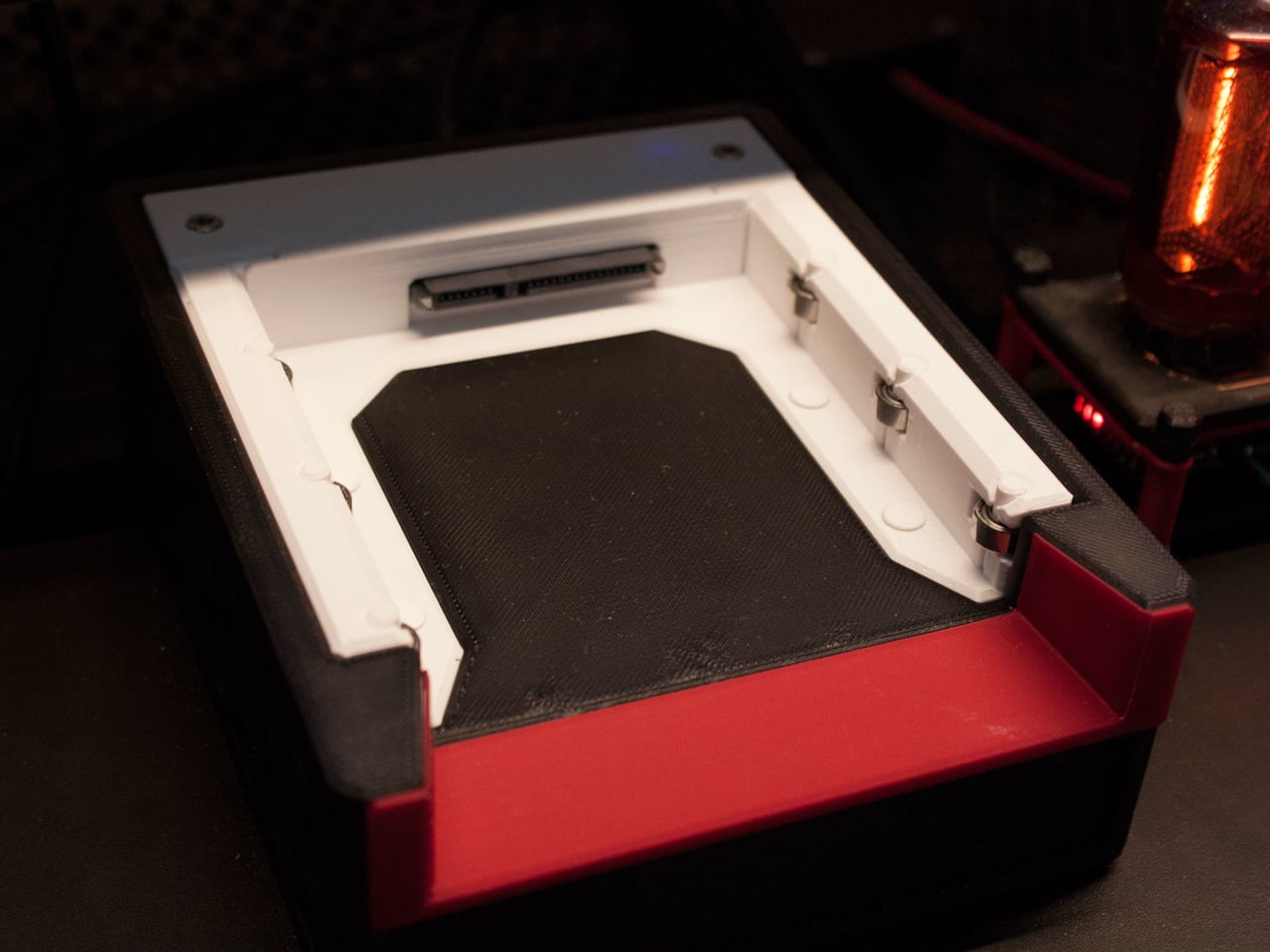
The system runs on Linux. When an SSD is plugged into a SATA dock connected to the PC, a udev rule detects the mount event and triggers a systemd daemon, which finds the script on the drive and executes it. Valve’s Steam URL Protocol handles navigating to the game’s page or launching it. The hardware side requires nothing more unusual than a standard SATA dock.
There are genuine practical limits. Steam still needs to be installed, and the game needs to be in your library, so this isn’t a workaround for ownership or a way to share games. Updates are the bigger friction point, since multi-gigabyte patches push regularly even to older titles. The creator’s approach is to keep cartridges for games worth replaying occasionally rather than live-service titles that need constant updating.
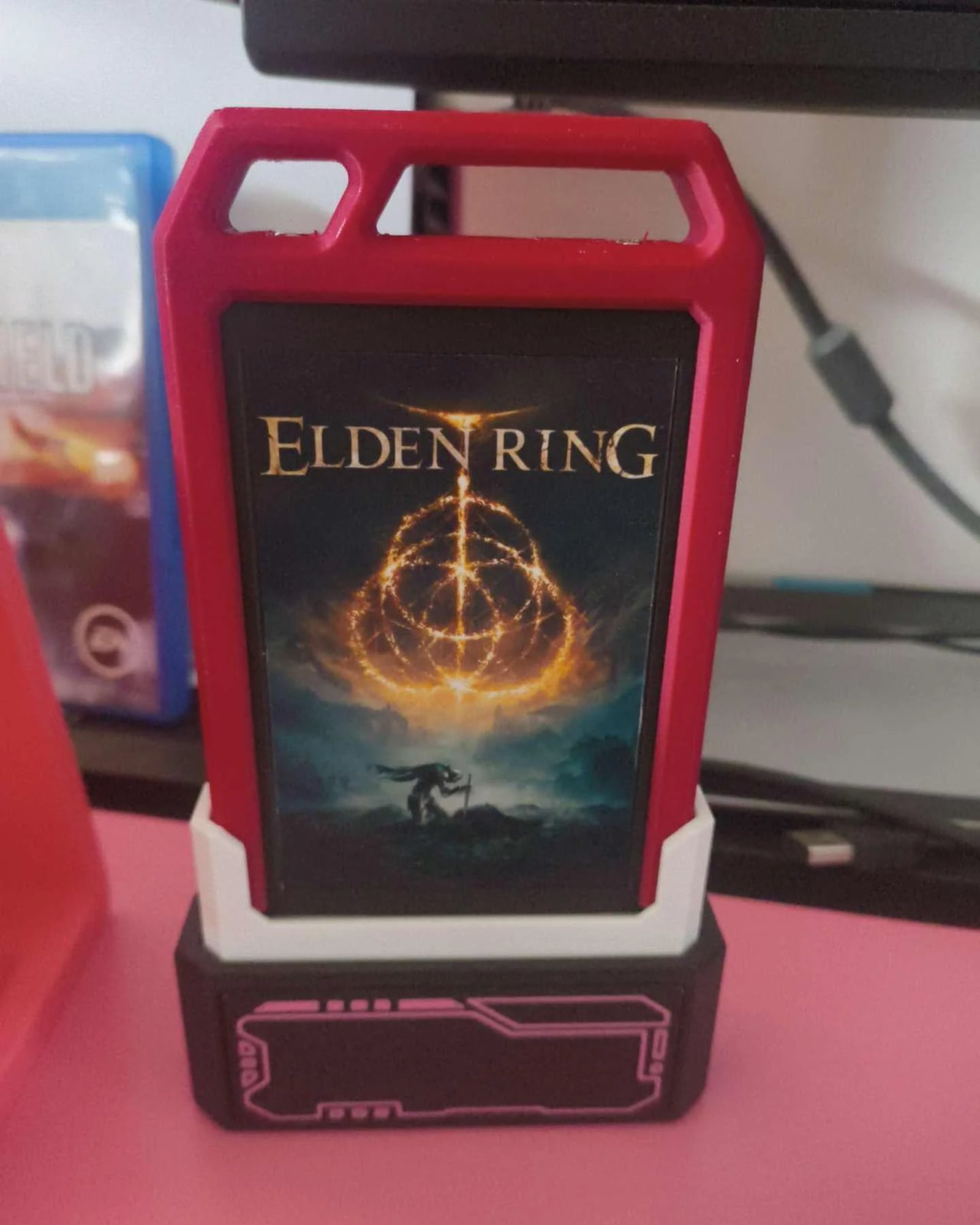
The reaction ran heavily nostalgic, with comparisons to NES cartridges, Switch game cards, and the general ritual of pulling a game off a shelf. Some commenters want the system extended to GOG libraries. Others are already planning their own versions, with several suggesting 3D-printed cartridge shells to push the aesthetic even further.
What the project surfaces is how much the ritual of physical media matters, separate from convenience or ownership. These drives don’t give you anything you couldn’t already get by clicking a game in your Steam library. The Linux requirement narrows who can replicate it directly, but at €7 ($8) per drive, the cost to build a collection of ten or fifteen games is still less than a single new release.