The fantasy of just packing up and going somewhere is one most of us indulge from time to time. The hard part is figuring out the logistics without sacrificing everything that makes a trip worth taking in the first place. Robin Benjamin’s Slidabox, the latest design from Woodenwidget, marking 20 years of ingenious designs for the spatially challenged, is a genuinely compelling answer to that problem. Not a perfect one, necessarily, but a thoughtful and rather beautiful one.
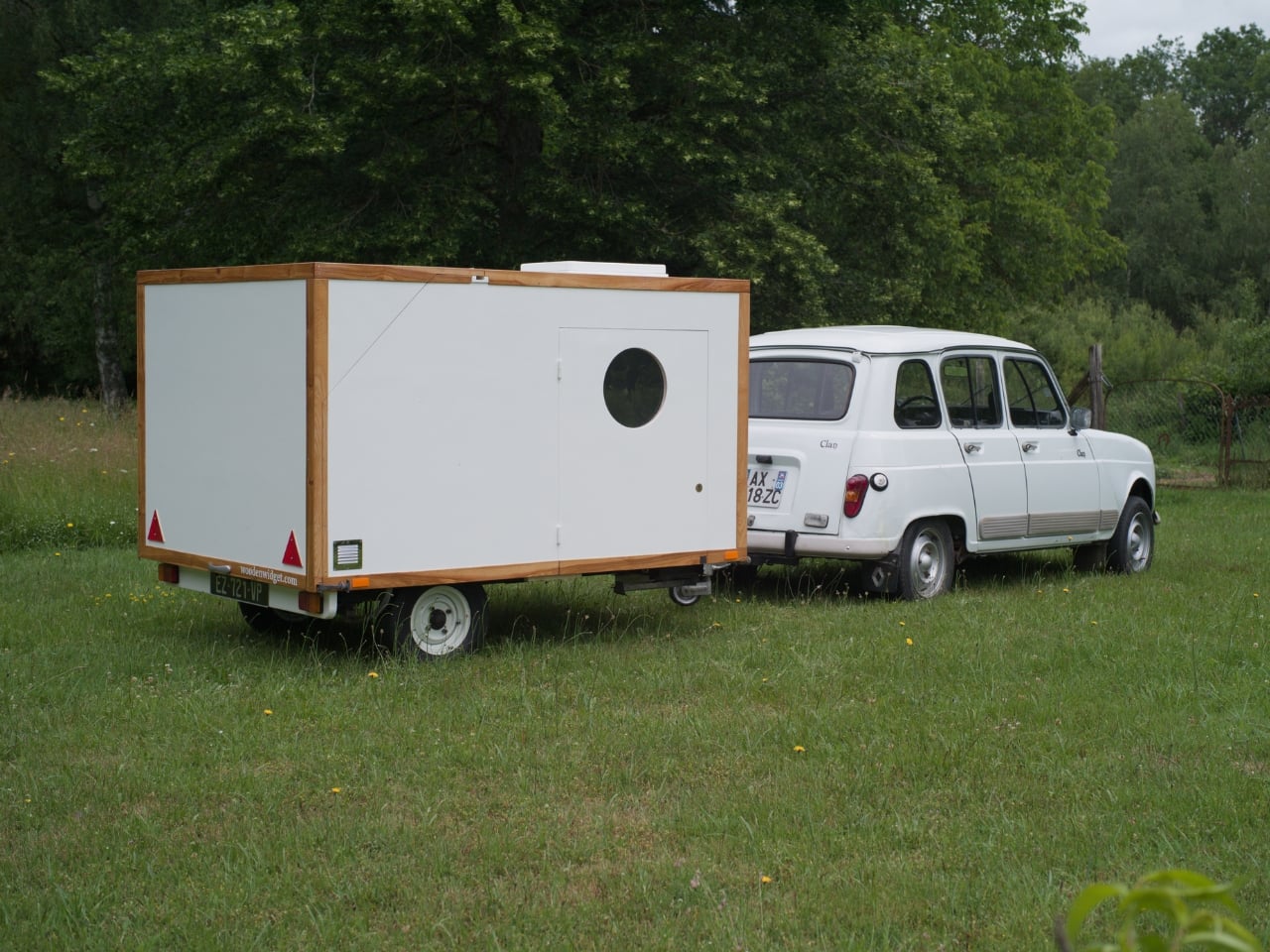
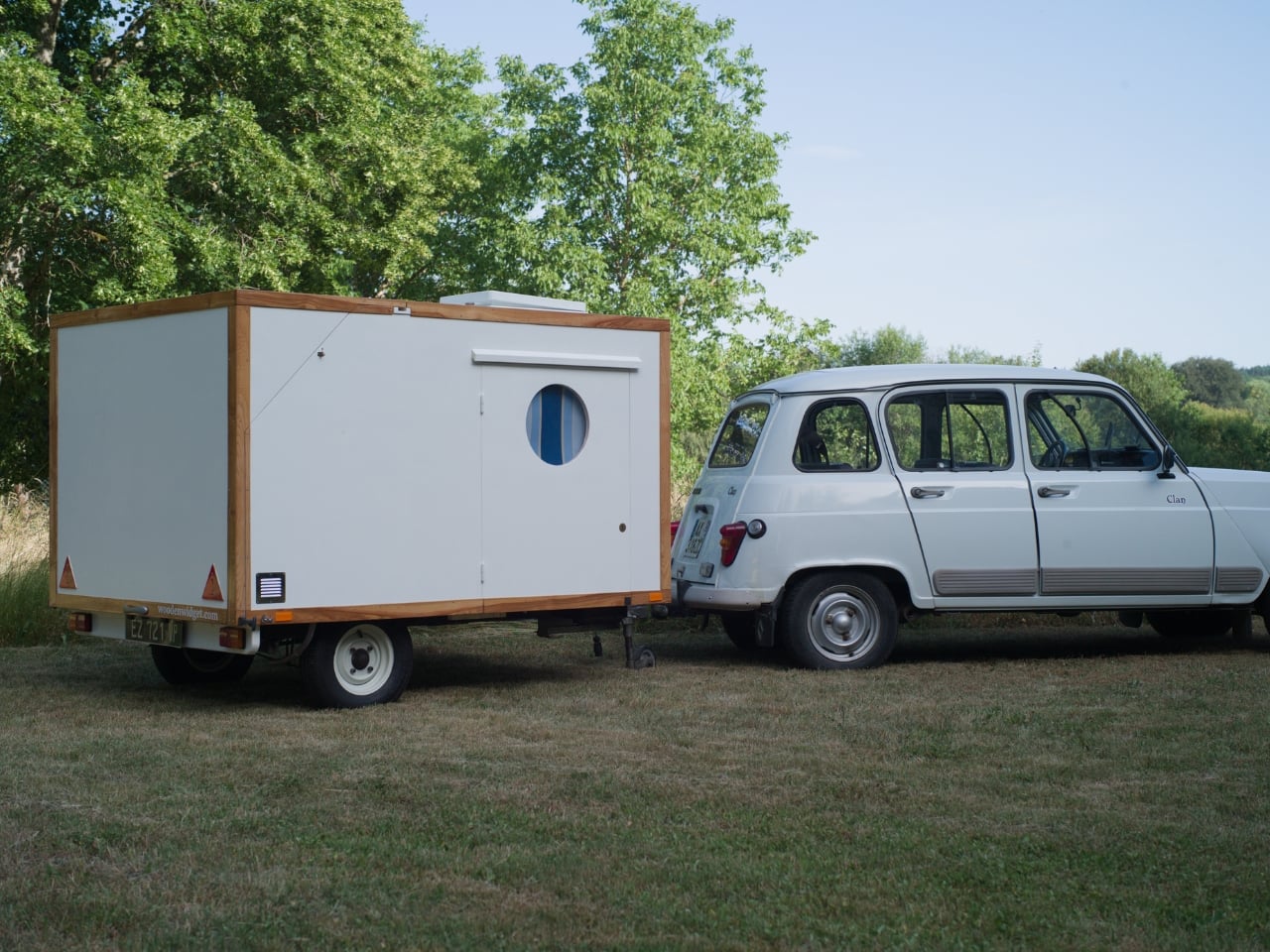
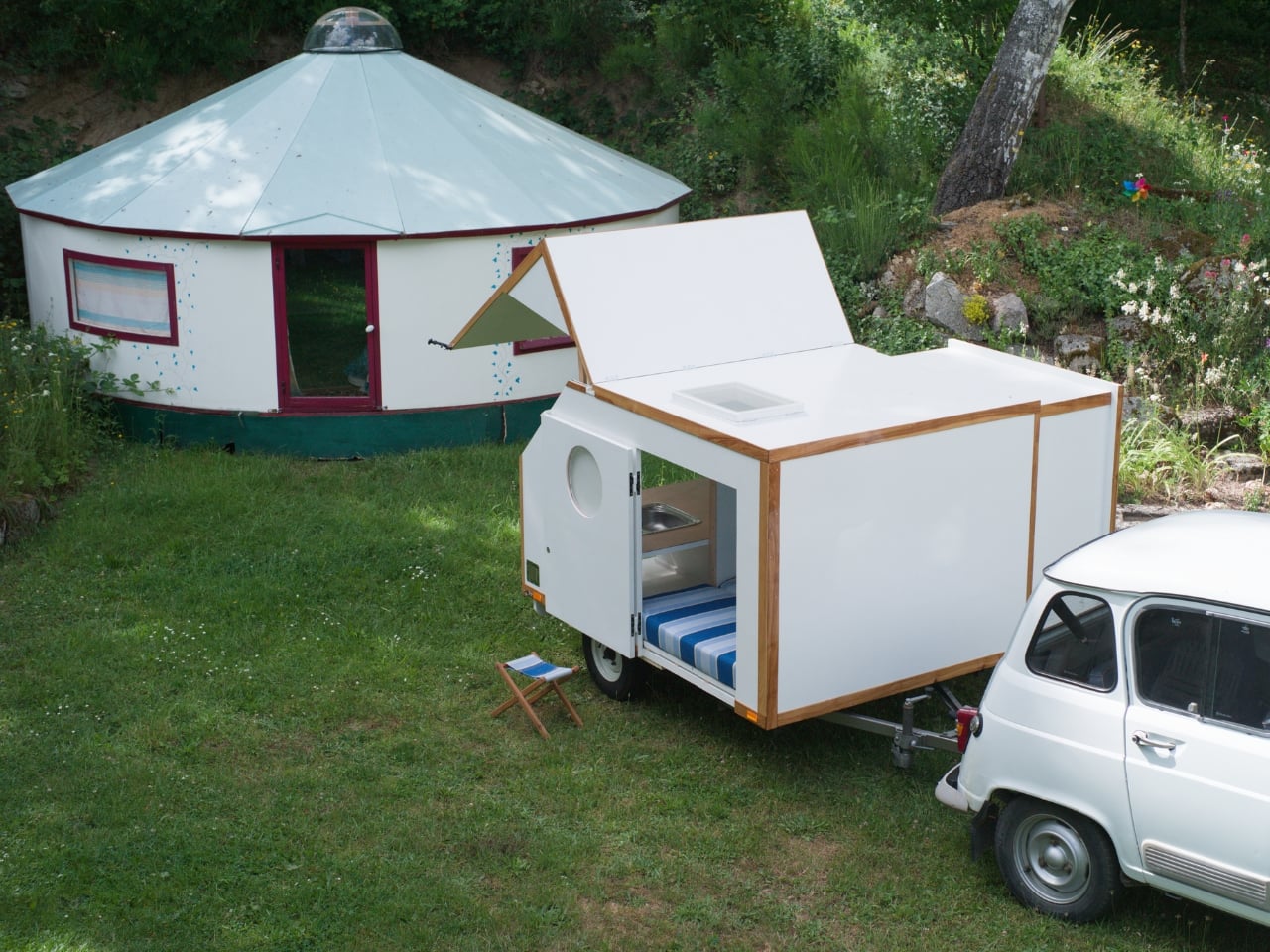
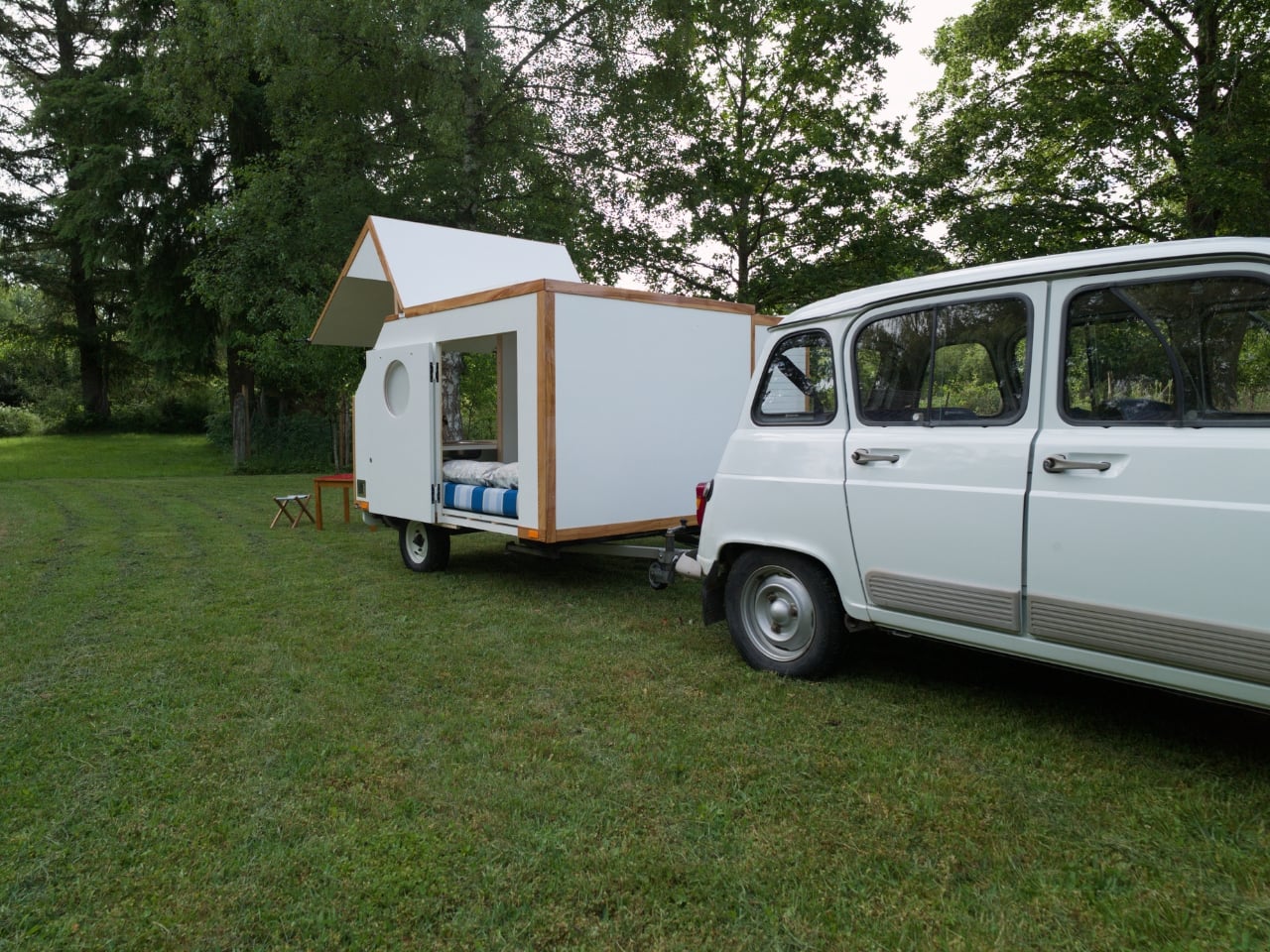
At first glance, the Slidabox reads as a clean white box on a small trailer. That’s not a criticism. It’s a deliberate design choice that works precisely because it doesn’t try to announce itself on the road. It tucks neatly behind the tow car, and because of its compact proportions, the aerodynamics issue largely disappears, with fuel consumption barely affected. It also weighs less than 300 kilos, which means you’re not dragging a second house down the motorway. You’re barely even noticed.
Designer: Robin Benjamin
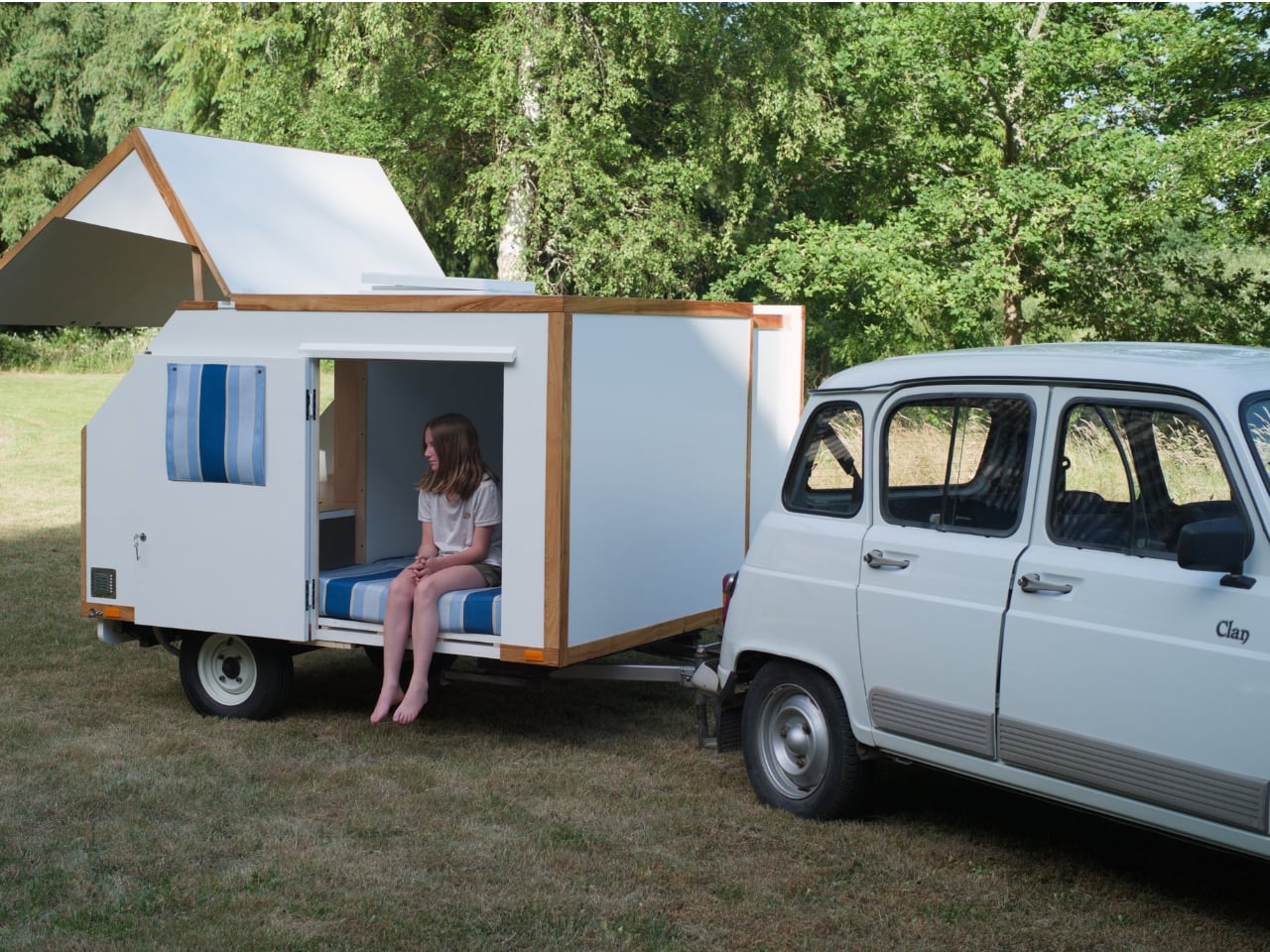
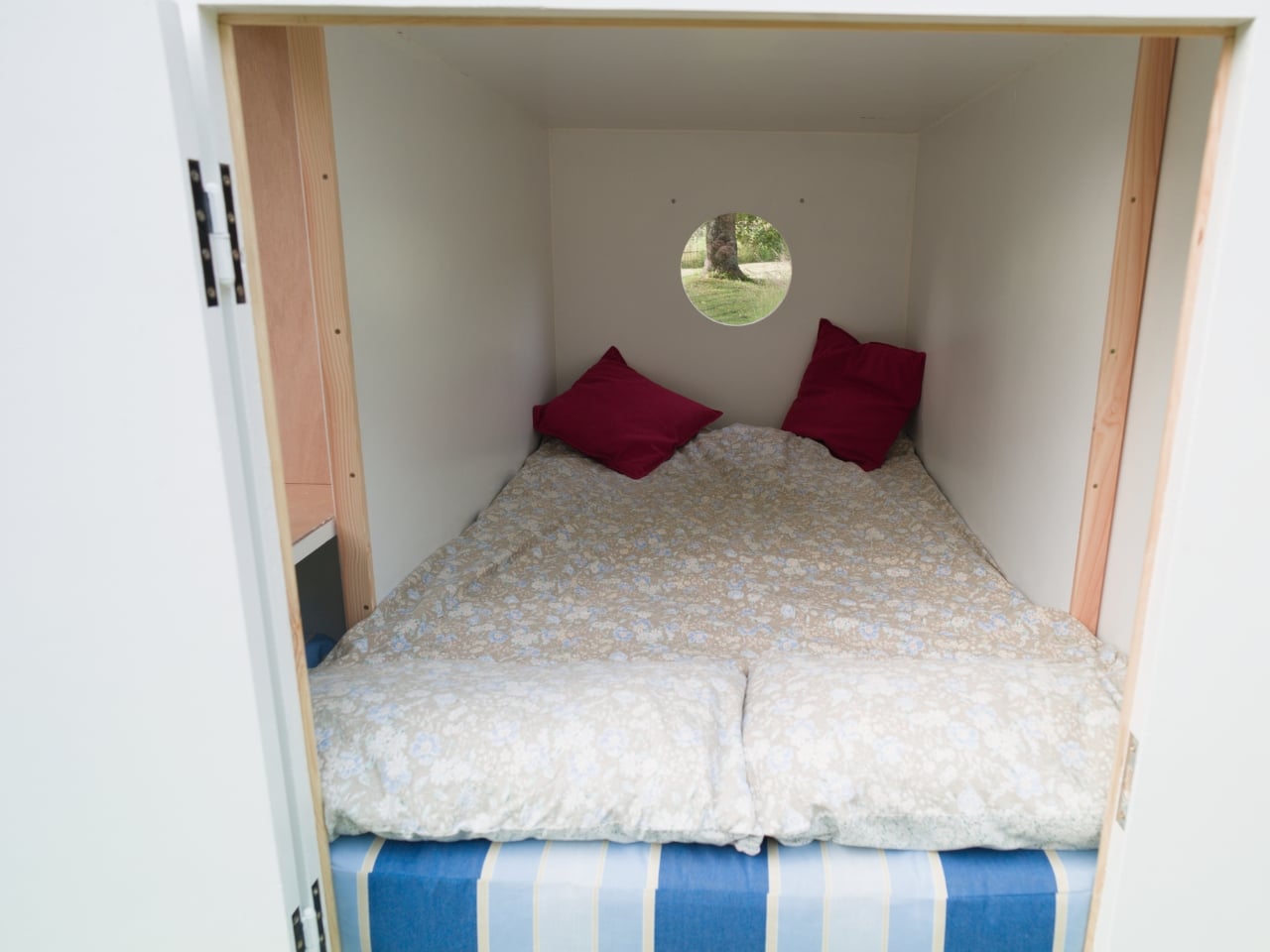
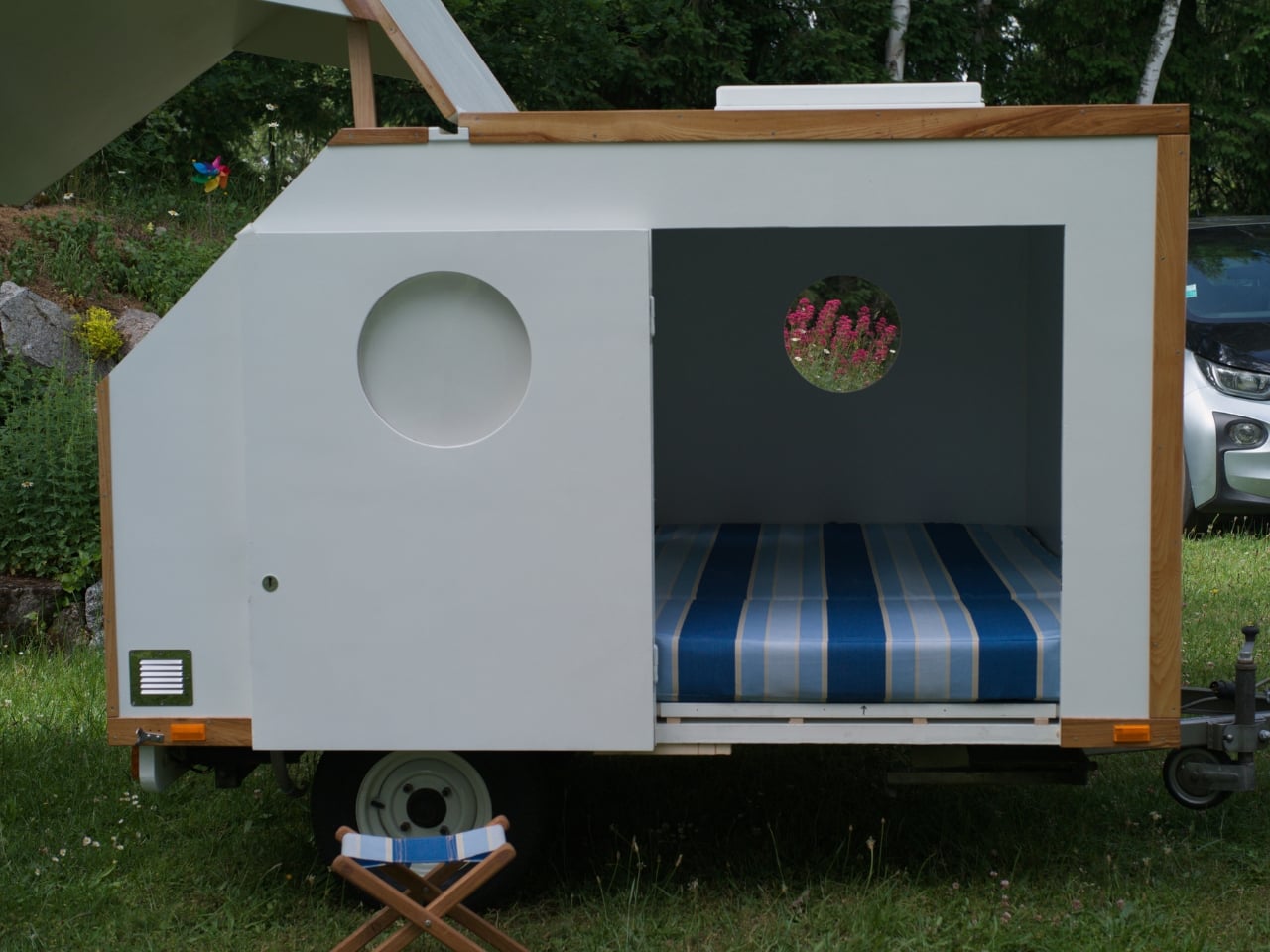
The clever part is what happens when you actually arrive somewhere. Slide out the drawer built into the body and the sleeping space extends to a full two metres long, which is genuinely generous for a build this size. Most compact campers compromise on sleeping length in ways that leave taller travellers in uncomfortable negotiations with their own bodies by morning. The Slidabox doesn’t do that. The composite construction uses insulation as a structural element, keeping the build light without sacrificing strength, and making it easy to construct and cost effective. It’s the kind of quietly intelligent engineering decision that sounds dry on paper but translates directly into how the thing actually feels to live in, even briefly.
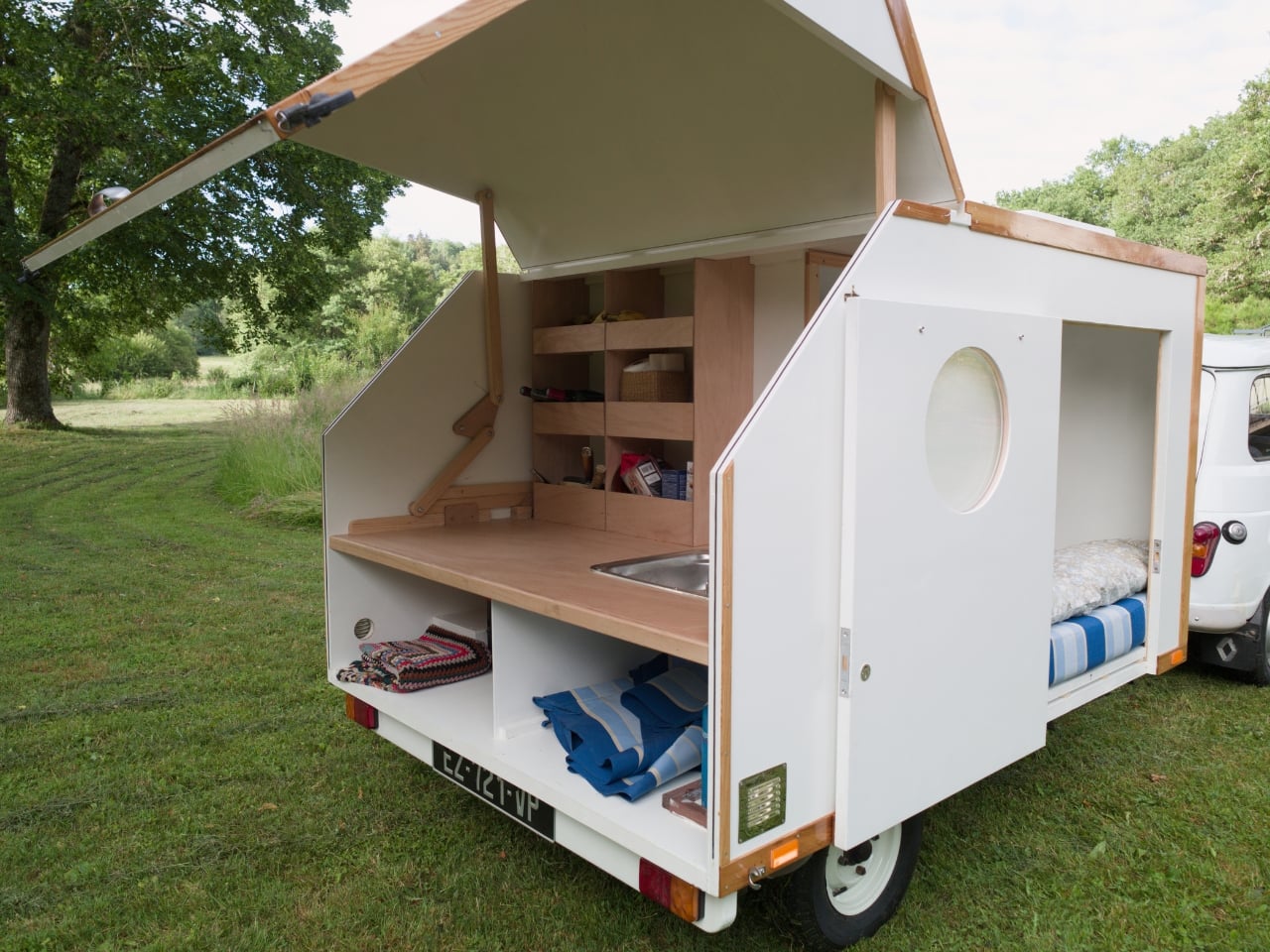
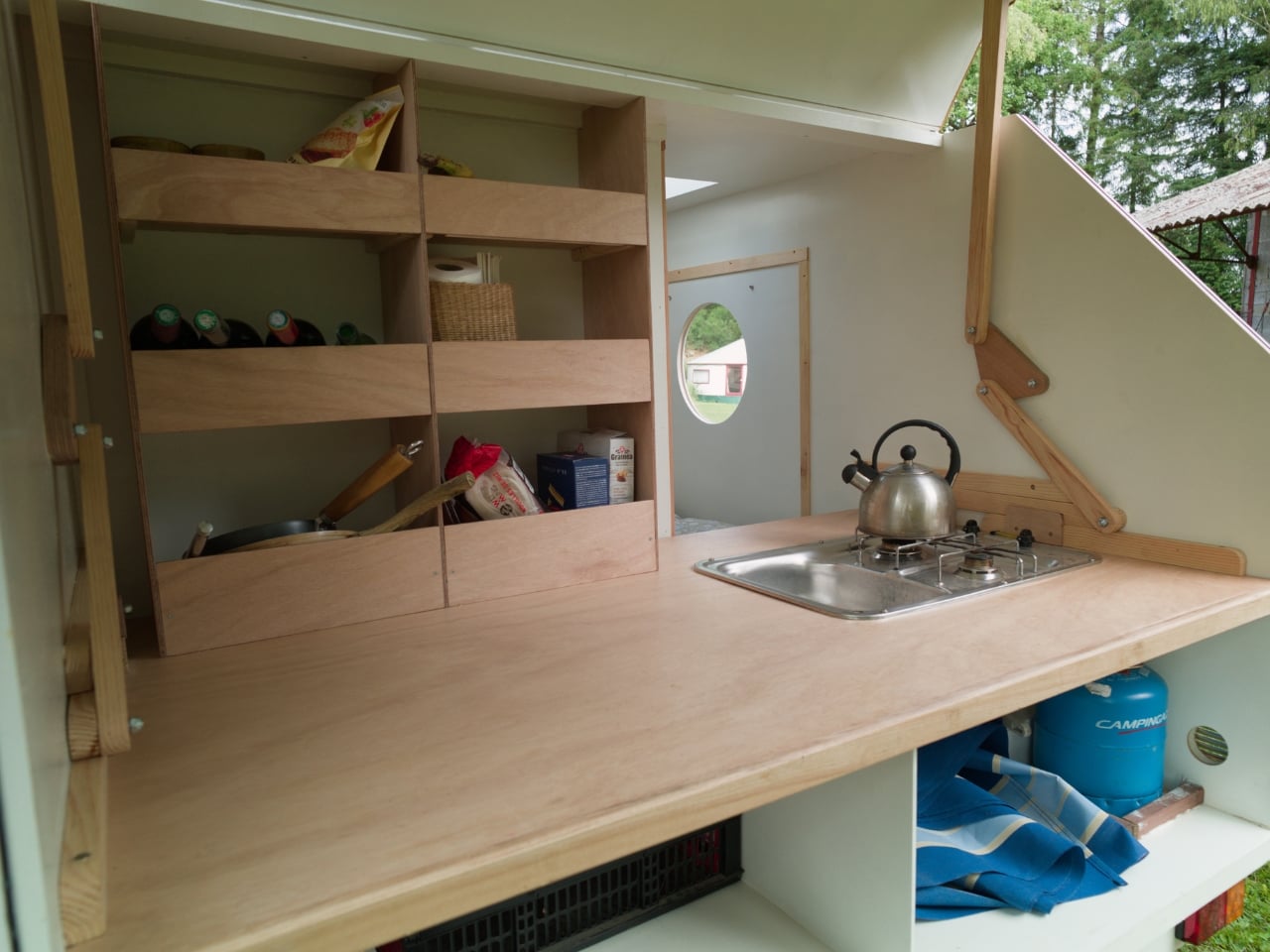
The interior is brightly lit and, more importantly, designed with access to the galley area, a feature lacking in most similar campers. It sounds like a minor convenience until you’ve actually spent a grey afternoon at a campsite fumbling with a portable stove in the rain, trying to figure out where you put the matches. The fact that you can make tea without needing to go outside changes the tone of the entire trip. It’s not luxury, exactly. It’s the difference between enduring camping and actually enjoying it.
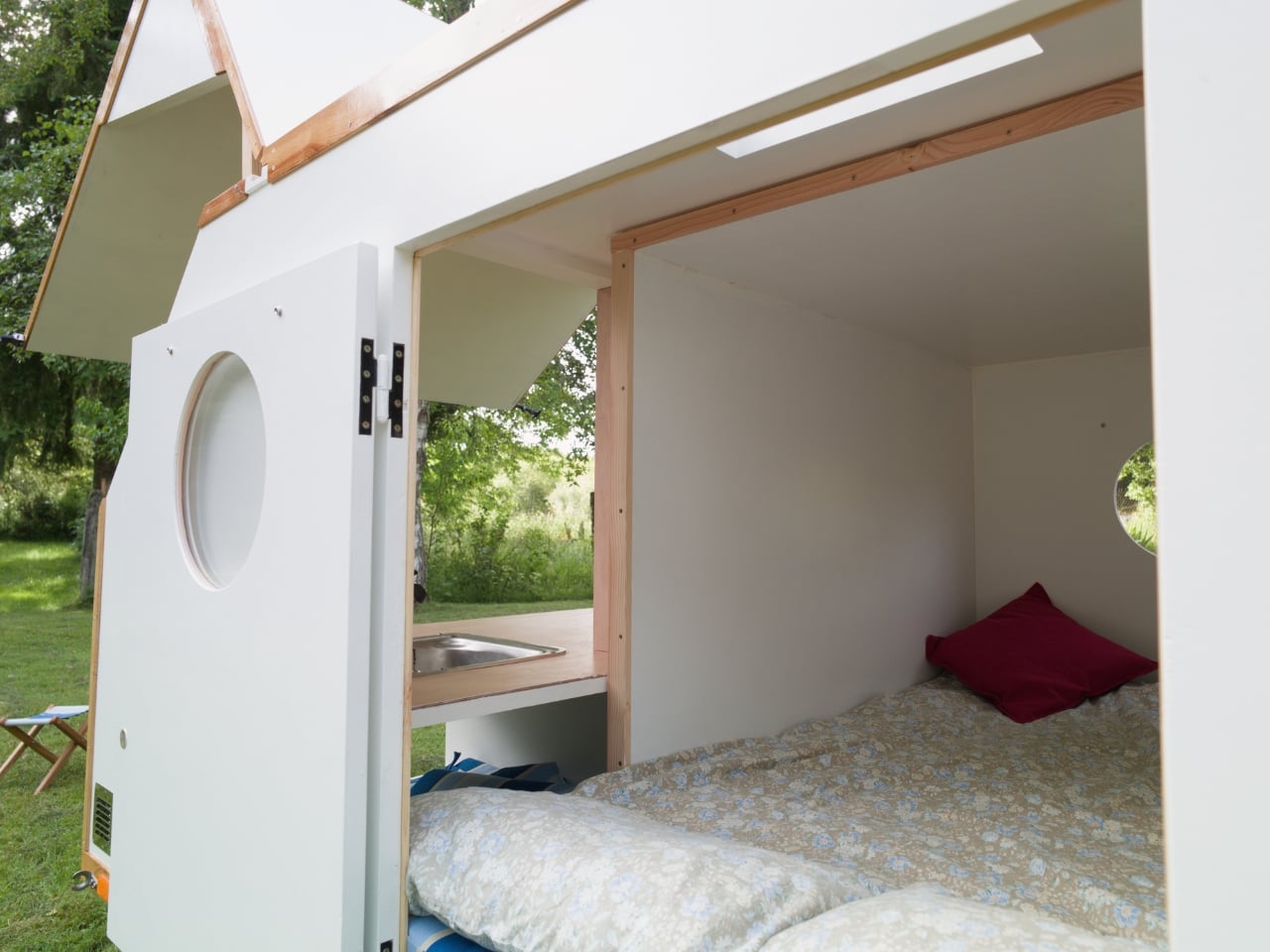
Under the rear hatch, there’s plenty of headroom, and with the simple addition of a curtain the area becomes a private place to change or even shower. The galley itself is generously proportioned for its footprint, with a good-sized work surface and massive storage below. Benjamin has clearly prioritised what people actually need over what could theoretically be crammed into a small box. That restraint, in design, usually signals confidence.
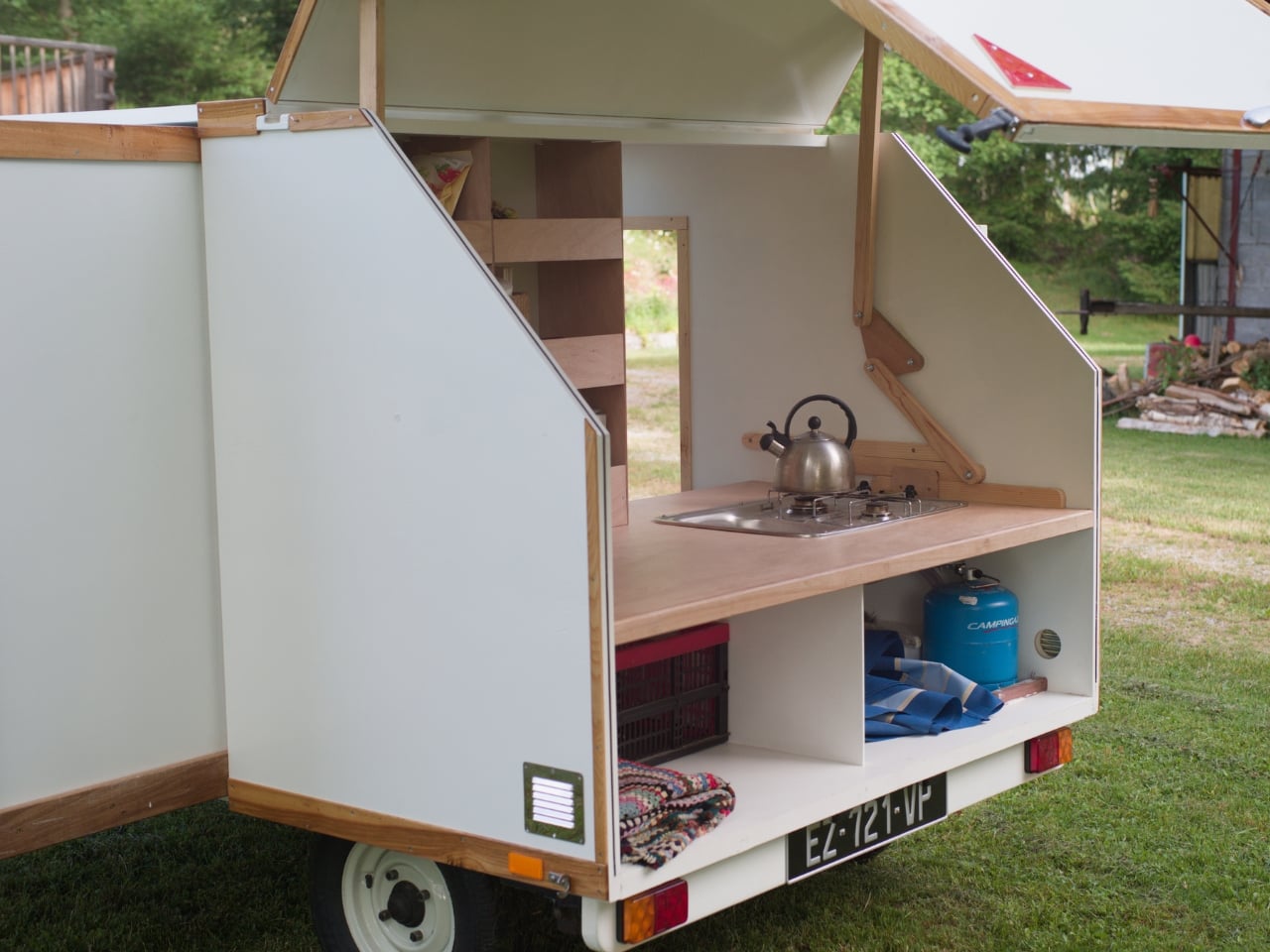
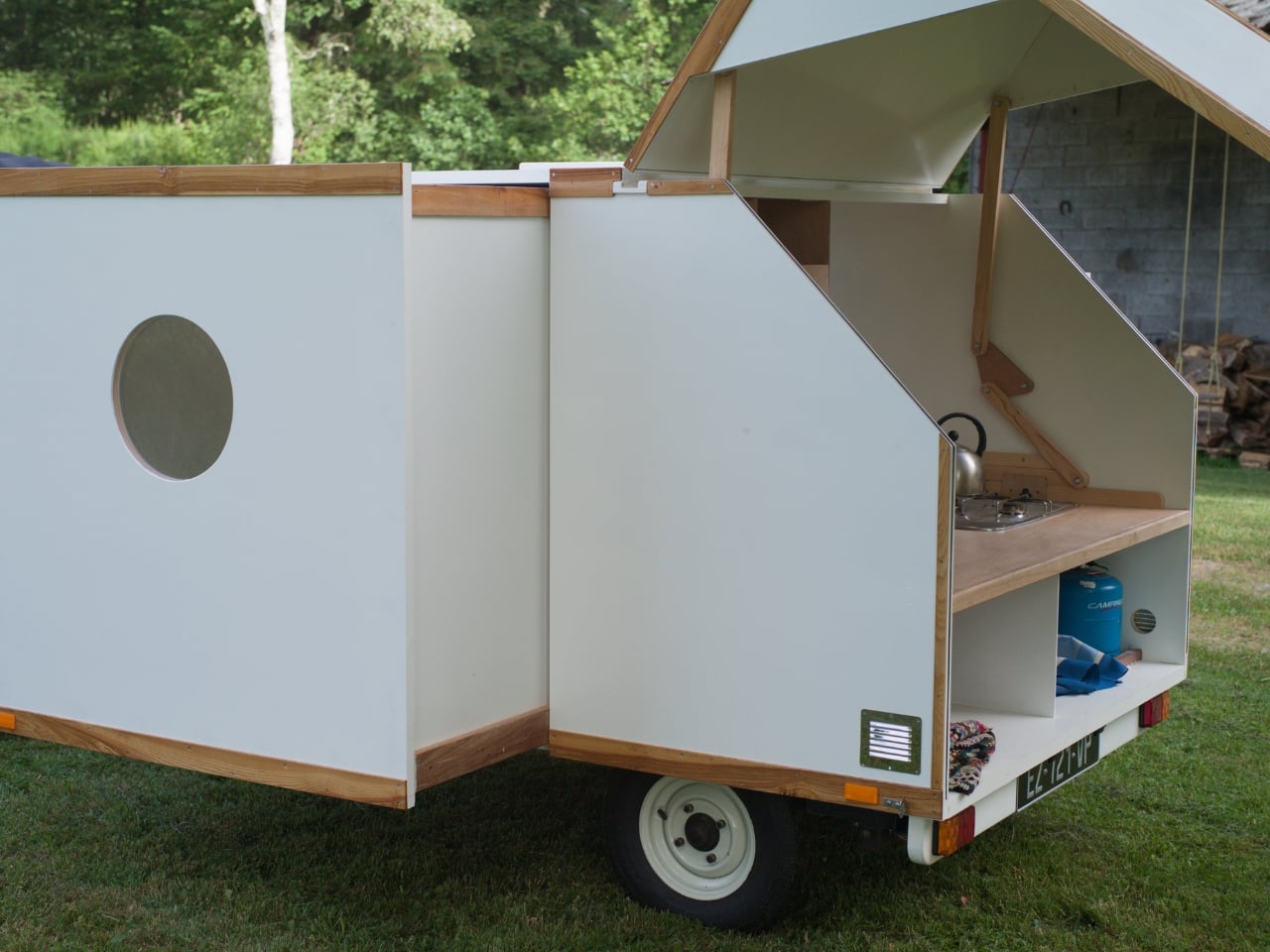
The other thing worth noting is that the Slidabox is designed to be built, not just bought. Woodenwidget sells plans, not a finished product. It can be built using metric or imperial materials on just about any small trailer, and the comprehensive illustrated plans explain every step in great detail, with additional guidance on materials and tool use. For every set of plans sold, Woodenwidget plants five trees. That last detail probably shouldn’t move me as much as it does, but here we are.
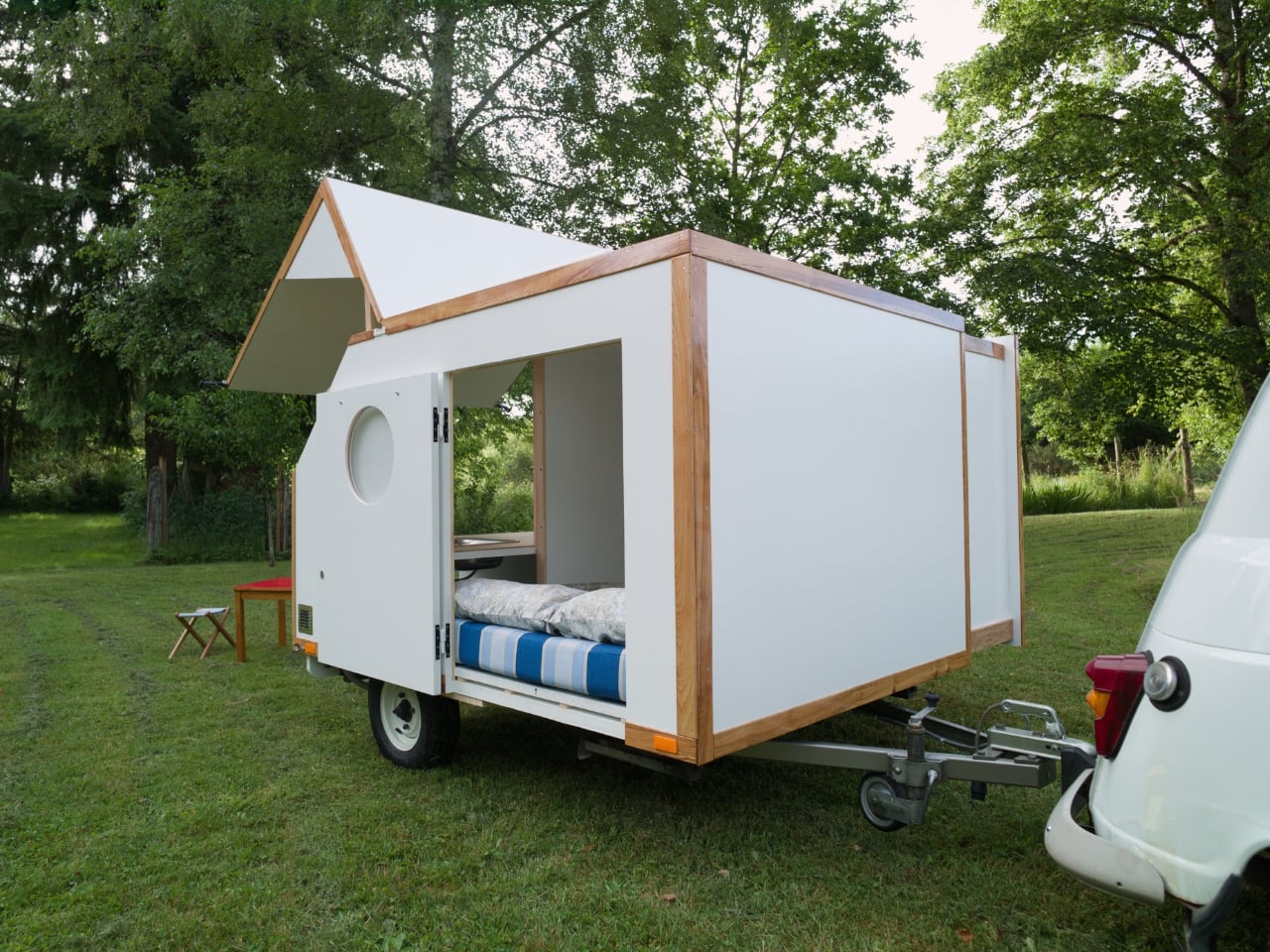
The DIY angle will put some people off, and that’s fair enough. Not everyone wants to spend weekends in a garage working from plans. Building your own caravan requires time, tools, and a real commitment to the process. But for those who are drawn to that kind of making, the Slidabox offers something that ready-made alternatives rarely can: a direct relationship between the builder and the thing they’ll eventually sleep in. You know every seam. You understand exactly how it holds together because you put it together yourself. That’s a different kind of ownership.
Twenty years is a long time to keep producing genuinely interesting small-space designs without retreating into gimmick territory. The Slidabox is proof that Robin Benjamin and Woodenwidget haven’t run out of ideas yet. If anything, it suggests they’re just getting started with them.