Most portable tech exists on a spectrum of compromise. It is either capable but too heavy, light but too fragile, or designed so carefully for the desk that the real world breaks it within a year. The products in this list started from a harder question — what does this need to survive a construction site, a remote field deployment, or a category-five weather event — and solved backward from there. The answers turned out to be better than anything built with easier conditions in mind.
What happens when you build something to those standards and then bring it somewhere ordinary is the story this list is actually telling. An 800-nit gloved-touch tablet designed for warehouse logistics turns out to be the best thing you can take camping. A power bank built to disappear into a pocket started life as a silicon-carbon engineering challenge. Extreme design requirements have a way of producing exceptional objects, and the people who benefit most are the ones who never set foot on a job site.
1. Lenovo ThinkTab X11
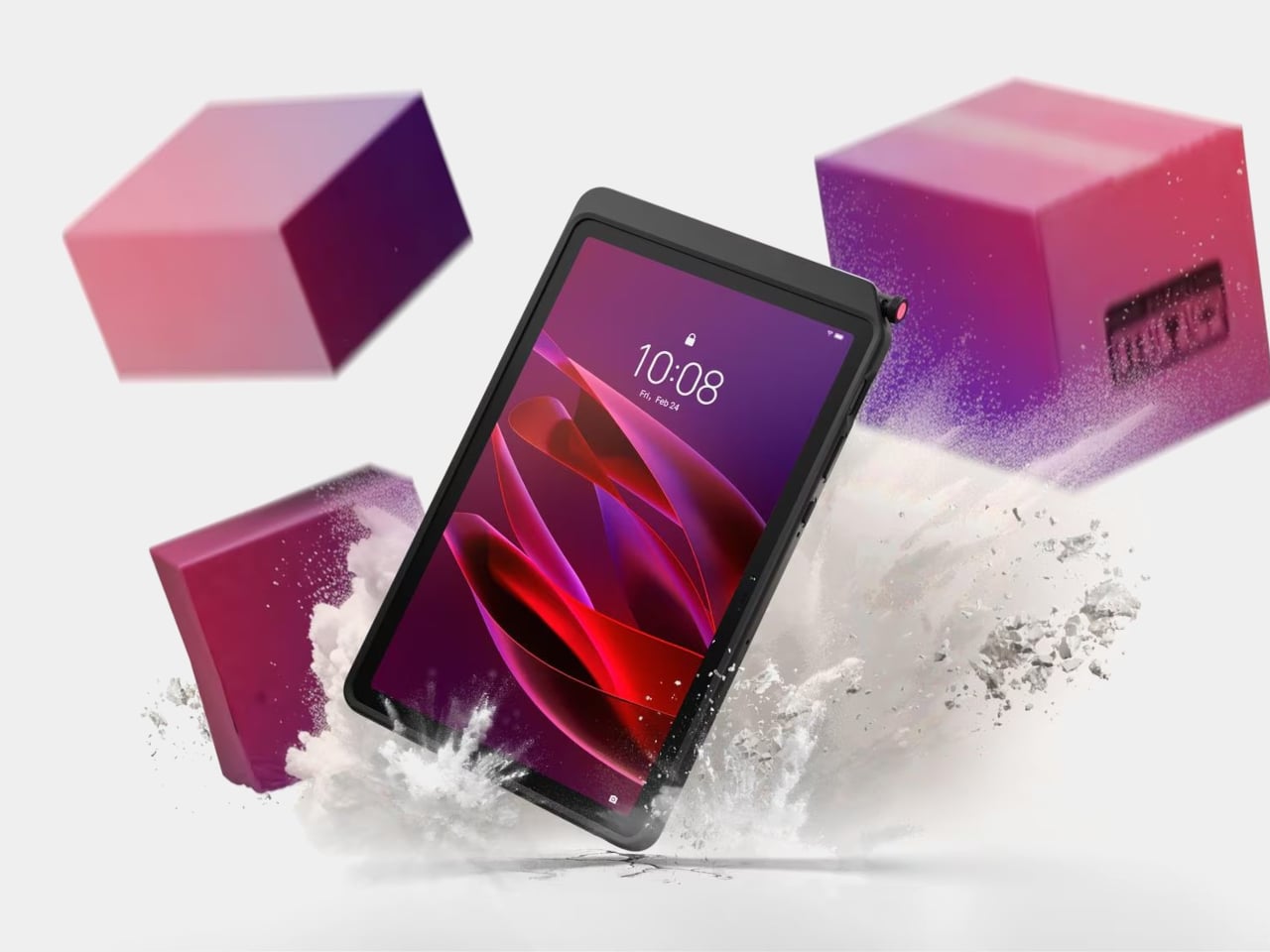
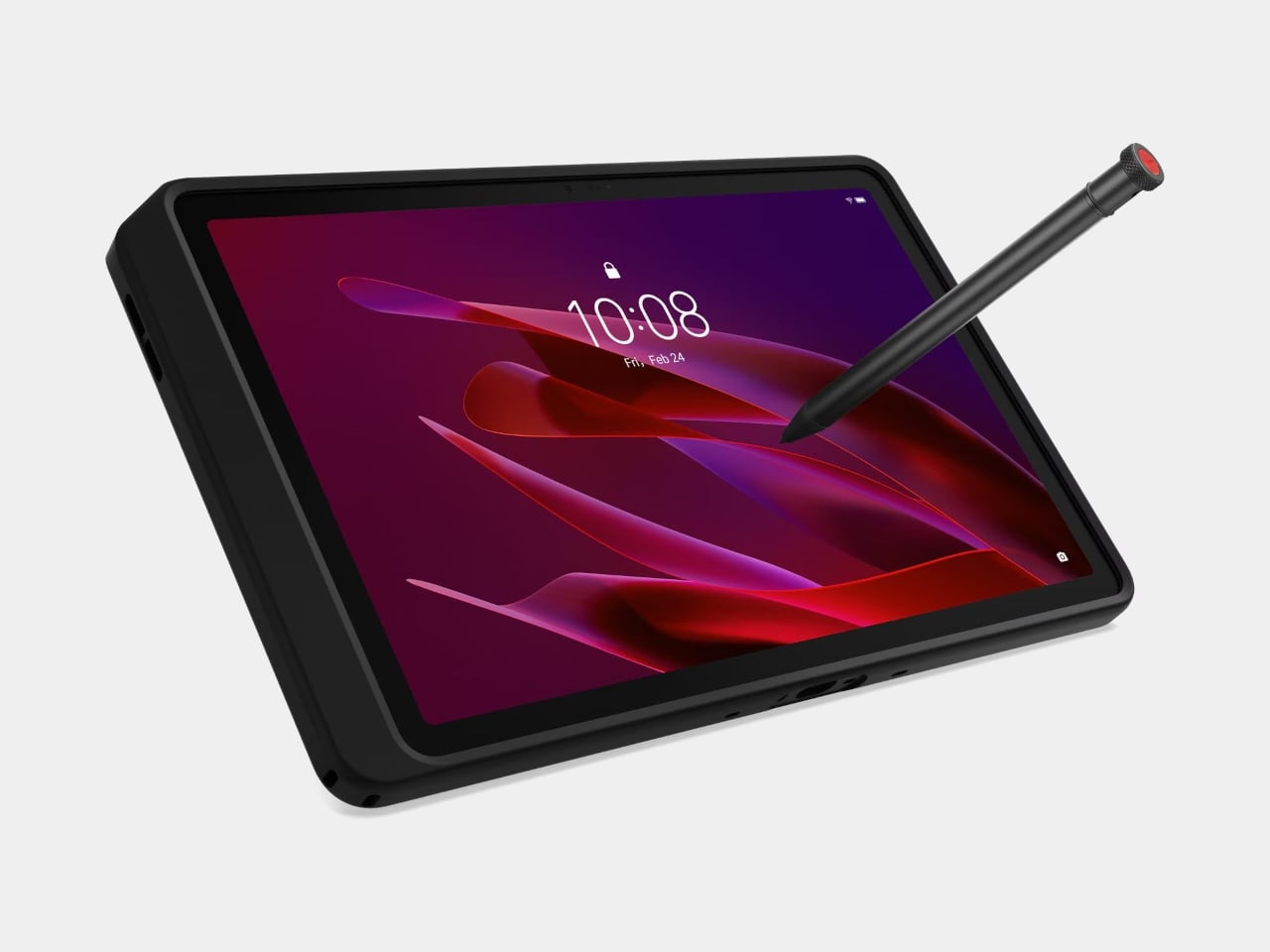
The ThinkTab X11 is the first device to carry Lenovo’s Think name in rugged Android territory, and it makes a strong case for why that should have happened sooner. At $499, it brings MIL-STD-810H certification, IP68 water and dust resistance, a 10.95-inch 90Hz display running at up to 800 nits behind Corning Gorilla Glass, and a touch layer calibrated for gloved hands and wet fingers. These are the specifications that matter on a logistics dock, but they matter just as much on a camping trip, a rainy commute, or the moment a tablet slides off a kitchen counter at exactly the wrong angle.
The design decision that separates it from everything else at this price is the battery. A 10,200mAh cell removes without tools through a screwless mechanism that lets a worker swap a depleted pack for a fresh one mid-shift without losing a step. It goes further with a battery-less operating mode: when mounted in a vehicle or fixed workstation, the ThinkTab X11 runs directly from DC power with no battery installed at all, reducing heat during continuous use and removing battery degradation from fixed deployments entirely. These are not features written for enterprise procurement brochures. They are simply better answers to how devices actually get used.
What we like:
- Screwless hot-swap battery, and battery-less DC operating mode solve power dependency where it starts, rather than managing around it
- MIL-STD-810H and IP68 certification delivered at a price point significantly below comparable enterprise hardware
What we dislike:
- The included rugged case adds substantial thickness compared to consumer tablets of similar screen size
- Rugged form factor and enterprise-first design language may feel over-specified for casual home use
2. OrigamiSwift Foldable Mouse


A full-sized mouse that folds completely flat is a more radical design proposition than it sounds. Most portable mice solve the carry problem by making the mouse smaller, which just trades one compromise for another and leaves you working on a cramped surface. The OrigamiSwift, designed by Horace Lam and drawing on the structural logic of origami, keeps the mouse full-sized in use and removes the footprint entirely when you’re done. A triangular structure that locks open with a satisfying click and collapses flat in a single motion is the kind of mechanism that makes every other portable mouse feel like an incomplete answer.
At $85, the Bluetooth connection is seamless, and the tracking is accurate enough for a full workday, but the real value is what it does to your bag. Most portable mice shift bulk from the desk into a dedicated pocket. The OrigamiSwift genuinely disappears — flat enough to slip between a laptop and a notebook without reorganizing anything. For anyone working across multiple locations, hot-desking in office environments, or simply refusing to carry more than a bag actually requires, it is the mouse that finally solves the carry problem without asking you to accept smaller performance as the price.
What we like:
- Folds completely flat without sacrificing full-sized performance or reliable Bluetooth tracking across devices
- Triangular origami structure locks securely open and collapses cleanly in a single motion every time
What we dislike:
- The folding mechanism requires brief adjustment for users accustomed to a traditional fixed mouse shape
- Limited color options compared to the wider range available with standard portable mouse alternatives
3. HMD Terra M
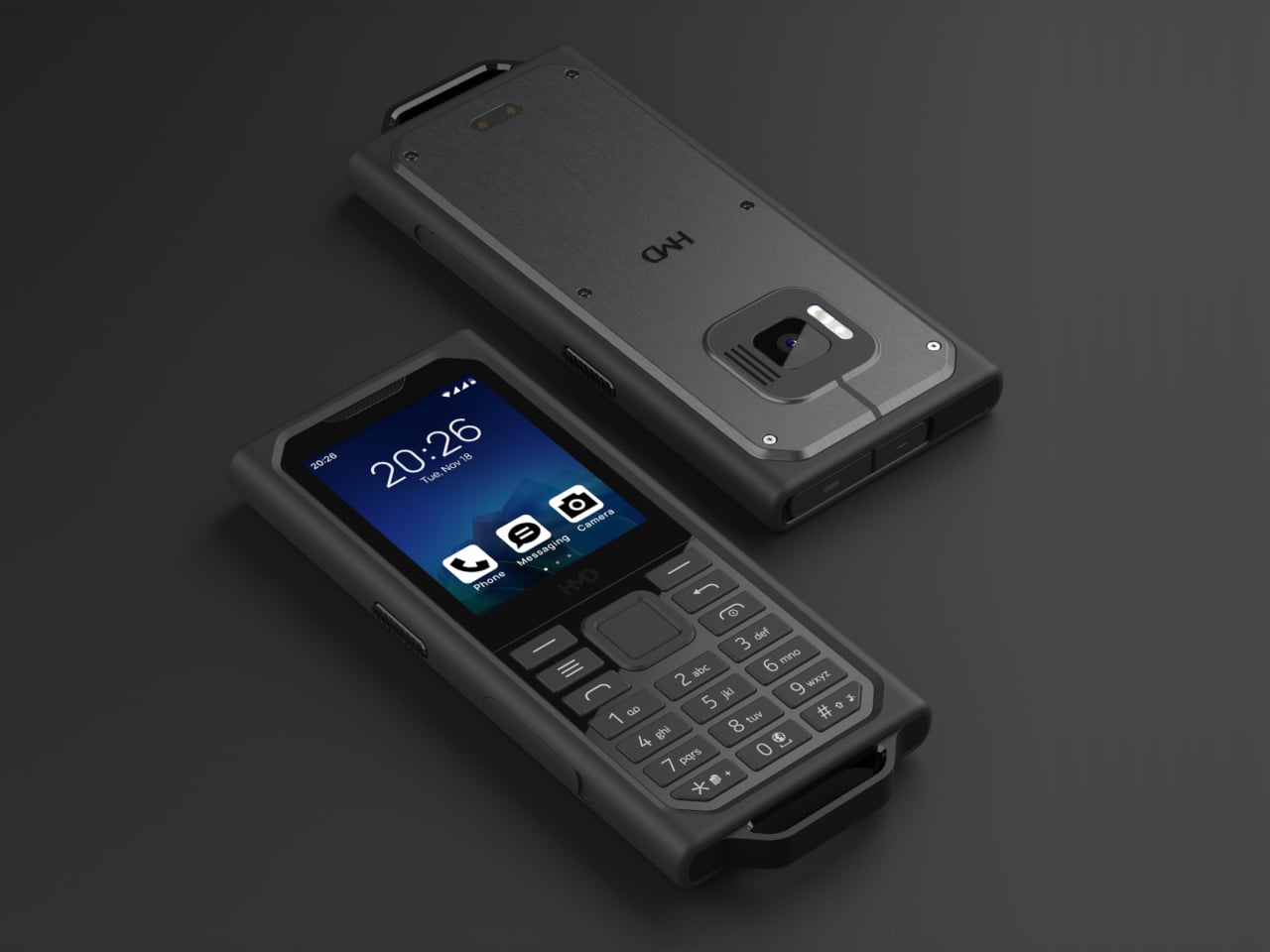
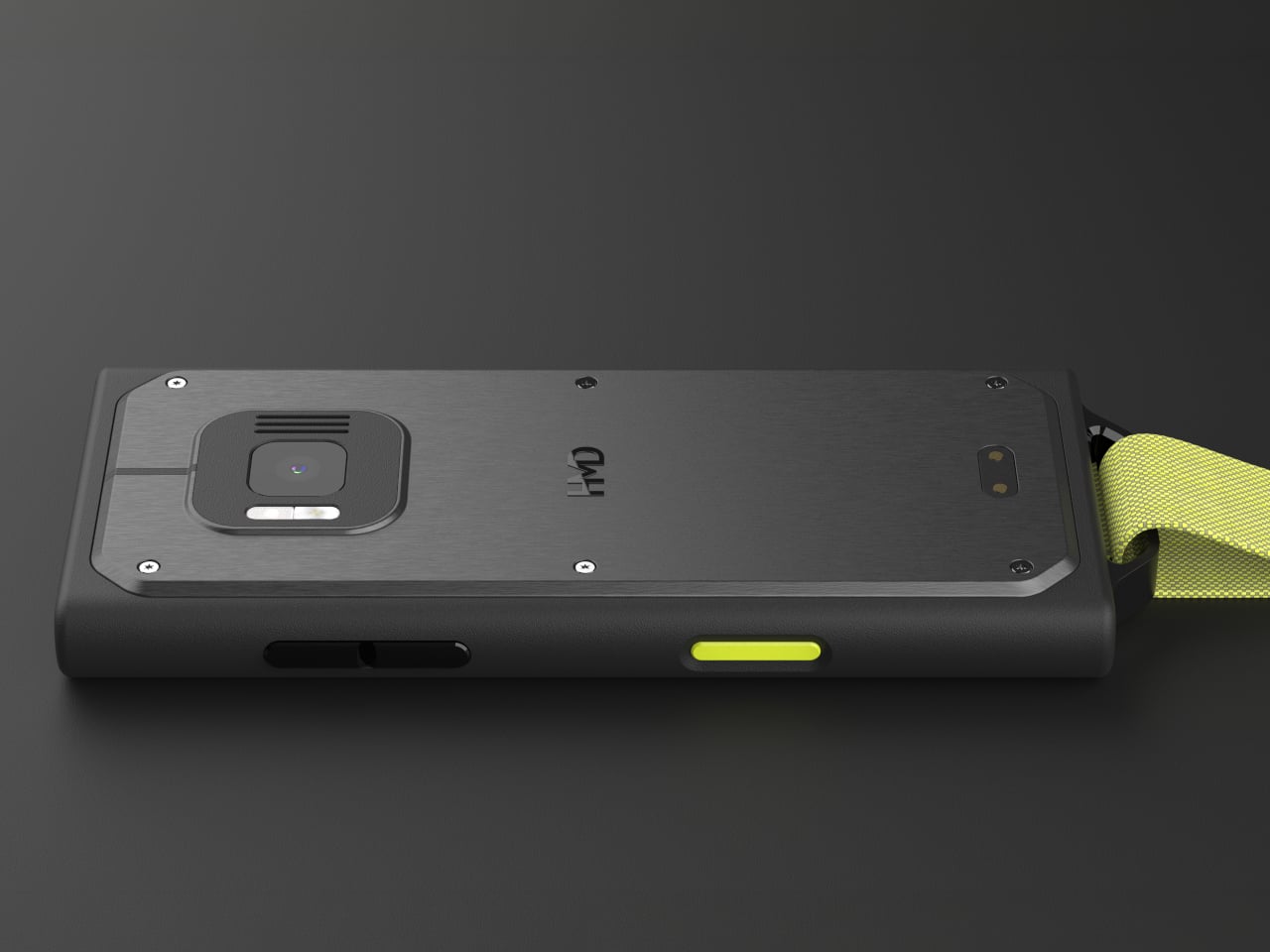
Most rugged phones solve the wrong problem. They add external armor, lose usability, and end up too bulky to carry without making a deliberate statement about it every time it comes out of your pocket. The HMD Terra M builds its field credentials directly into the design rather than bolting them on afterward. IP68 and IP69K ratings cover submersion and high-pressure water jets at 100 bar and 80 degrees Celsius. MIL-STD-810H military certification covers drop resistance from 1.8 meters. Resistance to gasoline, industrial solvents, and medical-grade sanitizers completes a durability profile that most flagship phones would quietly fail to meet.
Where it builds genuine daily value is in the smaller decisions. Large physical keys respond to gloved hands when fingers are too cold or too wet for a touchscreen to register. A 550-nit display behind Corning Gorilla Glass 3 reads clearly in direct sunlight without shielding it with your hand. A non-slip textured grip reduces the fumbling that costs seconds in a fast-moving work environment. All of that translates directly to everyday life without requiring any adjustment. The Terra M does not care whether you are wiring a commercial building or navigating a trailhead in autumn rain.
What we like:
- IP68, IP69K, and MIL-STD-810H certifications handle conditions that eliminate most consumer devices from consideration
- Glove-compatible physical keys and a high-brightness display designed for real-world outdoor and industrial use
What we dislike:
- The 2.8-inch screen limits usefulness for media consumption and app-heavy daily workflows
- The feature phone format means a second smartphone is still necessary for full platform functionality
4. Xiaomi UltraThin Magnetic Power Bank 5000
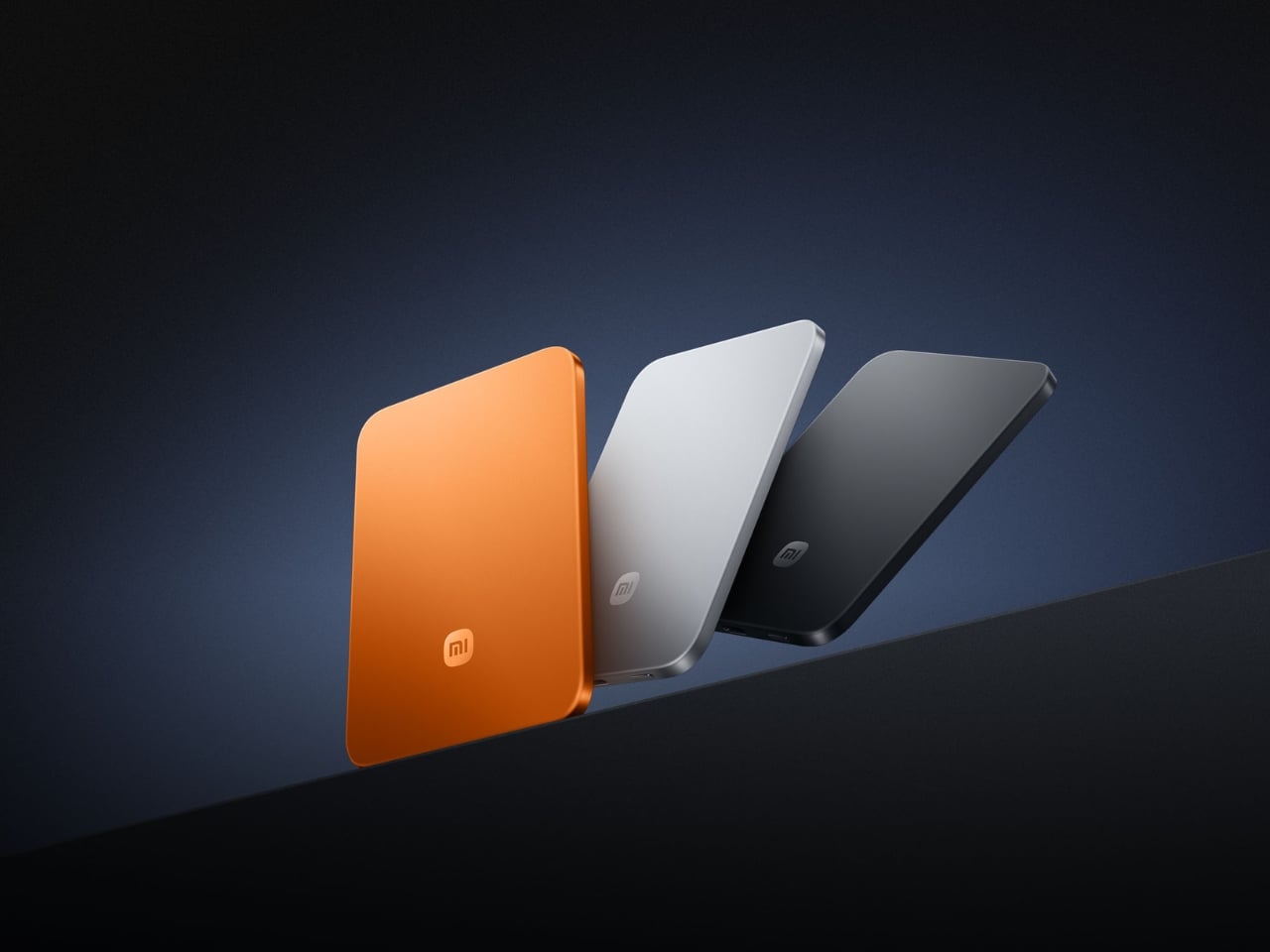
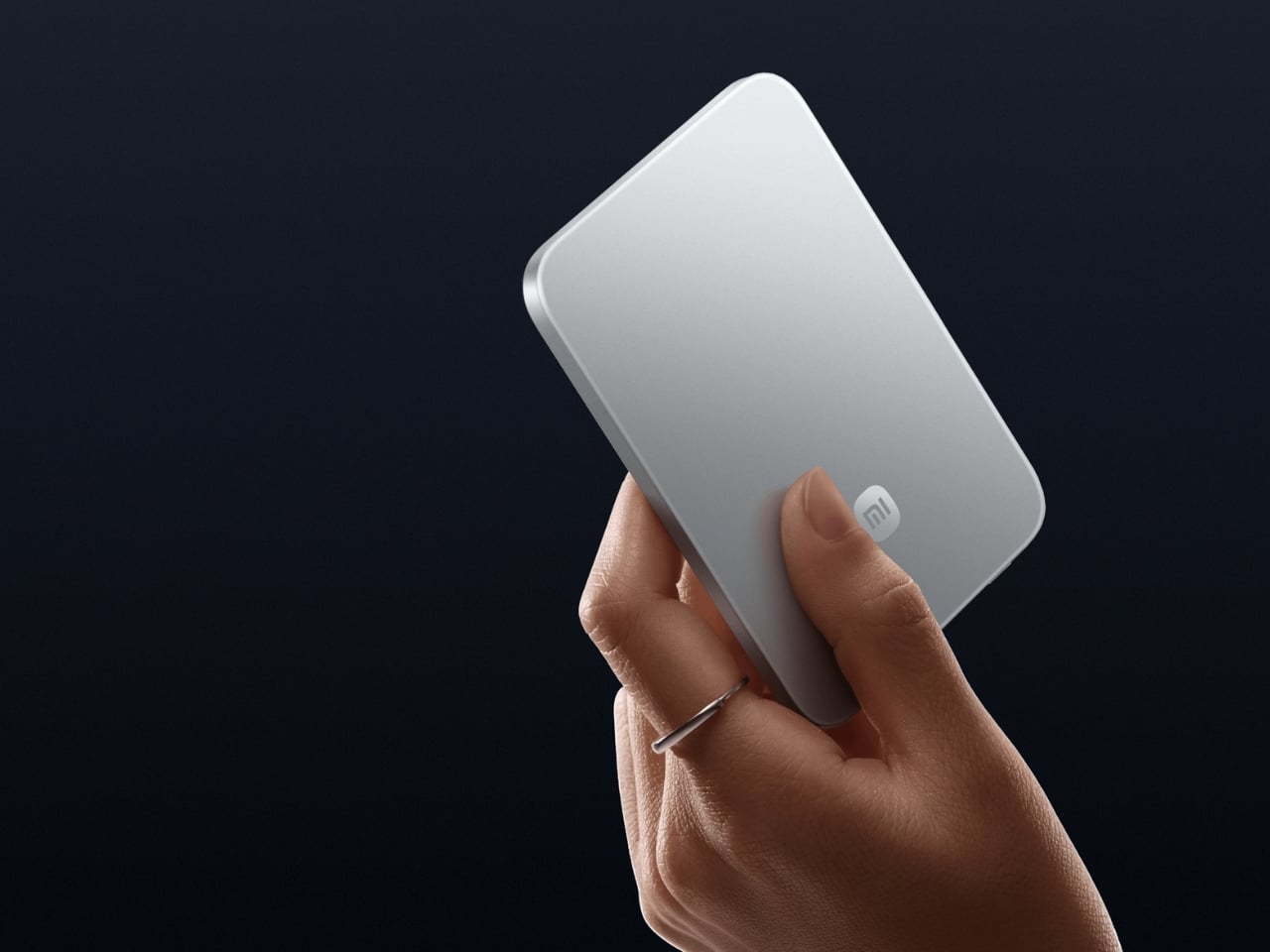
A 6mm power bank sounds like a specification claim until you hold one and feel that it is thinner than the phone you are about to charge. The Xiaomi UltraThin Magnetic Power Bank weighs 98 grams, makes a 5,000mAh capacity possible at that profile through silicon-carbon battery chemistry at 16 percent silicon content, and wraps it in an aluminum alloy shell with a fire-resistant fiberglass phone-facing surface. A photolithographically etched logo is the kind of finishing detail that signals a product someone cared about making, not just engineering. Showcased at MWC 2026 in Barcelona and available in Europe at around 60 euros, it reached Japan and Australia first.
Snapping it magnetically to the back of your phone and forgetting it is there is the intended experience, and it earns that description. Up to 15W wireless output is available with the Xiaomi 17 series; iPhone users land at 7.5W due to Apple’s own MagSafe ceiling. A USB-C port handles 22.5W wired, and the bank charges two devices simultaneously when the situation calls for it. Ten layers of protection cover overvoltage, overcurrent, overheating, and short circuits, with dual NTC temperature sensors and a 4,369mm² graphite sheet managing thermal dissipation across the ultra-thin body. The power bank category spent years making capacity the story. Xiaomi carried the story instead.
What we like:
- At 6mm and 98 grams, it is genuinely the thinnest power bank available at this capacity level
- Silicon-carbon battery chemistry achieves 5,000mAh without the bulk that traditionally defines the category
What we dislike:
- iPhone MagSafe compatibility is capped at 7.5W due to Apple’s ecosystem restrictions, not Xiaomi’s
- 5,000mAh capacity will not fully recharge most current flagship smartphones from zero in a single pass
5. Battery-Free Amplifying iSpeakers
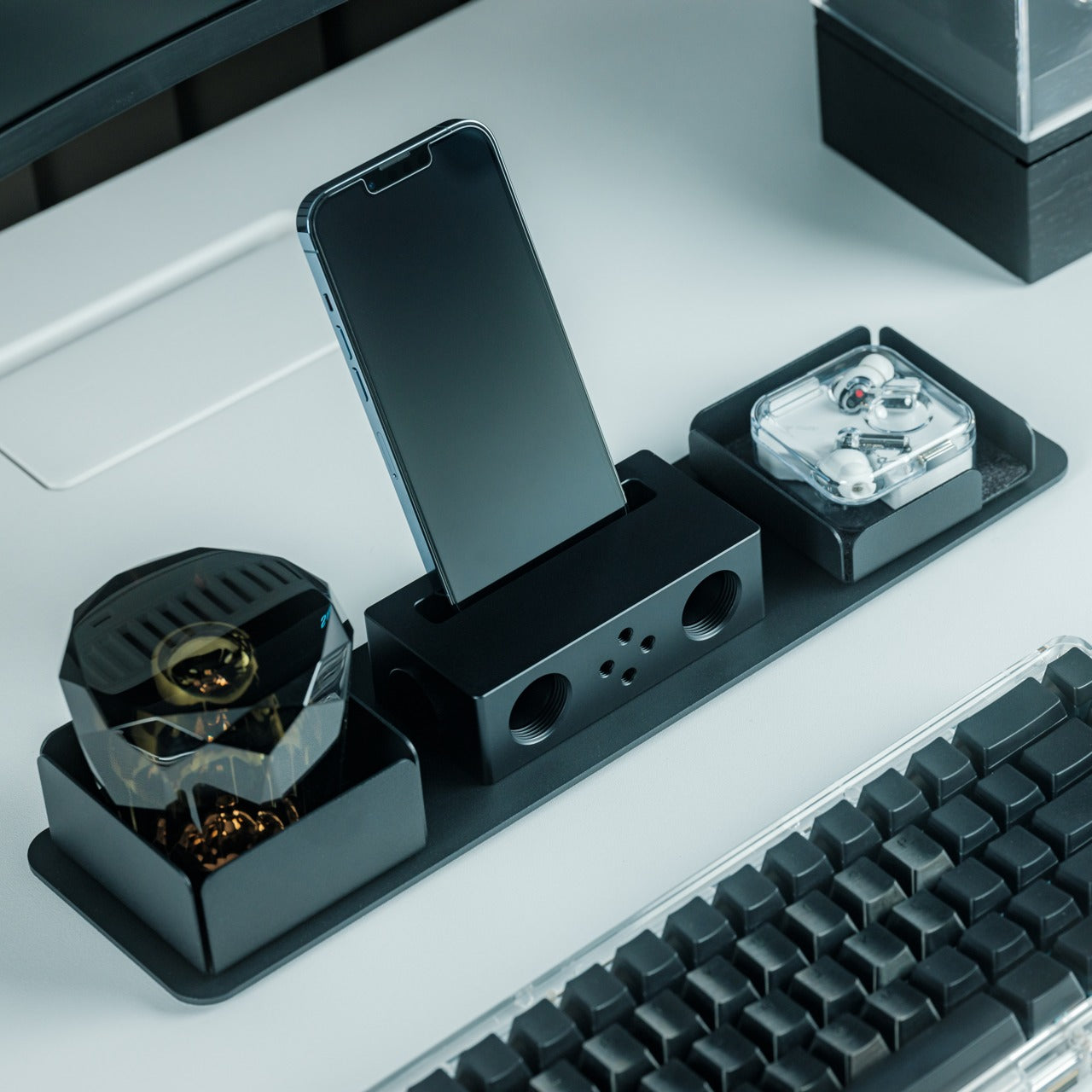
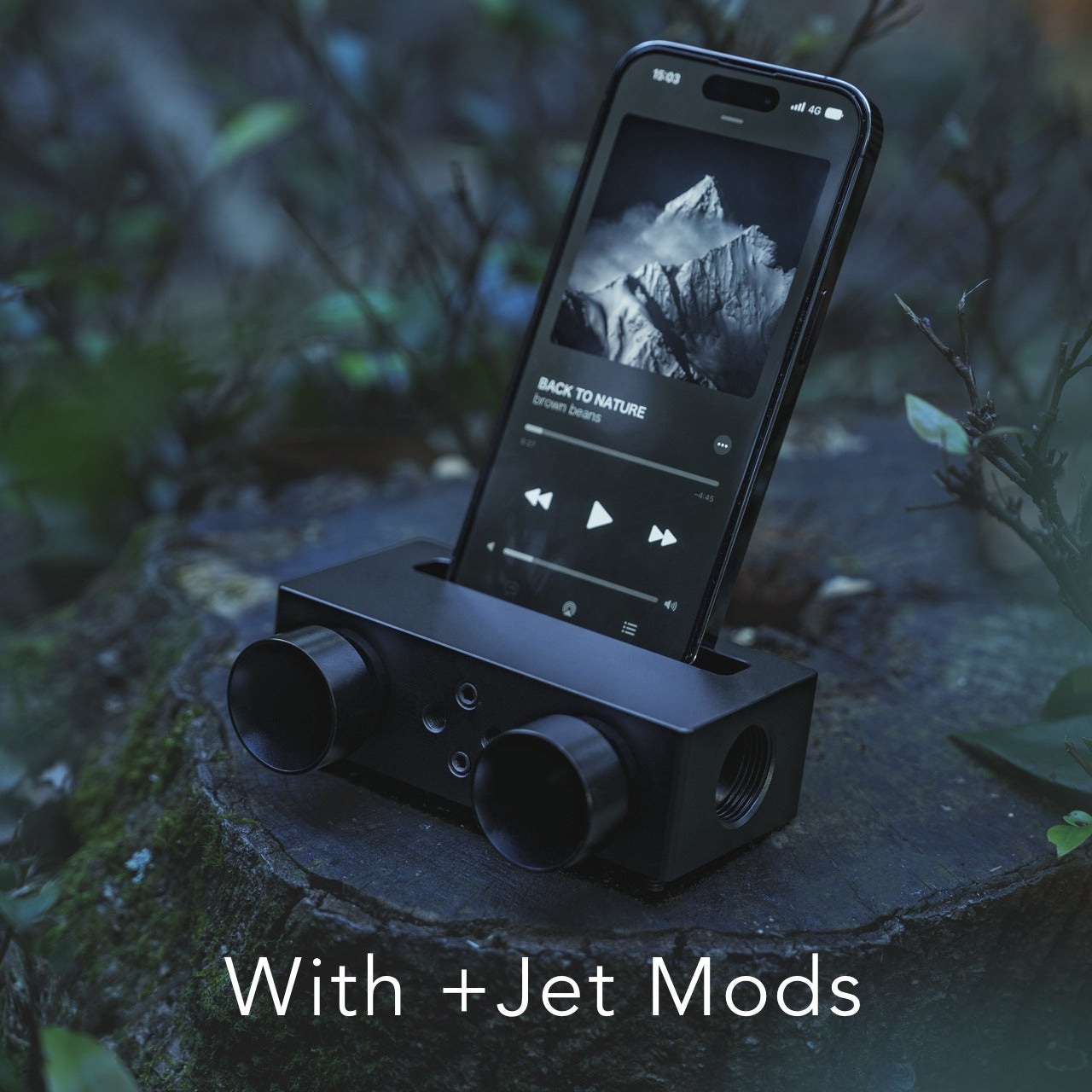
Every portable speaker eventually runs out of charge, usually at the exact moment you most want it not to. The Battery-Free Amplifying iSpeaker removes that problem by having no battery to run out. Set your phone into the slot and the Duralumin body — the same aircraft-grade aluminum alloy used in aerospace construction — channels your phone’s audio through its form, adding warmth and volume without drawing a single watt of power. Golden ratio proportions give it a visual presence on a surface that most speakers trailing cables and charging bricks never quite manage. At $299, it is considered an object as much as it is a functional one.
The simplicity is entirely deliberate, and it produces a kind of reliability that connected audio gear simply cannot replicate. There is nothing to configure, nothing to pair, and nothing to charge before you use it. It is ready at any moment, in any room, at any location, with no setup and no thought required. Optional Bloom and Jet modular accessories let you adjust how sound disperses if more directional control suits the space. For the home desk, the kitchen counter, the campsite table, or a van where an outlet is not guaranteed, this is the speaker that is always just there.
Click Here to Buy Now: $179.00
What we like:
- No battery, no electricity, and no pairing required — permanently ready with zero setup or maintenance overhead
- Aircraft-grade Duralumin shaped to golden ratio proportions earns permanent shelf or counter placement as a display object
What we dislike:
- Amplification quality is entirely dependent on the output of your phone’s own built-in speaker hardware
- Bloom and Jet modular sound-directing accessories that expand their utility are sold separately at additional cost
6. O-Boy Satellite Smartwatch
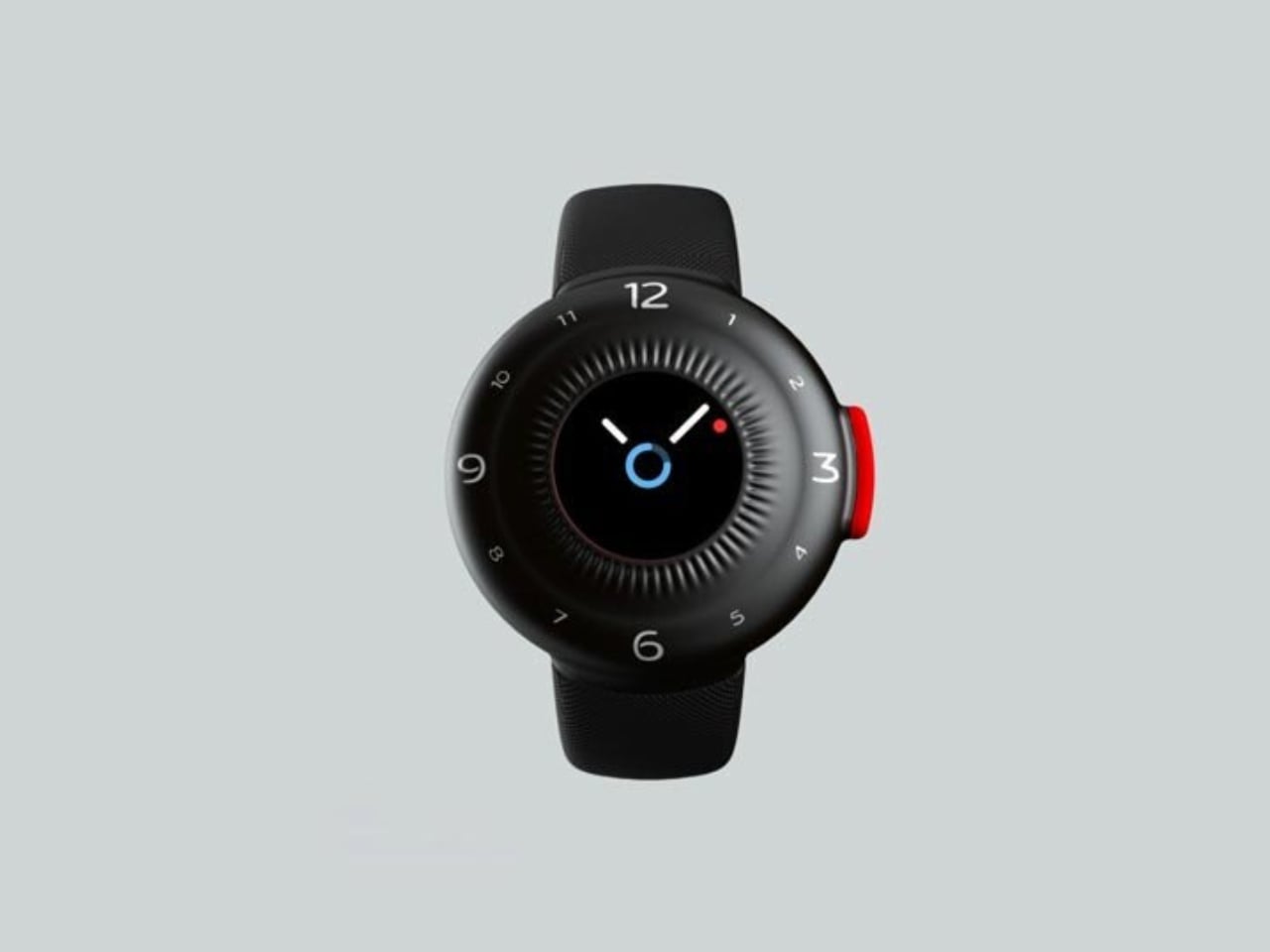
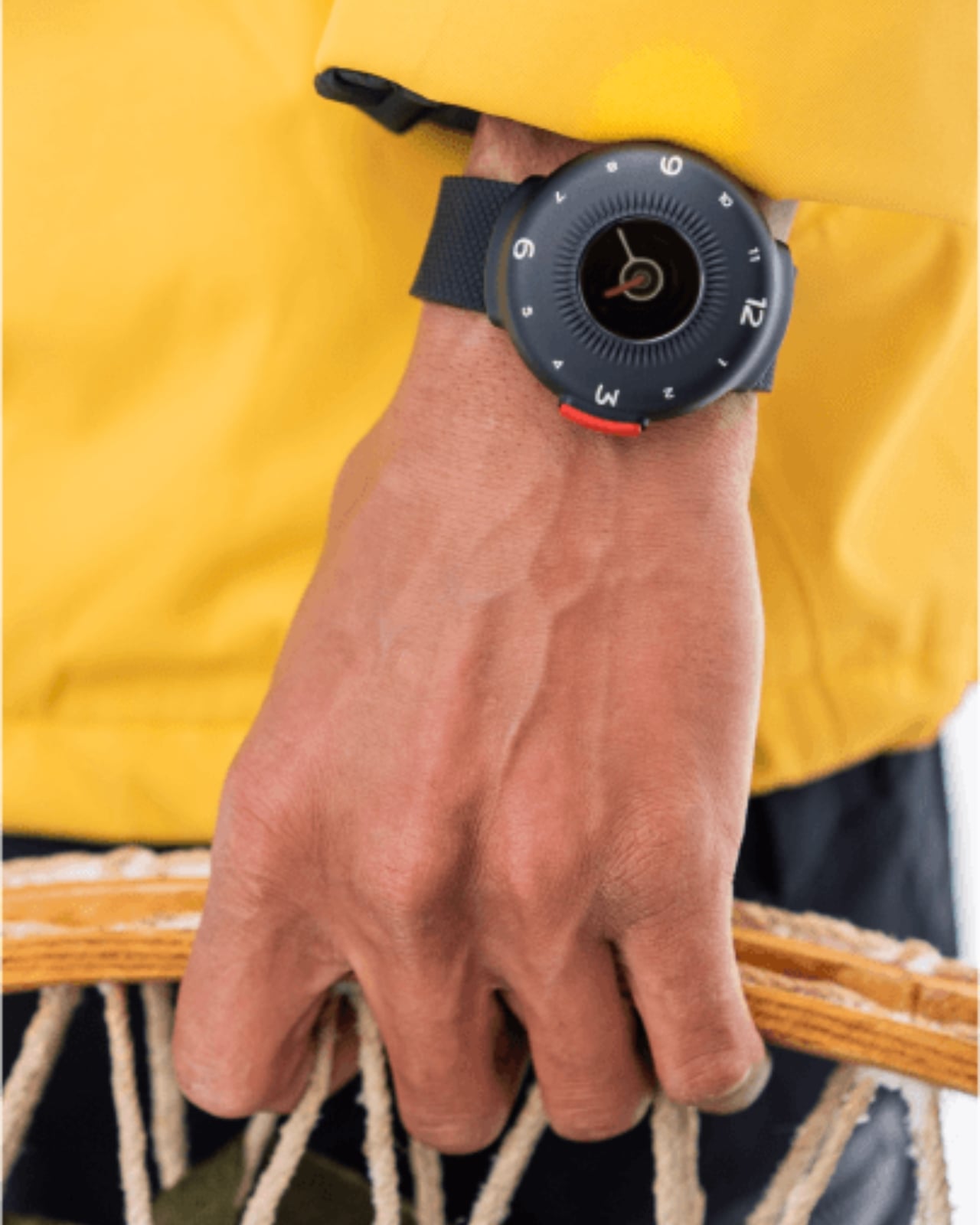
Most wearable safety technology carries its purpose visibly. It bulks up, goes tactical, and ends up being gear you wear only when you genuinely expect to need it. The O-Boy, developed by Brussels-based studio Futurewave, refuses that convention. It is a satellite-connected smartwatch that functions as a direct satellite communication link in environments where mobile networks simply stop existing — mountains, open ocean, remote construction and survey sites, maritime operations. The satellite connectivity transmits an emergency alert from anywhere on Earth, completely independent of carriers, towers, signal strength, or what infrastructure exists beneath your feet.
What Futurewave got right, beyond the technology, is the design brief. The O-Boy does not read as survival gear. It looks like something a person who regularly spends time in remote environments would choose to wear rather than something they reach for when a trip turns serious. That distinction matters more than it appears on the surface, because the people who most need a reliable safety layer are not all extreme athletes. They are field engineers, remote workers, offshore technicians, and anyone who has been somewhere and understood for the first time that their phone was not a plan. The O-Boy is built for all of them.
What we like:
- Satellite connectivity operates independently of mobile coverage in any location on the planet
- Design language is genuinely wearable across everyday and professional contexts without tactical visual signaling
What we dislike:
- Satellite communication requires an ongoing subscription service to remain active beyond initial setup
- Smartwatch battery management becomes a daily consideration for a device that functions as a primary safety tool
7. BLUETTI Handsfree 2 Solar Generator Backpack
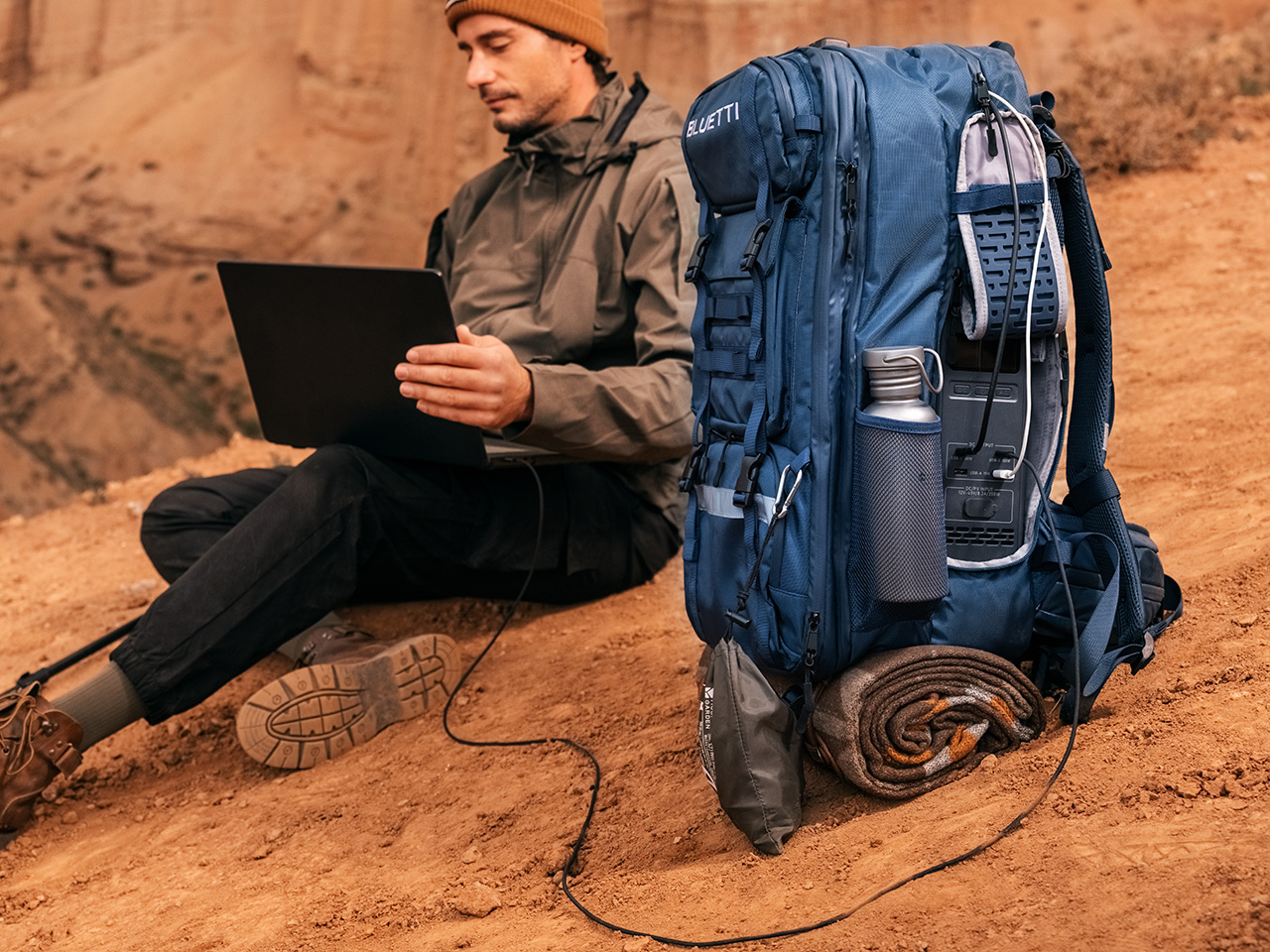
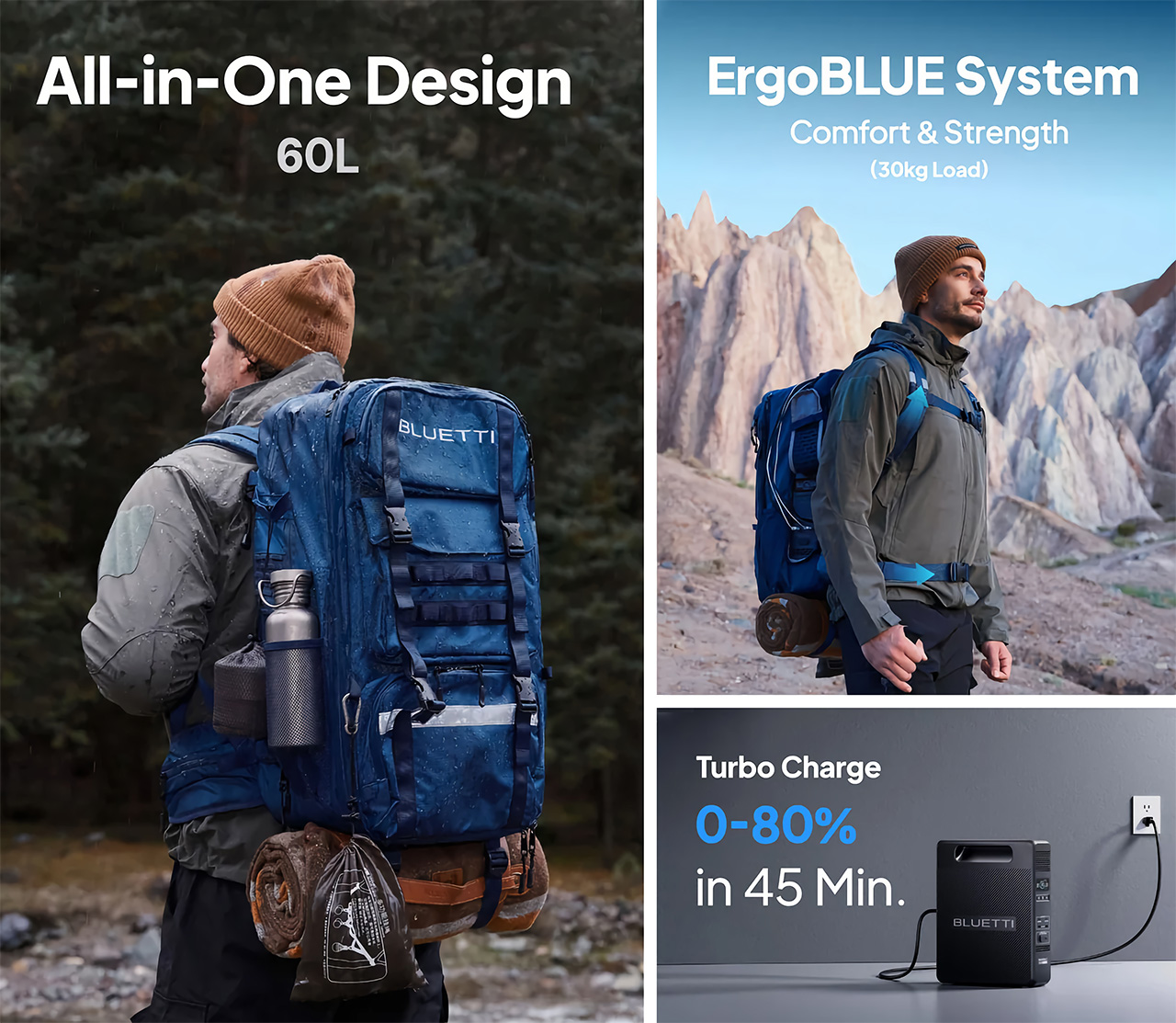
A 512Wh power station built into a 60-liter backpack is the kind of product that takes one sentence to explain and several minutes to fully appreciate. The BLUETTI Handsfree 2 integrates an LFP battery delivering 700W continuous output rated to 4,000 charge cycles at 80 percent capacity, dual 100W USB-C ports, dual USB-A, and a full AC outlet in a carry system that holds your gear alongside it. Solar panels mounted directly to the pack accept up to 350W of input, achieving a full charge in roughly three hours of sun. The design requirement that field workers never run out of power while moving produced something genuinely useful for everyone who moves.
The practical difference between this and a power station you remember to put in the bag is that the Handsfree 2 charges while you walk. Transit becomes charging time, which is a consequence of starting from job site requirements rather than outdoor recreation ones. Fragmented solar panel technology handles overcast days with reasonable efficiency. At 21.4 pounds for the full system, it is not a light carry, but for photographers hiking to remote locations, van-lifers managing continuous power, and digital nomads building a setup that never depends on finding an outlet, the BLUETTI Handsfree 2 changes the math on what portable power actually means.
What we like:
- Solar panels mounted to the pack charge the battery while walking, turning transit itself into productive charging time
- 4,000-cycle LFP battery is engineered for sustained daily use over years rather than seasonal or occasional carry
What we dislike:
- The full system weight of 21.4 pounds becomes a real consideration on longer trails or extended travel days
- Premium price sits well above basic portable power station alternatives, offering similar output specifications
The Job Site Always Had Better Design
The consistent argument running through all seven products is that designing for a harder use case raises the floor for everyone. A tablet engineered for warehouse logistics turns out to be the best device for a camping trip. A power bank built for engineering-grade thinness becomes the one you carry without noticing. A speaker designed around having no power source at all is the most reliable speaker you will ever own. Solving problems at the end of a use spectrum produces objects that handle everything beneath it without effort or exception.
None of these products asks you to care about where they came from. They simply work better because of it. The rugged phone that survives industrial solvents and 100-bar water jets does not need that context to be a better everyday companion — it just is one. That is the quiet argument this list makes, and it holds across every category here. The best portable tech you own was probably built, at some point, to answer a question far harder than the one you are currently asking it.