Most of us have made peace with ambient sound being a kind of elegant lie. The rain on your noise app isn’t real rain. It’s a carefully mastered recording, maybe spliced from a few different sessions, looped with enough craft that the seam is hard to find. It’s fine. It works. It gets you through the deadline or the insomnia or the open-plan office. But if you’ve ever listened long enough for the loop to reveal itself, you know the feeling: the spell breaks, and suddenly you’re just listening to a machine doing a trick. Mur Mur is trying to fix that, and the fix turns out to be a lot more interesting than I expected.
Designed by oio and mattering, two studios with very different but complementary practices, Mur Mur is a physical object (still in prototype) that holds a living, simulated world inside. Not a soundscape. Not a generative AI track. An actual world with terrain, weather, residents, and its own social rhythms. The sounds you hear are produced in real time as tiny digital agents move through their environment, interact with each other, and respond to whatever conditions are happening inside the simulation at that particular moment.
Designers: oio and mattering

There are three worlds to choose from. The Block is a compact city, with the morning rush, delivery robots, pigeons, and street musicians all running their own routines. The Plot is a forest, layered with birdsong and crackling leaves and the occasional footsteps of a lost hiker. The Pond is a water ecosystem, paced by waves, fish, ducks, and boats passing through. Every world sounds distinct, which is the obvious part. What’s less obvious is that every world sounds different every time you listen, because the simulation underneath it keeps running whether you’re paying attention or not.
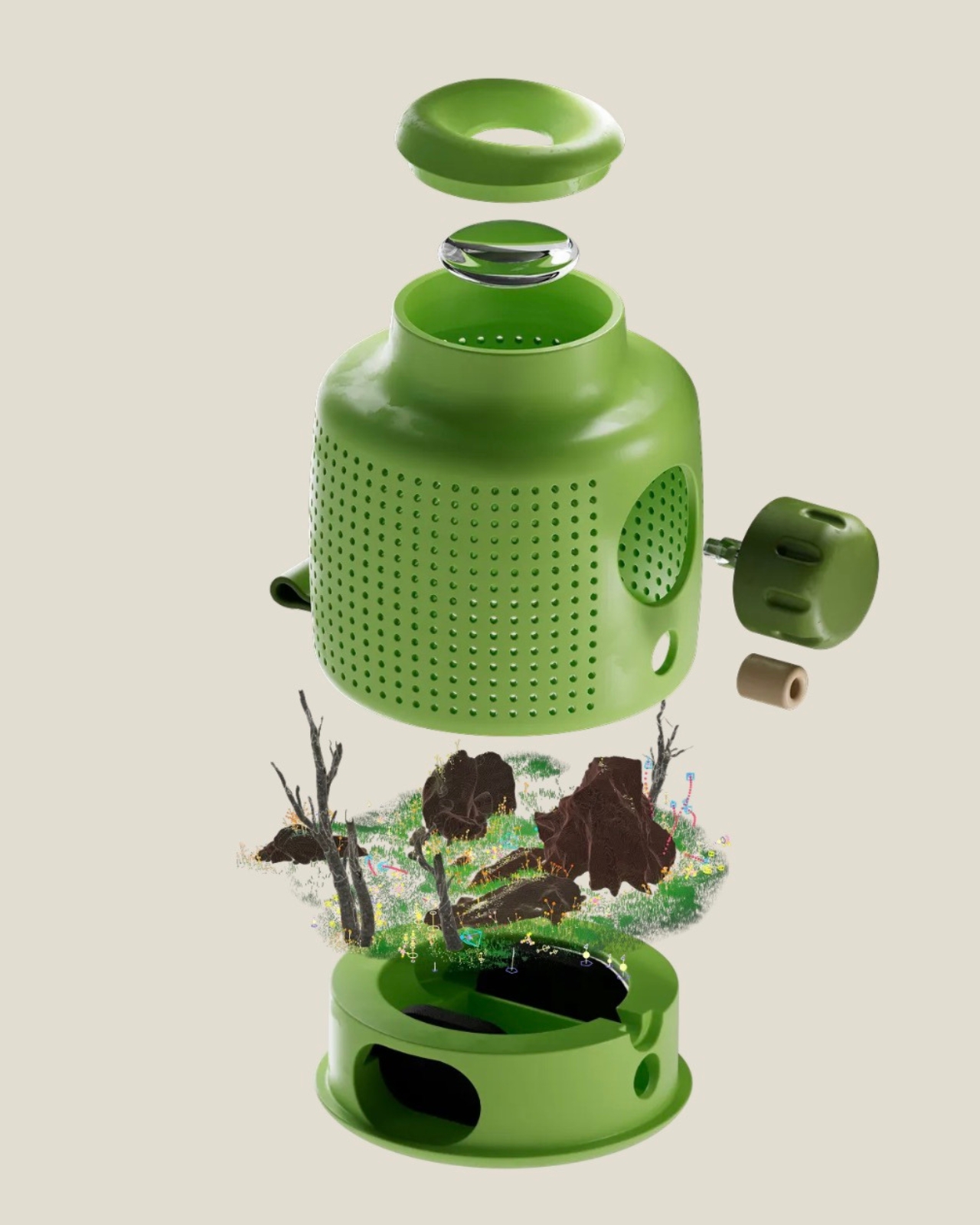
That detail matters more than it might seem. Mur Mur is not a product you control. You don’t press play, and you don’t press pause. The world inside it keeps going, and you either tune in or you don’t. The instruction on the site puts it plainly: don’t shake it, because there are living agents inside. It’s a funny thing to say about a piece of software, but it’s exactly the right way to describe what Mur Mur is actually doing.
The decision to build worlds rather than generate soundscapes was clearly a deliberate one. Generative AI audio has become its own crowded category, where you describe a mood or a setting and get back an endless ambient loop. oio and mattering went the other direction: instead of giving you a prompt box, they gave you a place. The result is a fundamentally different relationship with the object. You’re not commanding it. You’re sharing a space with it.
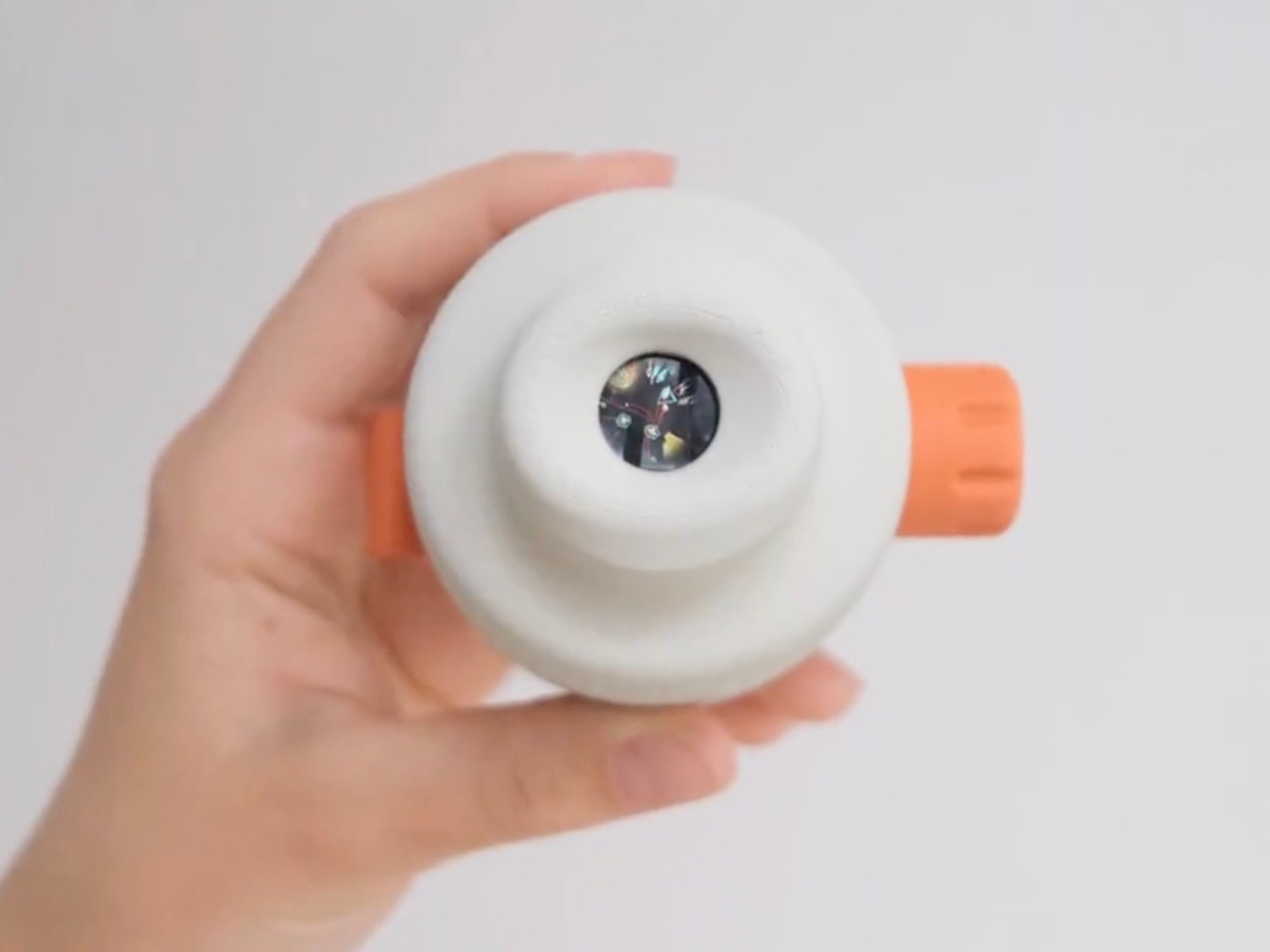
oio describes itself as a creative company on a quest to turn emerging technologies into an approachable, everyday reality, for humans and beyond. That description fits Mur Mur perfectly. Mattering works with art and advanced technology, translating emerging conditions into new creative languages. Their partners have ranged from IBM and Apple to Björk and Nike, a spread that tells you they don’t fit neatly into any single category.

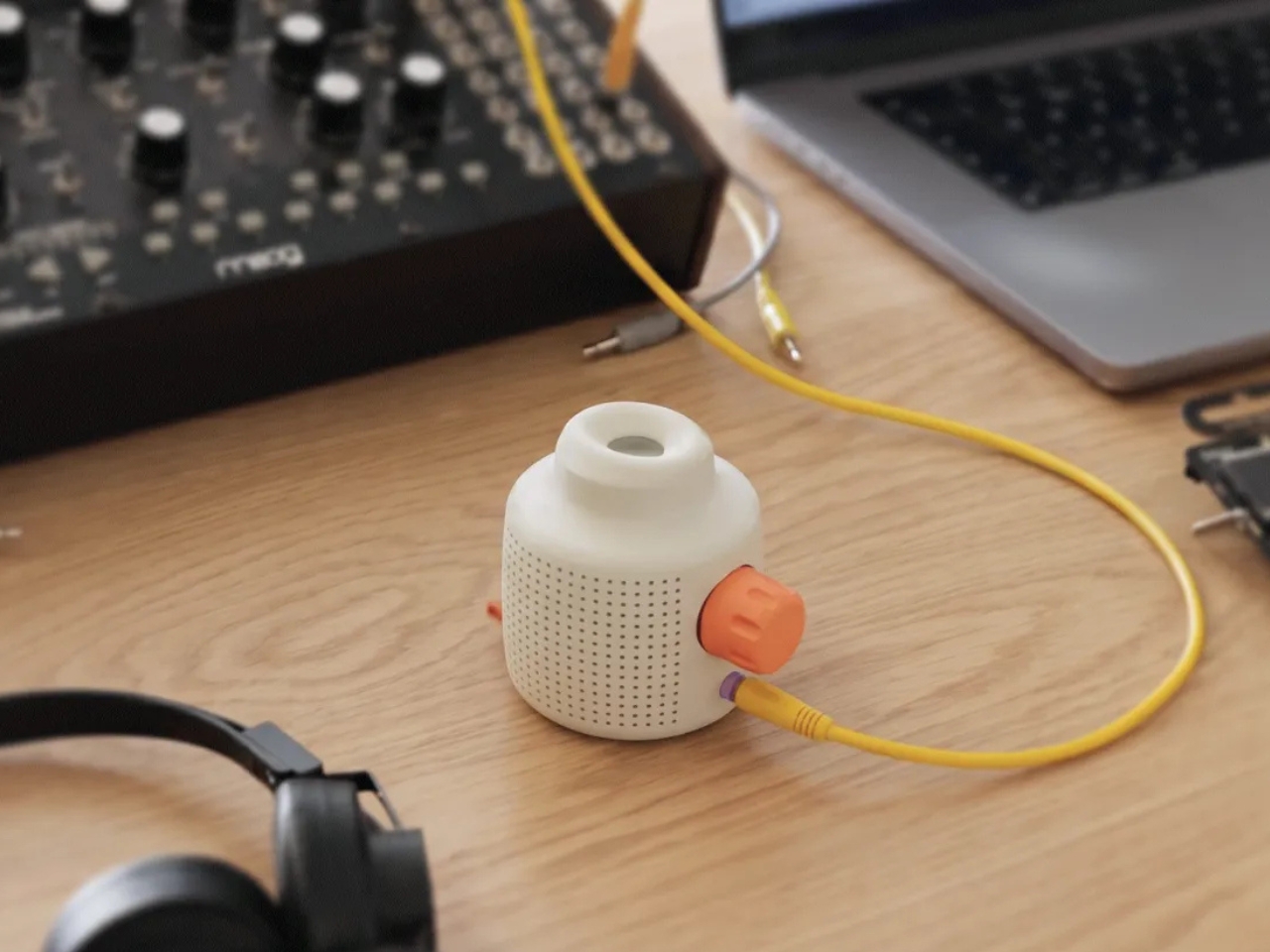
As of now, the physical Mur Mur speakers don’t exist yet outside of a few prototypes the team made for themselves. But the worlds are already running, and you can stream them online via the radio they’ve built. There’s also a Max for Live patch that lets you route the sounds directly into Ableton, which opens up an obvious and exciting territory for musicians who want to work with living sound rather than recorded sound. They’re actively looking for hardware producers, musicians, and technologists to help bring it to scale.


I’ll admit that the idea of a sound object I can’t control would normally give me pause. But Mur Mur reframes that completely. The point is that you aren’t supposed to control it. The city doesn’t wait for you. The forest keeps going. The pond doesn’t care about your schedule. That’s not a design flaw. That’s the entire premise, and it’s one of the more compelling premises in recent design thinking.

SHARE