Most brands celebrate a 60th anniversary with a retrospective book or a limited-edition colorway. Bowers & Wilkins celebrated theirs by unveiling what may genuinely be the most advanced loudspeaker range they have ever made. The 800 Series Diamond D5 arrived with that kind of quiet confidence that doesn’t need fanfare to make its point, even if it was announced to considerable fanfare.
I’ve always believed that truly great audio equipment occupies a strange place between technology and sculpture. The 800 Series has lived in that space for decades. It’s the kind of speaker you find in professional recording studios around the world, at Skywalker Ranch where teams have mixed and mastered legendary film soundtracks, and also in the living room of the person who just needs the room to sound exactly right. That dual citizenship, professional and deeply personal, tells you everything about what Bowers & Wilkins has been building toward.
Designer: Bowers & Wilkins
The D5 is the fifth generation of the Diamond series, and the tagline “60 years in the making” isn’t marketing hyperbole. It’s a mission statement rooted in John Bowers’ original True Sound philosophy: nothing added, nothing taken away. Every generation of 800 Series starts from the same question: what stands in the way of the music? The answers keep evolving. The ambition stays constant.
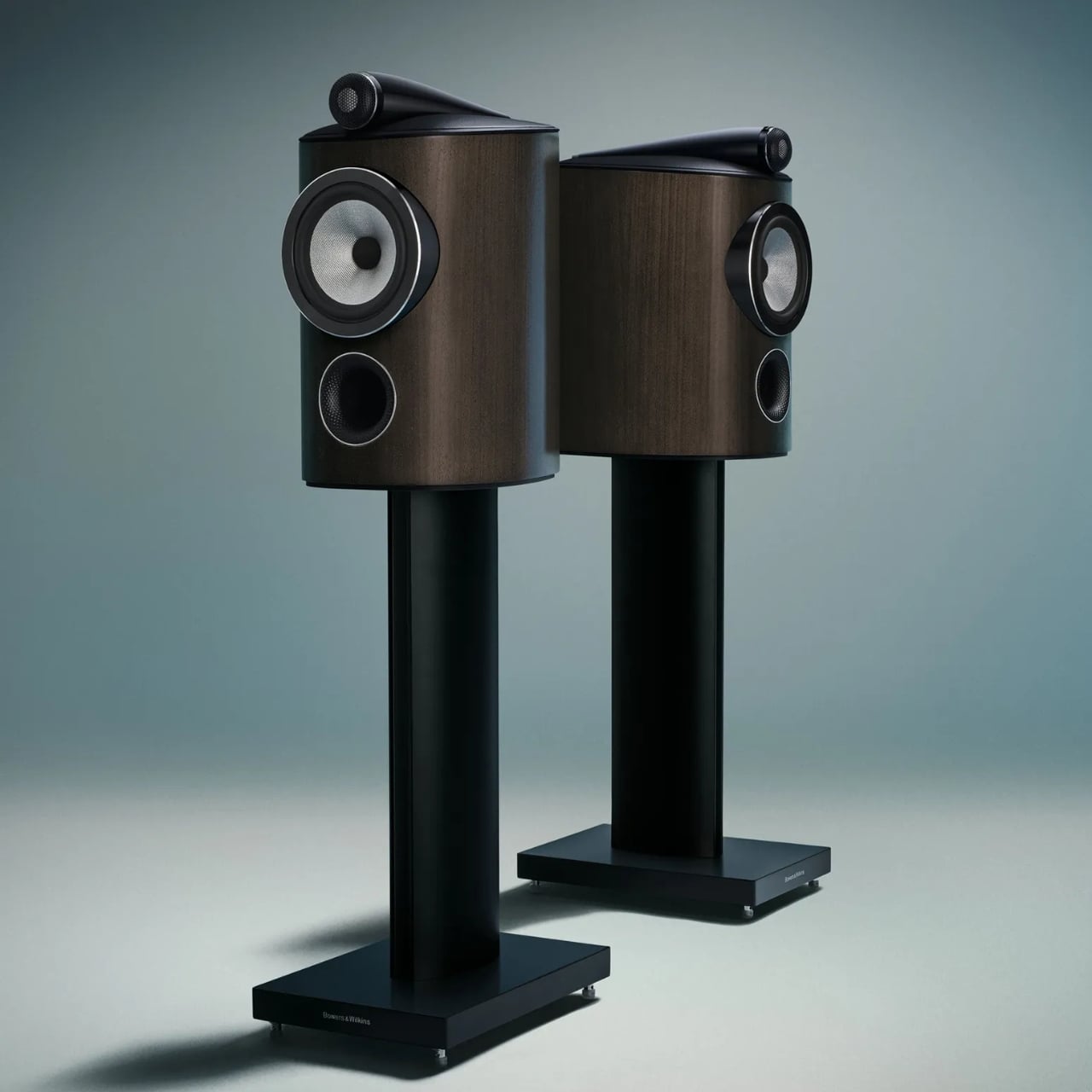
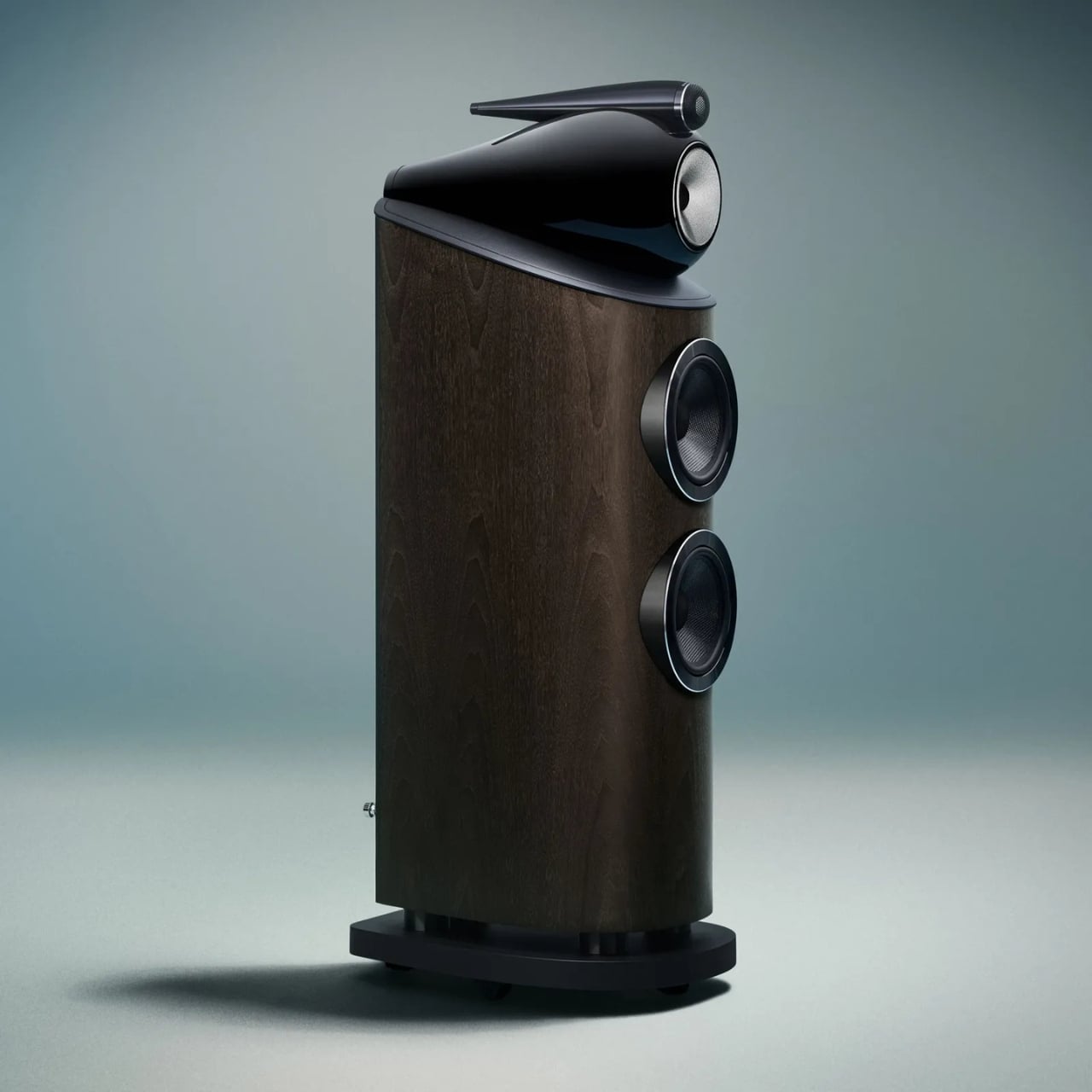
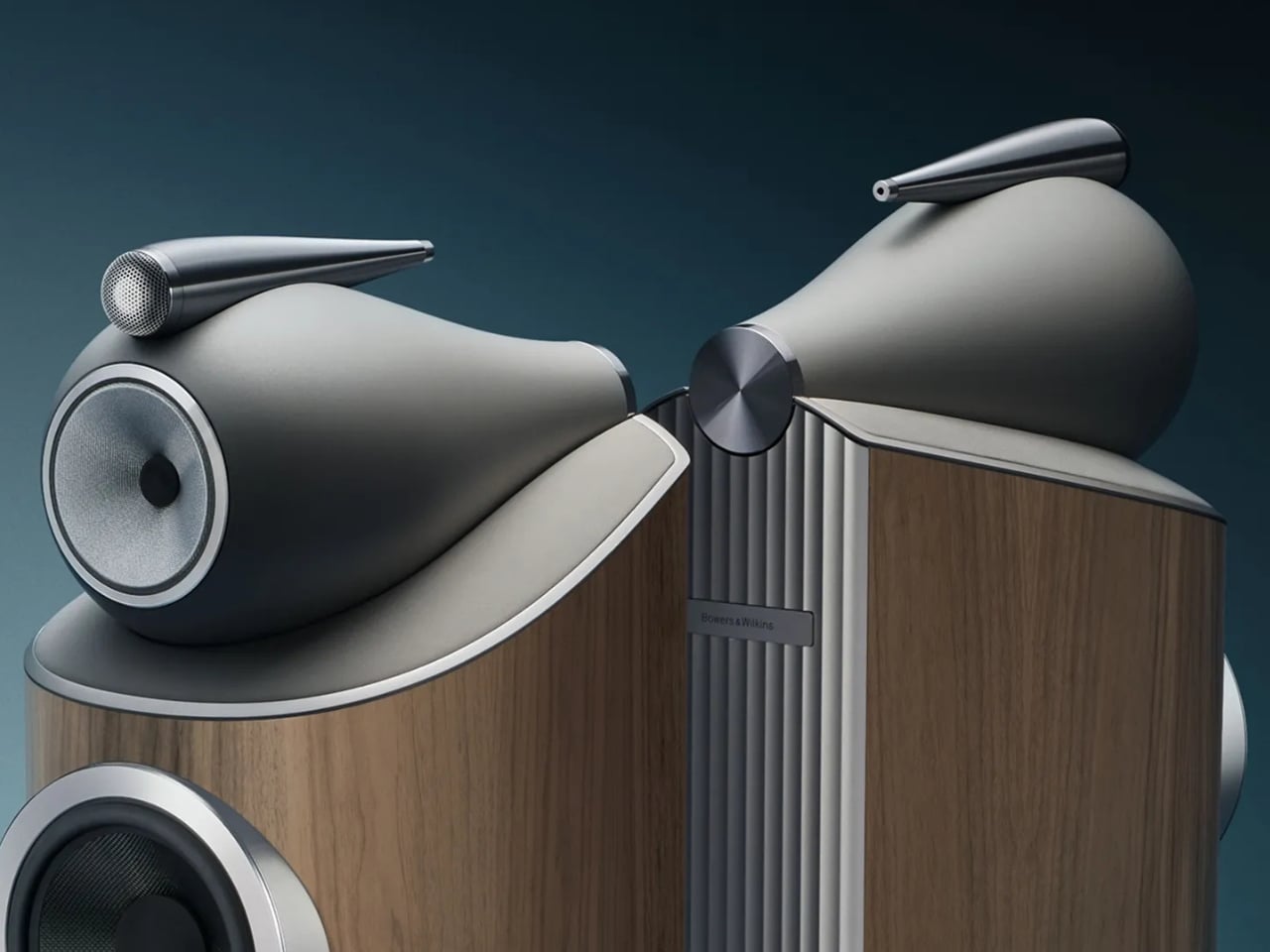
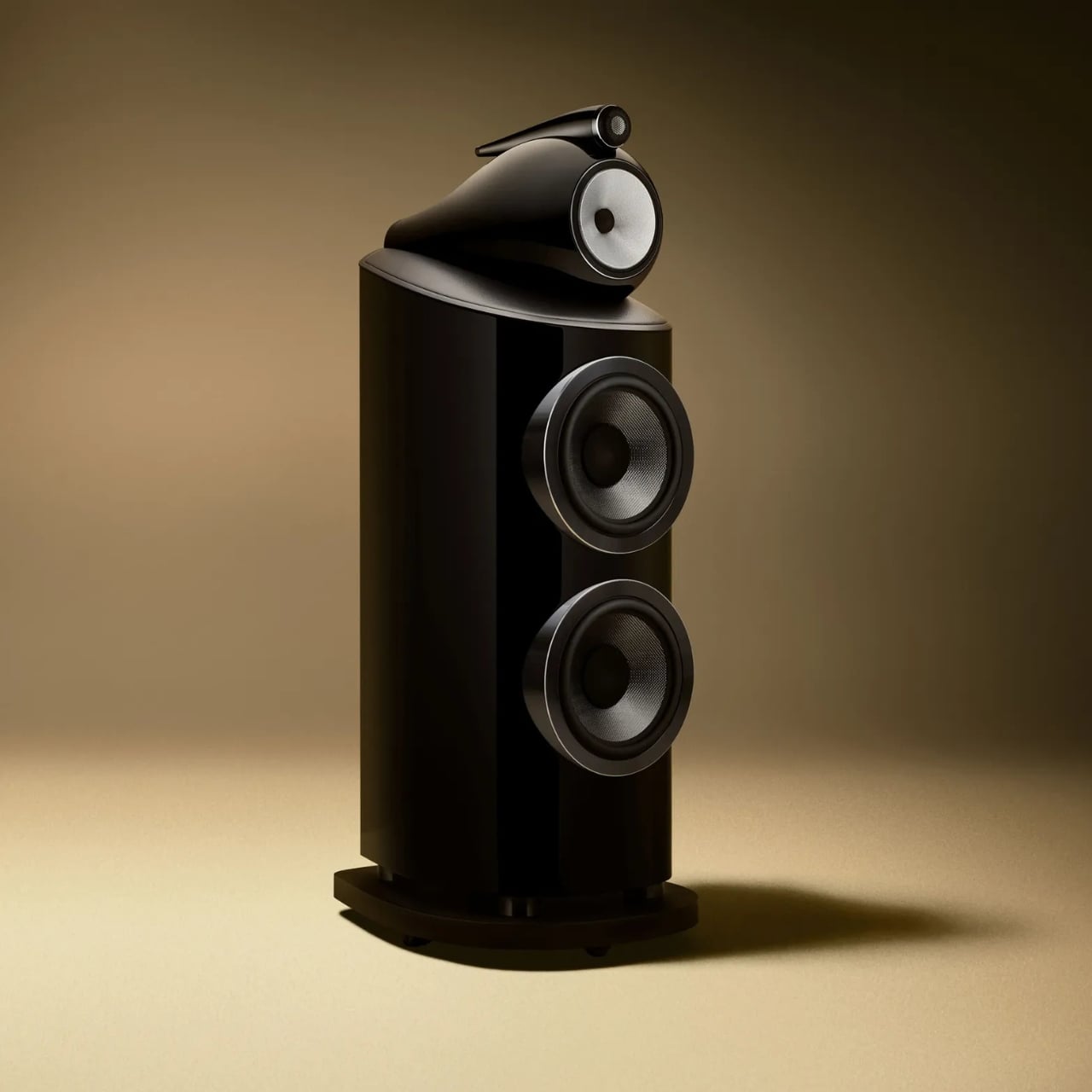
The range includes seven models, from the compact 805 D5 stand-mount to the flagship 801 D5 with its twin 10-inch bass drivers. The iconic Turbine Head, that distinctive aluminum sphere housing the midrange driver in complete acoustic isolation from the bass section, remains one of the most recognizable silhouettes in audio design. It was bold when it debuted, and it’s still striking today. It’s been refined here, not rethought, and I think that’s the right call. Some shapes earn the right to stay.
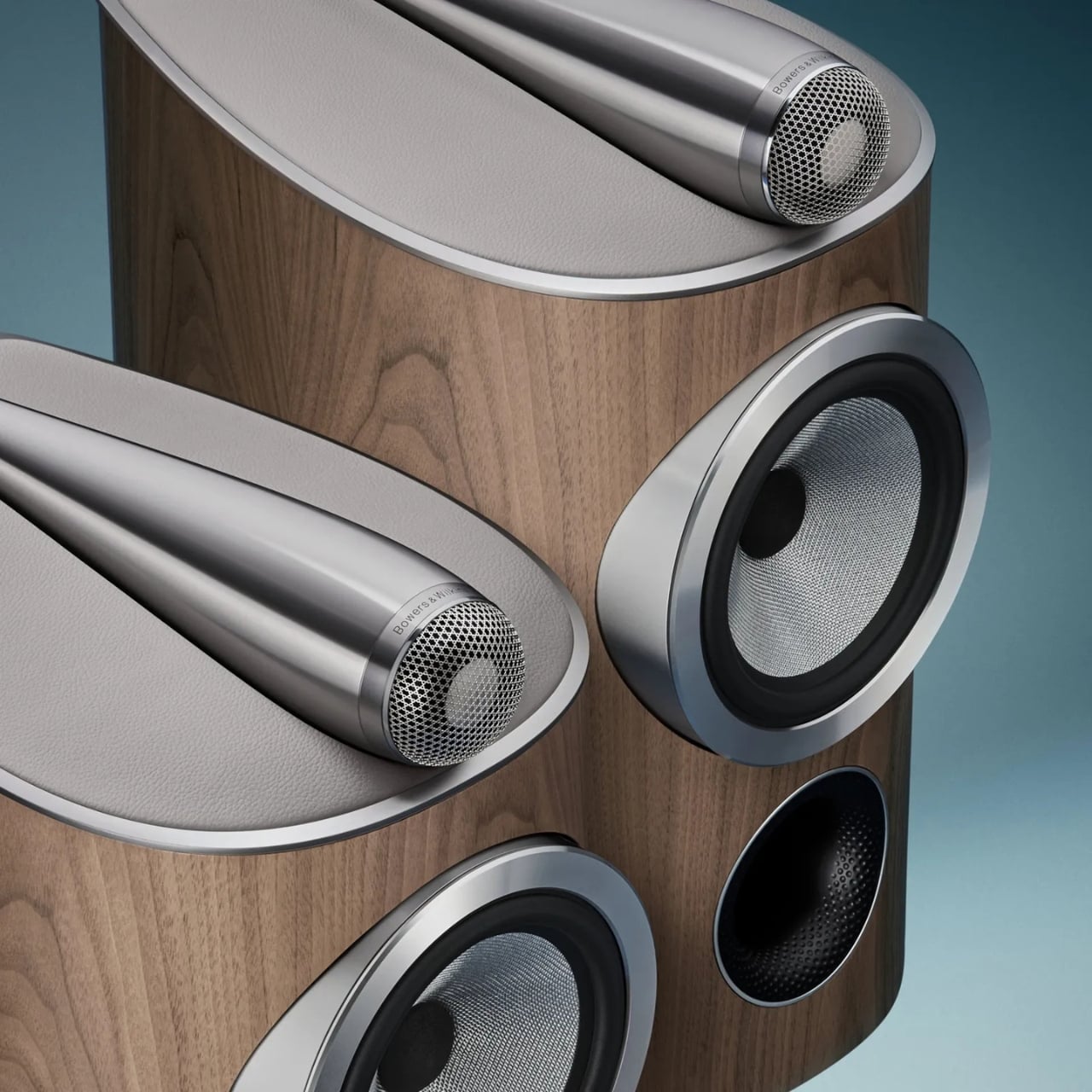

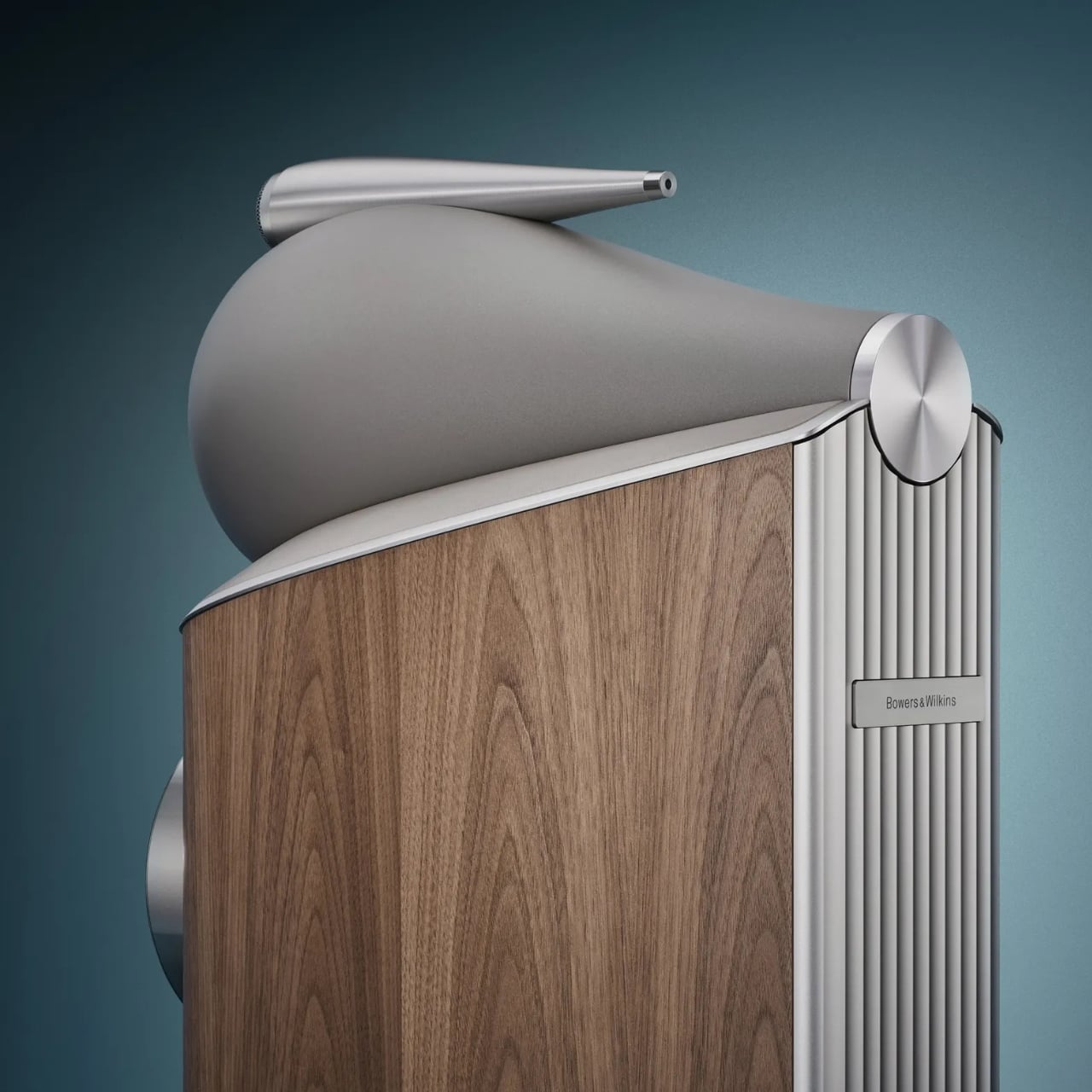
What’s new in D5 runs much deeper than the surface. The Space Frame Bracing system introduces parallel aluminum rails bolted directly to the rear Matrix cabinet bracing, making the enclosure significantly stiffer and mechanically quieter than its predecessor. A revised aluminum top plate, with thicker ribbing and updated decoupling mounts, better supports the Turbine Head and Solid-Body-Tweeter assemblies. The crossover components have been moved entirely outside the cabinet, mounted on aluminum rails at the rear, which eliminates internal air pressure fluctuations from affecting crossover behavior. As an added benefit, natural convection keeps those components running cooler during extended listening.
The Diamond Dome tweeter gets a new grille mesh, first developed for the acclaimed 801 D4 Signature, that’s more acoustically transparent while still protecting the dome. The result is better off-axis performance and noticeably improved resolution. Every midrange and bass driver across the range has also been upgraded with lower-distortion motor systems derived from Signature-grade components. That’s not a minor tune-up; that’s serious trickle-down engineering from the very top of the catalog.

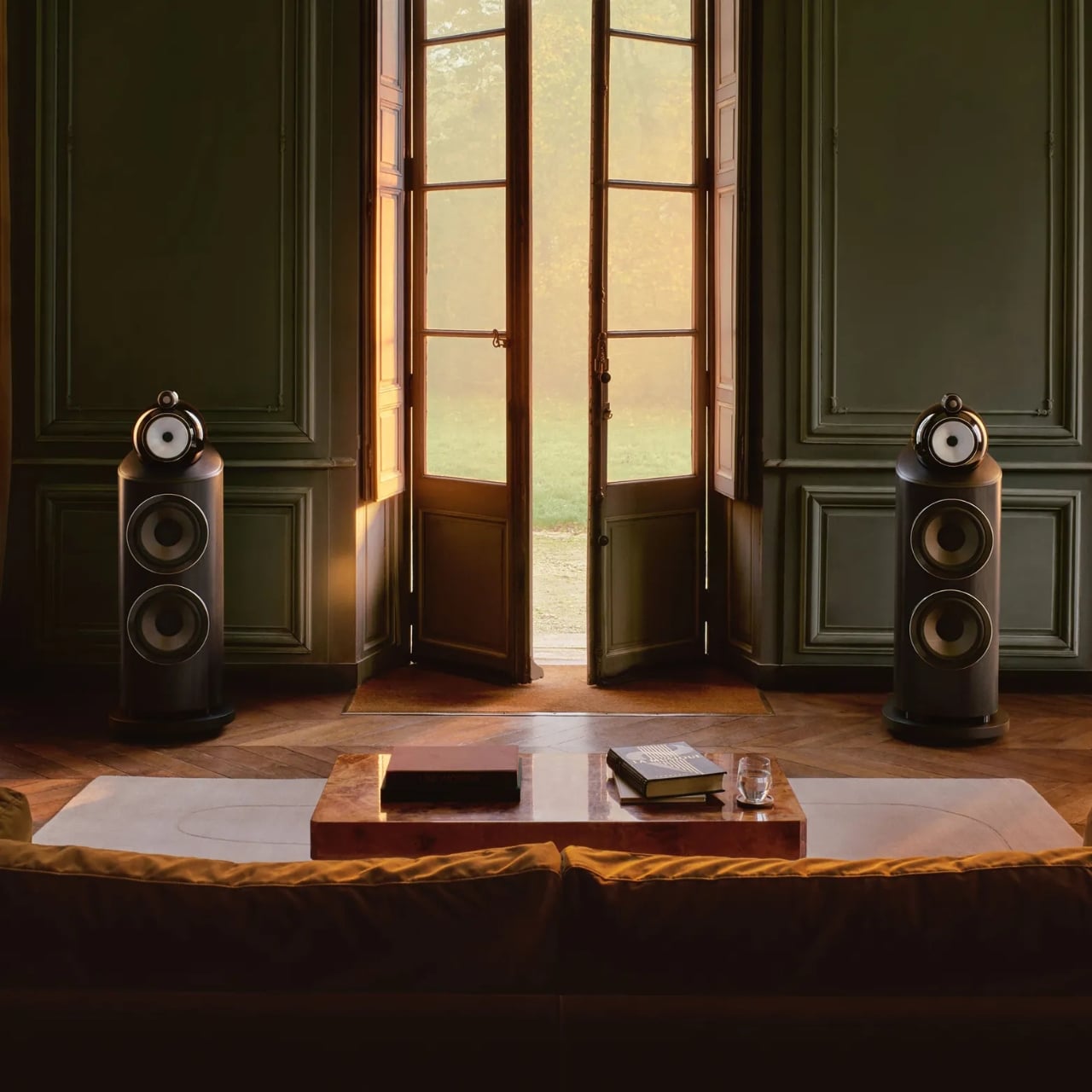
Aesthetically, the D5 introduces four new finishes: Stealth Black, Warm White, Light Walnut, and Dark Walnut. The paint has been upgraded for greater depth and durability, and the design detailing across every surface, from the spine to the plinth to the drive unit pods, has been refined. These are speakers handcrafted in Worthing, UK, and they carry that provenance visibly. Luxurious isn’t too generous a word.
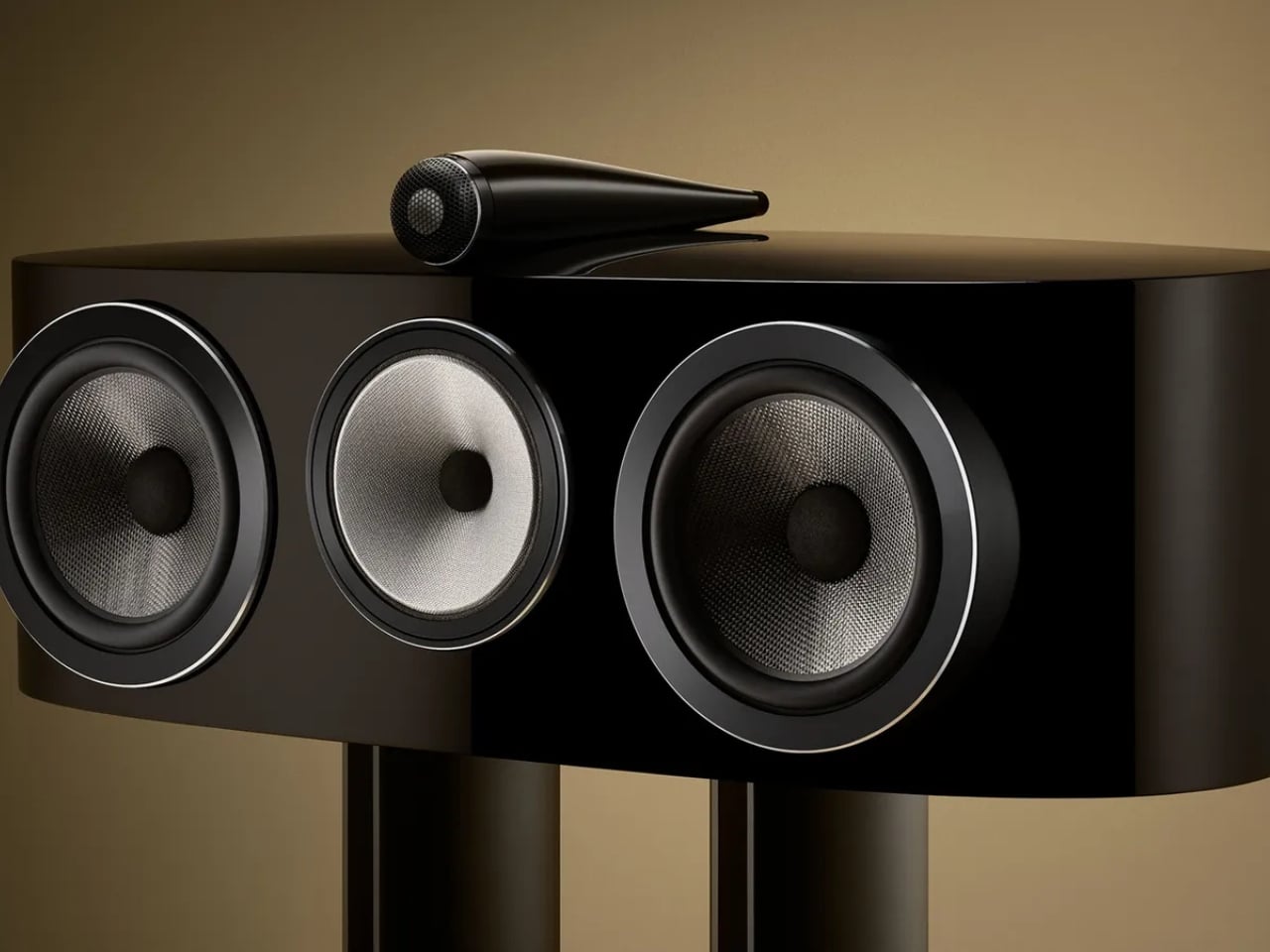
Where I land on all of this is that the 800 Series Diamond D5 represents something genuinely uncommon in a market crowded with premium pricing and thin justification: a product that earns its position through accumulated expertise and genuine craft. There’s real, demonstrable engineering here, the kind that takes decades to develop, and Bowers & Wilkins isn’t shy about showing their work. The D5 range is scheduled to ship in fall 2026, and the anticipation feels entirely warranted.

Sixty years of obsessive refinement, applied to a speaker that takes the living room as seriously as a professional studio, will do that. When the engineering is this thorough and the design this considered, the only question left is how loud you want to play it.
SHARE