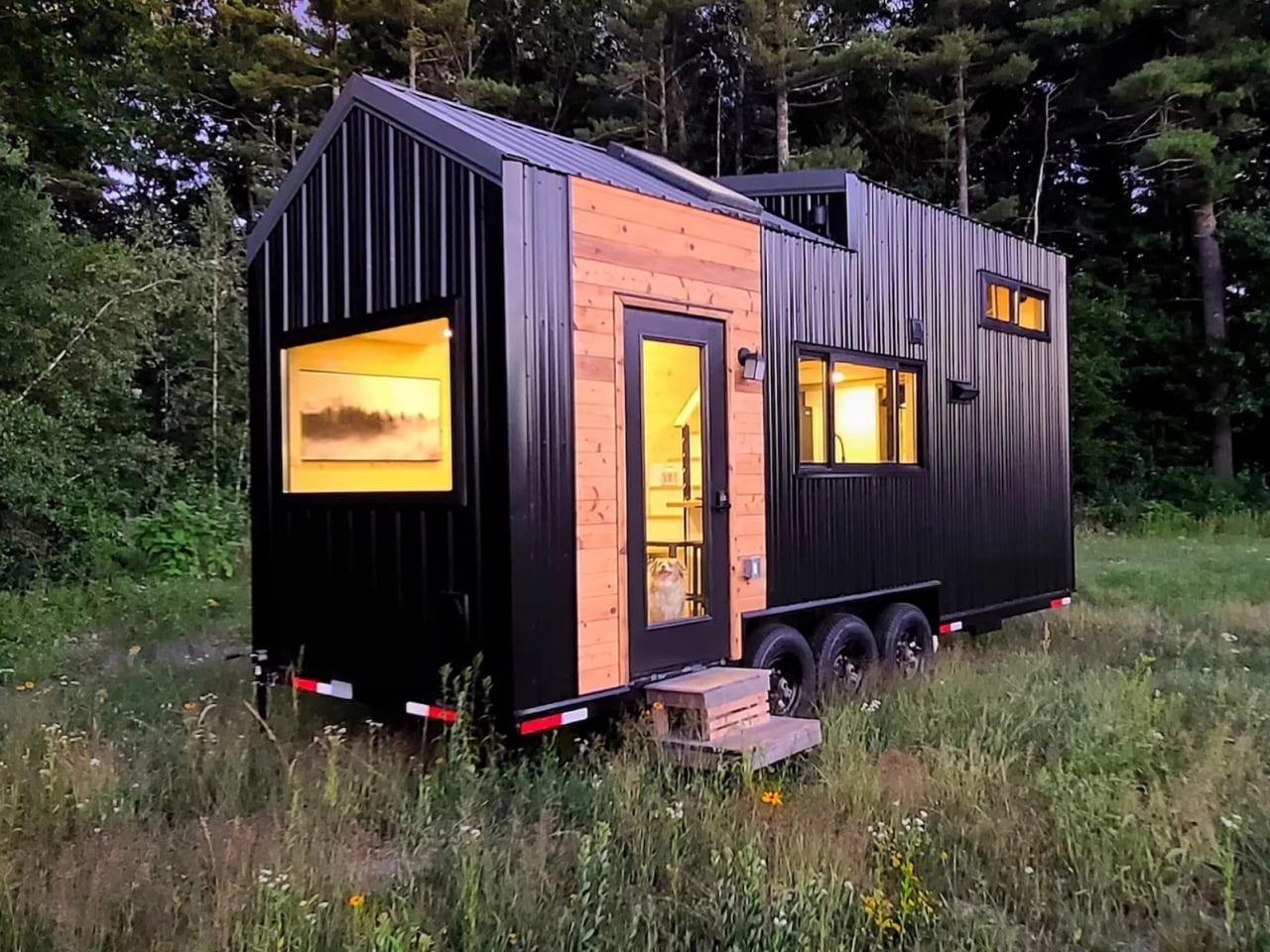
The tiny house movement has had its share of aesthetic whiplash over the years. One week it’s shiplap and barn doors, the next it’s industrial pipe fixtures and Edison bulbs. So when something comes along that actually commits to a visual language and carries it through consistently, it’s worth paying attention. The Scandi Inn by Backcountry Tiny Homes is one of those rare builds that knows exactly what it is.
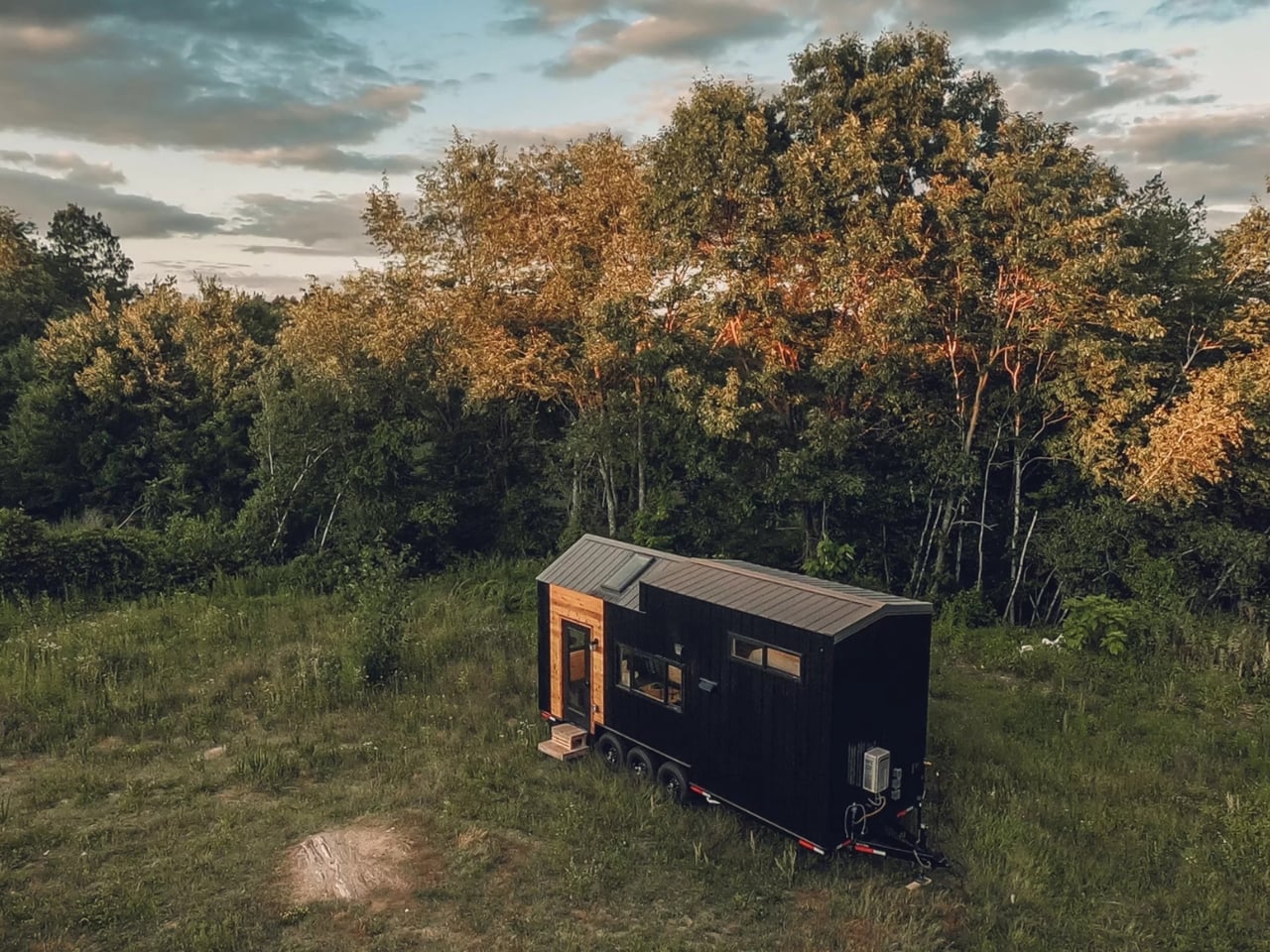
At 270 square feet and 24 feet long, the Scandi Inn sits on a triple-axle trailer and borrows its design sensibility from Scandinavian interiors. Cedar tongue-and-groove siding on the exterior, paired with metal cladding, gives it that understated cabin quality that reads more European alpine than American backwoods. It doesn’t shout for attention, which is a deliberate choice, and the right one.
Designer: Backcountry Tiny Homes
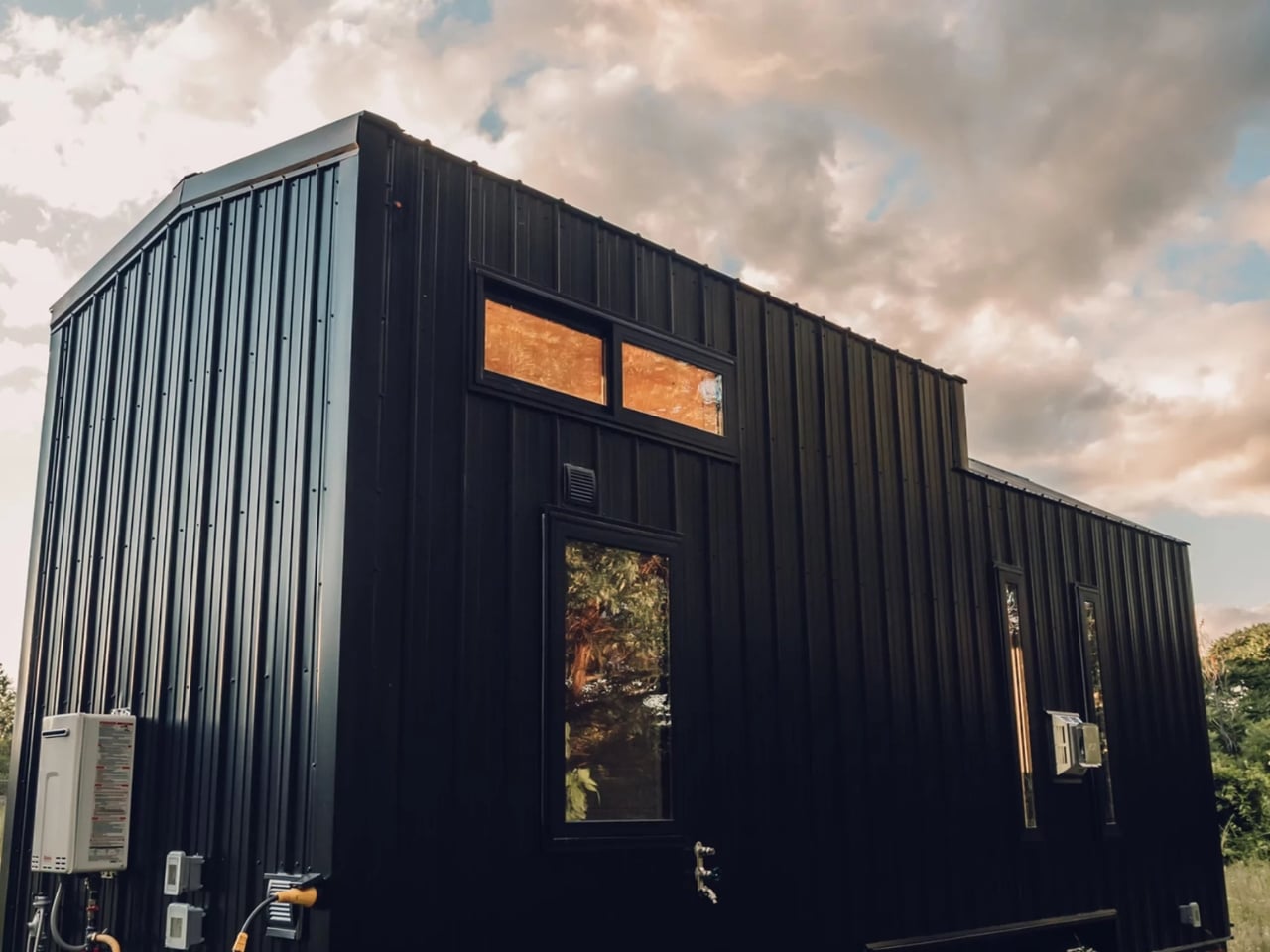
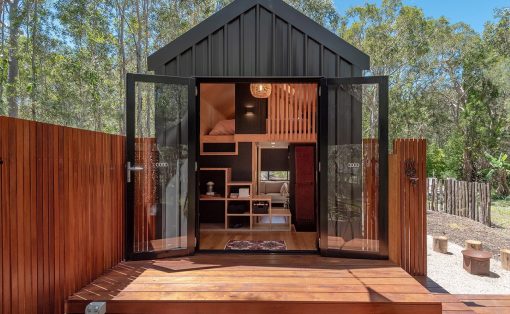
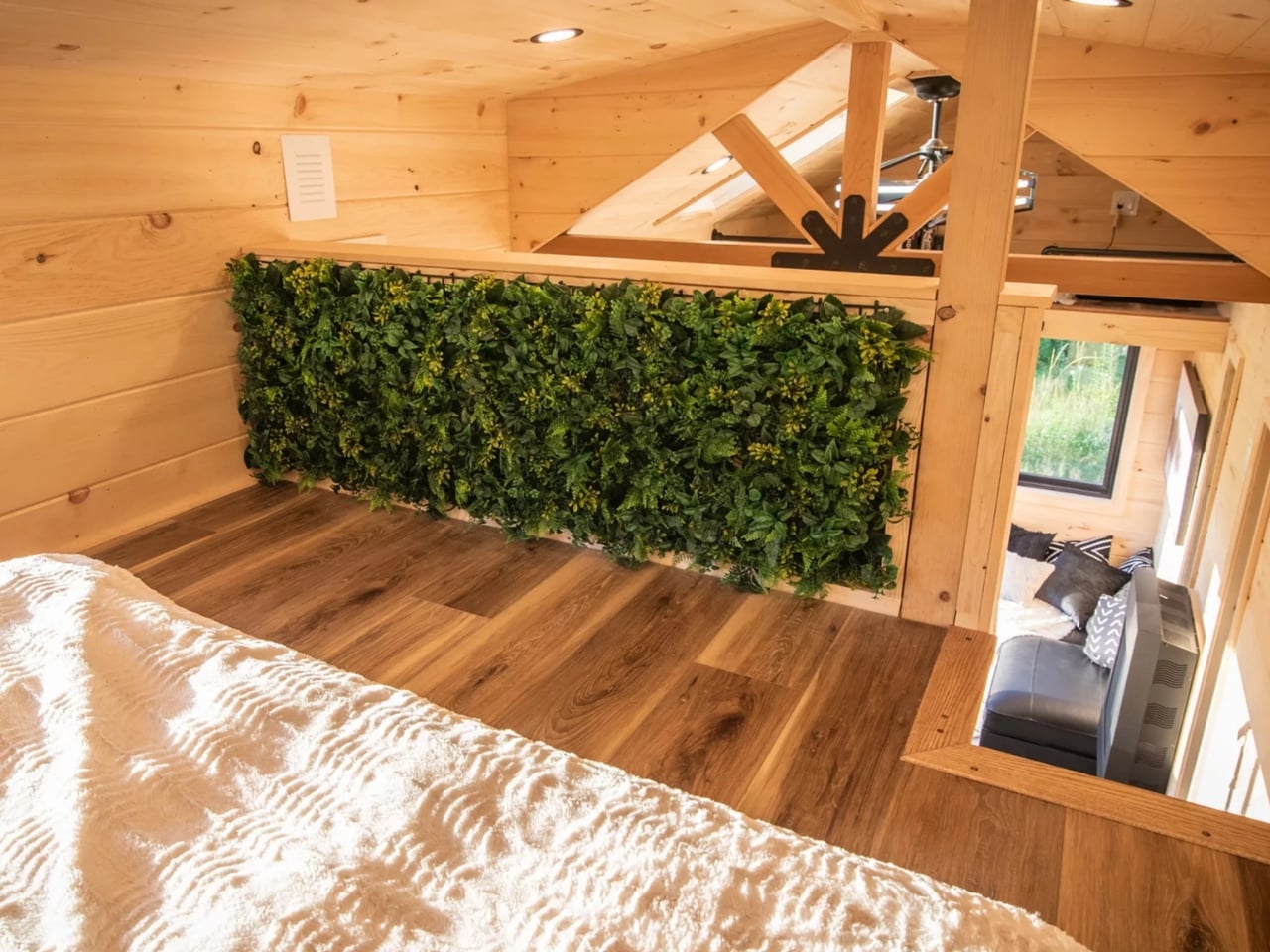
Step inside, and the interior is finished entirely in tongue-and-groove pine. The effect is warm without being heavy, which is genuinely hard to pull off in a small space. Nordic design has always understood the relationship between wood and light, using natural materials to compensate for limited square footage and often-limited daylight. In the Scandi Inn, that same logic applies, and it translates surprisingly well to a 270-square-foot box on wheels. The overall atmosphere lands somewhere between a mountain cabin and a well-curated hotel room, which is a balance most interior designers wouldn’t attempt at full scale, let alone this one.
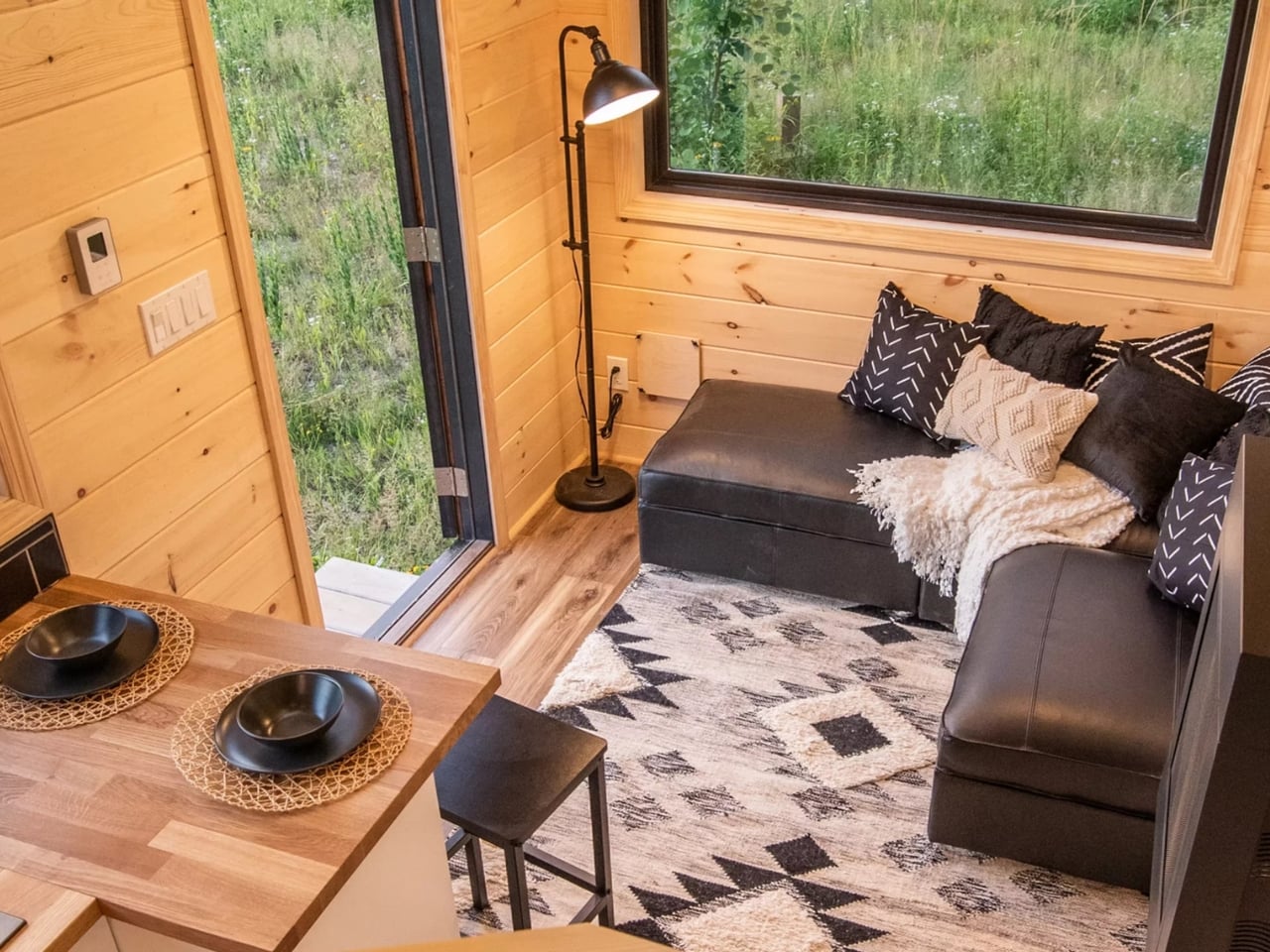
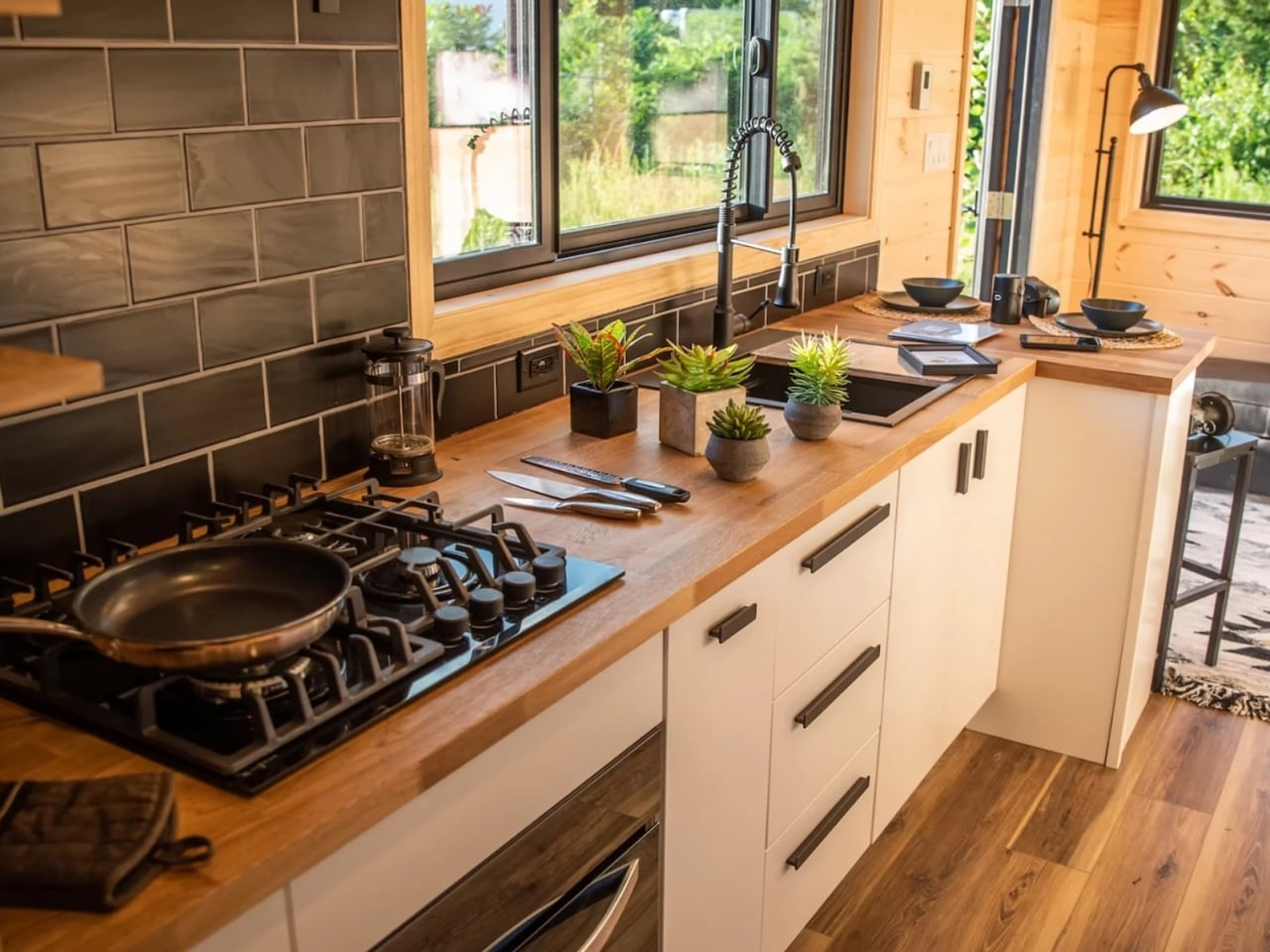
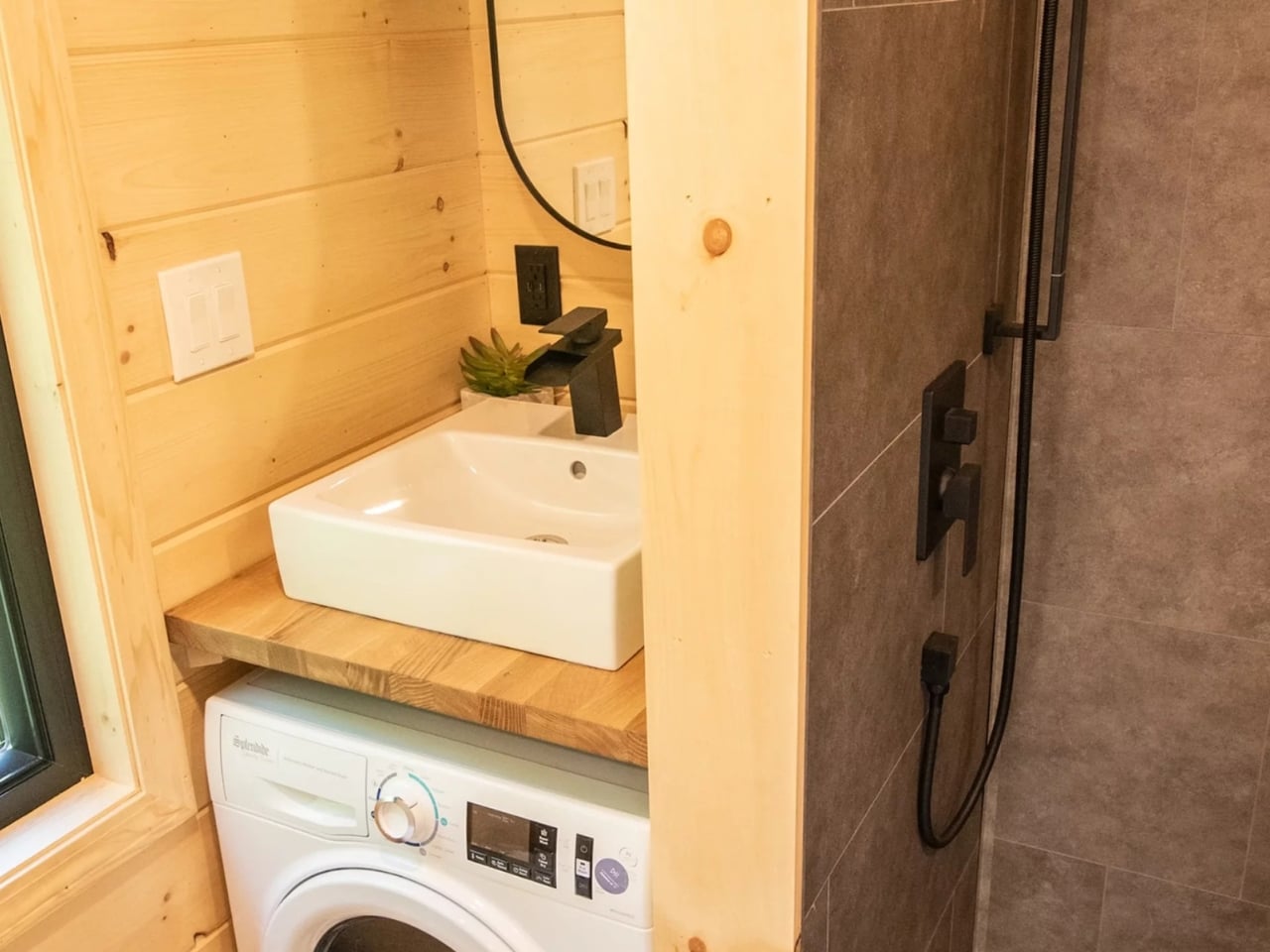
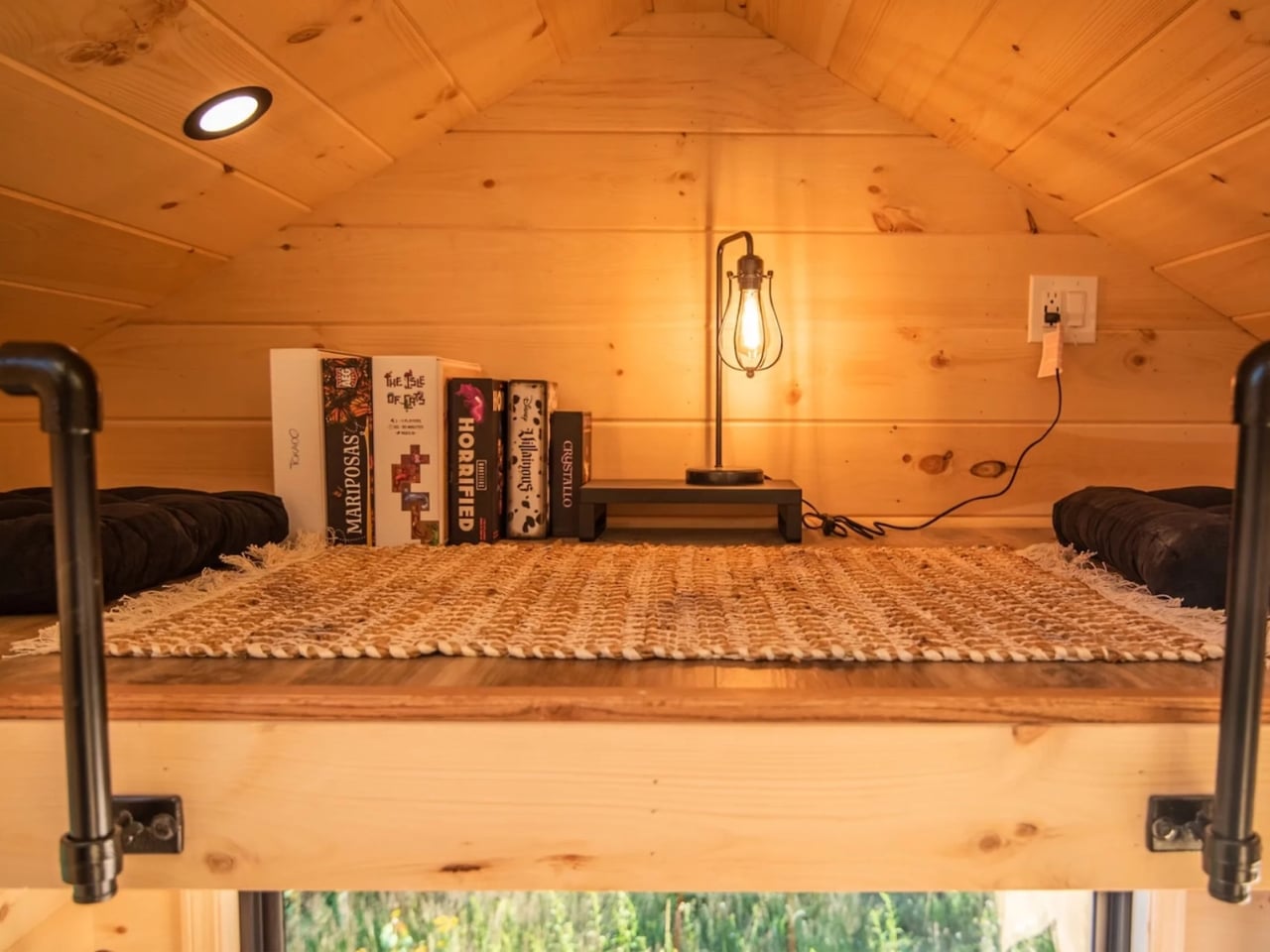
The layout makes serious use of every inch. The kitchen includes a breakfast bar that seats two, alongside a dining area, a living room, and a tiled shower bathroom. A loft bedroom sits above the main floor, and a reading nook tucks into the plan somewhere in between, which is the kind of detail that separates a thoughtful design from a merely functional one. A reading nook isn’t about space efficiency. It’s about acknowledging that people need places to exist quietly, even in small homes. Especially in small homes.
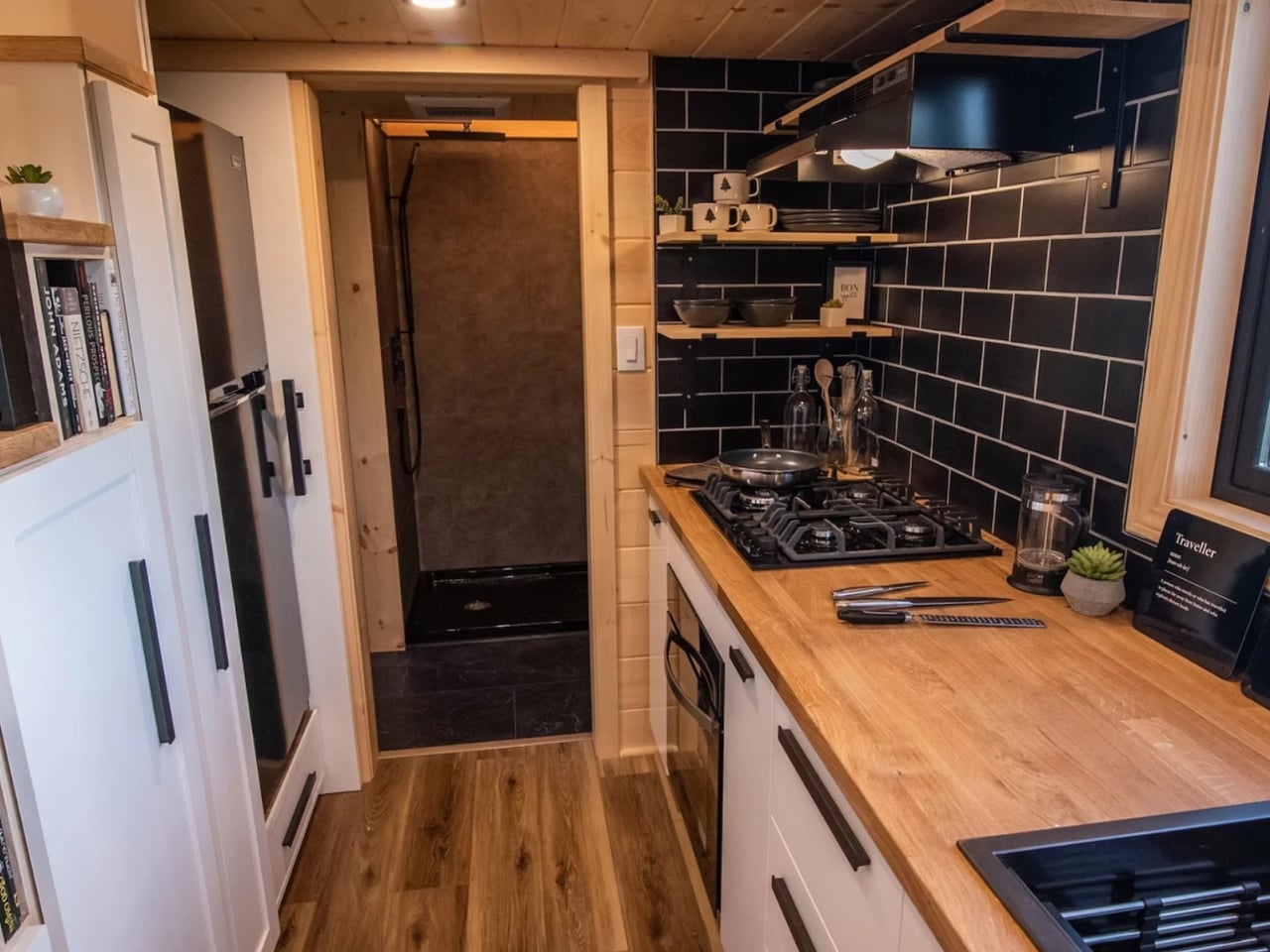
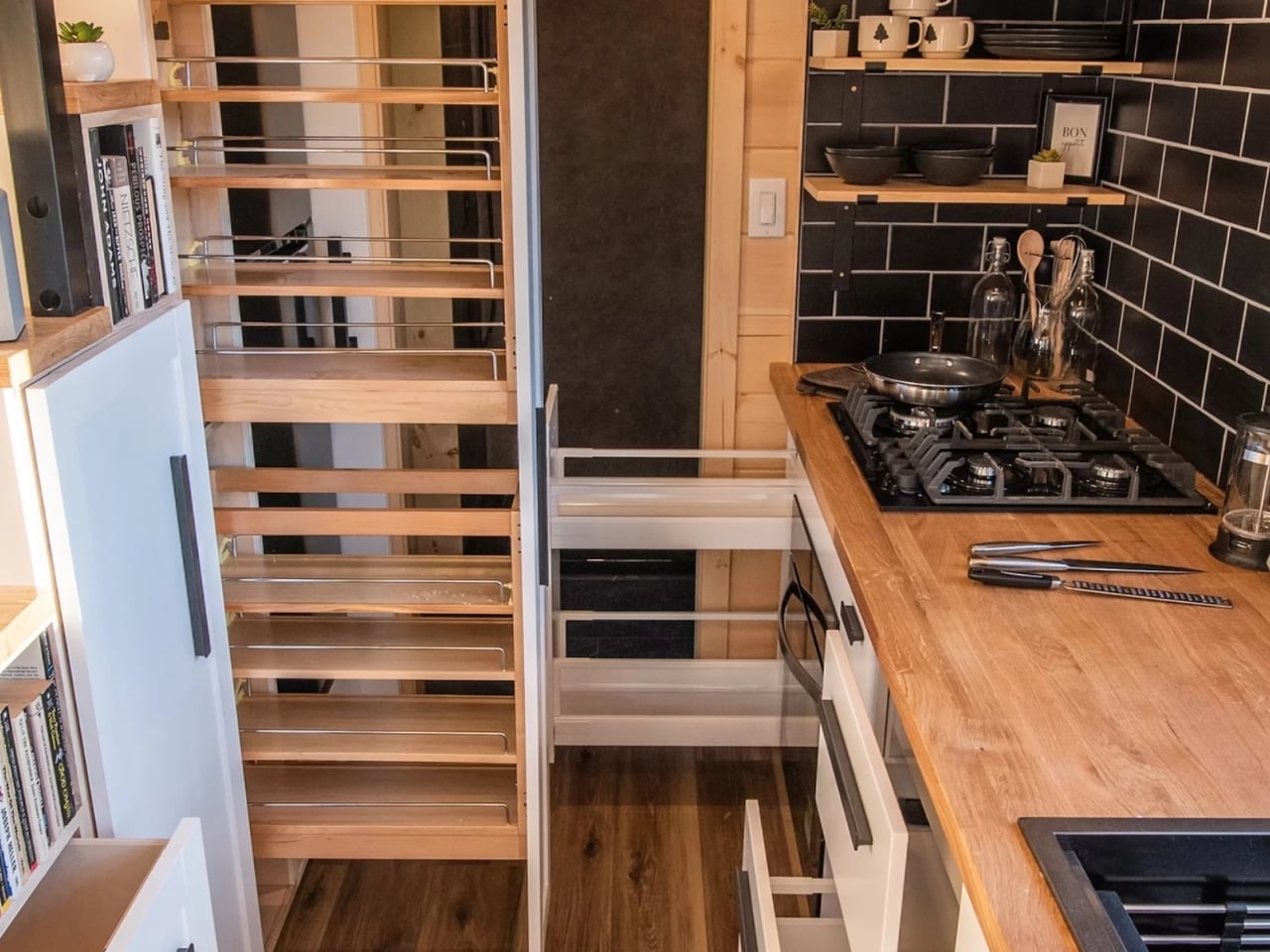
The Scandi Inn sleeps up to three people, which is ambitious for 270 square feet but not unrealistic. The loft configuration handles sleeping without eating into the main living space, a solution that tiny house designers have relied on for years. What makes it work here is that the loft doesn’t feel like an afterthought squeezed in at the last minute. It feels planned, proportional, and consistent with the rest of the interior.
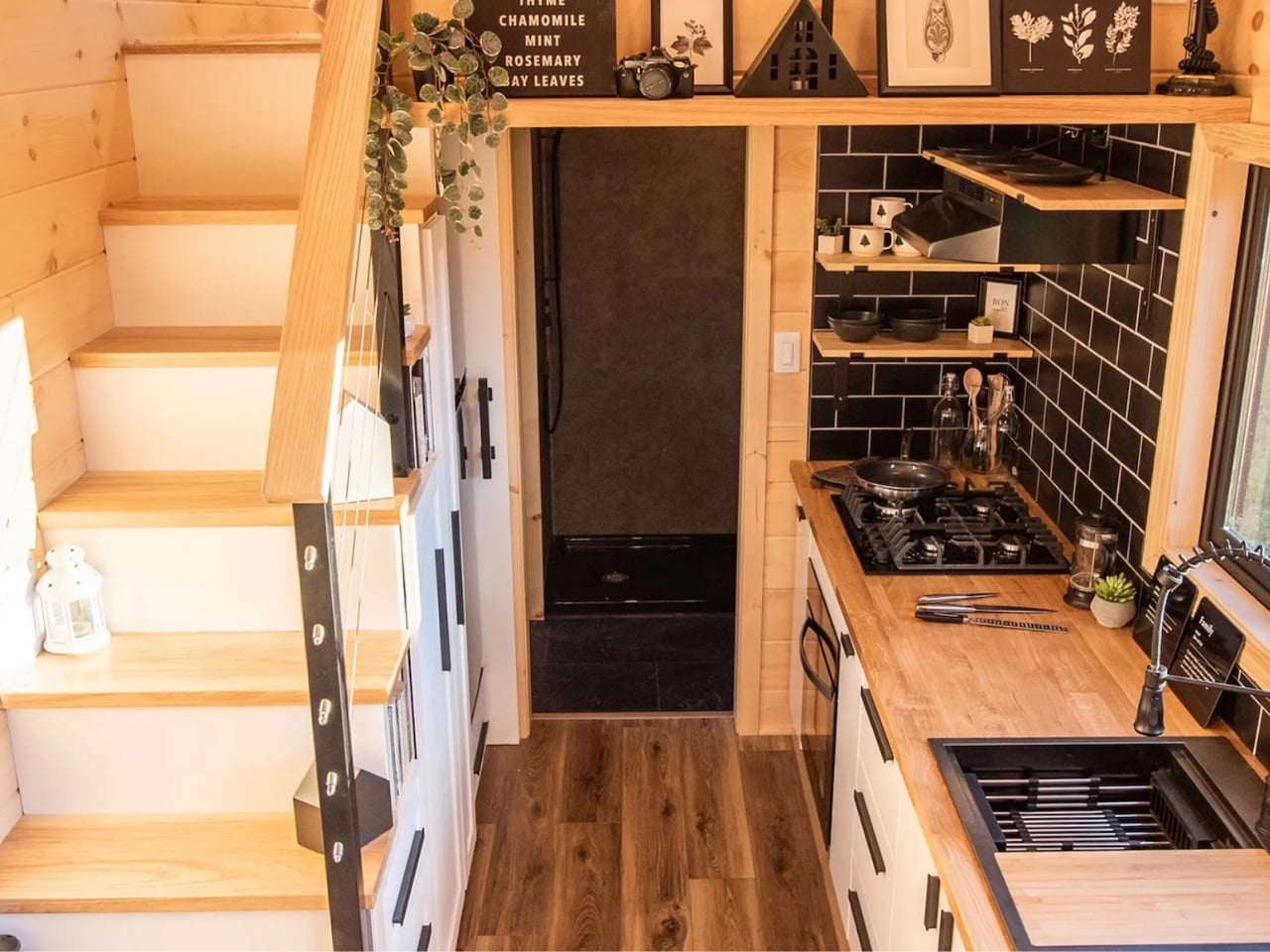
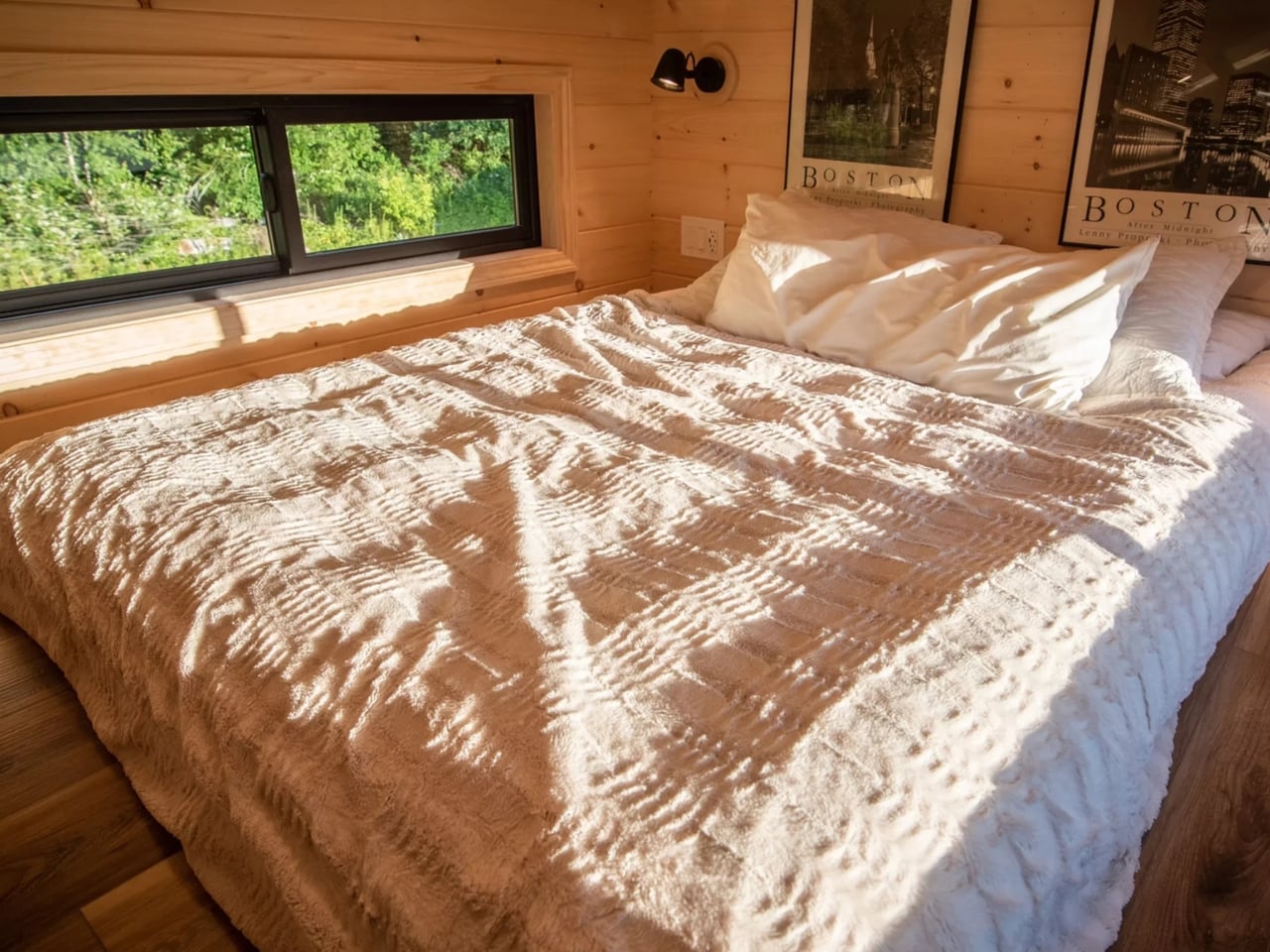
Backcountry Tiny Homes has built a reputation for custom builds that take their design cues seriously, and the Scandi Inn reflects a clear maturity in that thinking. Earlier tiny house builds, from this maker and others, often suffered from the same problem: too many styles competing for attention in a space that couldn’t support the noise. The Scandi Inn has none of that. The palette is restrained, the material choices are cohesive, and the proportions feel considered rather than accidental.
The turnkey price lands at $77,800, which in the current housing market feels almost quaint. That’s not a dismissal of the cost. It’s a significant sum. But context matters. The average home price in the US continues to climb past the reach of a growing number of people, and builds like the Scandi Inn represent a legitimate alternative for those rethinking what homeownership can look like. It’s not a compromise so much as a reorientation of priorities.
The tiny house conversation used to center on sacrifice, on what you give up, what you do without, how you make peace with less. The Scandi Inn frames it differently. The quality of the materials, the cohesion of the design, and the genuine livability of the layout suggest that the goal was never to shrink a house. It was to build something intentional from the start. That distinction matters more than it might seem. Most spaces, regardless of size, feel the way they do because of decisions made about materials, light, layout, and proportion. The Scandi Inn makes good decisions throughout. At 270 square feet, that’s all it needs to do.