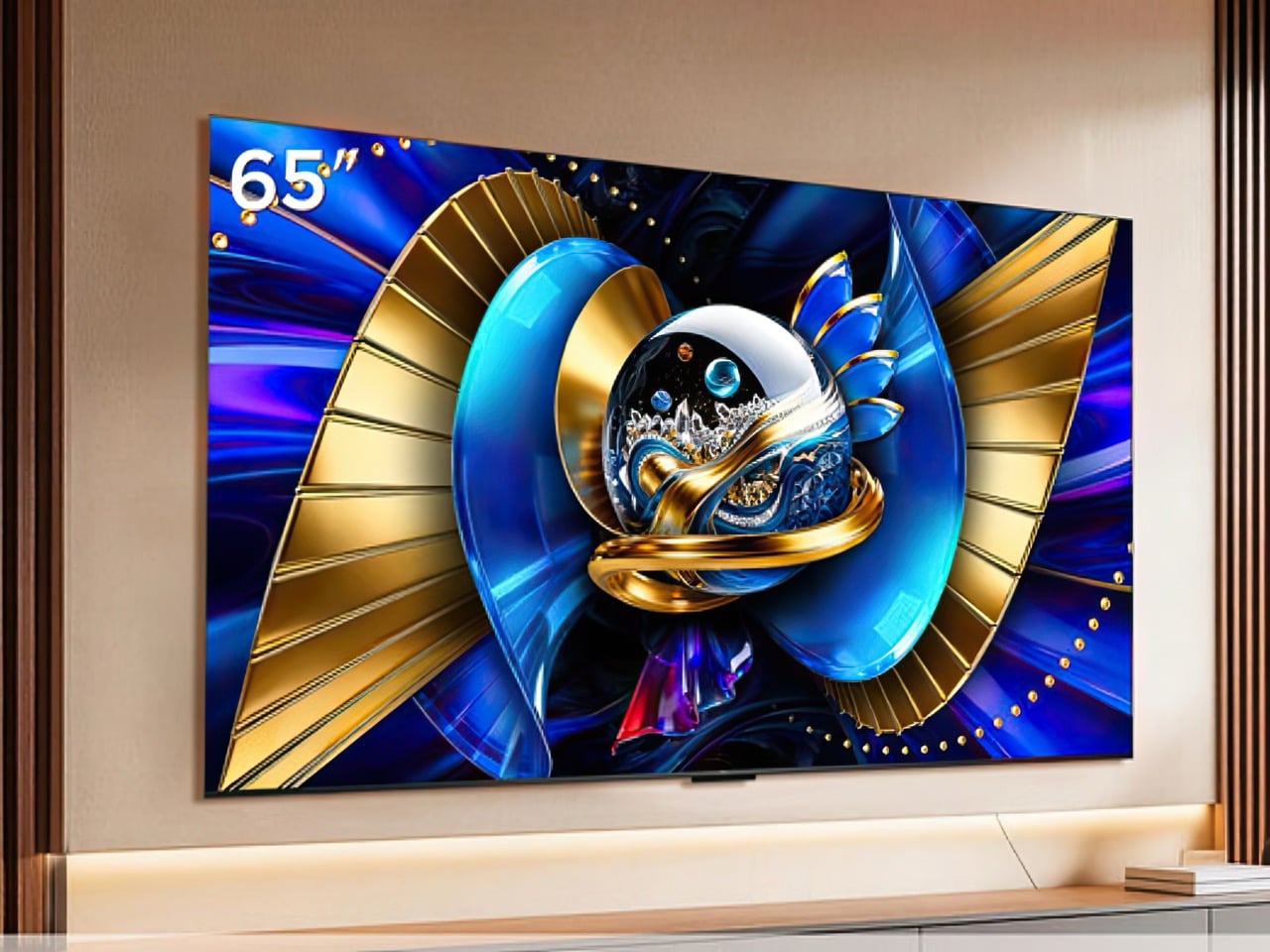
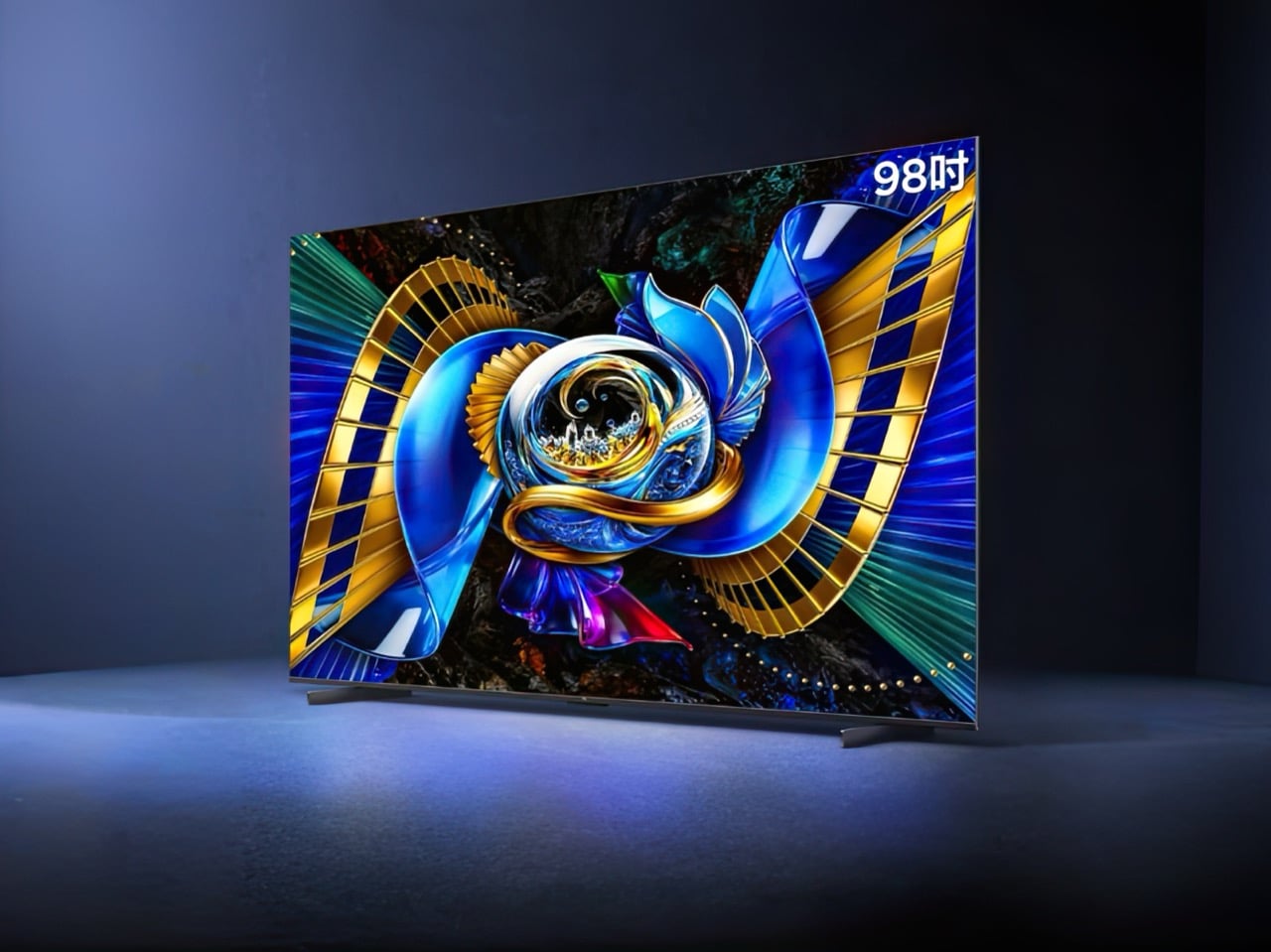
Premium television specs used to live behind premium price tags, a sorting mechanism that kept the best picture quality safely out of reach for most buyers. TCL has spent the last few years dismantling that barrier, and the T7M Pro SQD-Mini LED feels like the wall finally came down. For 6,199 yuan (roughly $900), you get 1,152 local dimming zones, full BT.2020 color coverage, and 2,200 nits of peak brightness. Those numbers belong to televisions that typically cost two or three times as much, yet here they are in sizes from 65 inches for just $900 up to a whopping 98-inch variant priced at a fairly reasonable $2,178.
The T7M Pro uses TCL’s SQD-Mini LED technology, which pairs quantum dot color filters with precise Mini LED backlighting. The company engineered a new panel that filters light more accurately, outputting cleaner colors with less contamination. A 4K screen runs at 150Hz natively, upgradable to 300Hz for gaming. Lingkong UI 3.0 handles the software side with AI-powered picture optimization and content recommendations. TCL kept the chassis at 60mm thick for near-flush wall mounting. The lineup launches in China across four sizes, and the pricing suggests TCL has stopped chasing flagship competitors and started outspeccing them at half the cost.
Designer: TCL
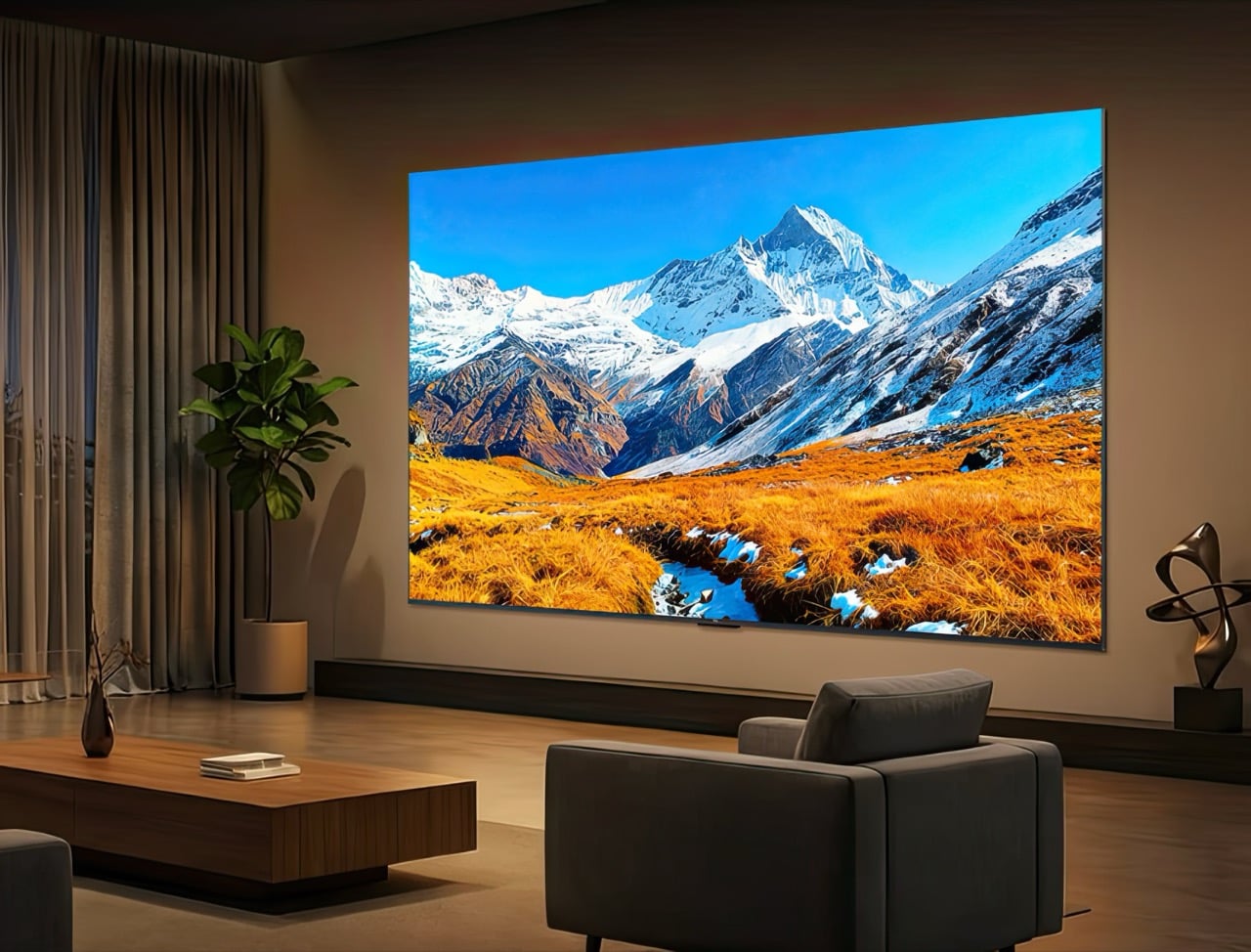
BT.2020 is the actual color space HDR content gets mastered in, the standard filmmakers use when they finish a movie. Most televisions claim wide color support but only hit 70 to 85 percent of that range, then fake the rest by stretching values. TCL claims the T7M Pro covers the full 100 percent through its Super Butterfly Wing Star Display panel, which uses better materials to filter light more cleanly. Cheaper quantum dot screens mix wavelengths and produce muddy colors. This one supposedly keeps red, green, and blue separate and pure. If that holds up in actual use, you’re seeing colors the way the director intended them.
TCL packed 1,152 dimming zones into the T7M Pro, letting different parts of the screen brighten or dim independently. That matters when you’re watching HDR content where a bright explosion needs to pop against a dark sky without making the whole screen glow. The 2,200 nits of peak brightness means highlights stay detailed instead of blowing out into white blobs. Whether 1,152 zones eliminate all the halo effects around bright objects depends on how large each zone is and how smart the processing is. We won’t know until someone tests it properly, but the number alone puts it in serious territory.
The television runs at 150Hz natively, smooth enough for high frame rate gaming and sports. Push it to 300Hz through motion smoothing if you like that soap opera look, though most people turn that off immediately. Four HDMI 2.1 ports with full bandwidth mean your PlayStation 5 or Xbox Series X can output 4K at 120Hz without compromise. Variable refresh rate and auto low latency mode are both here, which have become expected features on any TV that calls itself gaming-ready. TCL clearly built this thing with console players in mind, not just movie watchers.
Lingkong UI 3.0 runs the software side with a card-based layout and zero boot ads, already a win over most smart TV platforms that force you through commercials just to turn the thing on. The AI component learns your viewing habits and adjusts picture settings automatically, plus it suggests content based on what you watch. How pushy those recommendations get will determine whether this feels helpful or annoying. A quad-core processor with 4GB of RAM keeps things moving, which matters when you’re jumping between streaming apps or adjusting settings mid-movie.
Samsung’s QN90D Mini LED TV with similar specs costs around $1,800 for the 65-inch model. Sony’s X95L Mini LED sits near $2,000. Both deliver great picture quality, but neither performs twice as well to justify twice the price. TCL is counting on buyers to do the math and realize they’re paying for a badge, not better technology. That argument gets even stronger with the 98-inch T7M Pro at $2,178, a size where Samsung and Sony regularly charge $4,000 or more. The performance gap between a $2,000 TV and a $900 TV used to be massive. Now it’s mostly marketing.
TCL launched the T7M Pro in China first with no confirmed international release date, though the company already sells Mini LED TVs globally so a wider rollout seems inevitable. For anyone willing to import or wait for official availability, this television makes flagship picture quality accessible without flagship pricing. The question it forces on established brands is simple and uncomfortable: what exactly are buyers paying extra for when the panel specs are identical?