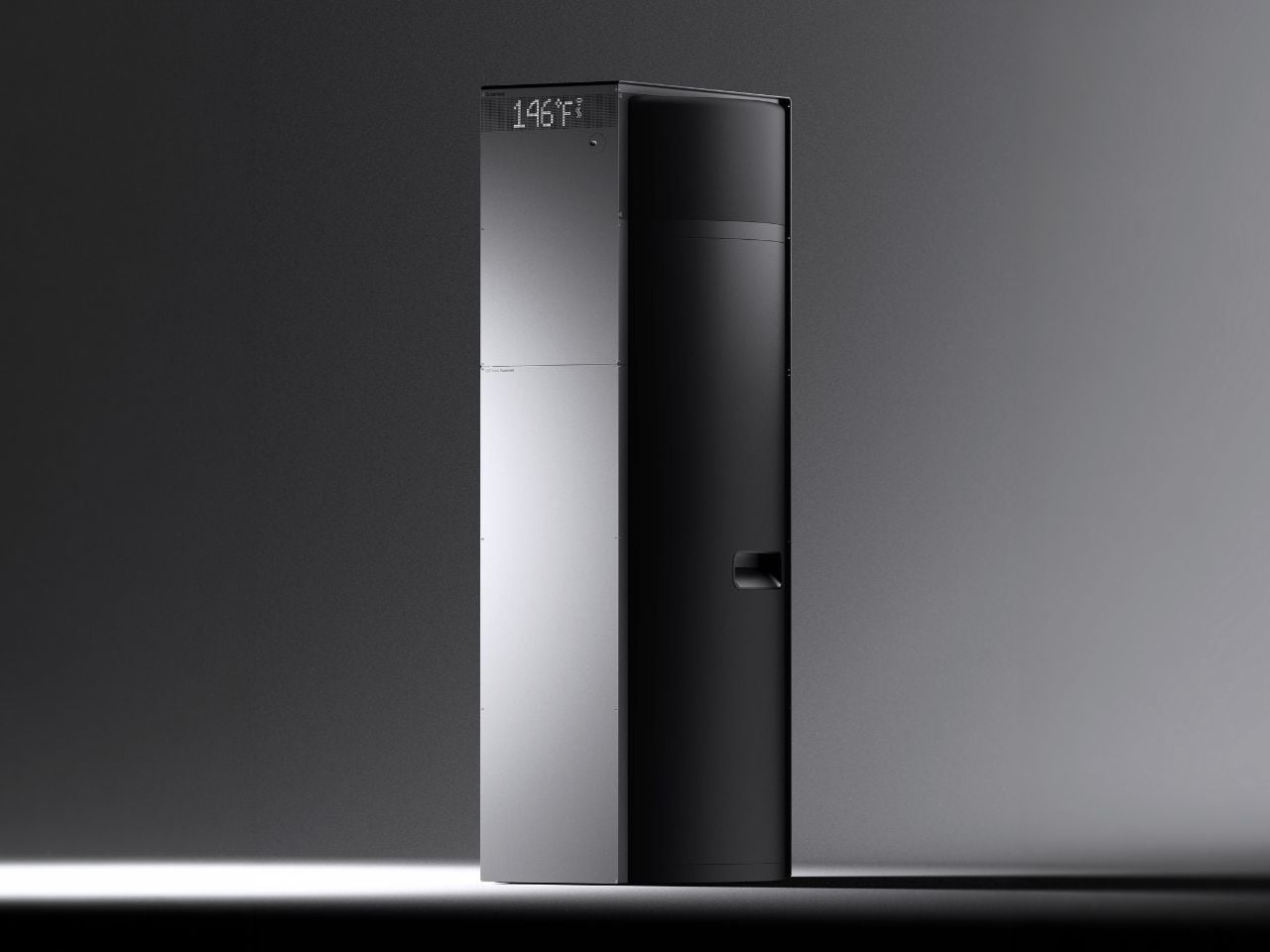
Most household devices are designed to do their job quietly and disappear into the background. Superheat’s H1 proposes a different role for them. Rather than functioning as a single-purpose utility, it treats the water heater as part of a wider technological and environmental system, one that can turn routine domestic energy use into something more productive.
In one sentence: Superheat H1 is a water heater that replaces heating elements with processors, using their heat to warm water while performing computation at the same time.
Designer: Zhenyang Yan, Andrew Geng, and Superheat design team.
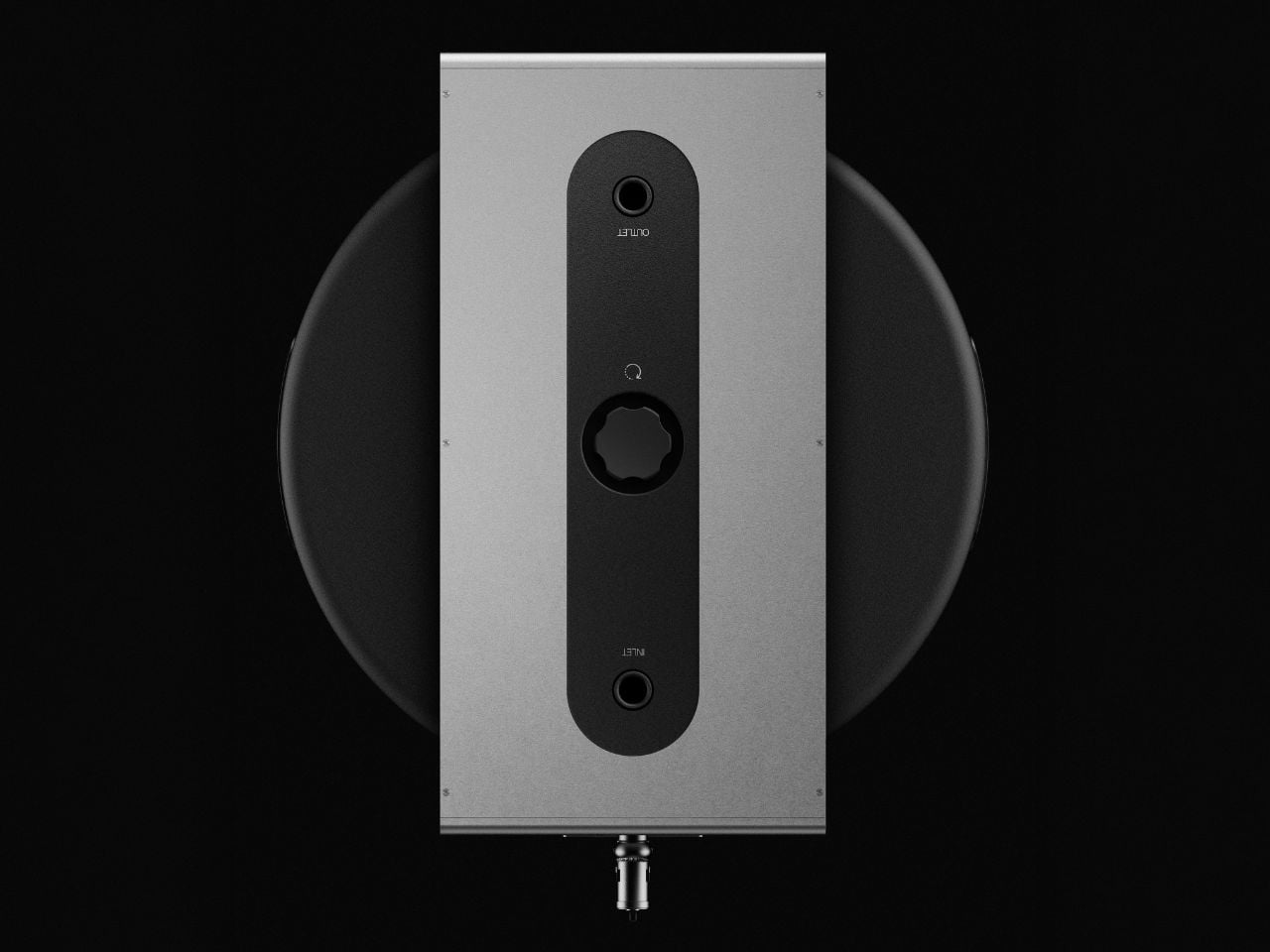
The premise behind the H1 is straightforward. Computation generates heat, and homes constantly need heat. These two realities usually exist separately. Data centers spend large amounts of energy cooling machines whose heat is discarded, while households use energy to produce heat from scratch. The H1 connects these cycles by capturing processor heat and redirecting it into water heating. A single input of electricity is used twice, once for computation and once for domestic use. What is typically treated as excess becomes functional.
Seen from a design perspective, this reframes what a household appliance can be. A water heater is usually considered a fixed expense, yet here it operates more like an active system that can offset part of its own energy cost. Testing suggests reductions of up to 80 percent in hot water energy consumption, which positions the object somewhere between a utility device and an economic mechanism.
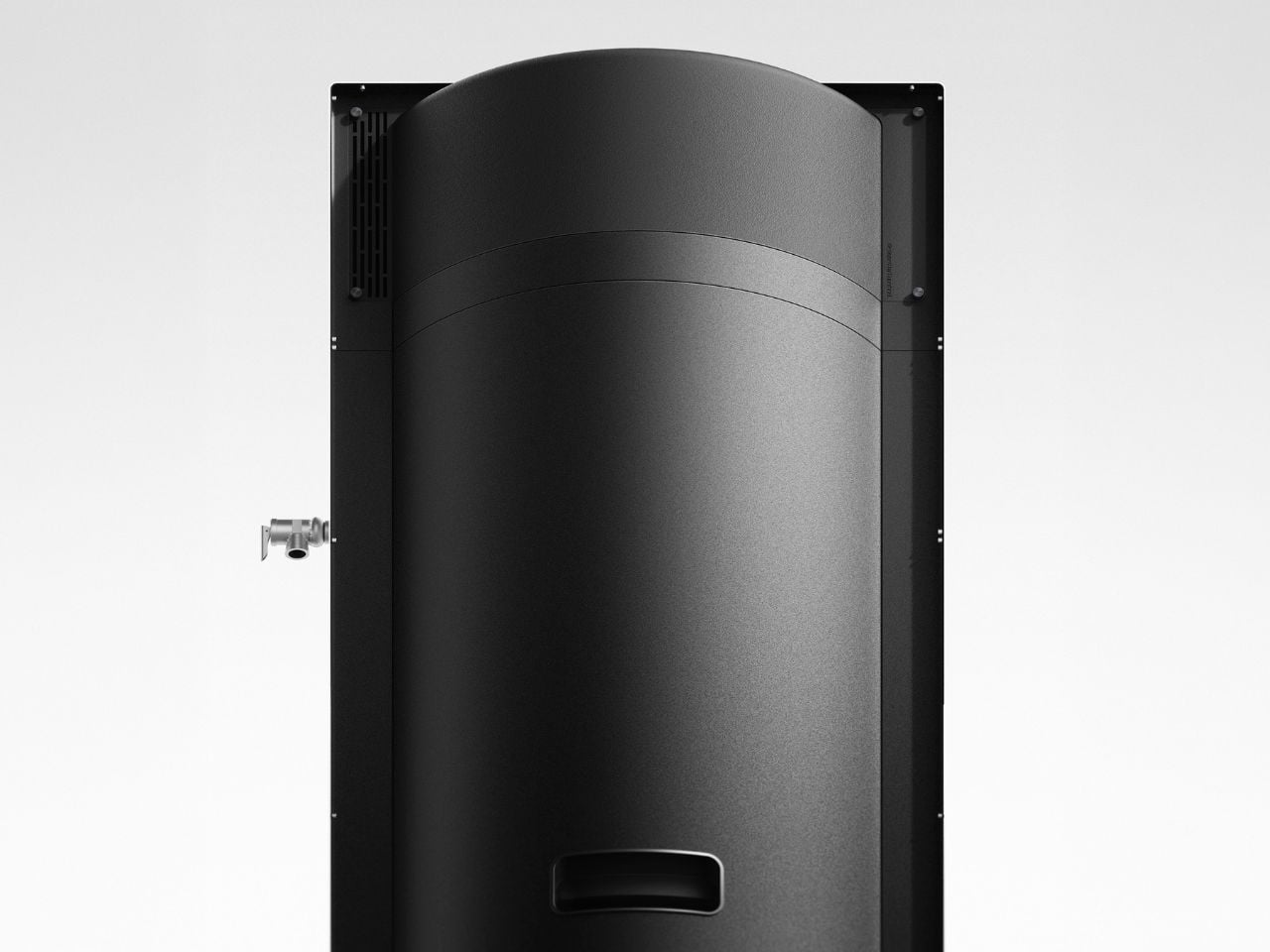
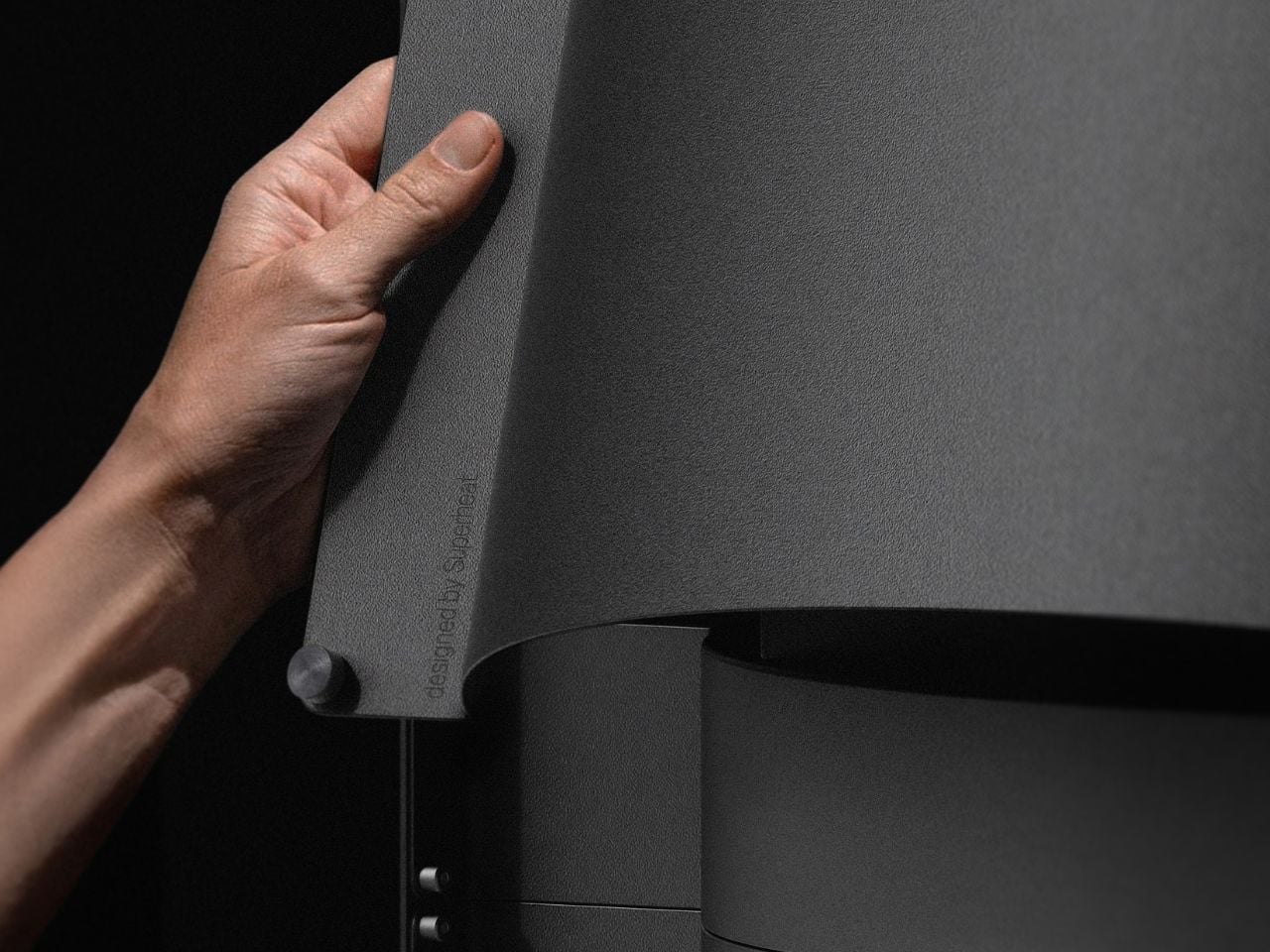
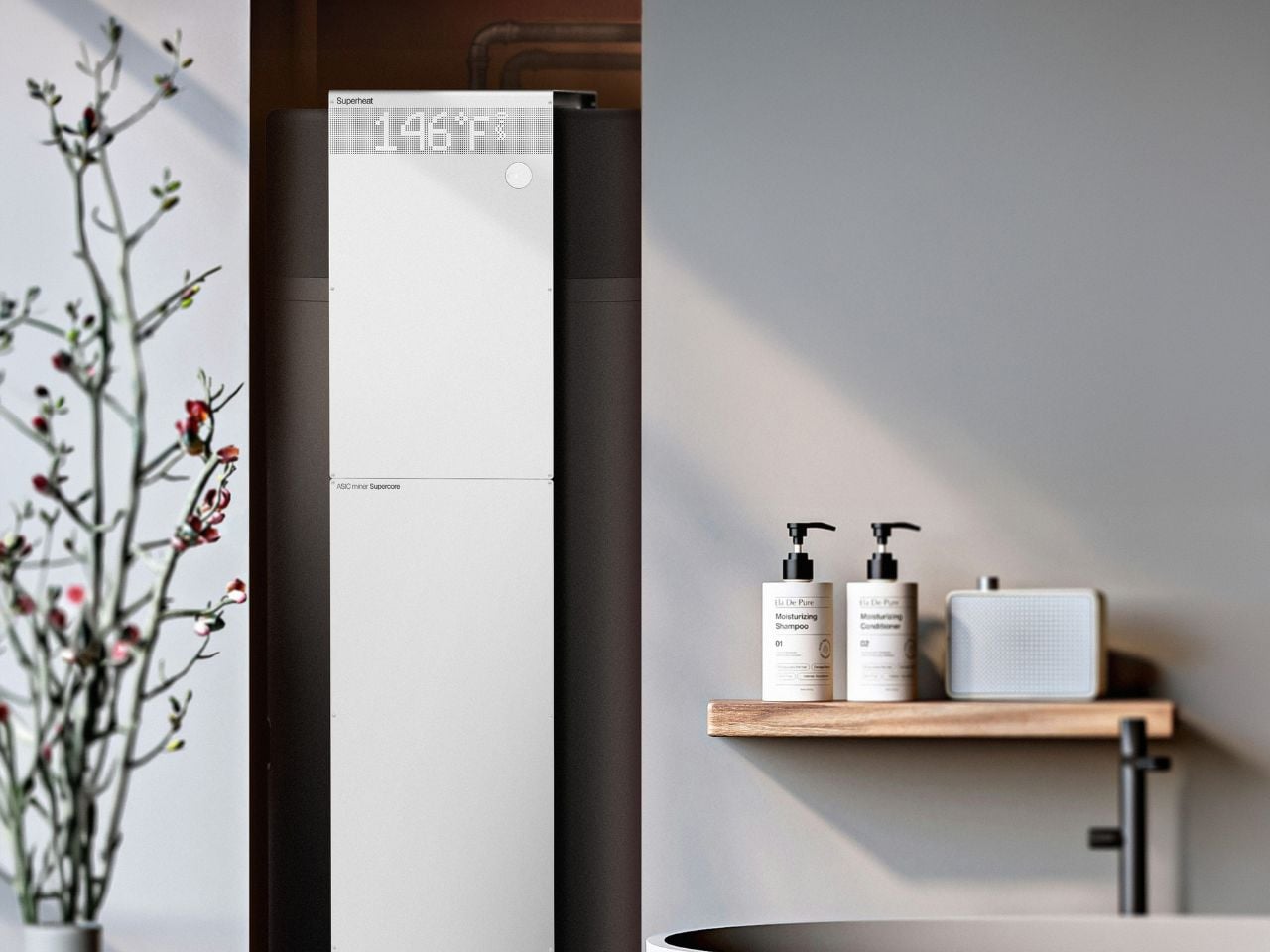
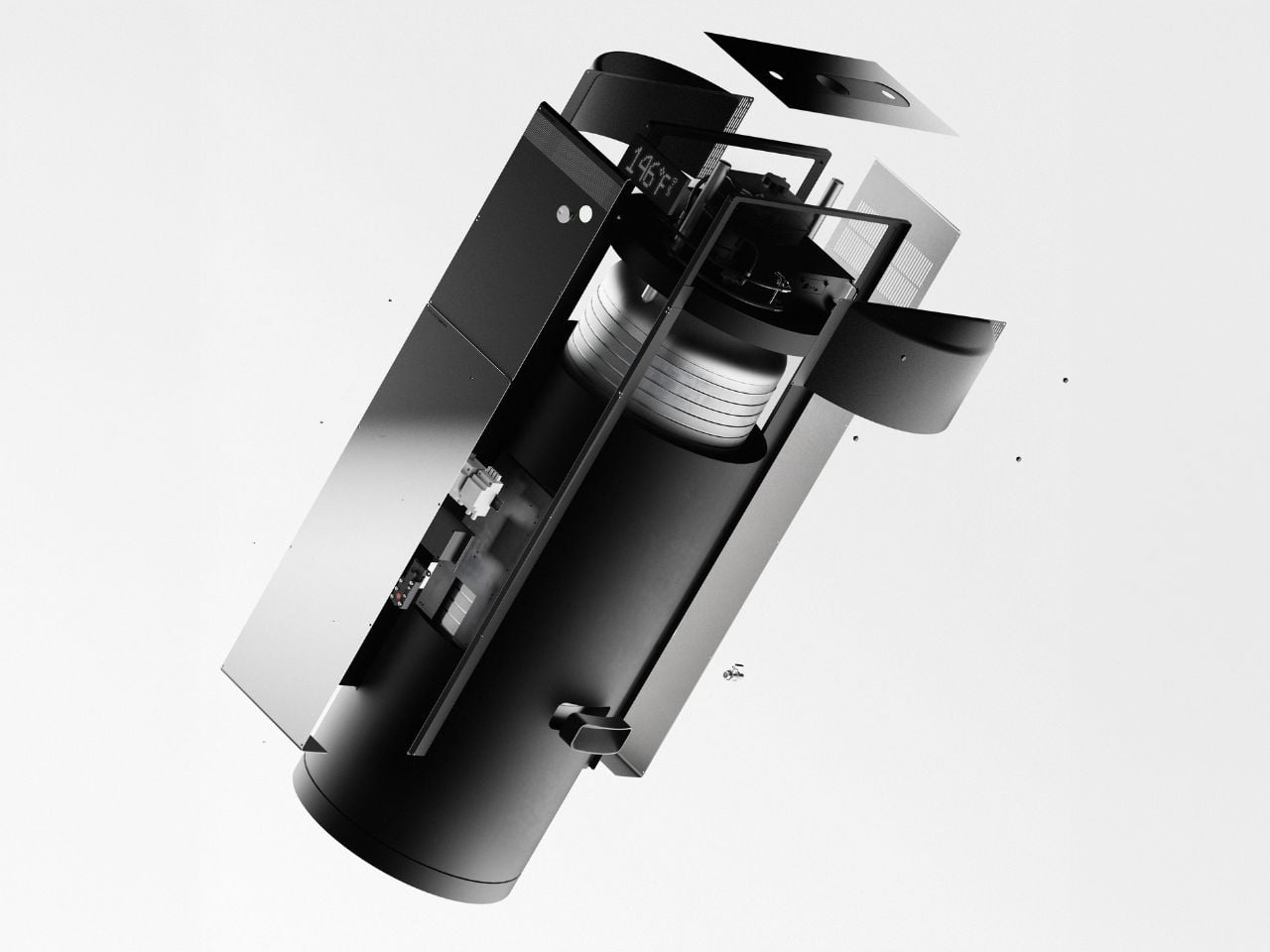
The physical design reinforces that shift. The unit is enclosed in a modular aluminum housing that reads more like a deliberate object than a hidden appliance. The modular structure allows internal hardware to be updated as processors evolve, extending the lifespan of the product and reducing replacement waste. The visual restraint and upgradability suggest a design approach focused on duration rather than novelty.
At the same time, interaction remains familiar. Installation mirrors that of a standard heater, and daily use requires no change in behavior. The complexity stays internal to the system, which is arguably what makes the concept compelling. It embeds infrastructure-level functionality into everyday life without asking users to engage with technical systems directly.
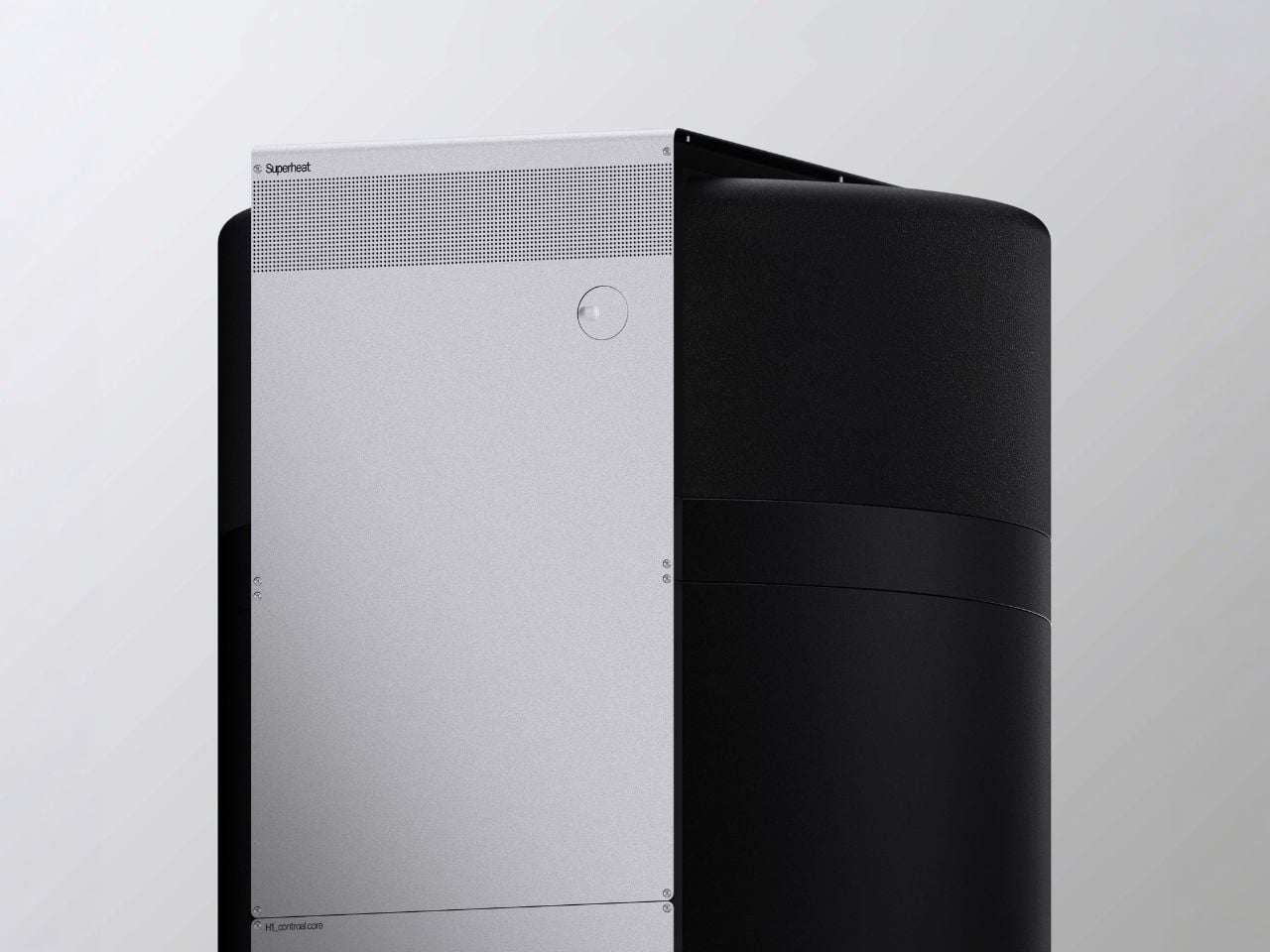
Its relevance is closely tied to the present moment. Cryptocurrency mining and high-performance computation have expanded rapidly over the past decade, bringing with them real questions about energy demand and environmental impact. Digital infrastructure often grows faster than the systems designed to support it responsibly. Projects like the H1 sit within that tension. They suggest that emerging technologies do not only require new software or policies, but also new kinds of physical design responses that address consequences as they appear.
Superheat’s broader research points toward a distributed model in which multiple household devices could function as small computational nodes. If scaled, everyday appliances such as dryers or refrigerators could collectively form a decentralized network powered by the energy homes already use. Whether or not that vision becomes widespread, it reframes domestic space as something with infrastructural potential.
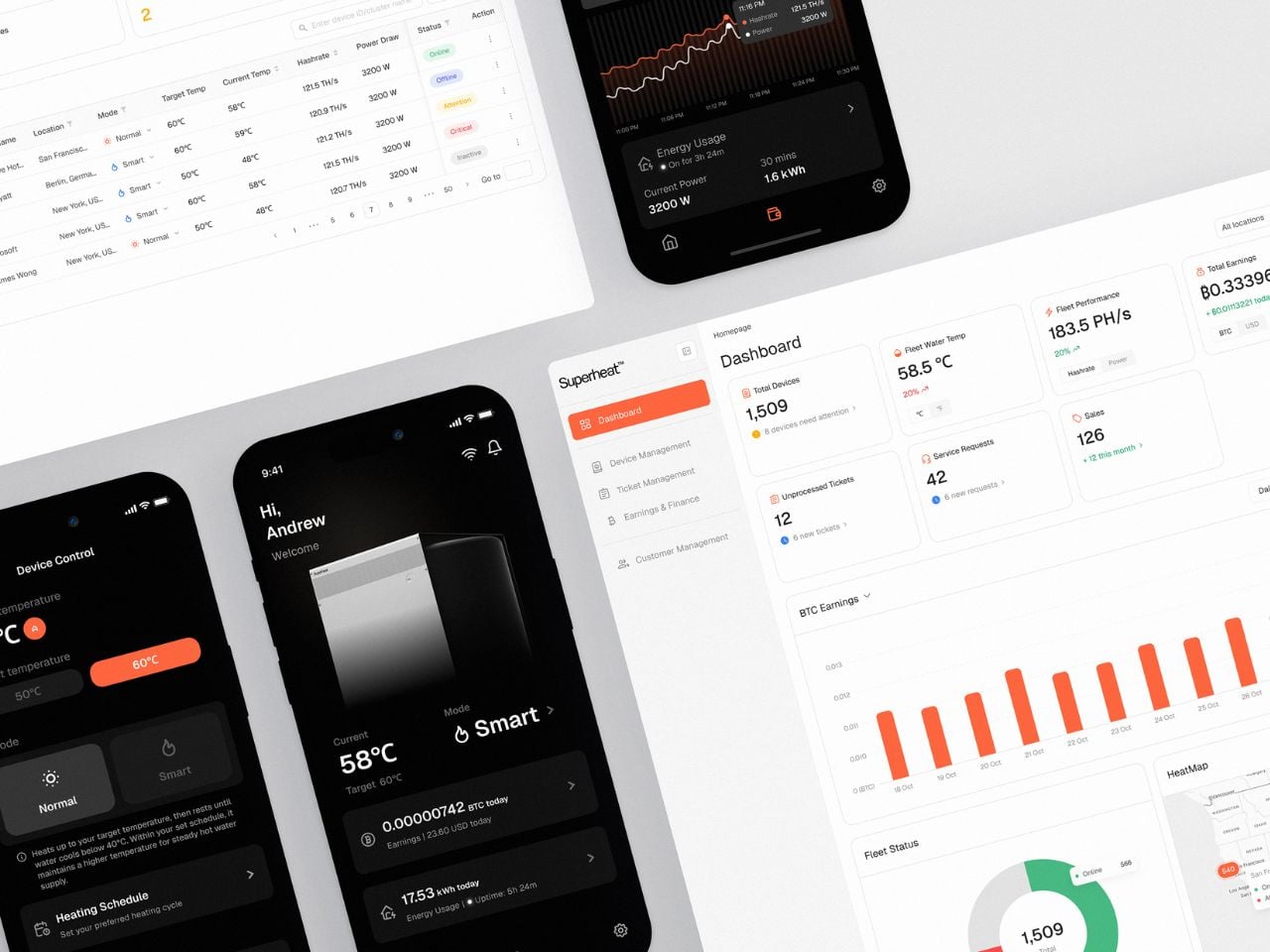
After a year of testing and development, the H1 is nearing certification, holds two patents, and has secured partnerships with established manufacturers. Recognition at CES 2026 and growing industry attention indicate that the idea resonates beyond prototype speculation.
What makes the H1 worth paying attention to is not simply its novelty, but the question it raises. If appliances can participate in larger systems rather than operate in isolation, the boundary between product design and infrastructure design begins to blur. In that sense, the project is less about a single device and more about a shift in how designed objects might function within the networks that shape contemporary life.