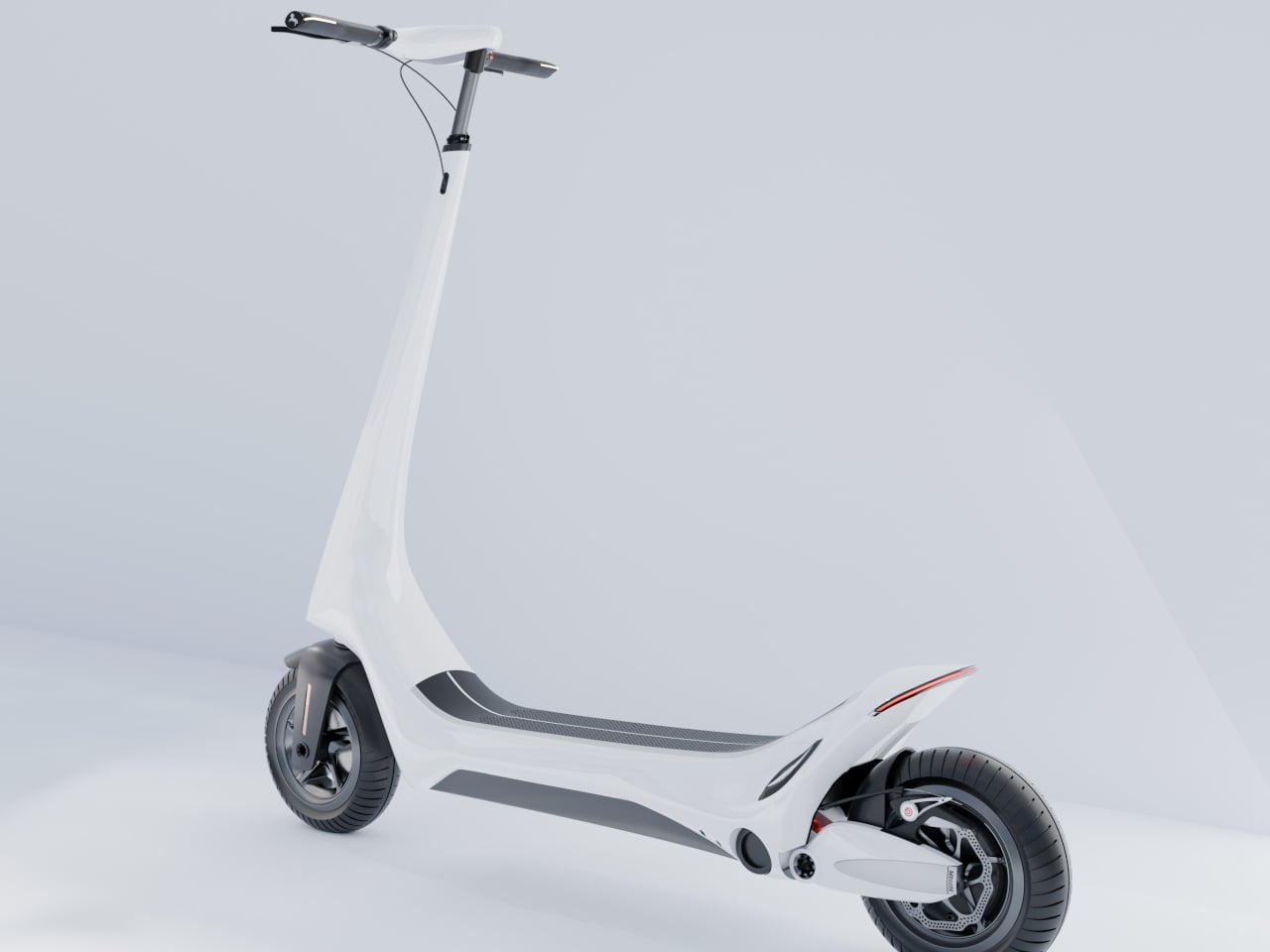
Electric scooters have largely avoided any serious design ambition. The category is dominated by folding aluminum stems, plastic covers, and an aesthetic that prioritizes manufacture over emotional response. They’re practical, they’re cheap enough to flood city streets, and they look almost uniformly forgettable. The functional argument for the e-scooter has been made convincingly; the case for it as an object worth caring about has barely been attempted.
This conceptual design sets out to change that premise by applying Ferrari’s design principles to the everyday electric scooter, and the key distinction here is “principles” rather than “branding.” It’s not about putting an emblem on a commuter vehicle. It’s about understanding what makes Ferrari’s cars genuinely compelling: the sculptural tension of every surface, the sense that the body is always in motion even while standing still.
Designer: Sayem Ameer
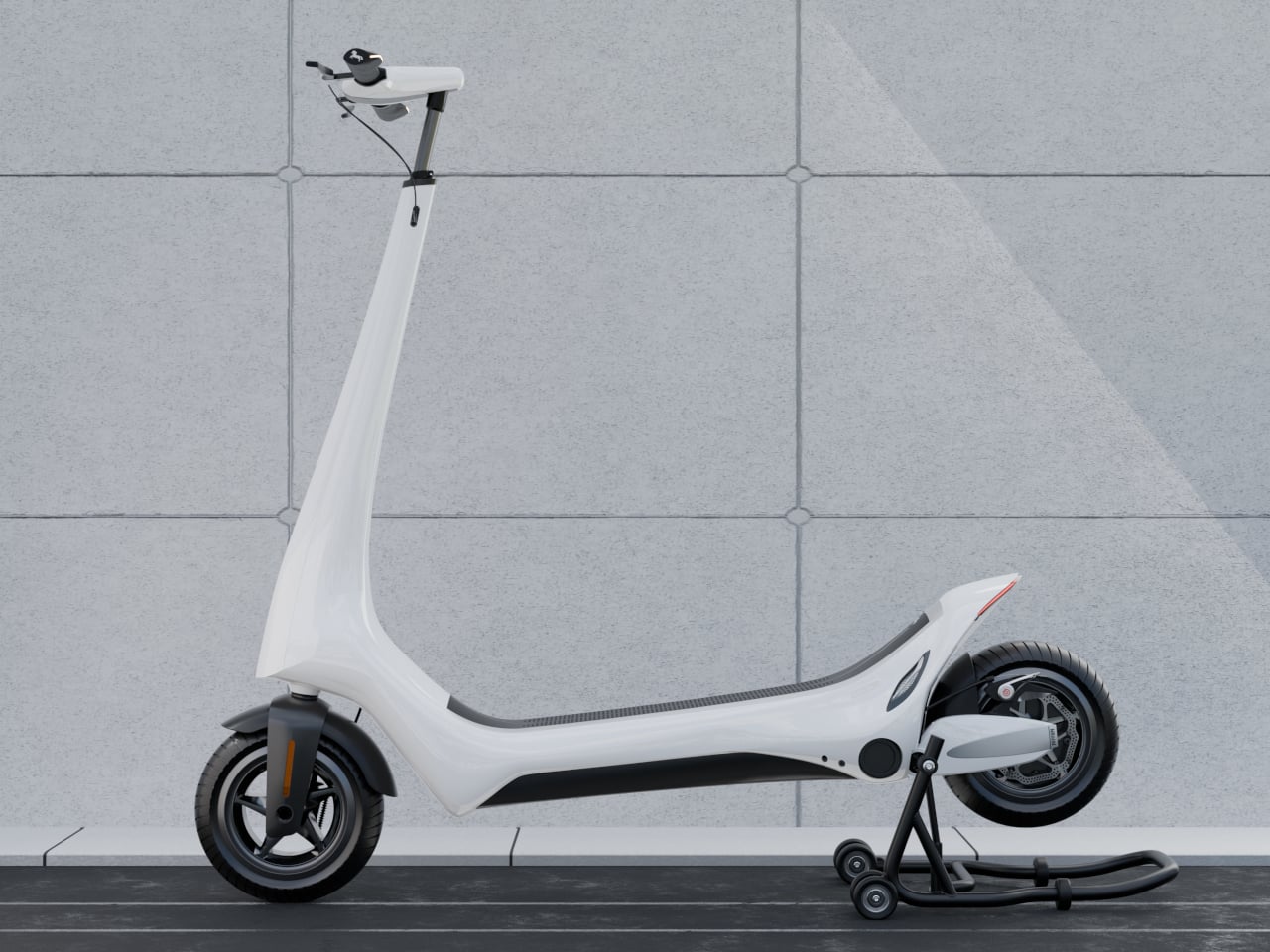
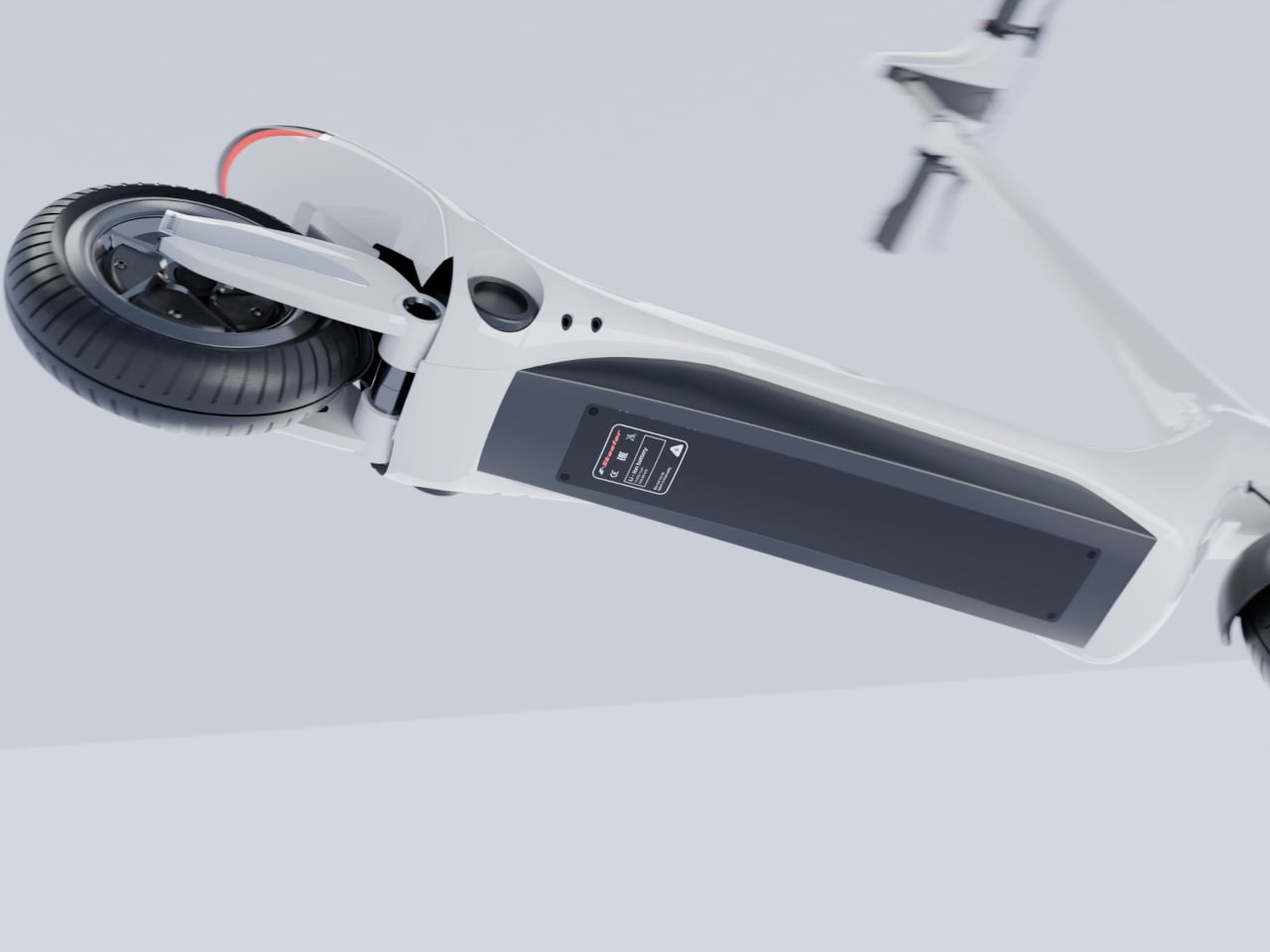
The result is a seamless, monolithic body with aerodynamic surfaces that flow cleanly from deck to stem without visible joints or interruptions. Where most scooters expose their mechanical reality through folding hardware and clamped connections, this concept wraps everything inside a sculptural shell. The proportions run deliberately long and low, creating a silhouette that reads closer to a sports motorcycle than anything you’d typically find parked outside a train station.
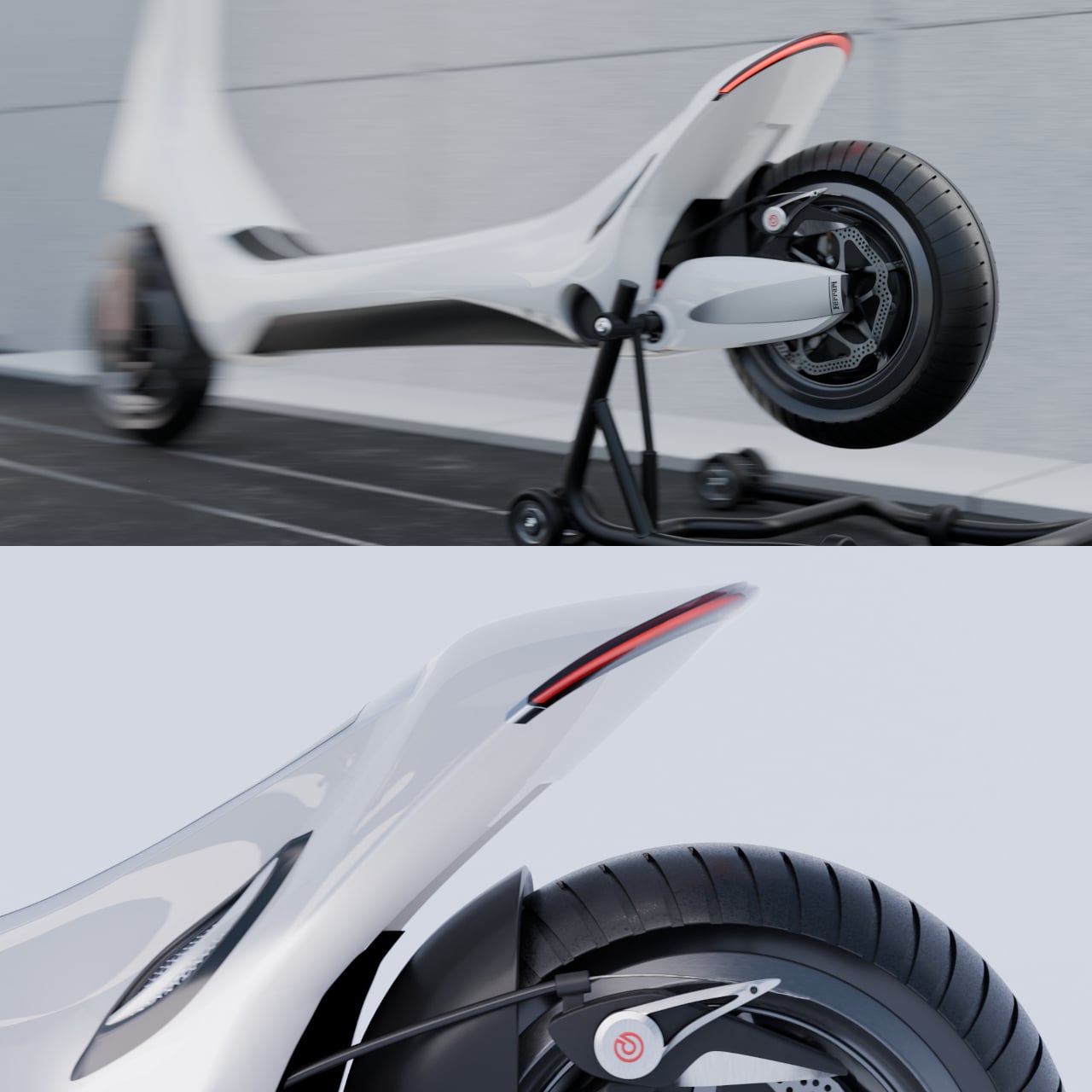
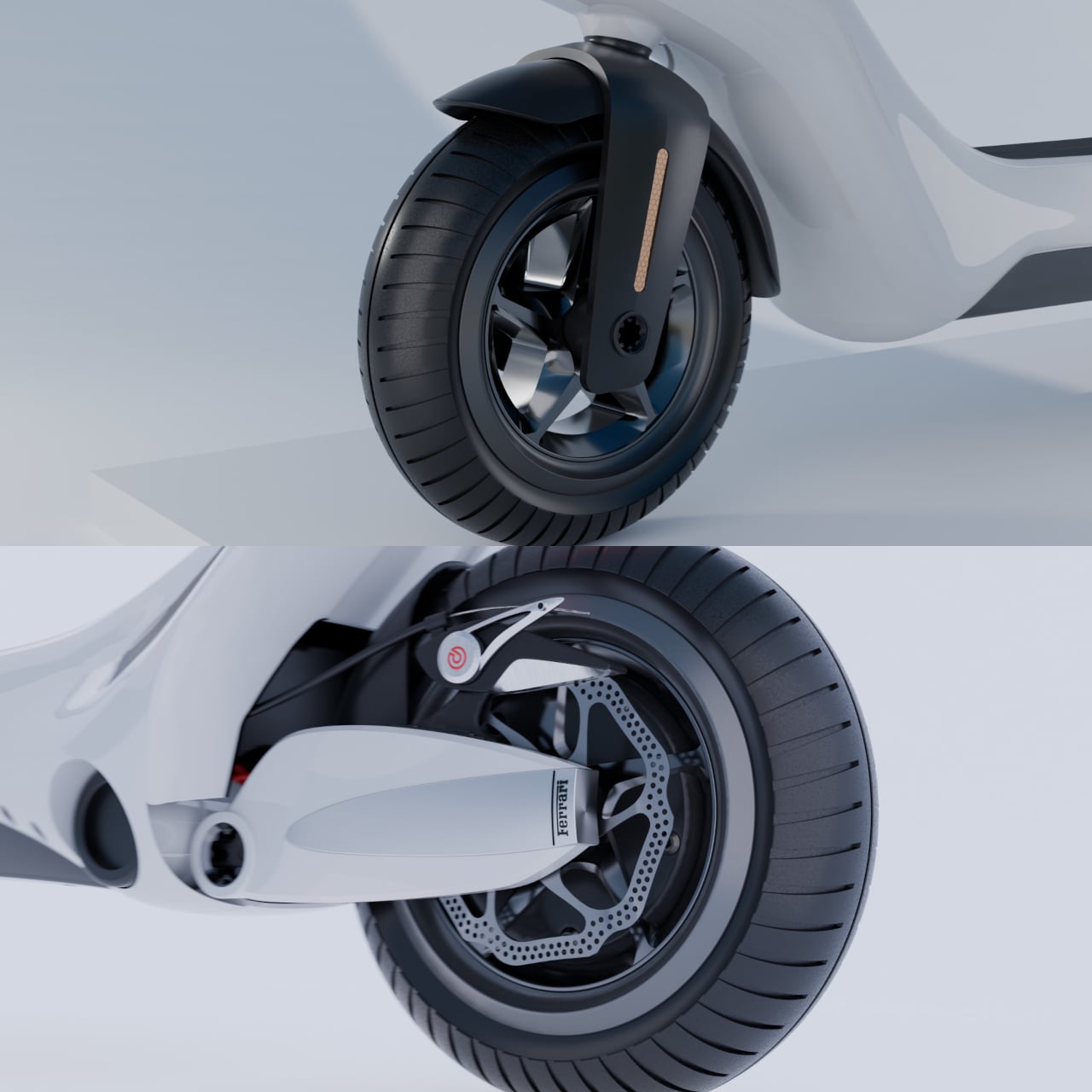
The rear end is where the design stakes its biggest claim. A sharp, swept-back tail section with a thin red LED strip carries the kind of visual tension Ferrari builds into a rear diffuser, resolved here as a knife-edged fin rising above the rear wheel. Disc brakes with red-accented calipers carry the performance suggestion further, lending mechanical credibility to surfaces that might otherwise read as purely decorative.

The handlebar assembly takes a similar approach to the cockpit of a performance car, centered on an instrument pod flanked by brake cables that cross in a deliberate V pattern. It’s a small detail, but it’s the sort of detail that separates a design study from a styling exercise. Everything here has been considered for how it communicates intent rather than how it minimizes production cost.

The body is rendered in white with dark carbon-fiber accents on the deck, a combination that keeps the visual weight low while the red LED taillight acts as the single chromatic accent. There’s a restraint to the palette that reflects Ferrari’s own approach to color, which tends to let the form do the talking and reserve color for punctuation rather than decoration.

Getting around a city on this concept would feel different from anything currently on the market, which is arguably the entire point of the exercise. Most urban e-scooters communicate nothing beyond the utilitarian function they serve. This one communicates something about the person who chose it, which is something Ferrari’s cars have always done and something electric mobility design has almost entirely failed to deliver.