If you’ve ever taken kids camping, you know the scene: the tent is up, the fire is going, and the kids are on their phones. It’s not laziness and it’s not bad parenting. Most of the time, it’s a design failure. The gear around them was never built with them in mind, and at some point, that sends a message even kids can feel.
Camping equipment has always been an adult enterprise. The coolers are heavy, the tent poles are complicated, the chairs are sized for grown-up bodies, and the whole setup sends one unintentional message: wait here while we do the real stuff. Kids get handed snacks and a patch of ground while adults handle everything that looks interesting. At some point, a screen starts to feel like a more welcoming invitation than the campsite does.
Designer: Chenyu
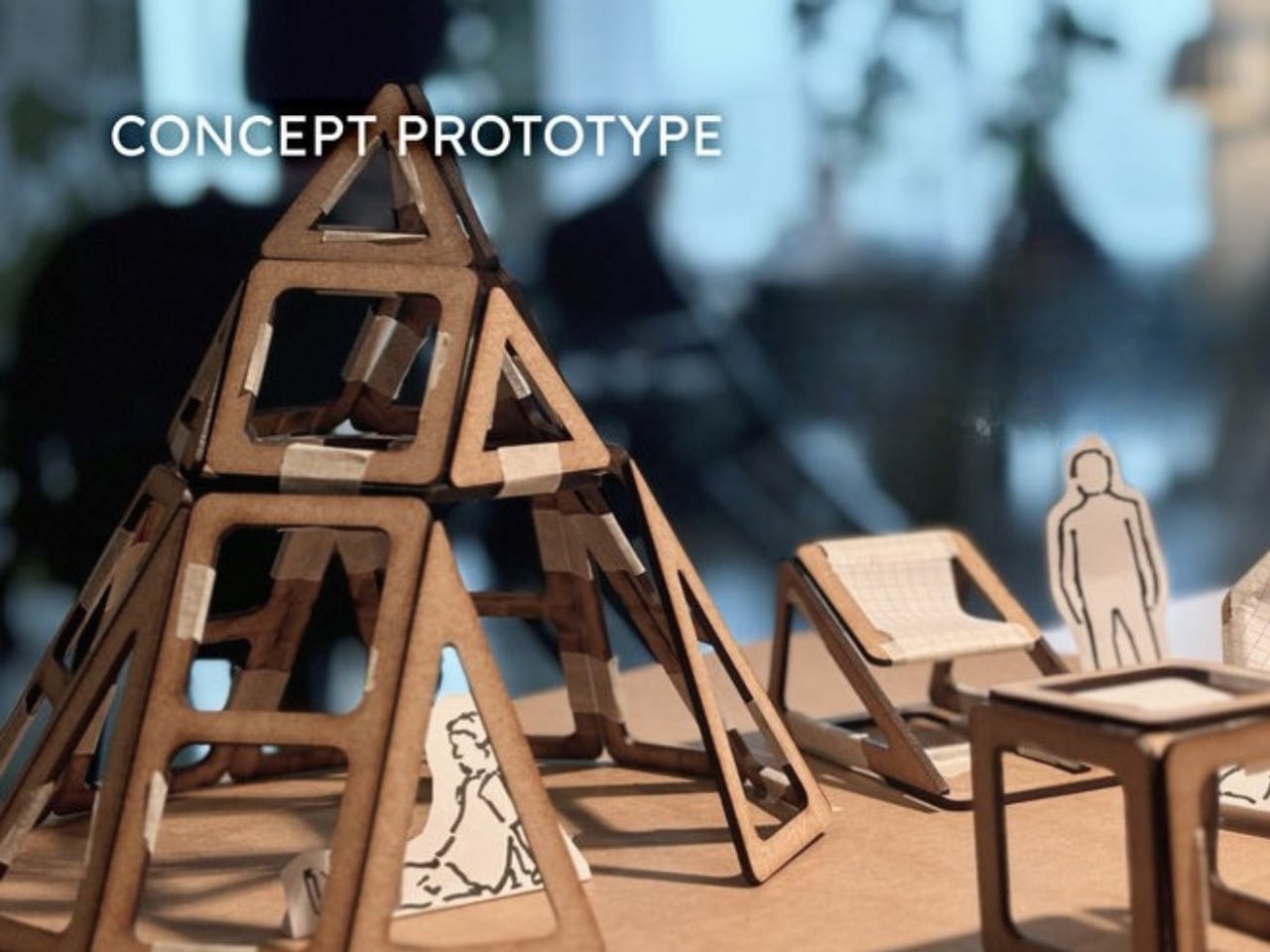
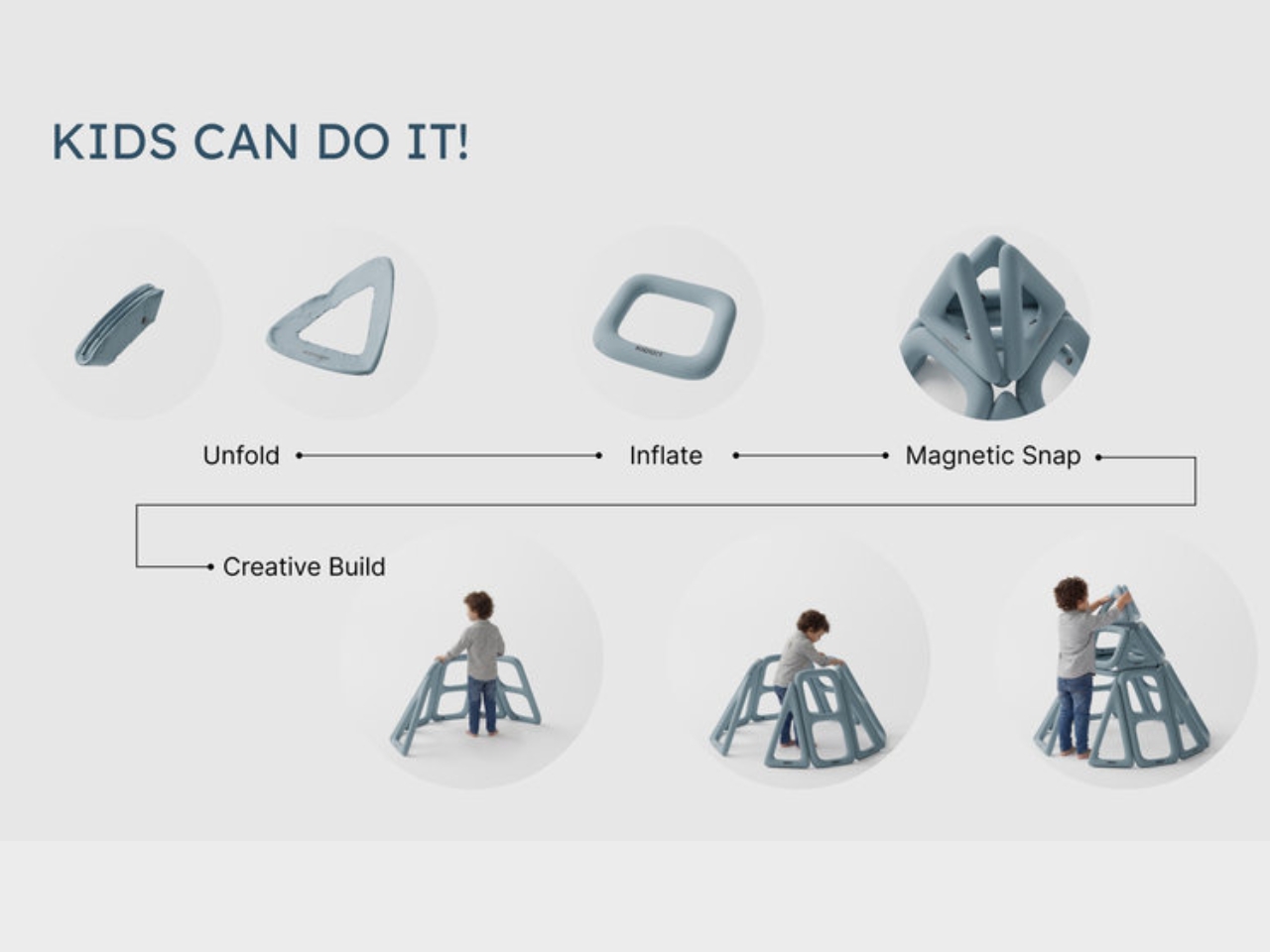
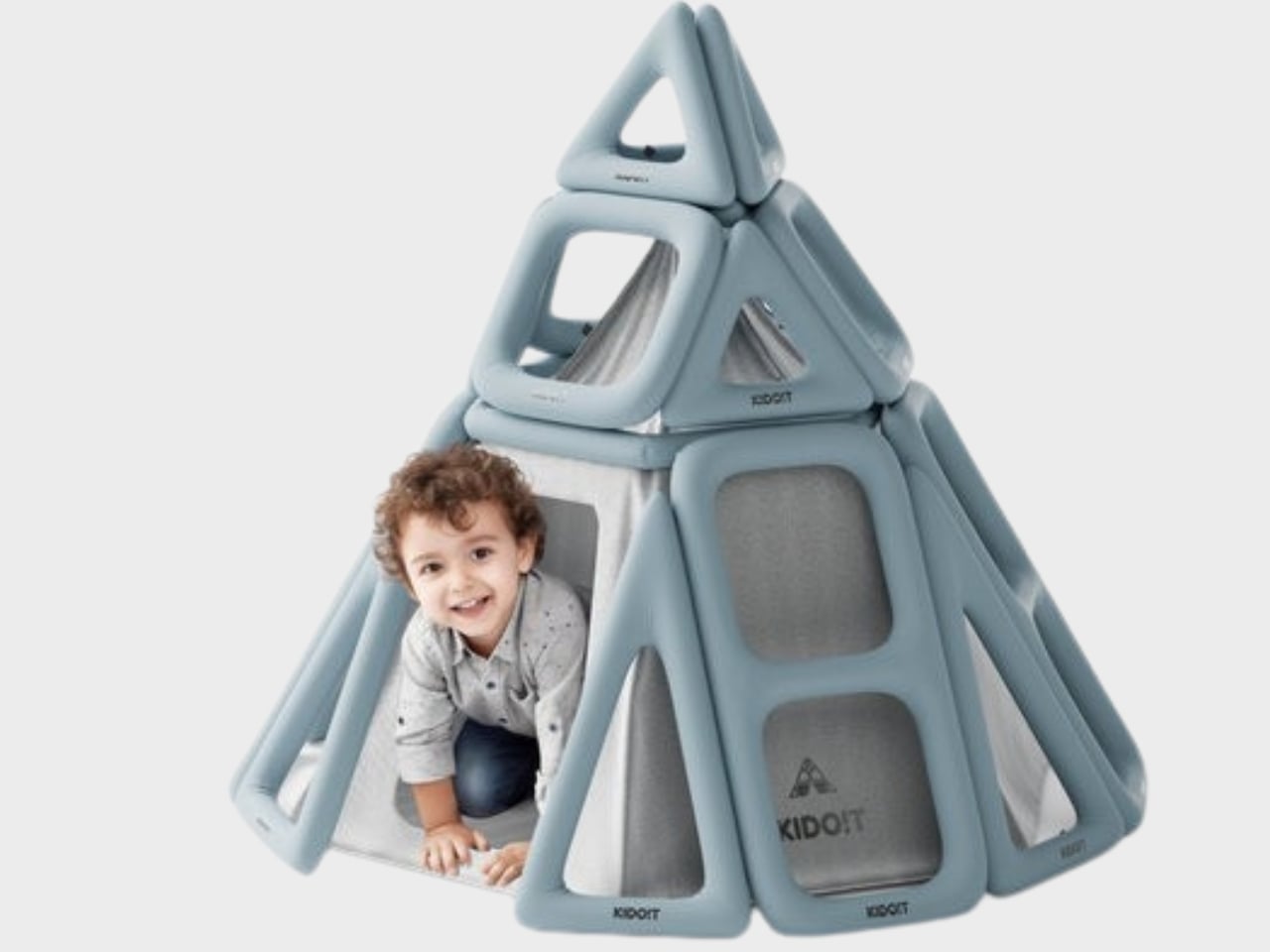
That’s the gap designer Chenyu set out to close with KIDO!T, a modular outdoor adventure kit built specifically for children. And it’s worth paying attention to, not just as a clever product idea but as a genuine rethinking of how we design for younger people in outdoor spaces. The concept is straightforward: give kids their own gear to build and configure, and suddenly the campsite becomes theirs to shape. Ownership changes everything.
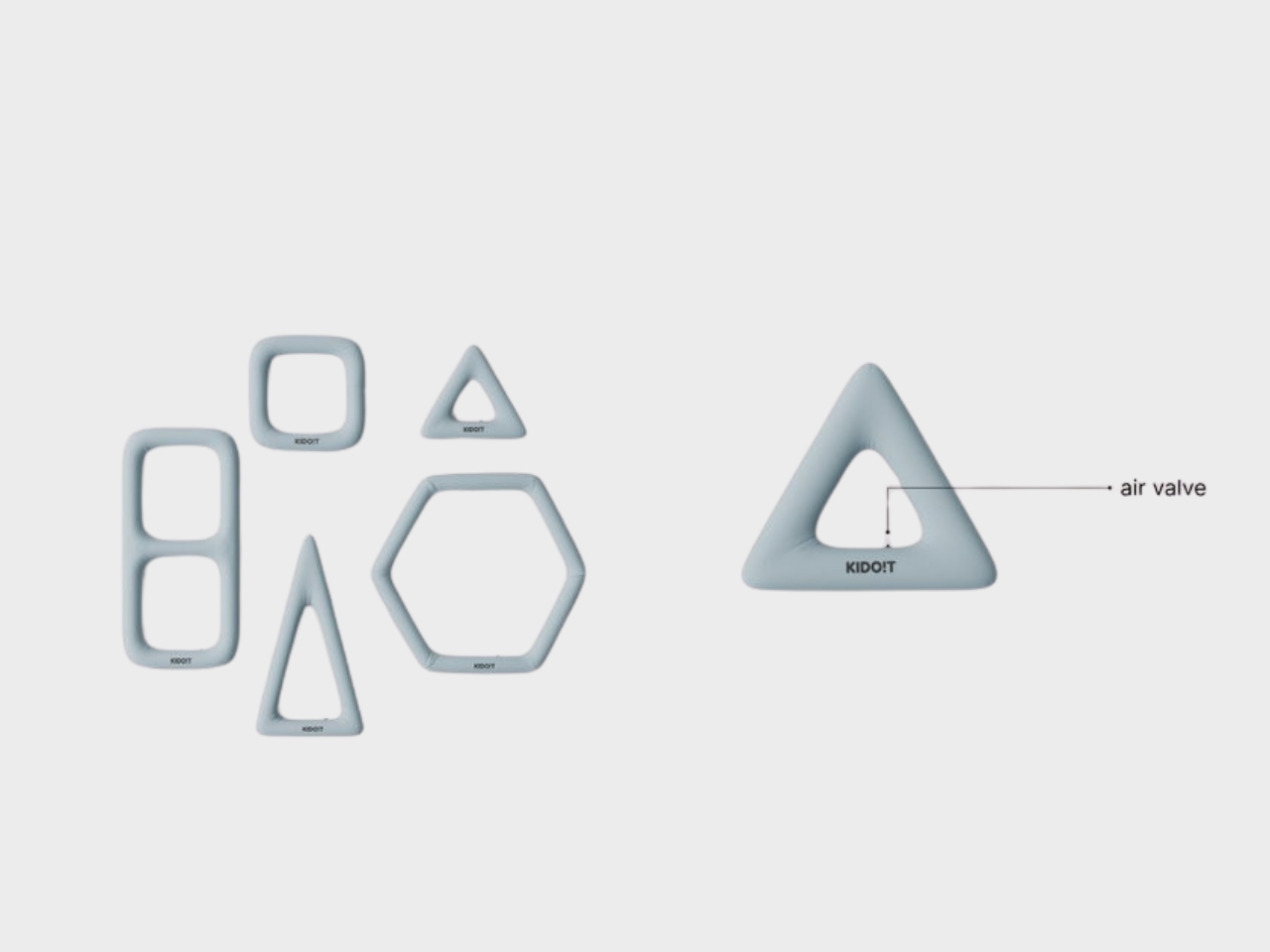
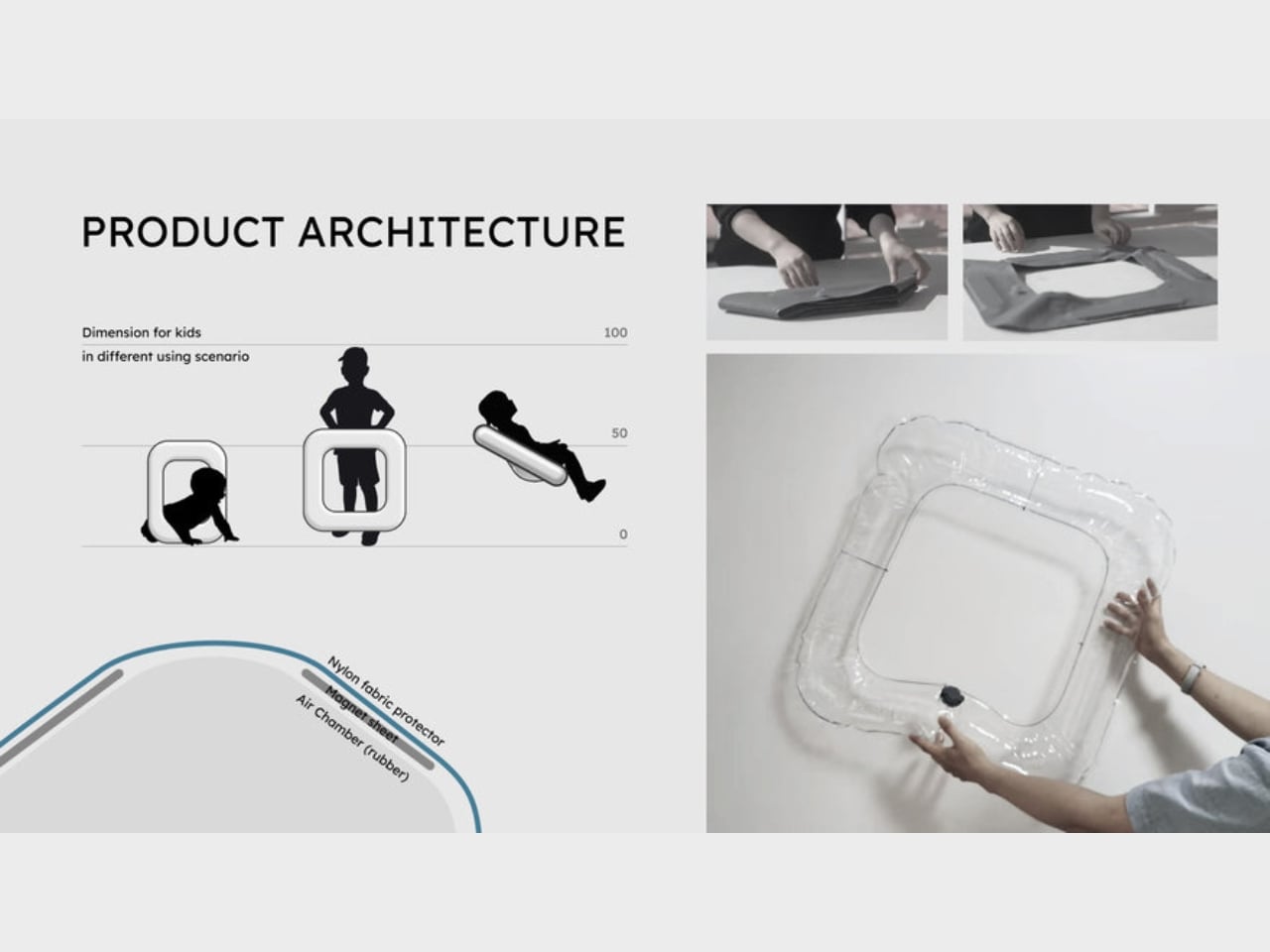
At the core of KIDO!T are inflatable bricks. Each one has a rubber inner air chamber for structure and a durable nylon outer layer, making them light enough for a toddler to carry but sturdy enough to actually sit on. What makes them click as a system, literally, is embedded magnetic sheeting that lets the bricks snap together intuitively. No instructions required. No adult supervision necessary. Children can build forts, lounges, exploration bases, or whatever their imagination lands on that afternoon.
The design was thought through with specific age groups in mind, and that kind of granular attention is where it gets genuinely interesting. For kids between three and five, the priority is sensory play and safety. Ages six through eight lean into curiosity and the desire to actually build things. Teenagers, who are often the forgotten middle ground in family gear design, get something that offers independence and a social space they can call their own. One kit, three different relationships with play. That kind of design intelligence is rare.
Chenyu describes the generation growing up today as living in a “forest of concrete,” and that framing sticks because it’s accurate. Between screens, structured academics, and urban environments, many kids are logging less and less time in genuinely unscripted outdoor spaces. Camping is often a family’s attempt to correct that, which makes it all the more frustrating when the experience doesn’t actually pull kids in. The intent is there. The gear just hasn’t caught up.
The activity modules bundled into the system take it further still. Rather than sitting passively while the adults make dinner, a child can plug into a structured activity that ties directly to the outdoor setting around them. It’s a quiet but meaningful shift in how we position nature to kids: not as a backdrop to adult activities, but as a destination in its own right.
KIDO!T earns its place in the conversation about modern outdoor design because it reframes the problem entirely. The question isn’t how to get kids to put their phones down. It’s how to make the alternative more compelling than anything a screen can offer. Inflatable bricks that snap together magnetically and become whatever a child imagines? That’s a stronger argument than any screen time limit.
Good design for children is a specific craft. It can’t just be adult design scaled down or made colorful. It has to understand how kids actually think, what motivates them, where their attention goes and why. KIDO!T feels like a response to that challenge rather than an afterthought to it. The campsite has always been beautiful. Now there might finally be a corner of it that belongs entirely to the kids.