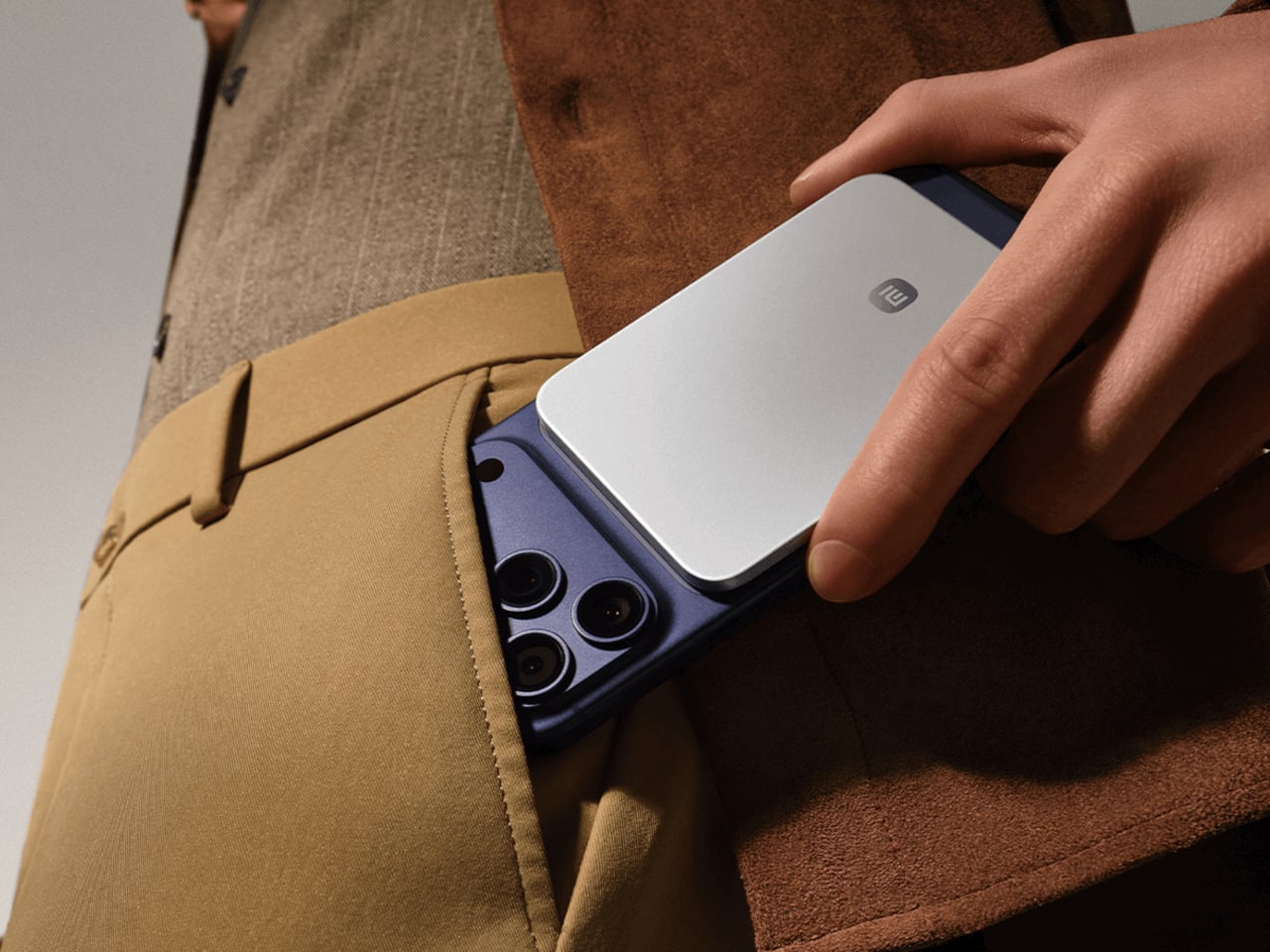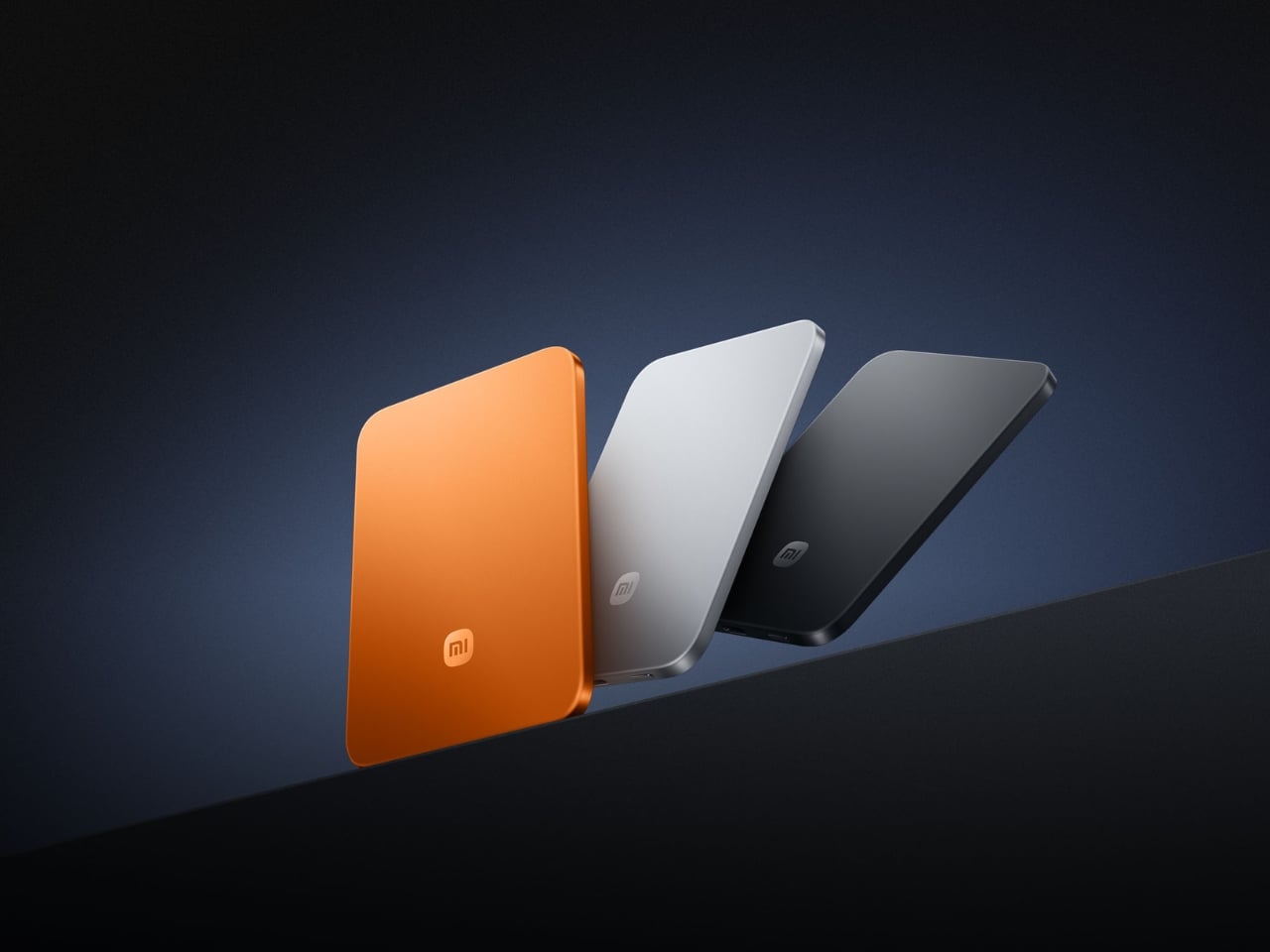
I’ve carried a lot of power banks over the years. Bulky ones that weigh down my pockets, chunky bricks that barely fit in a crossbody bag, and a few “compact” options that still felt like lugging around a deck of cards. So when Xiaomi announced a magnetic power bank that measures just 6mm thick and weighs 98 grams, I’ll admit my first reaction was skepticism. That’s thinner than most smartphones on the market right now, including the iPhone 17. A power bank isn’t supposed to be thinner than the device it charges.
But here we are, and the Xiaomi UltraThin Magnetic Power Bank 5000 15W is very real. It launched in Japan earlier this year at roughly $50, has since expanded to Australia, Singapore, South Korea, and Europe, and was officially showcased at MWC 2026 in Barcelona. The European pricing sits around €60 for the Glacier Silver and Graphite Black versions, with a slightly more expensive Radiant Orange option at €65. For what it delivers in terms of sheer industrial design, those prices feel reasonable.
Designer: Xiaomi
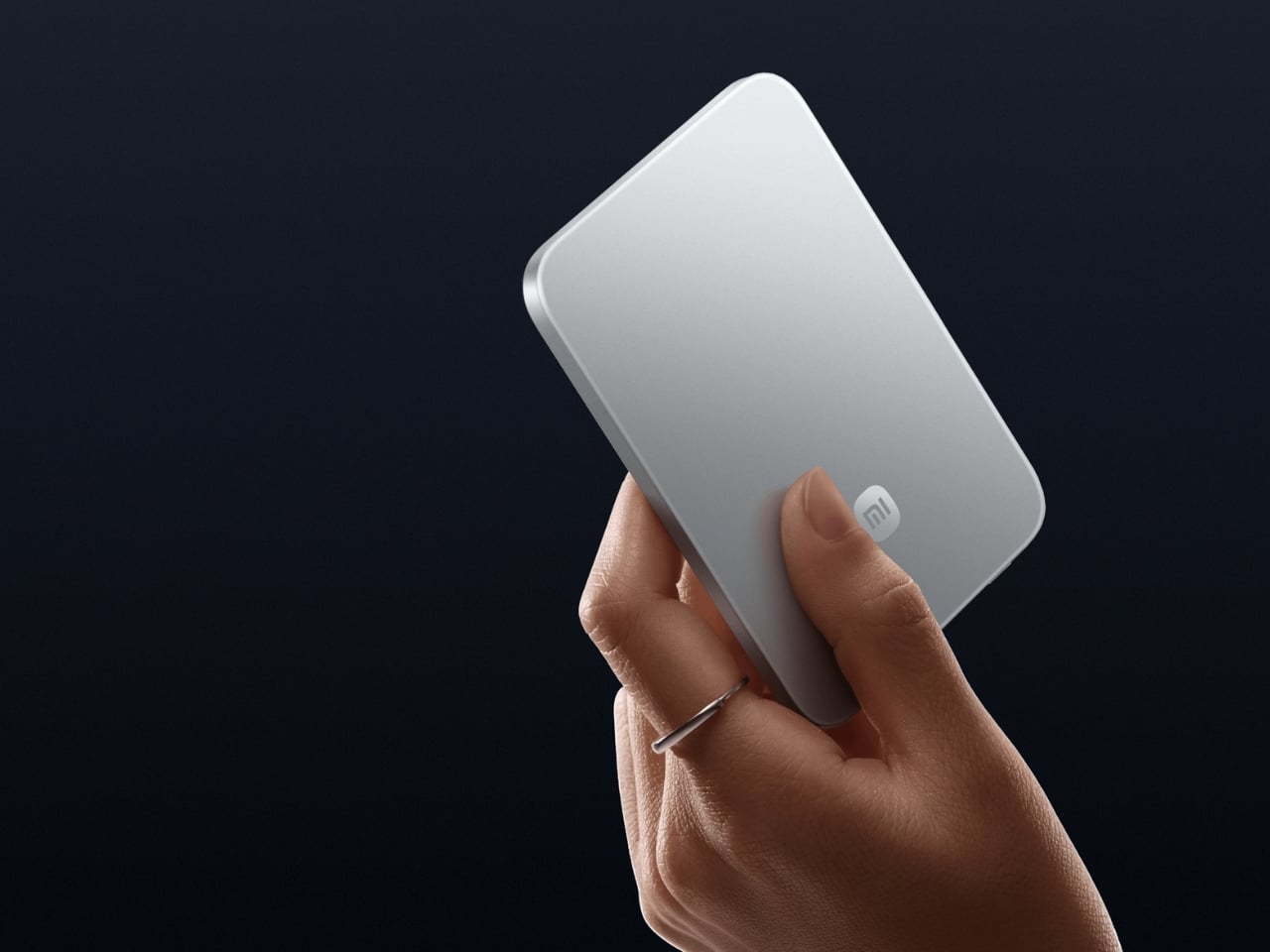
Let’s talk about what makes this thing genuinely interesting from a design perspective. Xiaomi is using a silicon-carbon battery with 16% silicon content, which is the kind of battery chemistry that allows for higher energy density in a slimmer package. That’s how they’ve managed to squeeze 5,000mAh into something that resembles a metal business card more than a traditional power bank. The aluminum alloy shell has a smooth, understated finish, and the phone-facing surface uses fire-resistant fiberglass with an excimer coating for heat management. A photolithographically etched logo on the back adds a subtle detail that signals this product was designed with care, not just assembled to a spec sheet.
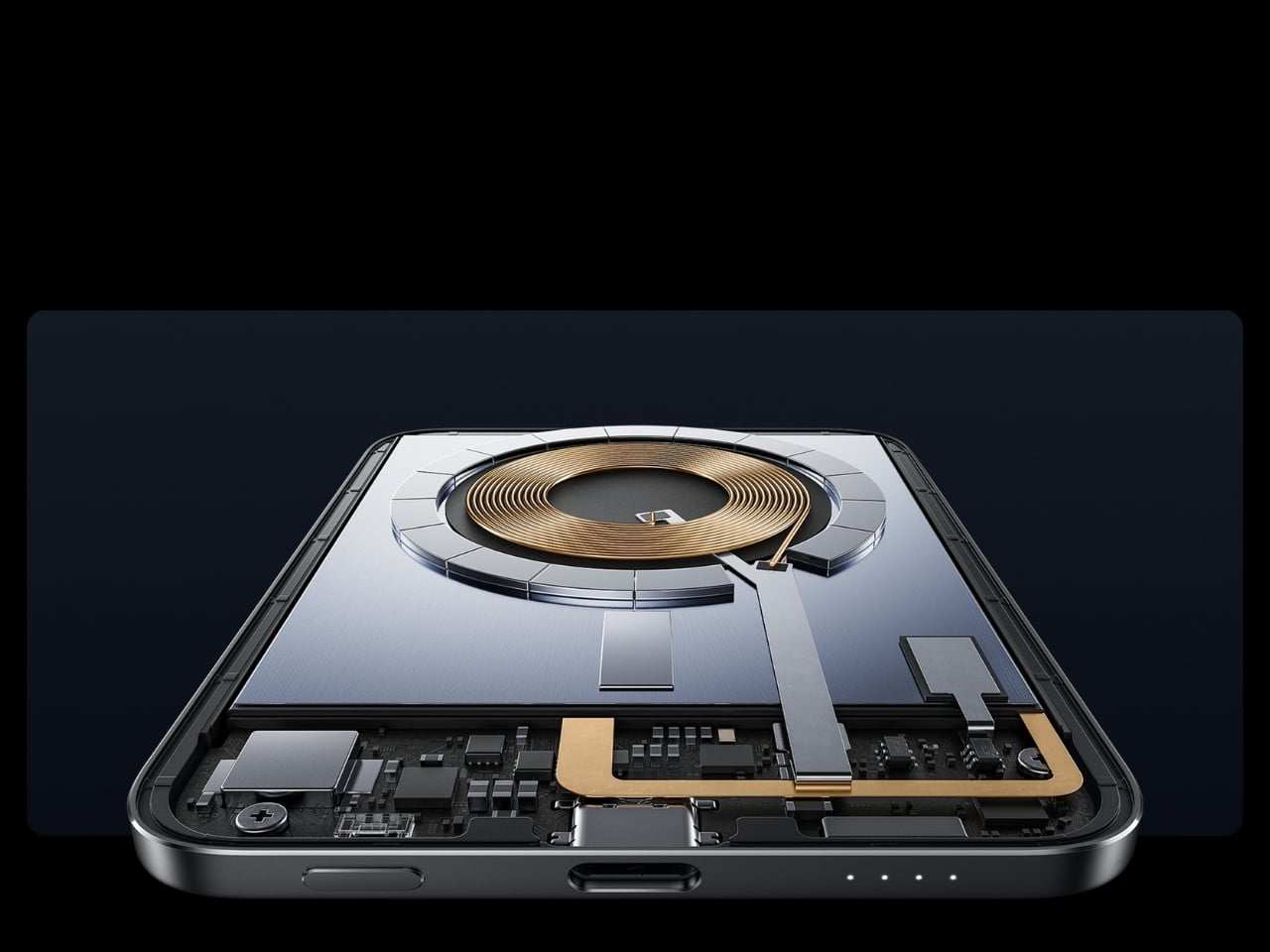
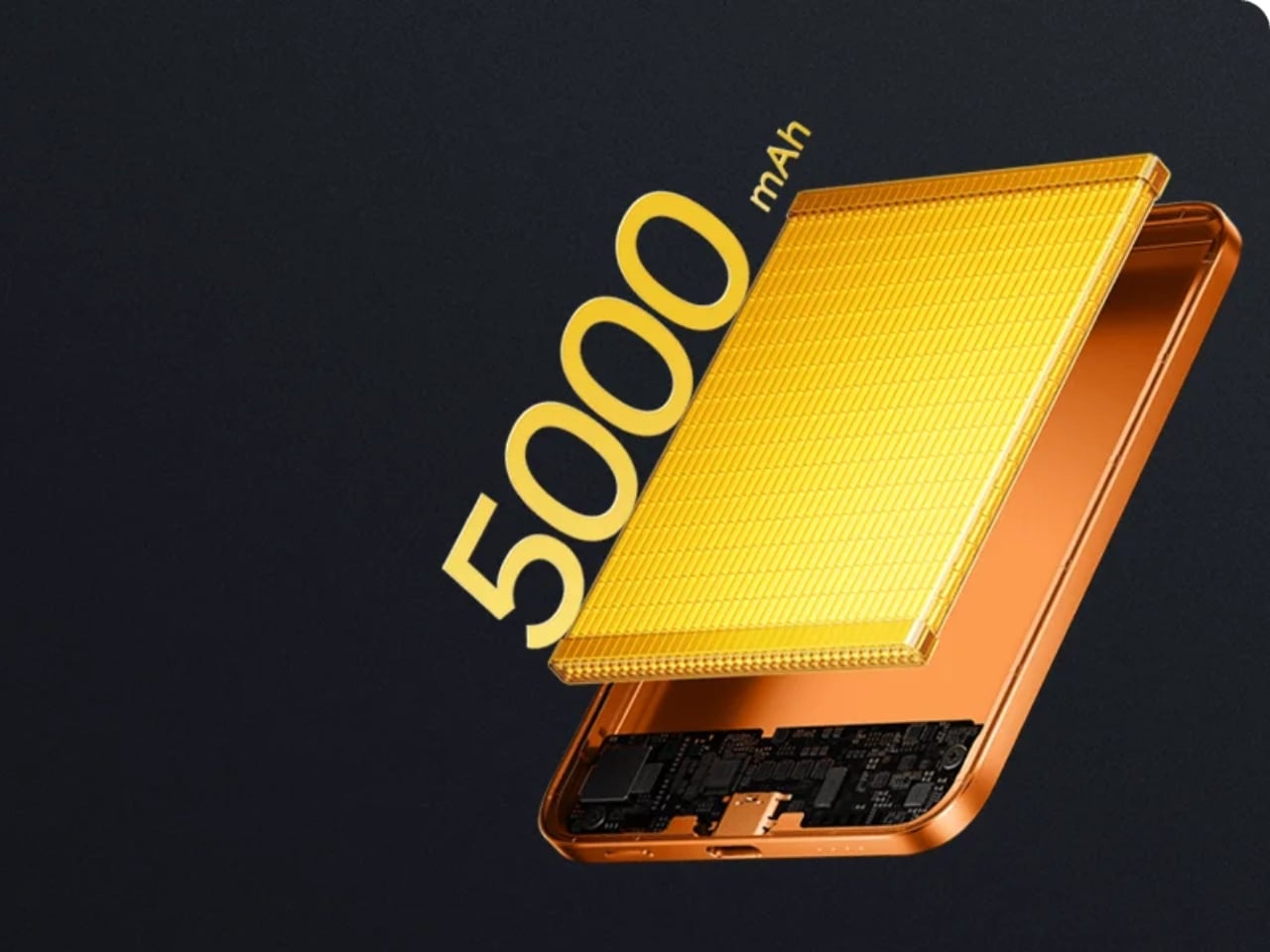
The charging specs are solid if unspectacular. You get up to 15W wireless charging when paired with the Xiaomi 17 series, though iPhone users are limited to 7.5W due to Apple’s MagSafe restrictions. There’s also a USB-C port pushing up to 22.5W for wired charging, and the option to charge two devices simultaneously. It’s not going to win any speed records, but for a device this thin, the versatility is appreciated. You snap it onto the back of your phone magnetically, and it just works. No cables, no fuss.
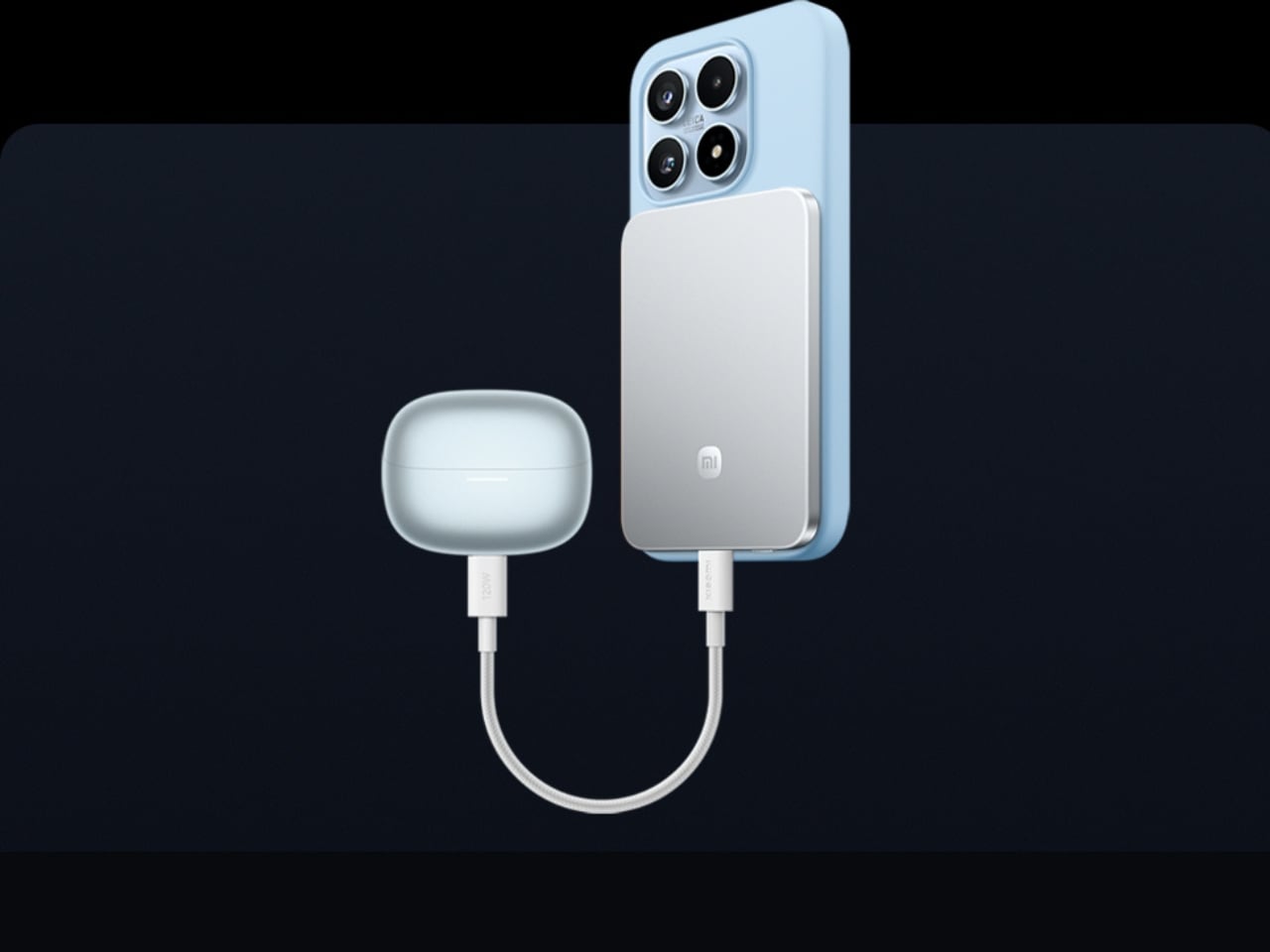
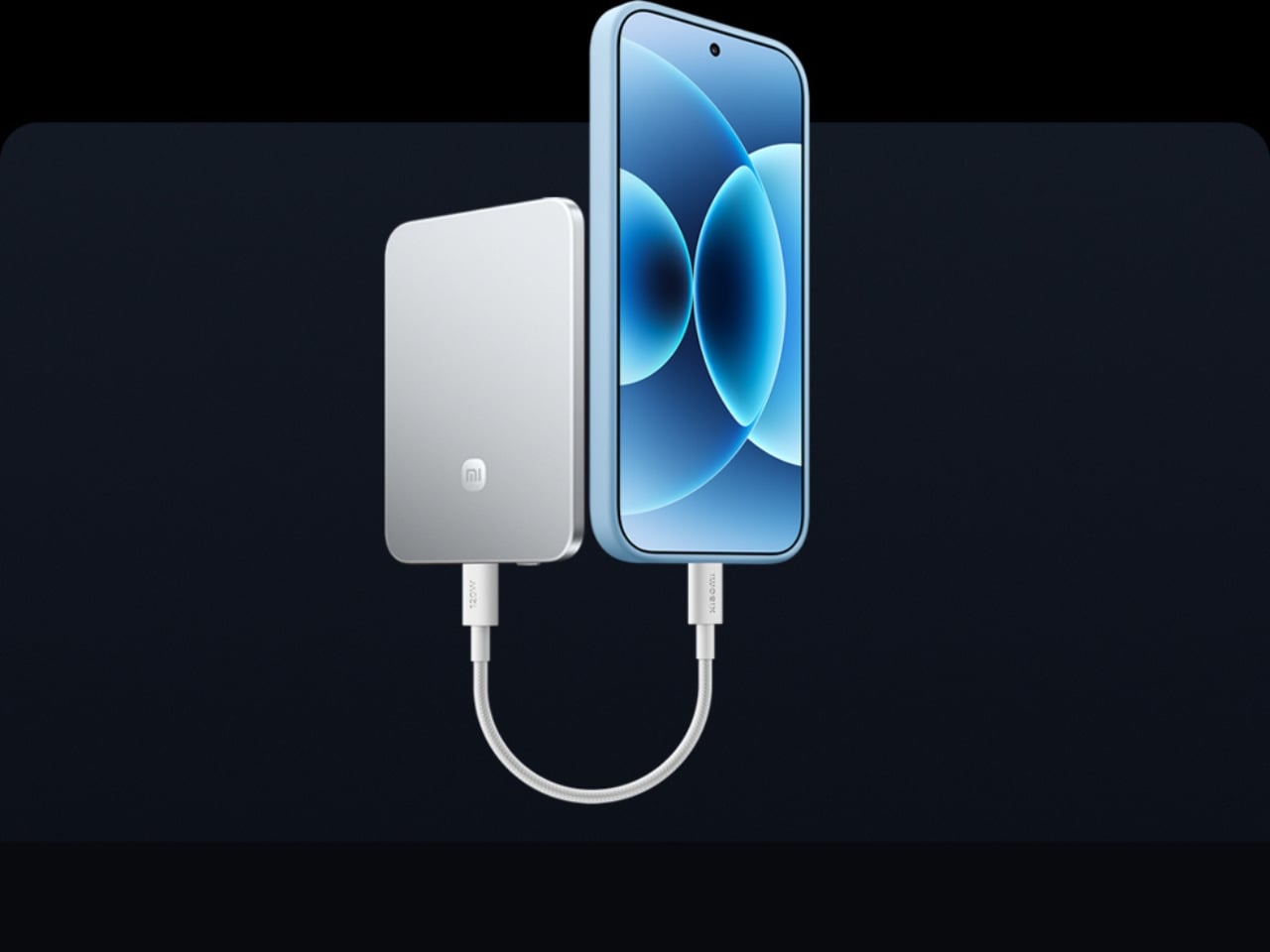
What I find most compelling about this product isn’t any single feature. It’s the way it challenges the assumption that portable power has to mean portable bulk. For years, the power bank category has been stuck in a cycle of incrementally larger capacities packed into roughly the same uninspired form factors. Xiaomi has taken a different approach here, prioritizing the experience of carrying and using the thing over raw capacity. Five thousand milliamp-hours won’t fully recharge most flagship phones anymore, but it will get you through an emergency afternoon or a long commute, and you’ll barely notice it’s there.
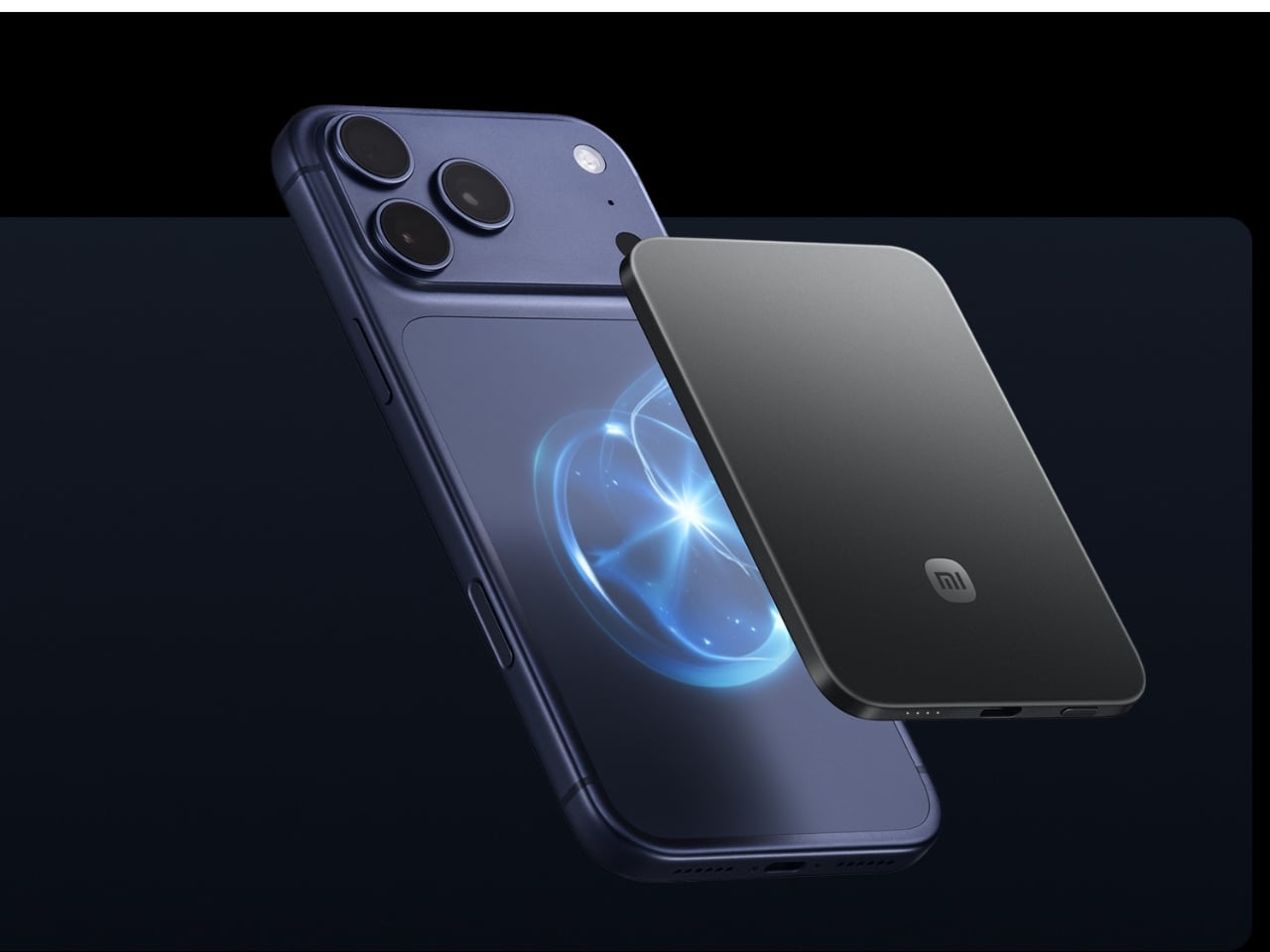
The safety engineering deserves a quick mention too. Xiaomi built in ten layers of protection covering overvoltage, overcurrent, overheating, short circuits, and foreign object detection. Dual NTC temperature sensors monitor heat in real time. A 4,369mm² graphite sheet handles thermal dissipation. For a product this thin, that level of safety infrastructure is reassuring rather than excessive.
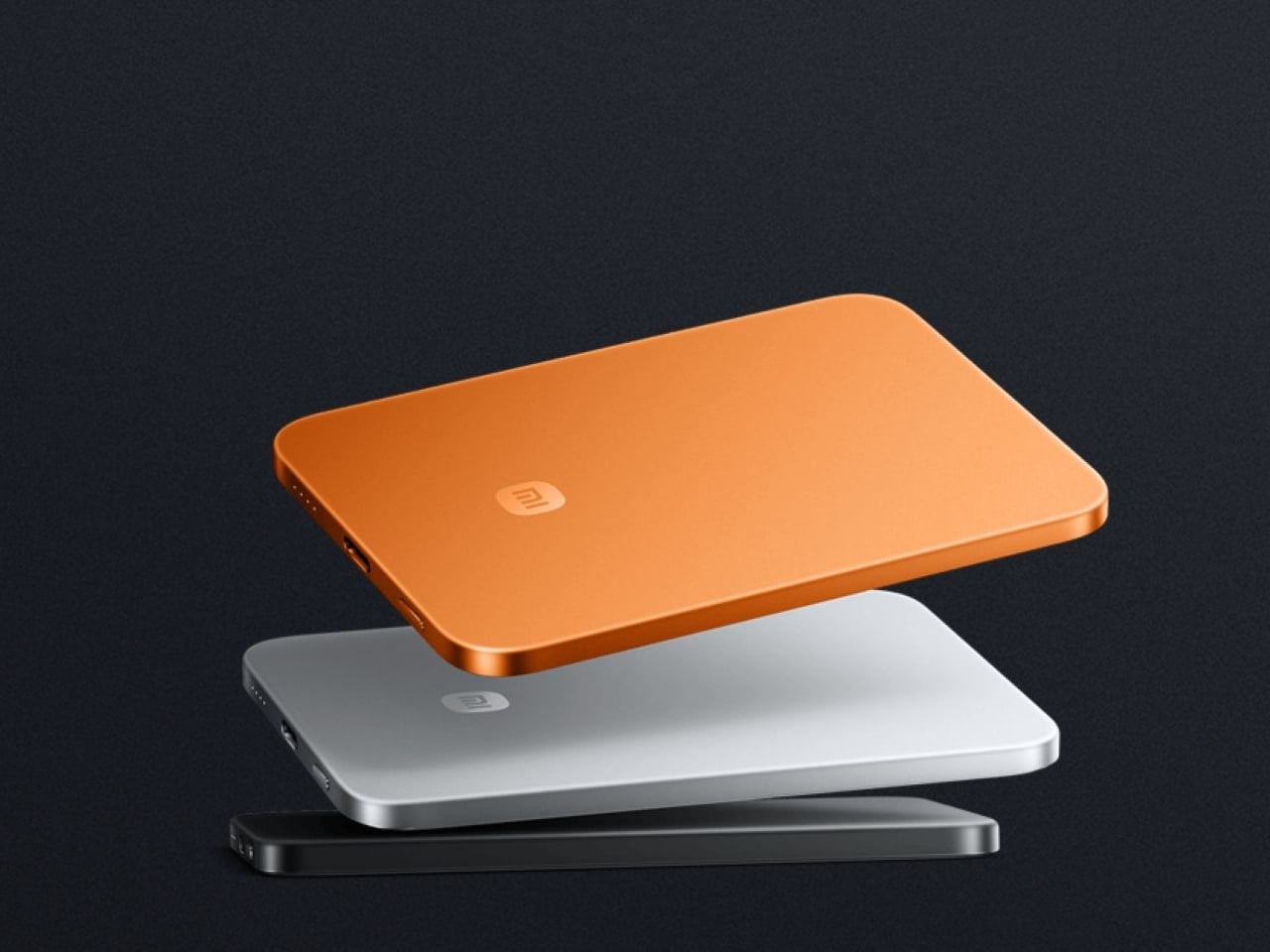
Of course, nothing is perfect. Early reviews suggest the Xiaomi power bank delivers slightly less usable charge than competitors with the same rated capacity, likely due to efficiency losses in the ultra-thin design. And the 7.5W cap for iPhones feels limiting when Apple’s own ecosystem is moving toward faster MagSafe speeds. These are fair tradeoffs, but they’re tradeoffs nonetheless.
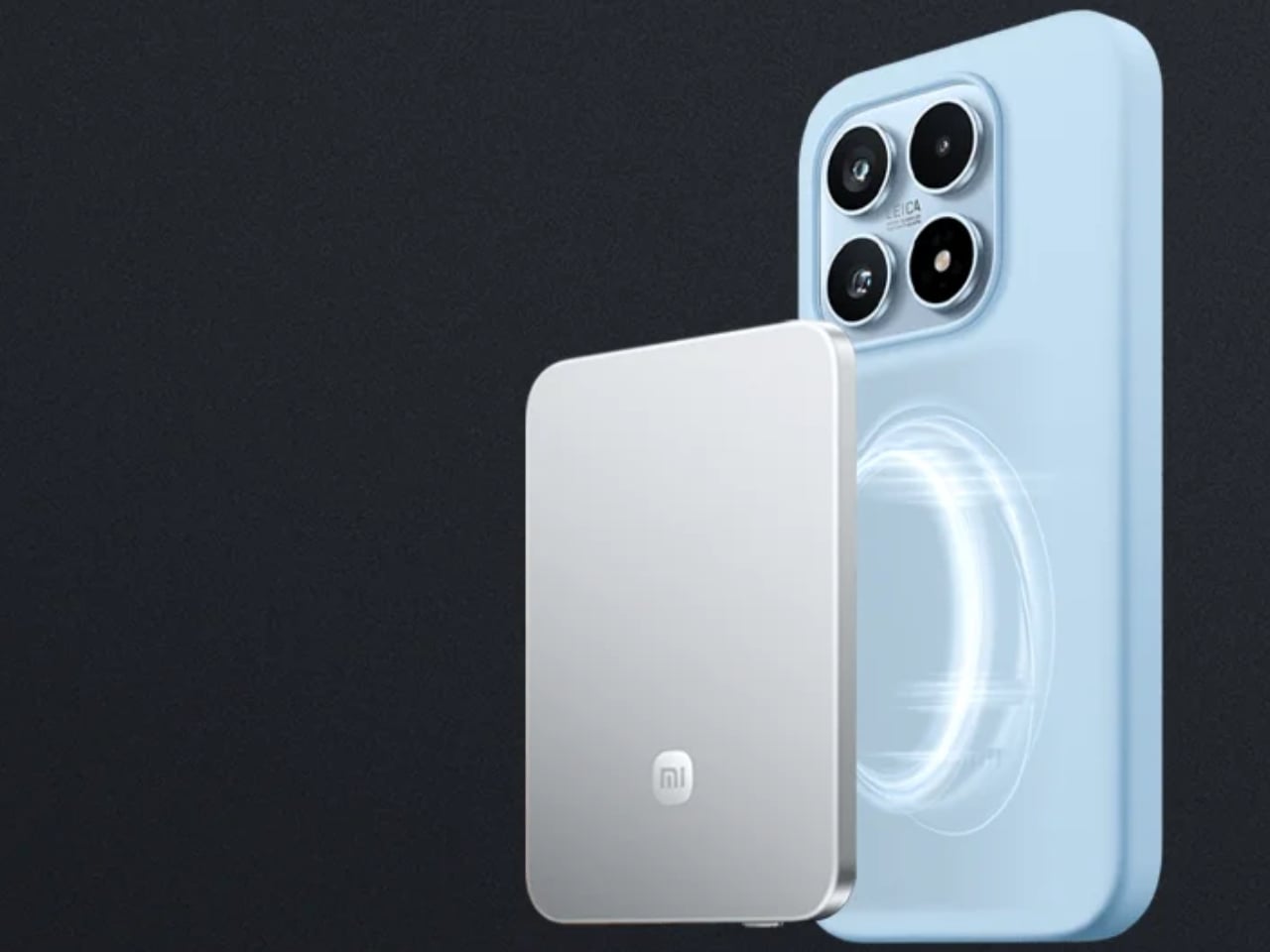
Still, I think this power bank represents something meaningful about where consumer electronics design is heading. The best accessories are the ones you forget you’re carrying until you need them. Xiaomi seems to understand that, and the UltraThin Magnetic Power Bank is one of the most elegant expressions of that philosophy I’ve seen in a while. It’s a small product that makes a big argument: portability should actually mean portable.