Living small has a perception problem. Most people associate compact spaces with sacrifice, with the slow creep of clutter and the resignation that comes from owning less. But the best tiny home accessories flip that narrative entirely, turning constraints into opportunities for deliberate, considered living. The products on this list do not just fit into small spaces; they make small spaces feel intentional.
What separates a well-designed tiny home from a cramped apartment is not square footage. It is the objects inside it. Every item earns its place, or it does not belong. That principle drove our selection here: seven accessories that pull double duty, look better than they have any right to, and solve problems that only people who live in tight quarters truly understand.
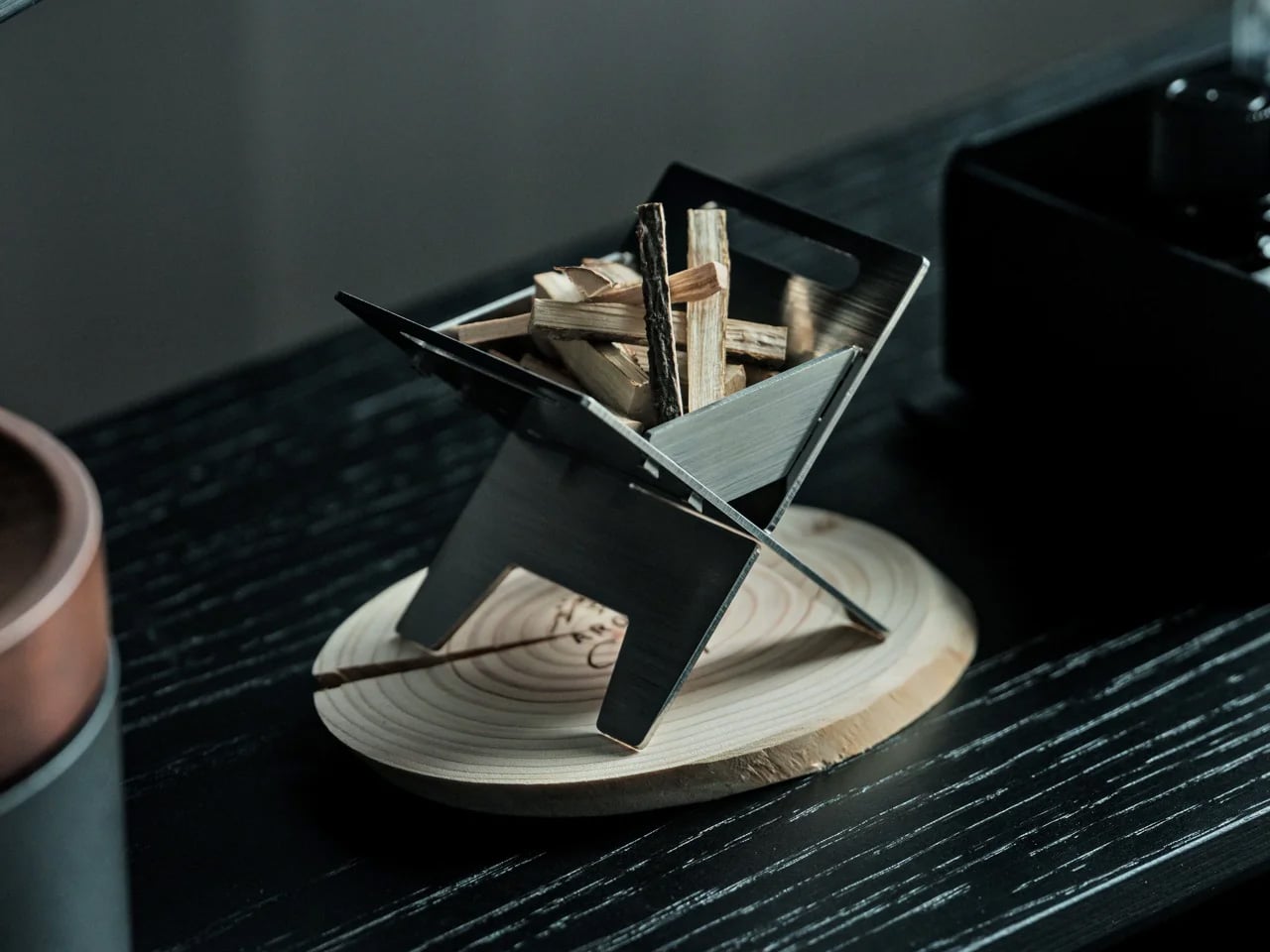
1. Miniature Bonfire Wood Diffuser- A tiny bonfire that never burns out.
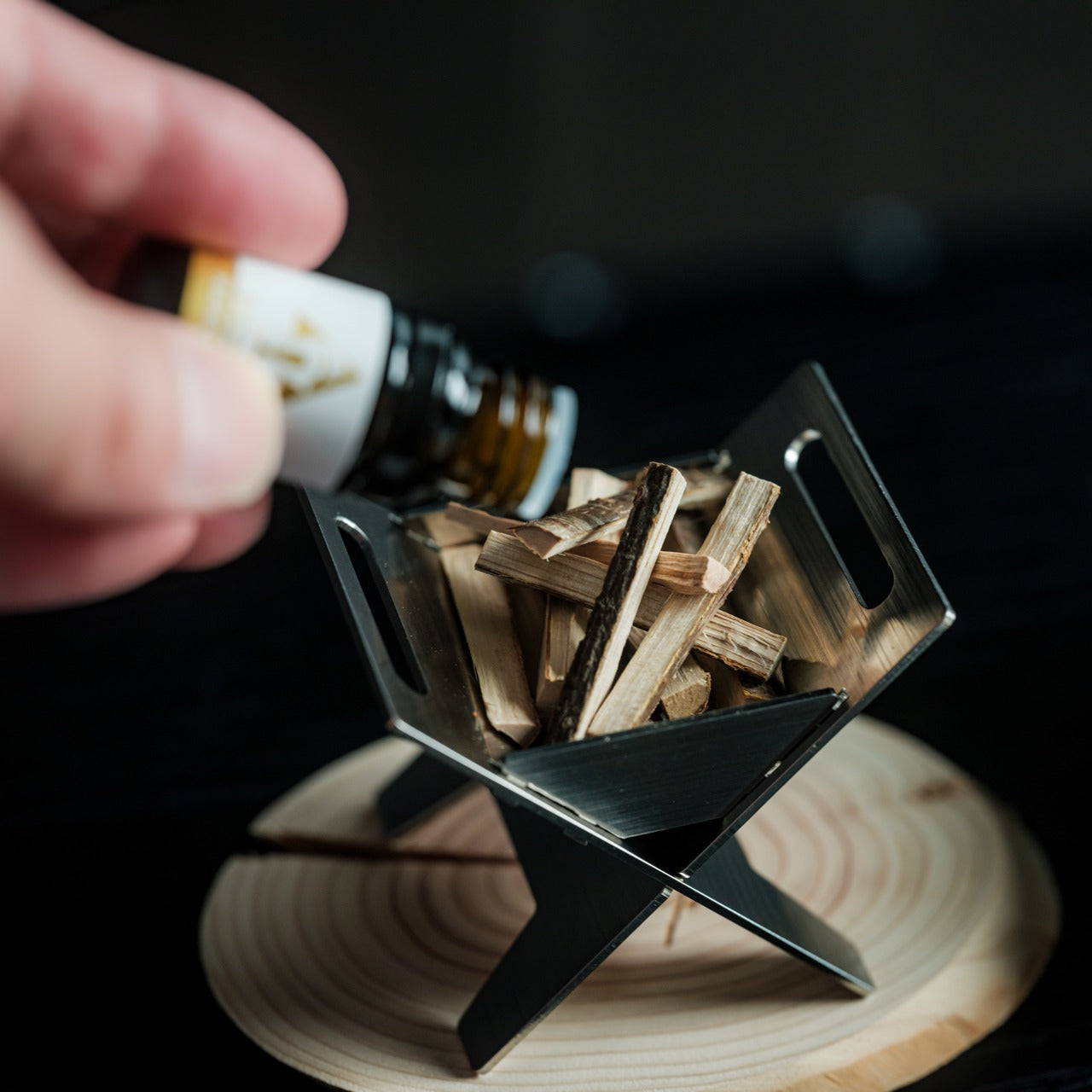
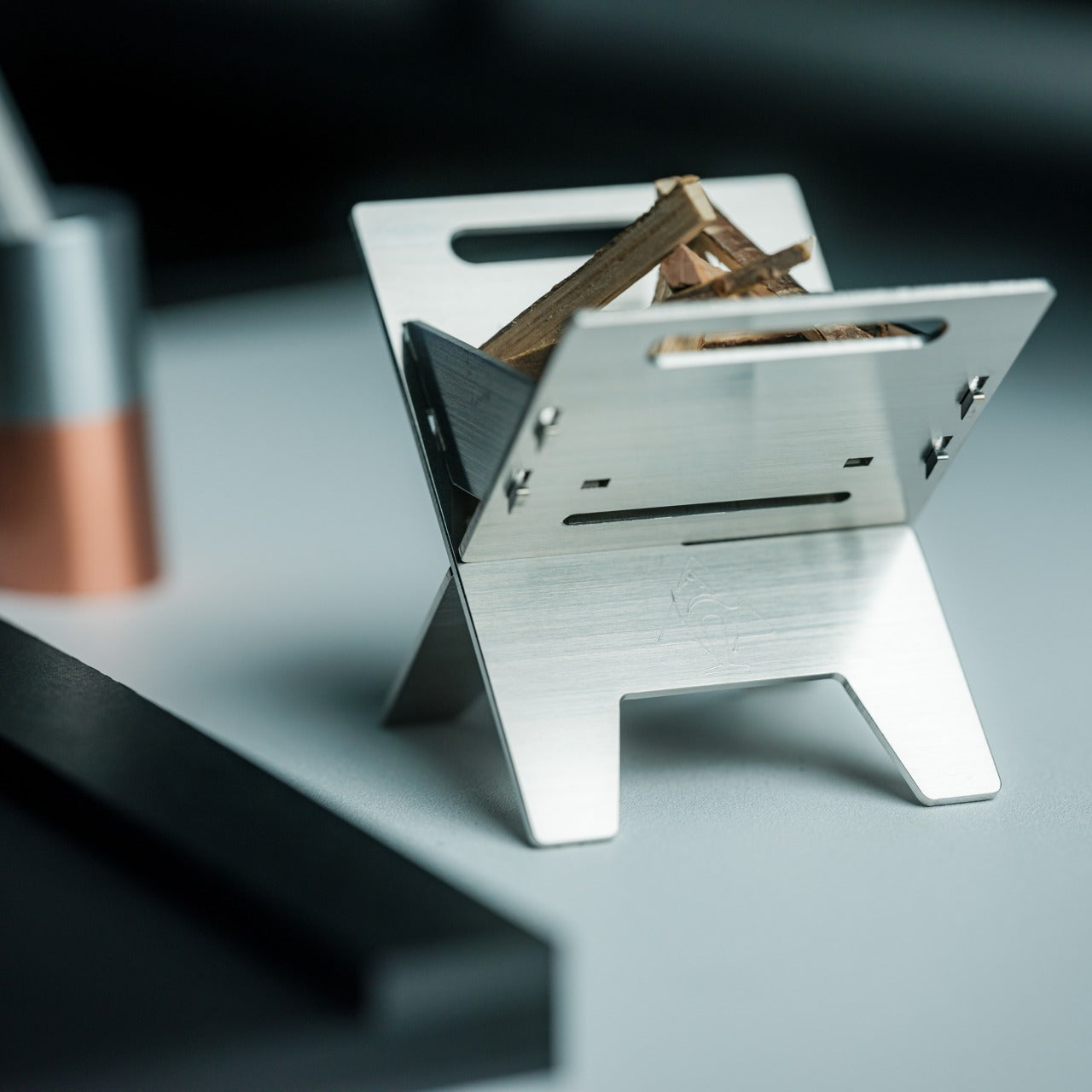
The miniature bonfire wood diffuser set does something rare for a home fragrance product: it gives you a reason to stare at it. Built from rust-resistant stainless steel, the set recreates a campfire scene at desktop scale, complete with miniature firewood bundled with a tying knot. The essential oil captures the scent of Mt. Hakusan, a Japanese mountain known for its dense cedar forests, and the firewood pieces distribute that fragrance with a slow, even release that synthetic plug-in diffusers cannot match.
In a tiny home, scent fills a room faster and lingers longer than it would in a larger space. That concentration works in this diffuser’s favor, but the real reason it belongs on this list is the trivets. Remove them from the base, and the diffuser transforms into a pocket stove capable of warming small portions of food. For anyone living in a space where every object needs to justify its existence, a centerpiece that doubles as a cooking surface is the kind of thinking that makes compact living feel clever rather than constrained.
Click Here to Buy Now: $99.00 Hurry! Only a few left.
What we like
- Rust-resistant stainless steel construction means it ages well in humid or kitchen-adjacent environments
- Trivets convert the decorative diffuser into a functional pocket stove, adding genuine utility to an ornamental object
What we dislike
- The essential oil scent is specific to Mt. Hakusan, which limits fragrance variety without purchasing additional oils separately
- The miniature scale, while charming, means the heat output of the stove is minimal to reheating rather than actual cooking
2. Lotus Clock – A wall clock that catches your keys.
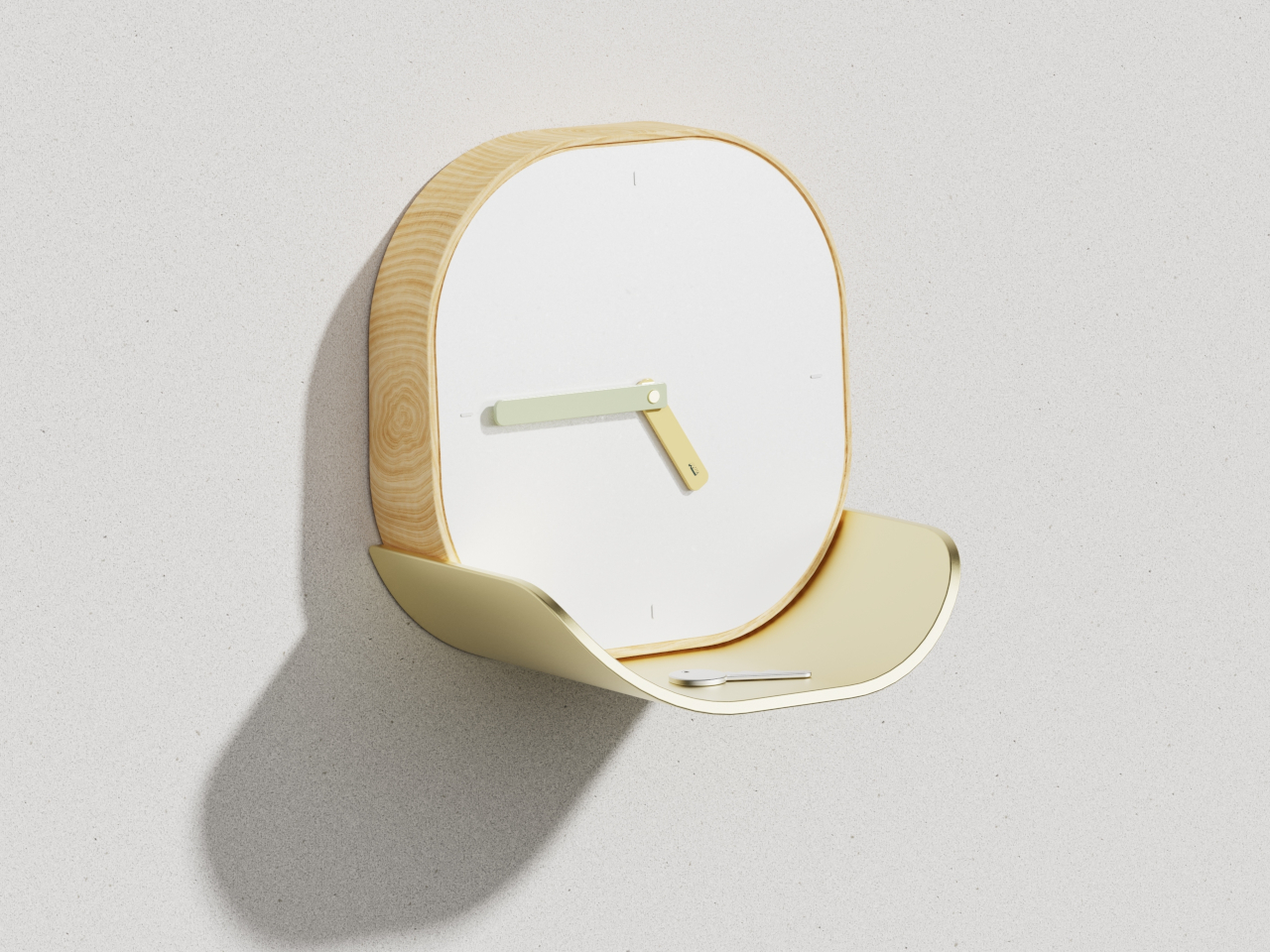
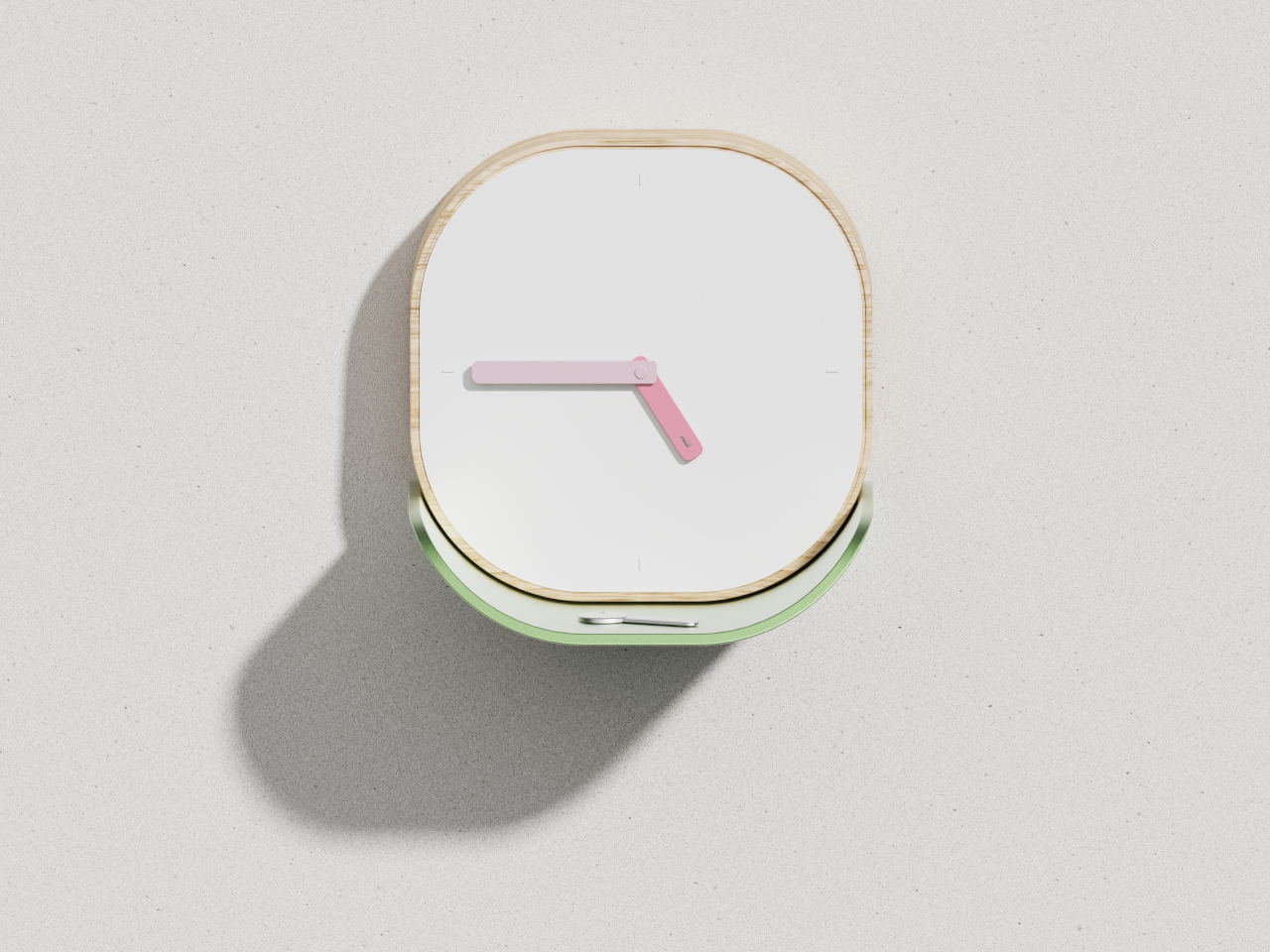
The Lotus clock takes its cues from nature in a way that feels functional rather than decorative. Inspired by the way lotus leaves gather water in their gentle curves, the clock integrates a curved metal tray directly beneath its face, sized to hold keys, loose change, or other daily carry items. The wooden frame has soft, rounded corners, and the clean white face keeps time-reading effortless. Broad, flat hands coordinate with the tray’s finish, tying the clock’s two functions into a single visual statement.
Tiny homes struggle with the small-object problem: keys, coins, earbuds, and pens that scatter across every available surface and create visual noise. The Lotus clock solves this by assigning those objects a permanent home on the wall, freeing up counter and table space that compact kitchens and entryways cannot afford to lose. Available in soft gold or gentle green colorways, the piece complements different interior styles without competing for attention. The concept is a wall clock, but the execution is a storage solution disguised as one.
What we like
- The biomimetic tray design turns a single-purpose wall object into a genuine organizational tool for daily carry items
- Soft colorway options (gold, green) let it blend into varied interior palettes without adding visual clutter
What we dislike
- As a concept design, availability and final production specs remain unconfirmed
- The tray’s capacity is limited to lightweight, small items, so it will not replace a proper entryway organizer for larger households
3. Eames Hang-It-All – Fourteen hooks wrapped in wooden spheres and wire.
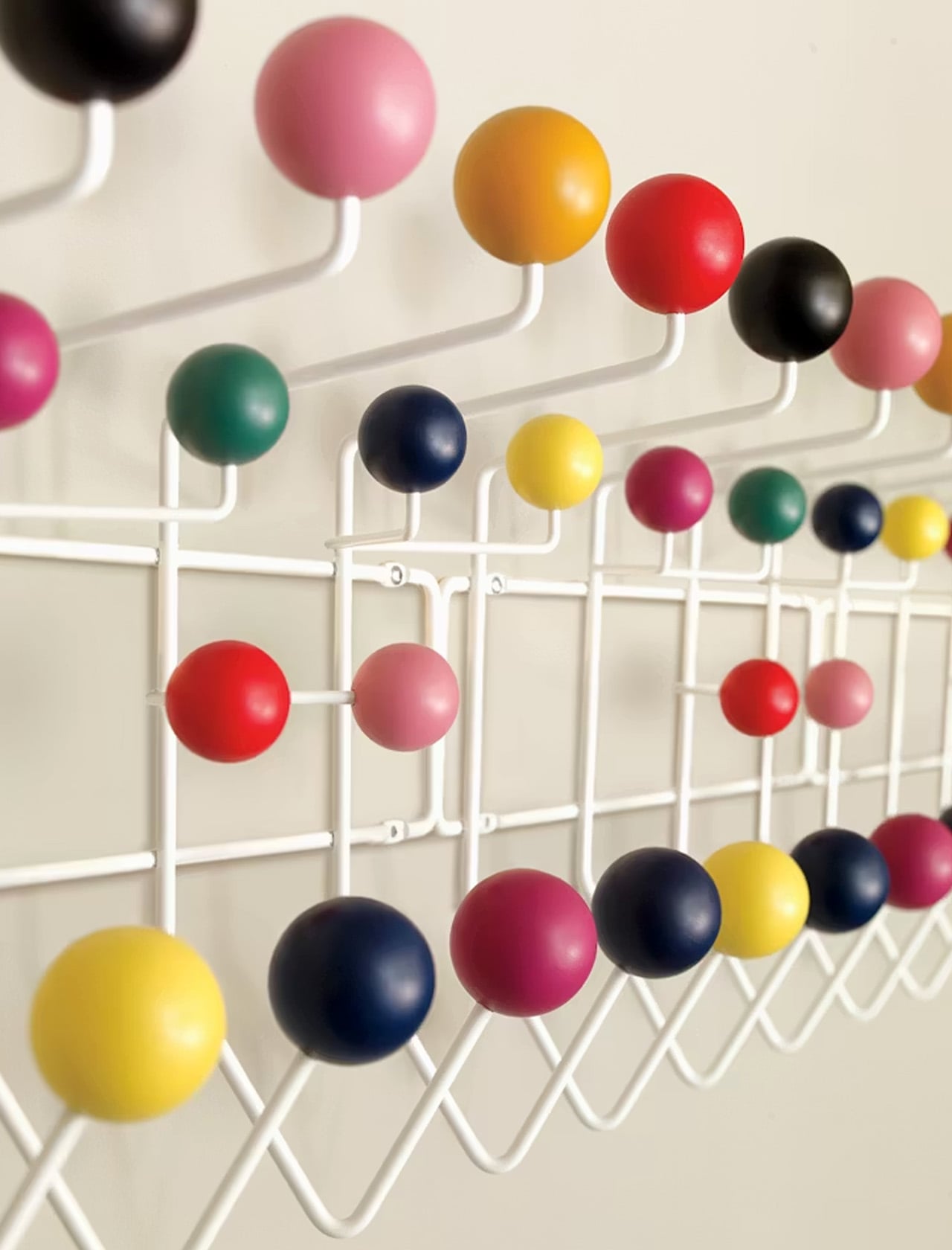
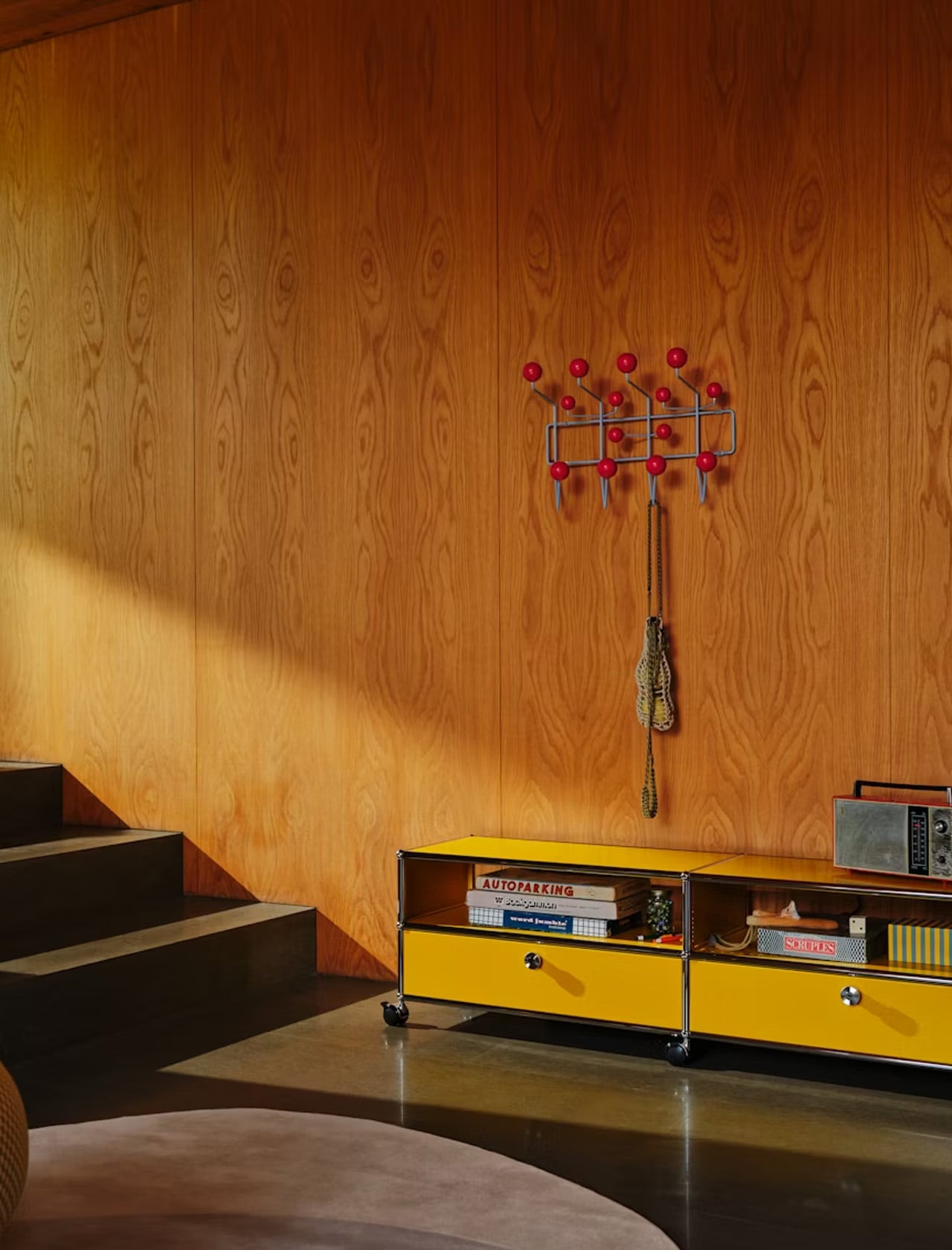
The Eames Hang-It-All, designed by Charles and Ray Eames, is one of those rare objects that has remained in continuous production since 1953 for a reason no one can argue with: it works. The design uses a welded steel wire frame with fourteen lacquered wooden balls in various colors, each one with a hook. The structure mounts flat against the wall and occupies almost no depth, which makes it ideal for narrow hallways and entryways where a traditional coat rack would block the path.
In a tiny home, vertical storage is everything, and the Hang-It-All exploits wall space that would otherwise sit empty. The colored spheres turn utilitarian storage into something worth looking at, which matters in a space where every object is visible at all times. Originally designed to encourage children to hang up their belongings, the playful form has aged into an adult staple that brings warmth to minimalist interiors without the heaviness of a wooden coat rack or the coldness of bare metal hooks.
What we like
- The welded wire frame sits almost flush against the wall, consuming minimal hallway depth in tight entryways
- Multiple color combinations available, allowing the piece to function as both storage and wall art simultaneously
What we dislike
- The price point through Design Within Reach positions it as a premium purchase for what is, functionally, a coat hook
- Fourteen hooks sounds generous, but the spacing means heavy coats can crowd each other and obscure the design
4. CD Jacket Player – Physical media turned into wall-mounted decor.
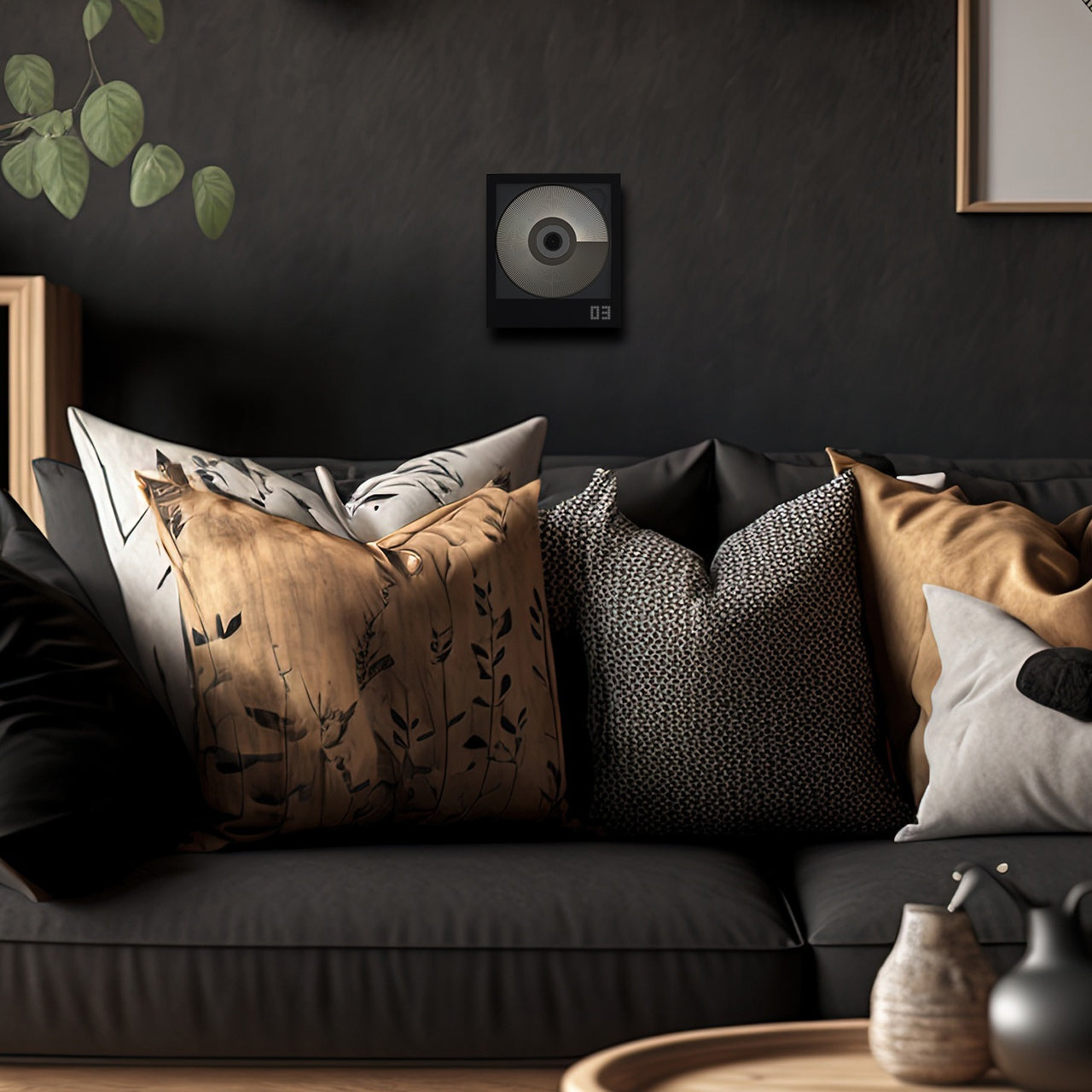
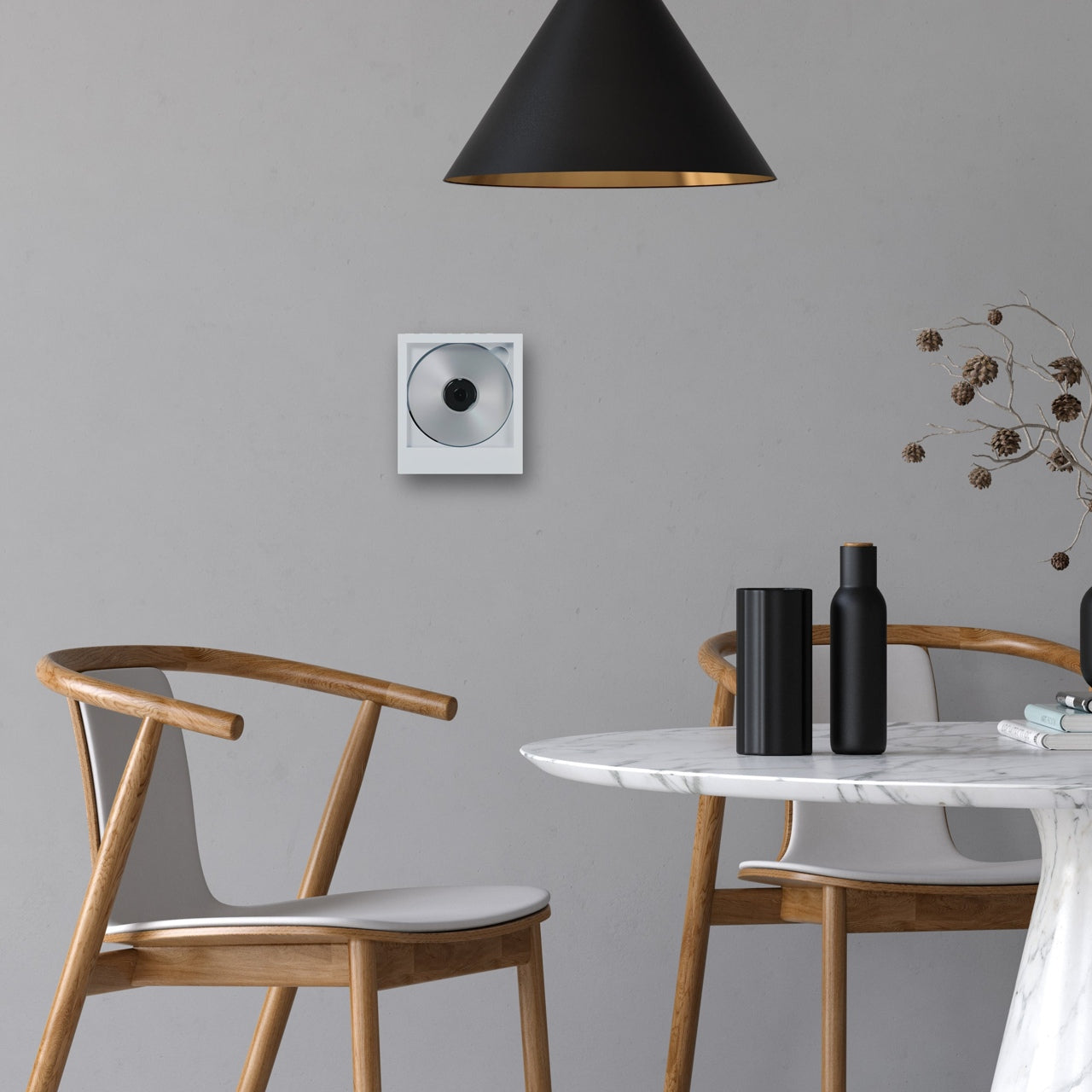
The CD jacket player does not pretend that CDs are making a comeback in any mainstream sense. Instead, it treats them as objects worth displaying, building a player around the album jacket rather than hiding it inside a drawer. The minimalist frame holds the CD’s cover art front and center, and a wall mount bracket lets the entire unit hang like a small piece of art. A built-in battery means it works on the go, and Bluetooth 5.0 connectivity lets it pair with wireless speakers and earphones.
Tiny homes demand that objects do more than one thing, and a music player that doubles as wall art earns its square footage in a way a Bluetooth speaker sitting on a shelf never could. The design acknowledges that people who still own CDs are emotionally attached to the physical format, to the artwork, and the ritual of selecting a disc. Mounting the player on the wall removes it from the counter, the nightstand, or whatever other surface it would otherwise claim. In a 400-square-foot space, that kind of reclaimed real estate adds up.
Click Here to Buy Now: $169.00 Hurry! Only a few left.
What we like
- Wall-mount capability turns the player into displayable art, removing it from limited counter and shelf space
- Bluetooth 5.0 means wireless pairing with existing speakers, so it does not demand its own audio setup
What we dislike
- The audience for a physical CD player in 2026 is narrow, making this a niche purchase even among design-conscious buyers
- Built-in battery life for portable use remains unspecified, and running both a motor and Bluetooth drains cells quickly
5. Ferm Living Plant Box – A planter that reorganizes your entire floor plan.
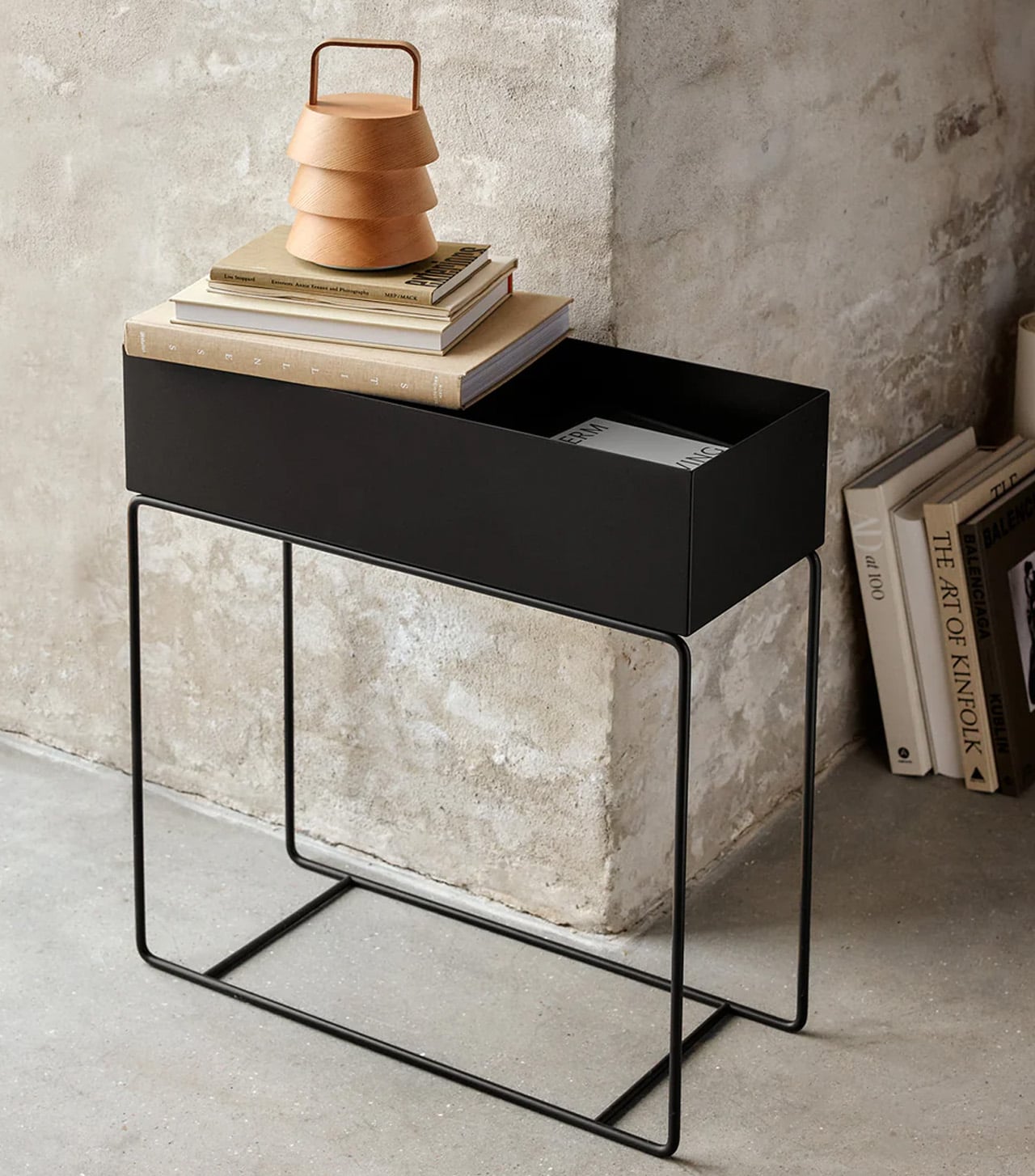
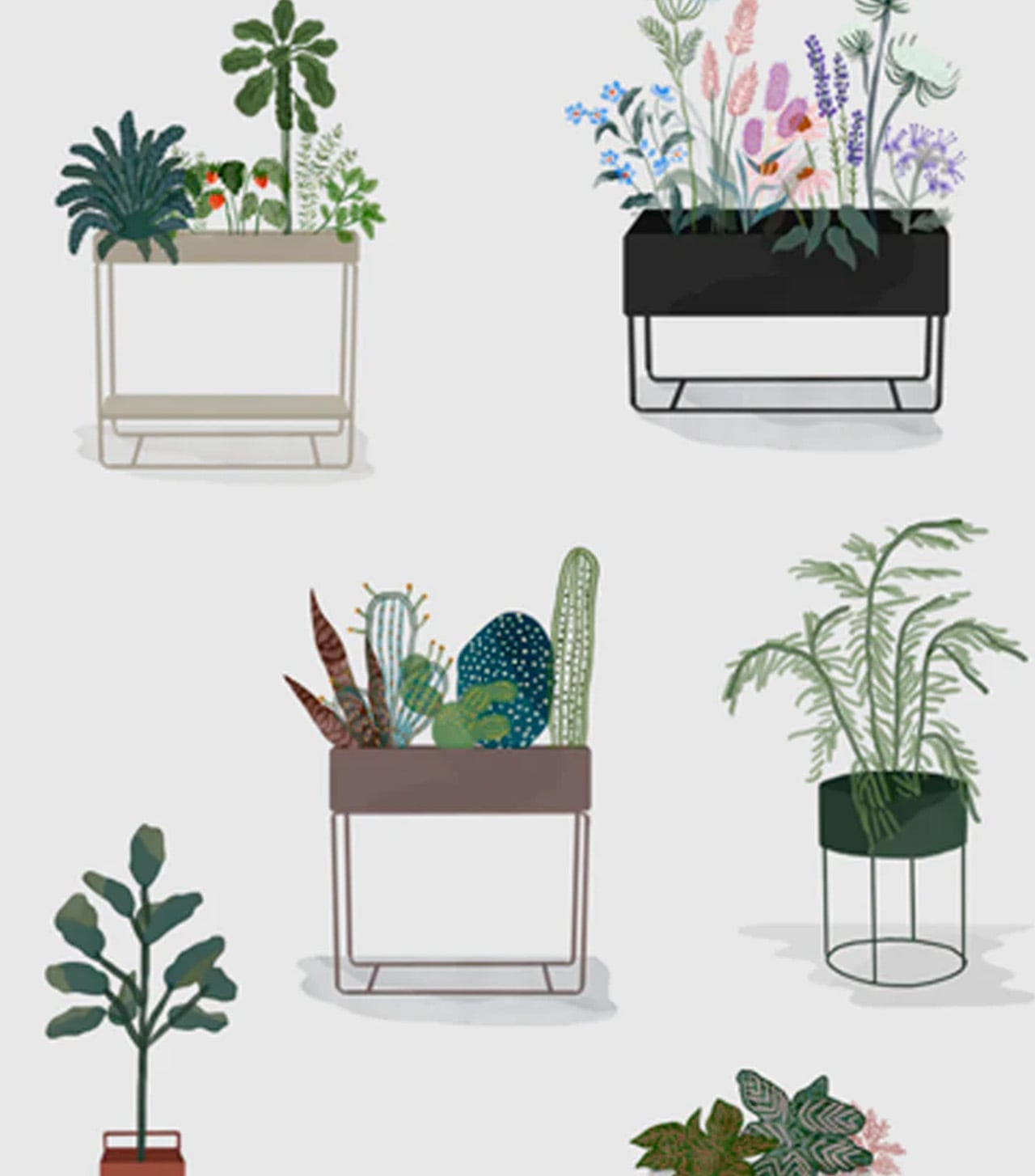
The Ferm Living plant box is, at its simplest, a rectangular metal box on thin legs with a powder-coated finish. But its real value in a tiny home has nothing to do with plants. The box’s proportions and height make it a room divider, a bookshelf, a toy bin, or a display surface that creates the illusion of separate zones within an open floor plan. The slim legs keep sightlines open at floor level, which is a small detail that makes a big difference in preventing a small room from feeling boxed in.
Studio apartments and single-room tiny homes rarely have the luxury of walls. The plant box fills that gap by creating what designers call “islands,” small zones of activity defined by furniture rather than architecture. Place it between a sleeping area and a desk, fill it with trailing plants or stacked books, and the eye reads two separate spaces where only one exists. The powder-coated metal is easy to wipe down, resistant to moisture, and available in black, a color that recedes visually and lets the objects inside take focus.
What we like
- Thin legs preserve floor-level sightlines, preventing the visual weight that closed-base furniture adds to compact rooms
- Multipurpose use as a planter, divider, bookshelf, or toy storage gives it a role in every room without redundancy
What we dislike
- The open-top design means dust collects on whatever is stored inside, requiring regular maintenance in exposed layouts
- Weight capacity is limited by the thin leg construction, so heavier items like large potted plants or dense book collections need caution
6. Key Holder Wakka – Neodymium magnet meets Japanese woodcraft.
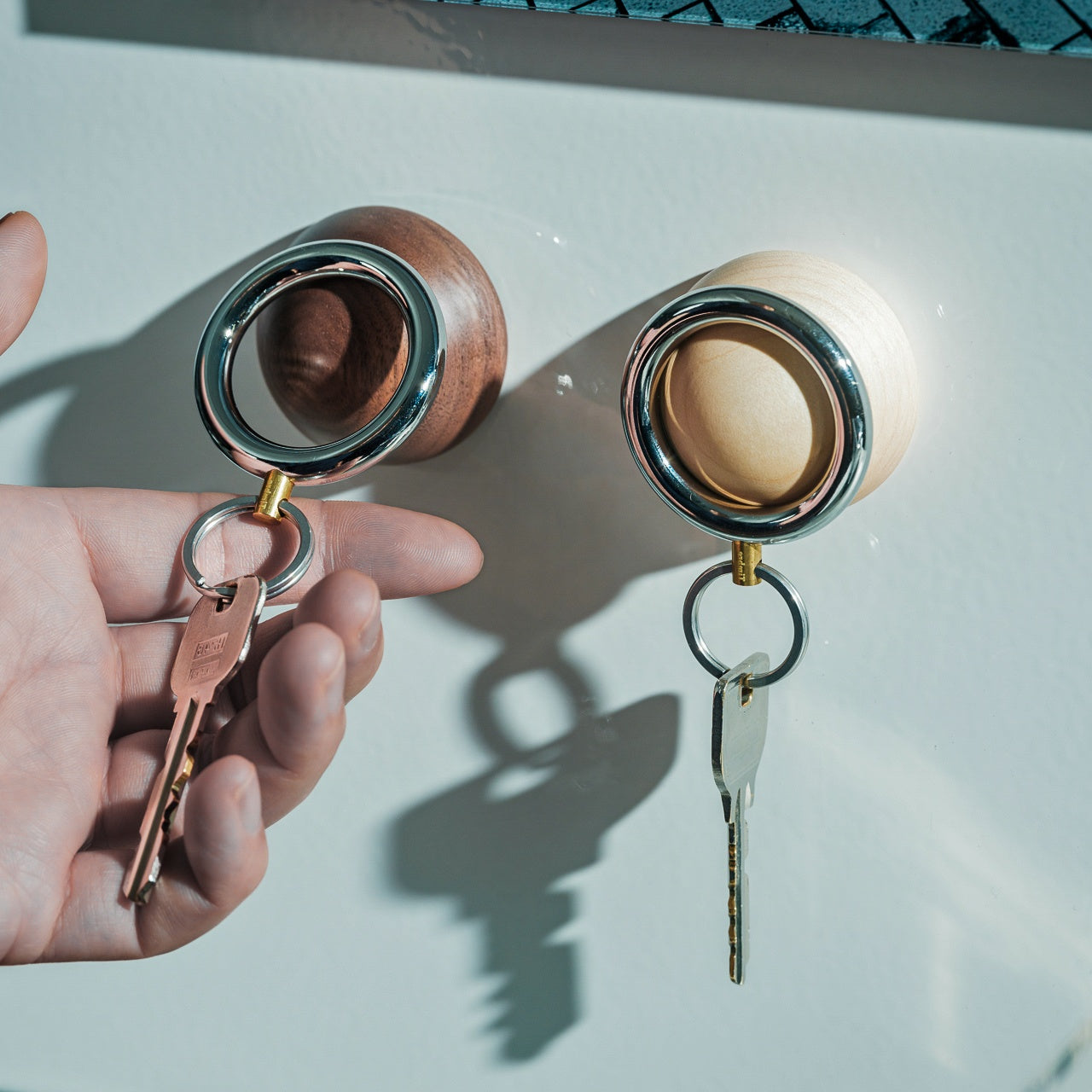
The Key Holder Wakka turns the act of putting down your keys into something you look forward to. The system pairs a stainless steel, iron, and brass keyring with an elegant wooden base (available in maple or walnut). A neodymium magnet holds the ring securely in place, and separating the two produces a distinct, brisk tapping sound. That sound is the entire point. In a tiny home, where every habit compounds in visibility, a designated key spot eliminates the daily search-and-panic cycle.
The design logic here is behavioral rather than decorative. By making the act of placing keys enjoyable, the Wakka trains a habit through positive reinforcement rather than guilt. The wooden base is small enough to sit on a windowsill, a narrow shelf, or beside a door frame without claiming space that other items need. The material combination of warm wood and cool metal reads as considered rather than cluttered, which matters when every object on a surface contributes to the visual temperature of the entire room. Losing your keys in 300 square feet should be impossible, but anyone who has lived small knows it happens constantly.
What we like
- The neodymium magnet holds the keyring firmly in place, preventing the drift that happens with open trays and bowls
- Audible feedback when placing or removing keys creates a sensory ritual that reinforces the habit of using the holder
What we dislike
- The system requires using the specific Wakka keyring, so existing keychains or fobs need to be transferred or replaced
- At its core, this is a single-purpose object: it holds one set of keys, which limits utility for multi-person households
7. TUMBA Modular Shelf System – Lego logic applied to storage furniture.
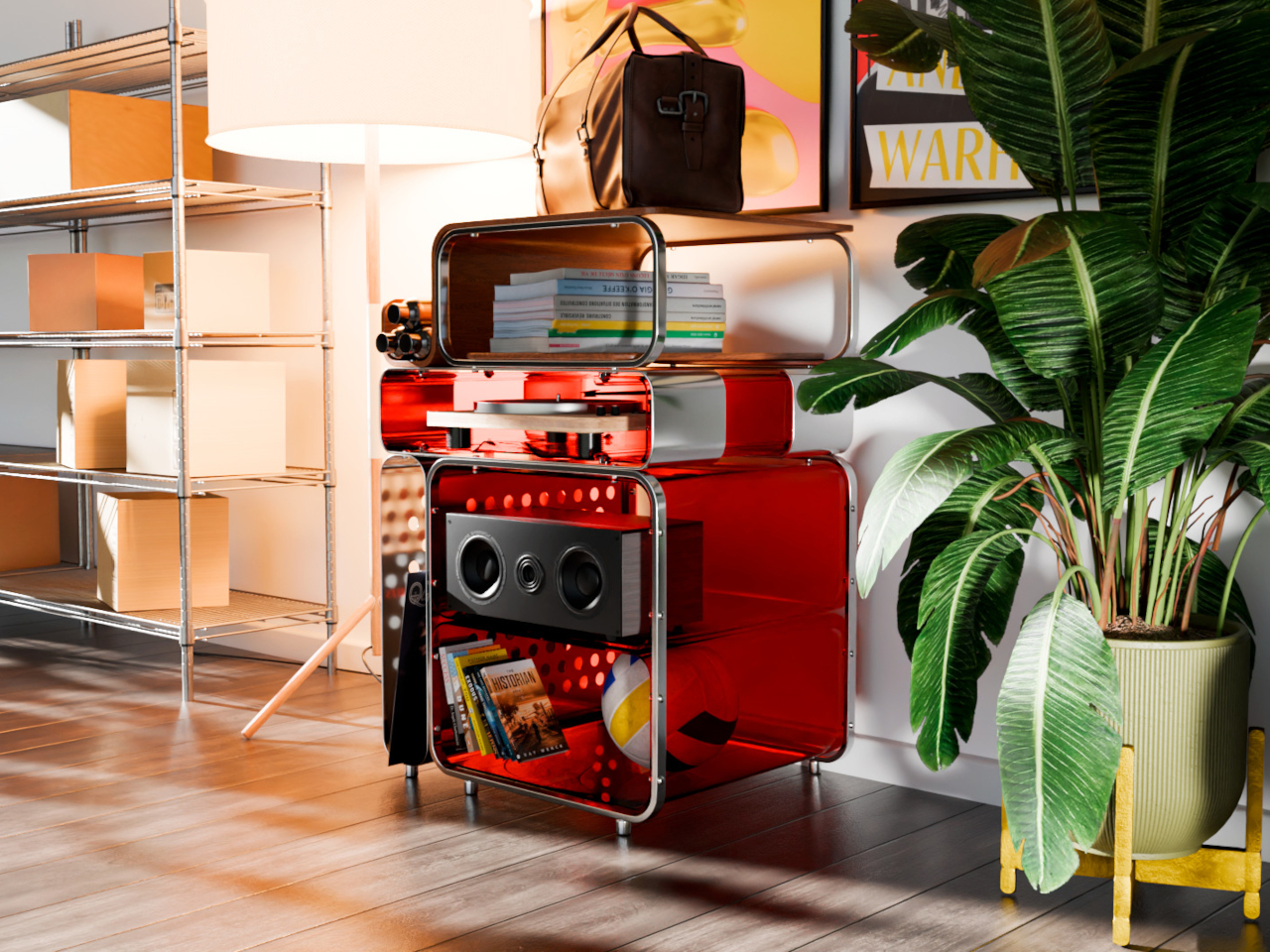
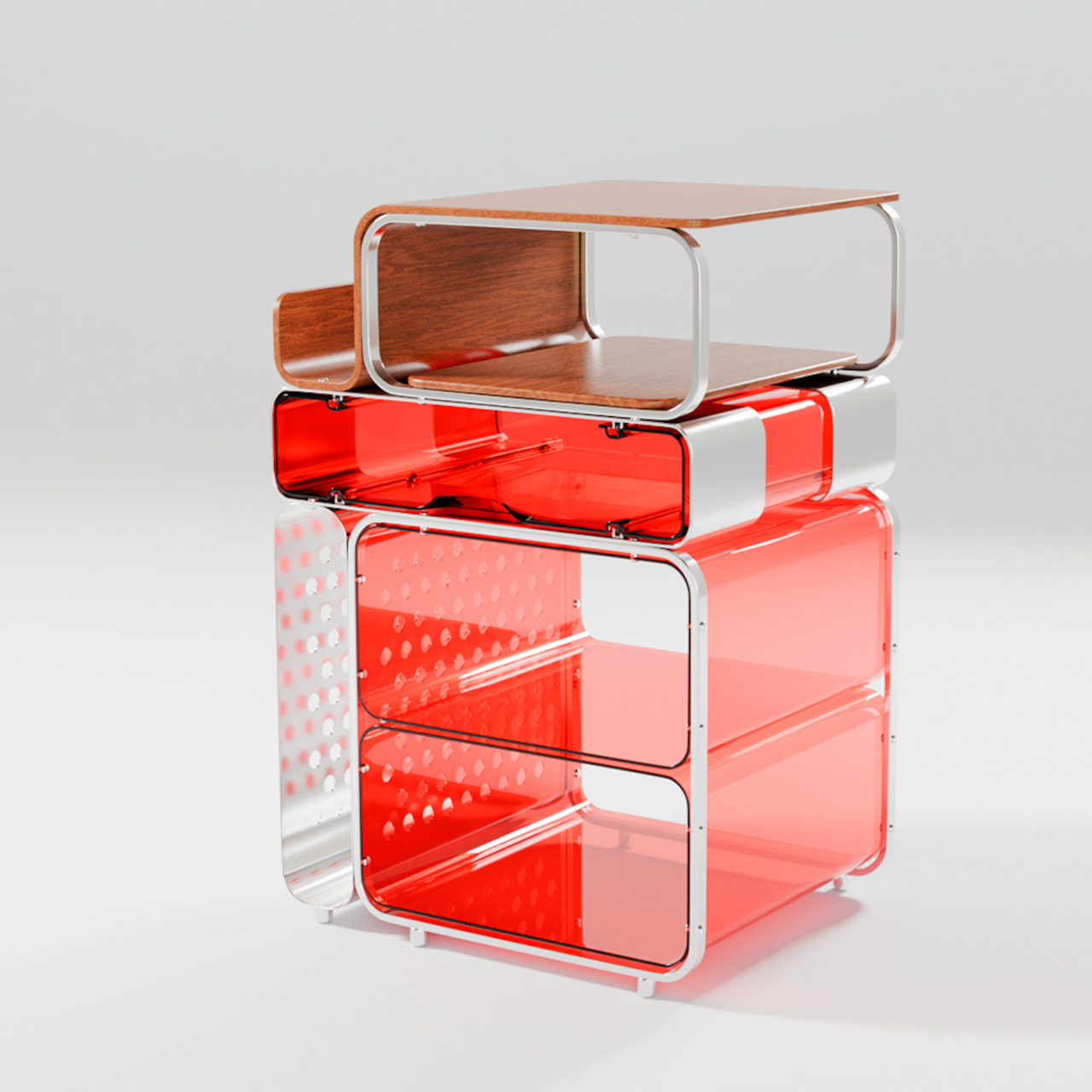
The TUMBA modular shelf system addresses the single biggest frustration with flat-pack furniture: fixed dimensions. Where conventional shelving forces rooms to conform to predetermined sizes, TUMBA offers stackable modules made from recycled polymer that lock together without tools. High-strength plexiglass provides structural transparency, stainless steel connections snap securely into place, and the swirled textures in each panel carry visible traces of the material’s previous life. The bold colors and playful forms make the storage itself worth looking at.
Tiny homes change. A shelf configuration that works in January stops making sense after a furniture rearrangement in March, and traditional shelving punishes that flexibility with disassembly headaches and leftover hardware. TUMBA’s tool-free construction means reconfiguring takes minutes, and the modular format lets it grow vertically in tight corners or stretch horizontally along narrow walls. For renters in compact spaces who move frequently, a shelf system that breaks down and rebuilds without damage is less of a convenience and more of a necessity. The recycled material story is a bonus, but the real selling point is permission to change your mind.
What we like
- Tool-free assembly and reconfiguration mean the shelf adapts to layout changes without the frustration of traditional flat-pack rebuilds
- Recycled polymer construction gives each panel a unique swirled texture that standard particle board or MDF cannot replicate
What we dislike
- Bold colors and playful forms may clash with more subdued or neutral interior palettes common in compact living spaces
- Plexiglass panels, while visually light, are more prone to surface scratching than solid wood or metal shelving alternatives
Where Small Living Gets Interesting
The common thread across these seven products is not size. It is intent. Each one was designed with the understanding that small spaces do not need small thinking. They need objects that work harder, look better, and respect the reality that in a tiny home, there is no junk drawer to hide mistakes in. Every surface is a display, every object is a statement, and every purchase is a commitment.
What makes compact living feel like a design choice rather than a compromise has less to do with architecture and more to do with curation. The right diffuser, the right clock, the right shelf system: these are the decisions that turn 300 square feet into a space that feels chosen rather than settled for. And in a world that keeps building bigger, there is something satisfying about proving that less, when it is the right less, is more than enough.