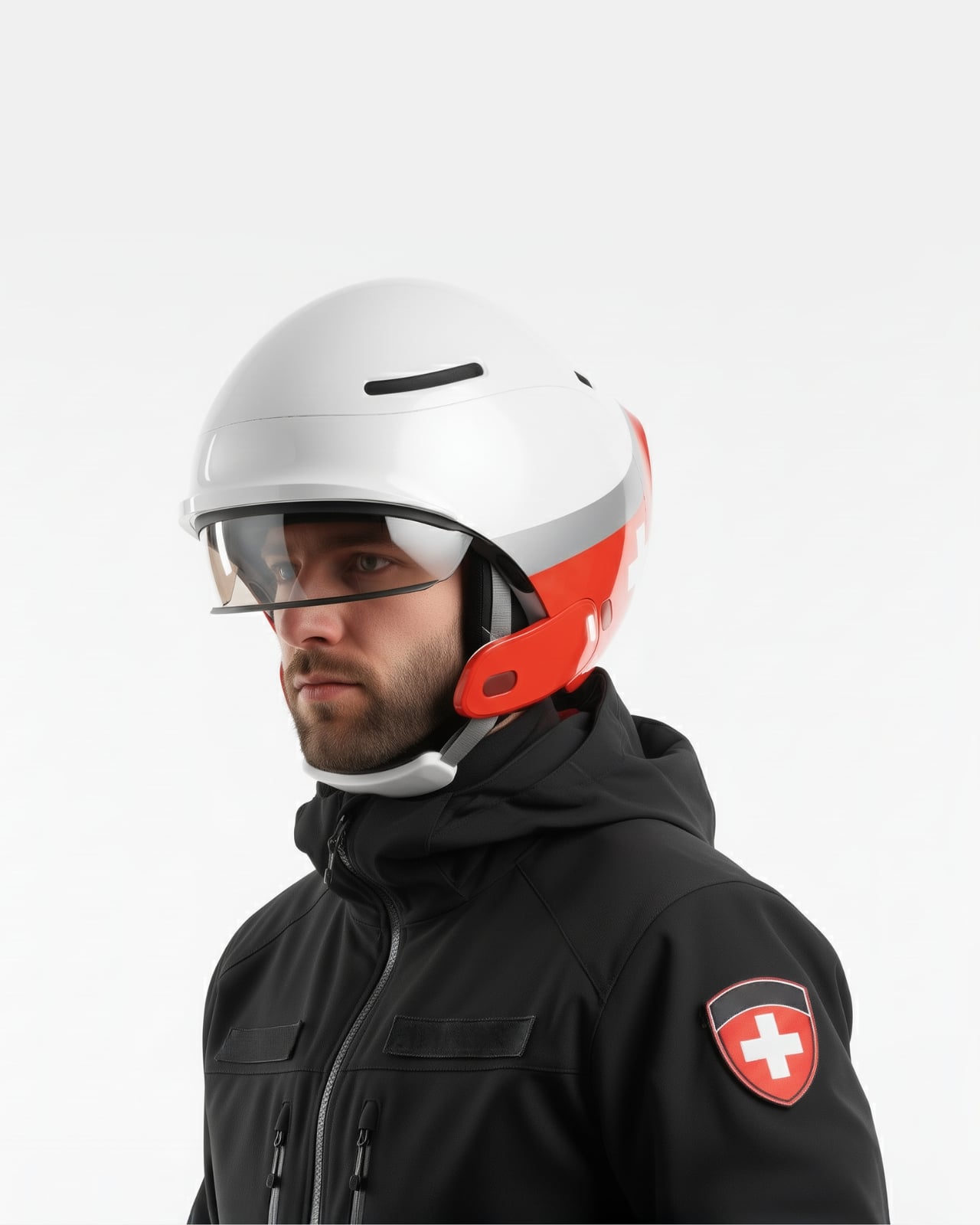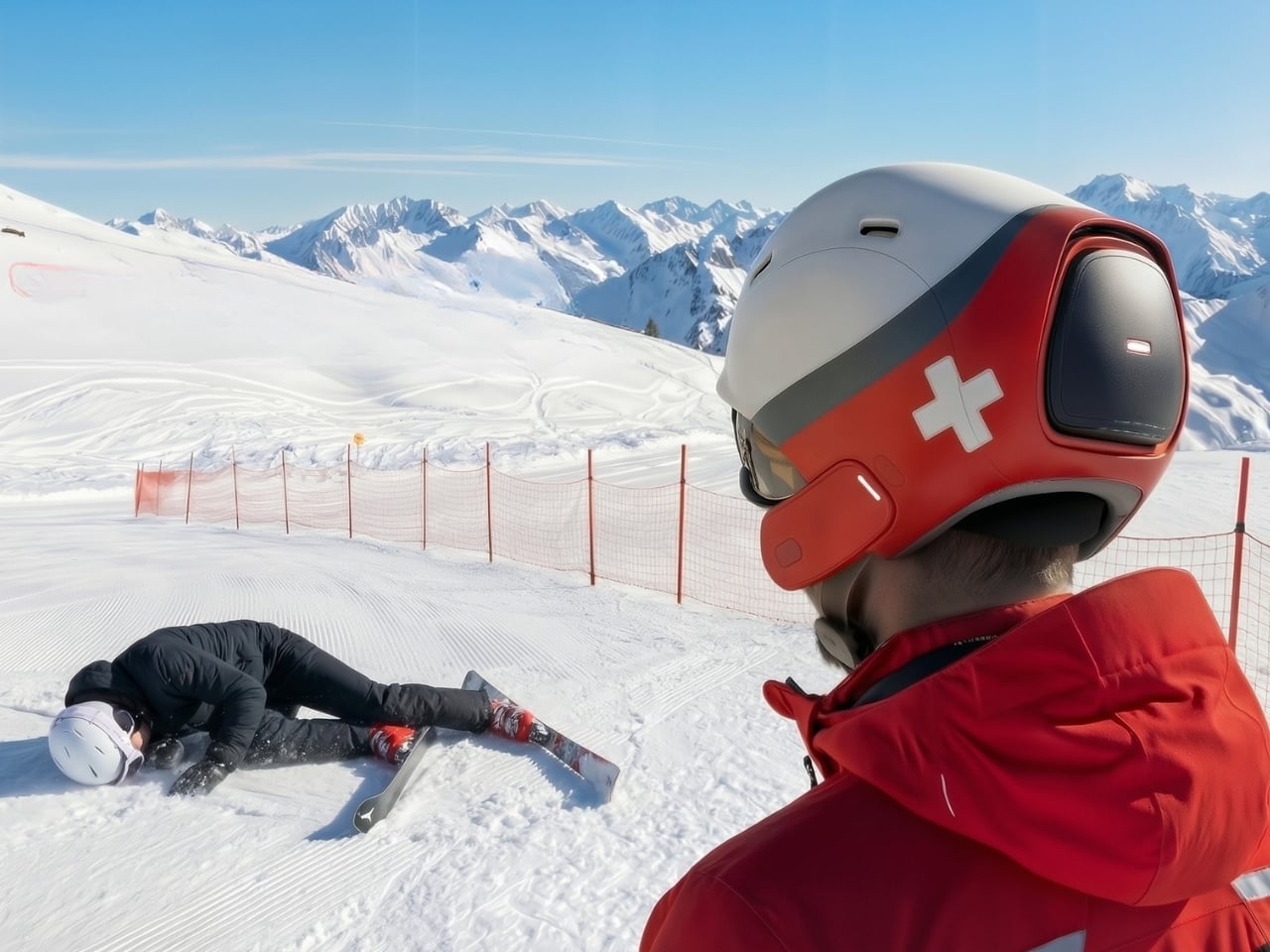
Imagine being a ski patrol responder racing toward an injured skier on a freezing mountain. Your hands are gripping poles, your attention is split between the terrain and the emergency ahead, and your radio crackles with critical information. Now imagine if you could access maps, communicate with your team, and log vital data without ever touching a device. That’s exactly what the Argus AR Helmet promises to deliver.
Designed by Hyeokwoo Kwon and Junho Park, Argus is a concept that reimagines what rescue technology can look like when you strip away everything unnecessary and focus on the moment that matters most. This isn’t just another gadget trying to cram features into a helmet. It’s a thoughtful response to a real problem: how do first responders stay connected and informed when their hands are literally full and seconds count?
Designers: Hyeokwoo Kwon and Junho Park
The helmet’s standout feature is its eye-tracking interface. Instead of fumbling with buttons or voice commands that get lost in howling wind, users control the AR display simply by looking at what they need. Want to view a map overlay of the ski area? Glance at the navigation icon. Need to send a message to base? Your eyes do the work. The system is built around the idea that in high-stress, time-critical situations, the fewer steps between thought and action, the better.
What makes this particularly clever is how it handles communication in one of the noisiest work environments imaginable. Mountains are loud. Wind, equipment, helicopters, and panicked voices create a constant wall of sound that makes radio communication frustrating at best and dangerous at worst. Argus addresses this with real-time conversation-to-text conversion. Spoken words are automatically transcribed and displayed on the visor, ensuring that critical information doesn’t get lost or misunderstood. In an emergency where “stop the area” versus “stop near the area” could mean completely different courses of action, that clarity is potentially lifesaving.
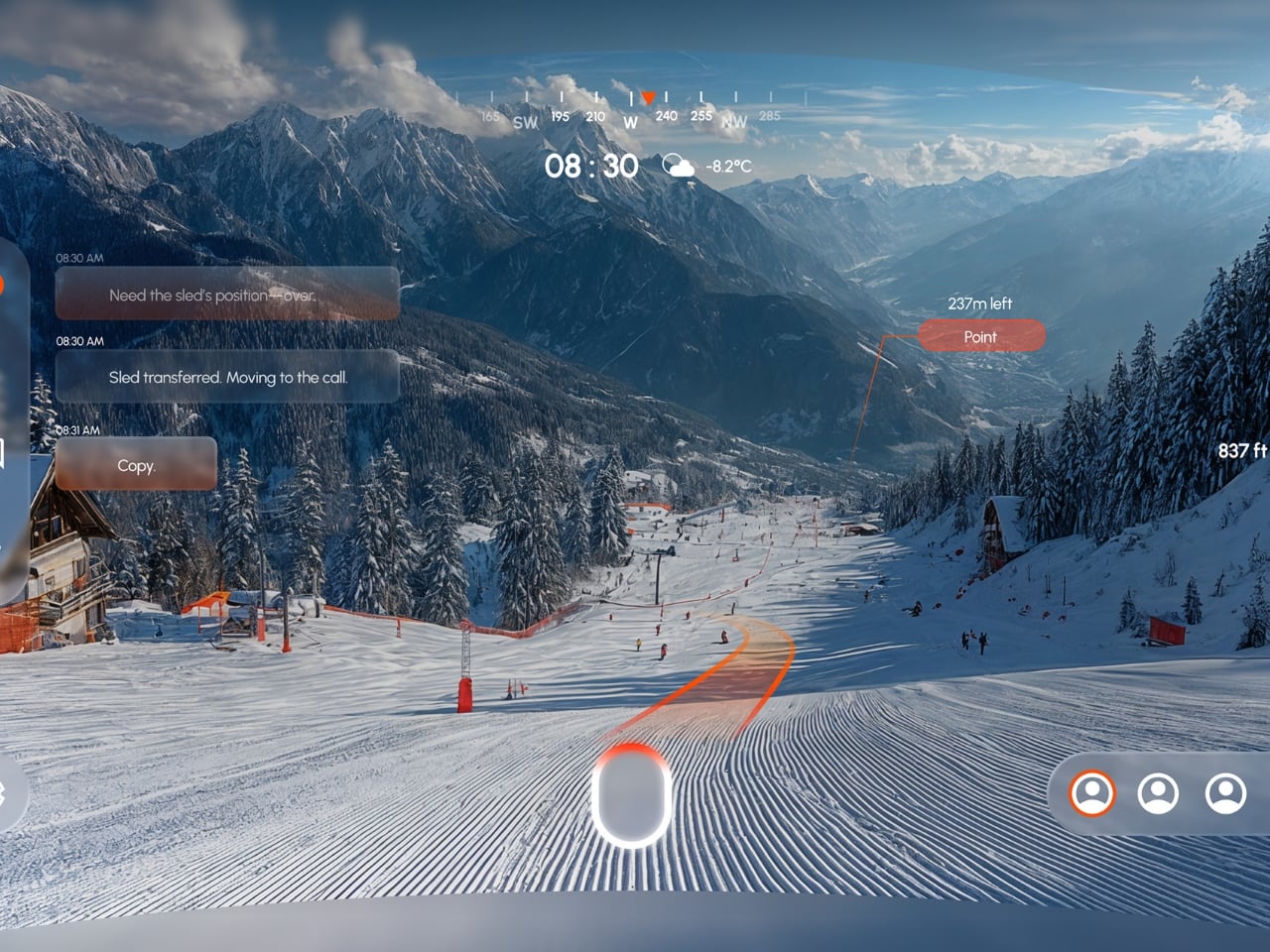
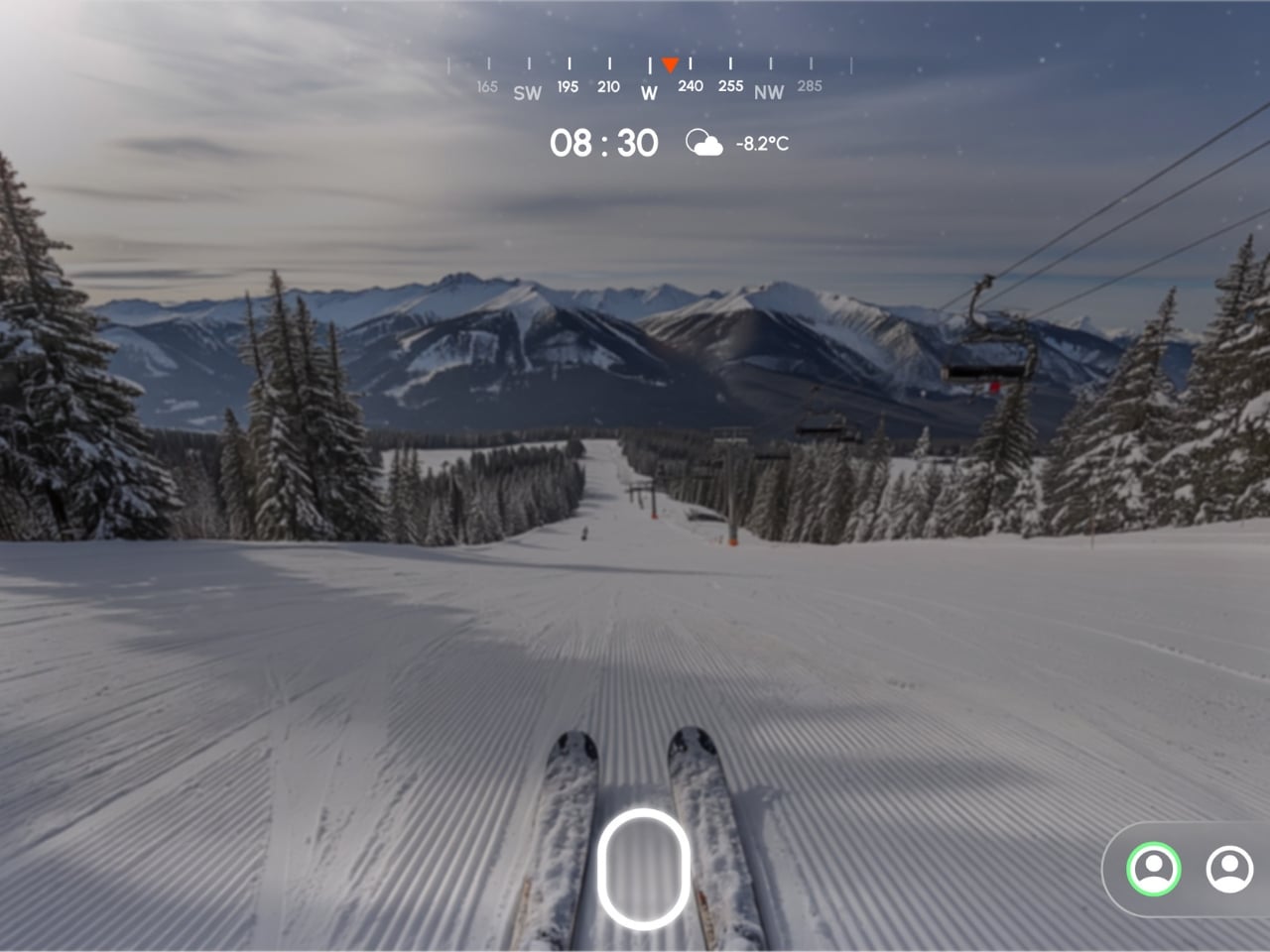
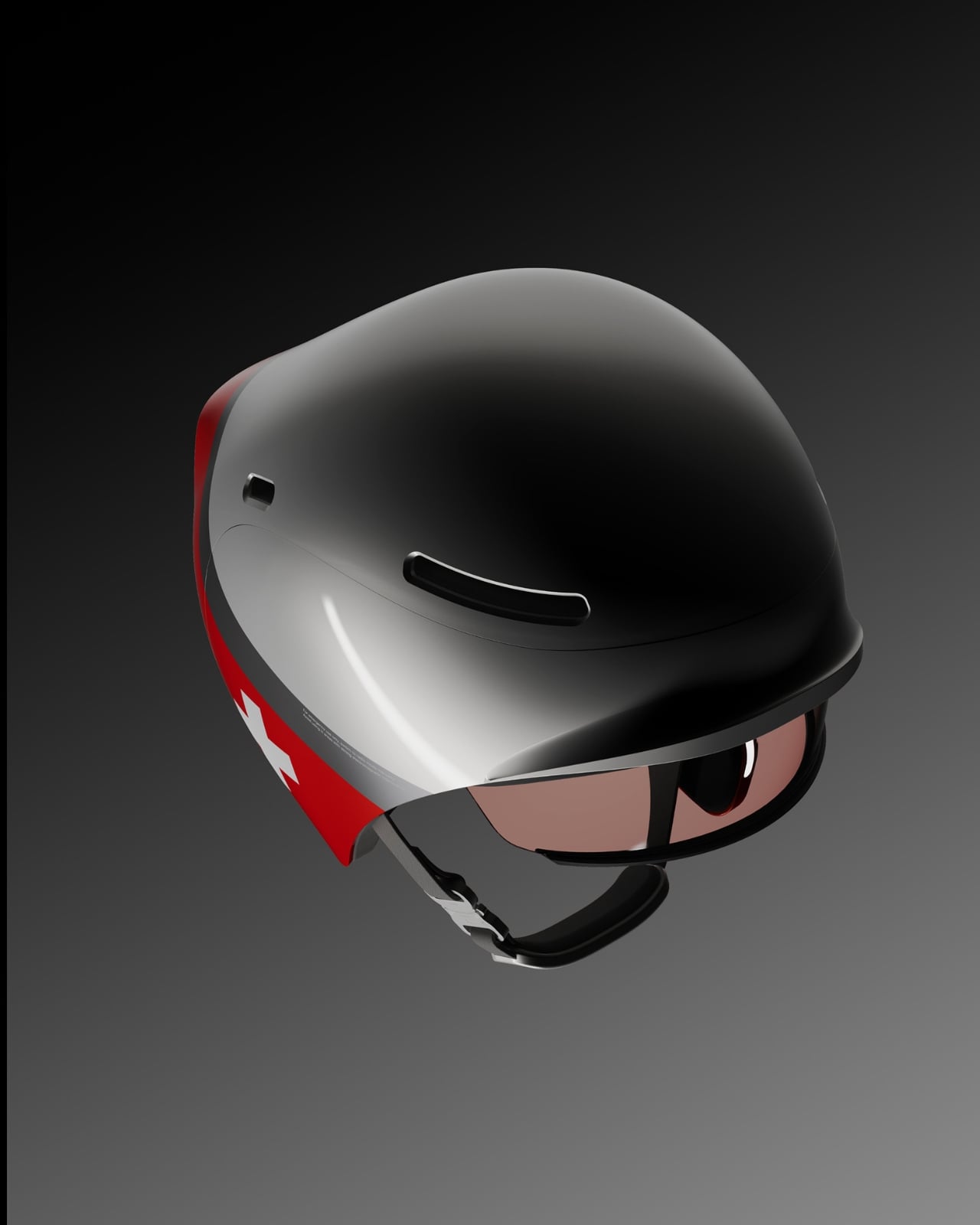
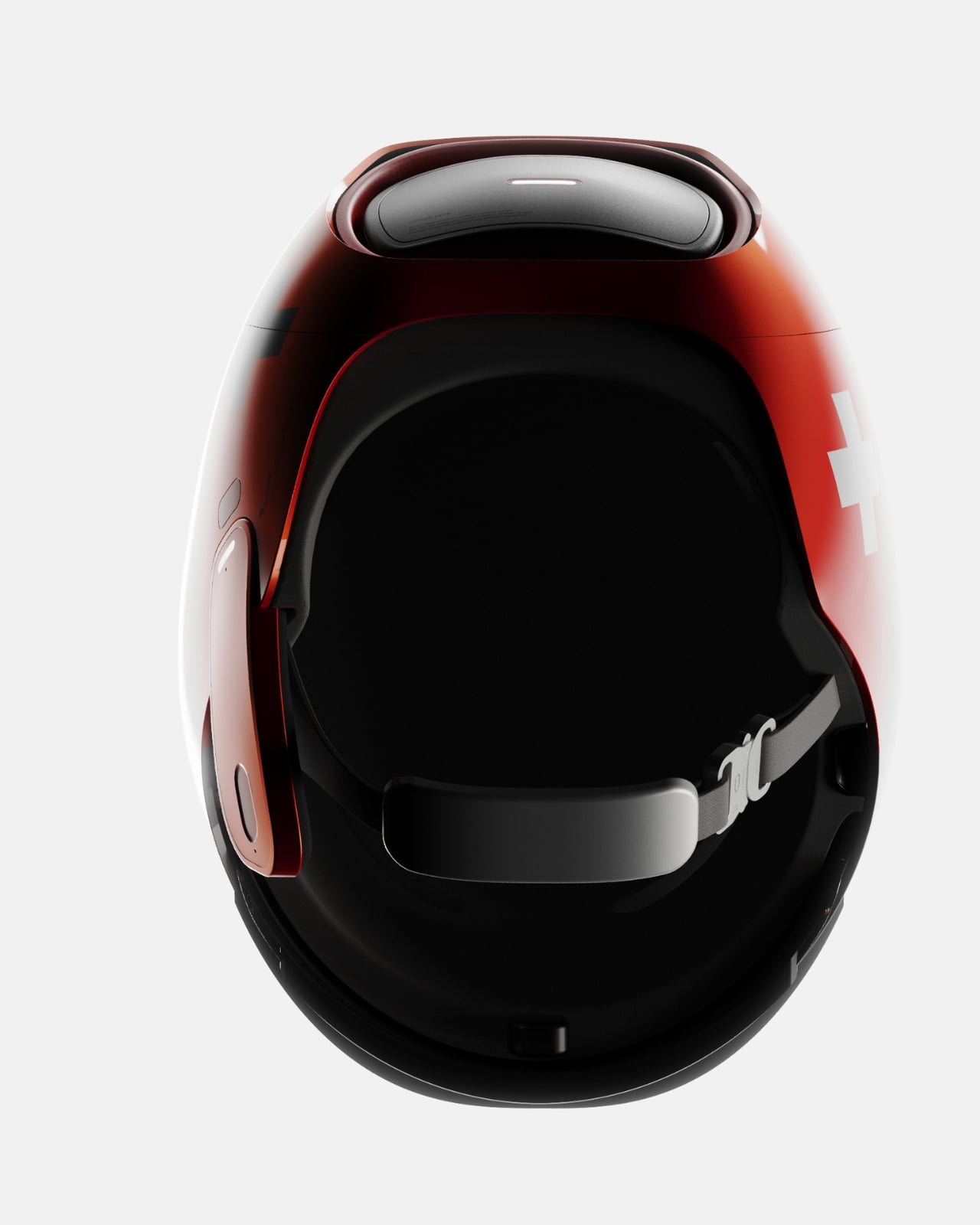
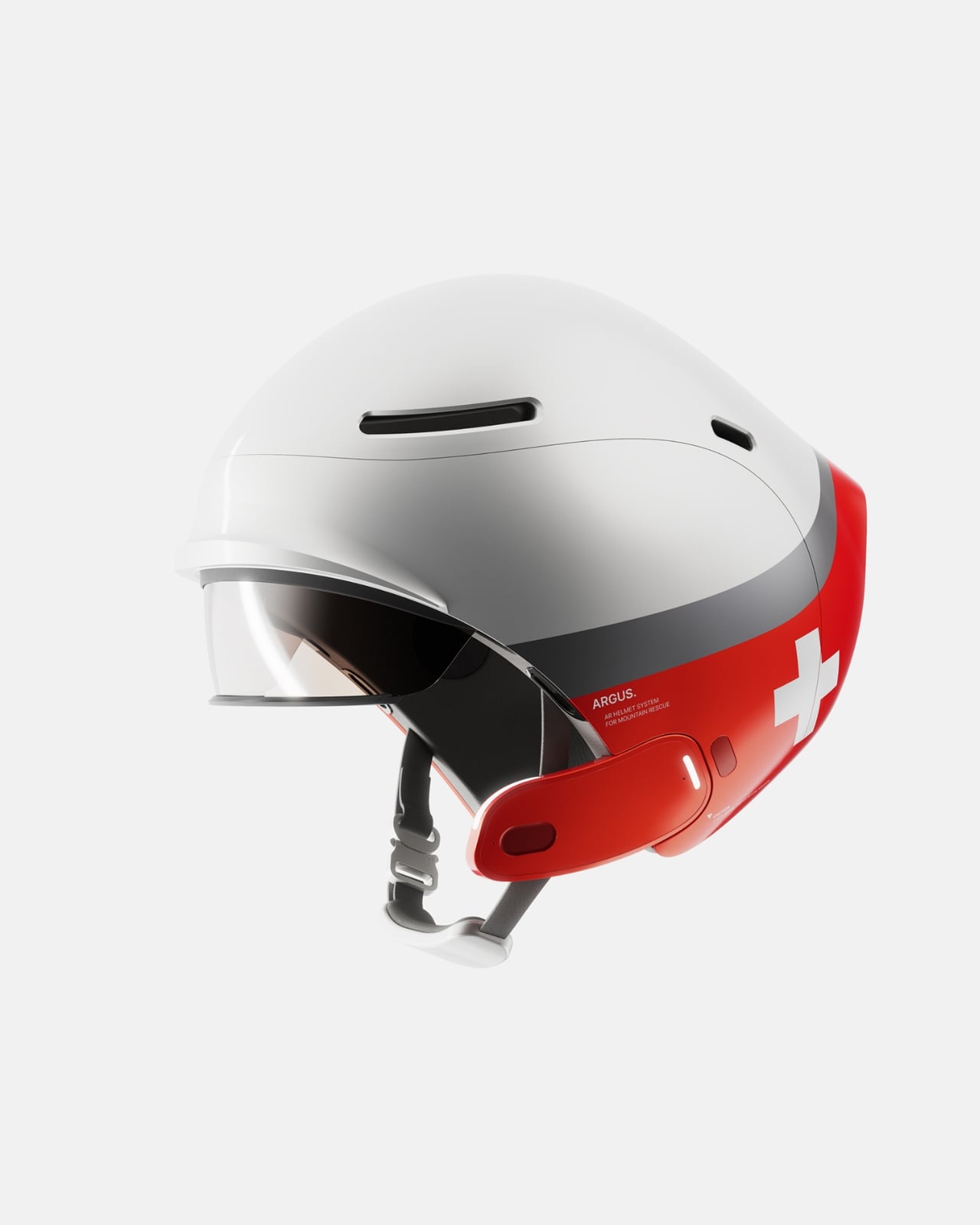
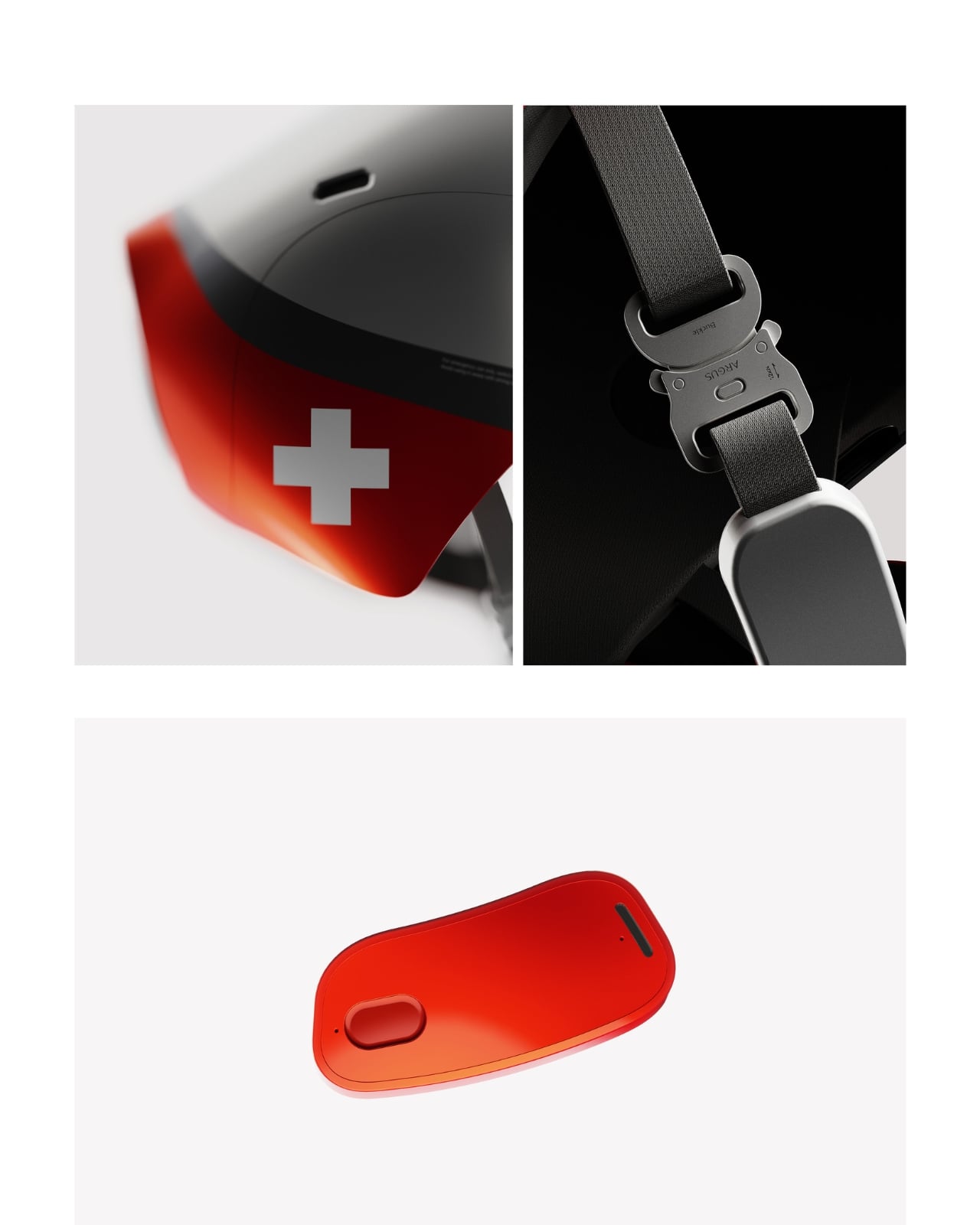
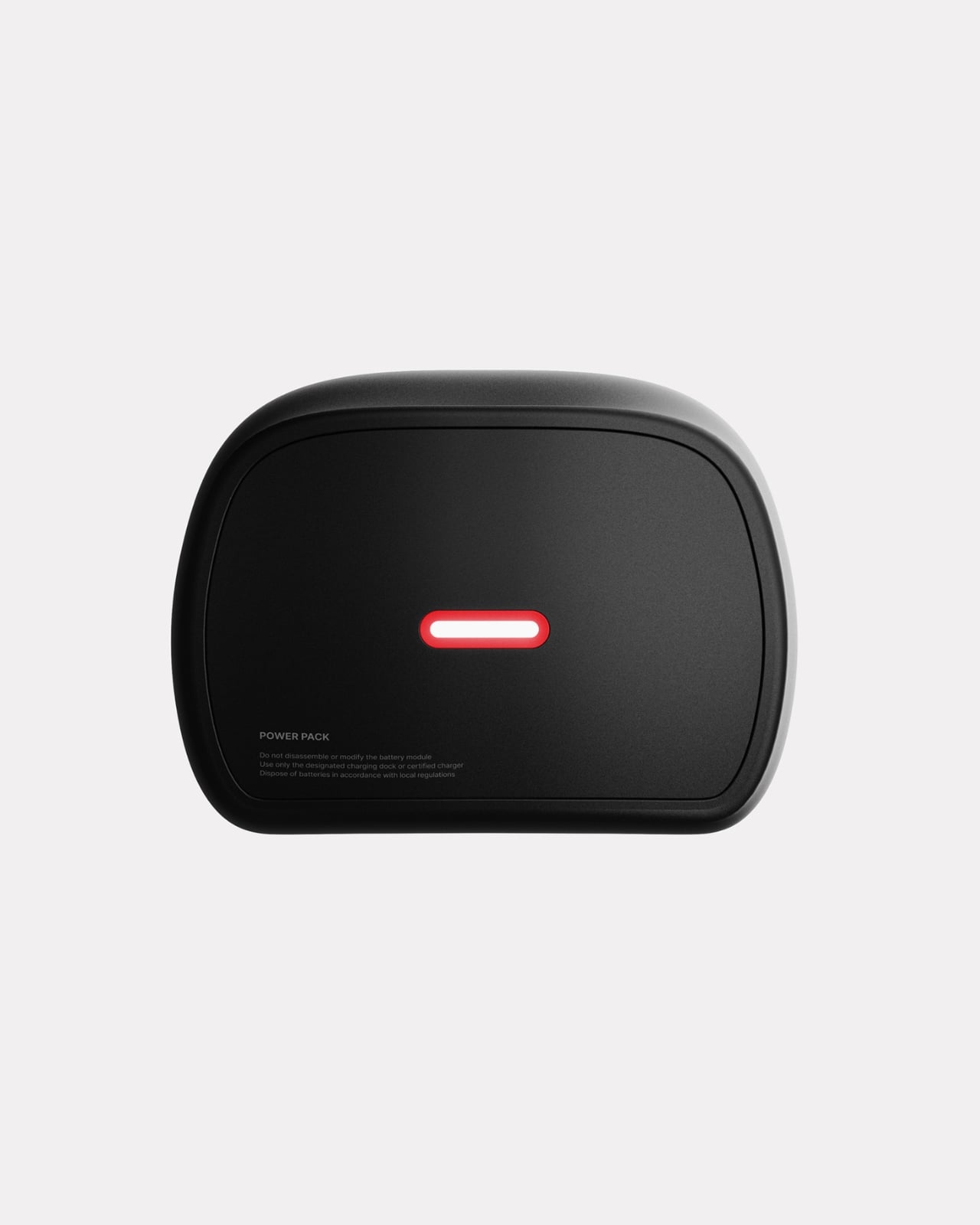
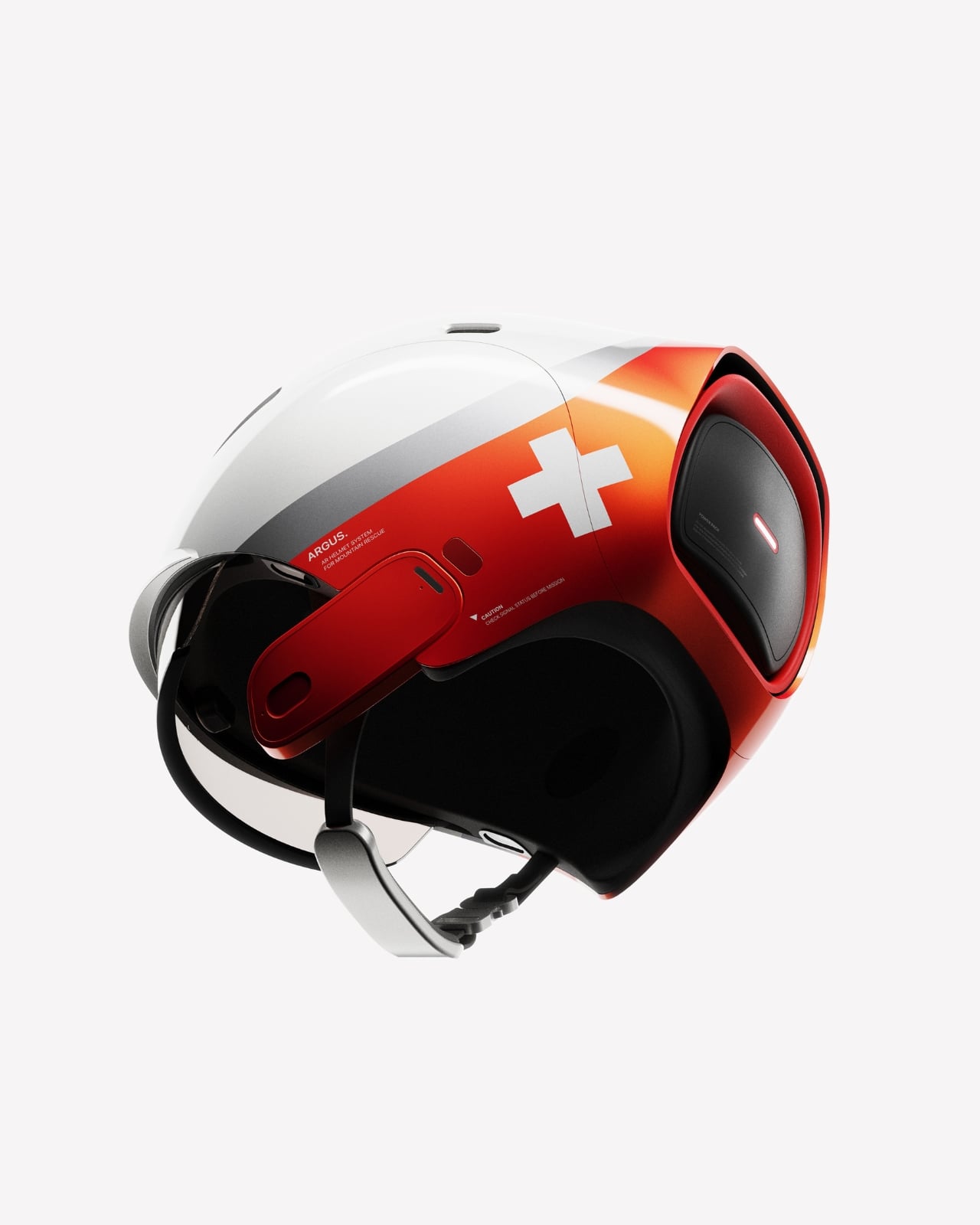
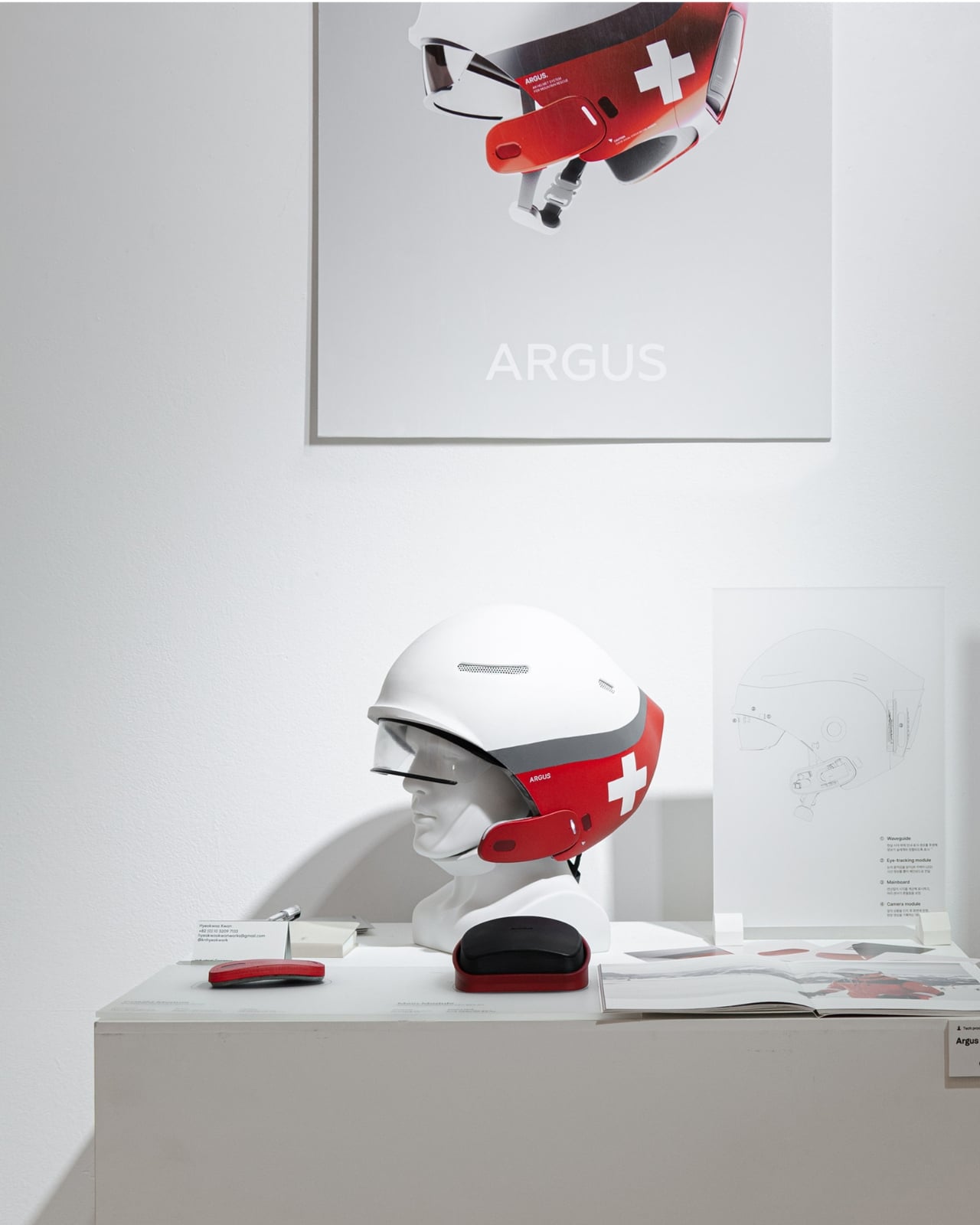
The design itself strikes a balance between futuristic and functional. The white shell with bold red accents and Swiss cross branding gives it a clean, authoritative look that fits naturally into the visual language of emergency services. The transparent visor integrates the AR display without creating the bulky, intrusive appearance that often plagues wearable tech. There’s a modularity to the system too, with a detachable power pack that ensures the helmet remains comfortable for long shifts while providing enough battery life to last through demanding rescue operations.
From a practical standpoint, Argus is designed to support ski patrol operations across experience levels. A rookie responder gets the same information overlay and guidance as a veteran, creating a more consistent standard of care. Route optimization, hazard warnings, victim location data, and communication logs all live within the user’s field of vision, accessible without breaking focus from the task at hand.
But beyond the specific use case of ski patrol, Argus represents something larger about where wearable technology is headed. We’re moving past the era of tech that demands our attention and toward interfaces that disappear into the background until we need them. Eye-tracking isn’t new, but applying it to life-or-death situations where gloves, weather, and adrenaline make traditional controls impractical shows how design thinking can solve problems that raw computing power can’t.
There’s also something refreshing about seeing concept design tackle unglamorous but essential work. We’re used to seeing AR prototypes aimed at gaming, shopping, or entertainment. Those have their place, but projects like Argus remind us that the most meaningful applications of emerging technology often happen in fields where people are doing difficult, dangerous work that most of us never see.
Will we see Argus helmets on mountains anytime soon? As a concept, it still needs to navigate the long road from design portfolio to production reality, including challenges around durability, battery life in extreme cold, and integration with existing rescue protocols. But as a vision of what’s possible when designers deeply understand the context they’re designing for, it’s compelling. It shows that the future of wearable tech might not be about adding more features, but about making the right information available at exactly the right moment, controlled by something as simple and intuitive as where you look.