
Most homes accumulate a drawer full of dead AA and AAA batteries, and the uneasy feeling of tossing heavy little cylinders into recycling or the trash. Alkaline cells are marketed as single-use, even though the chemistry can often be coaxed back to life with the right kind of intervention. RegenBox 1 is a small, hands-on challenge to that throwaway logic, turning battery regeneration into a bench-top ritual that requires patience, measurement, and a soldering iron.
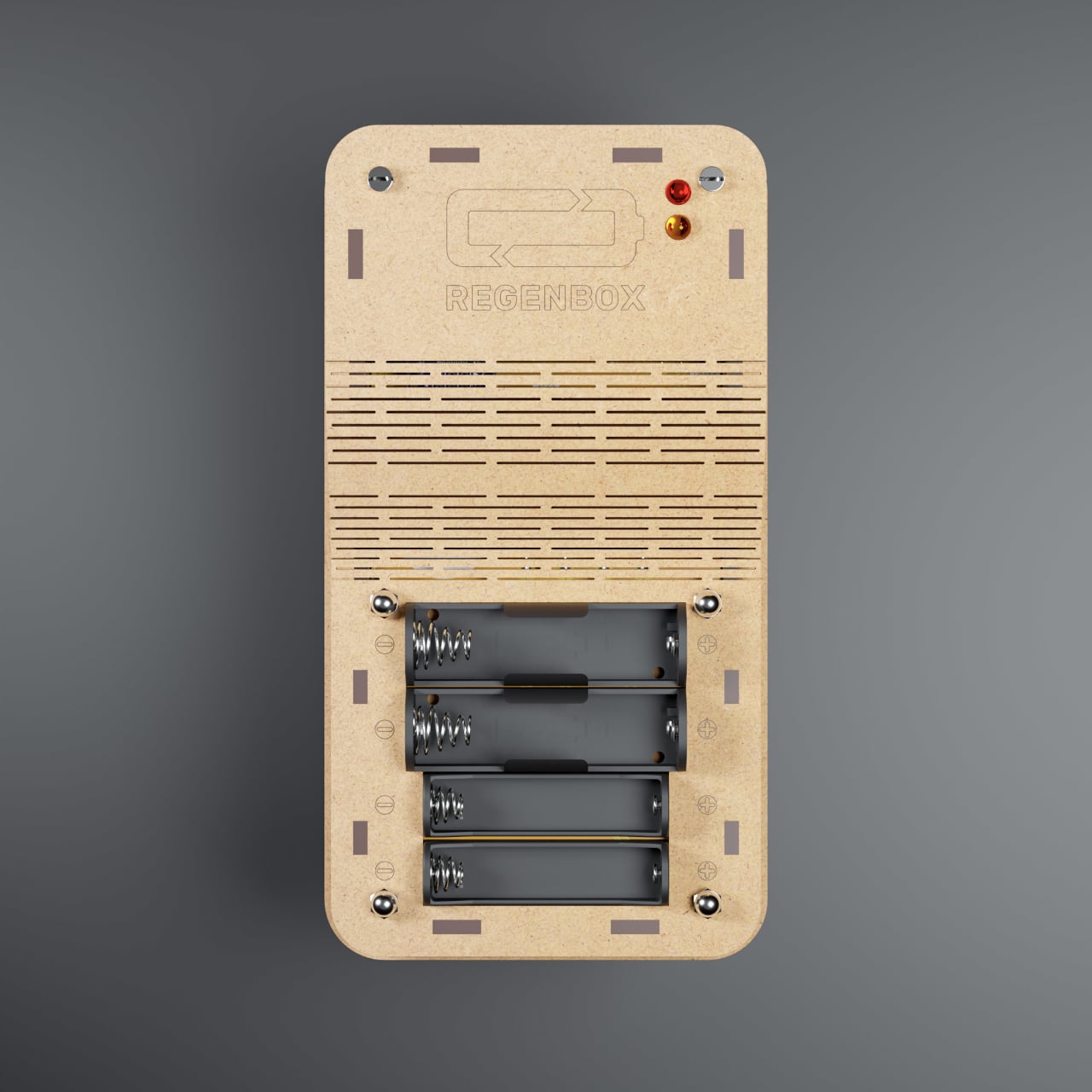
RegenBox 1 is a kit that arrives as a flat collection of components, a printed circuit board, electronic parts, and laser-cut wooden panels. Once assembled, it becomes a USB-powered regenerator for AA and AAA alkaline batteries, designed for electronics hobbyists rather than casual users. The wooden case and visible PCB make it feel more like a lab instrument or workshop project than a sealed plastic charger, and building it yourself is half the point.
Designer: Regenbox
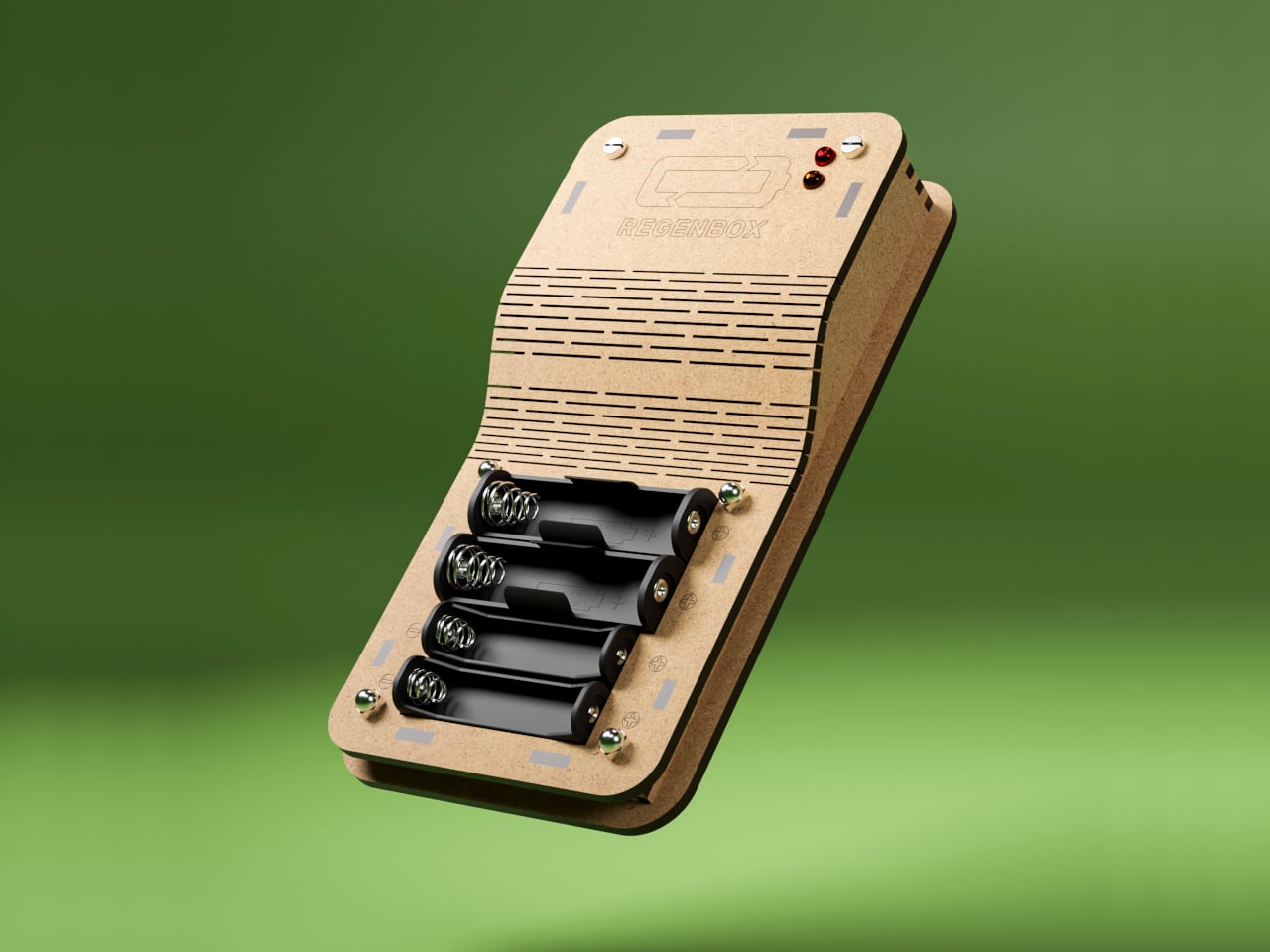
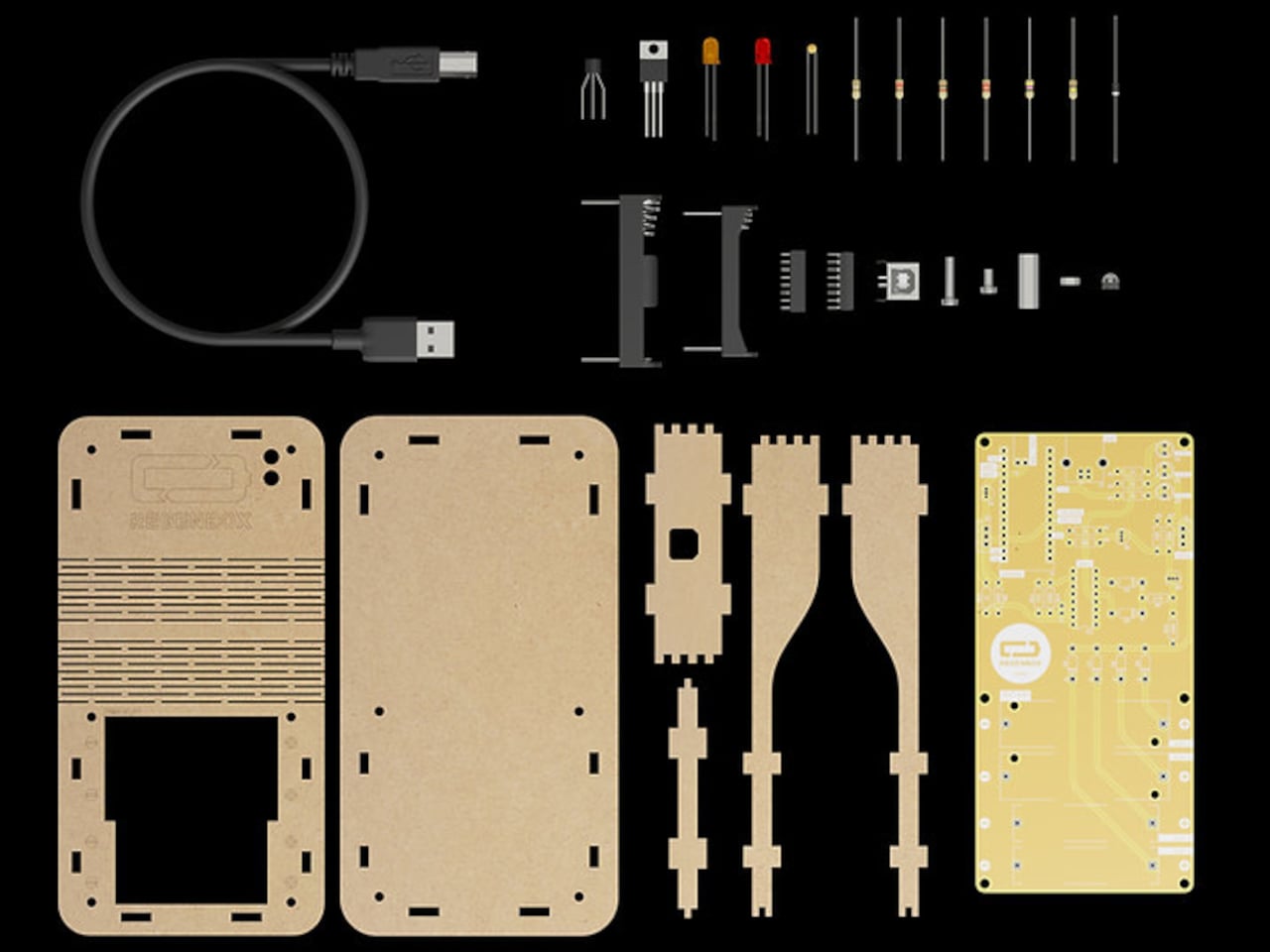
Assembly requires a soldering iron and solder, a voltmeter, flat-nose pliers, wire cutters, and a small screwdriver, plus some electronics confidence. The kit supplies the PCB, resistors, diodes, LEDs, IC, battery holders, USB cable, and the wooden enclosure. You are not just buying a gadget, you are learning how it works as you put it together, turning the components into a functional regenerator that can sit on your desk or workbench for years.
Using it starts with testing each alkaline cell with a voltmeter. Below 0.9 V goes to recycling, 0.9 V to 1.35 V is a candidate for regeneration, and 1.35 V to 1.5 V is already reusable. Once cells are slotted in and the USB 5 V input is connected, the circuit feeds very low current for 8 to 24 hours, slowly reversing part of the discharge without stressing the casing or causing leaks.
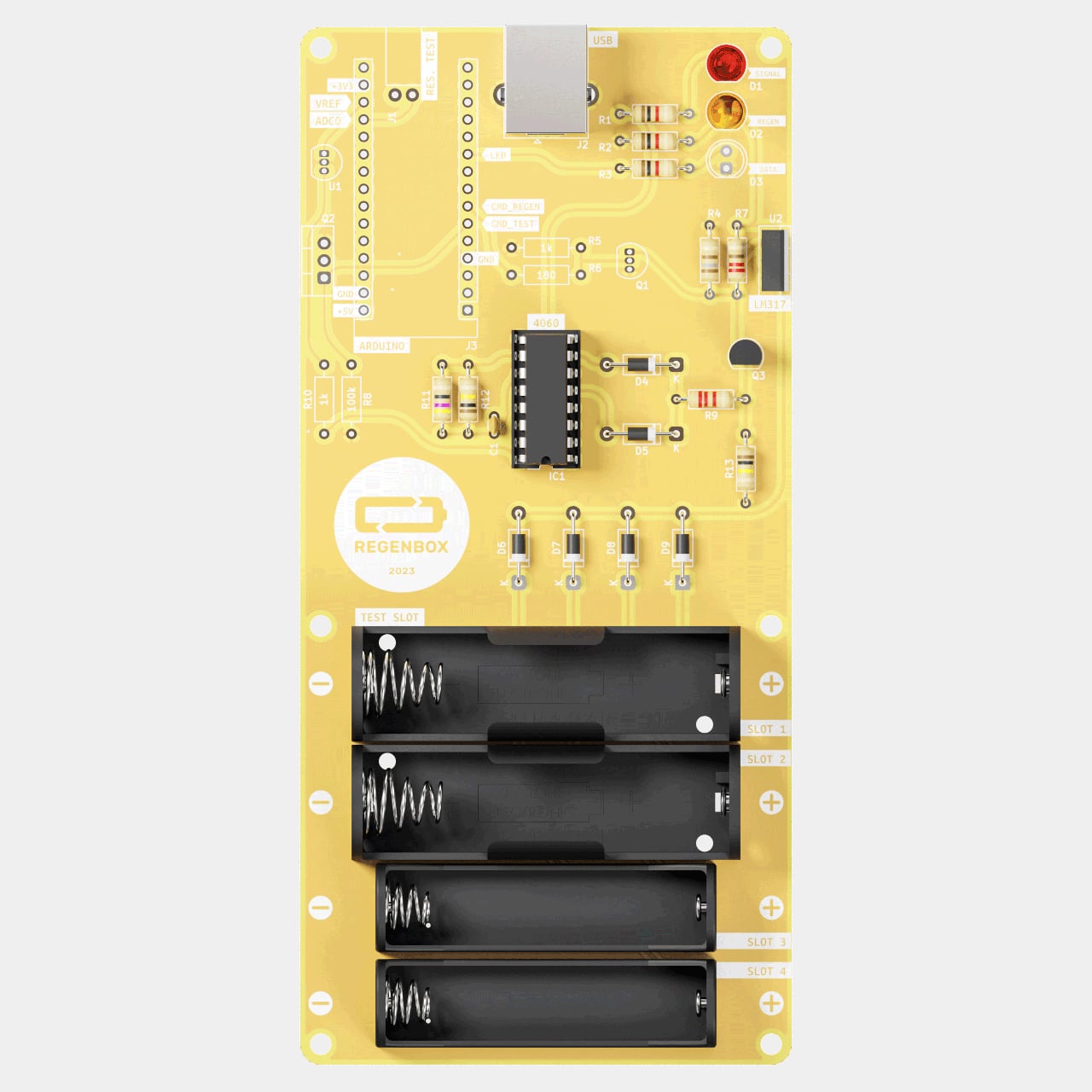

The boundaries are strict, alkaline only, no lithium, no damaged or leaking cells, correct polarity, and room-temperature use. The red and orange LEDs indicate current flow and help with diagnostics, but the real discipline is in measuring voltages before and after, and respecting the chemistry. It is not a fast charger; it is a patient tool that trades speed for safety and extended second lives.
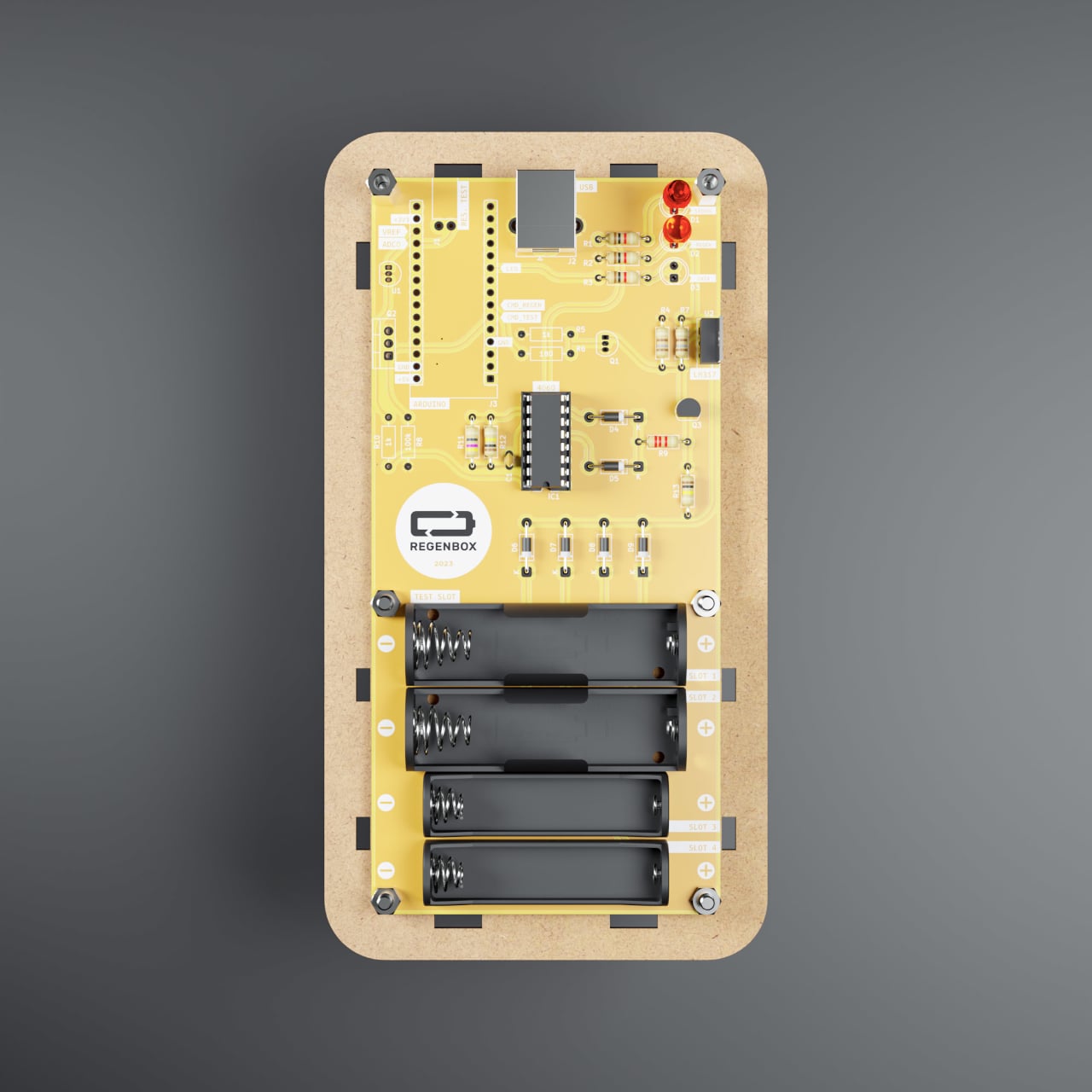
Getting one or more extra cycles out of batteries that would otherwise be discarded adds up across a household or community. The open, repairable design invites modification and learning, turning energy use into something you can see and tweak. RegenBox 1 becomes a quiet protest against sealed, opaque devices, and a small workshop ally for anyone trying to reduce waste while gaining control over the objects they depend on.
RegenBox 1 changes the way you look at dead alkalines. Instead of being the end of the story, they become candidates for triage, measurement, and careful regeneration. The wooden box on the bench is a reminder that design can intervene not just at the point of purchase, but at the moment we usually give up on an object, asking whether it really needs to be thrown away yet or if a slow, gentle charge might bring it back for another round.