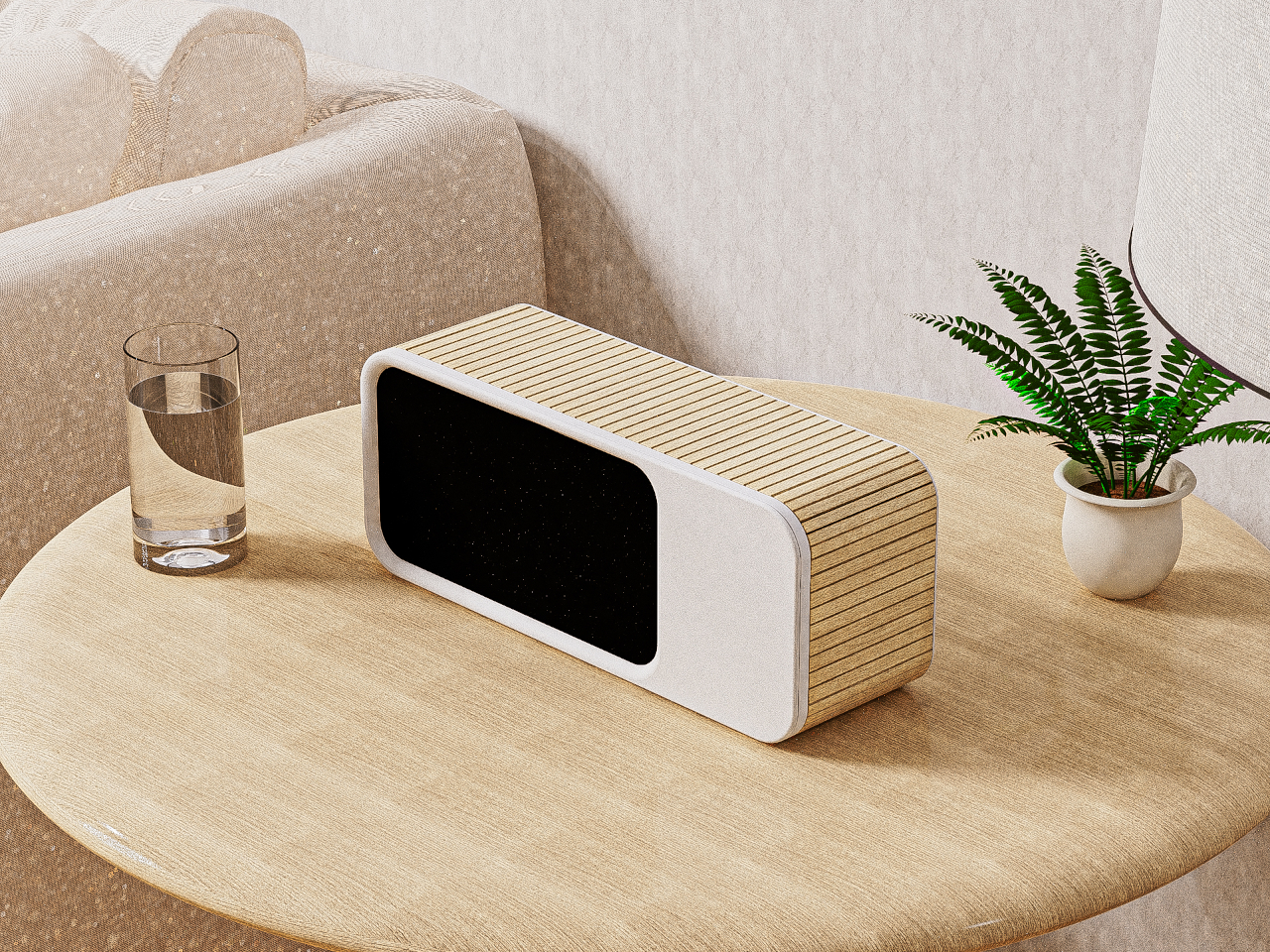
The trouble with a snooze button is how good it is at its job. You can find it without opening your eyes, which is handy until you realize you’ve done it three times. The KAIROS smart alarm clock concept takes that shortcut away, replacing the familiar button on top with a pattern you have to complete on the screen before the ringing finally stops.
The screen would present a different pattern each morning, so there’s no single spot you can learn to tap in your sleep. The idea is to make you look at the clock long enough to decide what you’re doing with the next five minutes. It’s a small bit of work, though drawing a fixed pattern with your finger can quickly become second nature, as avid smartphone users can attest to.
Designer: Cheon Ryong Choi
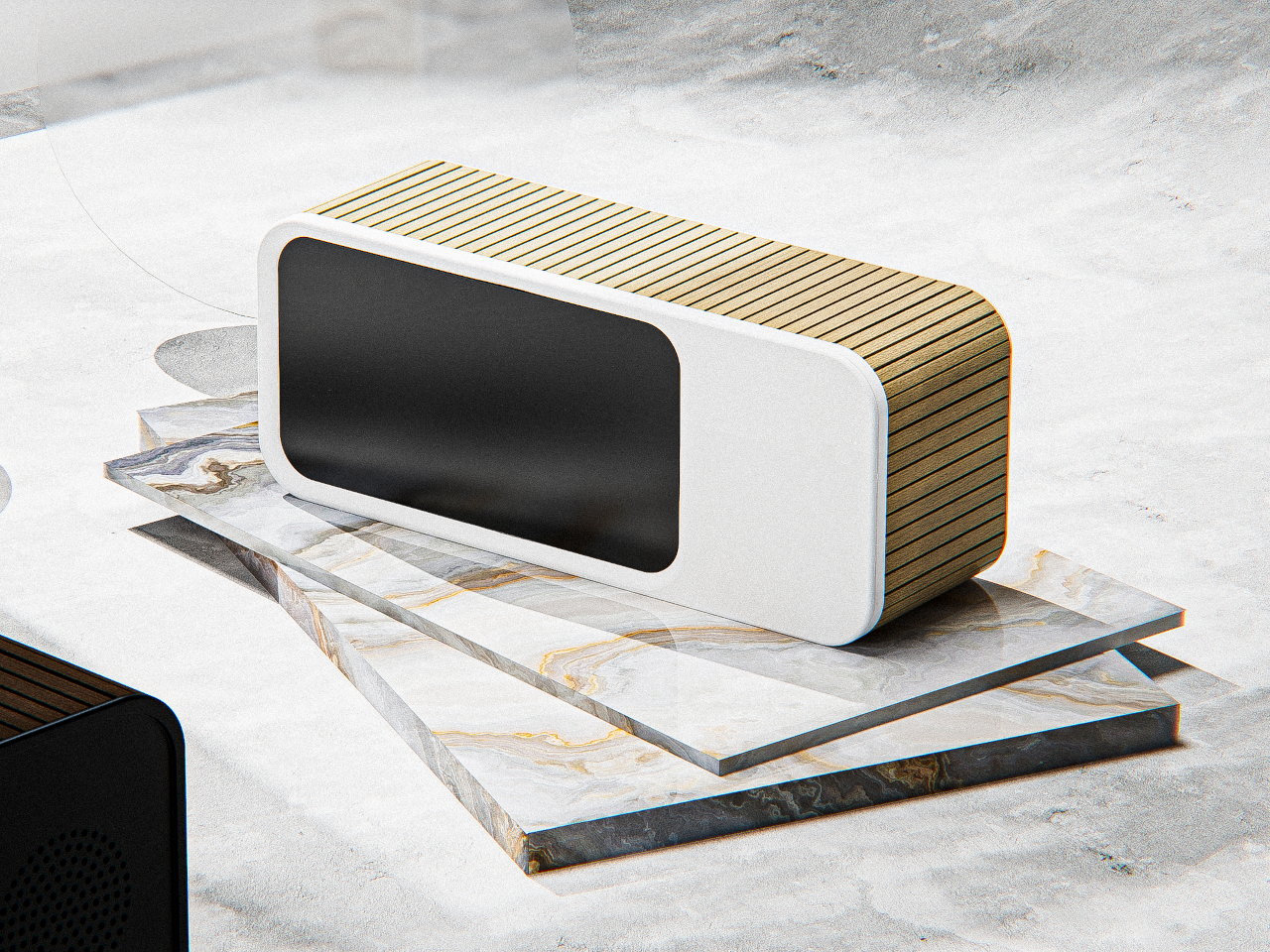

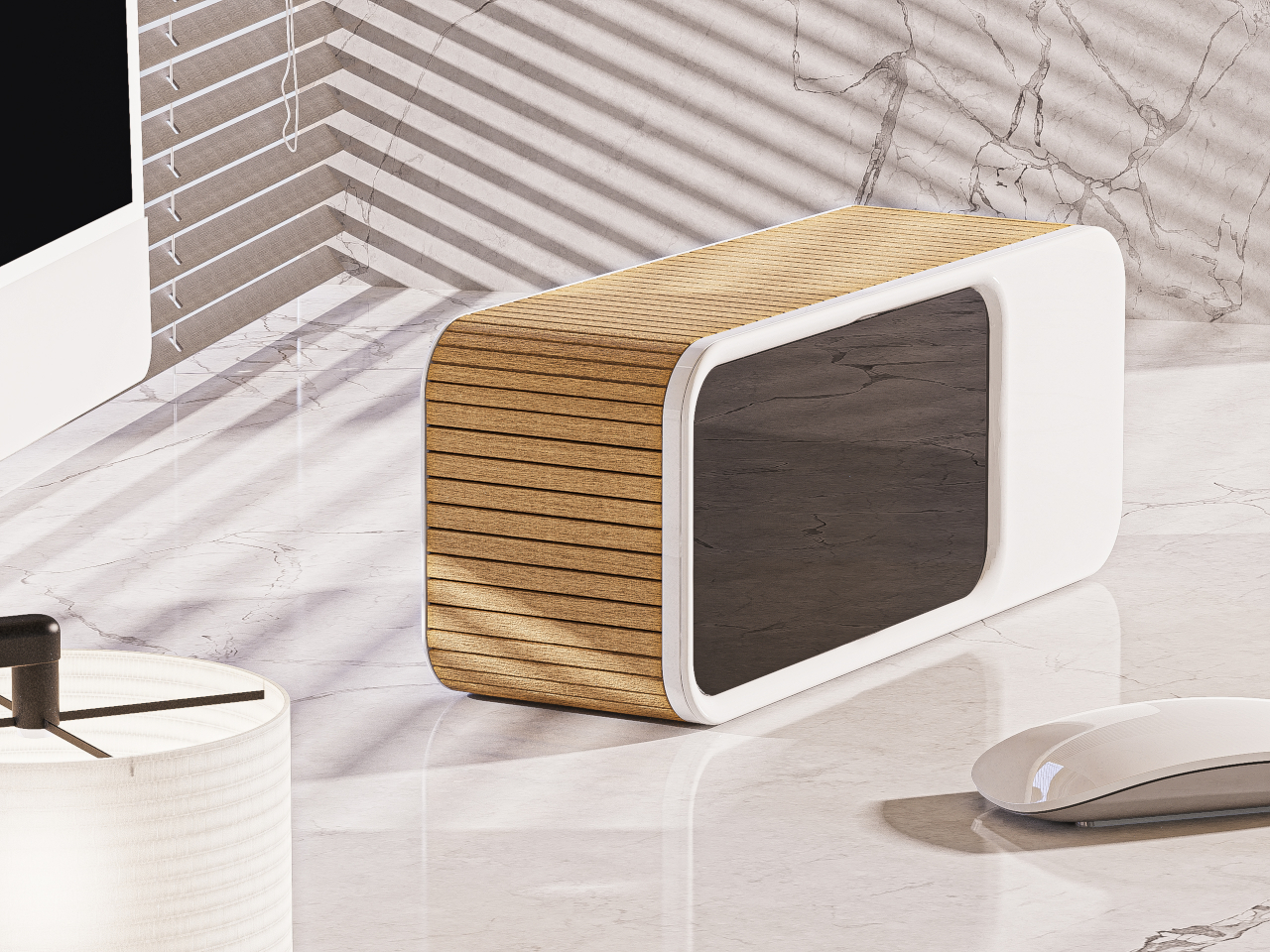
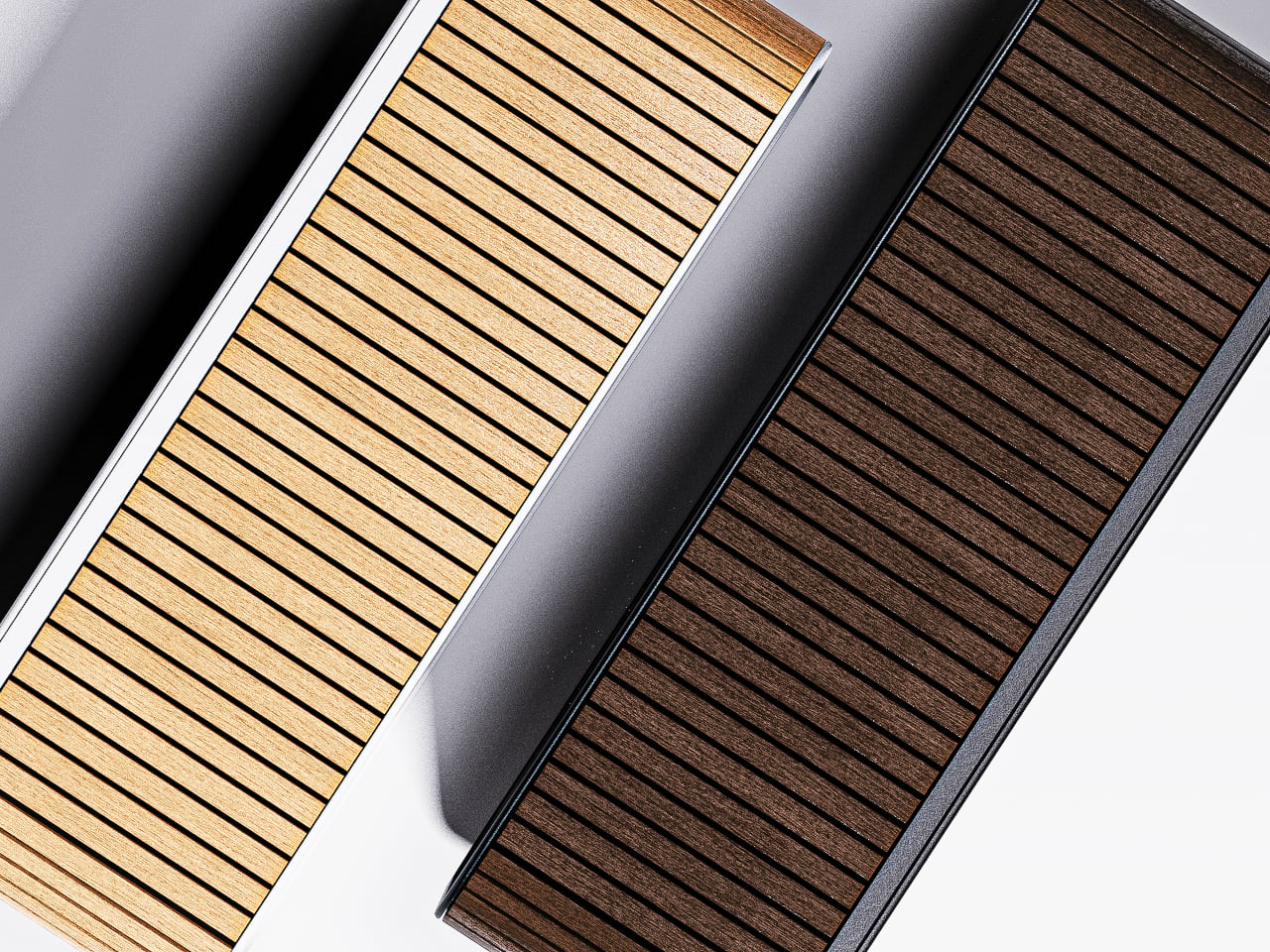
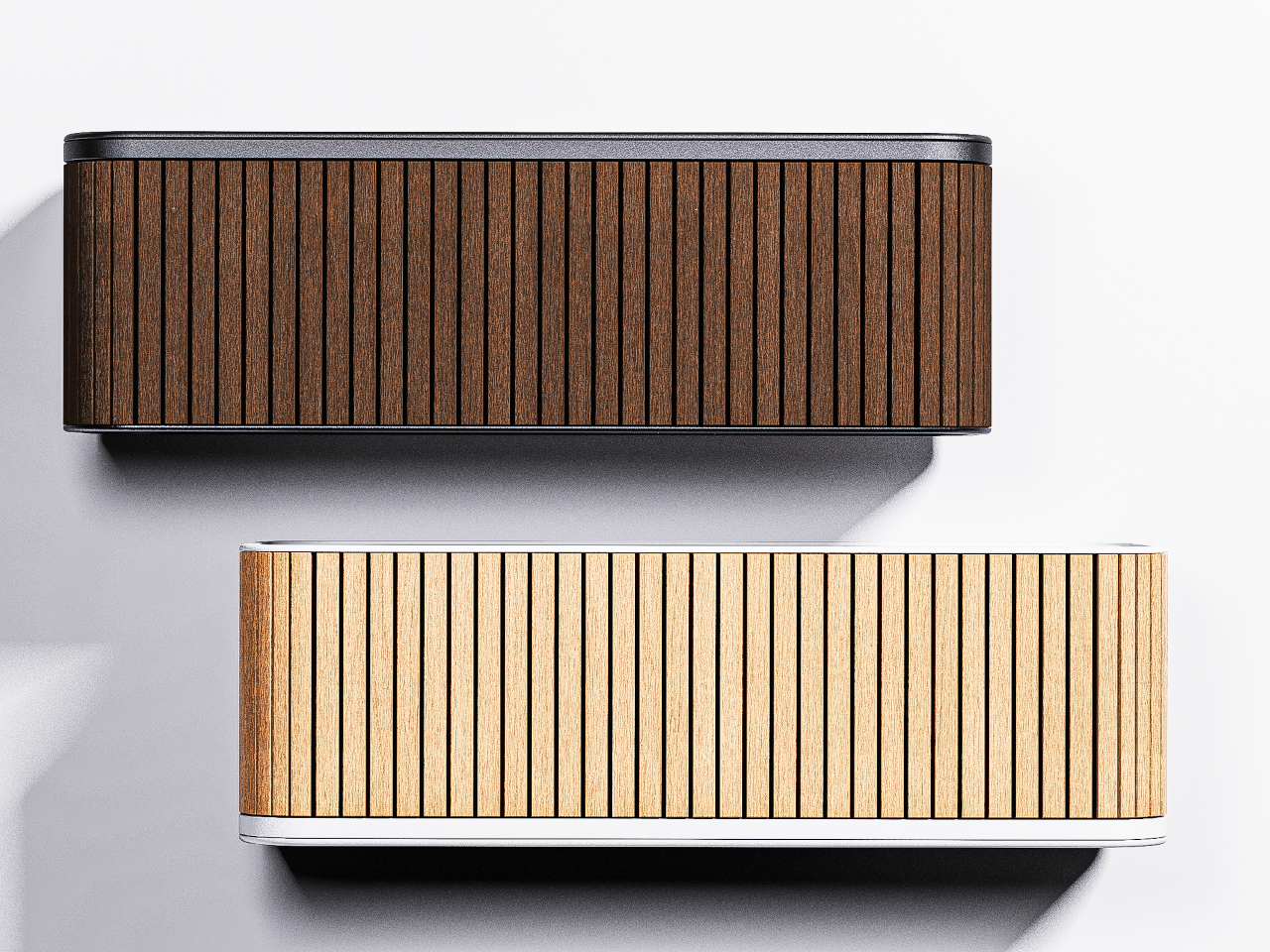
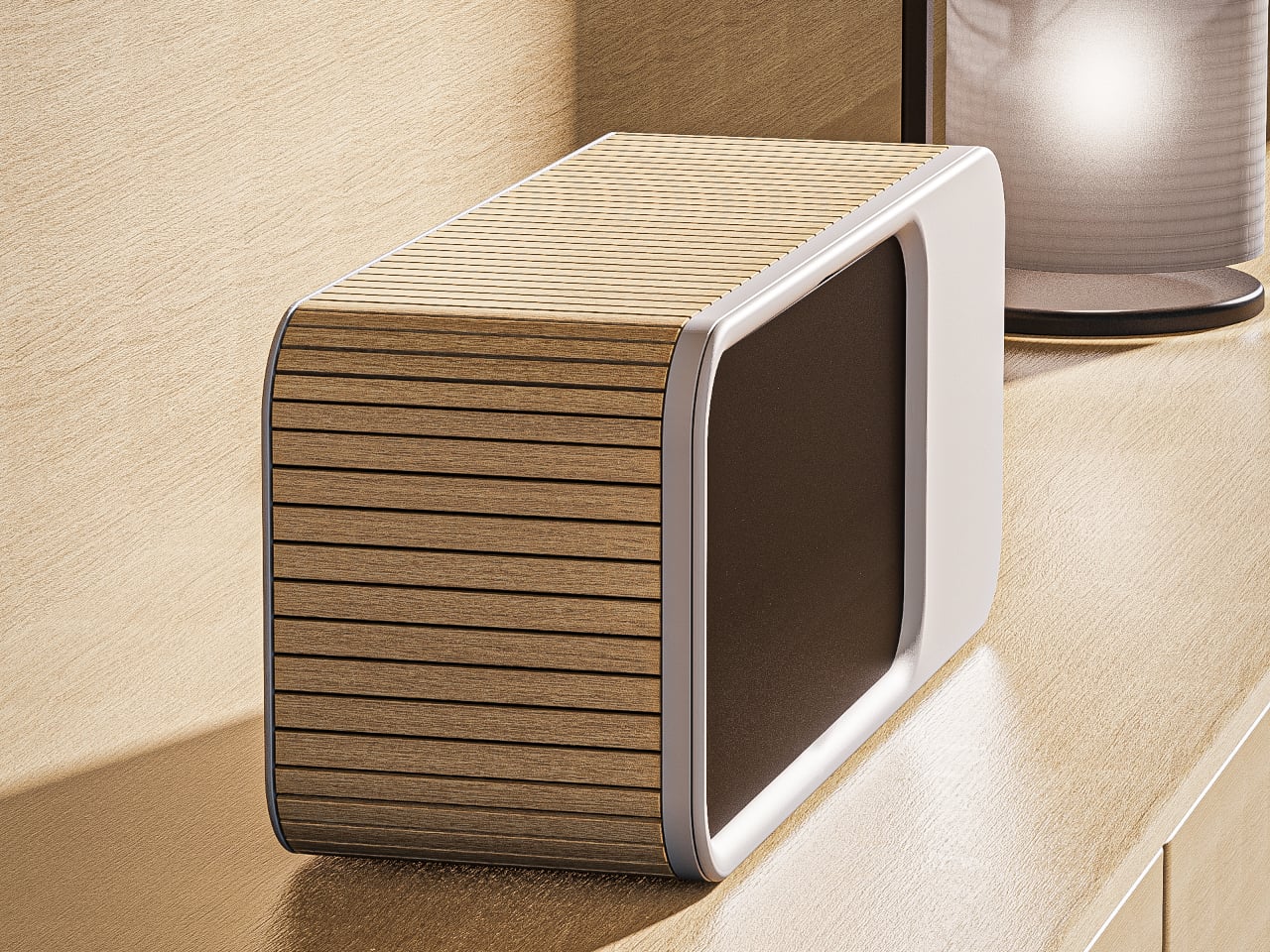
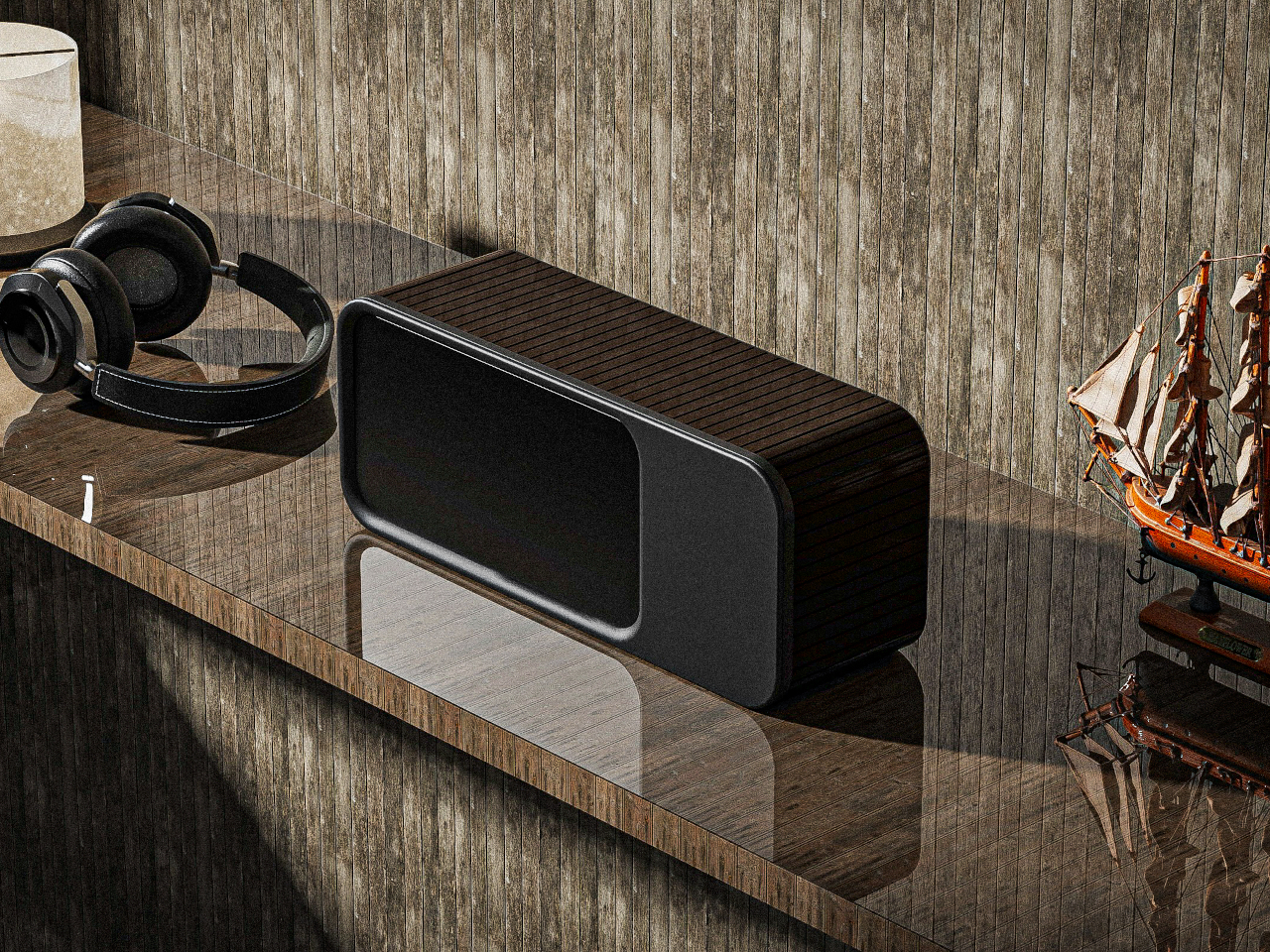
The rest of the clock looks considerably less demanding. A ribbed band wraps over the top and down the sides, pairing pale wood tones with a white face or darker brown with black. The display sits off to one side, and six small buttons live on the back between two perforated grilles. The top is all ribs where your hand expects a button.
Once the alarm is quiet, the same screen would give you the time, temperature, humidity, and weather. A forecast beside the clock is a handy thing to have while you’re deciding which jacket to wear. It’s also information you could get without picking up your phone, which might otherwise have you reading a group chat before you’ve even found your socks.
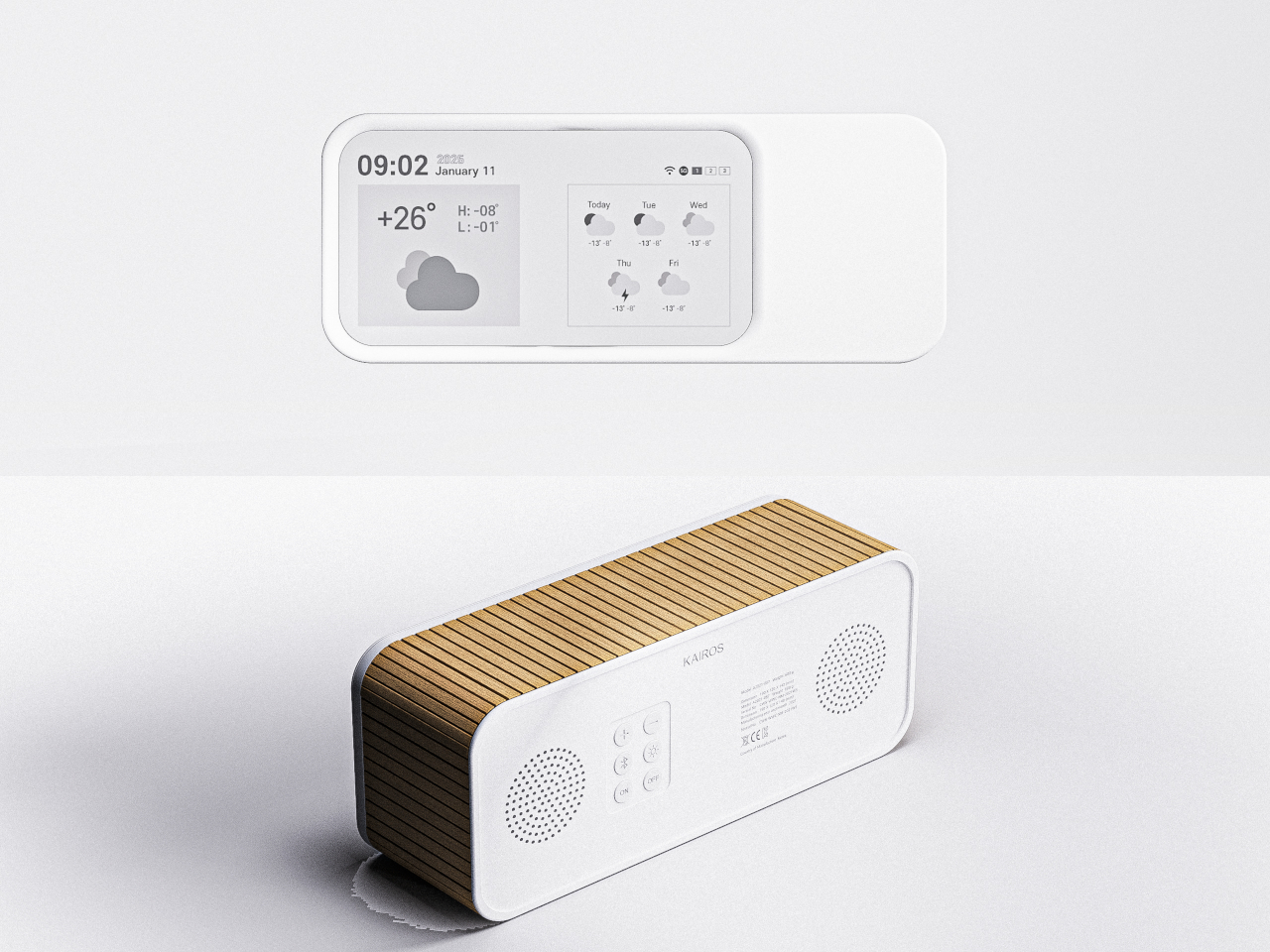
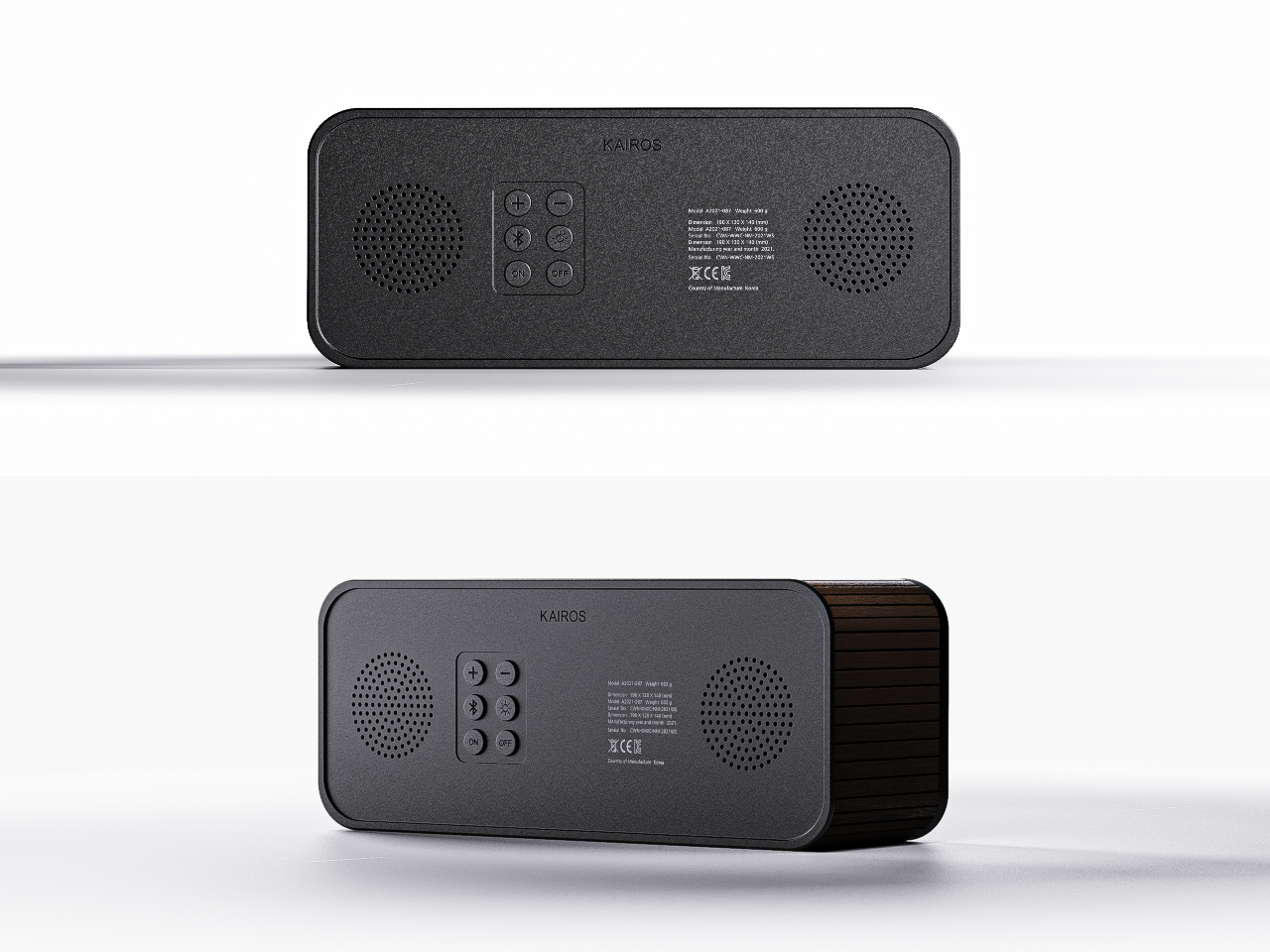
That advantage depends on what you ask the clock to show. A companion app would let you change the layout and add headlines, social media, or stock updates. There’s a difference between checking for rain and finding out what the market did while you were asleep. The option to leave that stuff off might be the most useful setting of the lot.
Phone apps such as Alarmy can make you solve a math problem or take a photo to stop the sound. KAIROS takes that sort of task off the phone and puts it on a clock you might otherwise mistake for a small radio. If the clock’s within reach, you could still do the whole thing without so much as putting a foot on the floor.
Then there’s the problem of a second sleeper. At six in the morning, a few extra seconds of ringing might be a fair price for getting yourself up, but the person beside you didn’t sign up for a puzzle. The concept doesn’t say if there’s a quick override or a way to dismiss the alarm without having to see the screen.
A challenge like this would make sense for the early train you can’t afford to miss. On a Saturday when you’d rather not wake the rest of the house, a plain alarm might do just fine. Letting you choose which mornings call for a pattern would give the clock a better chance of staying on the nightstand long after that train ride.