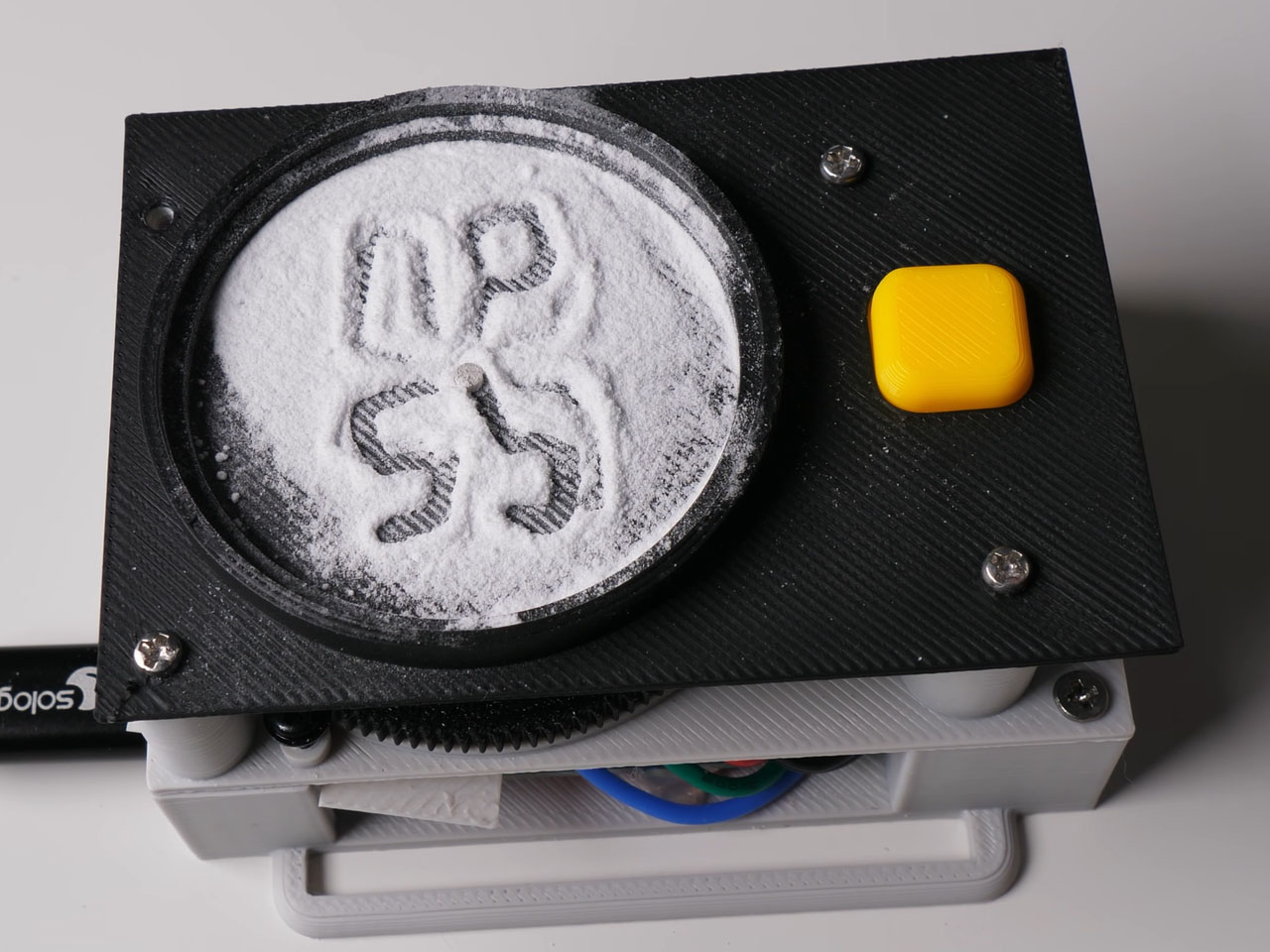
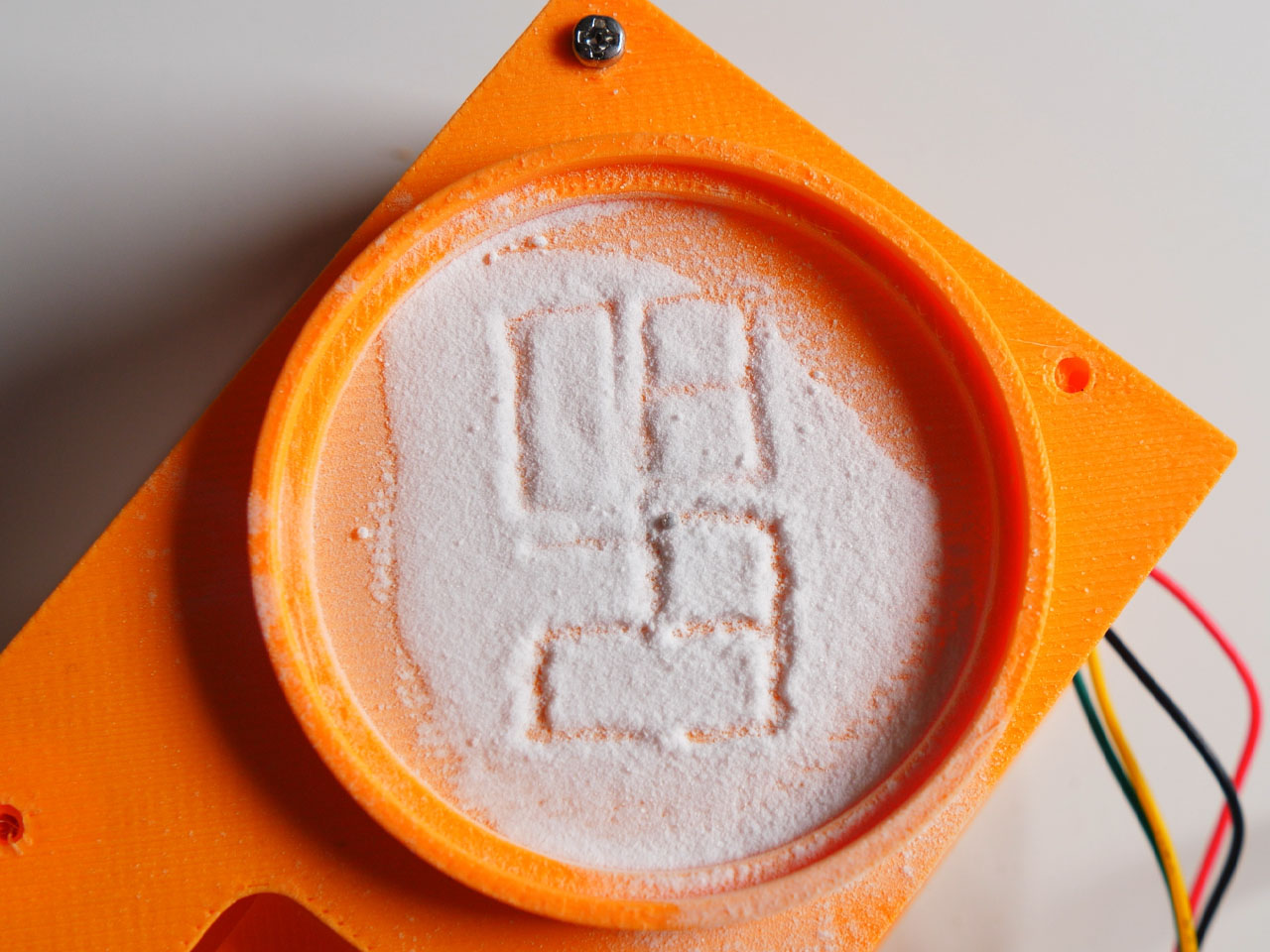
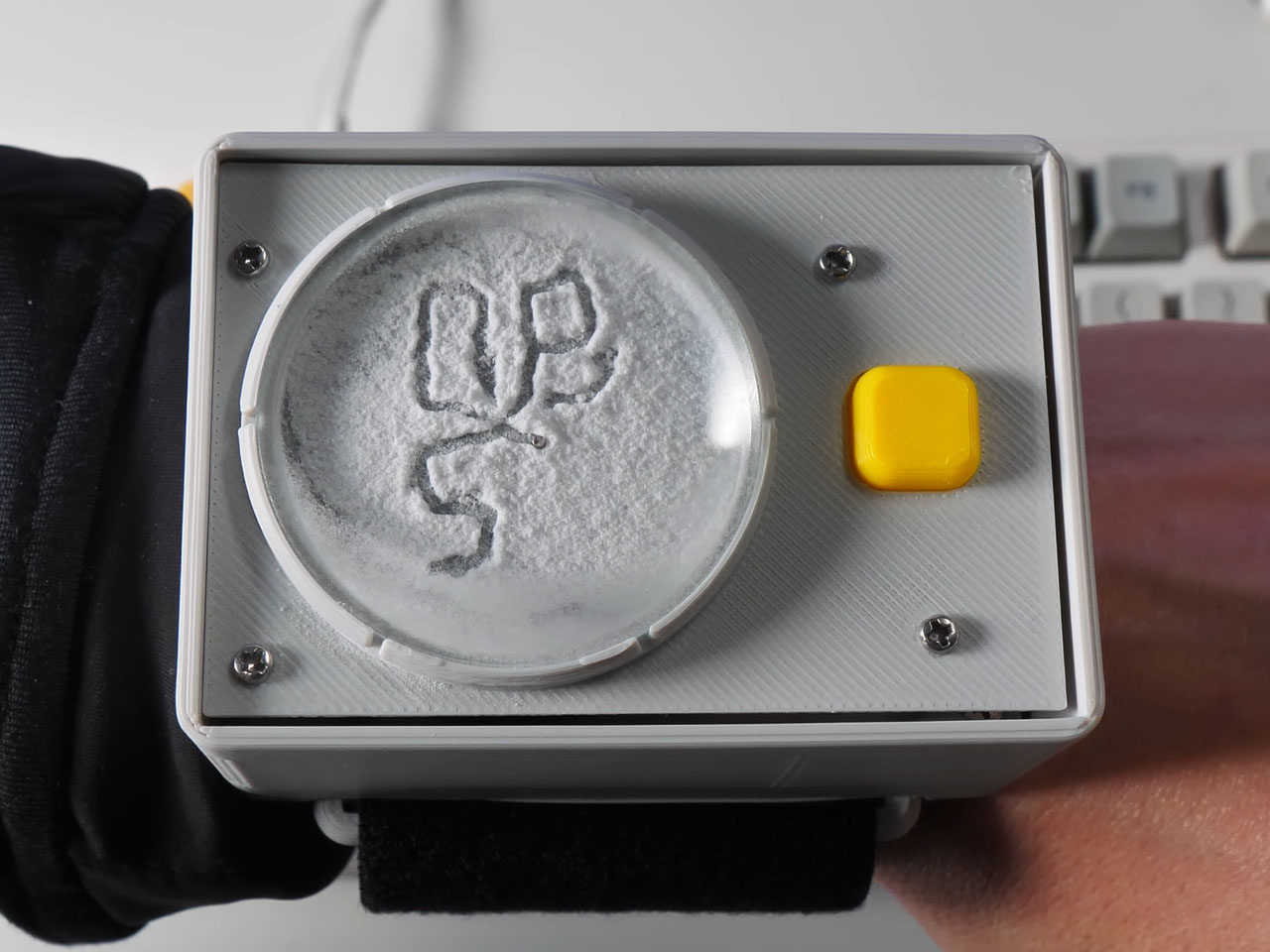
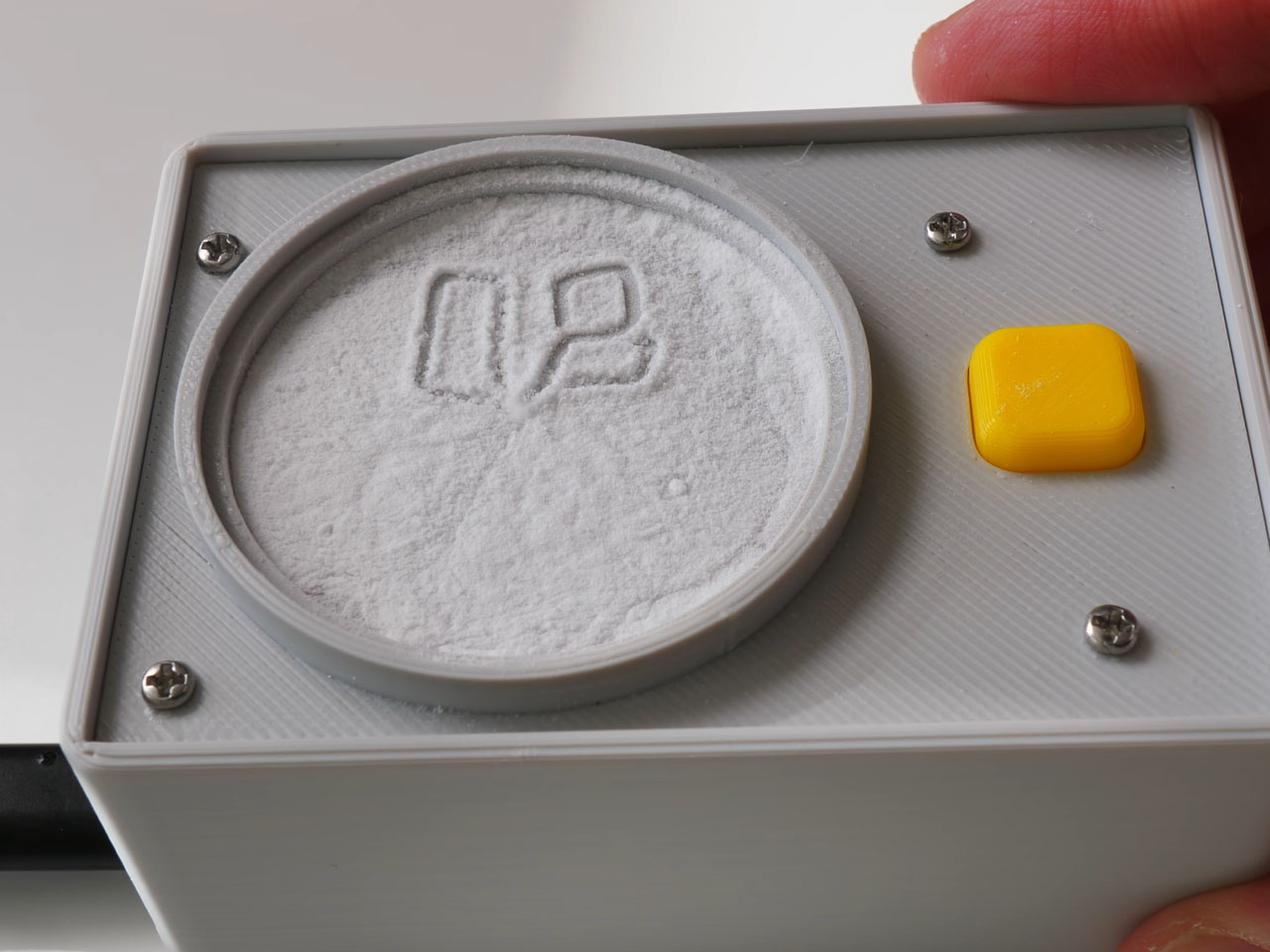
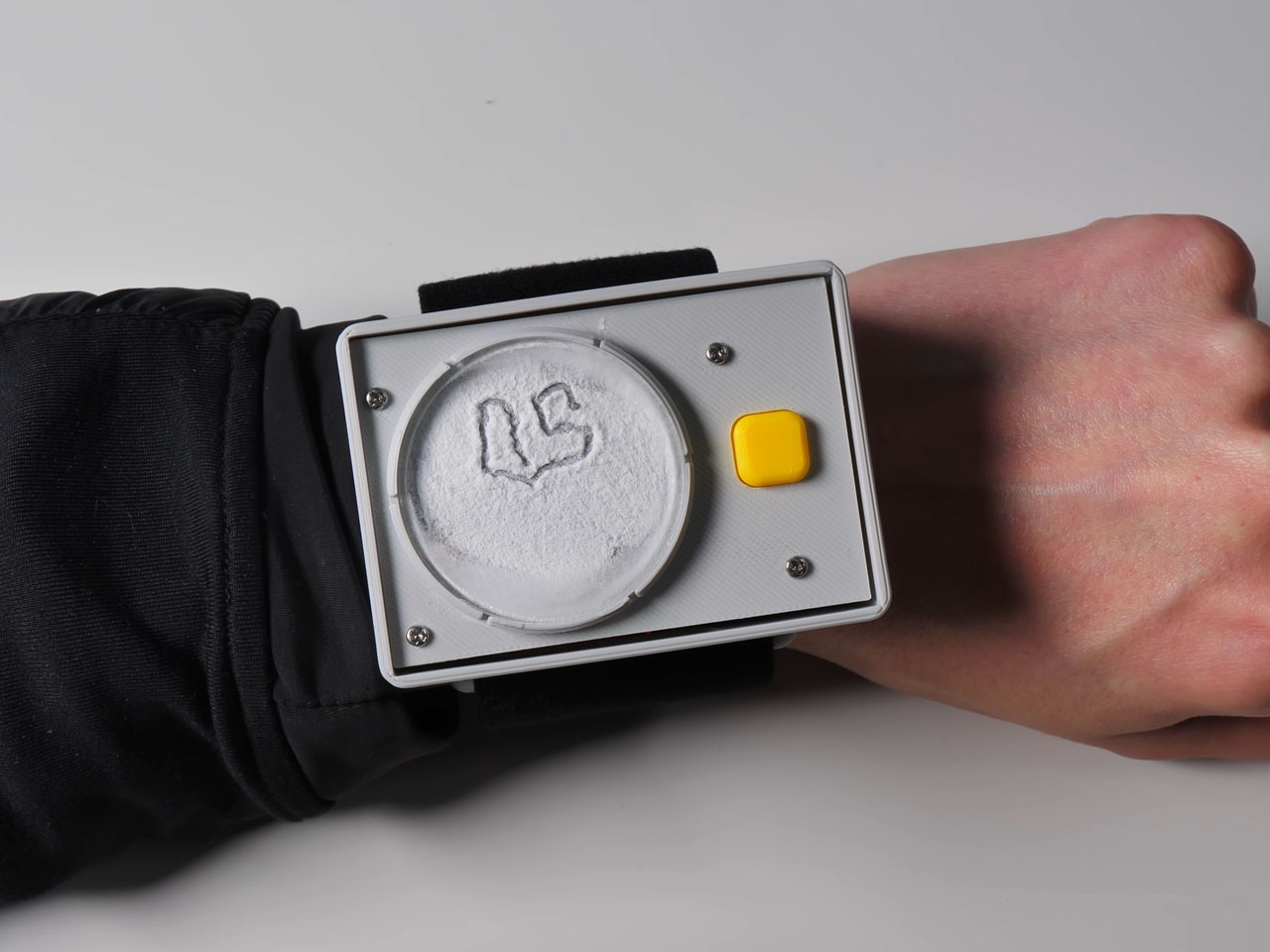
Most watches rely on mechanical hands, digital numbers, or illuminated displays to communicate the time. A DIY project by Dutch creator Strange Inventions, however, goes for a very unconventional approach to timekeeping. To be precise, turning the watch face into a miniature drawing surface where the current time is temporarily written in powder. Instead of displaying fixed numbers, this experimental wristwatch uses a magnetic mechanism to draw each new time directly onto its surface.
The concept builds on the same principle used in larger kinetic sand-drawing tables, where a small steel ball moves across a bed of fine powder under the influence of a concealed magnet. Bringing this mechanism down to wristwatch dimensions, however, introduces considerable engineering challenges. The smaller drawing area requires greater precision, particularly when producing numbers that remain relevant.
Designer: Strange Inventions
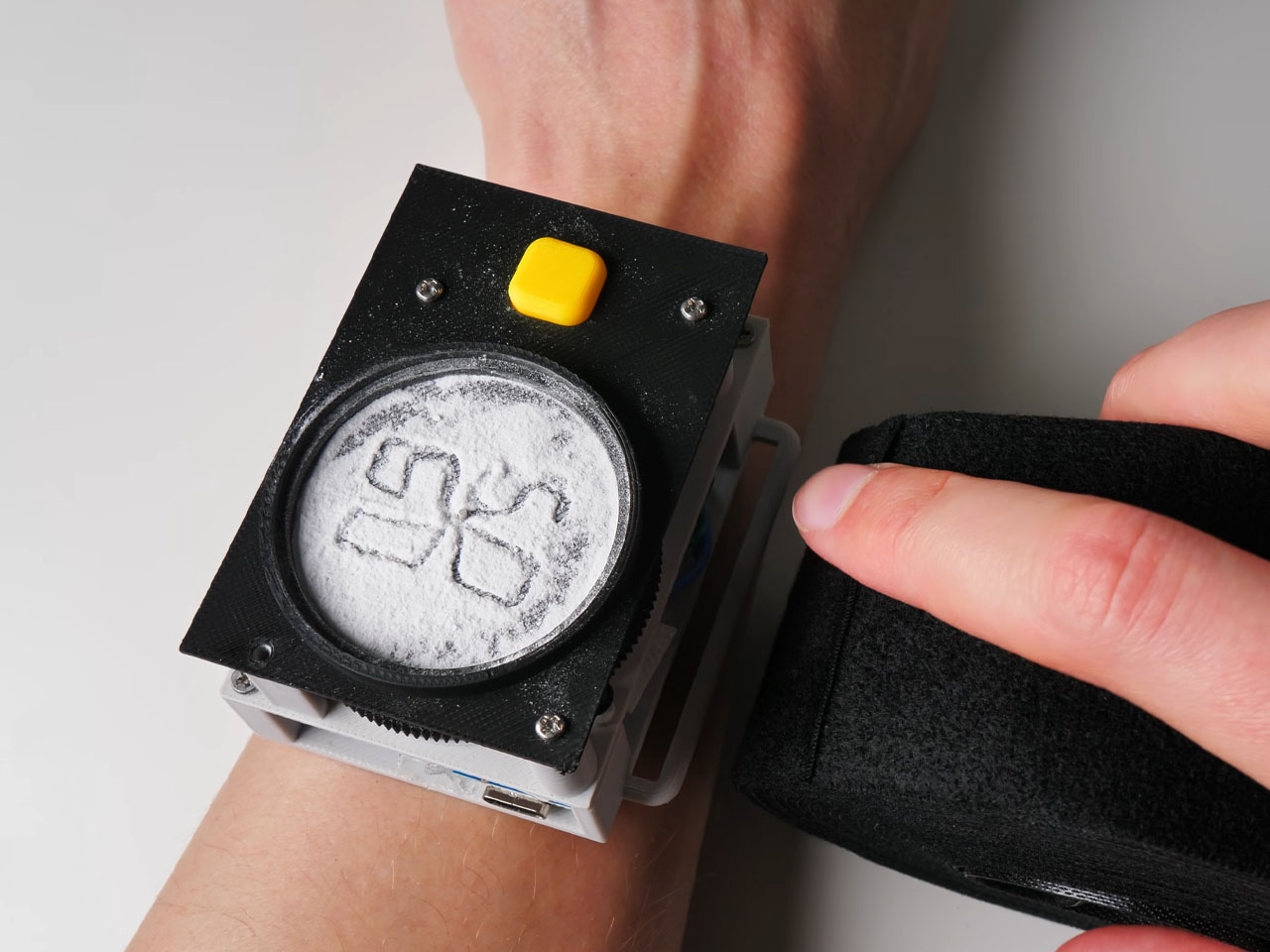

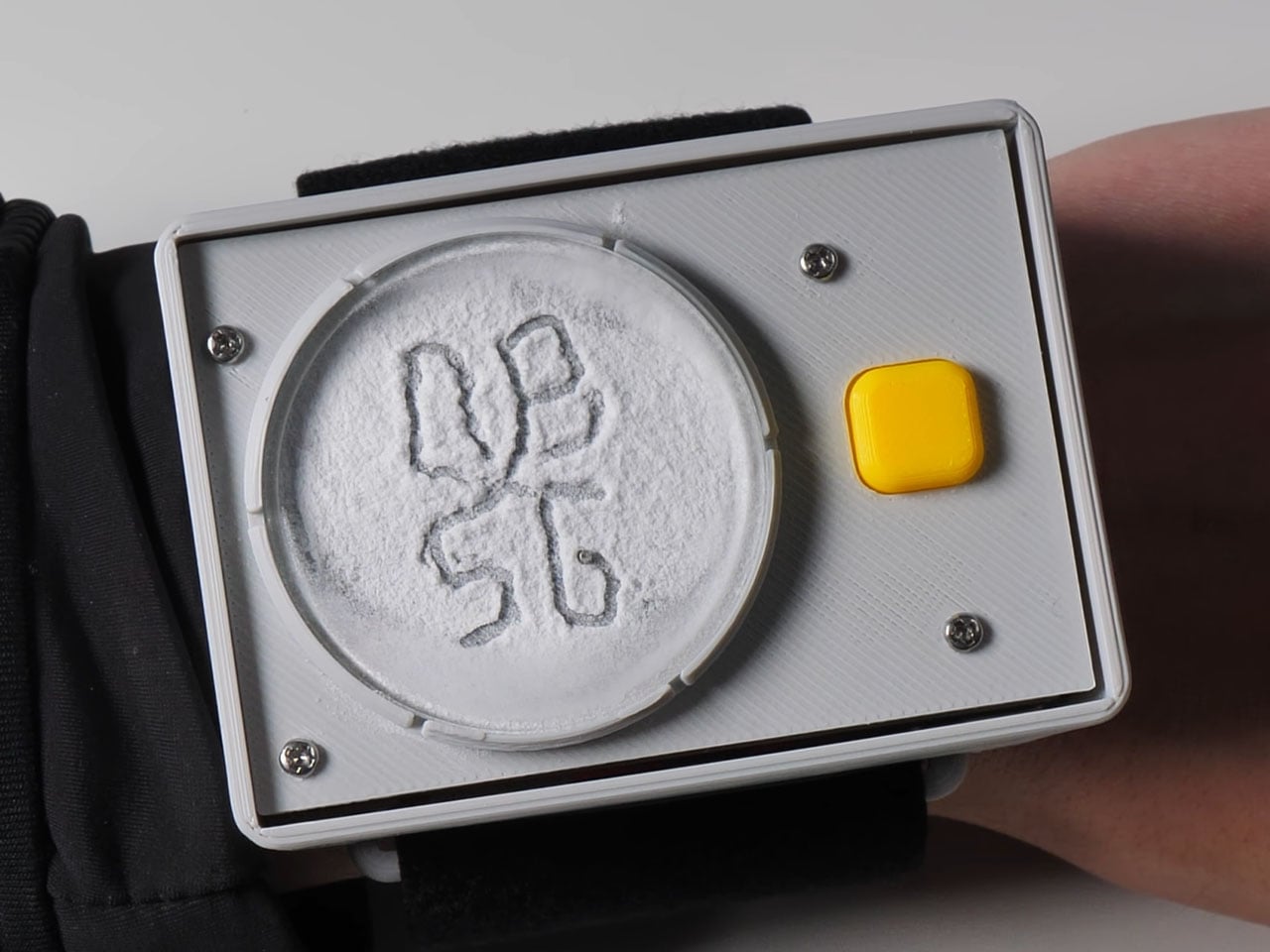
At the core of the watch is a tiny neodymium magnet mounted on a geared actuator and controlled by a microcontroller. The magnet moves beneath the drawing surface, guiding a small steel ball across the powder to trace the strokes needed to represent the current hour and minute. Every 60 seconds, the controller calculates the new digit patterns and directs the actuator along the corresponding paths. The drawing process takes a few seconds, after which the mechanism pauses until the next update.
Getting the magnetic movement right required considerable experimentation. A stronger magnet produced deep grooves in the powder, while a weaker one struggled to maintain contact with the ball, resulting in broken lines. Finding the right balance between magnetic strength and controlled movement was essential to producing recognizable digits on such a compact surface.
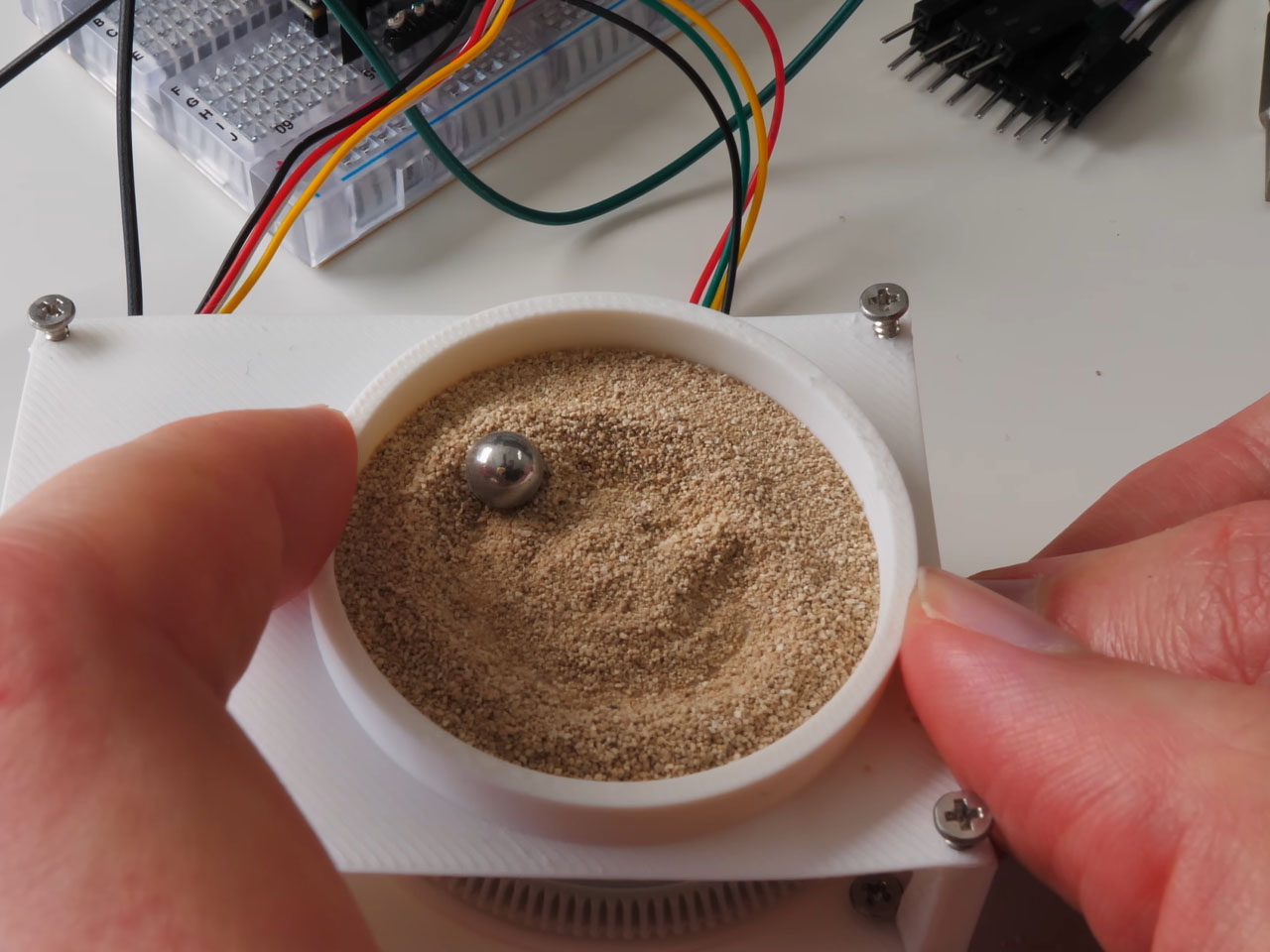
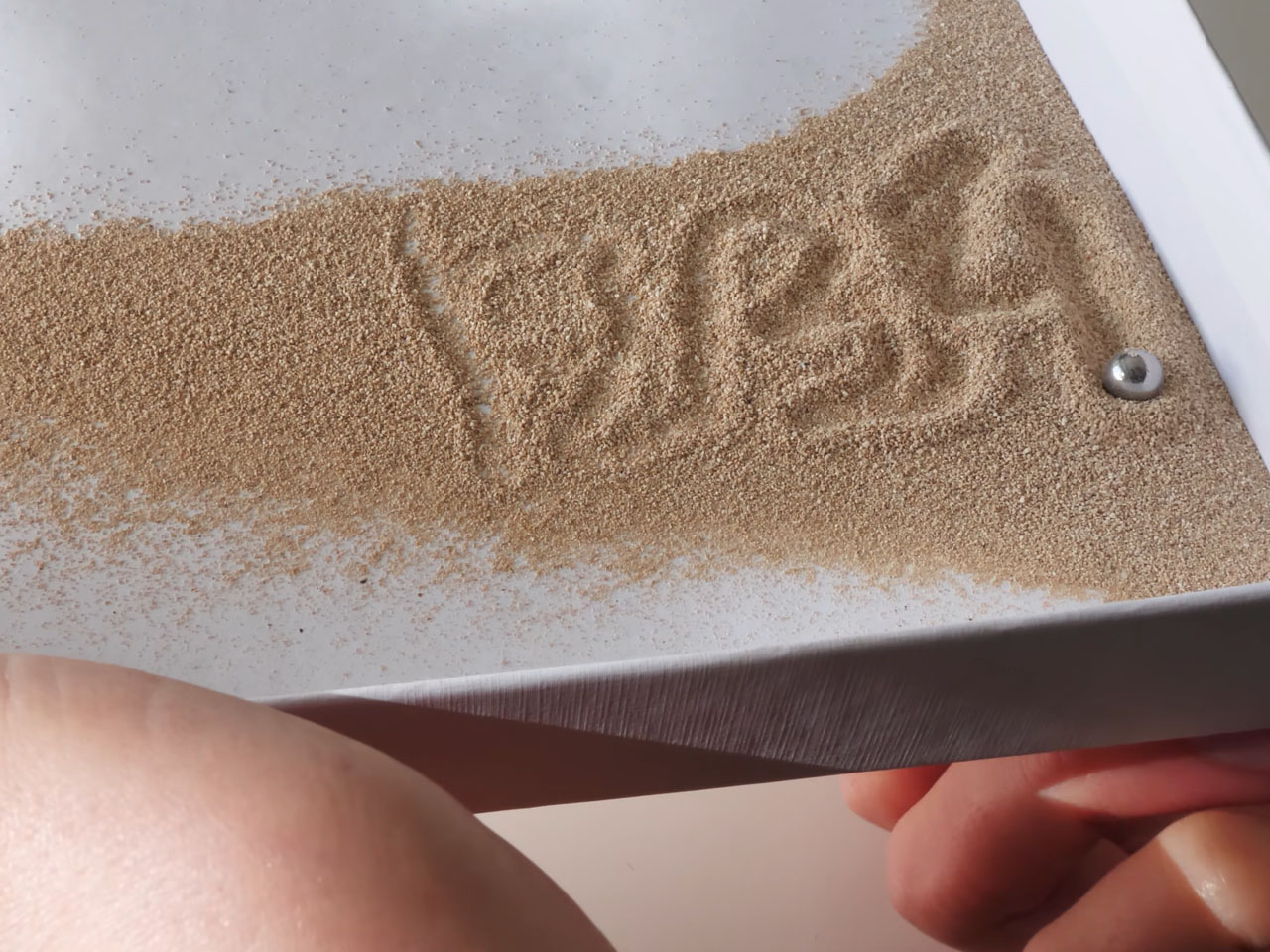
The drawing material presented another challenge, as conventional sand proved too coarse, leaving gaps in the lines, while finer granules tended to clump together or stick to the glass. The eventual solution was a carefully sifted mixture of fine iron dust and non-magnetic filler. It allows the ball to create clear markings that can subsequently be erased with a quick movement or a controlled sweep of the magnet.
The finished watch retains approximately the diameter of a conventional wristwatch. Its powder-filled display sits beneath a transparent glass cover, keeping the material contained while allowing the drawings to remain visible from different viewing angles. A shallow rim and slightly elevated lid also help prevent the powder from spilling when the wearer moves their arm. Power comes from a small rechargeable battery designed to last through the day.
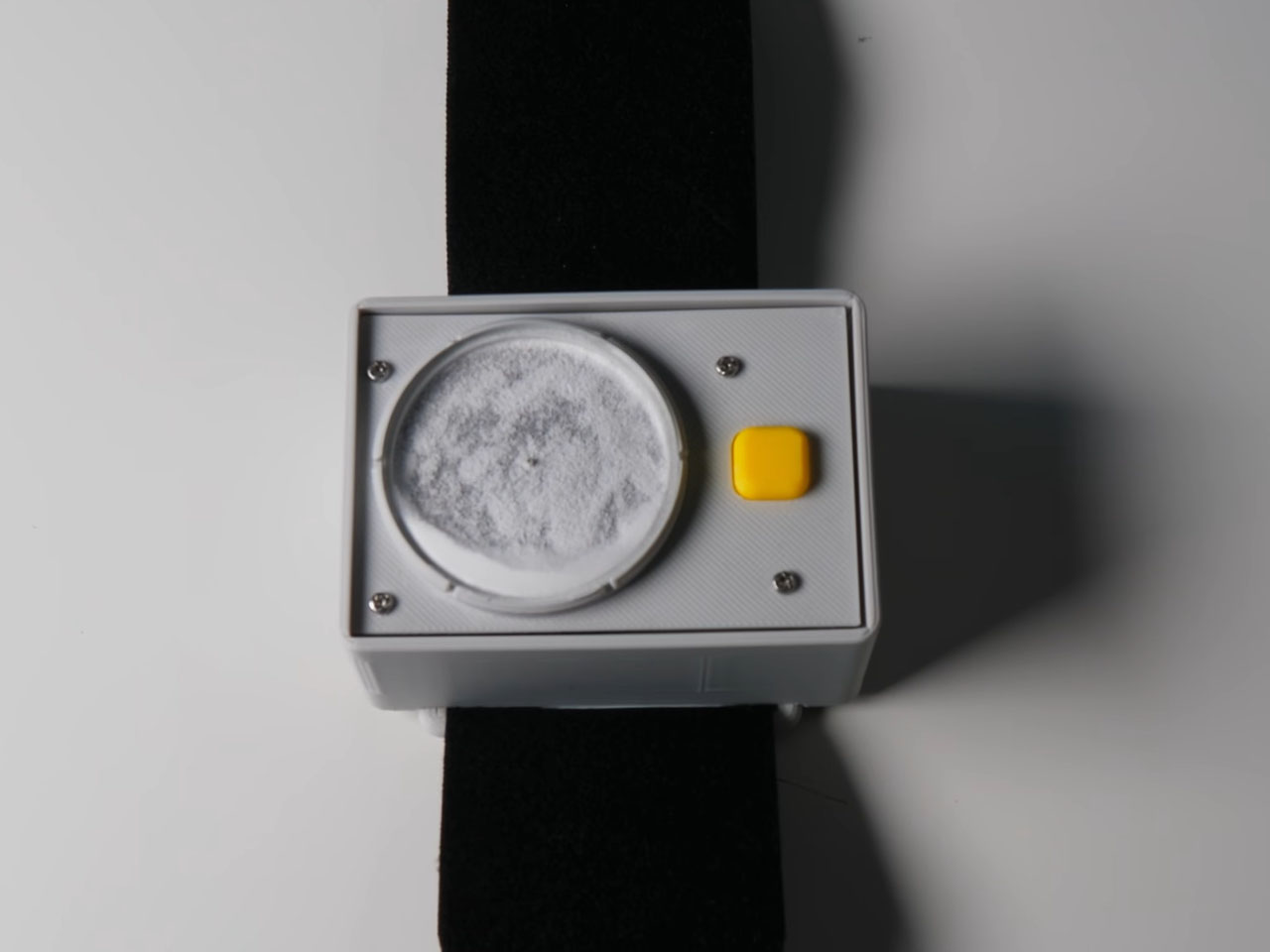
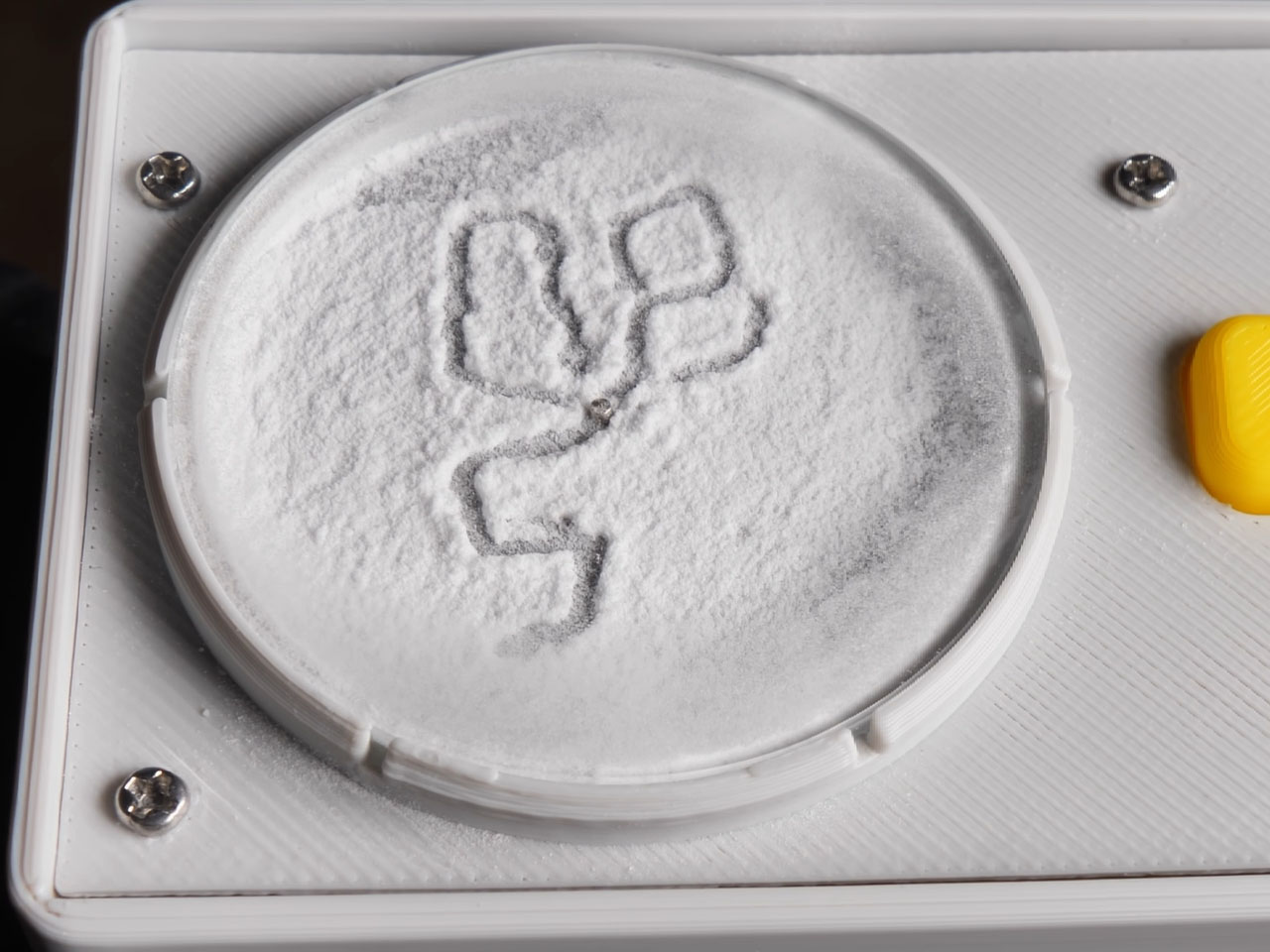
Despite its unusual approach, the watch is more of an experimental mechanical curiosity than a practical alternative to conventional timepieces. Each update takes several seconds, and sudden wrist movements can disturb the powder pattern, requiring the display to be reset. Nevertheless, the project demonstrates how an everyday object can become an exercise in mechanical design, material experimentation, and unconventional timekeeping. Here, the passage of time is represented not by something that stays on the dial, but by a drawing that is repeatedly created, erased, and replaced.