
A drone’s camera can be impressive on paper and still lose the argument over backpack space. Better imaging is appealing but when it means carrying a larger aircraft along with a controller, batteries, and your other luggage, it can be a hassle that you’d not want to carry. The challenge of course is making a capable aerial camera small enough that bringing it is a no-brainer and you won’t need a whole packing ceremony to lug it around.
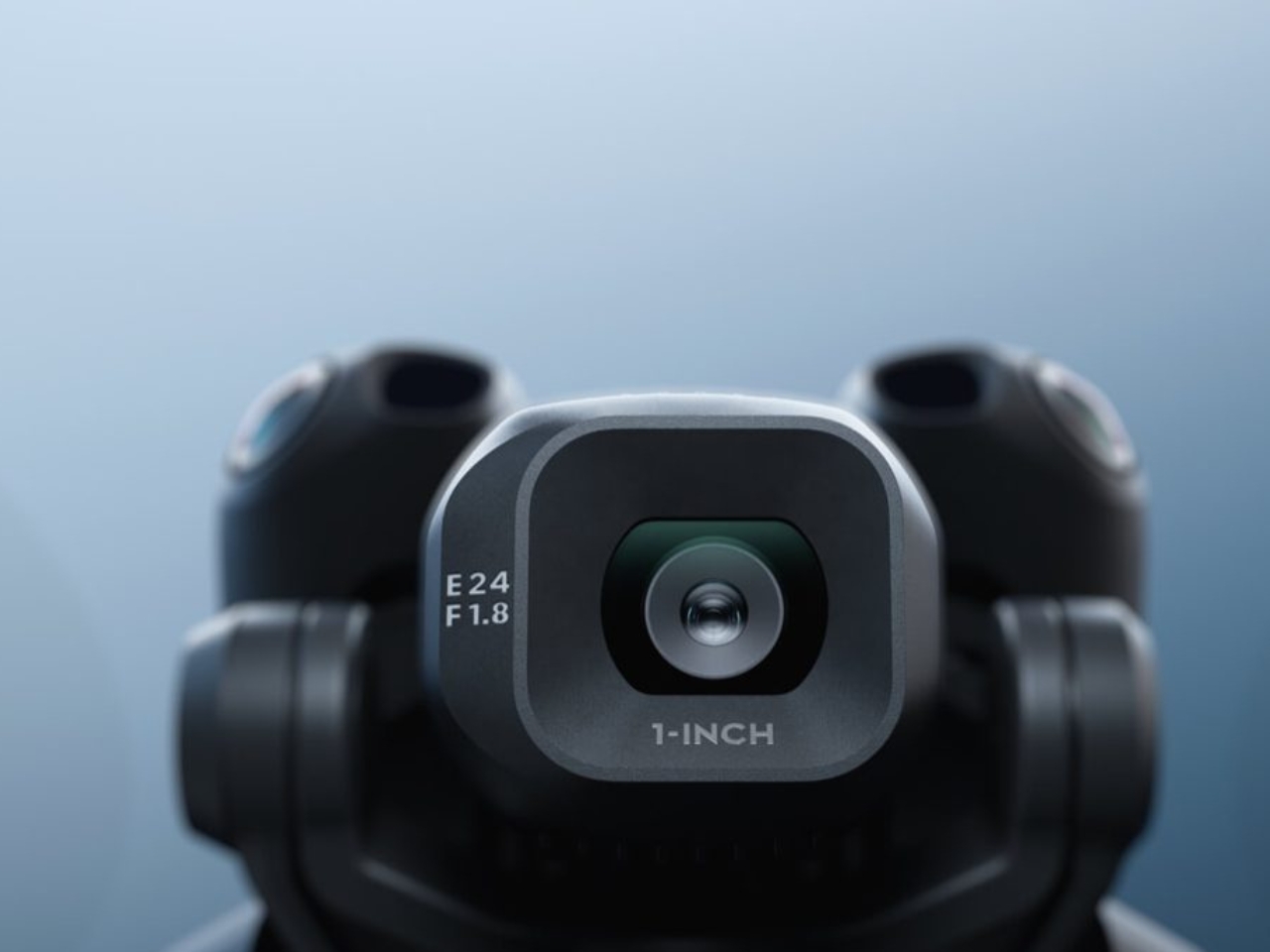
DJI’s Mini 5 Pro approaches that problem with a folding body roughly 6.2 inches long and a 1-inch-type camera sensor. It pairs that sensor with an f/1.8 lens and 4K/60fps HDR recording, which can actually be more important than the 50MP resolution detail. The more interesting promise is greater photographic flexibility, particularly as daylight fades, without stepping up to a much bulkier drone.
Designer: DJI
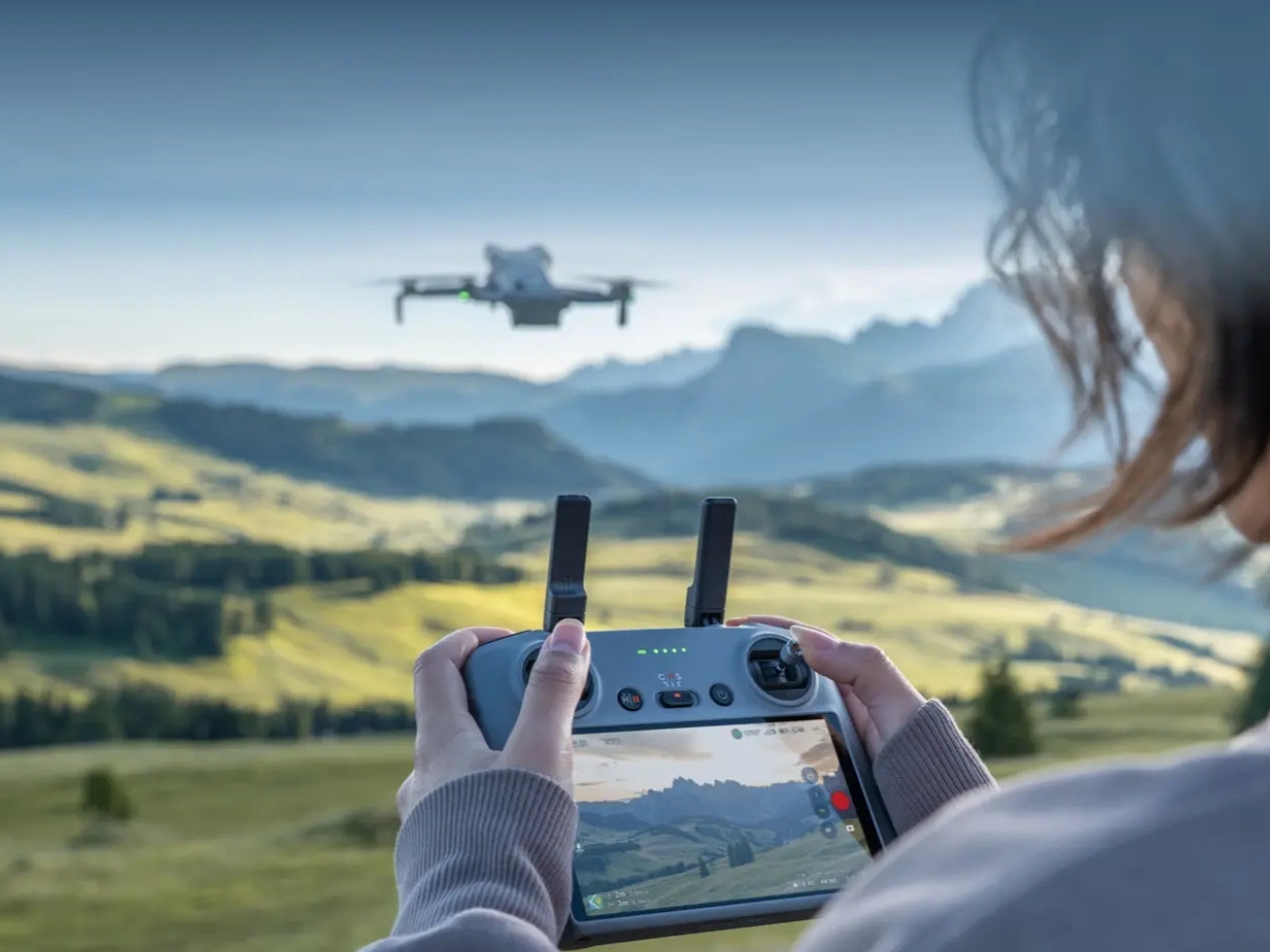
DJI positions that sensor as a way to preserve detail in sunsets and nighttime landscapes. Think of a bright evening sky above a darker waterfront: you want both to remain recognizable, rather than sacrificing one to expose the other. That’s the practical promise here. It isn’t proof that every dusk shot will look spectacular, and exposure and processing still matter. But it’s a more useful ambition than simply making larger files.
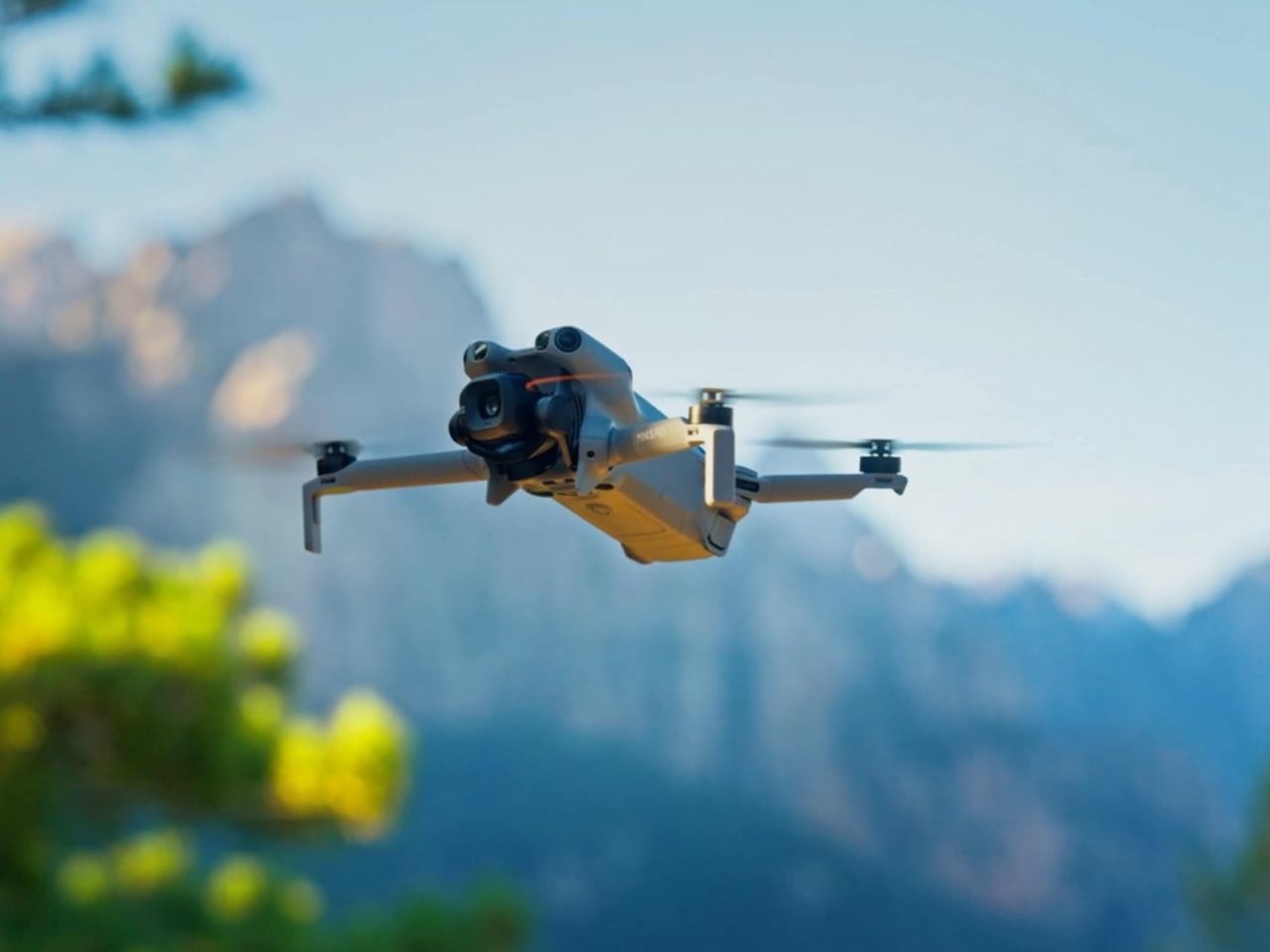
The camera’s movement is equally interesting. A three-axis mechanical gimbal steadies the image, while a 225-degree controllable roll range allows deliberate rotating shots. True vertical shooting physically reorients the camera for portrait framing. For a tall building or waterfall, that means composing vertically at capture instead of cutting a narrow slice out of horizontal footage later. I like that approach because the mechanism addresses the composition directly, before editing begins.
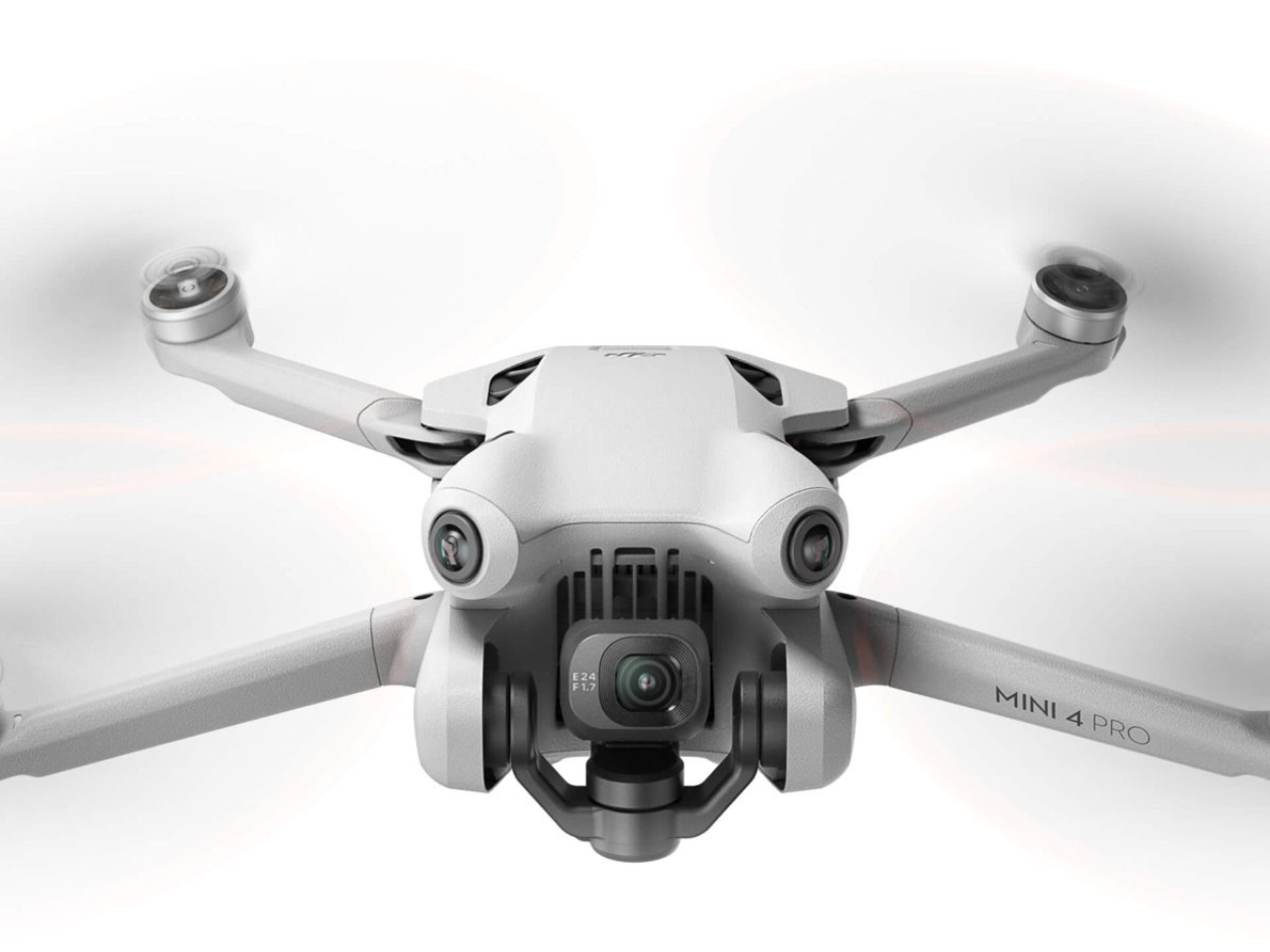
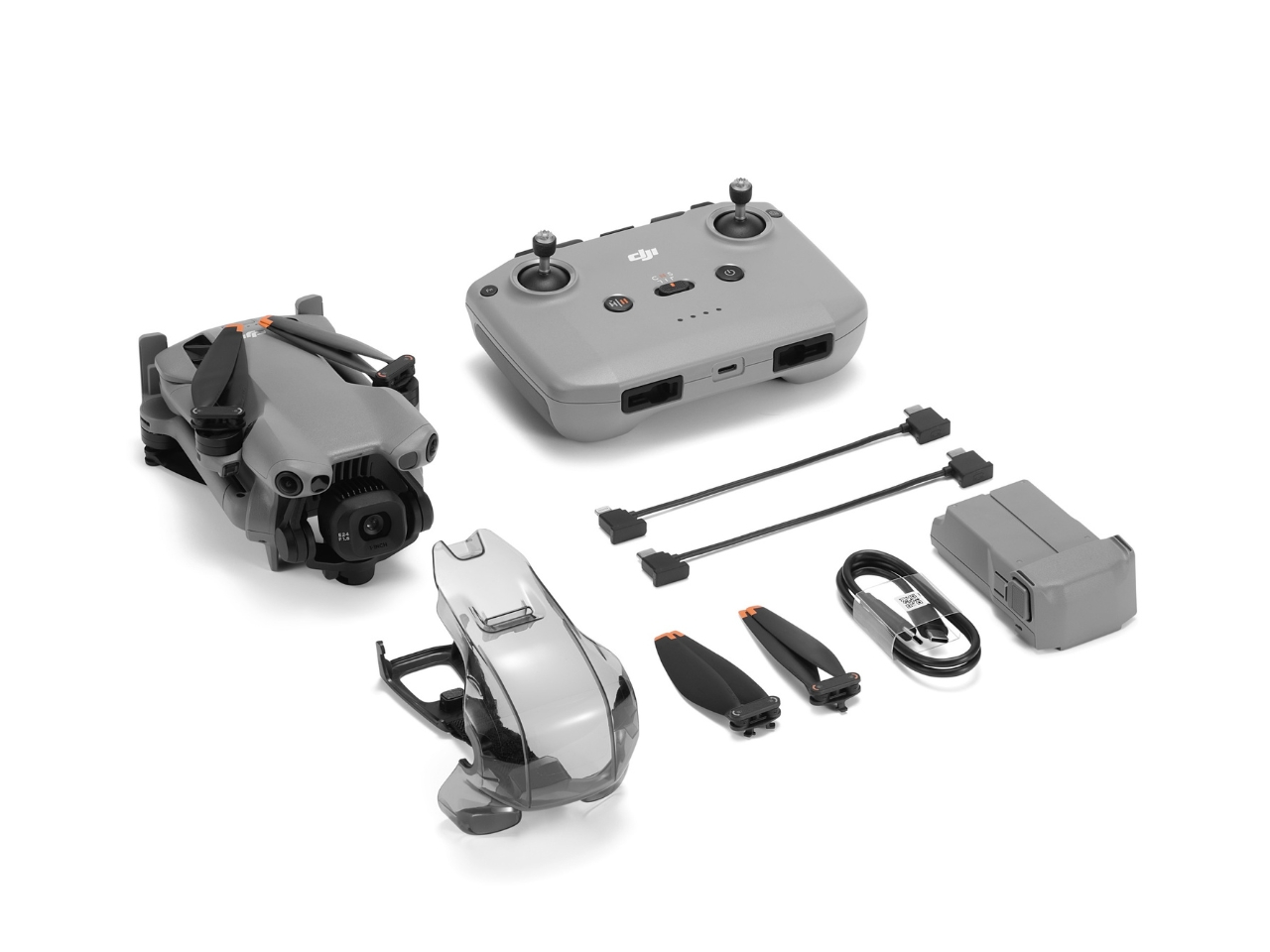
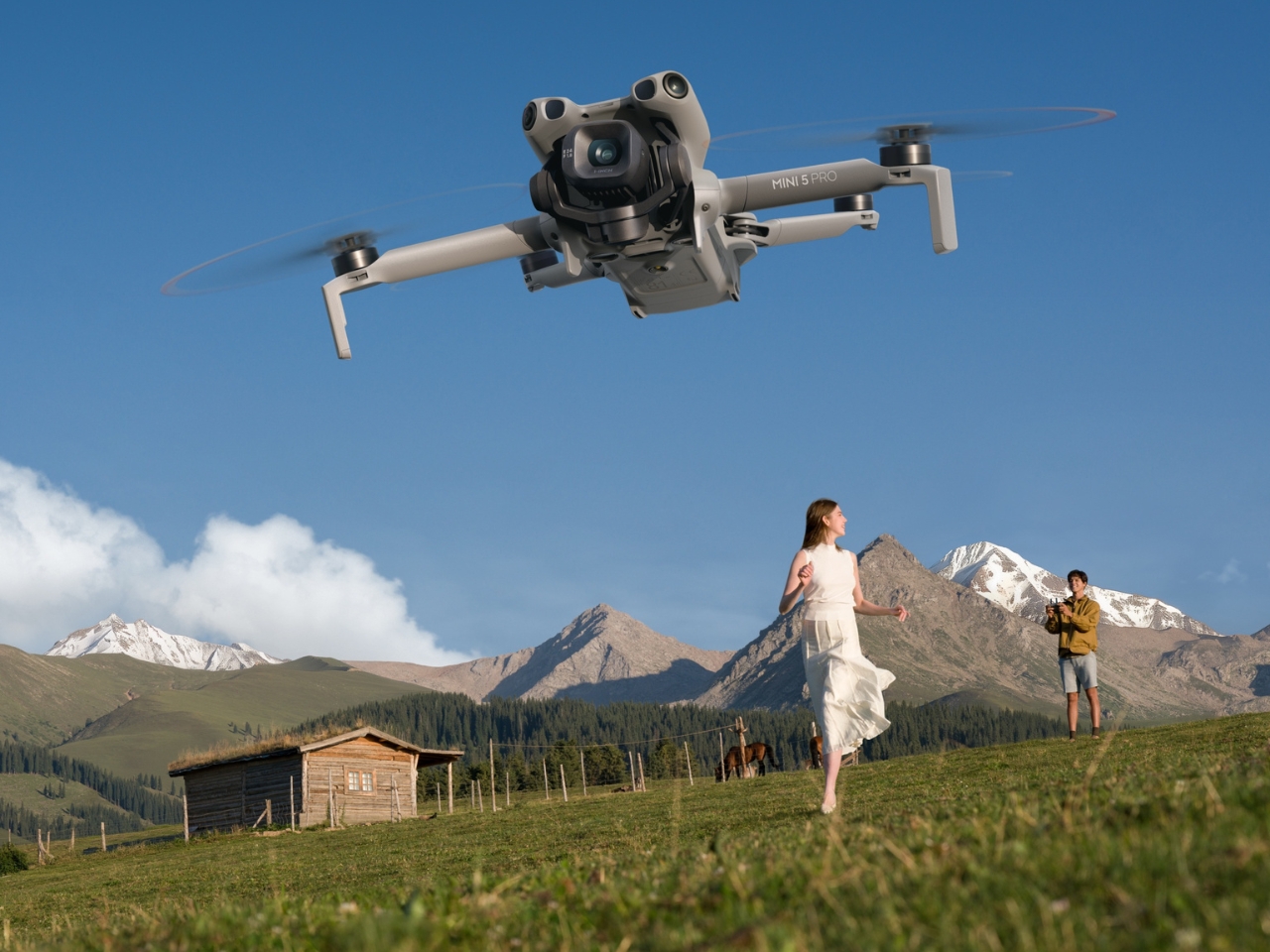
The folding body is also pretty important as it’s palm-sized and comes with arms that tuck into a compact transport configuration. For someone already packing a camera, water bottle, and an unreasonable number of charging cables, having a smaller object to add to all those things would be a consideration. Still, the aircraft’s dimensions don’t describe the whole travel kit. Leave room in the packing plan for the controller and whatever charging equipment you bring.
Then there’s a feature that sounds boring until you need it: 42GB of internal storage. This is important for those annoying moments when you forgot your extra memory card. Off-State QuickTransfer also lets the DJI Fly app wake the aircraft within Bluetooth range for wireless downloads. Neither feature will dominate a dramatic product video, but both address the little interruptions between wanting a photograph and actually getting it onto your phone.
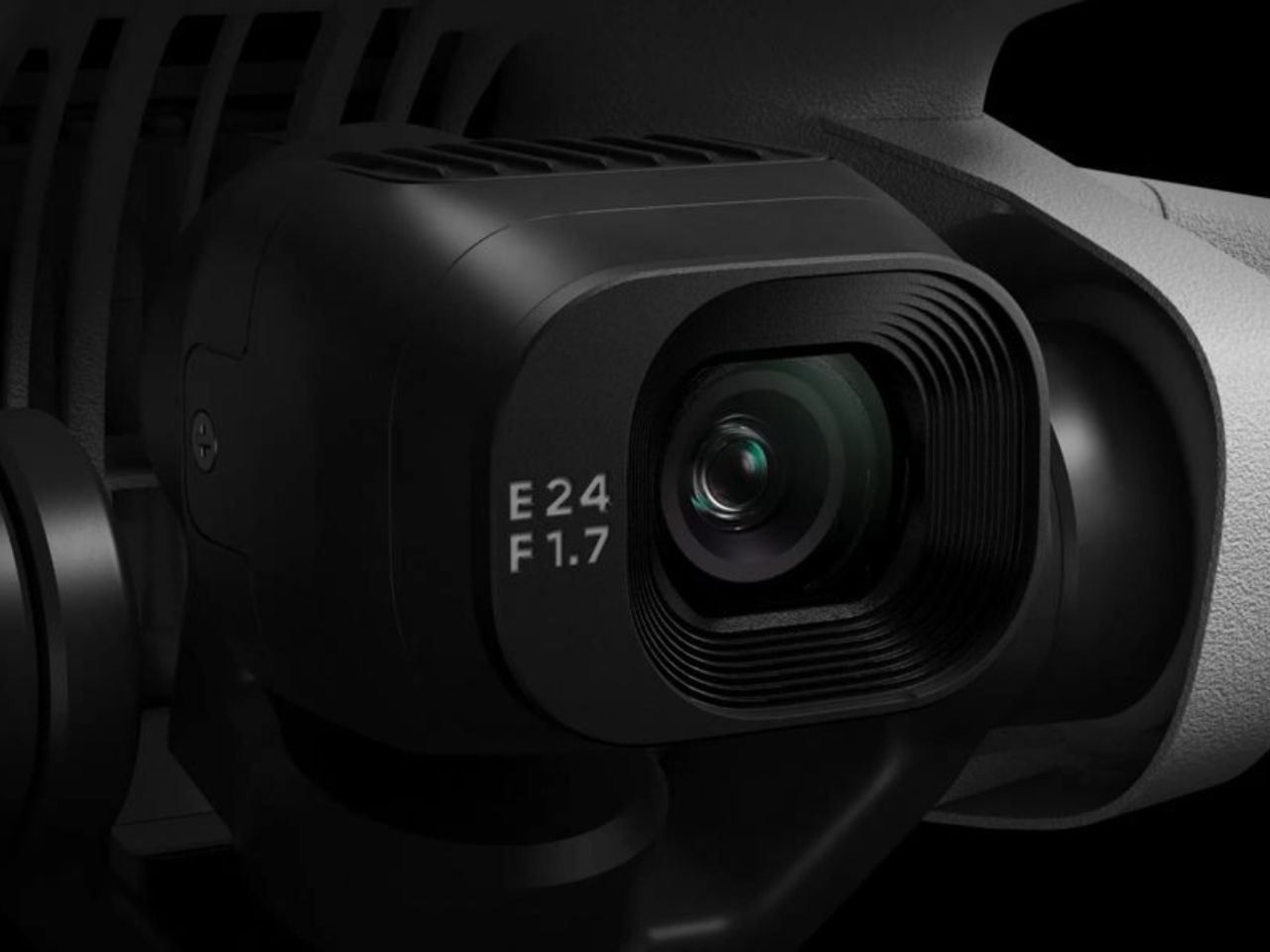
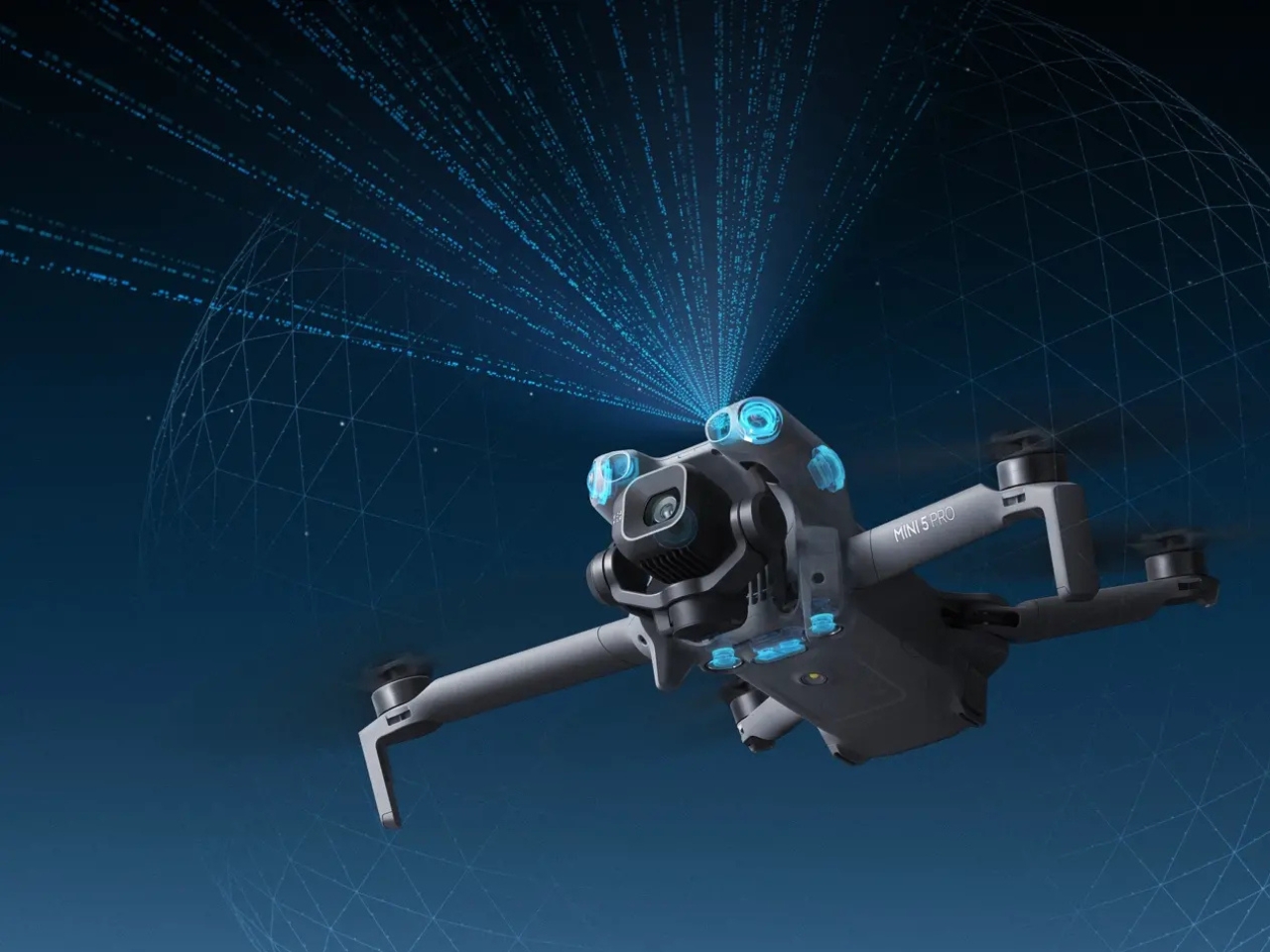
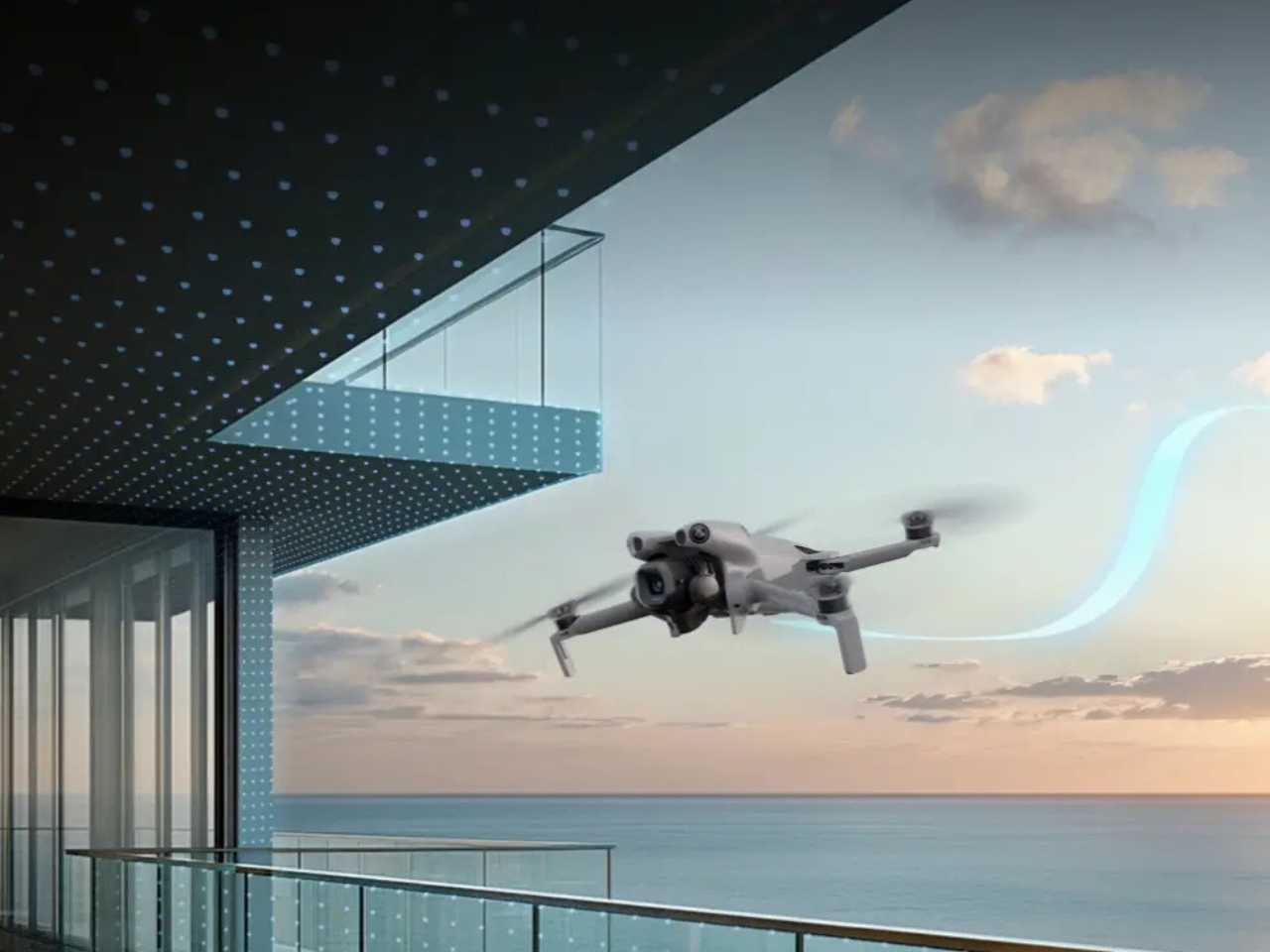
The camera also has obstacle sensing that combines an omnidirectional vision system with forward-facing LiDAR and a downward infrared sensor. DJI says the LiDAR can assist with forward obstacle detection when darkness limits the vision cameras. That’s useful support for the flight home, not permission to stop paying attention. Forward-facing LiDAR does not mean laser coverage in every direction, and the vision system still needs suitable light and surface detail.
Battery figures need a similarly grounded reading. DJI advertises up to 36 minutes with the standard battery, but its separate typical-flight test lists 21 minutes, including recording and a return to landing. I’d plan around the more conservative figure. A short, purposeful flight with a clear shot in mind sounds more satisfying than discovering that a headline endurance number doesn’t match the afternoon you planned.
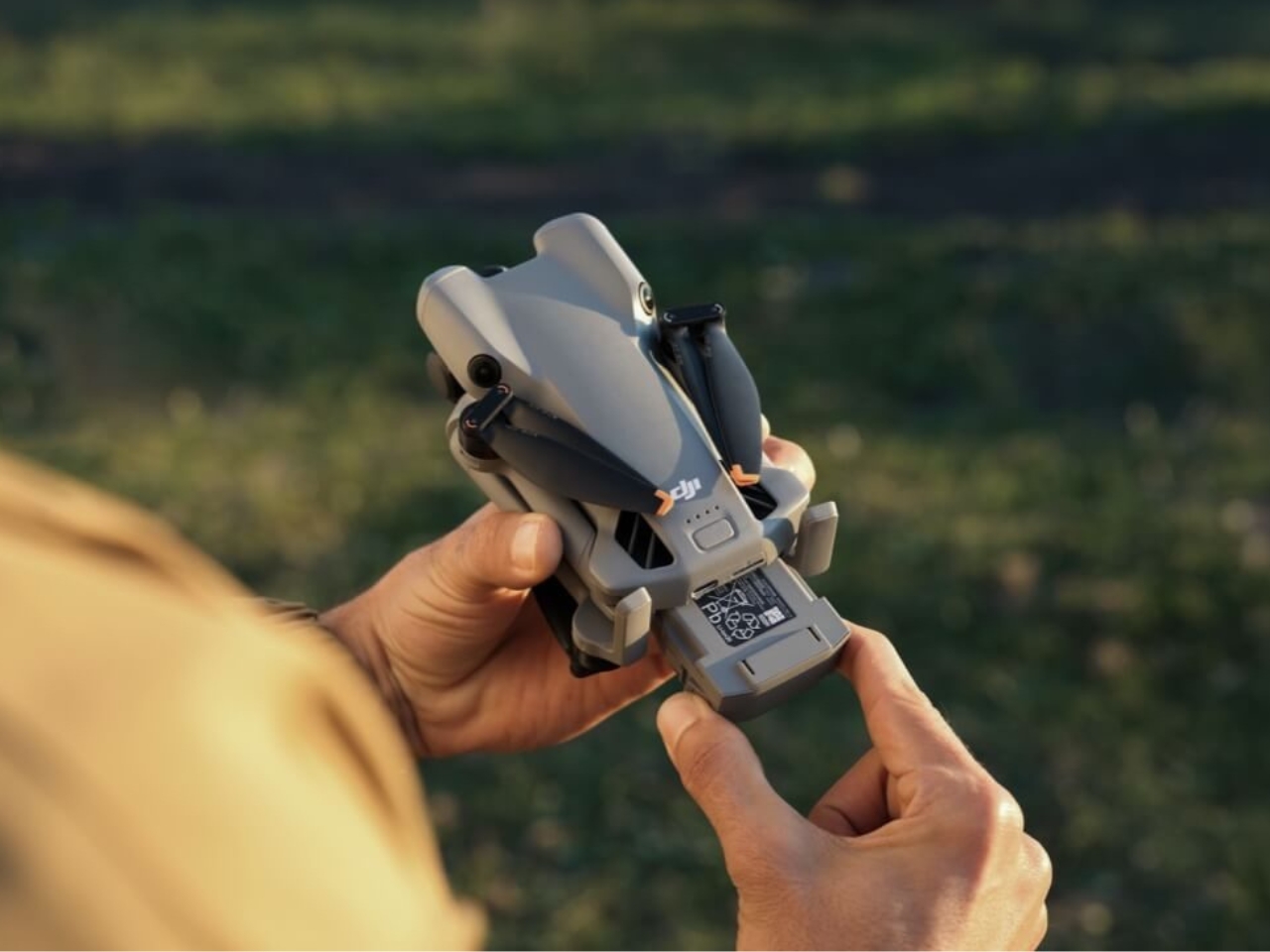
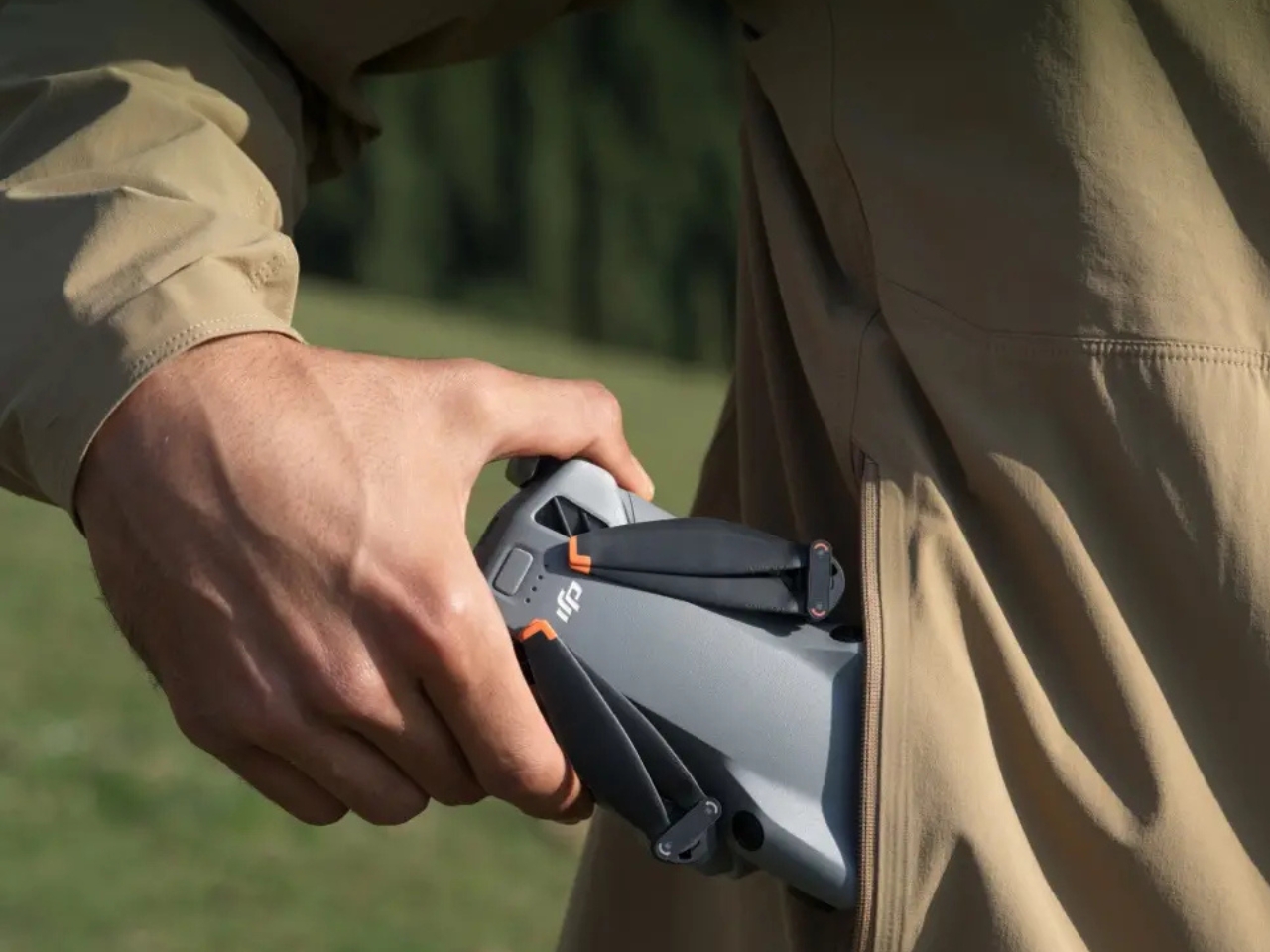
Its weight also comes with fine print worth reading. DJI lists approximately 249.9 grams, with variation of plus or minus 4 grams. That crosses the familiar 250-gram boundary, so “registration-free” is too broad a promise. The FAA exemption applies to qualifying recreational flights with aircraft below that threshold, not every flight involving a Mini. Check the actual flight-ready weight and the rules that apply to your use.
For me, the appeal comes down to fewer compromises before pressing record. The rotating camera and internal storage feel especially thoughtful because they address ordinary frustrations. The Mini 5 Pro makes the case for carrying an aerial camera more often, while still leaving the photographer responsible for the flight.