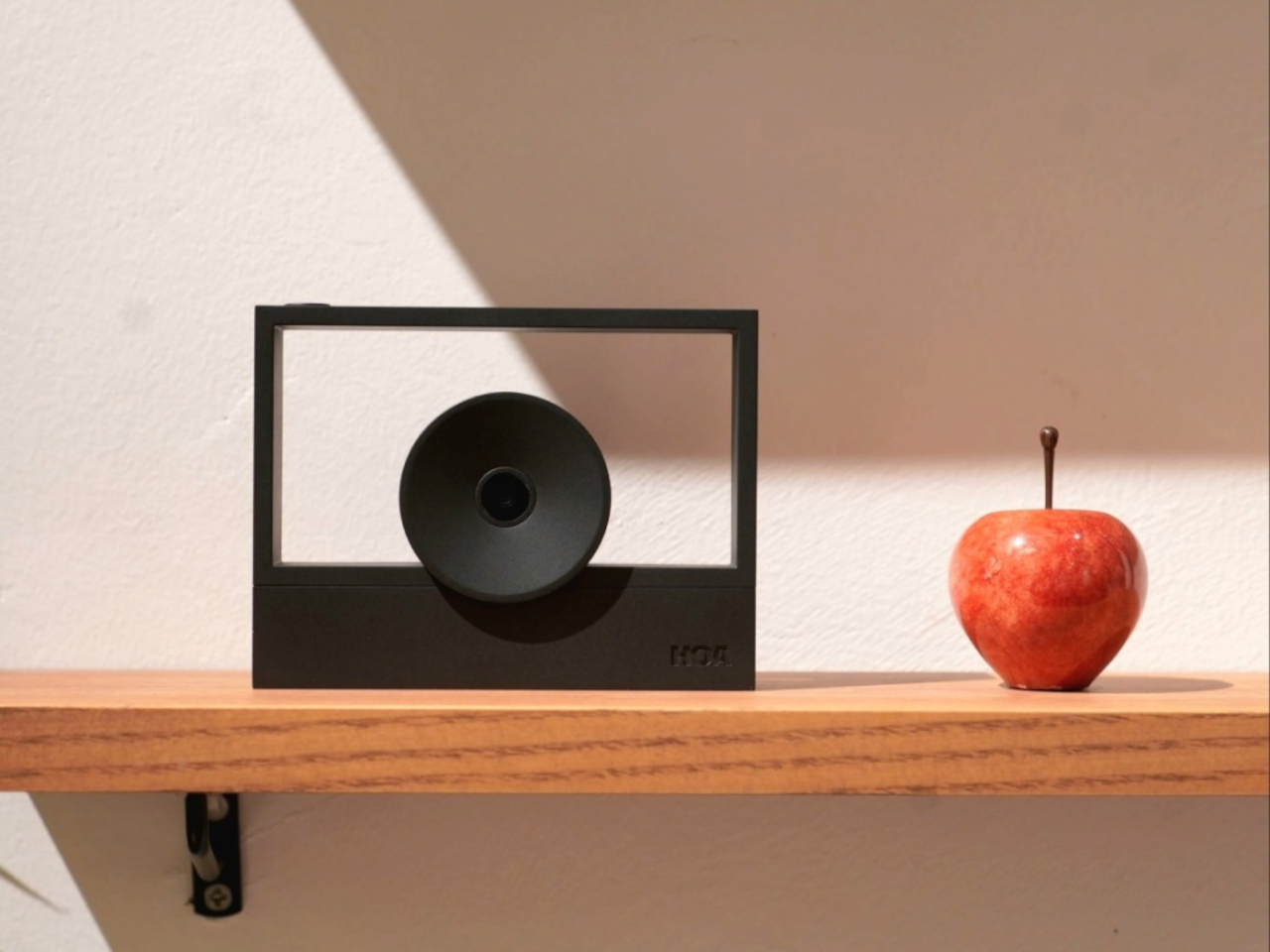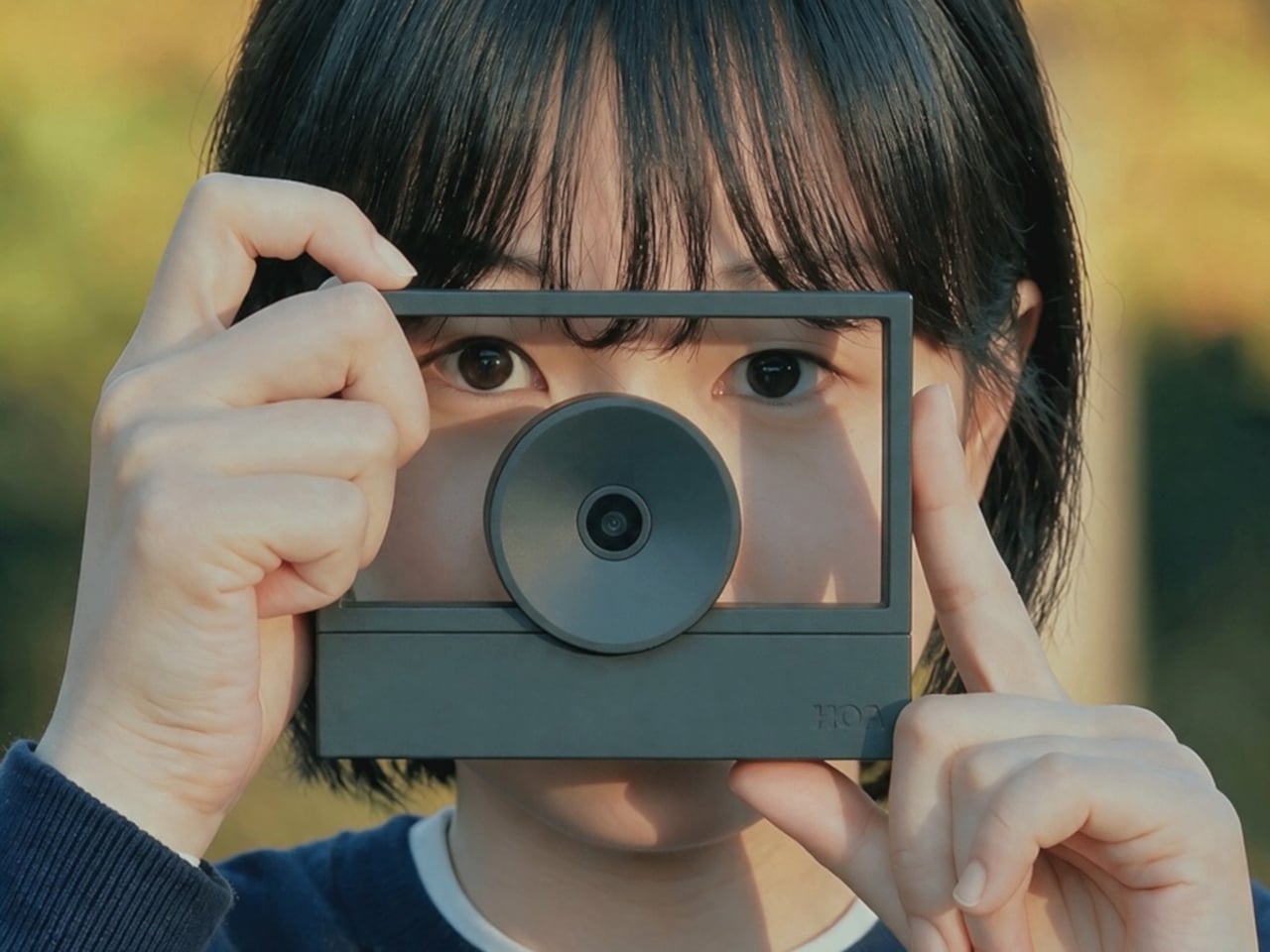

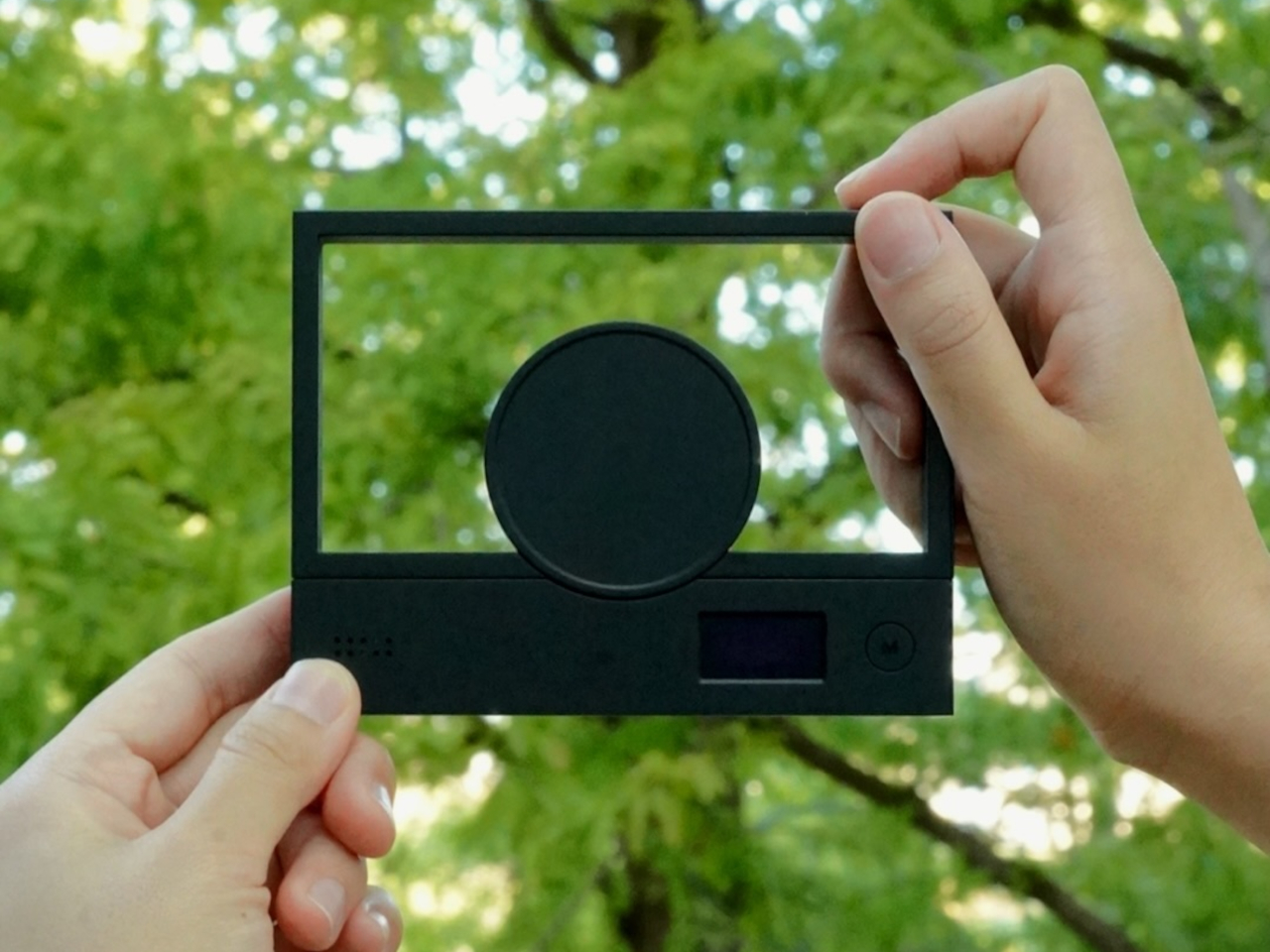
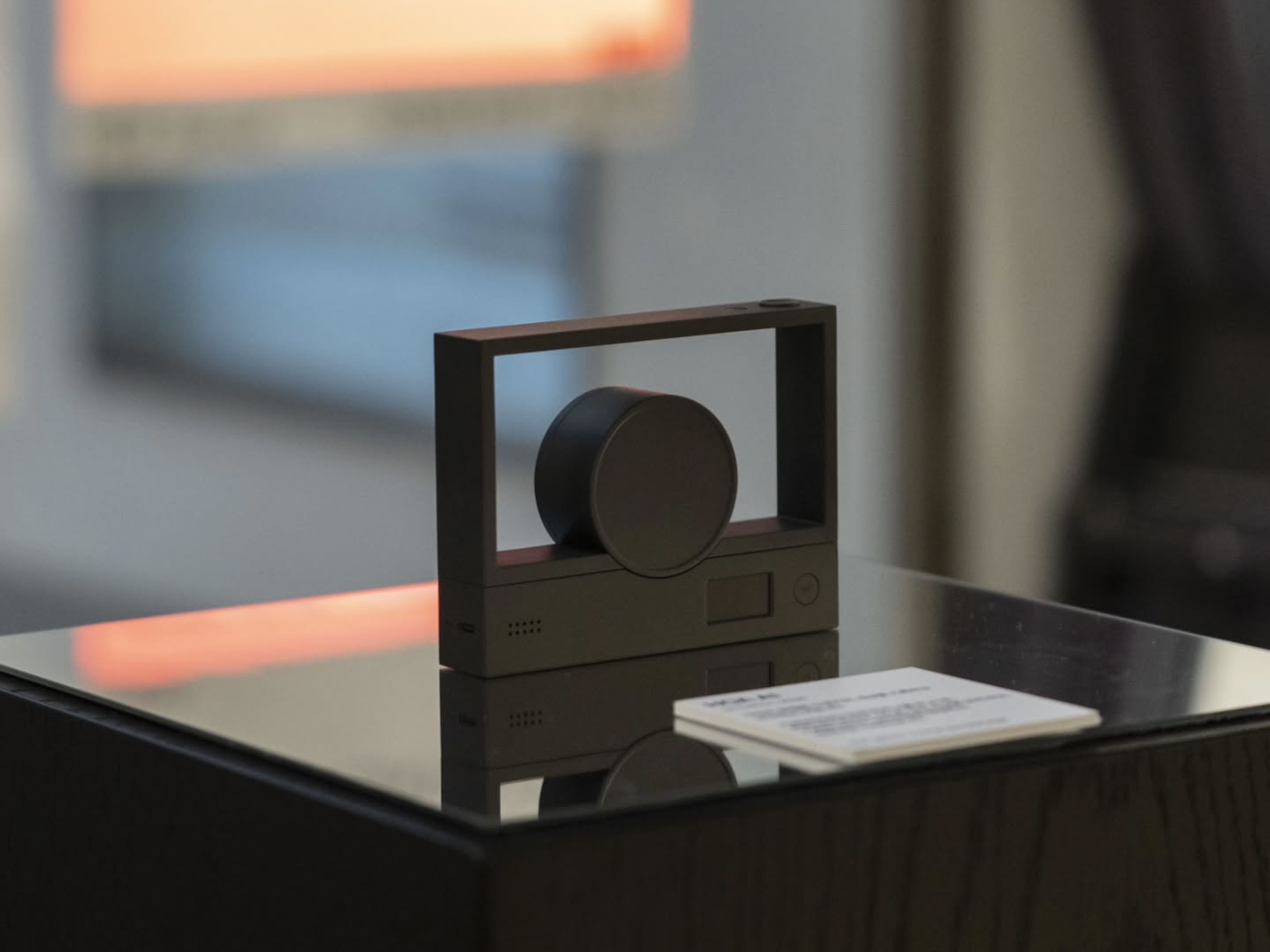
Taking someone’s photograph often means hiding your own face behind a camera or phone. That’s a rather strange way to capture a shared moment, especially when you’re trying to keep a conversation going. HOA’s upcoming A1 camera takes a different approach, using a large, open frame as its viewfinder so you can look directly at the person you’re photographing with both eyes open.
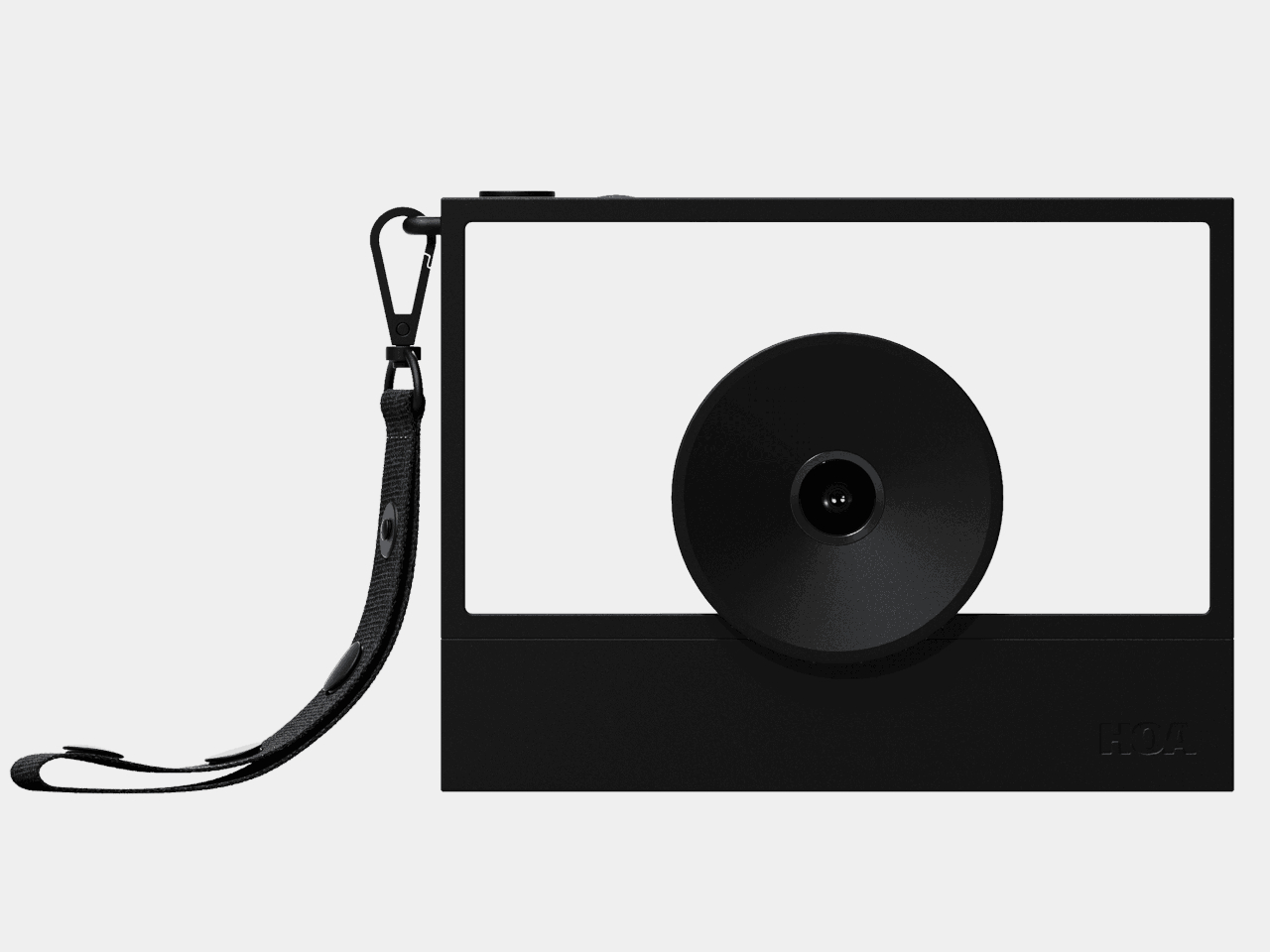
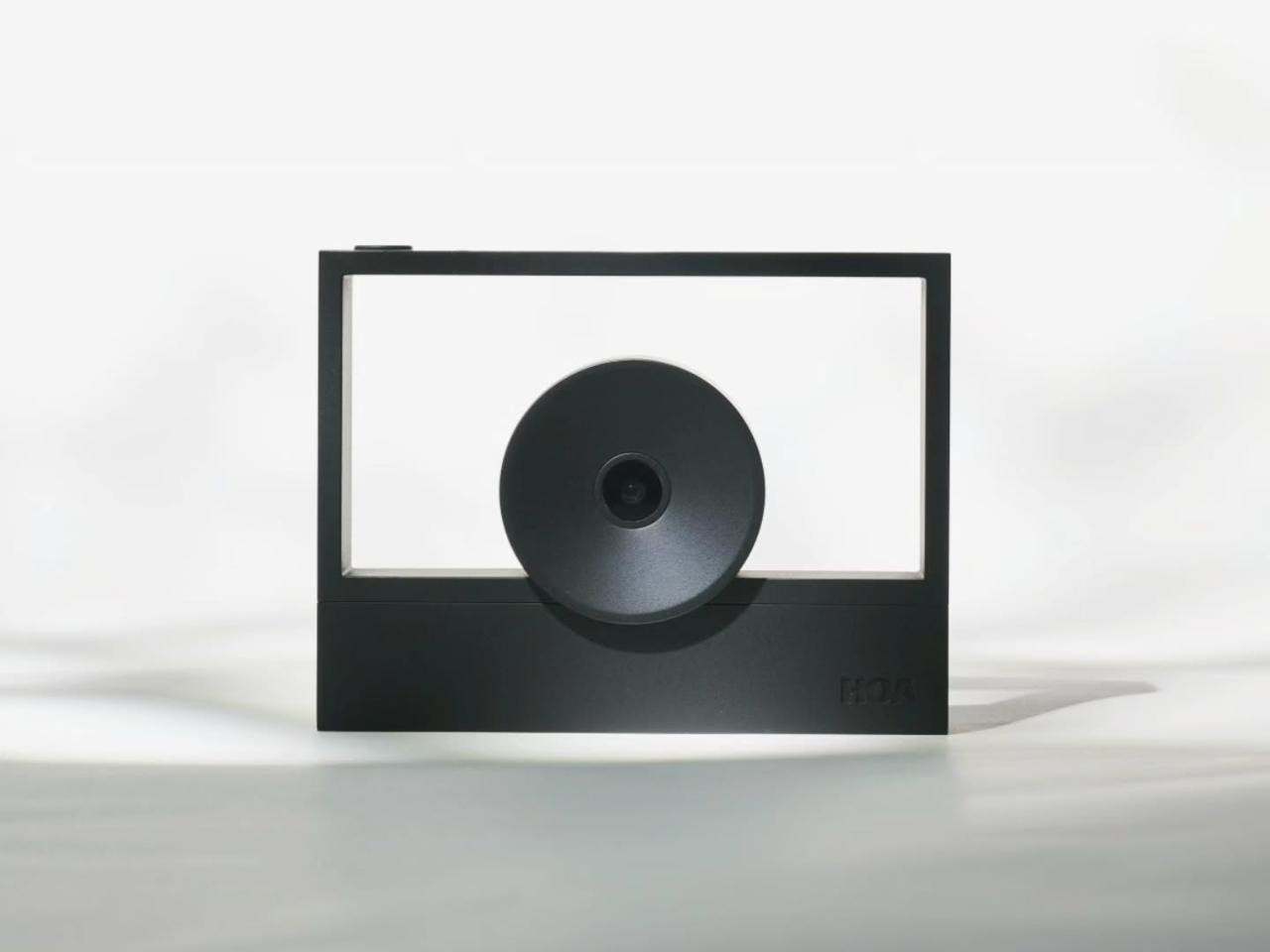
The shape is almost comically simple, leaving a rectangular border, a solid lower section, and a circular lens assembly that overlaps the opening. Rather than squeezing a tiny viewfinder into one corner, the body gives you a generous space to look through. The lens still occupies part of that view, of course, but there’s considerably less camera standing between you and your subject.
Designer: Lutra
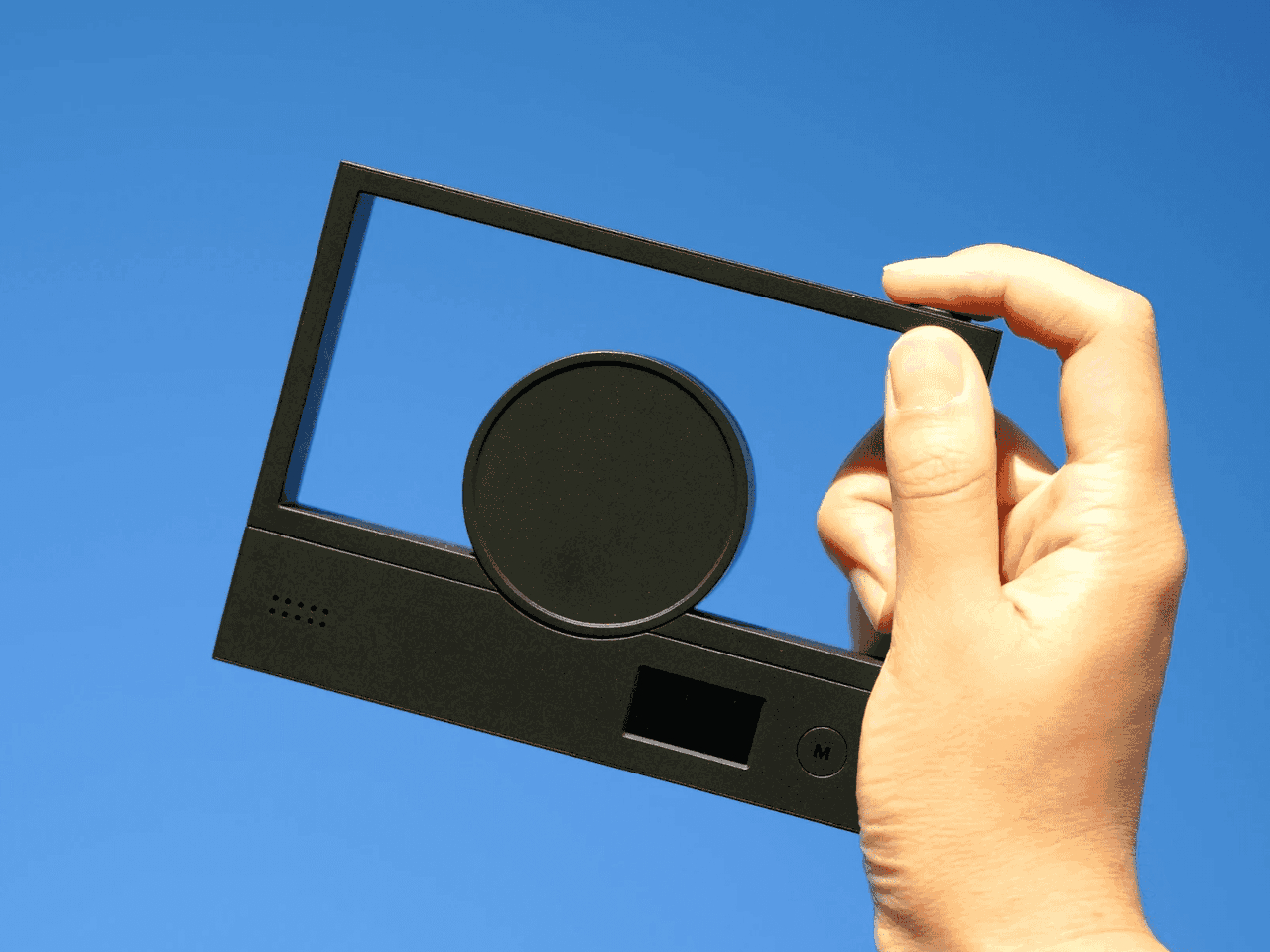
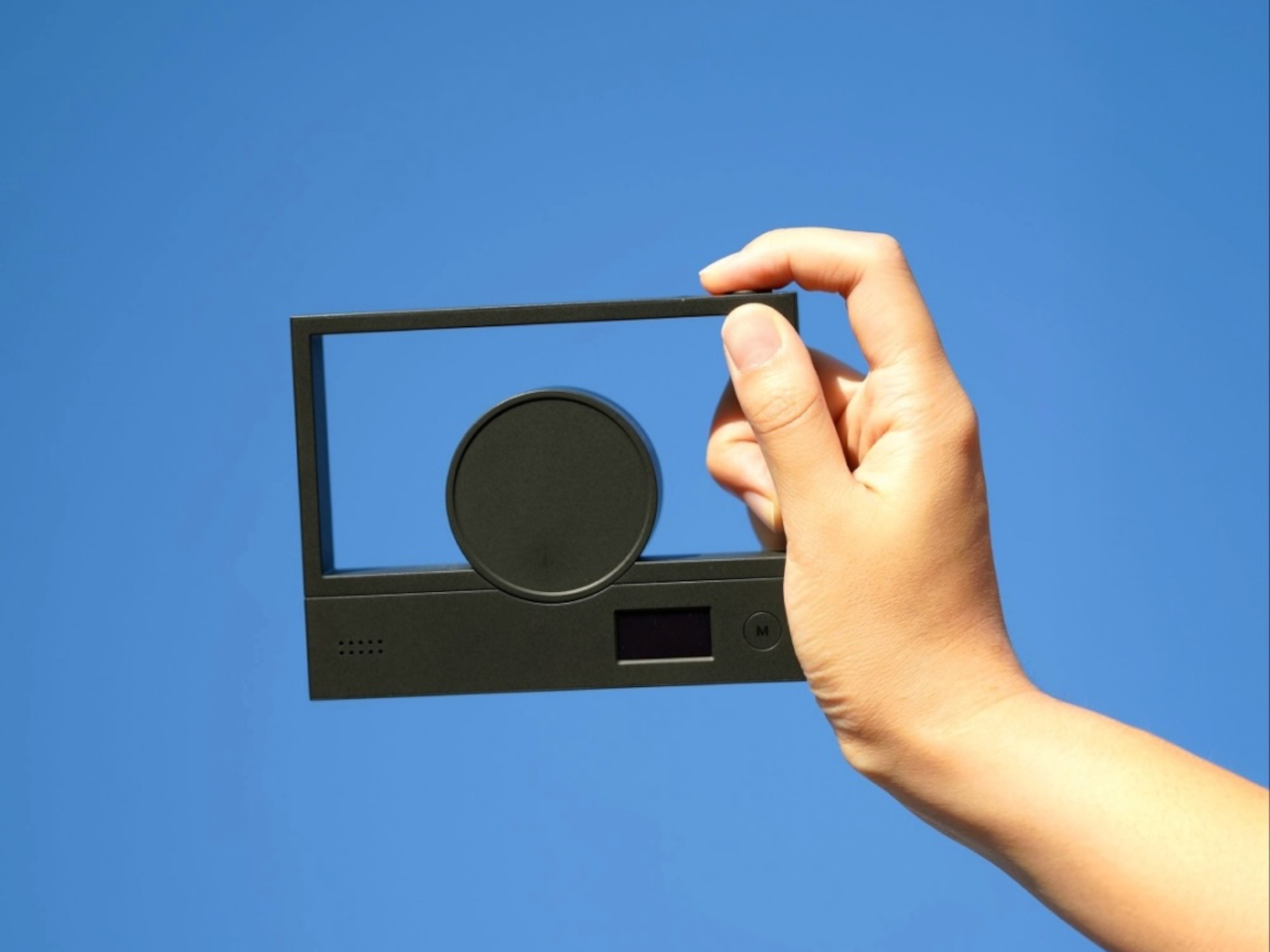
That could make photographing friends feel a little less like asking them to perform for a gadget. You can keep talking, watch their expressions, and press the shutter without switching your attention to a live preview. Accurate composition is another matter, however. How closely that opening matches the final photograph, particularly as you move it away from your face, still needs testing.
Inside that unusual outline is a Sony 16MP sensor paired with an autofocus lens offering a 26mm-equivalent field of view. That’s a wide-angle perspective suited to keeping some surroundings in the picture, rather than concentrating on a distant face. HOA lists a weight of about 4.9 ounces and a battery rated for up to 90 minutes of continuous shooting on a single charge.

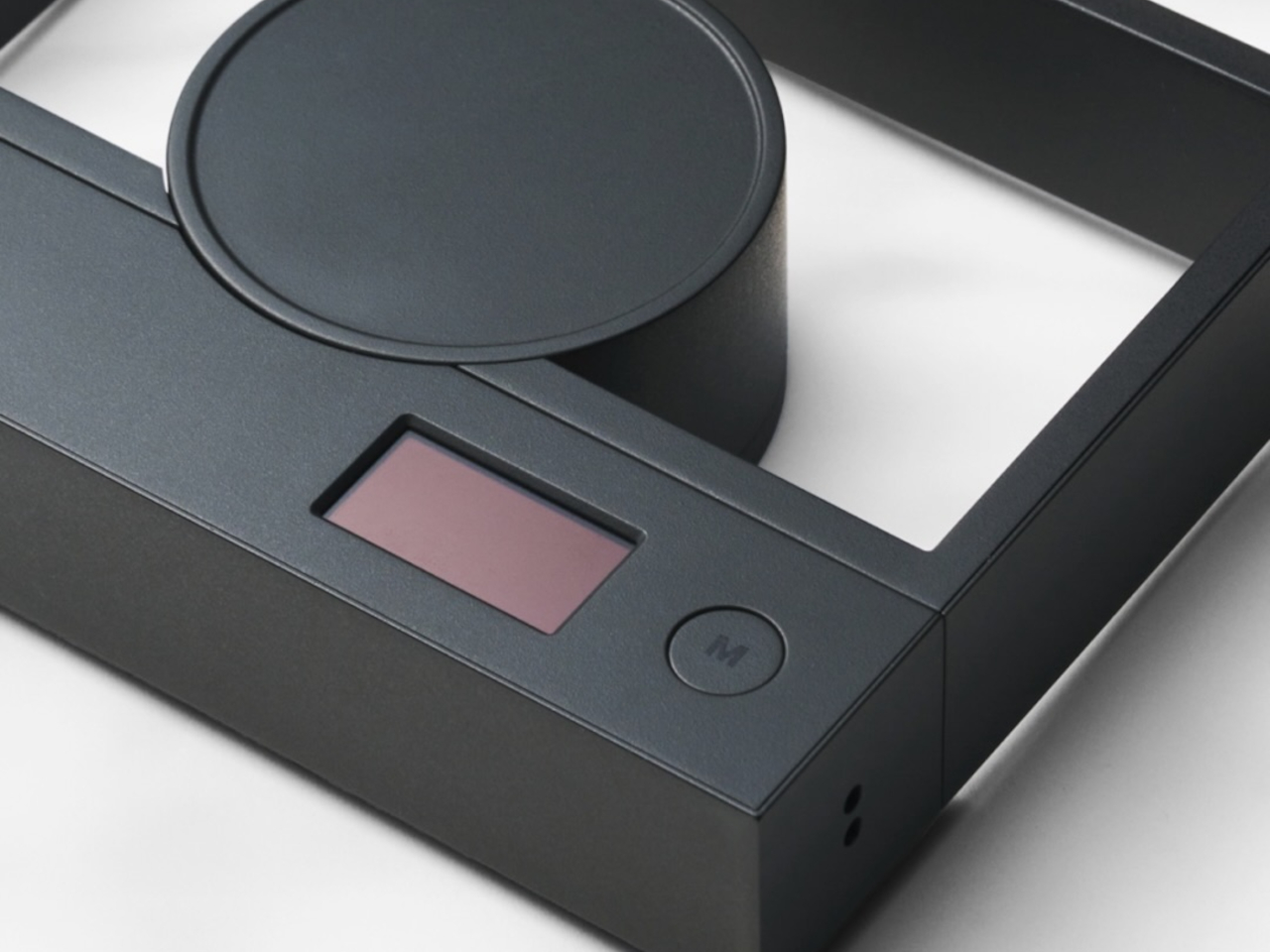
Your phone returns to the process when it’s time to see what you’ve captured. HOA says tapping a smartphone against the camera’s back will let you view photographs, although detailed instructions are still pending. You can shoot without Wi-Fi, so a walk with your camera doesn’t require finding an internet connection first. Getting authentication certificates through the companion app requires going online, however.
Those certificates belong to ShootProof, HOA’s proposed system for checking whether a photograph has changed since capture. The company says a secure chip signs each image’s digital fingerprint, with that record entered into a blockchain registry. That’s a record of the file’s integrity, not a guarantee that the scene was truthful. Photographing something staged doesn’t make it honest, certificate or no certificate.
There’s a more personal kind of signature as well, and this one actually appears in the photograph. An optional Signature mode places your chosen mark in a corner of each shot, much like signing a print. You can leave a little trace of yourself on photographs of friends or familiar places, rather than adding your signature to every individual photograph by hand afterward.
The planned December 21 release is limited to 100 numbered First Edition cameras, priced at $289. That makes the A1 an unusual purchase before its image quality and phone workflow are fully demonstrated. Its open frame offers an appealing way to keep looking at people while photographing them, but the photographs still have to justify carrying another device alongside your phone.