
A backyard can have plenty of space and still give people very little reason to stay. Someone disappears inside for drinks, the cook gets stranded at the grill, and sunset leaves everyone sitting beneath one unforgiving porch light. Making the space more inviting doesn’t necessarily require new furniture or a landscaping project. Sometimes, the useful changes are smaller objects that bring cooking, refreshments, music, and light closer to the conversation.
These five designs approach outdoor hosting at that more manageable scale. There’s a compact cooking system, an adjustable propane torch, a cooler with directed airflow, a solar-powered speaker, and a lamp you can carry outside for dinner. Each has a different job, with practical limits worth understanding before buying. The selection favors equipment you can arrange around an existing backyard rather than a backyard you must redesign around the equipment.
1. All-in-One Grill
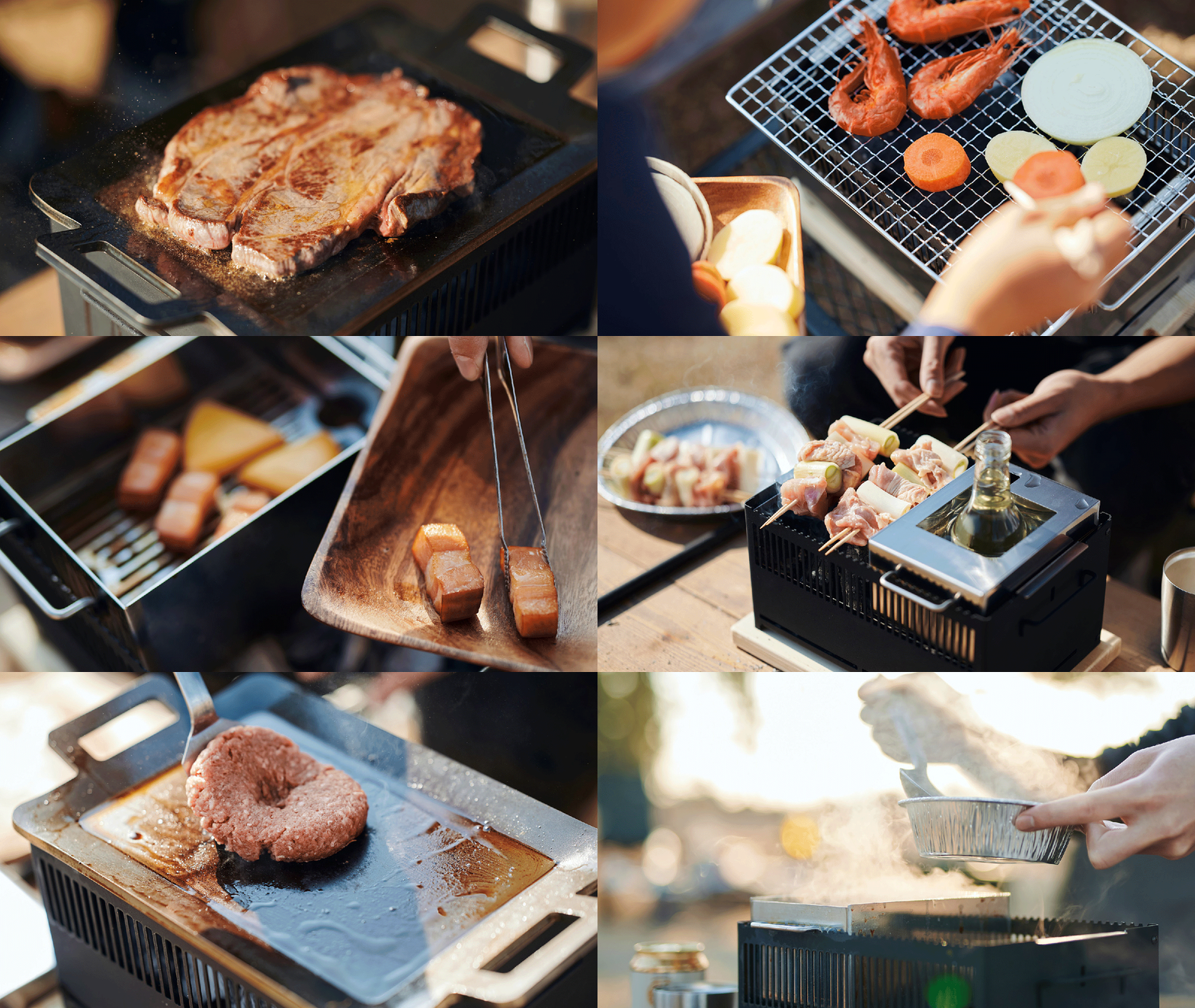

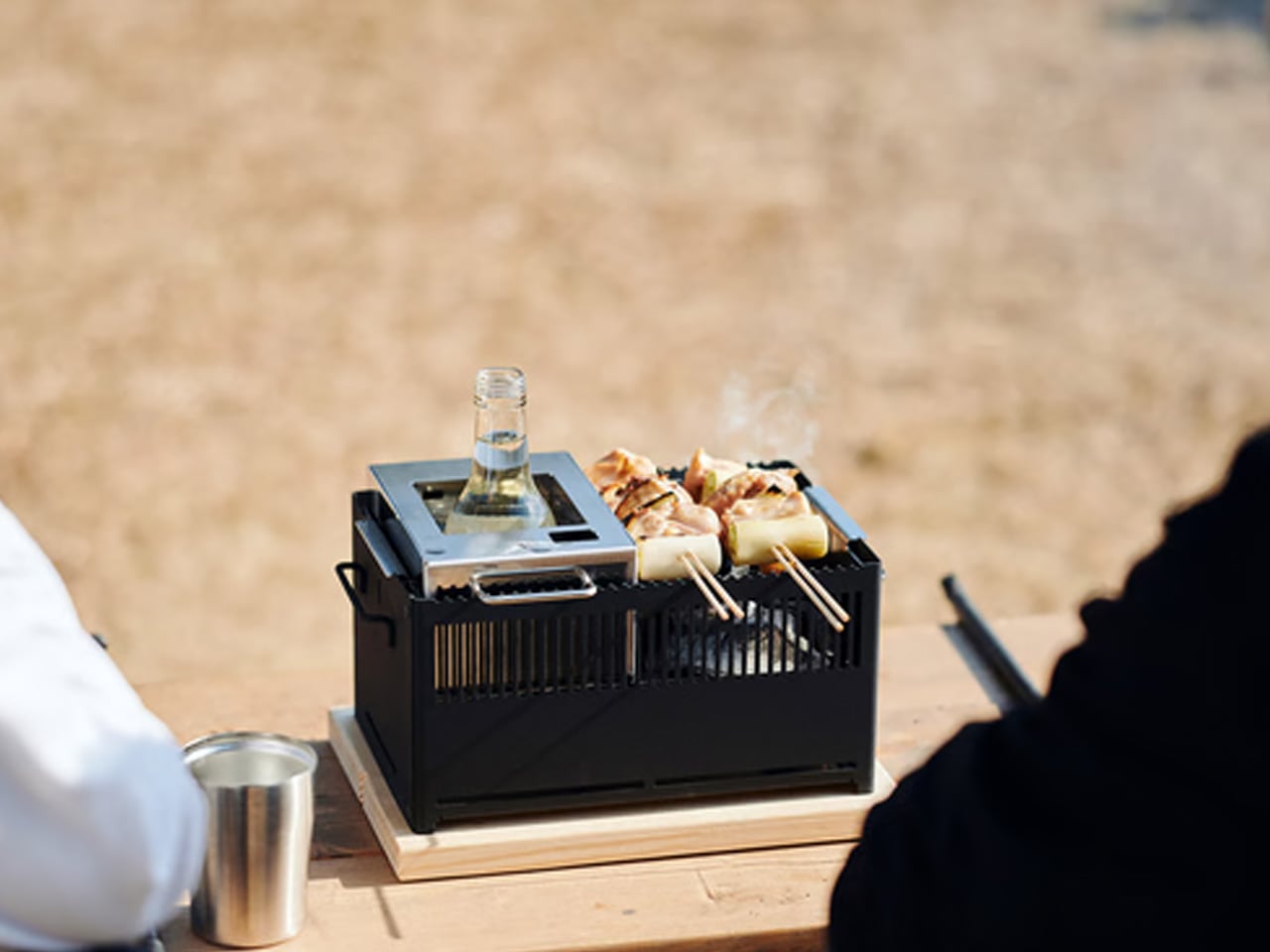
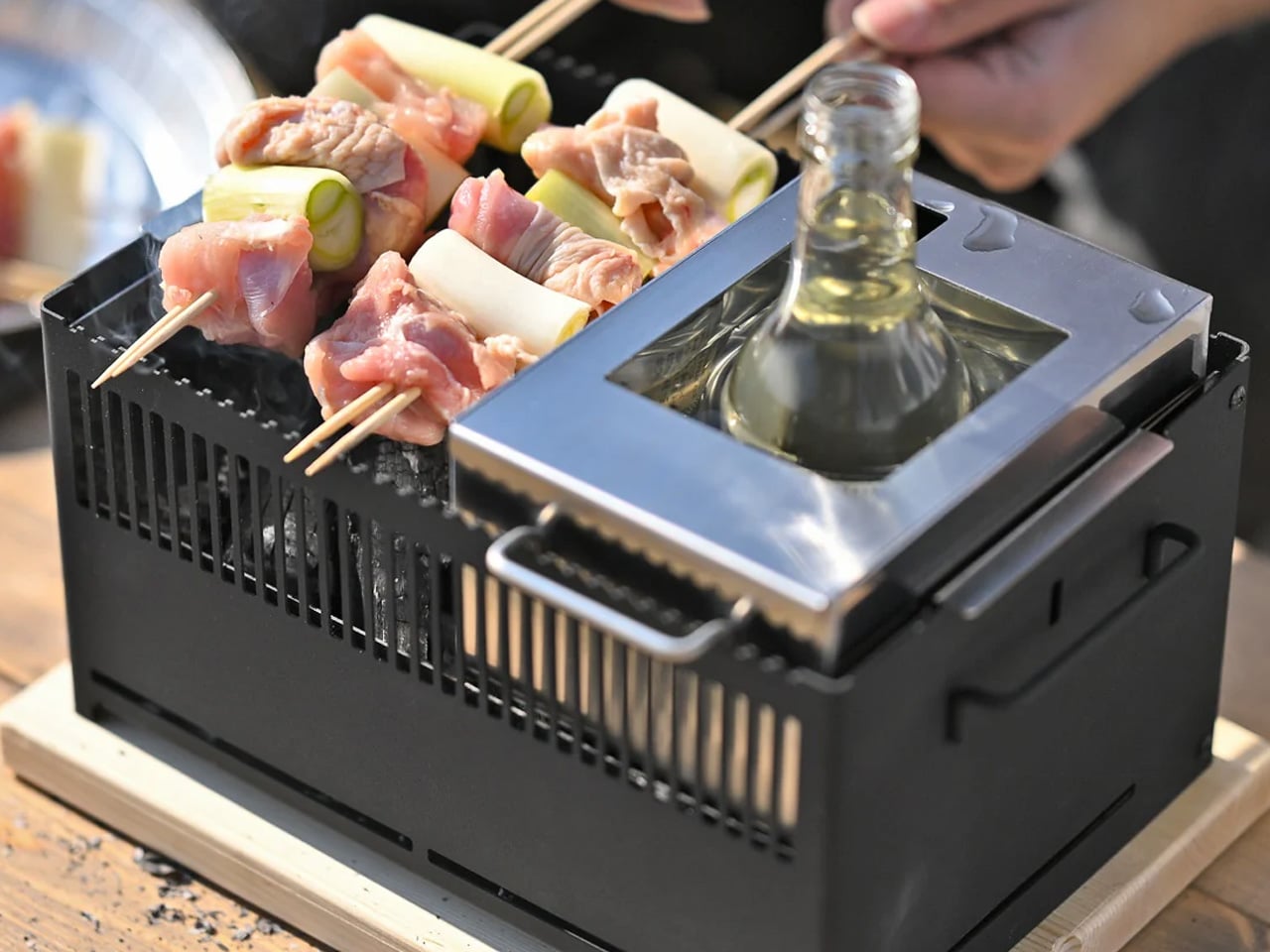
Outdoor cooking tends to divide the party into the person working the grill and everyone waiting nearby. Hayano Kenko’s All-in-One Grill offers a smaller arrangement: a Japanese-made charcoal cooker with interchangeable parts for grilling, frying, steaming, smoking, and cooking in a pot. Its stainless-steel body measures approximately 11.8 by 7 by 5.9 inches, making it a compact alternative to a freestanding barbecue. The appeal for a backyard gathering is cooking in smaller batches without dedicating a corner to permanent equipment.
The design gets interesting around the edges. Grooves along the frame help locate skewers and cooking components, while the included thick plate, grill net, pot, and steaming rack change what happens above the charcoal. You could build an evening around successive small dishes rather than one large barbecue spread. That compactness also sets expectations: this is better suited to intimate meals than feeding a crowd simultaneously.
Click Here to Buy Now: $449.00
What we like
- Interchangeable cooking components support a more varied menu than a grill grate alone.
- The compact body makes sense for smaller outdoor dining setups.
What we dislike
- Its small cooking area means larger gatherings will require multiple batches.
- At $449, it’s a considered purchase for a compact charcoal cooker.
2. Camp Torch
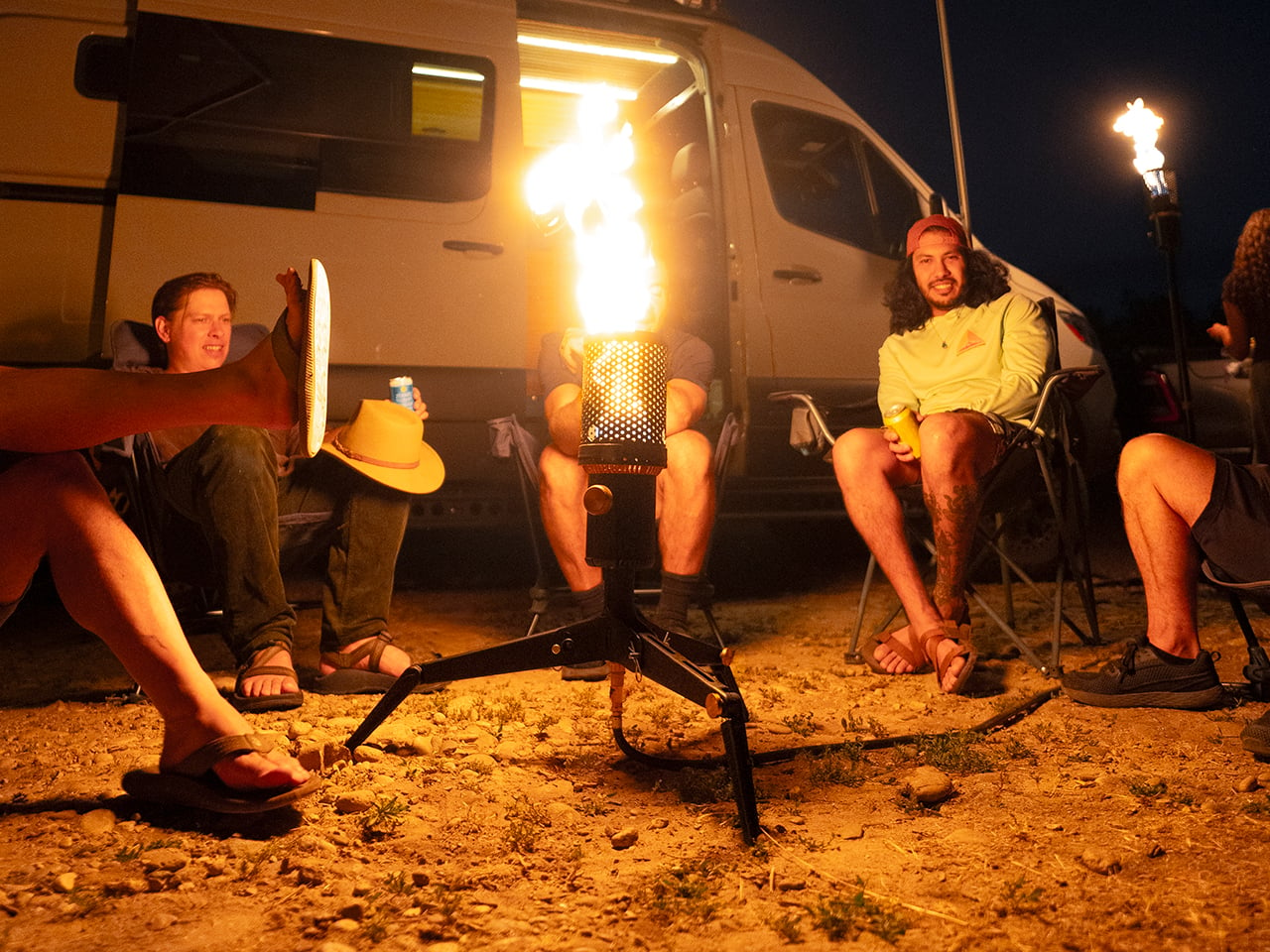
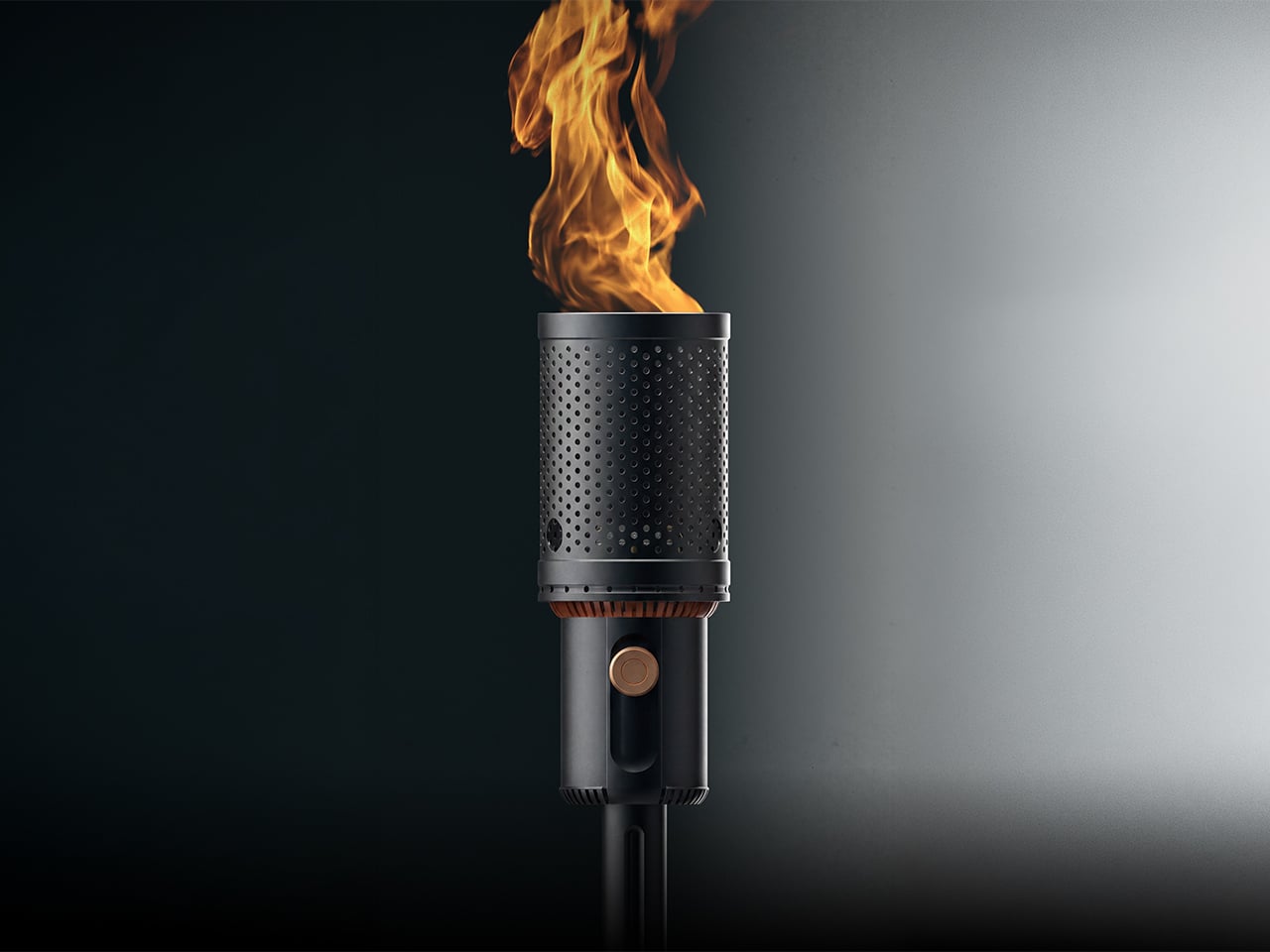
Camp Torch gives the gathering a visible center without asking you to build a permanent fire pit. The modular propane torch uses removable poles to change from a low Campfire configuration into a Beacon standing 6 feet 4 inches tall. Its makers describe a flame reaching four feet, controlled by a manual knob. The design interest lies in that adjustable position: one burner assembly can sit near a seating circle or become a taller outdoor focal point.
A tripod supports the assembly, with adjustable, serrated joints at the legs helping accommodate uneven ground. It connects to a standard 20-pound propane tank, avoiding firewood and the ash left behind by a wood fire. Camp Torch also describes an anti-tip gas shutoff, though that doesn’t remove the need for appropriate placement and local fire-rule checks.
Click Here to Buy Now: $499 $599 ($100 off). Hurry, only a few left! Raised over $530,000.
What we like
- The same core assembly supports low and tall configurations.
- A standard propane connection avoids proprietary fuel cartridges.
What we dislike
- The separate propane tank adds bulk, and local restrictions still govern use.
3. Windchill 47 Cooler
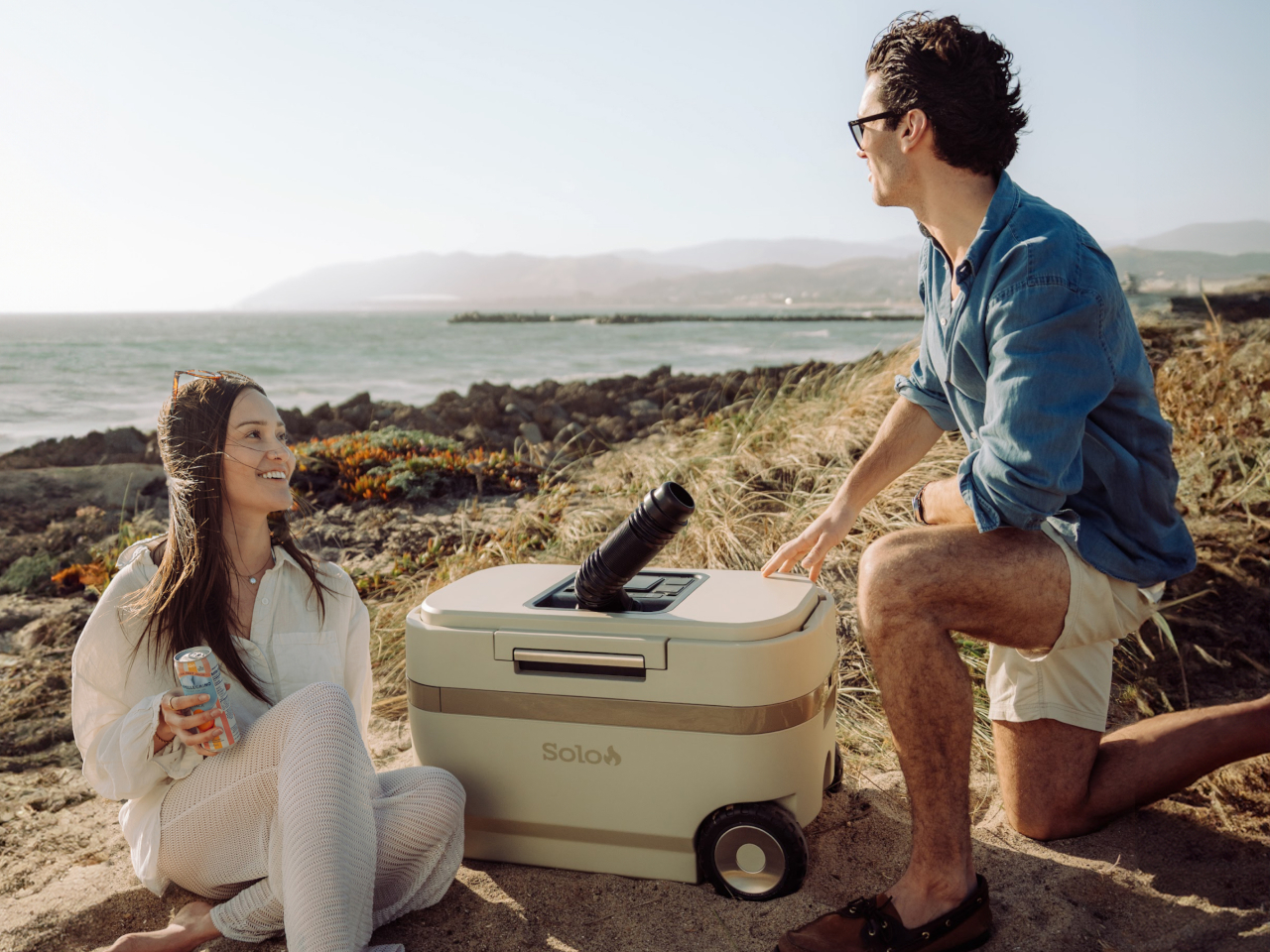

The drinks cooler is already a natural stopping point at a backyard gathering. Solo Stove’s Windchill 47 adds a reason to linger beside it: battery-powered airflow cooled using the ice and water inside. A fan, pump, and heat exchanger are integrated into the lid, alongside a separate misting function. Rather than repeating the brand’s air-conditioning language uncritically, think of it as a drinks cooler with directed personal cooling. It isn’t a substitute for shade or a way to refrigerate the entire patio.
Wheels and a telescoping handle let you reposition the cooler as the gathering moves, while an extension hose directs airflow toward a particular seat. USB-A and USB-C ports also provide device charging. Those additions make it useful as a small refreshment station, though they bring more preparation than an ordinary ice chest. Solo Stove lists its weight at 42.4 pounds before loading, and the manual notes that Max Cool mode consumes ice and battery power faster. Plan around both demands.
What we like
- Cold storage, directed airflow, and misting serve different needs in one object.
- Wheels and a telescoping handle suit moving it between backyard gathering spots.
What we dislike
- At 42.4 pounds empty, it’s wheeled rather than casually carried.
- Stronger cooling draws down the same ice supply, keeping your refreshments cold.
4. Lodge Wireless Landscape Speaker


The original Lodge Wireless Landscape Speaker, designed by Tristan Cannan, treats backyard audio as something you can position among the planting rather than leave on the dining table. It mounts on a ground stake and uses solar panels across its top, back, and sides to replenish its battery. That arrangement keeps the speaker off your serving surface and avoids running a power cable across the lawn to wherever people have gathered.
A magnetic connection lets you lift the speaker from its stand when the gathering moves. The original campaign specified IP66 dust and water resistance and claimed up to 15 hours of playback per charge, though solar charging still depends on available sunlight. Bluetooth connectivity also allows multiple speakers to be linked. For a backyard, the useful idea is distributing music around the seating area rather than expecting one distant speaker to cover everything. Placement deserves as much thought as volume.
What we like
- Solar charging reduces reliance on a nearby power outlet.
- The magnetic mount makes repositioning straightforward.
What we dislike
- Shaded listening spots may offer less opportunity for solar charging.
- The ground stake needs suitable soil, limiting placement on paved patios.
5. Anywhere-Use Lamp
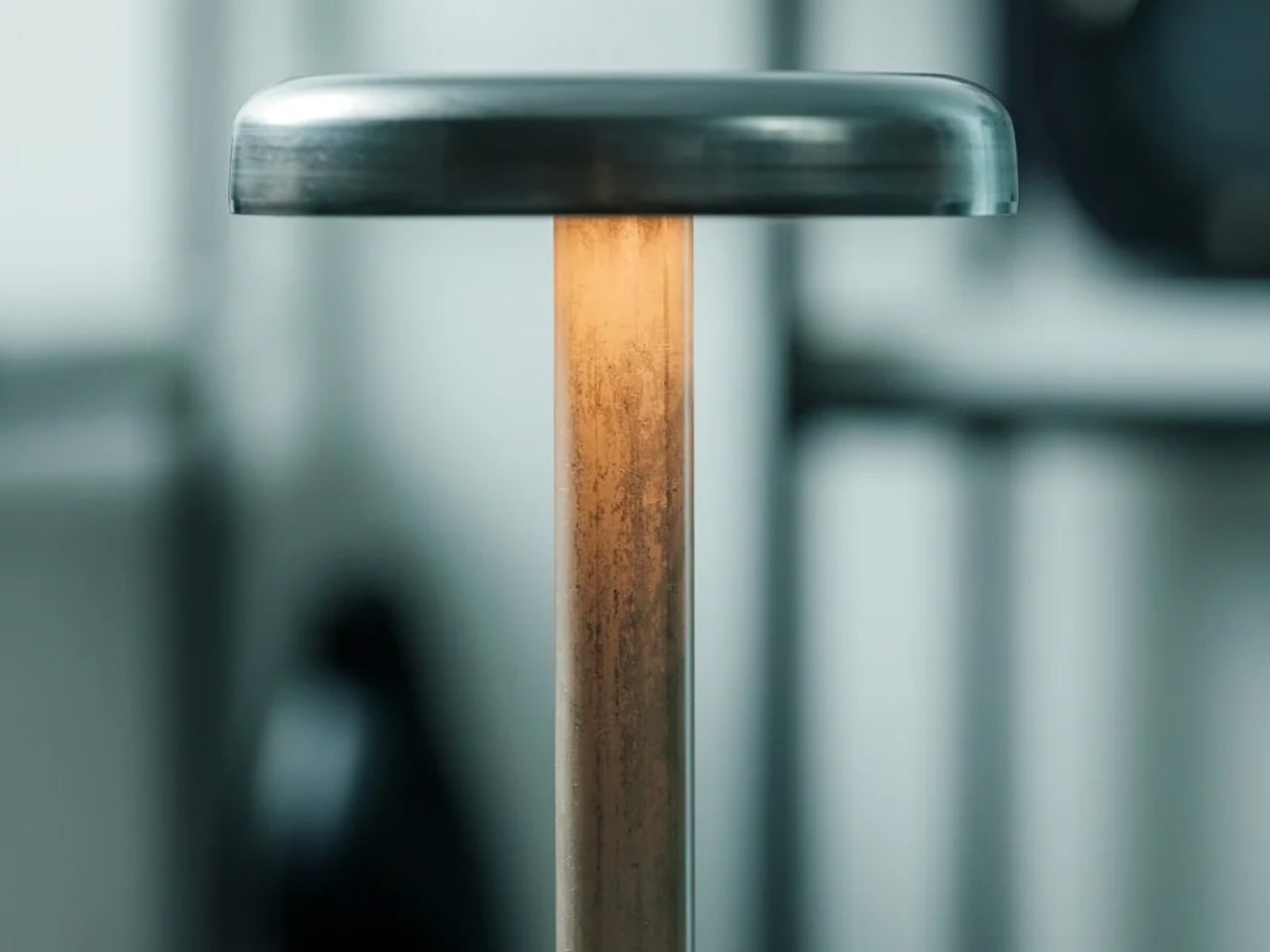
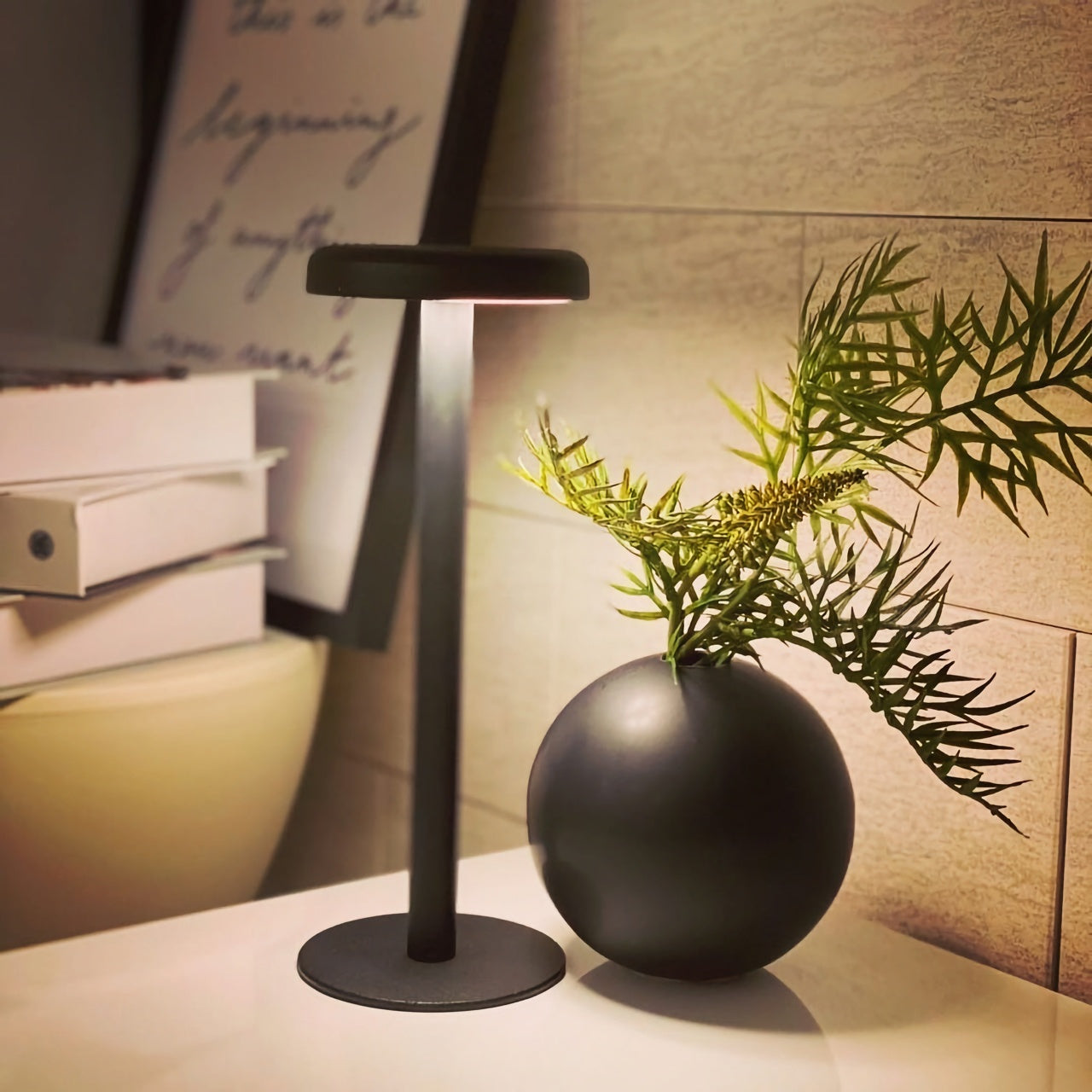

Firelight gives an evening a focal point, but the dining table has its own lighting needs. The Anywhere-Use Lamp by TENT × Fujita Metal brings a small, domestic-looking light outside without an extension cord. Made in Japan from powder-coated iron, it stands approximately 10.4 inches tall on a 3.9-inch-diameter base. Its broad, mushroom-like shade conceals a simple control: pressing the shade’s edge cycles through four brightness levels. Four AA batteries sit inside the stem, keeping the tabletop free of a charging cable.
This is the selection’s dry-weather guest, not a permanent garden fixture. The manufacturer explicitly says the lamp is not waterproof, so bring it outside for a suitable evening and take it back in afterward. That limitation doesn’t erase its usefulness: the same lamp can move from a bedside table to an outdoor meal, then disassemble into three pieces for travel.
Click Here to Buy Now: $149.00
What we like
- Pressing anywhere around the shade’s edge gives you an accessible brightness control.
- Replaceable AA batteries and a three-piece construction support use away from a fixed outlet.
What we dislike
- It isn’t waterproof and shouldn’t be left exposed to rain.
- Its four AA batteries need replacing or recharging separately.
Leave room for the people
The useful question isn’t how many of these objects a backyard can accommodate. It’s which small inconvenience keeps interrupting the evening. Start there. If the host keeps leaving to fetch things, bring refreshments closer. If everyone retreats indoors after dinner, look at lighting before buying more seating. A good addition should support the way people already use the space, with enough flexibility to move when the arrangement changes next time.
Keep some space in the plan, too. Guests need somewhere to put a plate, pull up a chair, or move between conversations without negotiating equipment. These designs are most convincing as individual responses to real needs, not a checklist for a fully accessorized patio. Buy for the gatherings you actually host, allow for storage and upkeep, and let the backyard remain a place to spend time rather than manage.