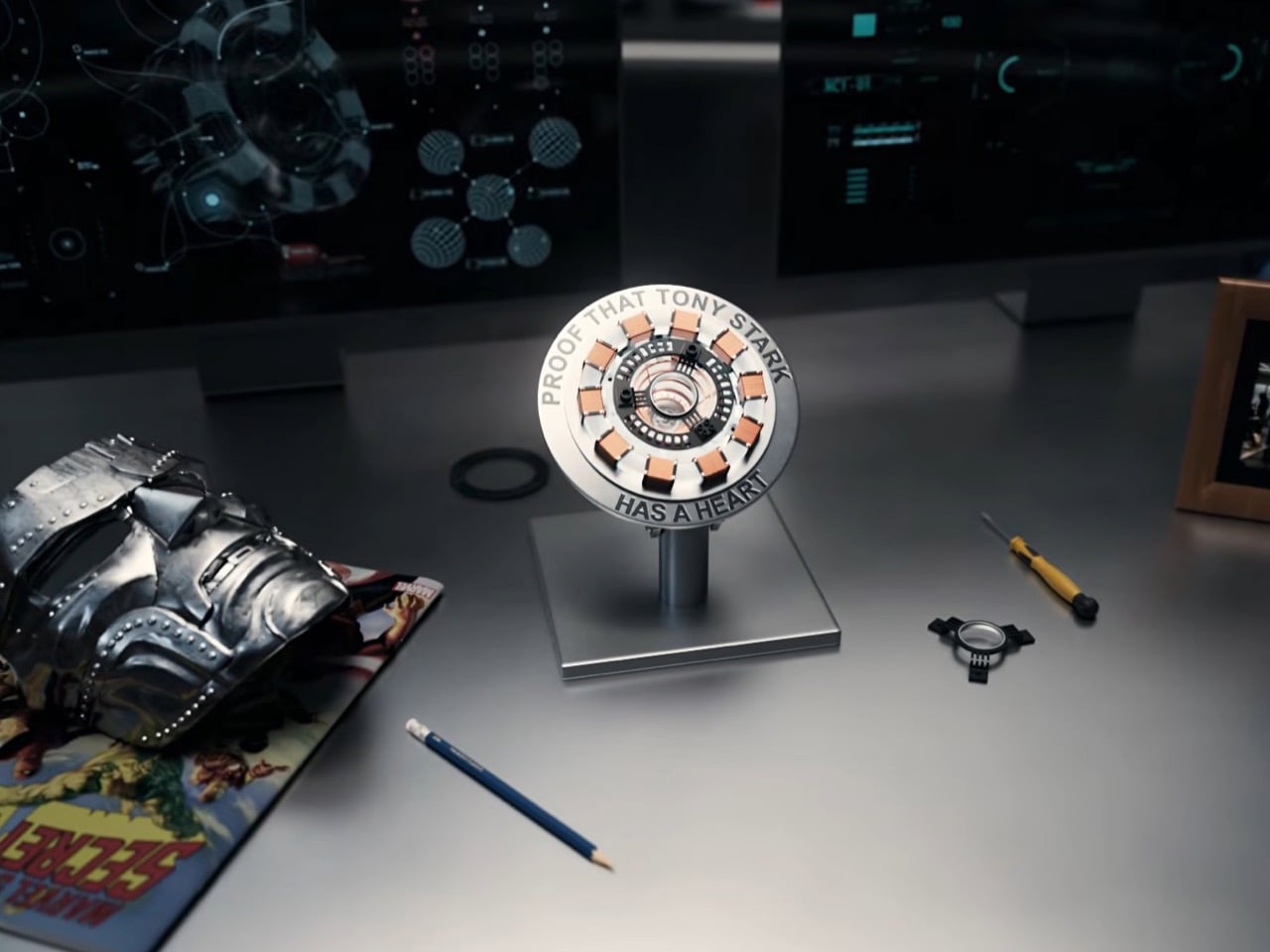
Robert Downey Jr. returns to the MCU on December 18 in Avengers: Doomsday, but this time he plays Doctor Doom instead of Tony Stark. Marvel fans have opinions about that, and they are loud. Before Doom takes over the conversation, it seems like a good moment to revisit the object that launched the whole franchise. That object was a glowing ring in Stark’s chest, built from scrap, powering a suit and keeping shrapnel away from his heart. Eighteen years after Iron Man opened in 2008, it is still arguably the best prop Marvel ever made, fight me.
A YouTube creator named Dianax gave that prop the autopsy it deserves. Their video is a full 3D animated teardown of the Mark 1 reactor, with every piece modeled by hand and zero AI involved. You see the palladium ring, the deuterium feed, a tiny cyclotron, and ten magnetic coils working together to hold a plasma arc in place. Then comes the fun part, which is the physics. Spoiler: a real one would need a building-sized tokamak and a very large water bill, but the fantasy holds together better than you would expect.
Designer: Dianax
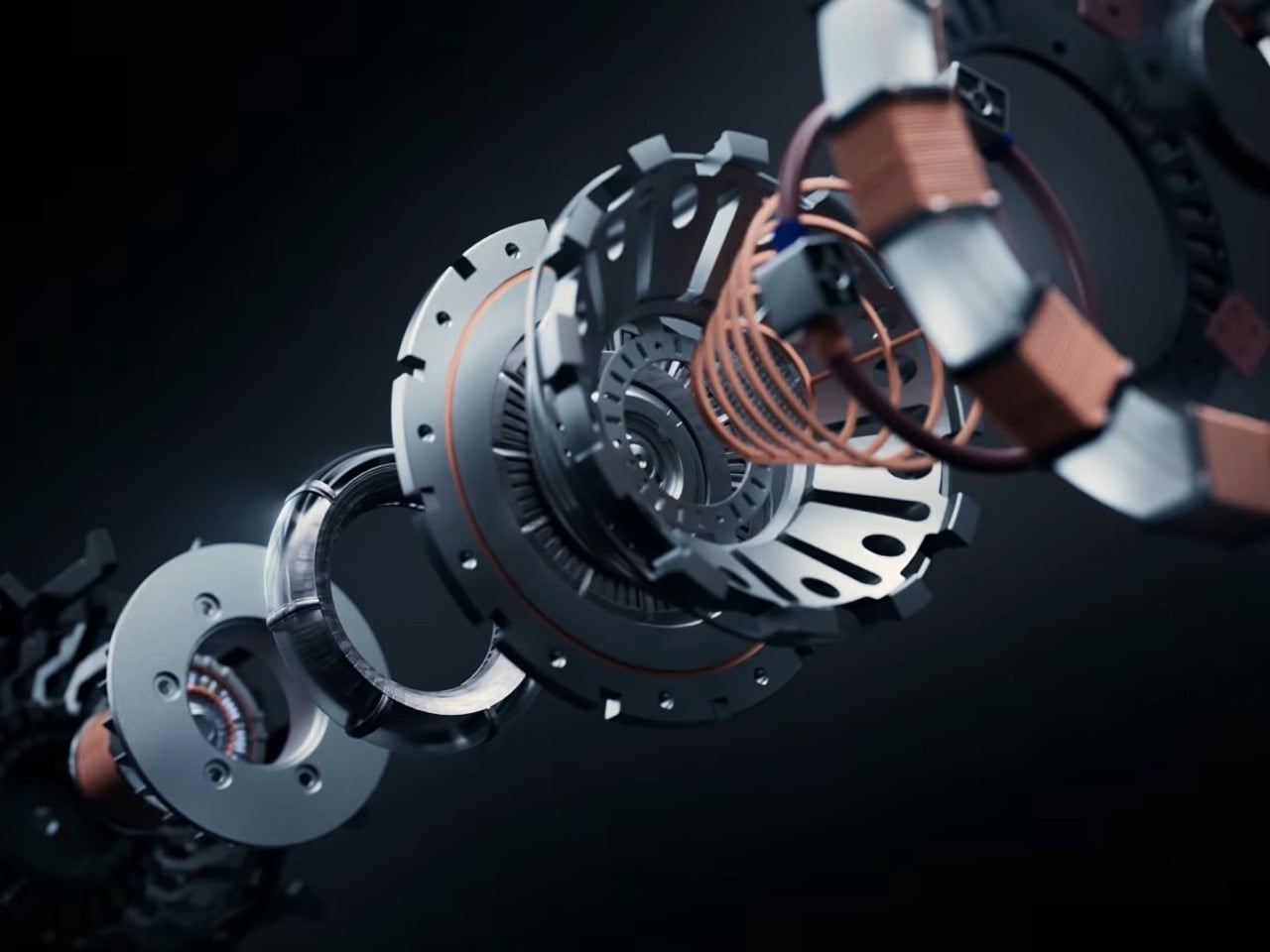
How the Mark 1 reactor works, layer by layer
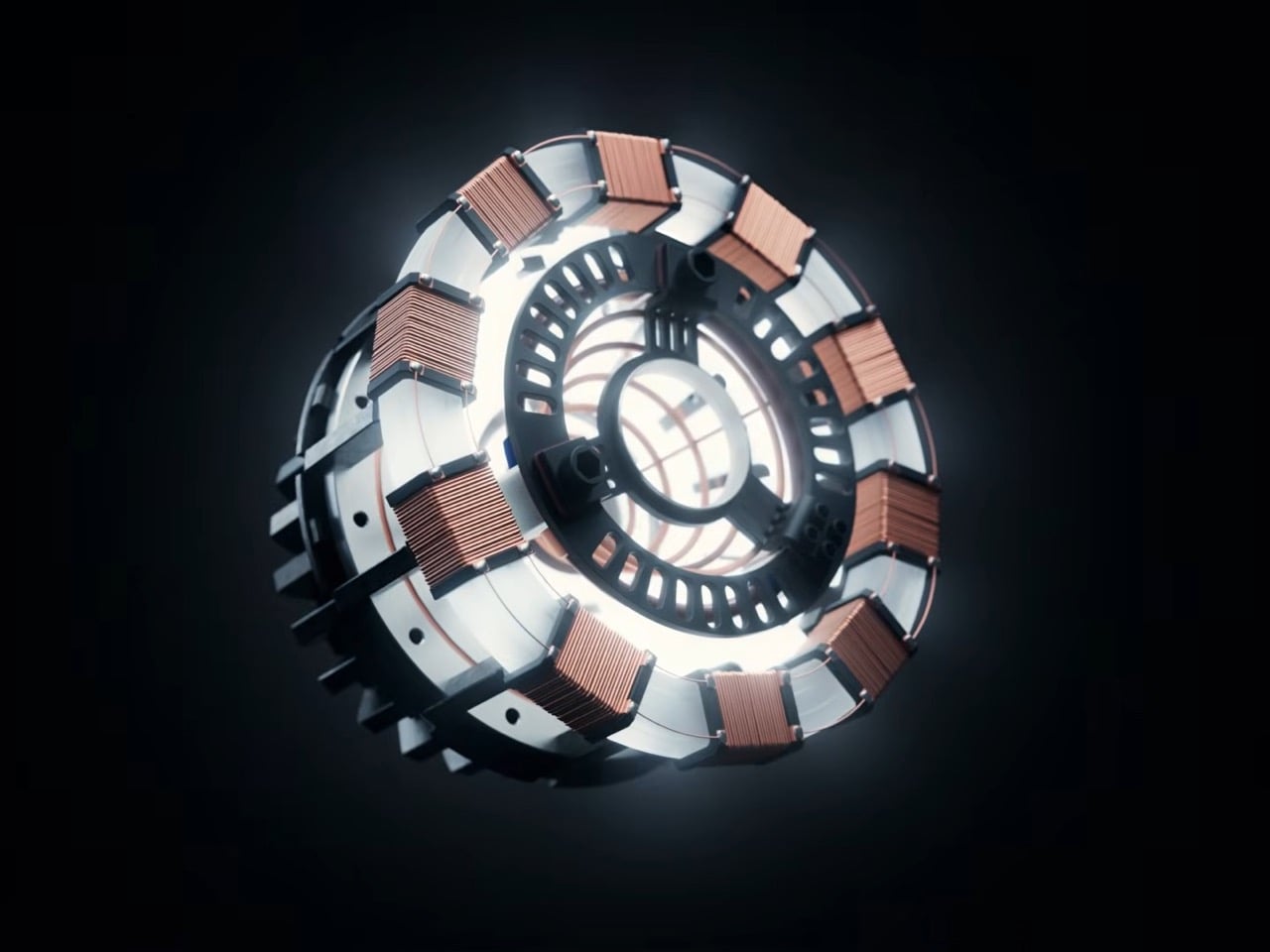

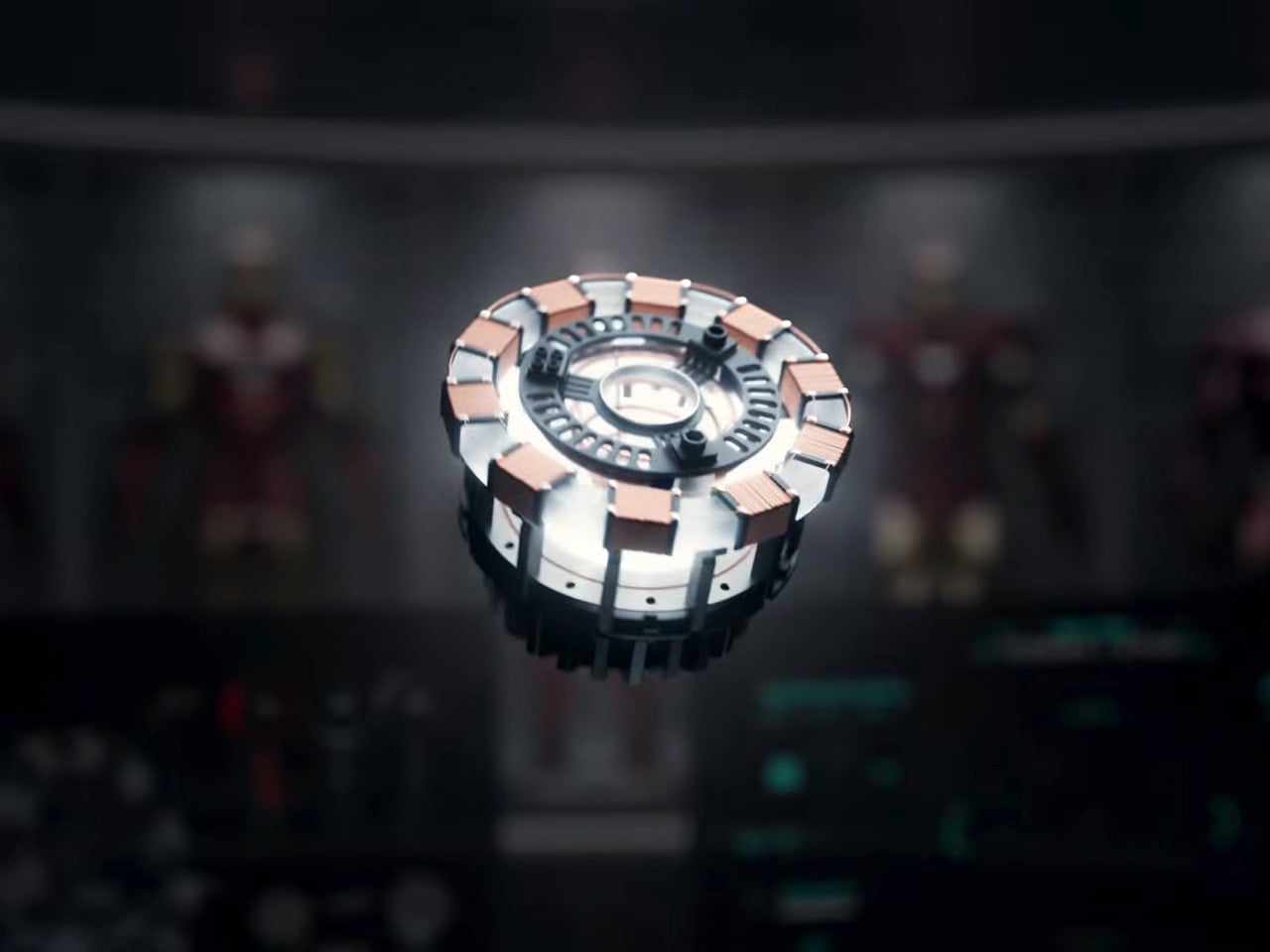
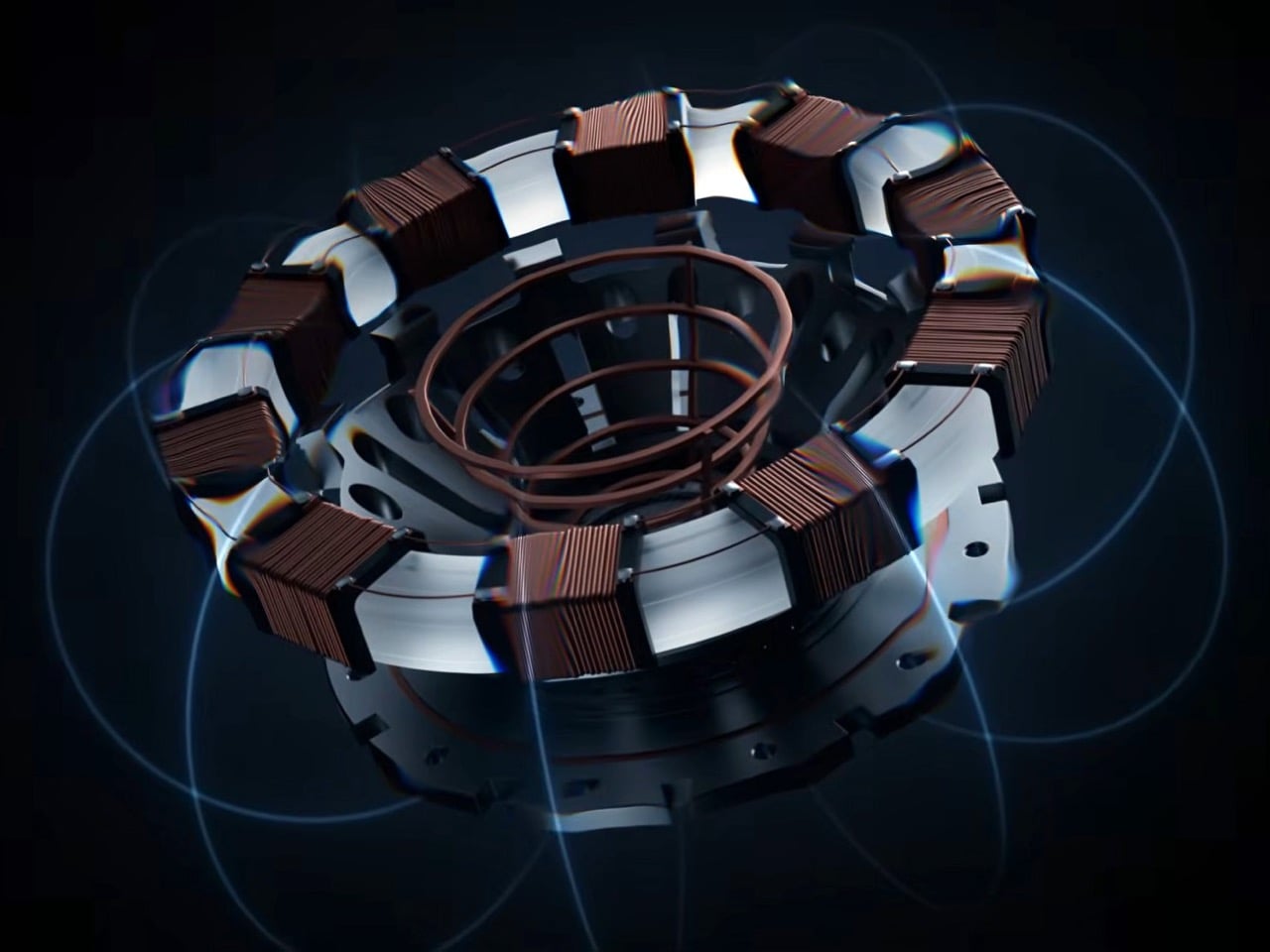
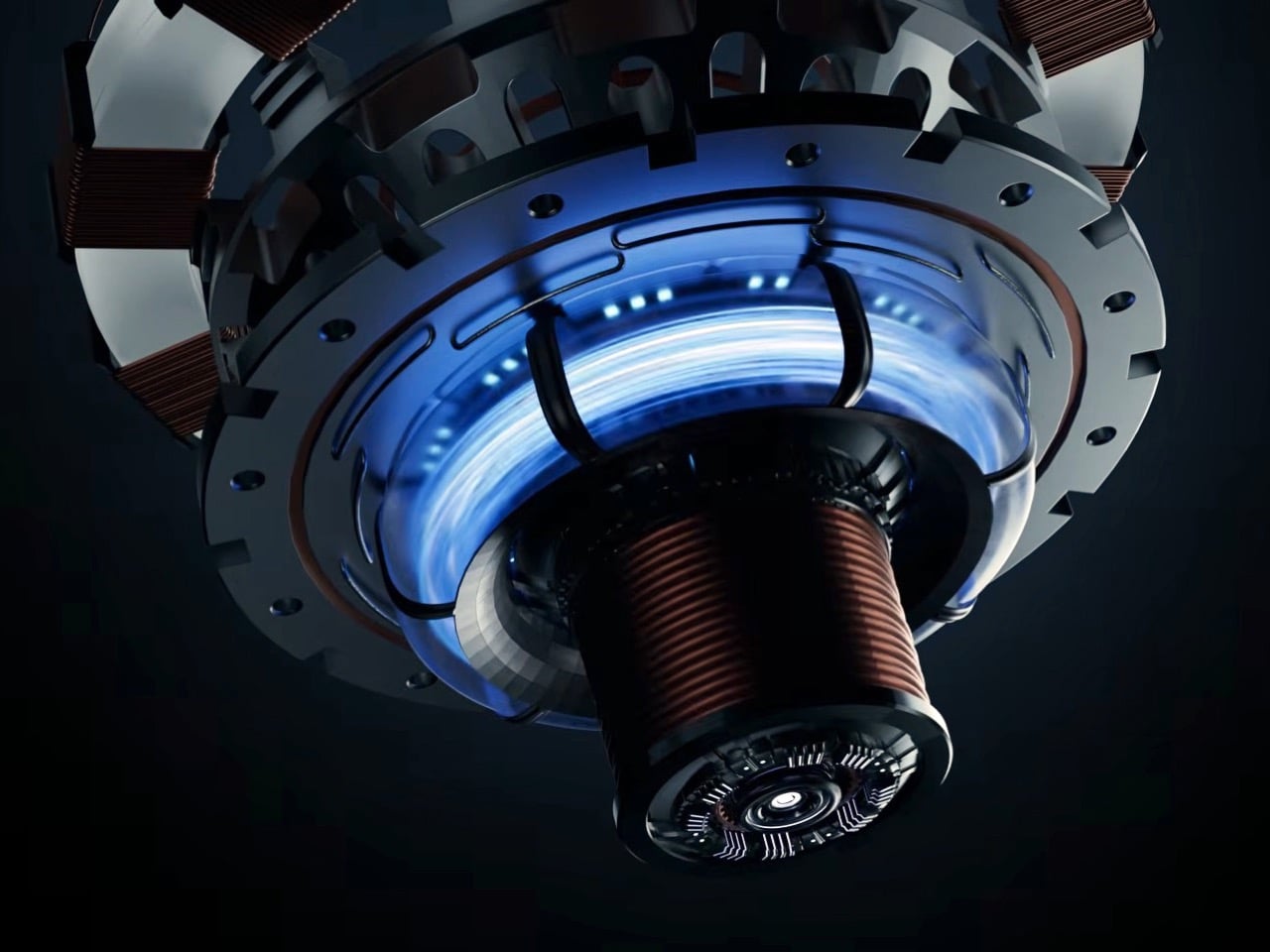
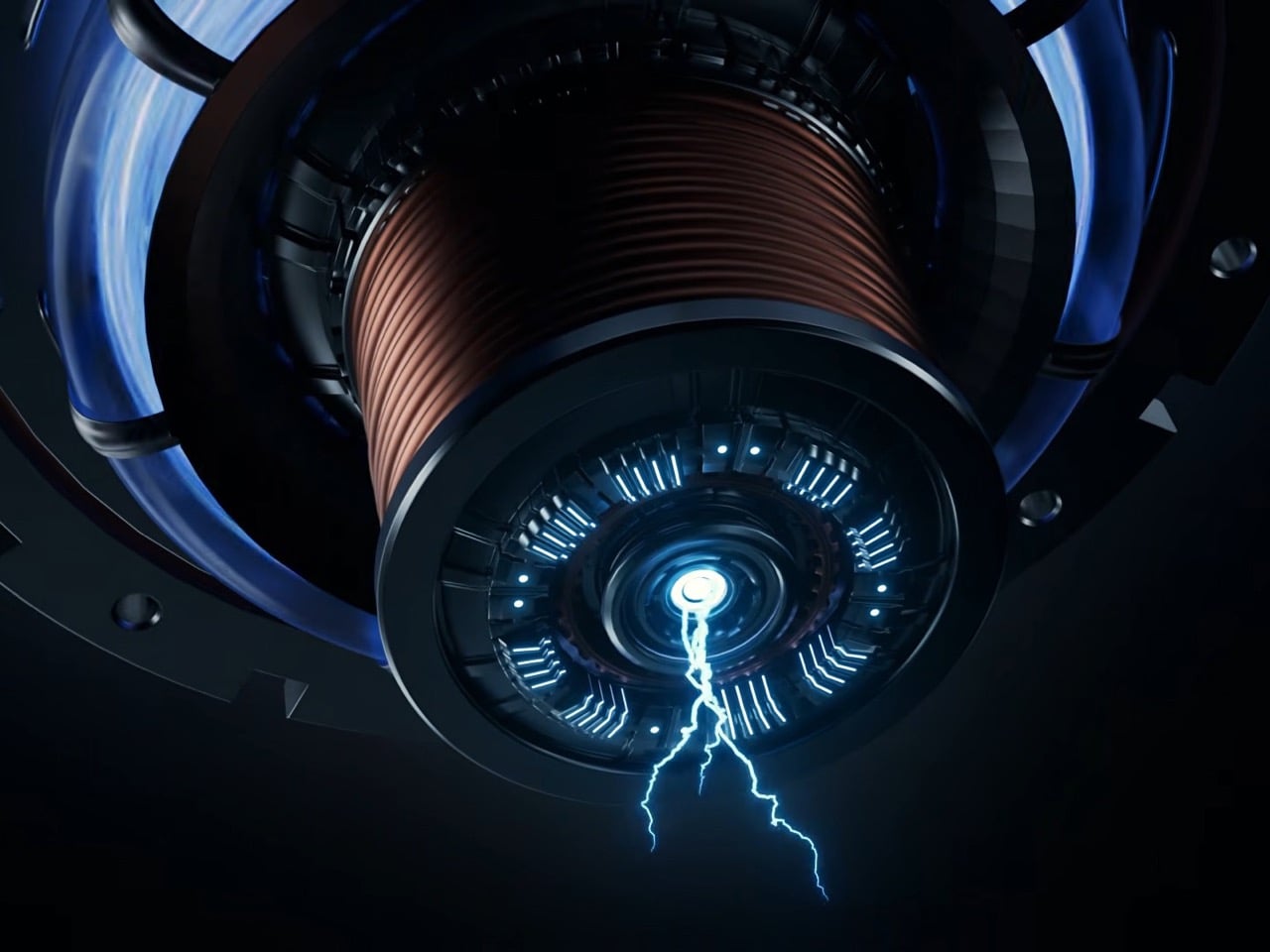
Dianax’s teardown starts at the center, where a ring of pure palladium sits inside the fusion chamber. Deuterium gas gets fed in and the palladium soaks it up like a sponge, priming the fuel for ignition. A miniature cyclotron, basically a pocket particle accelerator, then fires particles at extreme speed into the middle of the chamber. The gas ionizes instantly, plasma ignites, and fusion begins, releasing energy equal to roughly 1,500 pounds (680 kg) of TNT every second. That lines up with the film’s 3 gigawatts, since Stark tells Yinsen the output is three gigajoules per second. Plenty of power for a suit, a city, or a very ambitious toaster.
Magnetic containment rings run along the chamber to pin the plasma in the center, ten coils on top wrap everything in a field, and an energy converter underneath turns raw plasma into electricity with zero loss. A cooling system vents the heat out the bottom while a rugged shell locks it all together. That stacked layout gives the design a clear logic, since fuel, ignition, containment, conversion, and cooling each get their own tier. A licensed replica referencing Stan Winston Studios’ work measures about 4.5 inches (11.4 cm) across in machined aluminum and stainless steel. Rebuilding it all by hand in 3D suits a design made to be understood at a glance.
Palladium, cold fusion, and the poison in Tony’s chest
On March 23, 1989, electrochemists Martin Fleischmann and Stanley Pons told a Utah press conference they had achieved tabletop fusion using a palladium electrode, heavy water, and electricity. Palladium has been known since the 19th century to store hydrogen inside its metal lattice, which made the pitch sound plausible. Labs around the world then failed to replicate the excess heat, and by late 1989 most scientists considered cold fusion dead. Stark’s cave reactor reads like cold fusion’s redemption arc, finally working because a billionaire genius said so. Whether the filmmakers meant the nod or not, the echo is hard to ignore.
In Iron Man 2, Tony learns the palladium core is slowly poisoning him, and the damage speeds up every time he suits up. I love that the poisoning gives a glowing gadget a real cost. His fix is a new element, synthesized from a theory his father Howard left behind, which replaces the palladium core with something clean and safe. In the comics, the suit that kept Tony’s heart safe in Tales of Suspense #39 wasn’t embedded in his chest, which makes the glowing chest ring a much later idea. Back in the first film, Pepper Potts gives him the original reactor mounted with the words “Proof that Tony Stark has a heart,” which doubles as the franchise’s thesis.
Why a chest-sized reactor is still science fiction
The closest real machine is a tokamak, a doughnut-shaped fusion device the size of a building. It runs at up to 270 million degrees Fahrenheit (about 150 million °C), roughly ten times hotter than the Sun’s core. Holding plasma at that temperature takes magnetic coils dozens of feet across, and cooling the whole system eats thousands of tons of water. The other snag is conversion, since most power plants on Earth still boil water to spin a turbine. Stark’s zero-loss energy converter skips that entire step, which is the part of the fantasy a chest-sized reactor leans on hardest.
Helion Energy’s Polaris prototype in Everett, Washington is built to recover electricity straight from the expanding plasma through electromagnetic induction, skipping the steam cycle entirely. The company said in February 2026 that it reached measurable deuterium-tritium fusion and 150 million °C plasma. No published results confirm net power, and Polaris is a 62-foot (19 m) machine, so nobody is wearing one to the Avengers premiere. Its Orion plant, built for Microsoft, is slated to come online in 2028. Dianax’s full 3D breakdown is on YouTube, and it makes a great warm-up before Doomsday. Whatever Downey does as Doom, the most compelling thing Tony ever built is still that glowing ring, and engineers are still chasing it.