
Most kitchen tools disappear the moment you stop using them. These seven don’t. Each one comes from a different corner of Japanese design thinking, where a grater, a pair of scissors, or a clay pot gets treated as an object worth holding onto for decades rather than replacing next season. The care goes beyond function, into how each piece feels the moment you pick it up.
What ties this list together isn’t a single material or maker. It’s a shared belief that the small, repeated motions of cooking deserve tools built with the same intention as the meal itself. Some of these pieces come from century-old kilns, others from design studios still refining a single idea after years of testing and reworking.
1. Playful Palm Grater
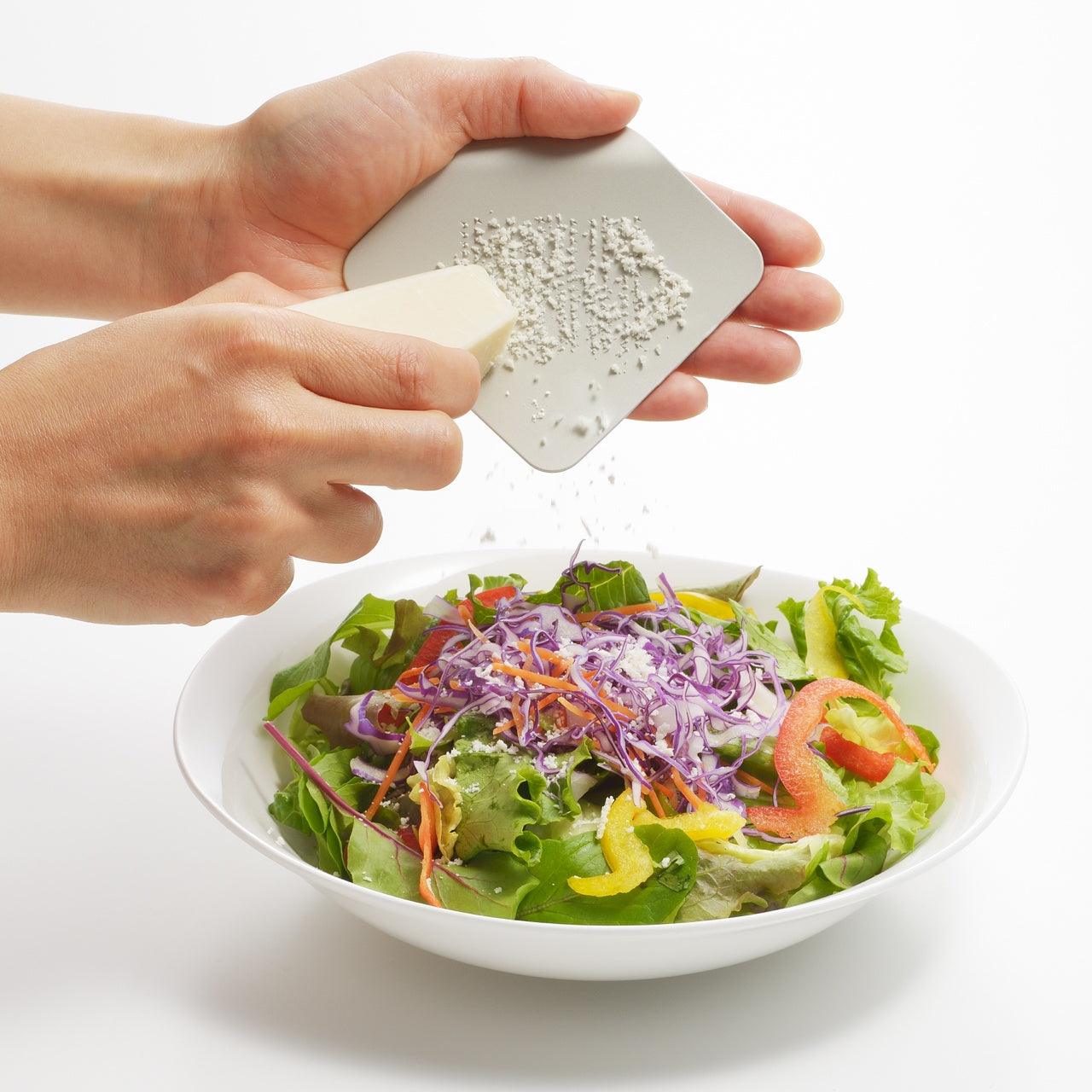

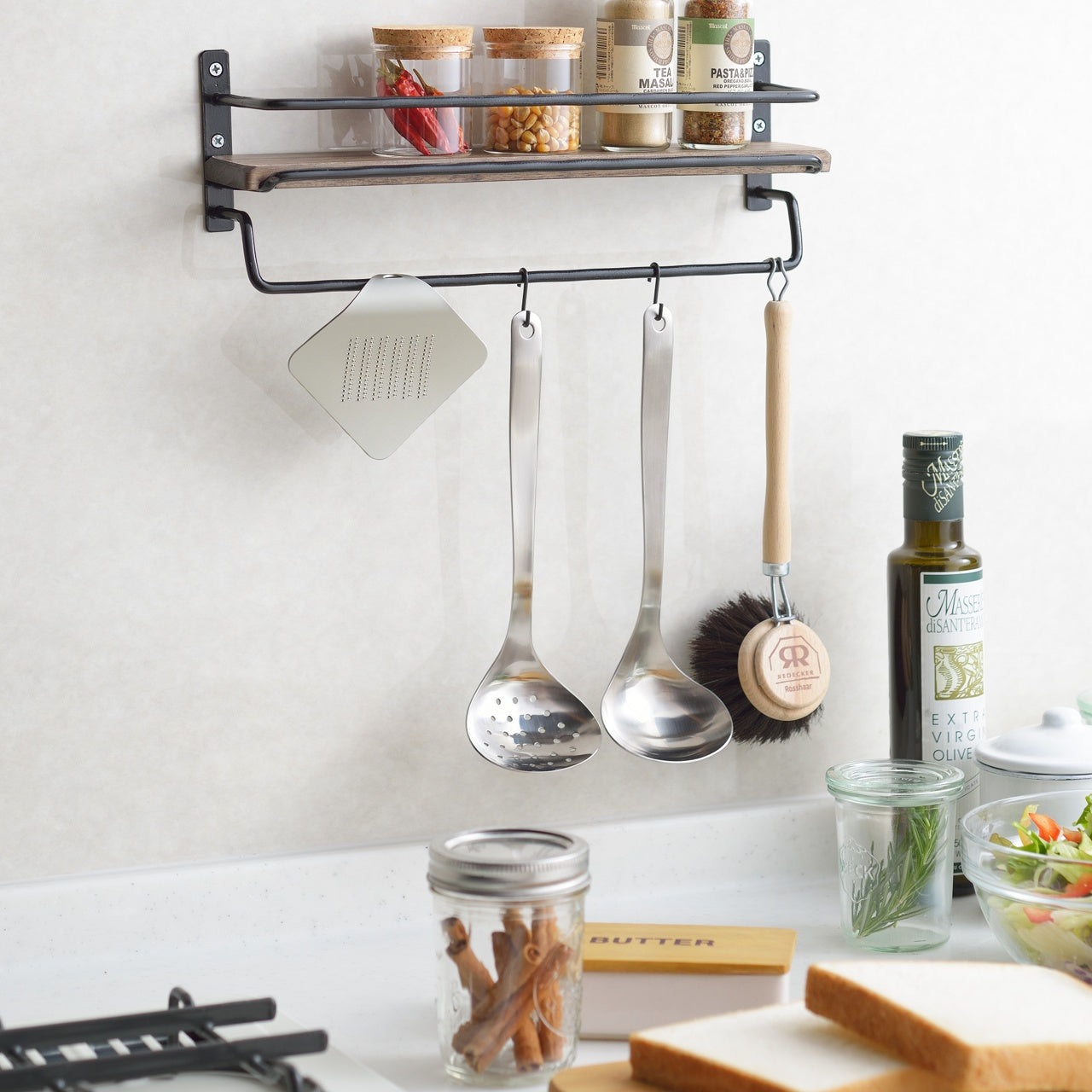
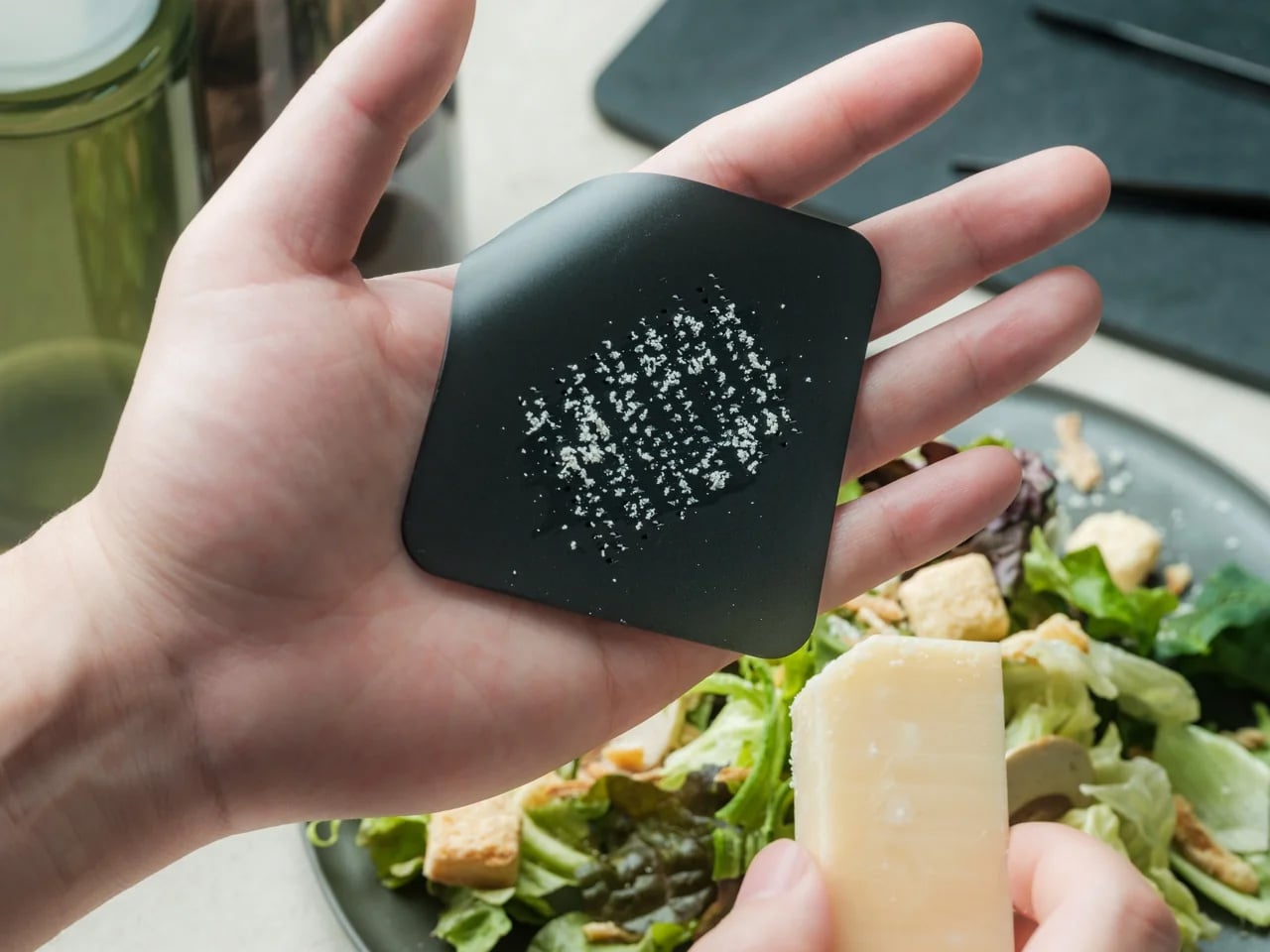
Sized to sit entirely in one hand, this grater turns a task usually done hunched over a cutting board into something you can do standing anywhere in the kitchen. Its compact shape means ginger, garlic, or citrus zest get grated directly over a pot or plate, cutting out the extra step of transferring from board to pan. At $25, it reads less like a utility item and more like the kind of small object you keep on the counter because picking it up feels good.
Only a handful remain in stock at the time of writing, which says something about how quietly this kind of design finds its audience. It isn’t trying to reinvent grating so much as make the motion feel less like a chore. For anyone who cooks with fresh aromatics daily, that difference adds up fast.
What we like:
- Fits naturally in one hand for quick, controlled grating
- Compact enough to store in a drawer instead of taking up counter space
What we dislike:
- Limited stock makes it hard to grab on a whim
2. Katakuchi Suribachi and Surikogi Set
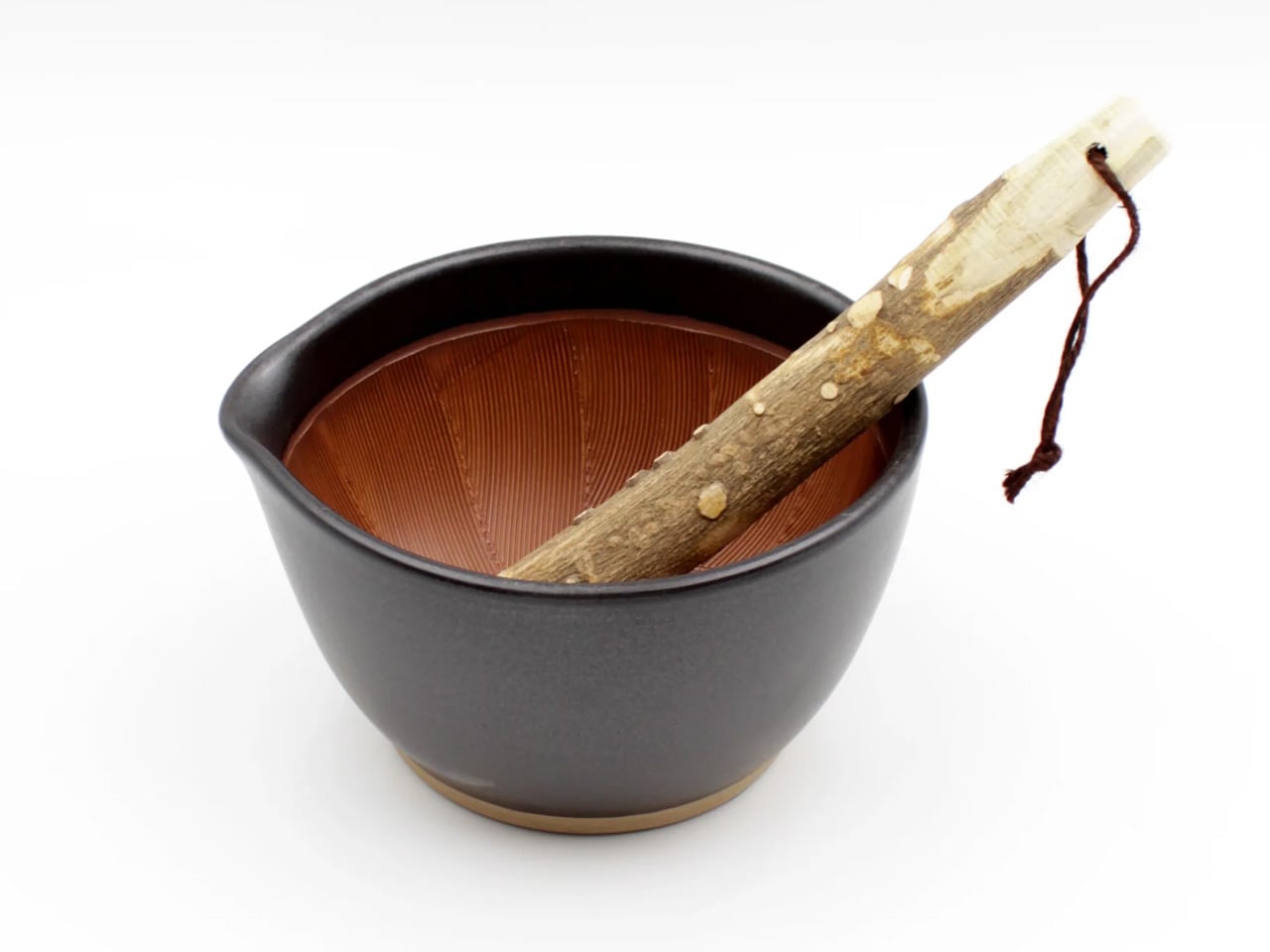
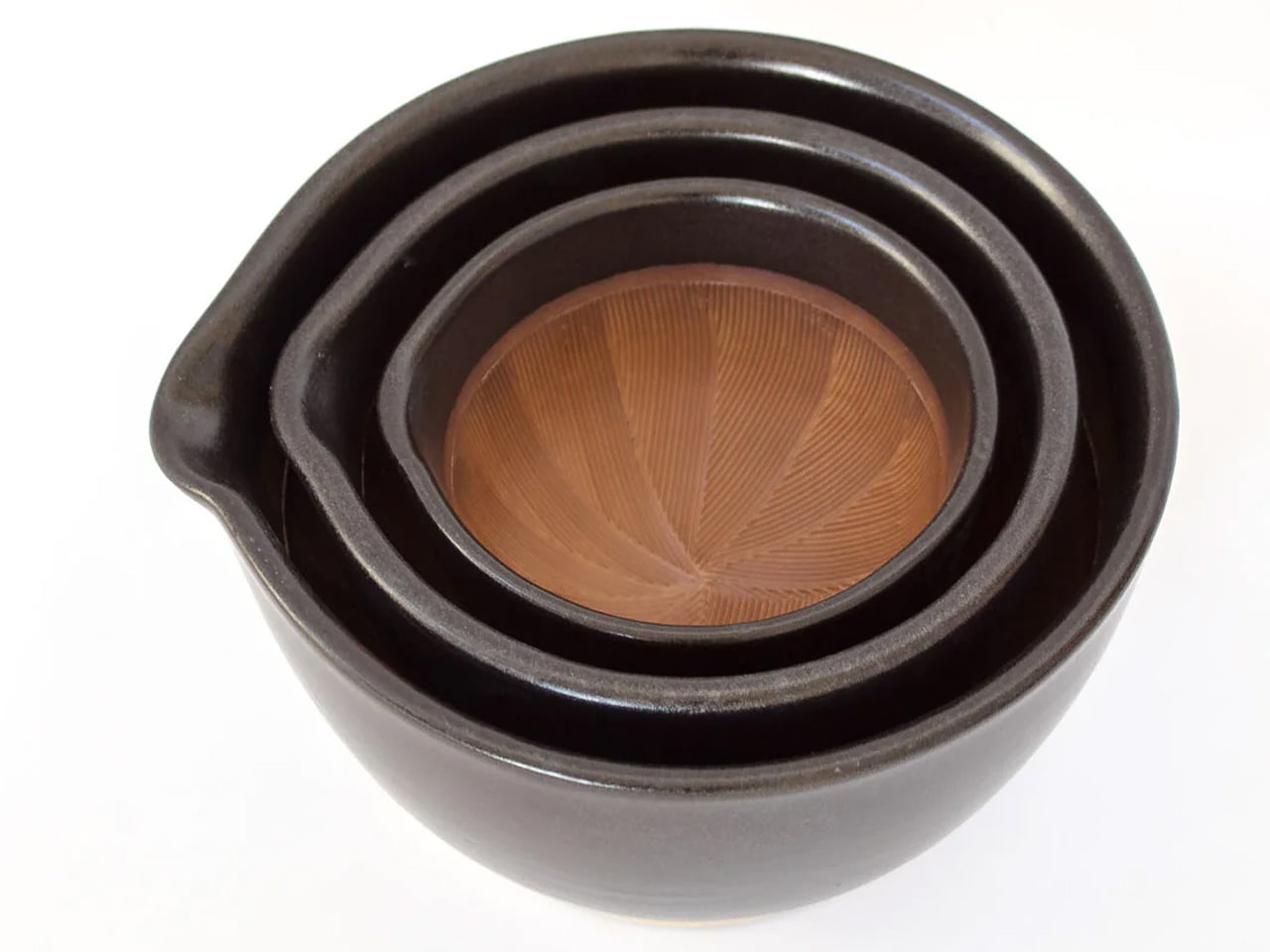
A suribachi works by friction, not force. Its interior is lined with fine ridges that grip and pull apart seeds, herbs, and spices rather than crushing them flat the way a smooth mortar does. The katakuchi version adds a spout to the bowl, so whatever you’ve just ground pours out cleanly instead of needing to be scraped or shaken loose.
Hand-thrown by potter Motoshige in Shimane, Japan, the set runs between $36 and $63 depending on size. It’s the kind of tool that rewards slowing down. Grinding sesame or making a quick dressing becomes a few minutes of repetitive, almost meditative motion, and the spout means that moment of transferring everything to a bowl doesn’t undo the care that went into making it.
What we like:
- The spout design means no mess when pouring out what you’ve ground
- Ridged interior handles small batches better than a blender or spice grinder
What we dislike:
- Takes longer than reaching for an electric grinder
- Hand-thrown construction means pricing and sizing vary by piece
3. June Ceramic Coffee Dripper
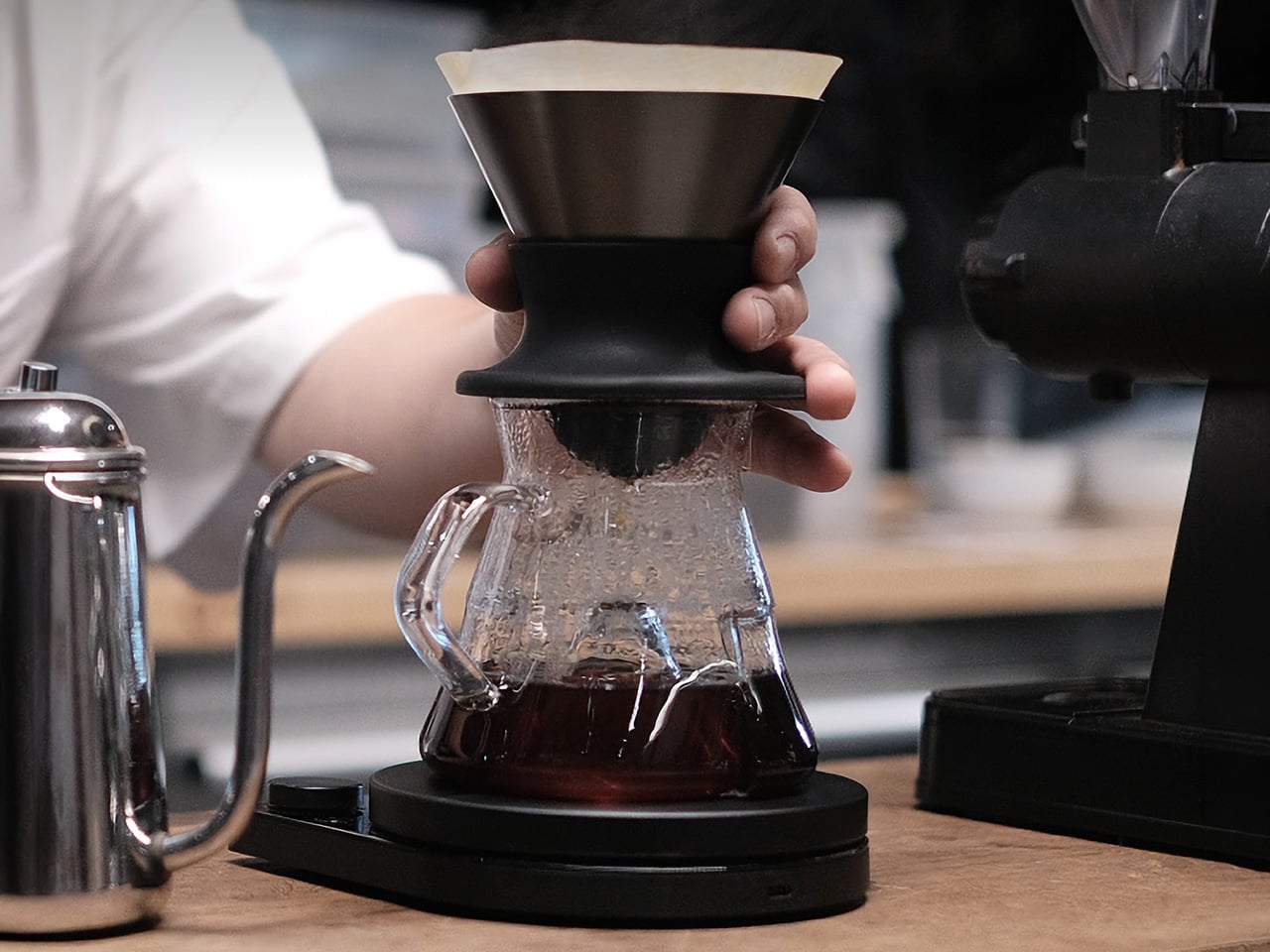


Every curve on this dripper does something specific. The double-wall vacuum body keeps water hot longer during the pour, the ceramic-coated interior regulates heat transfer, and twelve internal ribs guide the flow rate so extraction stays even from the first pour to the last. None of it is decorative. Each detail exists because pour-over coffee is unforgiving about temperature and speed, and this dripper was built to manage both without asking the person brewing to think about it.
Currently priced at $63, down from its usual $99, it’s a rare case where a design this considered is also sitting at a genuine discount. For anyone already committed to the ritual of a slow morning pour, this is the kind of object that makes the process feel less fussy and more like second nature.
What we like:
- Internal ribbing manages flow rate automatically, helping even inexperienced brewers get a consistent cup
- Currently discounted well below its regular price
What we dislike:
- Ceramic construction means it’s breakable in a way a stainless dripper isn’t
- Requires compatible filters and a server, so it’s not a standalone purchase
4. Iron Frying Plate
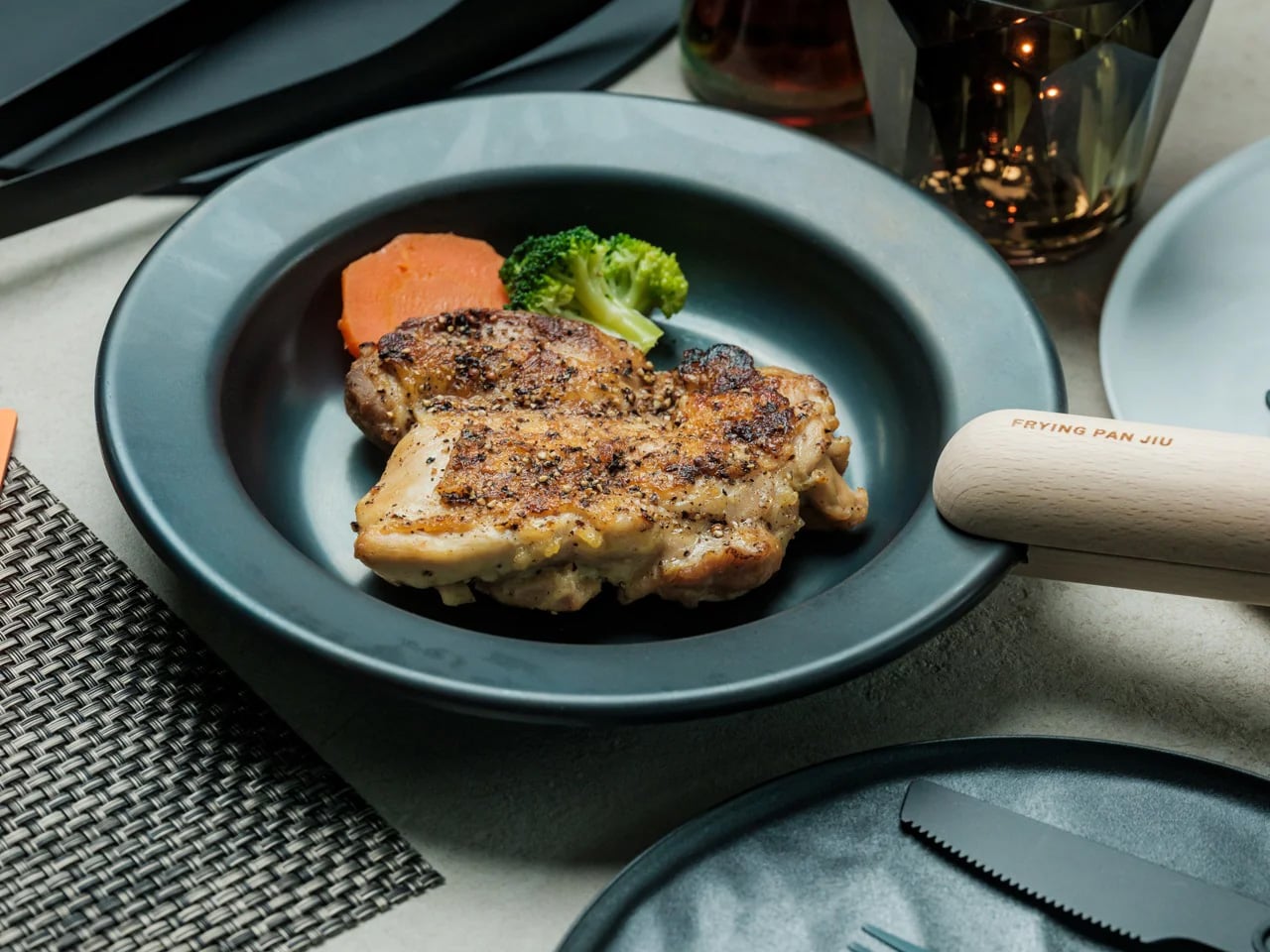
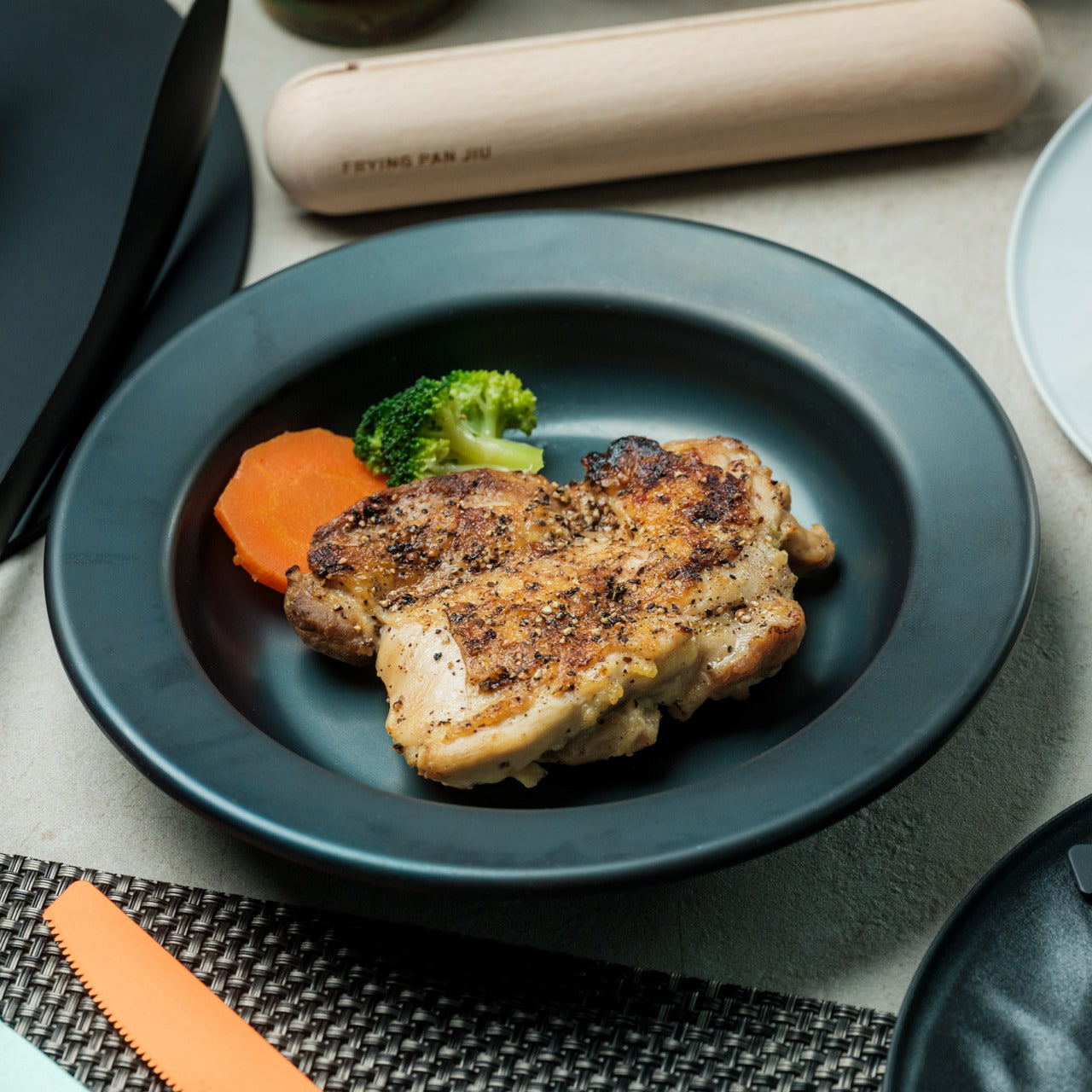
This one removes a step most cooks don’t think to question. Built from 1.6mm mill scale steel with a detachable wooden handle, it goes straight from stovetop to table without a transfer dish in between. The uncoated surface needs no seasoning before its first use and builds natural non-stick properties the more it’s cooked on, the kind of patina that makes a pan feel earned rather than bought.
At $69, it sits in that useful middle ground between cast iron and a standard skillet. Steak, vegetables, or a quick sear all land here the same way, and because the handle detaches, what started as a cooking surface becomes the serving plate itself. It’s a small shift in process that changes how a meal actually gets eaten.
What we like:
- Detachable handle means one surface does double duty as pan and plate
- Needs no pre-seasoning to start building a natural patina
What we dislike:
- Mill scale steel requires the same care as cast iron, so it’s not dishwasher-friendly
- The uncoated surface will show wear differently than a coated pan
5. Kamado-San Simply Donabe Edition
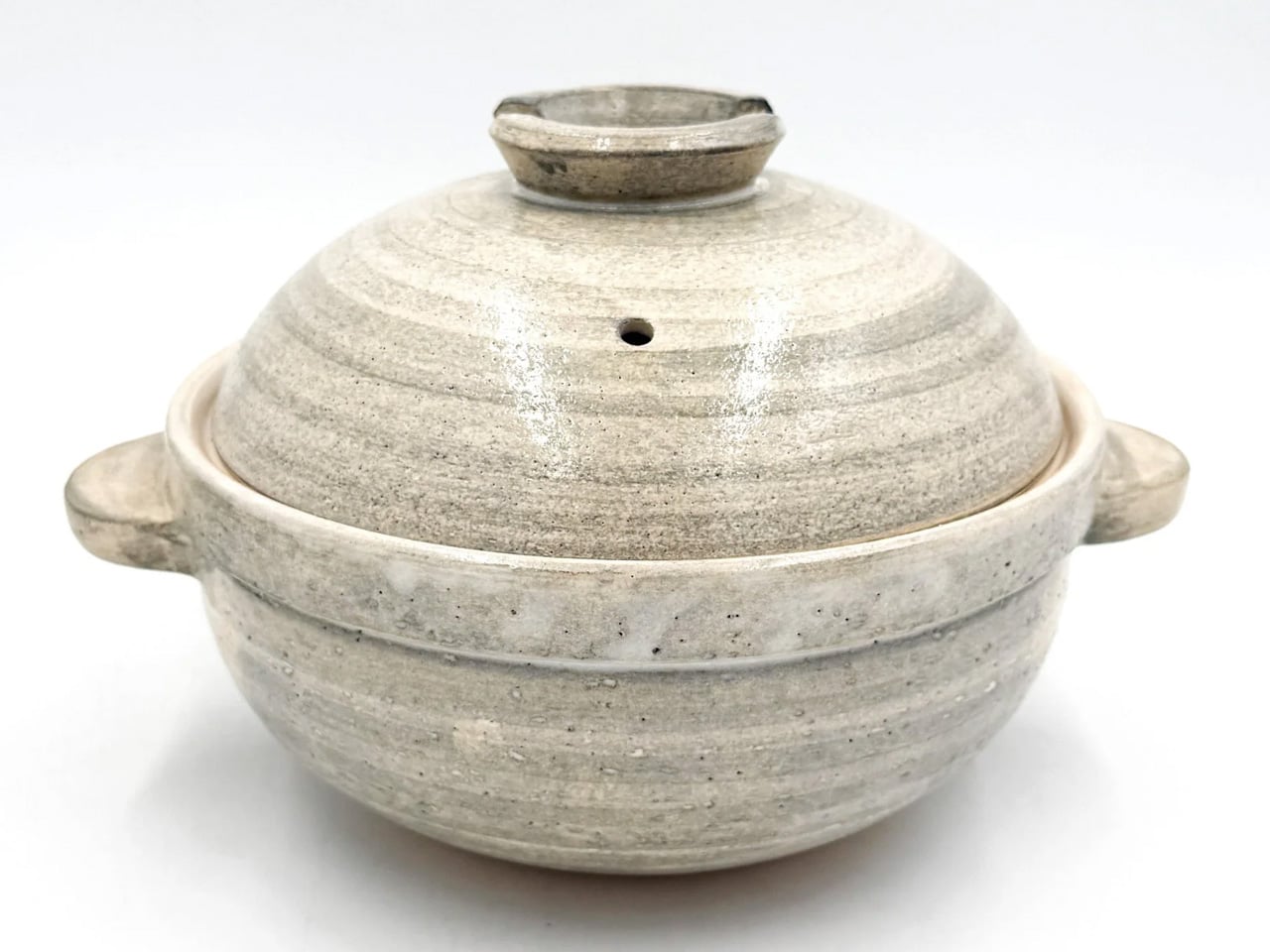
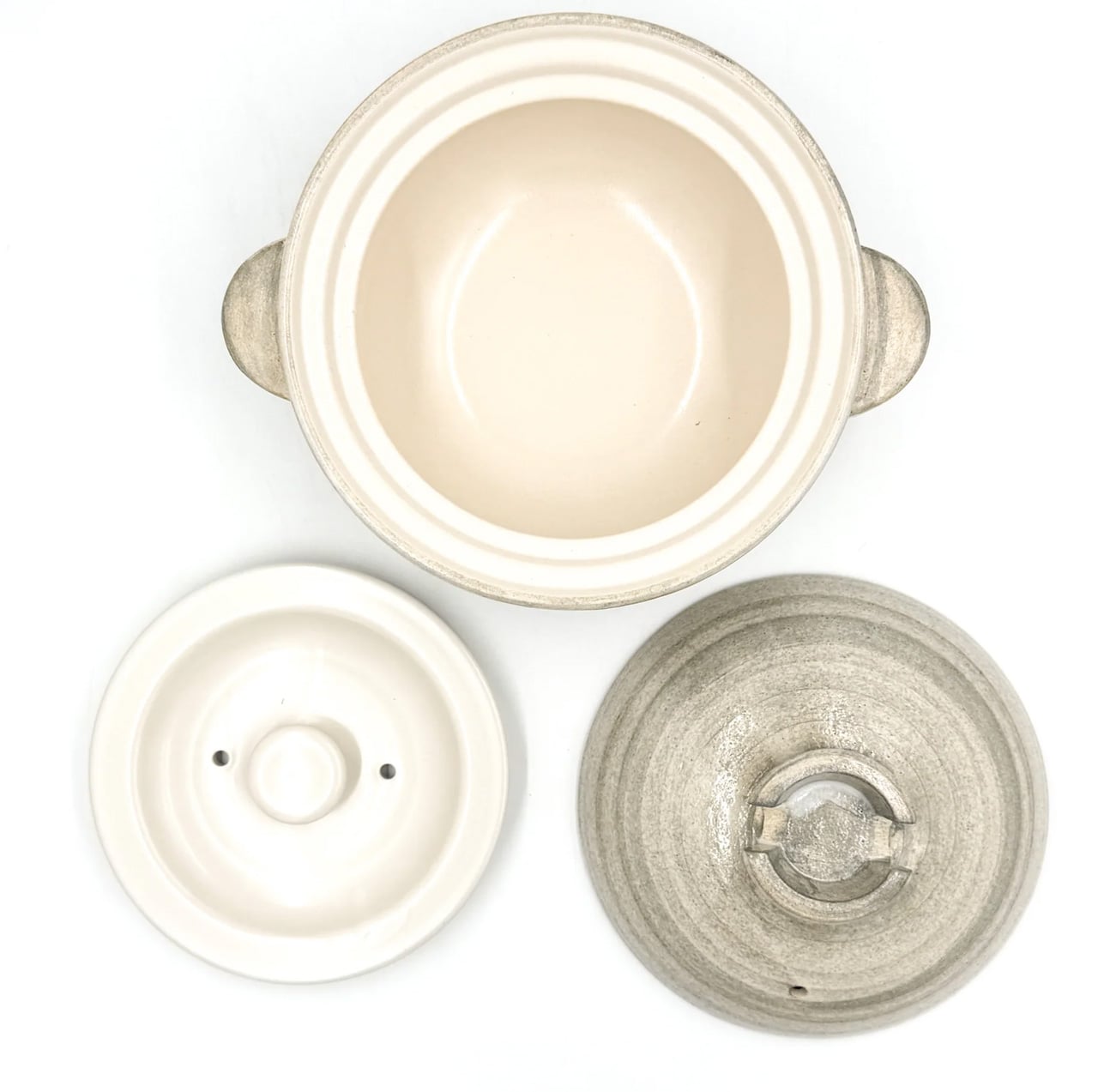

Handcrafted by Nagatani-en, a kiln operating in Iga, Japan, since 1832, this donabe is made from Iga’s naturally porous clay, which retains heat exceptionally well and builds gentle internal pressure as it cooks. The result is rice with distinct, separated grains and a naturally sweet flavor that’s hard to replicate on a standard stovetop pot. This particular edition was developed with cookbook author Naoko Takei Moore, who worked with Nagatani-en to create an exclusive gray glaze with a subtle green nuance, calmer and more muted than the brand’s standard black finish.
At $260, it’s the most considered piece on this list, built to cook rice, soups, stews, and hot pot with equal ease, and designed to develop character over years of use rather than staying pristine. Thin surface cracks called kannyu will appear naturally over time, along with darkening at the base, both signs of a donabe being used the way it’s meant to be. As of now, this edition is sold out, with the next restock planned for spring 2027, so it’s one to watch rather than buy today.
What we like:
- Highly porous clay delivers heat retention that produces noticeably better rice and slow-cooked dishes
- The exclusive glaze gives it a quieter, more understated look than the standard edition
What we dislike:
- Hand wash only and incompatible with electric or induction cooktops
6. Precision Chef Kitchen Scissors
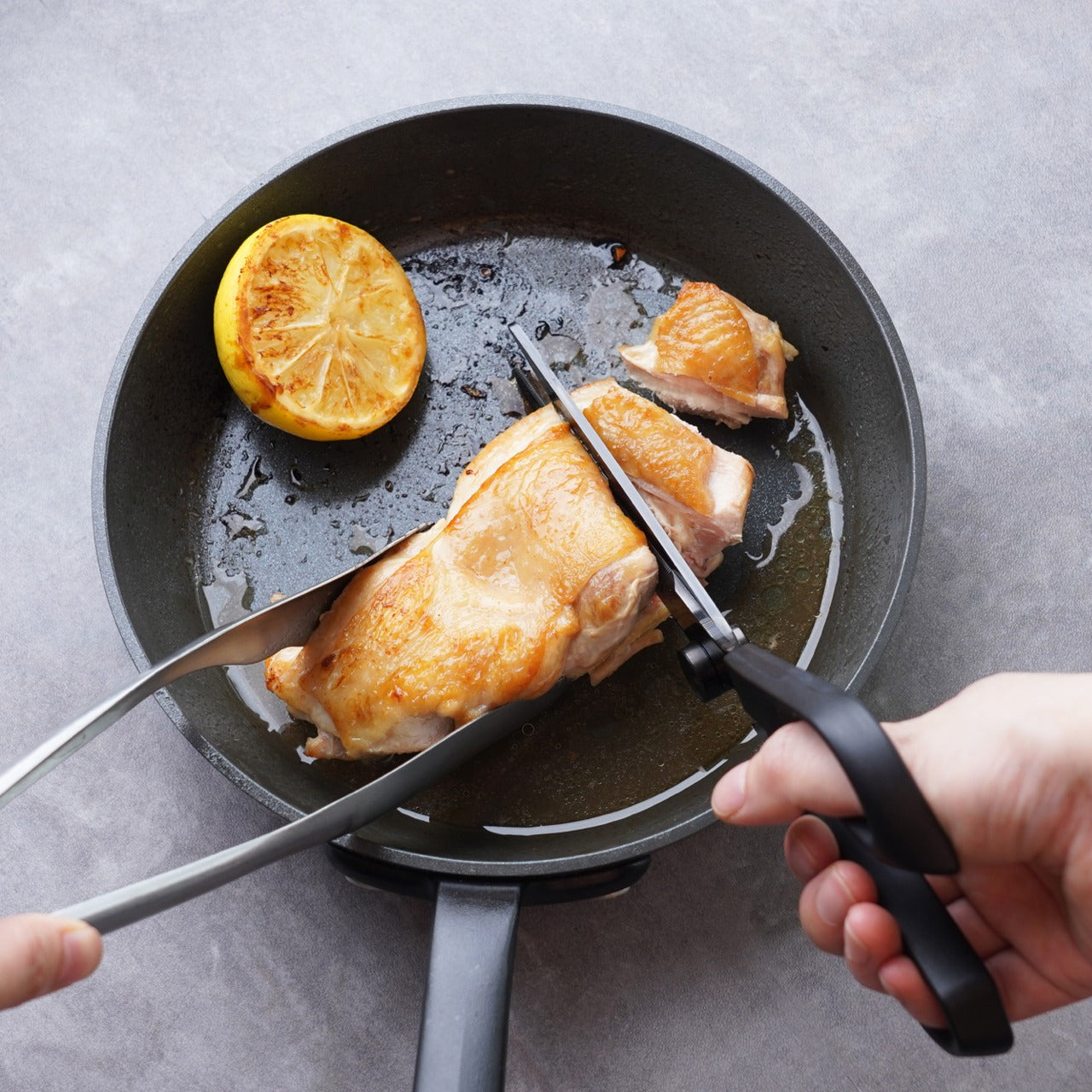
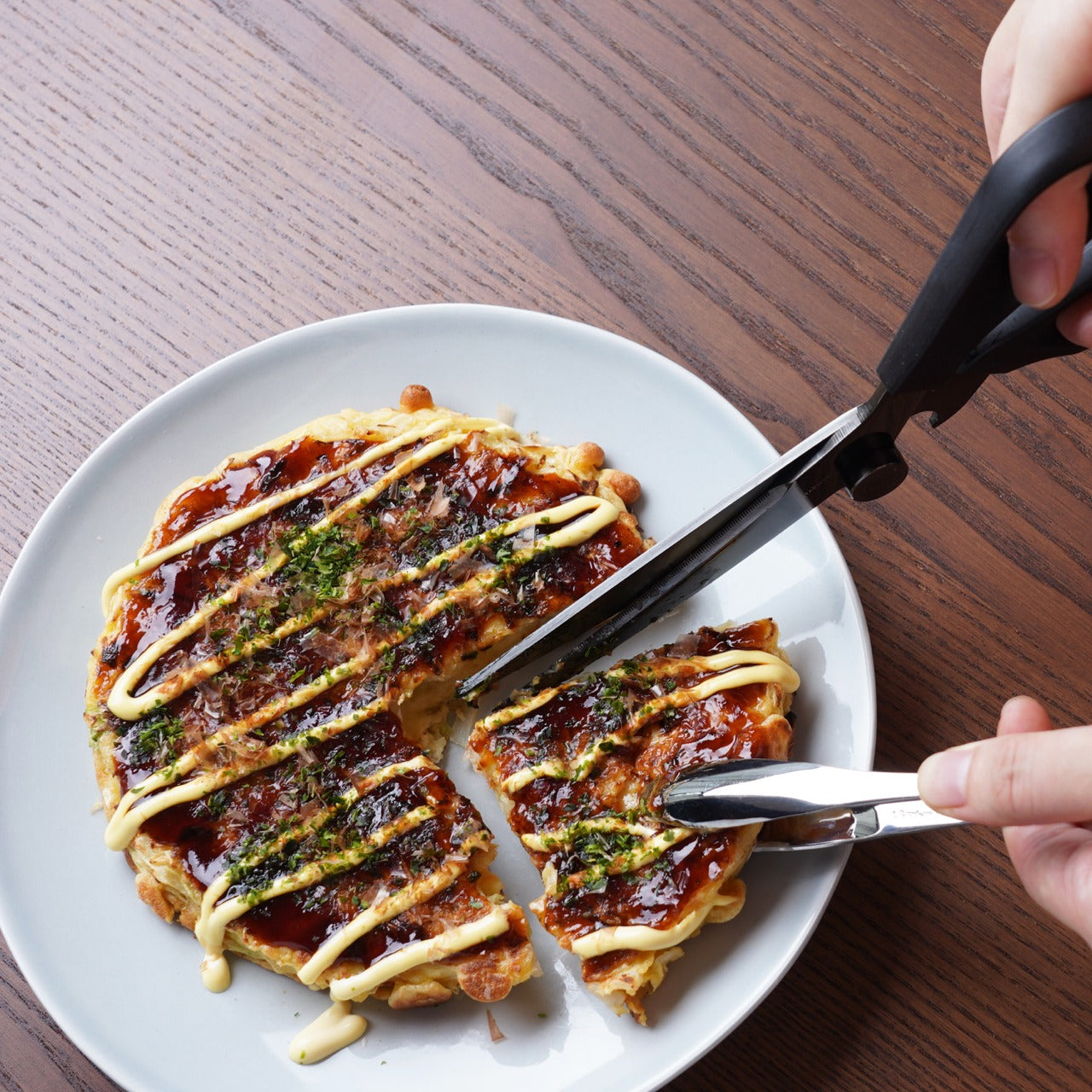
Cutting steak with scissors shouldn’t feel this controlled. The curved lower blade and serrated edge grip the meat instead of letting it slide away. Because the pivot sits lower than on conventional scissors, the blades travel a different path as they close, one that was tested specifically against Korean barbecue cutting. METAPHYS spent close to three years on this design, starting from a 2018 commission by the Gwangju Design Center and working through ten identified problems with existing kitchen scissors before landing on this shape.
At $95, these aren’t marketed as a one-task tool, and they don’t behave like one either. Herbs get snipped straight over a finished dish, vegetables get trimmed mid-cook, and an oversized pivot lets the scissors rest upright or on their side without the blade tips ever touching the surface below. The black finish comes from oxidation rather than paint, so it holds up over years instead of chipping away.
What we like:
- Lower pivot point changes the cutting motion entirely, making thick cuts easier to control
- Fully covered hinge keeps food debris from building up inside the mechanism
What we dislike:
- At $95, it’s priced closer to a specialty tool than an everyday pair of scissors
- Dishwasher safe, but the oxidized finish still asks for some care over time
7. TSUKI Moon Inspired Damascus Knife
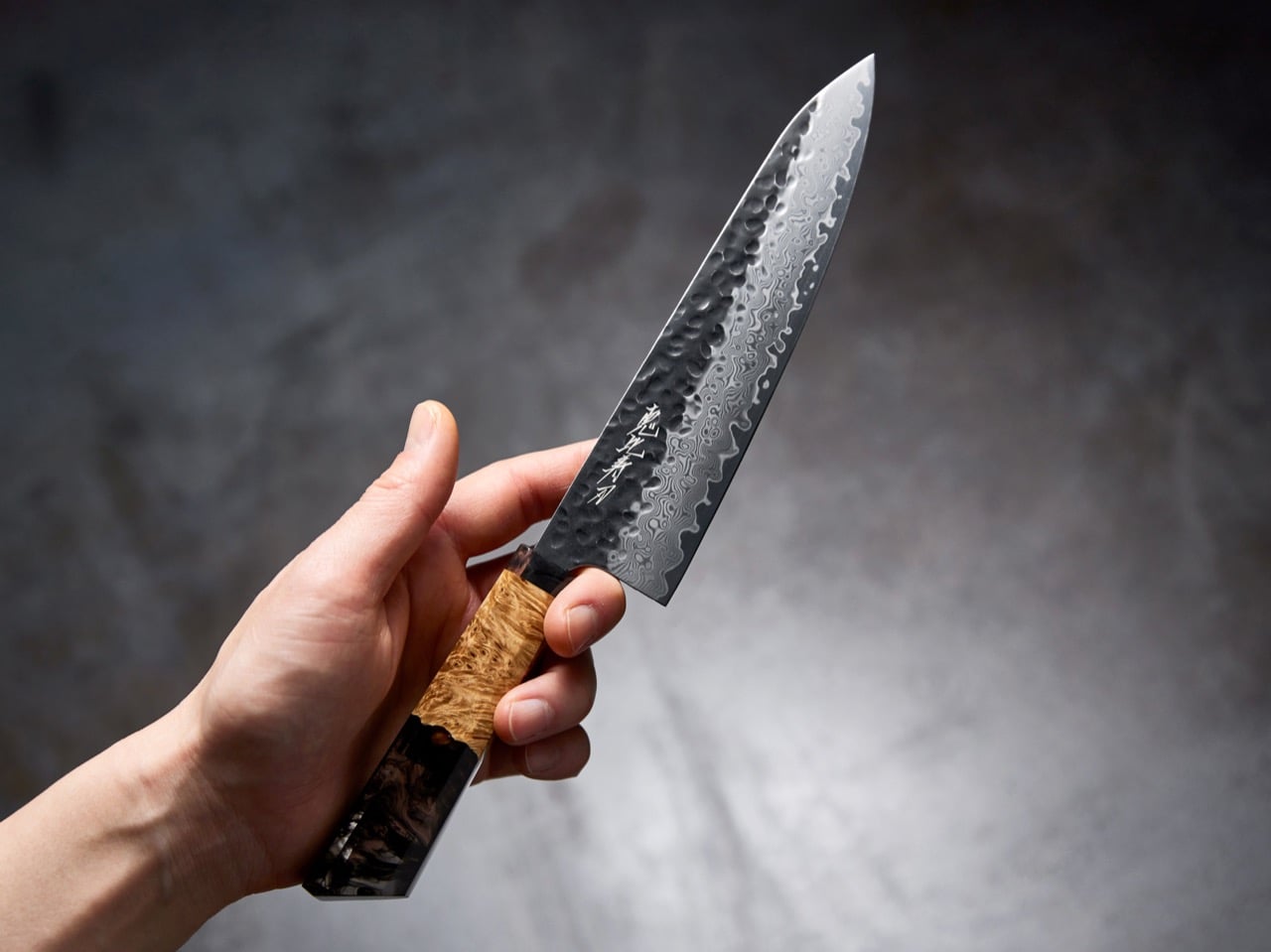

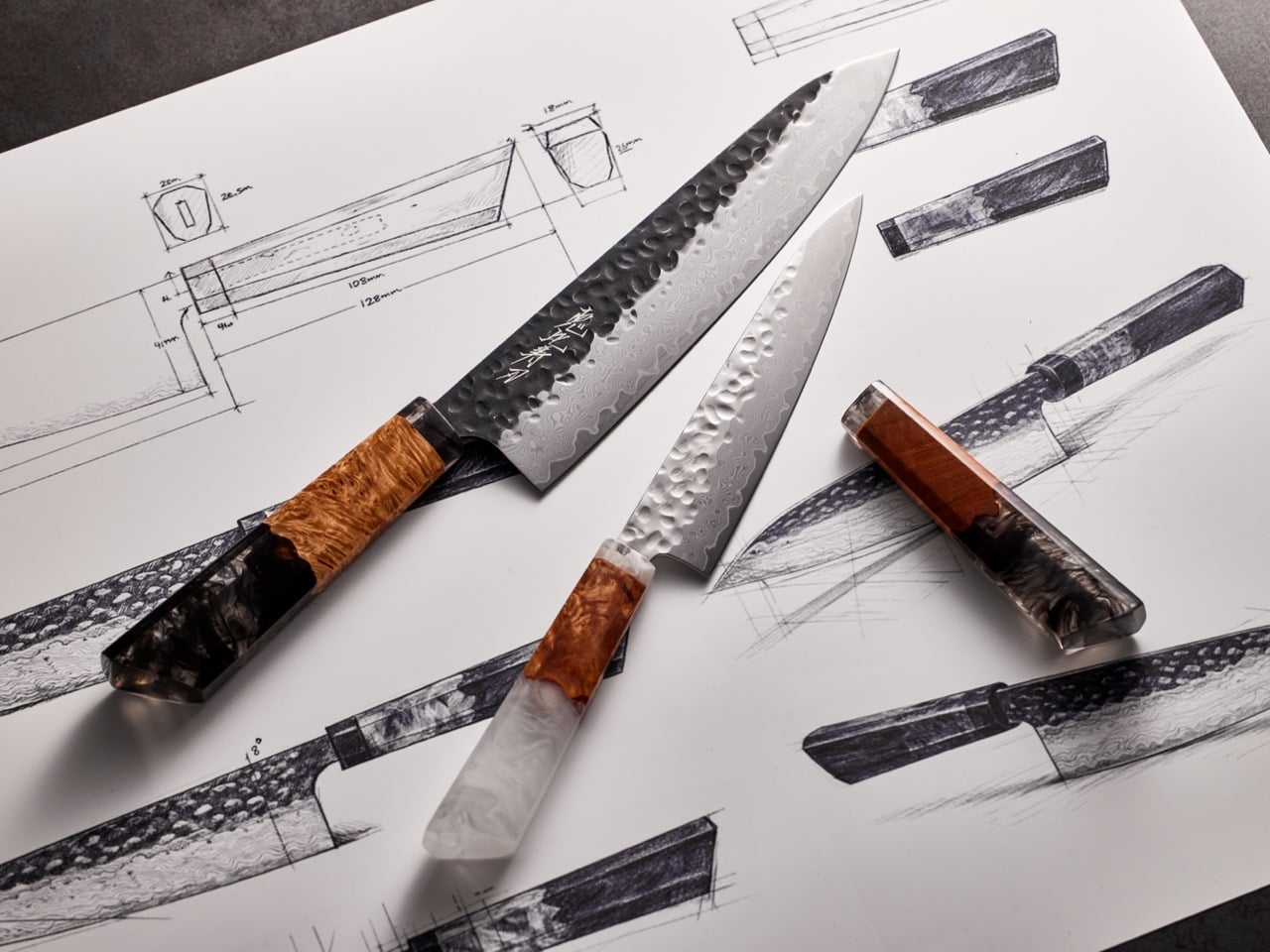
The blade on this knife tells two stories depending on where you look. Near the spine, a dark hammered finish gives way to a bright Damascus wave pattern closer to the cutting edge, built around VG-10 steel sourced from Fukui and wrapped in 67 layers of Damascus steel. The handle carries its own shift, moving from warm Sakura birch grain into a cloudy, translucent resin block that catches light differently depending on the angle.
Final sharpening happens in Sakai, Osaka, a city with roughly 600 years of history in Japanese blade making, and the knife ships in a paulownia wood box tied with a Mizuhiki plum knot, labeled with Echizen washi paper. It’s less a kitchen tool than a small object of craft, the kind of knife that gets set out on display between uses rather than tucked away in a drawer.
What we like:
- Combines five distinct regional Japanese crafts in a single object, from the steel to the presentation box
- The two-tone blade pattern is a genuine functional byproduct of the forging process, not a surface effect
What we dislike:
- A showpiece like this comes with a learning curve in care and maintenance that a standard knife doesn’t require
- Its presentation-heavy packaging adds to the price in a way that won’t matter to every buyer
The Quiet Thread Running Through All Seven
None of these seven pieces are trying to solve the same problem. A grater and a donabe have almost nothing in common on the surface, yet each one reflects the same underlying idea: that a tool used daily deserves a design history behind it. Some come from century-old kilns, others from design studios still iterating on a single shape years after the prototype began.
What makes this lineup work as a list isn’t novelty. It’s the sense that someone, somewhere, spent an unreasonable amount of time thinking about how a pair of scissors should pivot, or how a clay pot should hold heat. That attention doesn’t always announce itself, but it shows up every time you reach for the tool, and it does exactly what you needed, without you having to think about it at all.