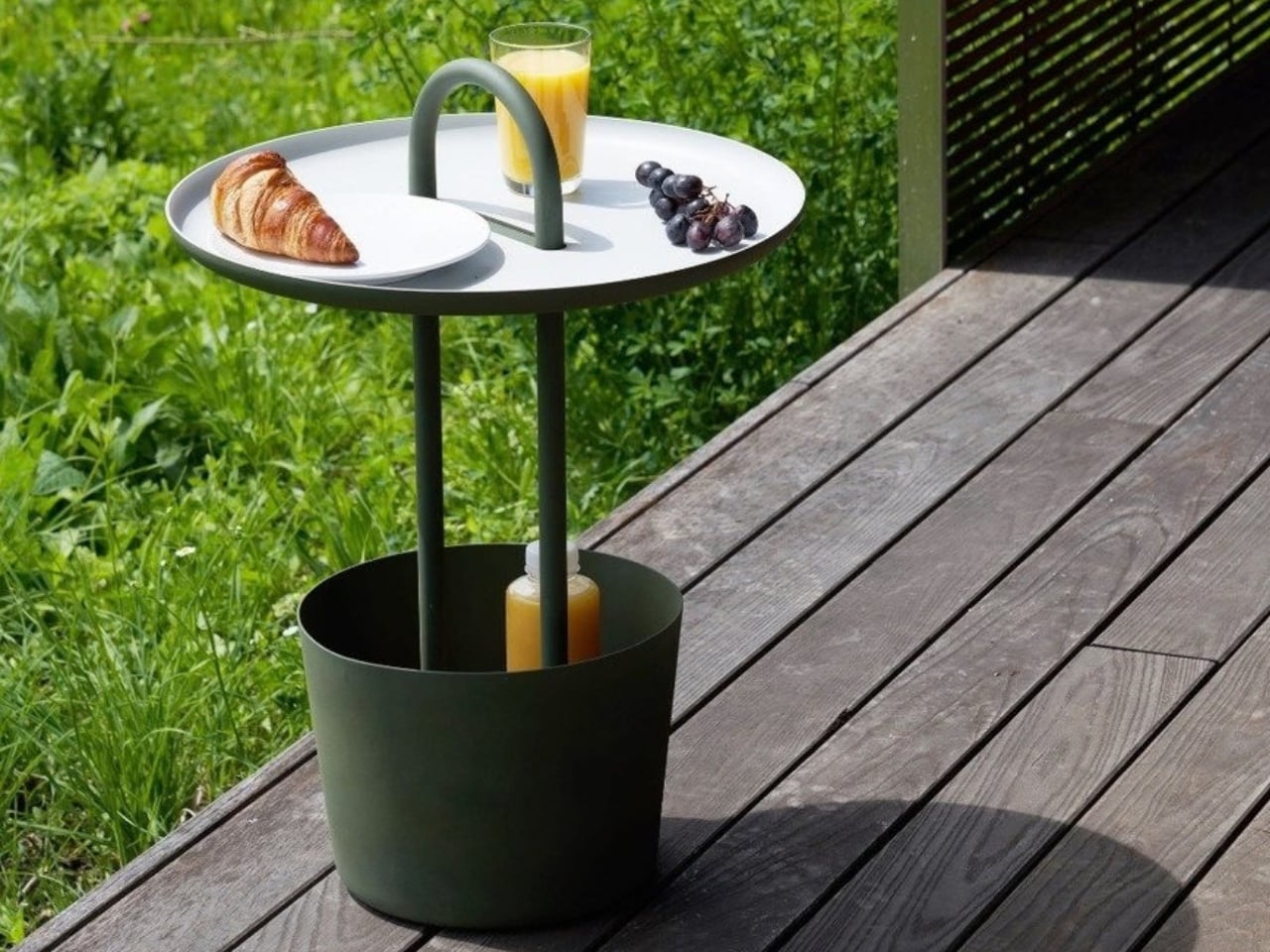

Furniture can be bad at keeping up with us. A side table works until you move to the couch; a desk setup feels permanent until the living room has to become somewhere to eat, read, or host friends. Handy, a mobile furniture design by Taiwanese industrial designer Hsinhung Chou, takes aim at that mismatch. Rather than asking a room to accommodate another fixed object, it suggests that the useful object should move with the person who needs it.
That’s a more compelling proposition than it might sound when the same few square feet have to do several jobs. You could keep a useful object beside a chair in the morning, shift it toward a workspace in the afternoon, and clear it out of the way before dinner. None of those moments calls for a room makeover. They call for furniture that can adapt without demanding a plan, a toolkit, or another purchase.
Designer: Hsinhung Chou
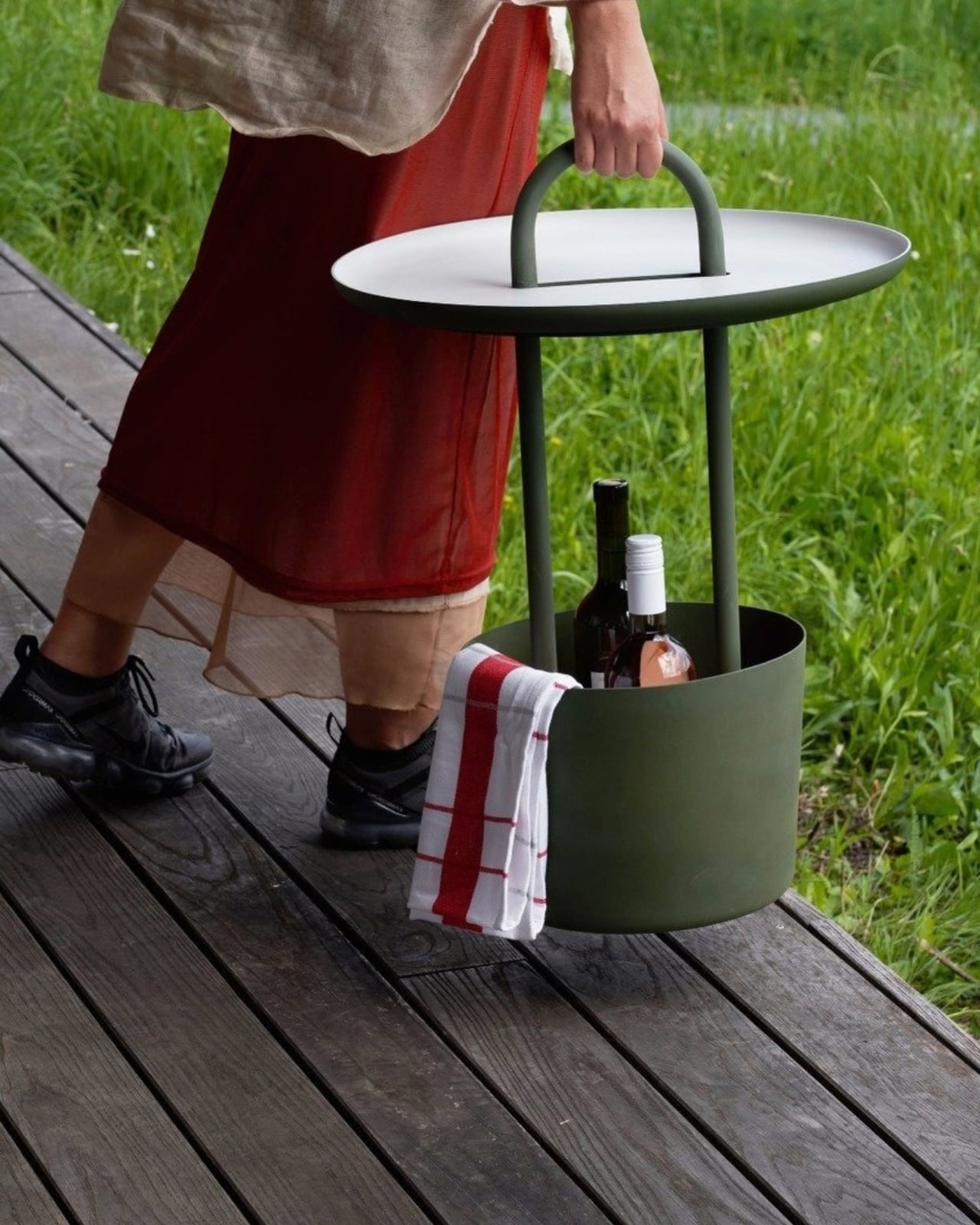

Chou’s approach interests me because mobility is often treated as an extra feature, the thing a designer adds after deciding what a piece of furniture is supposed to be. Handy puts movement closer to the center of the idea. Its appeal is not that it turns a home into a transformer. It is that it might remove one small friction point from an ordinary day.
Consider the pileup of objects around a couch: the water glass, the book, the charger, the headphones, the laptop you meant to put away. It’s easy to respond by buying another table or a bigger shelf. But the problem isn’t always a lack of furniture. Sometimes the furniture you already have is just in the wrong place when you need it. A piece that can travel with your routine makes that distinction feel obvious.
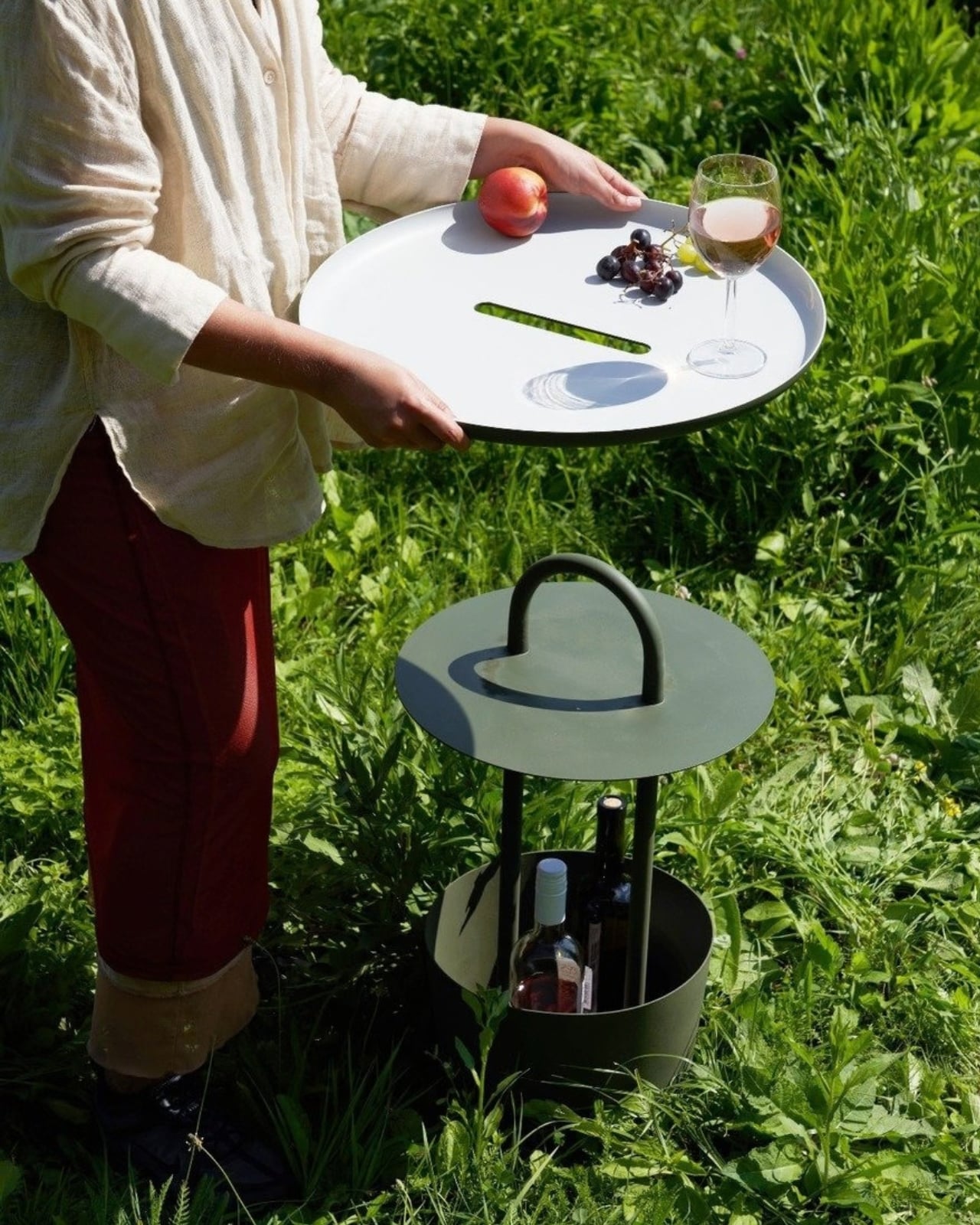
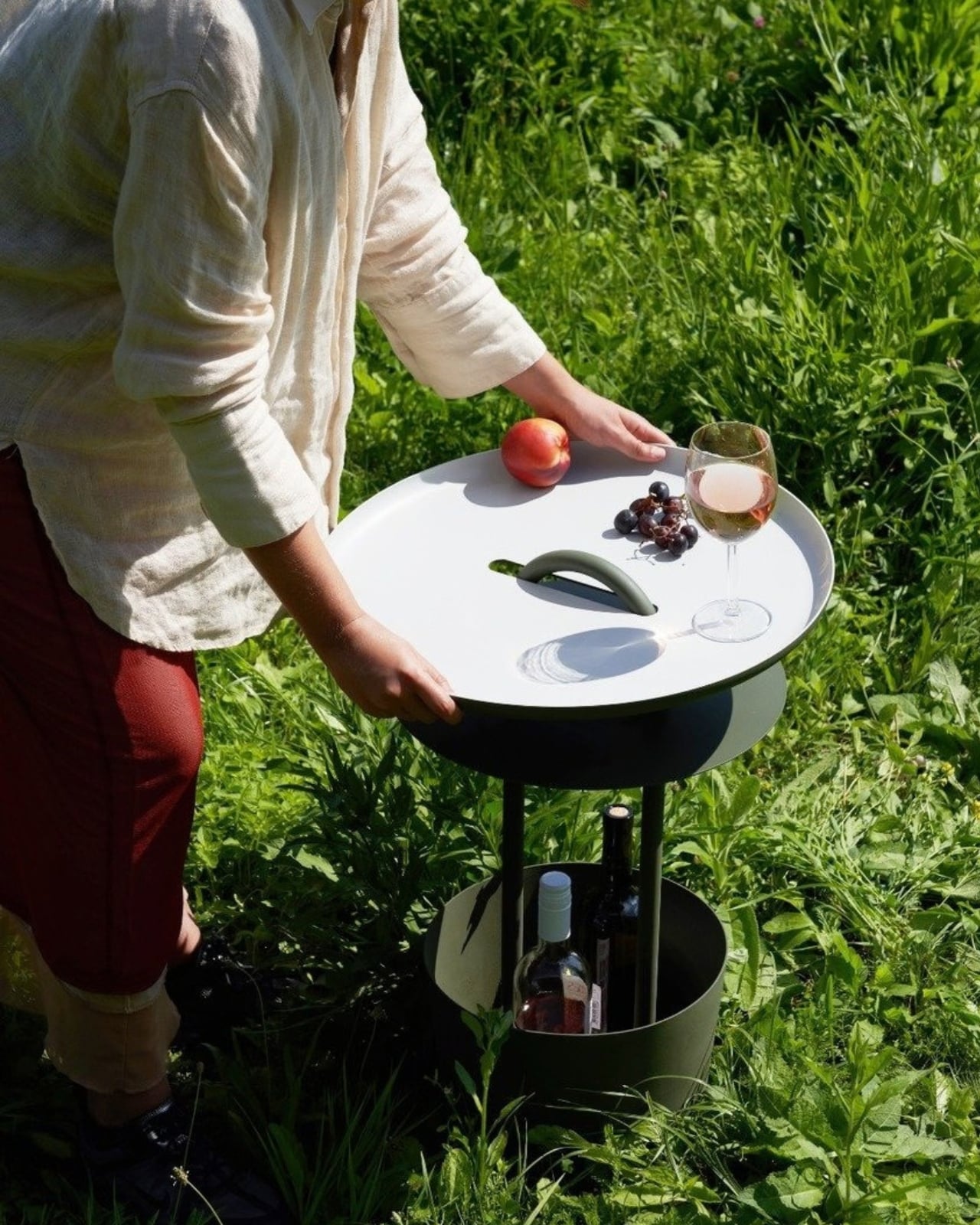
I like how modest the idea feels. Plenty of home products sell flexibility with a spectacle of folding parts, complicated mechanisms, or names that sound like software. Handy doesn’t need to promise a new way of living to make a case for itself. If the point is to be useful in more than one setting, its success will come from how naturally it slips between them. That is a harder standard than looking clever in a product photo.
Of course, movement alone doesn’t make furniture good. A mobile piece still needs to feel steady when you’re using it, easy to move when you’re not, and pleasant enough to leave in view. Those details decide whether flexibility becomes a daily convenience or just another feature you forget after a week. I’d want to know how Handy handles clutter and tight corners before calling it an answer to every small-space headache. That uncertainty doesn’t undercut the idea; it gives the idea a useful test.
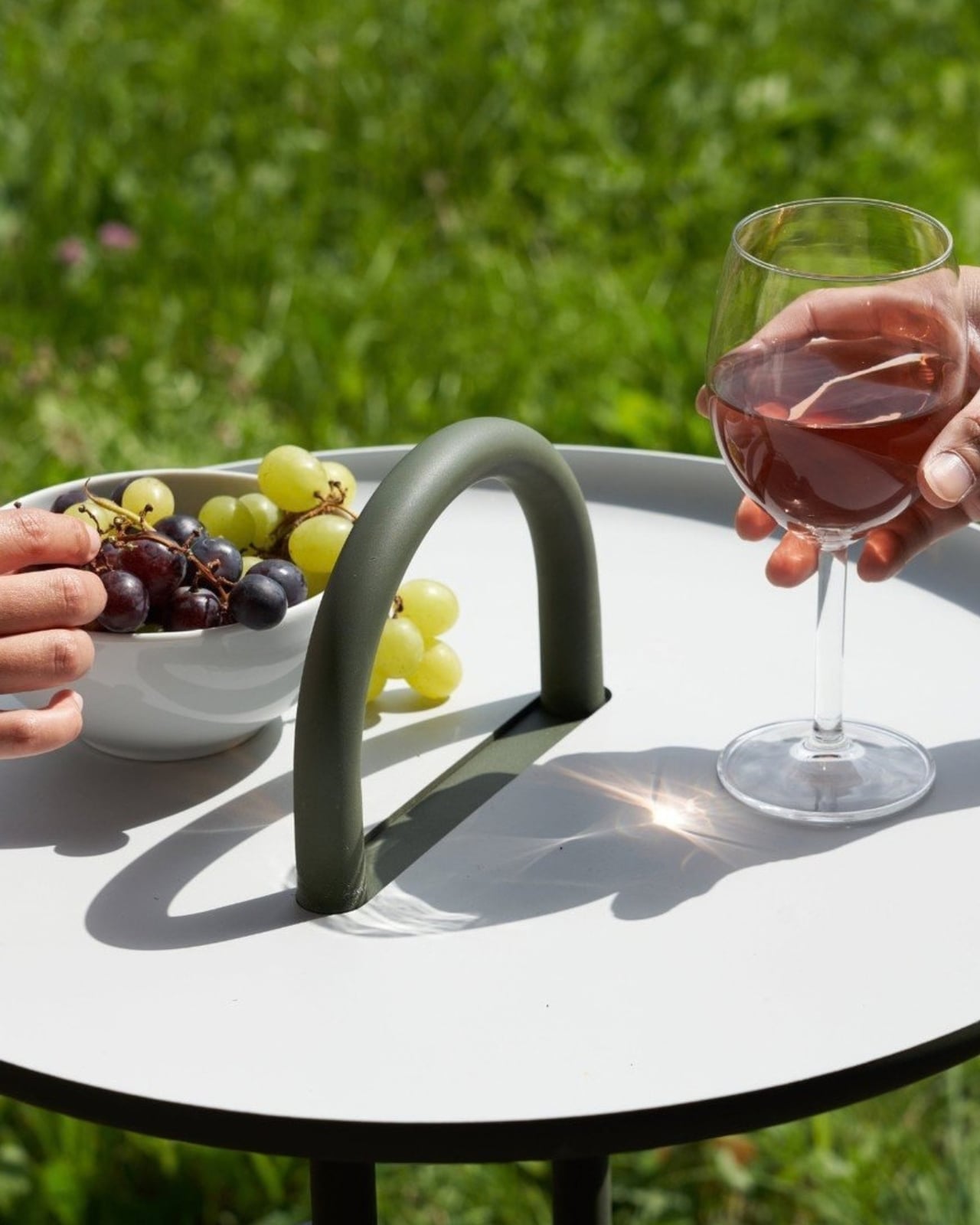
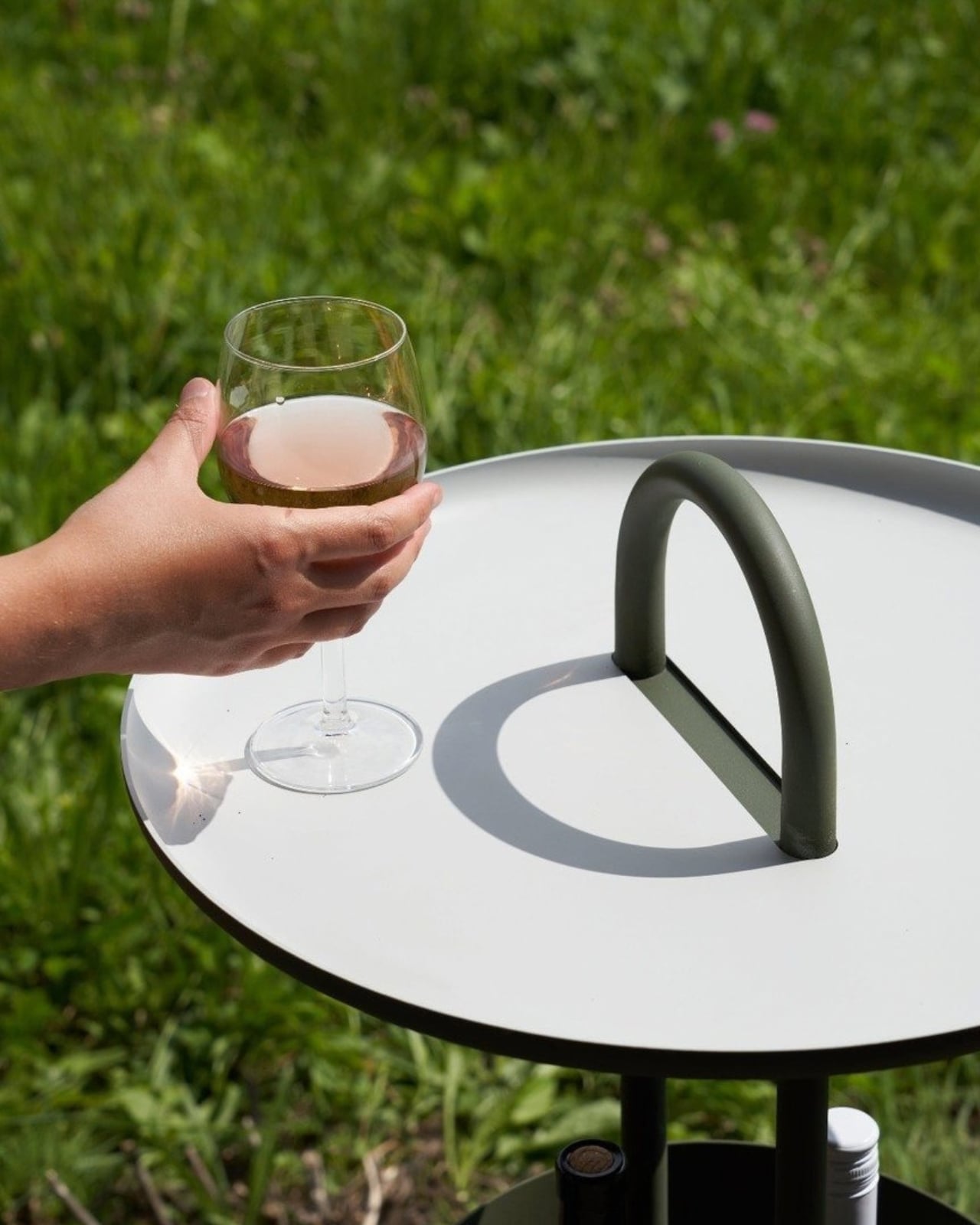
The broader appeal goes beyond square footage, too. A spacious home can be just as rigid as a small one if every corner has been assigned a single purpose. People change activities faster than they change rooms. We work where the light is better, take a call somewhere quieter, or pull a chair closer to a conversation. Furniture that acknowledges those habits feels more in tune with actual life than furniture arranged for a composed picture.
I appreciate the restraint of designing for everyday movement instead of digital connectivity. Handy doesn’t need to track a habit or sync with a phone to be interesting. A physical object might make a home easier to use without asking for attention in return. Design can improve a routine without turning the improvement into an event. The quietest solutions are often the ones we keep using.
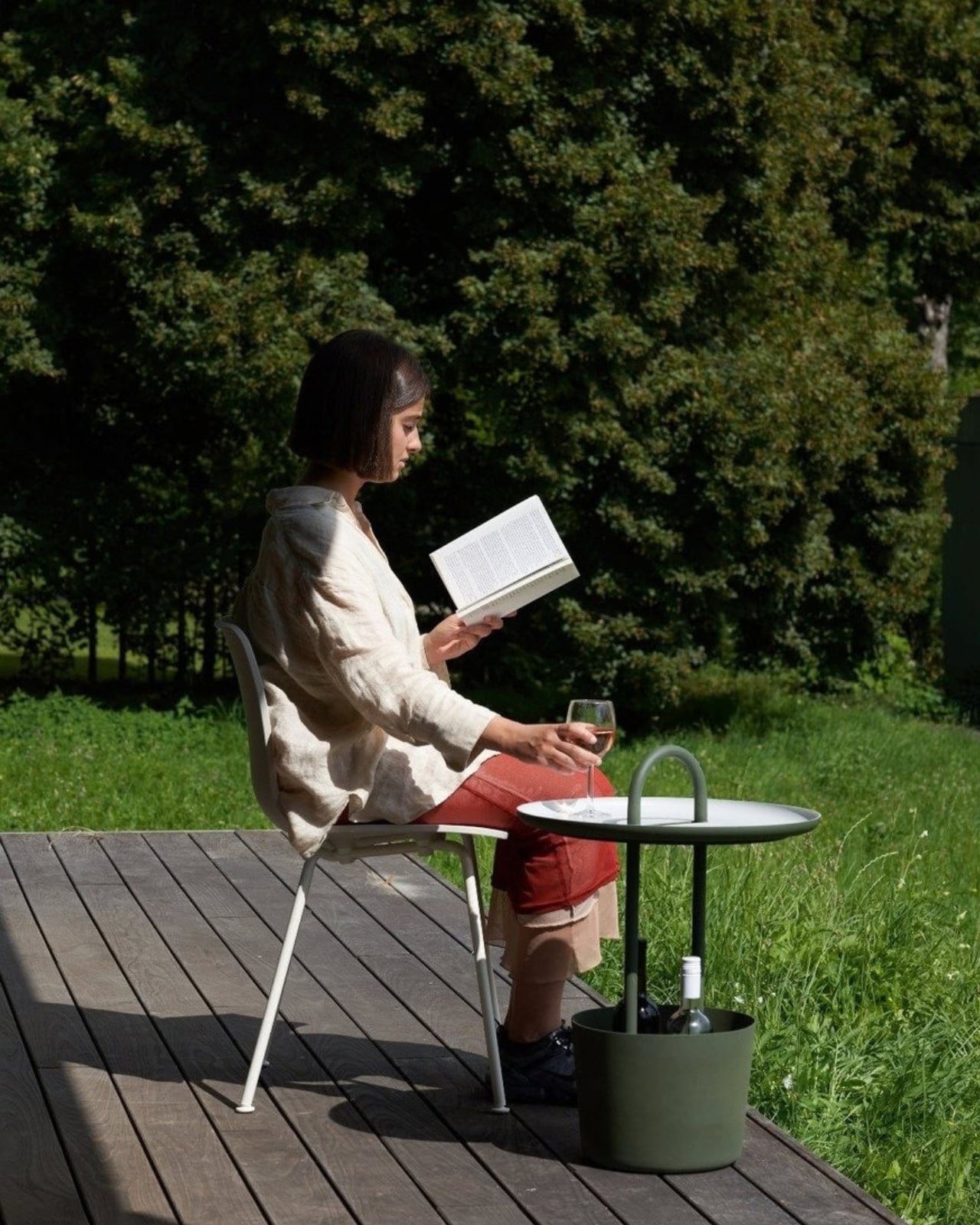
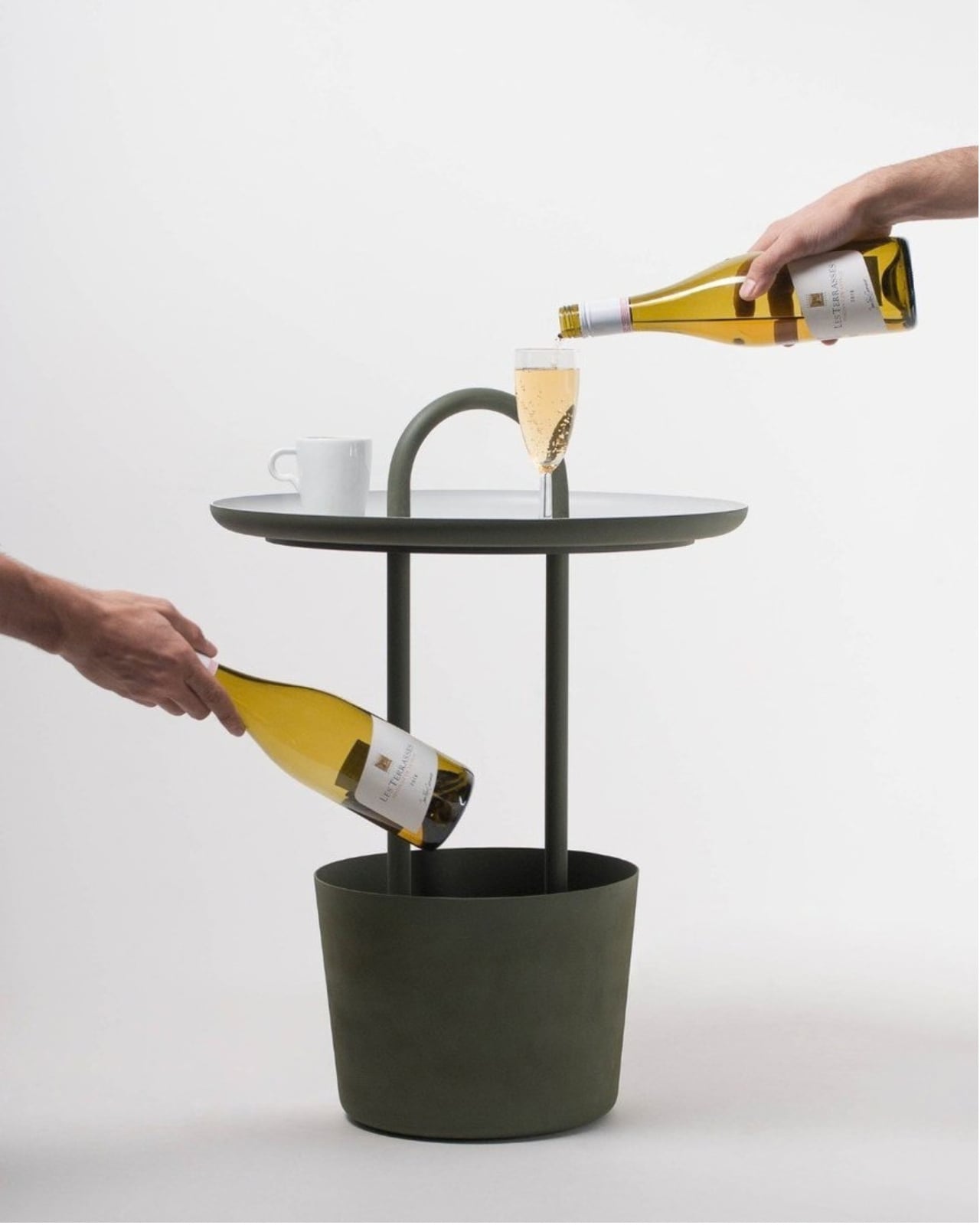
Handy won’t eliminate the need for tables, desks, or storage, and I wouldn’t want it to. What it offers is a gentler question to ask before adding another thing to a room: could the thing I need move with me instead? Chou’s design makes that possibility feel less like a compromise and more like common sense. For a home that has to change pace throughout the day, that could be its most valuable feature.