
Living smaller used to mean settling. A kitchen counter crowded with single-purpose appliances, a TV that washed out the moment daylight hit the window, lighting locked to one position and one mood for the entire evening. The compromise was baked directly into the product. What is different in 2026 is that the best hardware coming out this year was designed around constraint from the very start, not retrofitted for it.
This list covers seven picks across audio, display, lighting, workspace, and kitchen that earn their place in a room where every square foot has a job. The brief was simple: nothing that asks you to trade performance for size, nothing that treats small living as a budget category, and nothing designed to be swapped out in eighteen months. Everything here was built to stay, and to make the room better.
1. Portable CD Cover Player
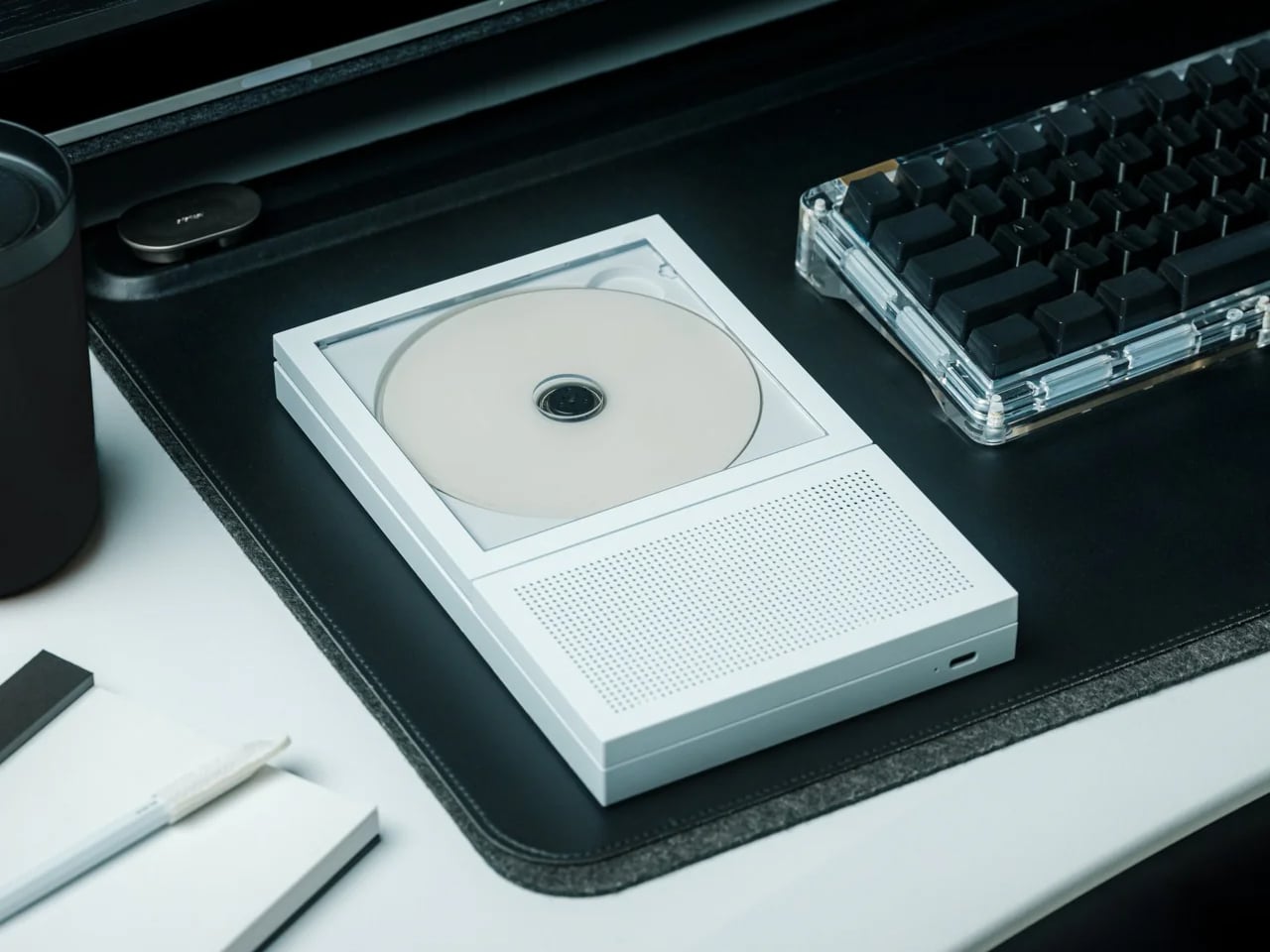

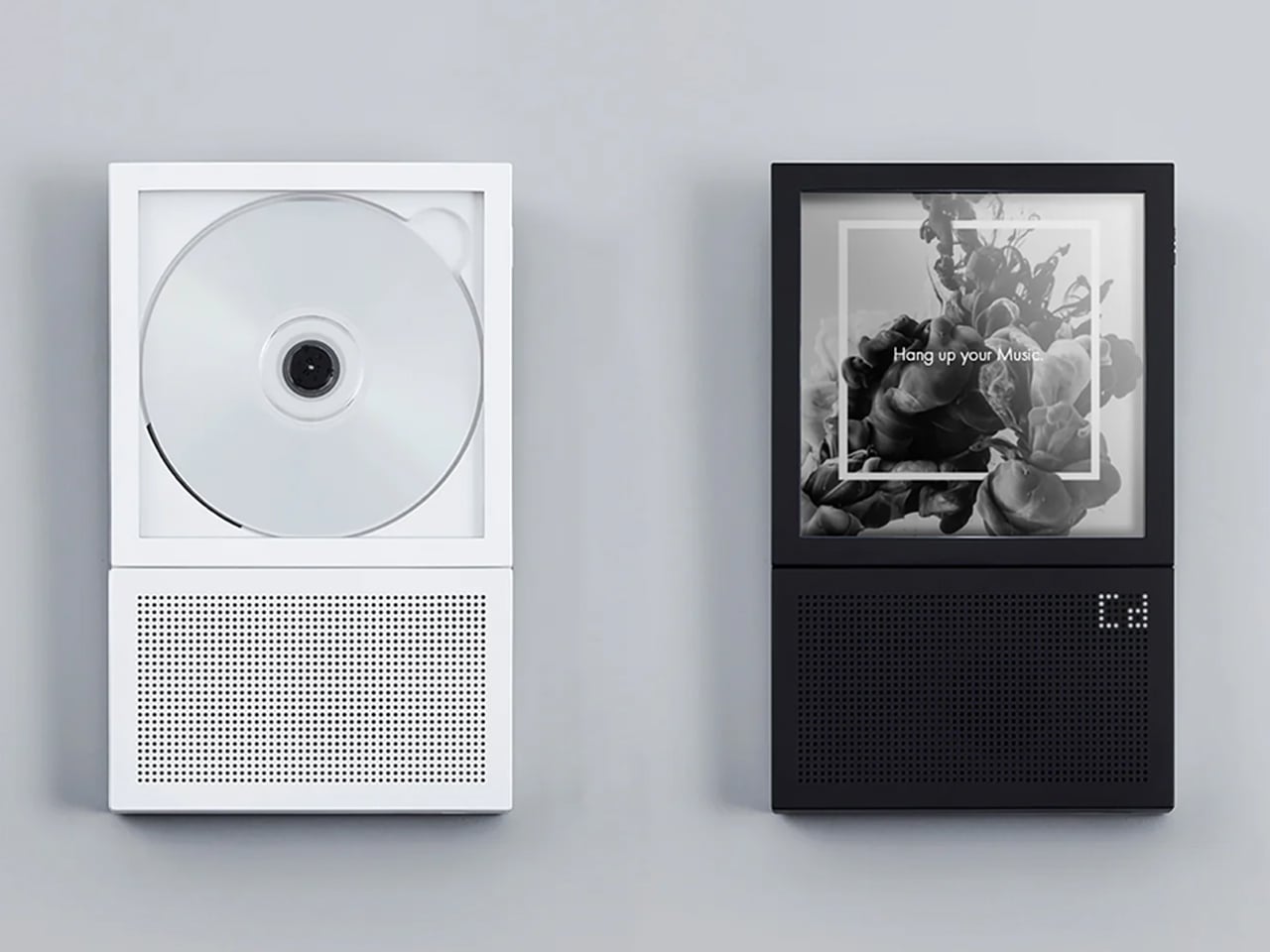
Most CD players treat the album artwork as an afterthought — something that falls out when you open the case and goes straight back in when you are done. The Portable CD Cover Player was designed around the opposite assumption. A built-in pocket slides the jacket into view while the disc plays, turning the listening session into a visual one. Wall-mounted or propped on a shelf, it functions as much as a display object as it does an audio device, which in a small room where every surface earns its keep is the difference between a gadget and a piece of the room.
Available from $199 in white or black, the player is sized to move between walls, shelves, and bags without the setup commitment that most audio hardware demands. The wall-mount option is the most compelling configuration for a tiny home — it pulls the player entirely off the counter, gives the album art a dedicated surface, and turns a music library into something closer to a rotating gallery. With only three units available, this is one of the few picks on this list where the scarcity is genuine rather than a marketing bracket.
Click Here to Buy Now: $199.00
What we like:
- The jacket pocket turns album art from packaging into part of the listening experience, which no streaming platform has come close to replicating
- Wall-mounting removes the player from every surface in the room while giving it a more prominent visual presence than it would have sitting on a desk
What we dislike:
- The jacket display pocket only works with standard album sleeve dimensions — any CD in a digipak, slim case, or non-standard packaging loses the visual feature that justifies the purchase
- The wall-mount configuration is the strongest version of this product, but anyone without a suitable wall surface is left with a desk player at a wall-mount price
2. Hisense U7SG
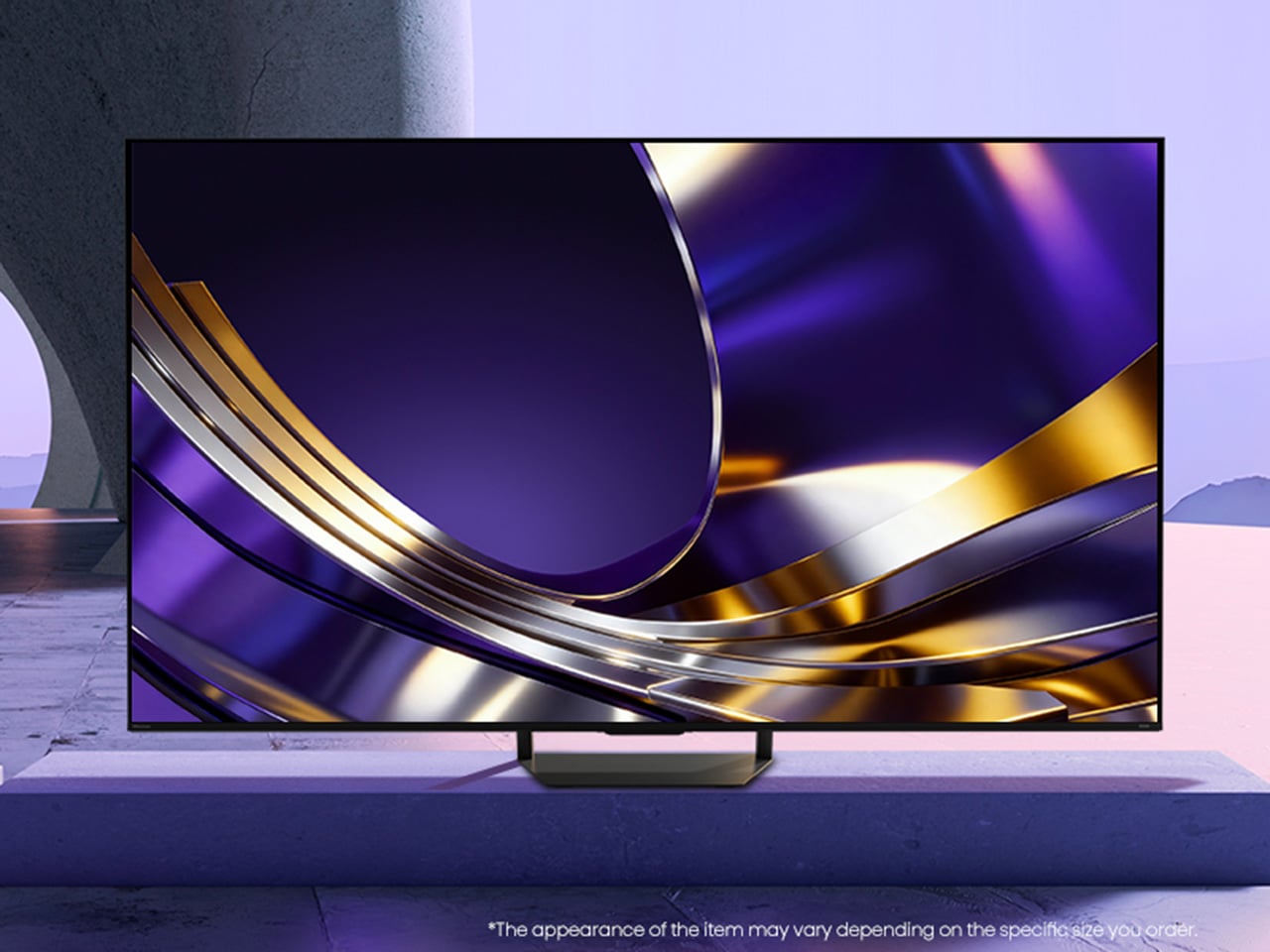
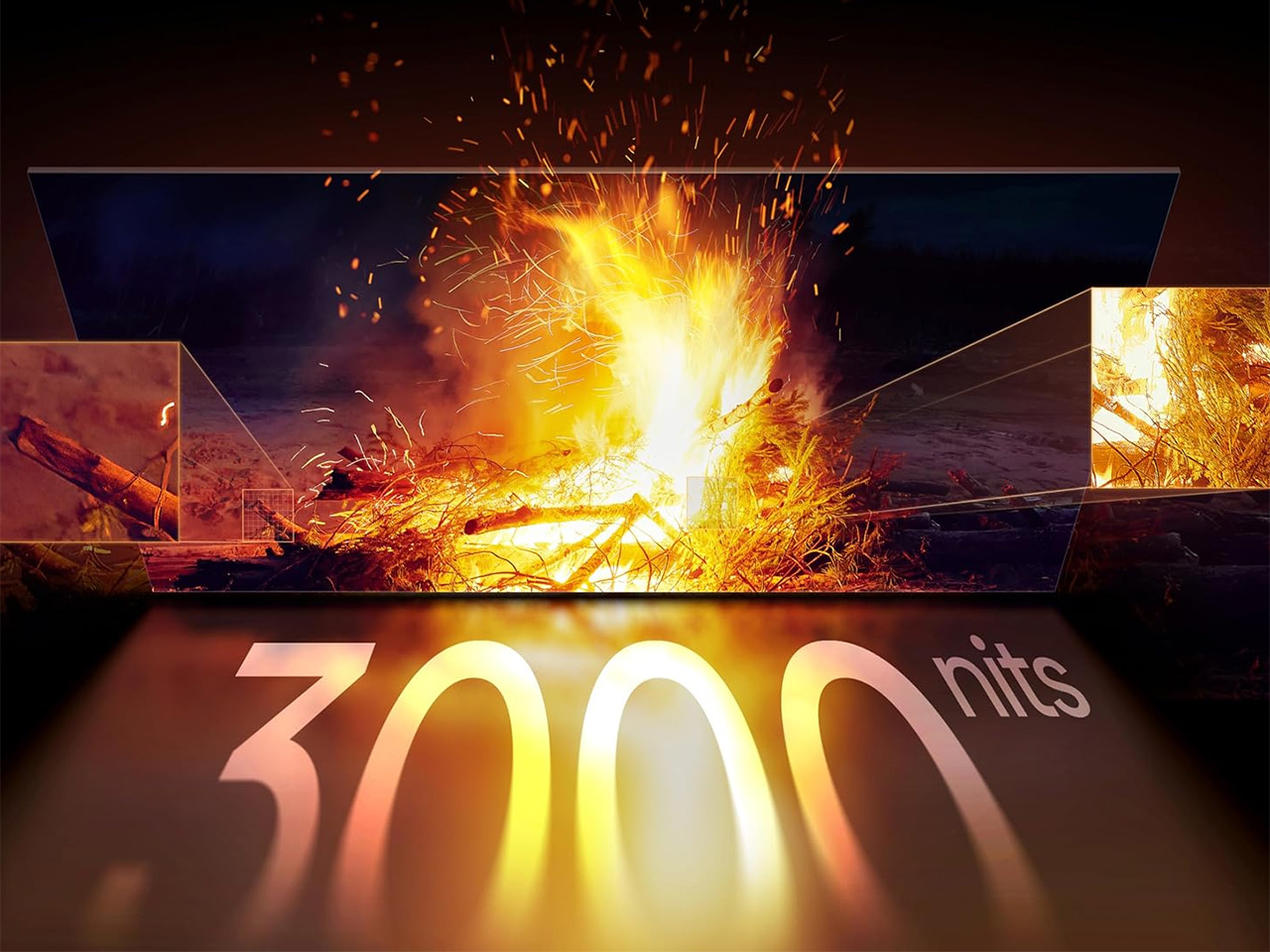
Tiny homes rarely come with blackout blinds or dedicated media rooms. They come with one wall, afternoon sun, and a window that becomes a light source the moment any dark scene plays on screen. Most TVs were calibrated for showrooms and fall apart when real light enters the equation. The U7SG was built specifically for rooms that stay lit, with a dual-layer anti-reflection coating that cuts window glare without the black-level washout older matte treatments were known for.
MiniLED Pro with Full Array Local Dimming handles contrast at both ends, keeping bright scenes vivid and dark scenes detailed rather than averaging everything toward something flat and gray. A native 165Hz refresh rate covers gaming and live sports cleanly, and motion processing handles fast camera movements without smearing. Currently at $690, down from $1,280, the U7SG reaches a price point where the performance case becomes difficult to argue with when one screen has to do everything in a single-room home.
What we like:
- The dual-layer anti-reflection coating was designed for rooms with open windows and afternoon light, not rooms with the blinds permanently drawn to make a showroom demo look good
- 165Hz with Full Array Local Dimming handles cinematic content and gaming without requiring dedicated mode tradeoffs that compromise one viewing experience for the other
What we dislike:
- The 55-inch entry size can overpower the primary wall in very compact studio layouts depending on how the furniture is arranged around it
- At $690, it is the premium display pick on this list and only justifies itself if you are committing to one screen as the sole display in the space
3. Der Vorstand Wall Cabinet


A dedicated workspace is usually the first thing a tiny home gives up. The workaround is a laptop at the kitchen table and a pile of cables that never quite finds a home. Der Vorstand refuses that arrangement. It mounts slim against the wall, reads as clean storage when closed, and opens into a fully equipped workspace complete with integrated bookshelves, task lighting, and built-in cable management. The transition between the two states takes seconds, not the reluctant rearranging that most convertible furniture demands.
The back wall rolls out on smooth wheels to reveal a fold-out desk that creates a closed, cabin-like atmosphere while you work. This is not furniture trying to disappear. The matte black finish and considered form are deliberate, holding up in a small space where every visible surface contributes to how the room reads. When the workday ends, the cabinet closes, and the room stops looking like a home office entirely. That is the upgrade.
What we like:
- A complete workspace, including task lighting and cable management, folds behind a single slim cabinet door, leaving no visible trace of the office when the day is done
- The rolling mechanism creates a genuinely enclosed working atmosphere without requiring a separate room, a partition, or any permanent installation beyond the wall mount itself
What we dislike:
- The matte black finish is a strong aesthetic commitment that can feel out of place in warmer, wood-heavy interiors without deliberate styling around it
- The original 2021 design means availability is inconsistent, and sourcing may require patience depending on your region
4. Monir Lamp
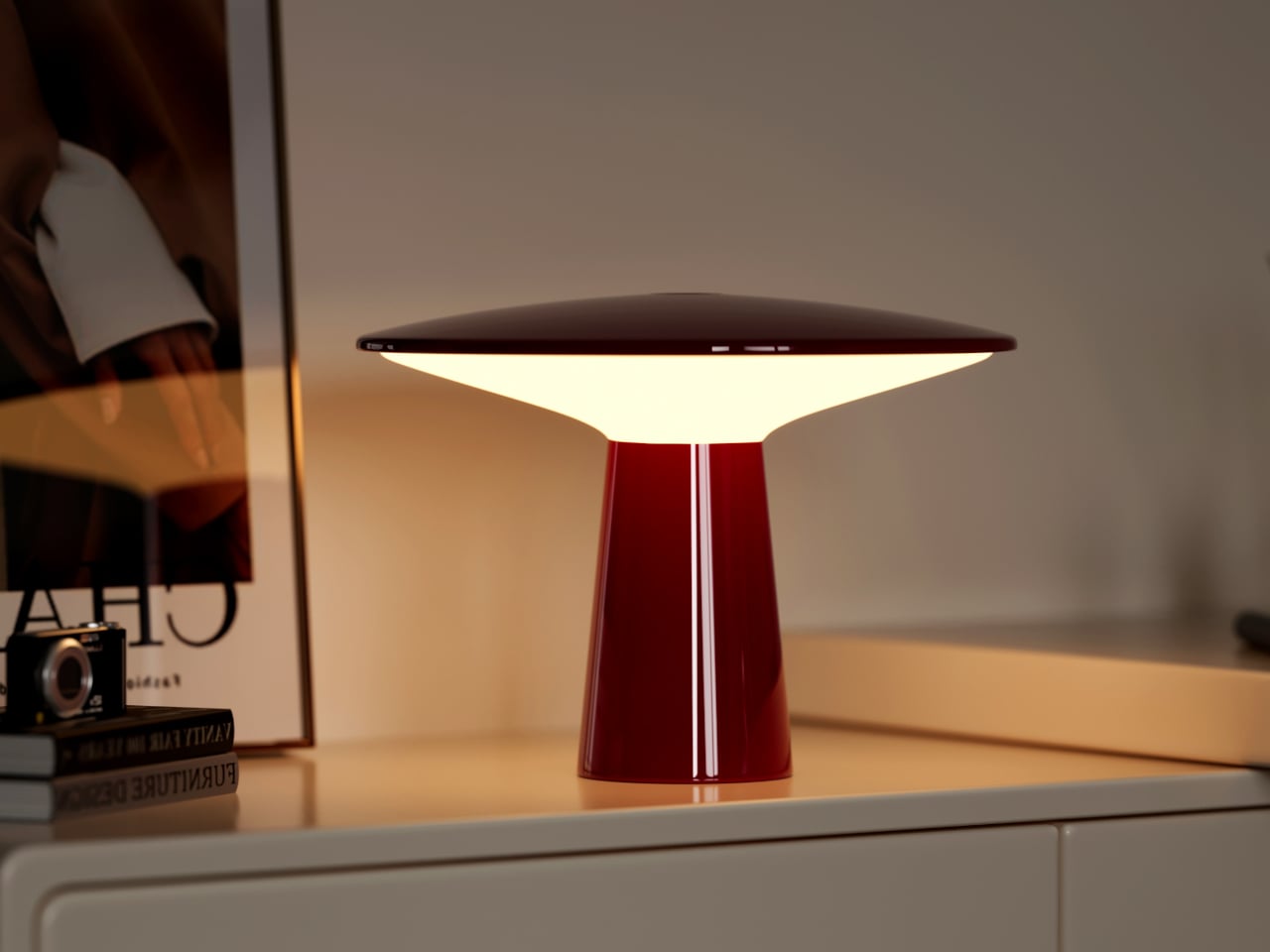
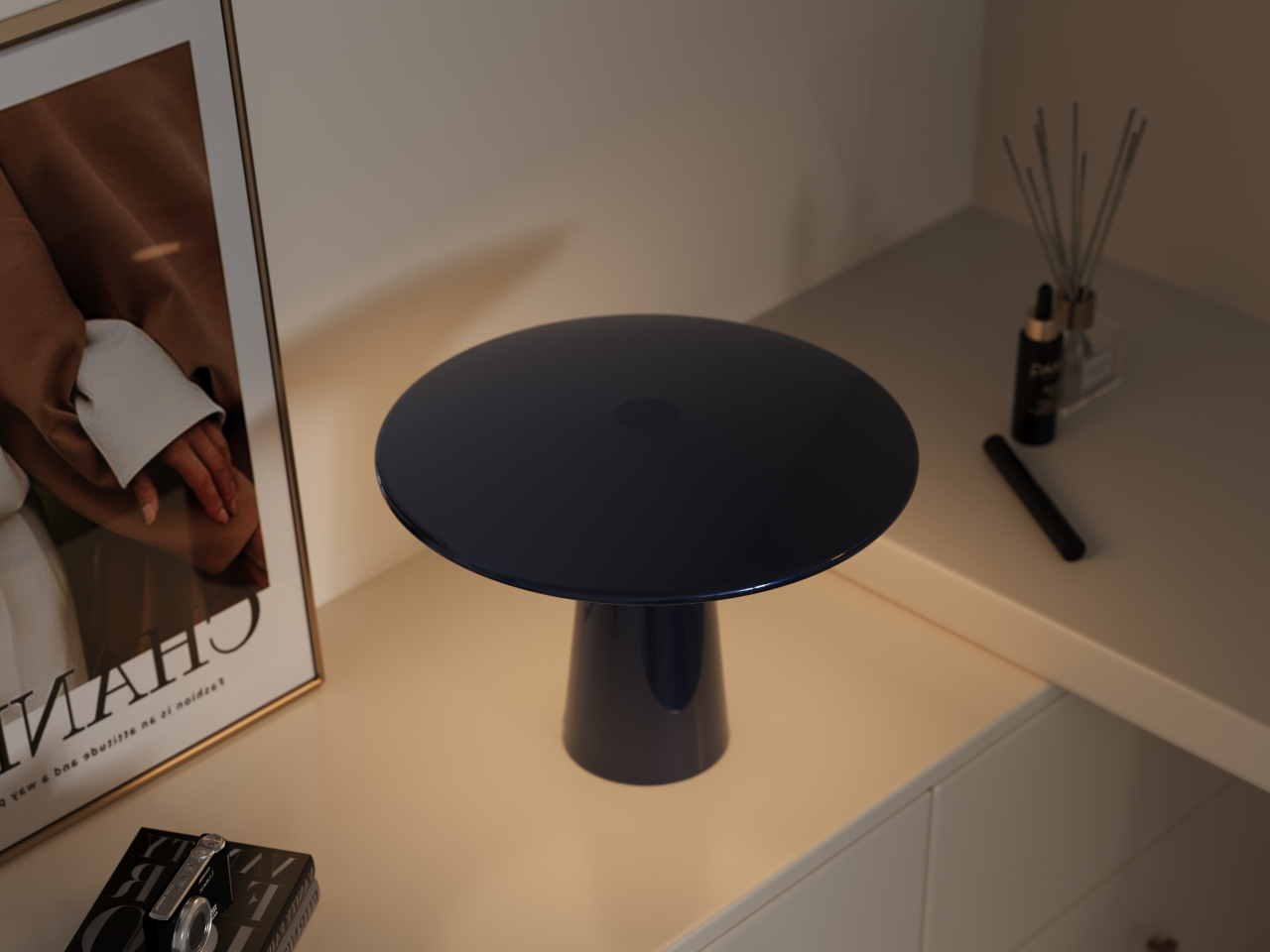
Most cordless lamps solve the cord problem while creating a new one: an app to download, a remote to lose, a spectrum to configure before the light actually does anything. Monir ignores all of that. A tap switches it on. Rotating the upper section moves through three brightness levels. That is the entire interaction. The 29cm lamp is built from 100% recycled aluminum, with a dark grounded base and a translucent dome above that scatters the LED ring’s output in a diffused, directional glow that reads as considered rather than functional.
The form follows the concept without apology. The base stands in for the weight of the earth, the dome mimics the way moonlight diffuses between sky and ground, and nothing in the design is decorative for its own sake. On a desk, it softens the contrast between a bright screen and a dark room. Moved to a side table at the end of the day, it changes the atmosphere of the space entirely. For a one-room home where the same lamp covers every hour, that range is the whole argument.
What we like:
- No app, no remote, and nothing to configure means the lamp does its job the moment you pick it up and place it, without adding friction to a space already optimized against it
- 100% recycled aluminum gives the material story a quiet integrity that most cordless lamps at this size and price point cannot match
What we dislike:
- Three brightness levels cover most situations but rule out the fine-grained dimming control that a long reading session or late-night wind-down sometimes calls for
- The moon-inspired form is distinctive enough that it will not sit neutrally in every interior — it has a point of view, and the room needs to be ready for it
5. Nanlong Cooker

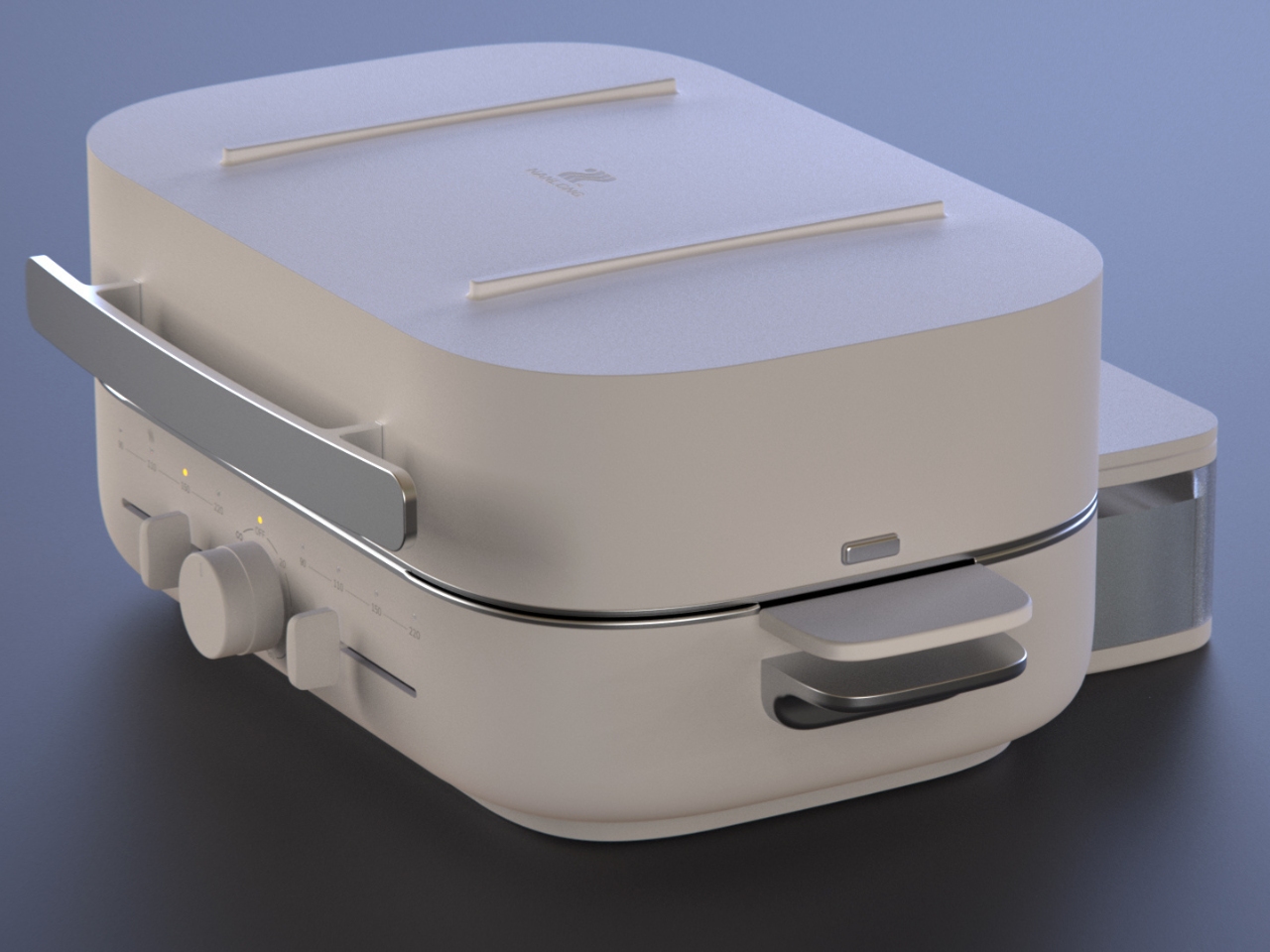
The countertop in a tiny kitchen has one job: earn its space several times over. Vuk Dragović’s concept for Nanlong approaches that problem by collapsing four appliances into one. The unit grills, steams, bakes, and hosts hot-pot dinners through an intuitive control panel, with interchangeable accessories that snap in and out quickly. A matte black exterior with metallic accents hides fingerprints and reads as a deliberate kitchen object rather than an appliance waiting to be hidden in a cabinet.
The concept standardizes components across all four cooking functions, reducing the number of unique parts and simplifying the setup and cleanup routines that make multifunctional appliances feel like more trouble than they are worth. A weeknight dinner might move from steaming vegetables to searing protein to finishing a baked side without switching devices or moving between surfaces. For a kitchen where counter space is the primary constraint, the Nanlong asks a simple question: why are you still running four appliances when one would do?
What we like:
- Four cooking functions in a single countertop footprint directly solves the most common constraint in a tiny home kitchen without asking you to give up a cooking method
- Standardized components across all four functions keep the setup and cleanup straightforward rather than adding the friction that usually comes with appliances that do too many things
What we dislike:
- Concept status means no confirmed price, no release date, and no guarantee it moves from render to retail in the near term
- The matte black finish reads well in contemporary interiors but may feel limiting in kitchens that lean toward warmer, more natural material palettes
6. Divoom FlowToo
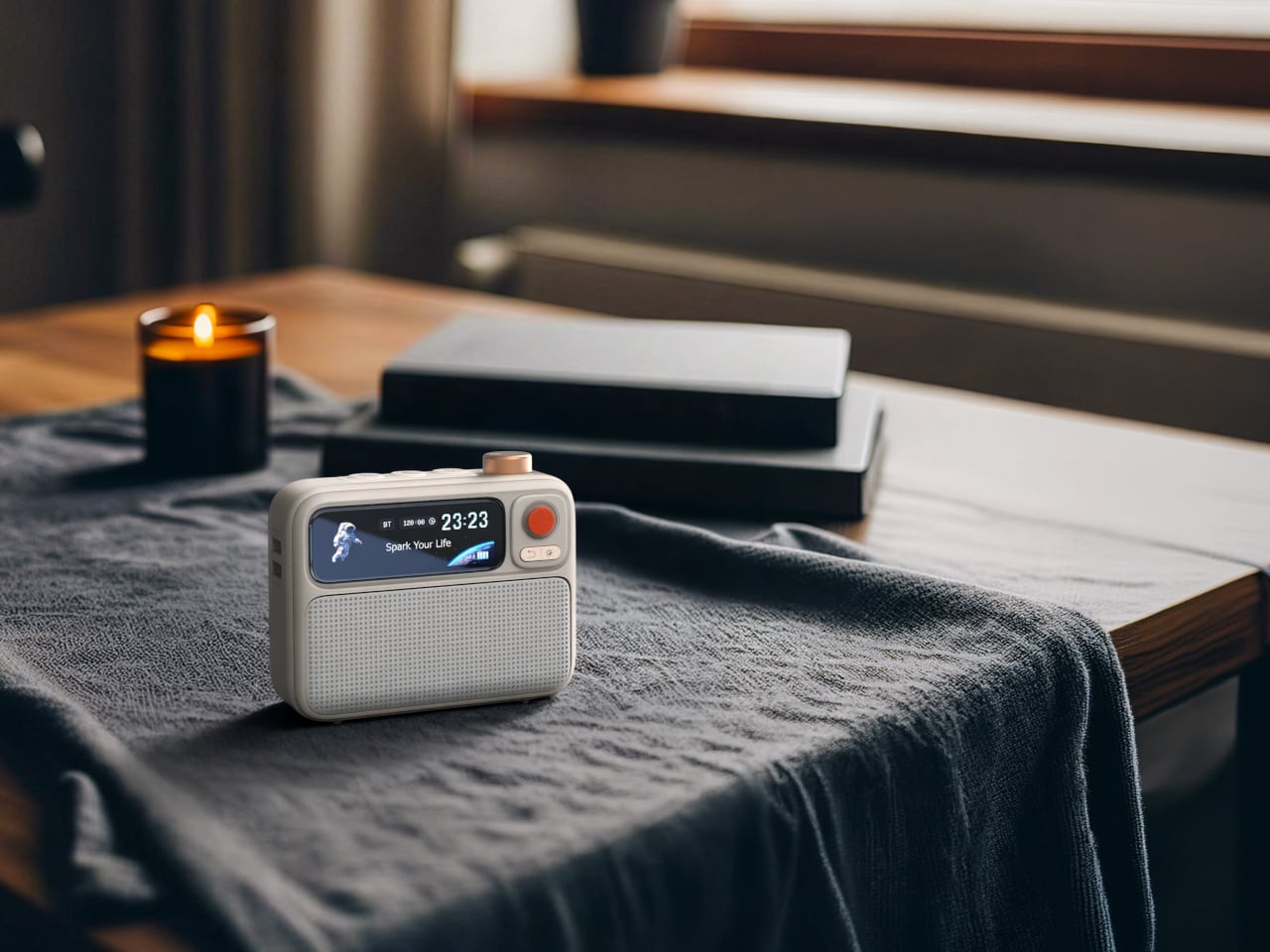
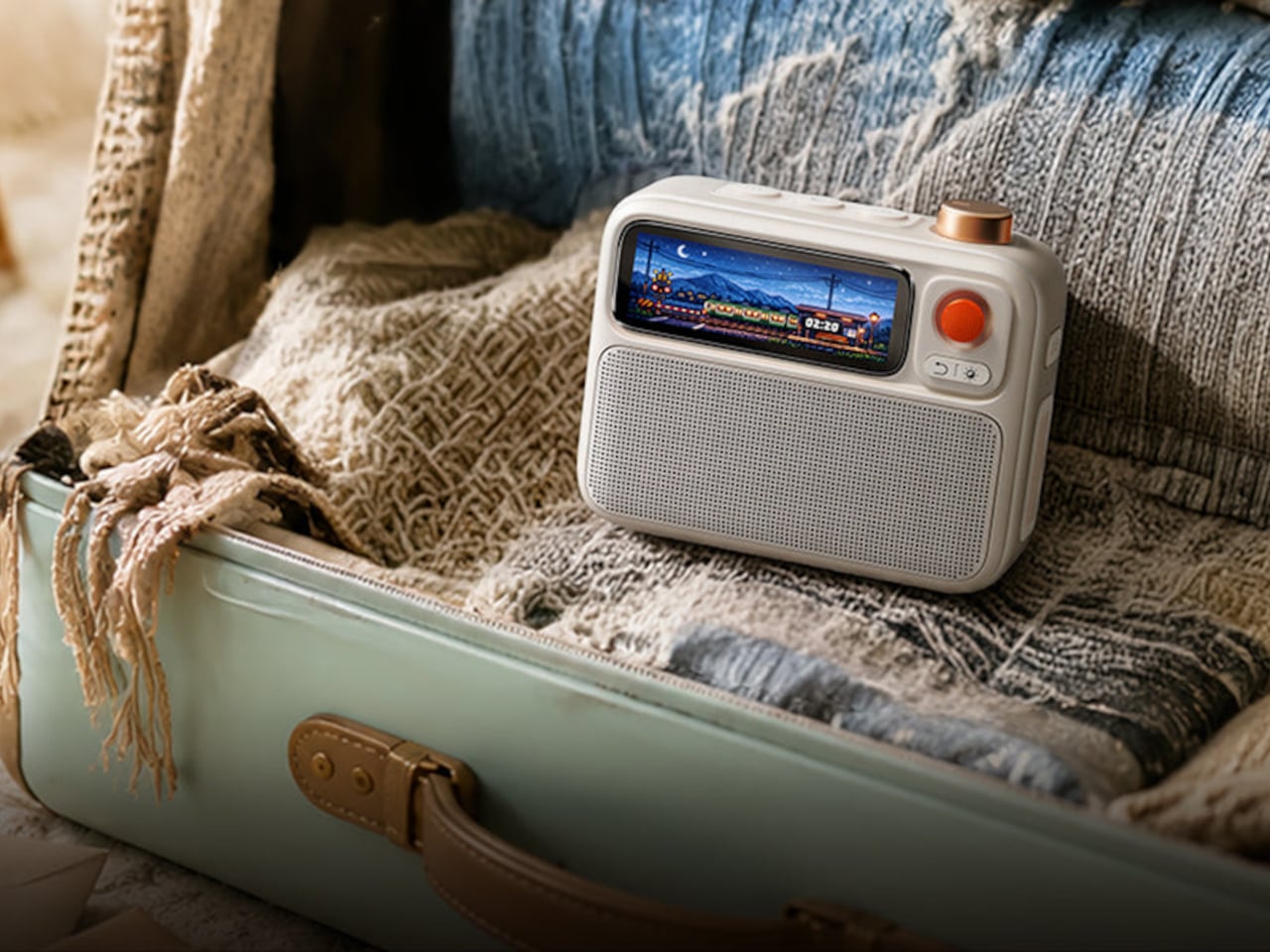
The nightstand in a small bedroom is one of the most contested surfaces in the home. A phone charger, a speaker, a lamp, and something to read all compete for the same twelve square inches, and the result is a surface that functions more like a staging area than a considered part of the room. The FlowToo consolidates three of those devices into one $99 object, which is the kind of math that actually changes how a small room feels at the end of the day. Fewer objects on a surface make the surface feel larger.
What Divoom understood with the FlowToo is that the nightstand problem is not really a charging problem. It is a density problem. Bringing three functions into a single physical footprint is the same design thinking that makes the best tiny home furniture worth paying attention to, and at $99 it removes the price barrier that keeps small-space upgrades sitting in the aspirational column rather than the actionable one. The nightstand is where the day ends. It should be a place worth arriving at.
What we like:
- Consolidating three nightstand devices into one $99 object directly reduces surface density in the room where it tends to accumulate fastest and matter most
- The price point removes the barrier that keeps most small-space upgrades theoretical rather than something you actually order this week
What we dislike:
- Worth verifying it handles your specific device combination before purchasing, as three-in-one consolidation products vary widely in which three they actually address well
- At $99, it sits in a category crowded with multifunctional gadgets that overpromise, and the specific execution will determine whether this one earns the nightstand long-term
7. Hisense E7SF


There used to be two ways to buy a TV for a first apartment or a small home. Go cheap and accept a picture that degraded the moment a game started, or spend enough that the purchase felt like a financial event worth delaying. The E7SF was built to collapse that choice. A native 144Hz MiniLED panel with Hi-QLED color and up to 260 local dimming zones delivers picture quality that, until recently, sat two price brackets higher. The 50-inch model has already been spotted under $400.
Fire TV and Alexa+ are built directly into the panel, removing the need for a streaming stick and one more remote from the setup. Six size options run from 50 inches up to 100, which means the same TV scales from a studio apartment to a converted warehouse depending on how much space you are working with. MiniLED backlighting manages light across the screen with tighter precision than a standard LED array, producing deeper blacks and more vivid highlights at a price that no longer asks you to wait.
What we like:
- Built-in Fire TV removes the streaming stick, the extra remote, and the HDMI port it would have occupied, keeping the setup as clean as the space it lives in
What we dislike:
- 260 local dimming zones is the ceiling figure across the range and not consistent across all six size options, so it is worth checking the spec for the specific size before buying
- The larger configurations scale the price quickly and move well out of budget territory by the time you reach the upper end of the size range
Small Rooms, Smarter Decisions
What connects these seven picks is that none treat a small space as a reason to accept less. The U7SG and E7SF solve the problem of real rooms with real light. Der Vorstand makes the workspace vanish on command. Each was designed for how people actually live, not how a showroom wants to present it.
The October 2026 market is producing hardware that understands constraint as a design brief rather than a limitation to apologize for. If the next upgrade you make to your space requires rearranging everything around it, it is probably the wrong pick. Everything on this list fits into the room rather than demanding the room fit around it, which is the only reasonable standard for a home where every decision compounds.