
- Aesthetics
- 3.5 out of 5
- Ergonomics
- 3.5 out of 5
- Performance
- 3.5 out of 5
- Sustainability / Repairability
- 3.5 out of 5
- Value for money
- 4.0 out of 5
What works
- Huge 7,700mAh battery with 45W charging
- Stays cool and stable under sustained load
- Four Android upgrades and security patches until 2032
- Matte back and bundled case both shrug off fingerprints
What doesn't
- Screen readability dips in direct sunlight
- Haptics are softer than on premium phones
- No ultra-wide or telephoto cameras
- Video recording tops out at 1080p
The Redmi Note 17 5G spends its budget on what people actually run out of, battery and years of support, and asks for a calmer chip in return.
Phone prices went up this year, and not because phones got dramatically better. Memory and storage cost more, so every brand had to decide what to keep and what to cut. Some raised the price. Others trimmed the camera or the chip to hold it. Xiaomi made a very clear choice with the Redmi Note 17 5G, and you can feel it the moment you pick the phone up.
On paper, the whole phone is built around one number: a 7,700mAh silicon-carbon battery. Around it sit a 6.99-inch AMOLED screen, a Snapdragon 4 Gen 4 chip, a single 50MP camera, IP65 protection, and security updates until 2032. I used the 6GB and 256GB version for about two weeks to see whether a phone designed for endurance is also a phone you actually enjoy using.
Designer: Xiaomi
Aesthetics
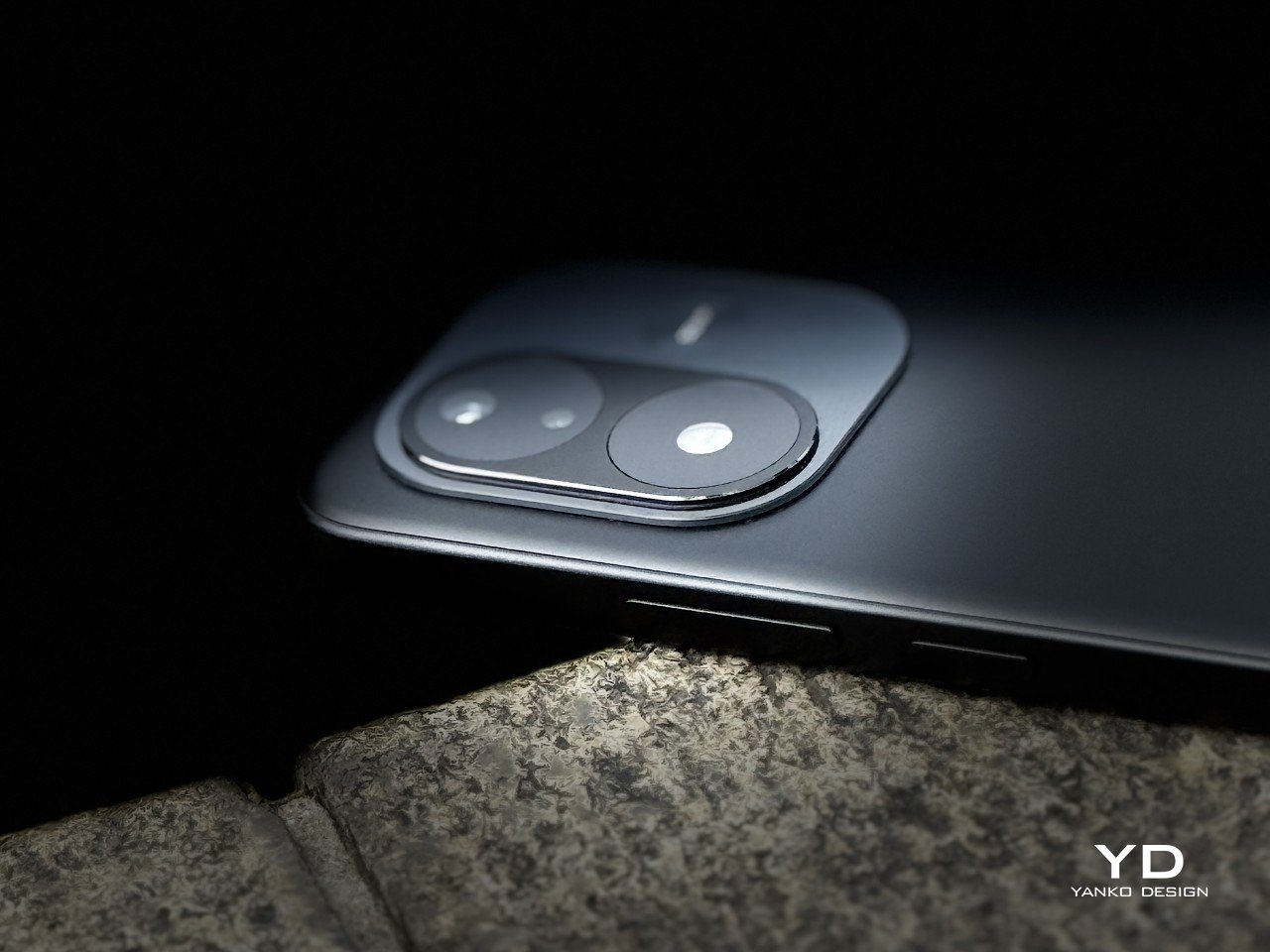
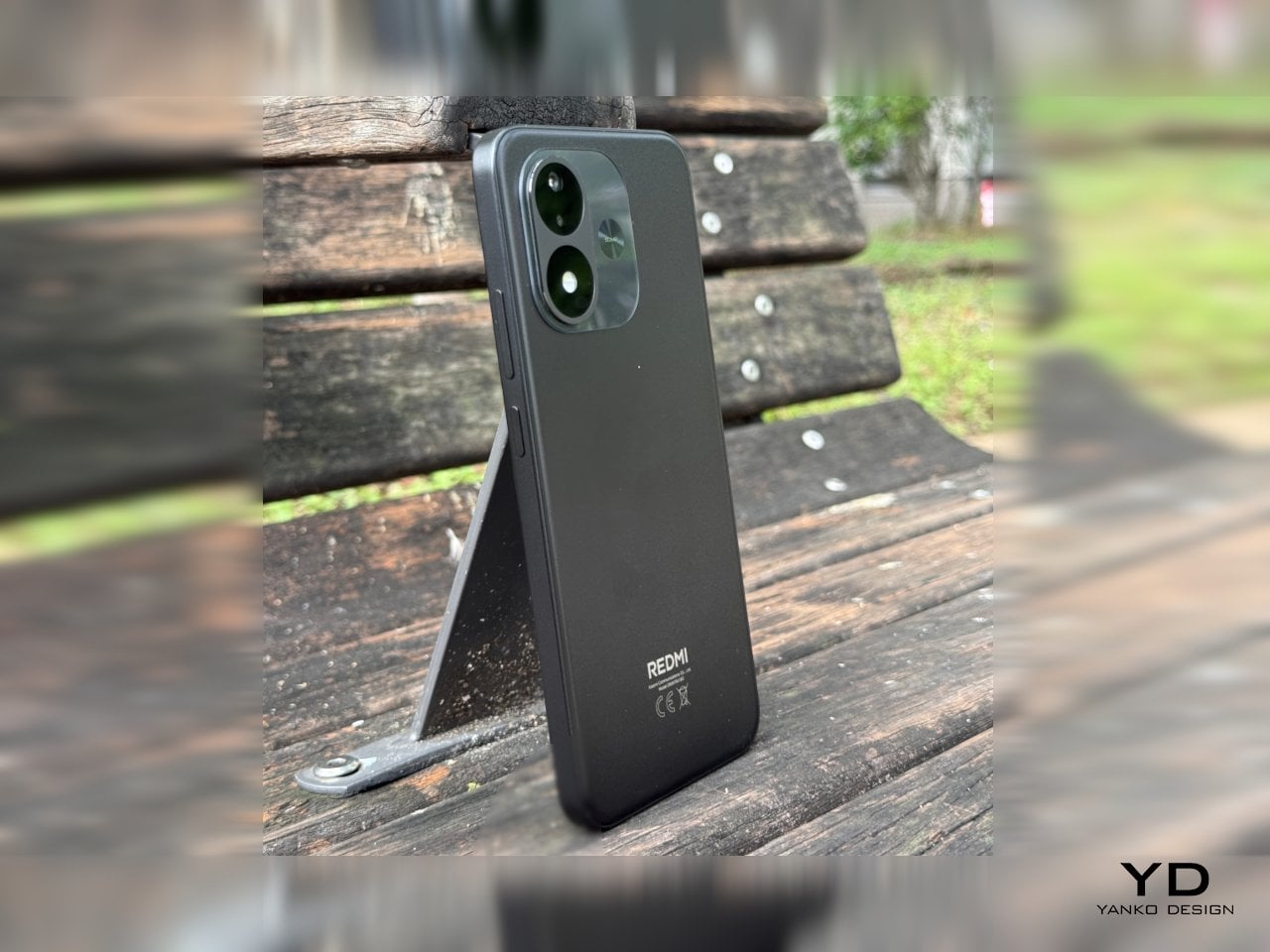
The Redmi Note 17 5G doesn’t try to shout, and that works in its favor. I received the Black version, and the interest is in the details. Xiaomi describes the back as a dual finish, which means the panel and the camera plate are treated very differently. The panel is a fine matte that turns almost graphite in low light, while the camera plate is glossy.
That plate is where the design gets its character. It’s a rounded square in the top left corner with a glossy, pill-shaped module holding two circles: the 50MP camera and a small second lens above and the flash below, plus a small brushed disc with “50MP” printed on it. The arrangement is balanced and calm, and it makes a single-camera phone look complete. The matte back stays clean through daily handling, and only the glossy plate picks up the odd fingerprint.
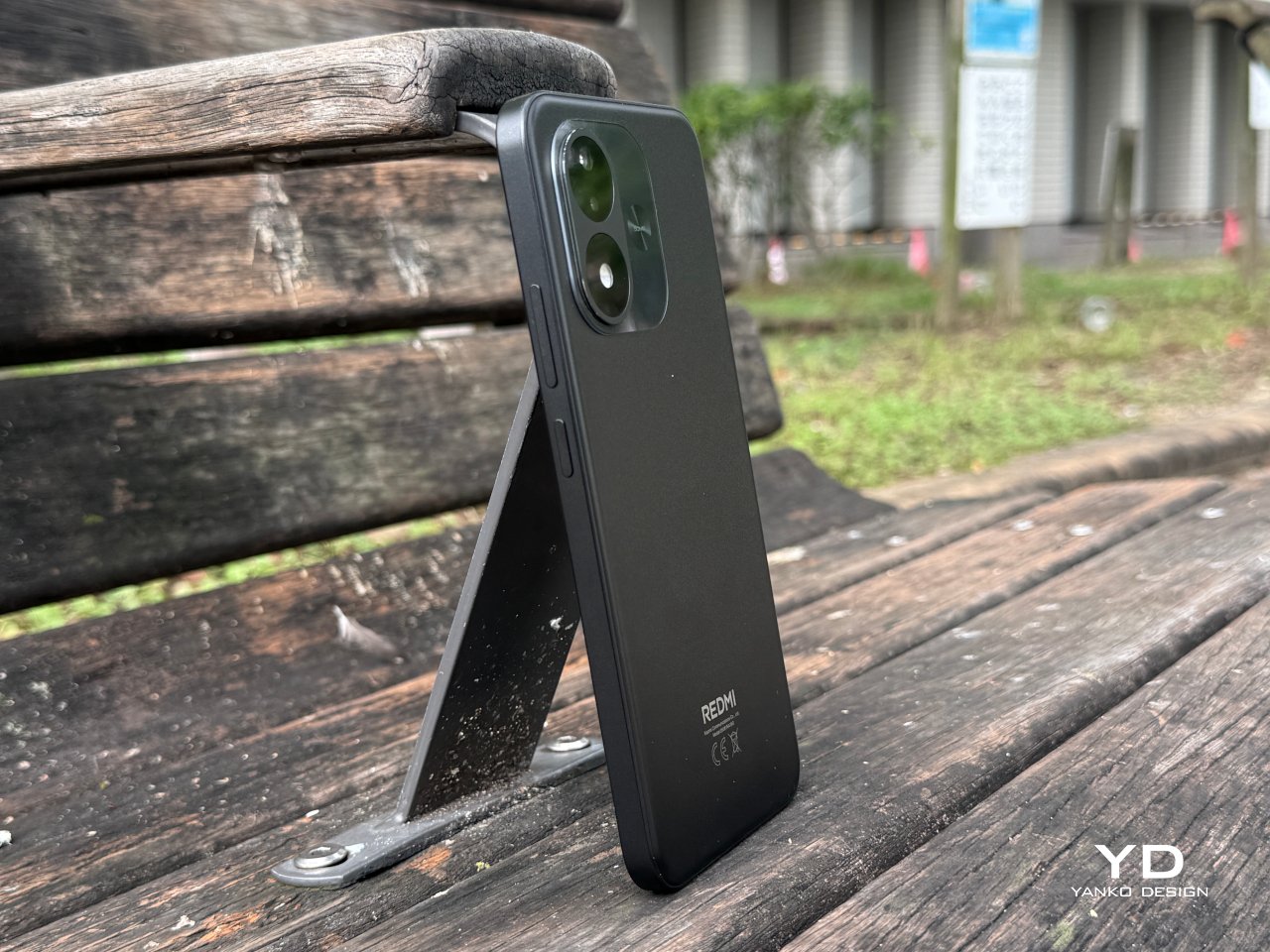
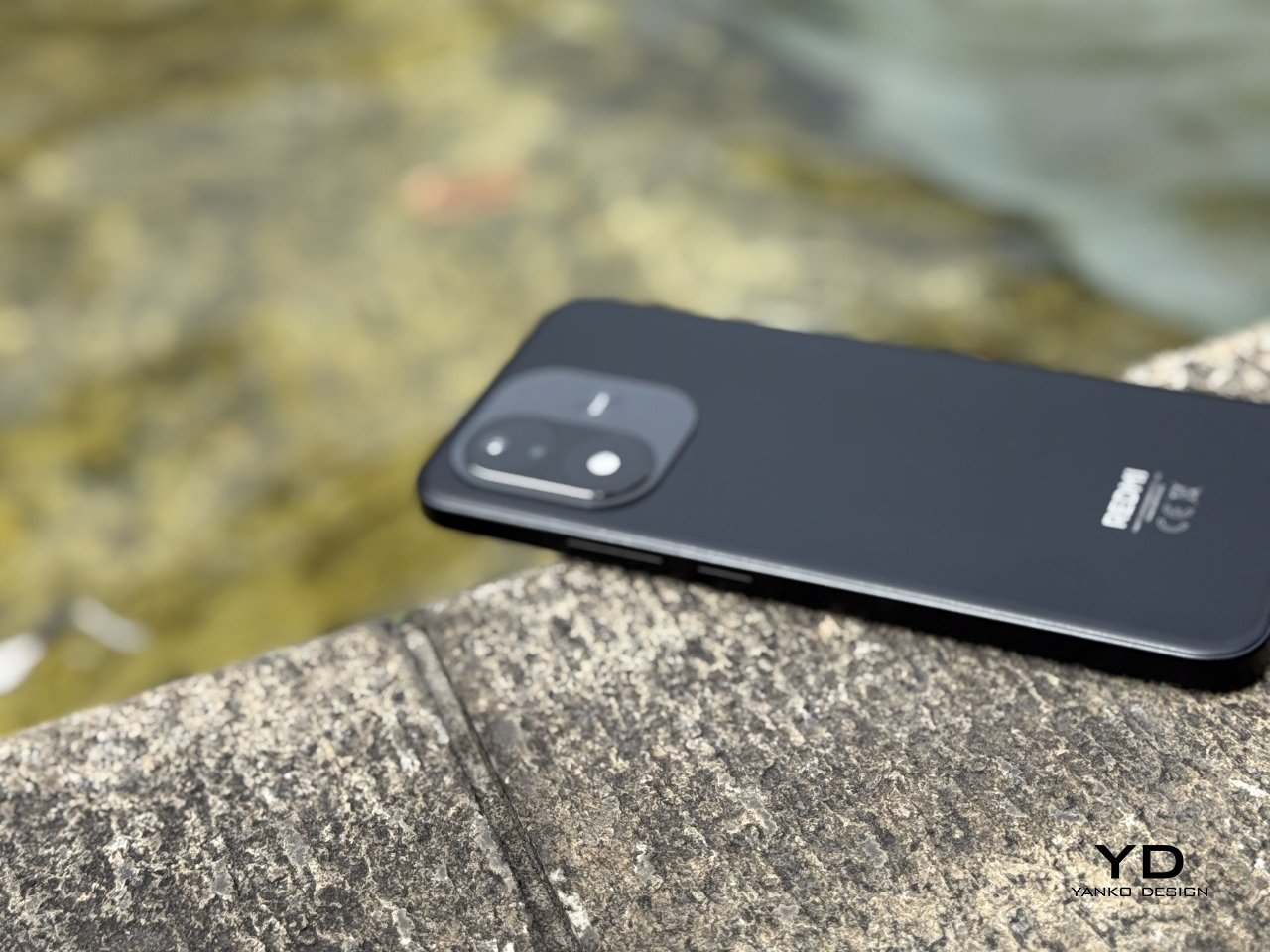
The frame is flat with rounded corners and a metallic-look finish, and the front is just as simple: a flat 6.99-inch screen with a small punch-hole camera. It’s a tidy, well-proportioned design that favors restraint over flash, and in black it keeps a low profile. If you want more personality, Xiaomi also sells it in Sky Teal and Celestial Purple.
Ergonomics
The numbers tell most of the story. The Redmi Note 17 5G measures 169.7 x 79.14 x 8.45mm and weighs 225g. It’s a substantial phone, and the weight is the first thing you notice when you pick it up. That’s the fair price of fitting a 7,700mAh battery into a body under 9mm thick.
The flat sides and rounded corners make that size easy to live with, and the matte back isn’t slippery. The power button and volume rocker sit on the right edge, and the fingerprint reader is an optical one under the display. Xiaomi’s Wet Touch 2.0 keeps the screen usable with damp fingers, which is handy in humid weather. At almost 80mm wide, it’s most comfortable in two hands, which suits the large screen for reading and video.
Haptics are the one area where the price shows. The vibration motor’s feedback is softer and less precise than on flagship phones. It’s a small detail, yet it’s the kind that reminds you how much good haptics add to everyday use.
Xiaomi includes a case in the box, and it’s better than the usual clear plastic shell. It’s a soft, matte silicone case in dark gray with a raised lip around the camera, and it doesn’t pick up fingerprints either. On a phone of this weight, the extra grip is welcome, and the phone is protected from day one.
Performance
Snapdragon 4 Gen 4 and HyperOS 3
Inside is a Snapdragon 4 Gen 4, made on a 4nm process, with Adreno 613 graphics, 6GB of LPDDR4X memory and UFS 2.2 storage. It’s a chip built for efficiency over outright speed, and that efficiency is what lets such a large battery fit in a body this thin. Messaging, maps, browsing, streaming, and photos run comfortably, and demanding 3D games run best at lower settings.
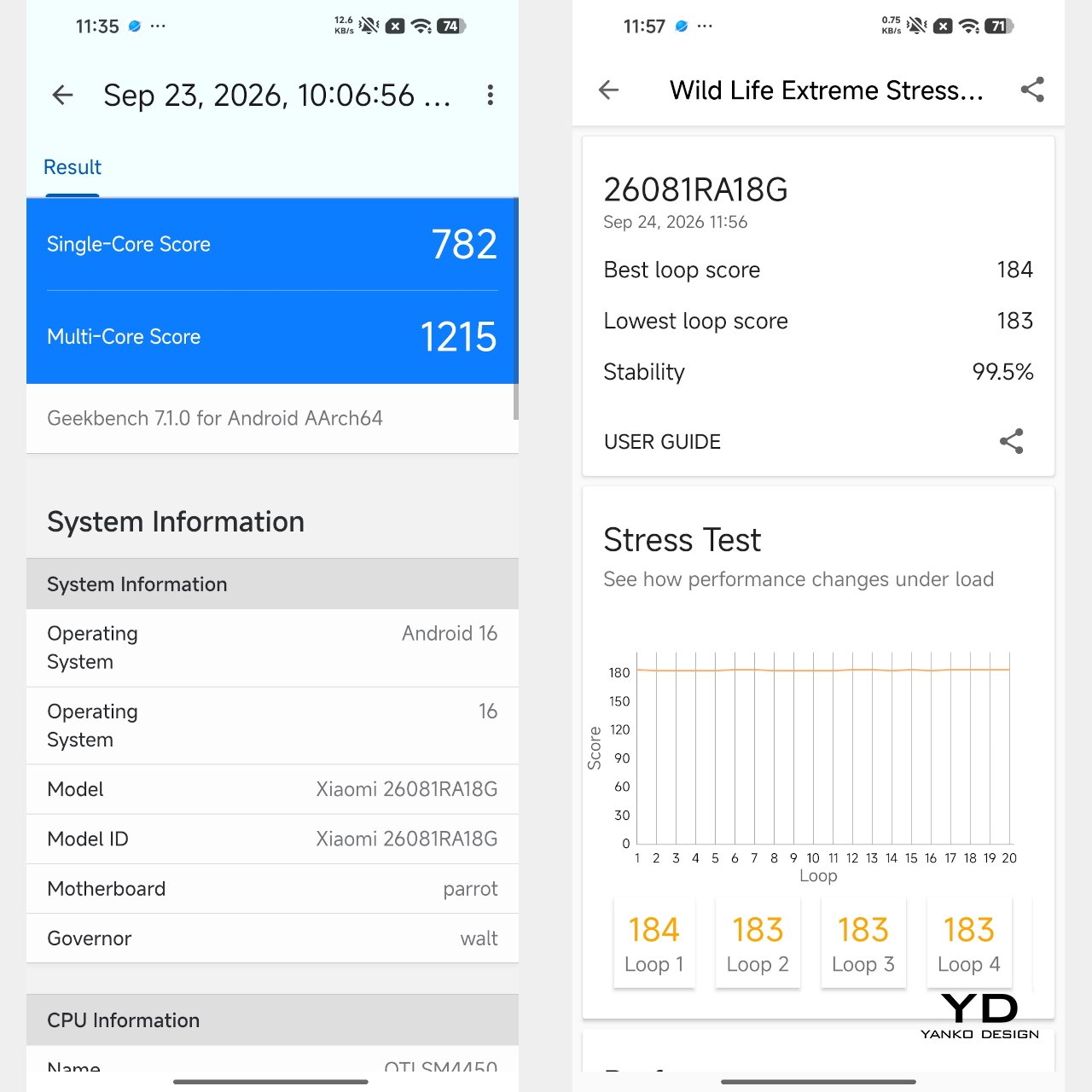
3DMark’s Wild Life Extreme stress test shows where the chip’s strength lies. The headline scores sit where you’d expect for this class, but the consistency stands out. Over 20 minutes of full graphics load, the phone held 99.5 percent stability across all 20 loops, and its temperature only rose from 33°C to 35°C. It stays cool and steady when pushed.

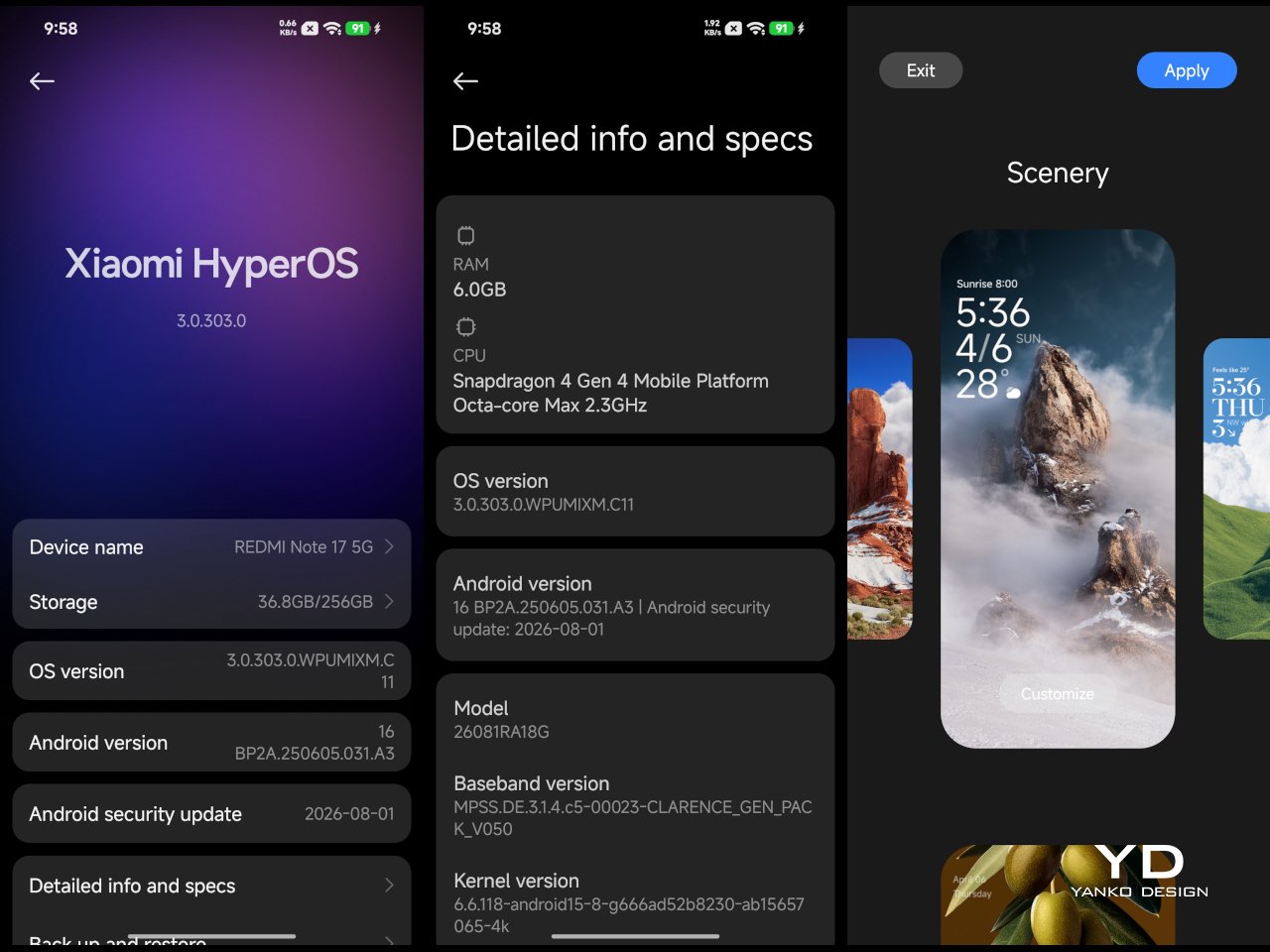
It runs Xiaomi HyperOS 3 on Android 16, with Google’s Circle to Search and Gemini, Xiaomi’s HyperIsland for live notifications, and AI Erase Pro promised in a later update. It’s pretty much Xiaomi’s whole UX experience, crammed into a lower mid-tier phone.
Display and Sound
The 6.99-inch flat AMOLED has a 2,396 x 1,080 resolution and a 1,800-nit peak. There’s no option to lock the refresh rate. The panel adjusts itself up to 120Hz, so scrolling stays smooth and the phone saves power when the image is still. Indoors and in shade, it looks great, and TÜV Rheinland certifies it for low blue light and circadian-friendly viewing. Direct sunlight is the one condition where it struggles to keep up.
Audio comes from a single speaker on the bottom edge, tuned for calls, alarms, and spoken content. For music, earbuds bring out more, and since there’s no headphone jack, Bluetooth or USB-C is the way to go. Two useful extras round things out: an infrared blaster for TVs and air conditioners, and NFC for contactless payments.




50MP Camera



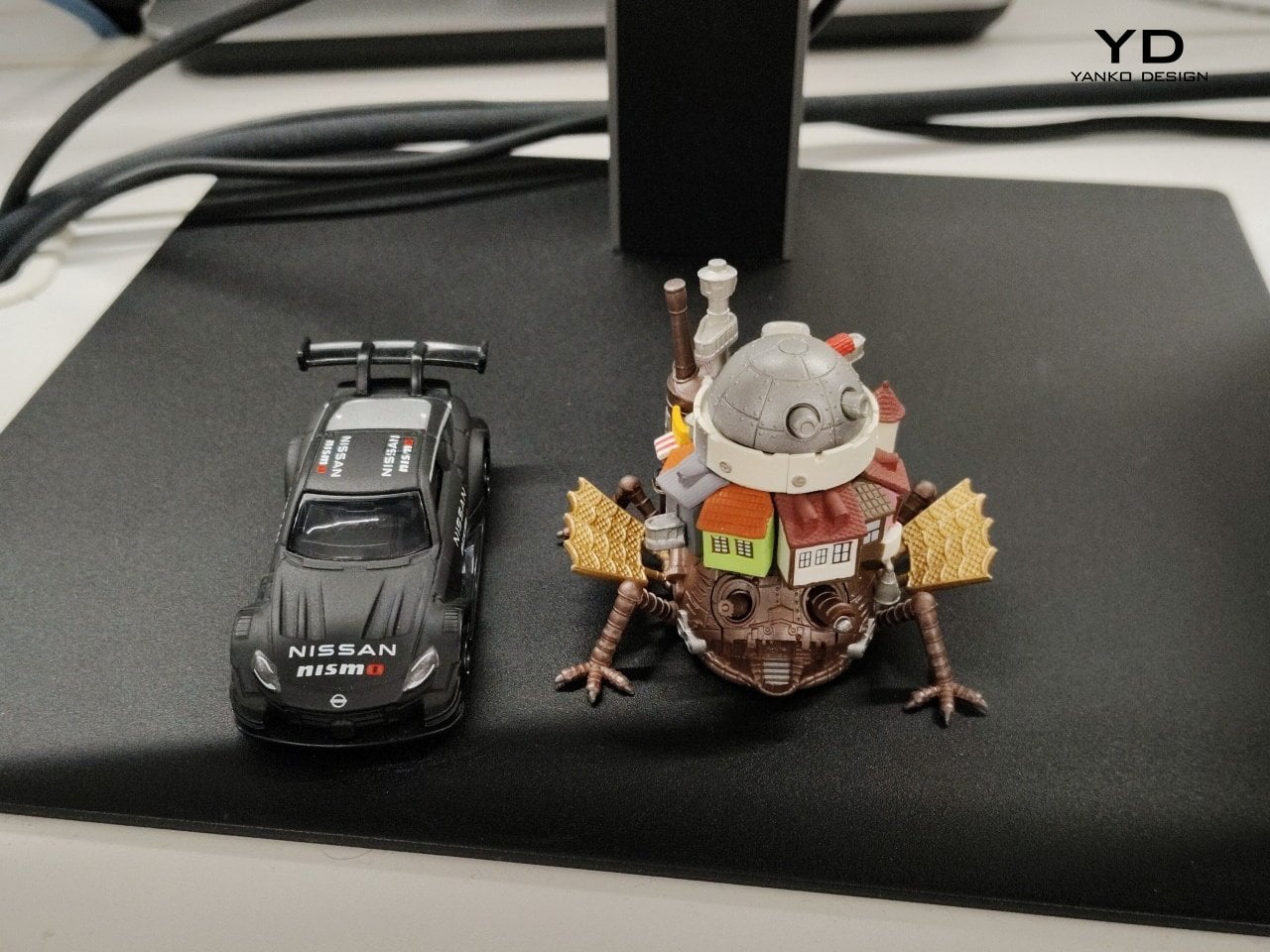
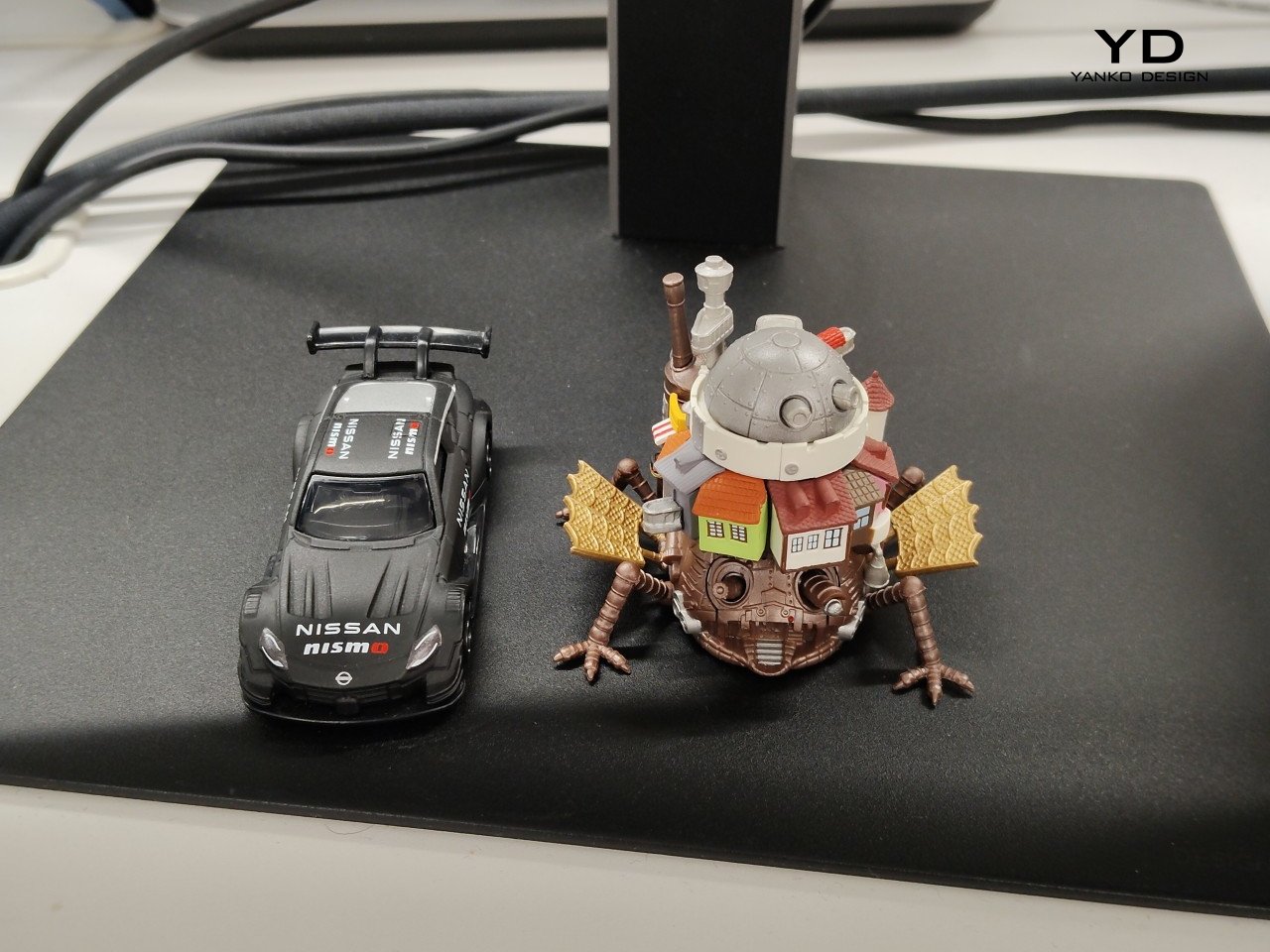
The single 50MP main camera has an f/1.8 lens, and in good light it does a good job. Photos come out bright and clean, greens are punchy, and skies lean towards a deeper blue. Dynamic range holds up well too. Shooting up a dark underground stairway into a bright sky, it kept both the tiled mural and the clouds. The 2x option is a crop from the main sensor and stays sharp in daylight. Beyond that, the zoom is digital, and at 10x a group of turtles on a rock took on an almost watercolor softness, so 1x and 2x are where this camera does its best work.
For designers, it’s a handy reference camera. The 50MP and Ultra HD modes save files of around 48 million pixels, which leaves room to crop into textures like bark, stone, or lacquered wood later. It won’t replace a proper camera, but for collecting material and color references, it does the job.



Night mode is worth using. On a street corner at night, the normal shot used ISO 250 at 1/100s, while Night mode chose ISO 400 at 1/50s and brought the lanterns and shopfronts out of the dark without blowing out the lights. In very dim restaurants, around ISO 2000, the processing leans on noise reduction for a cleaner image at the cost of some fine detail. The 16MP front camera gives natural skin tones in daylight, and both cameras record video at up to 1080p and 30fps.
Battery Life and Charging
This is where the design pays off. Xiaomi rates the battery for more than two days of moderate use, and the EU energy label’s standard test puts it at 68 and a half hours on a charge. My own testing points the same way. The 20-minute 3DMark stress run, with the graphics chip working flat out the whole time, used just 3 percent of the battery.
My unit came with a 45W charger in the box, though that varies by market. Independent tests put a full charge at about an hour and a half, which is reasonable for a battery this size. Charging is wired only, and wired reverse charging at up to 22.5W lets the phone top up earbuds, a watch, or a friend’s phone.

Sustainability
The strongest sustainability point is software support. Xiaomi promises four major Android upgrades, up to Android 20, and six years of security updates, which means patches until 2032. The updates are already arriving. During my time with the phone, it received a 295MB system update that moved its security patch from June to August 2026. A phone that stays safe to use for that long doesn’t need replacing after two years.
The EU energy label adds useful detail, because it uses the same tests for every brand. It rates the battery for at least 1,000 full cycles before it drops to 80 percent capacity, lists it as user-replaceable, and records 90 drops without a defect in its repeated fall test. Xiaomi’s own lab claims 1,600 cycles, or about six years of normal use.
iFixit hasn’t published a teardown of this model yet. In the meantime, where the program runs, Xiaomi offers one free screen replacement and one free back cover replacement within 24 months, plus one free battery replacement within 36 months. The phone is IP65 rated against dust and water jets, the screen uses Corning Gorilla Glass 7i, and the case covers the back from the start. Recycled materials aren’t part of Xiaomi’s story for this model yet, which leaves room for the next generation to go further.
Value
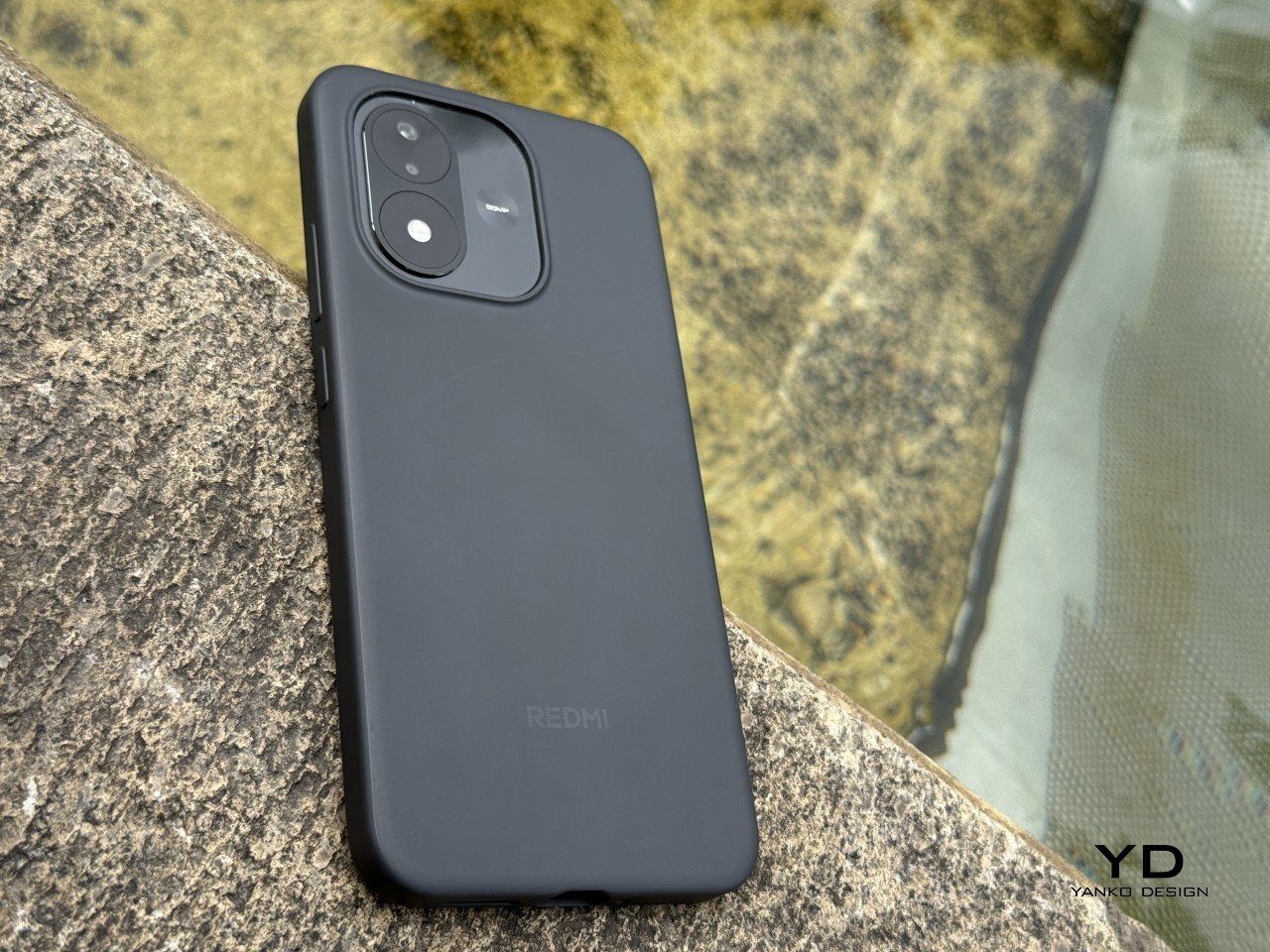
In Europe, the Redmi Note 17 5G launched at 379.90 euros for the 6GB and 256GB version I tested. With the case, a USB-C cable and, in many markets, a 45W charger in the box, it’s a generous package for the price.
Its own predecessor is the most useful comparison. The Redmi Note 15 5G spread its budget across a faster chip, a 108MP camera and 4K video. The Note 17 5G concentrates on a much bigger battery and a longer support period. Most phones still carry batteries in the 5,000 to 6,000mAh range, so that focus gives it a clear identity in its class.
Xiaomi is betting that battery life and years of updates matter more, and for a lot of buyers, I think that’s the right bet. If 4K video, long zoom, and high-end gaming aren’t part of your routine, this phone gives you a lot for the money.
Verdict
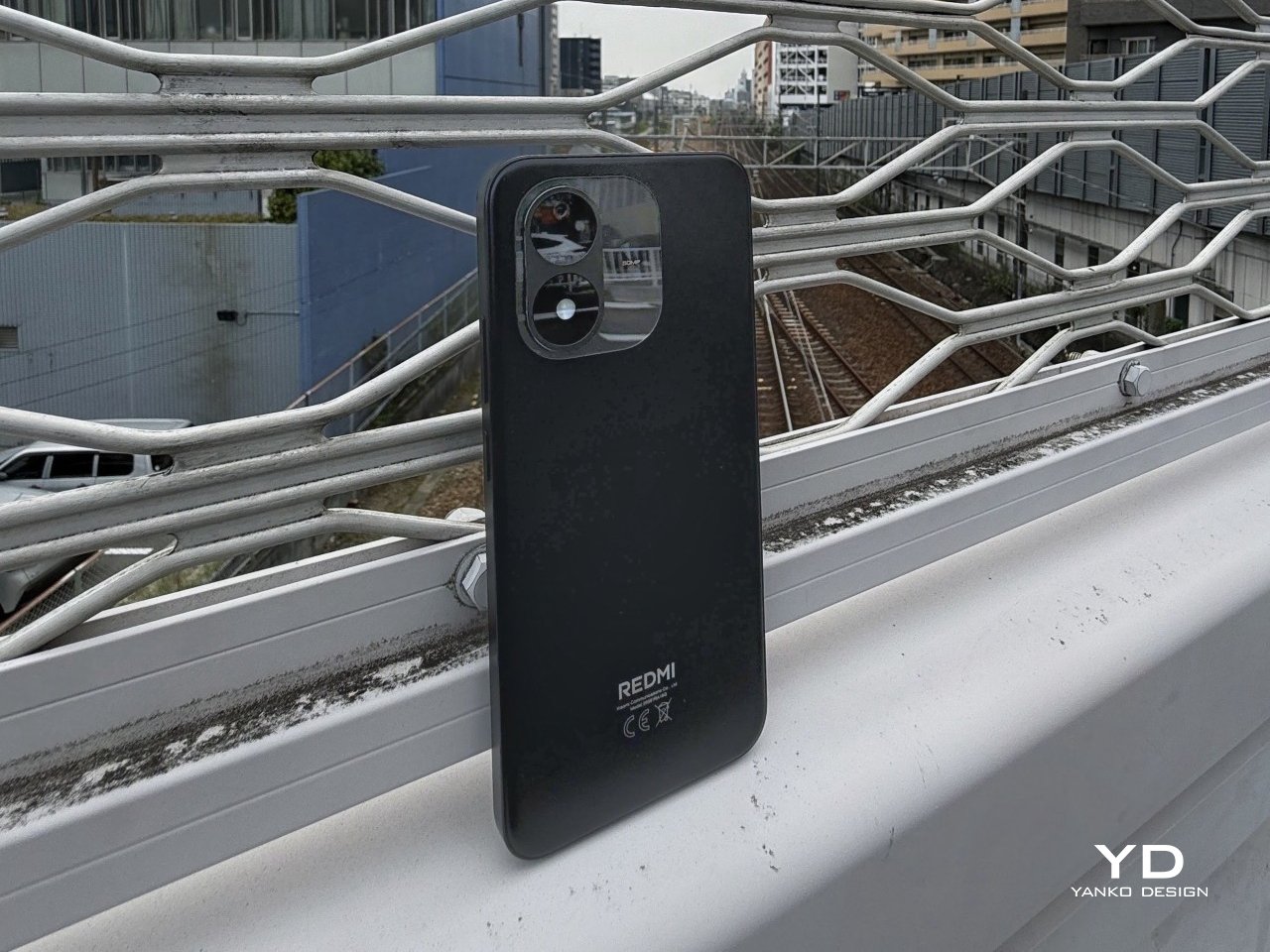
The Redmi Note 17 5G is easy to sum up with one number, but the battery is only the starting point. The weight, the flat and grippy frame, the case in the box, the efficient chip, and the self-adjusting refresh rate all follow from it. It feels like one clear decision carried through the whole product.
Speed seekers and heavy video shooters will find better matches elsewhere. But if you keep your phones for years and care more about something that lasts than something that wins spec comparisons, the Redmi Note 17 5G was made for you. Buy it for the battery, and keep it for the years of updates.