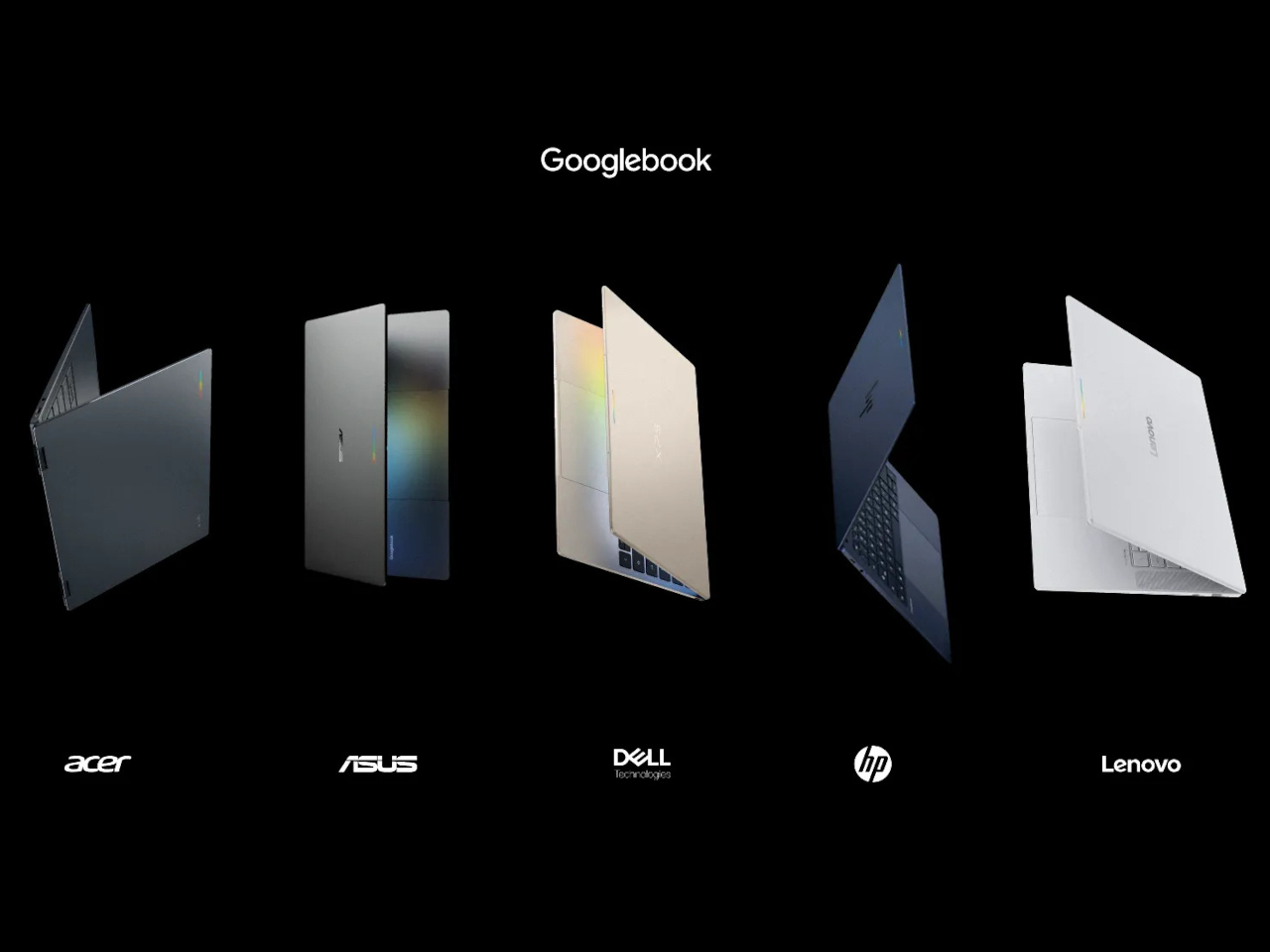
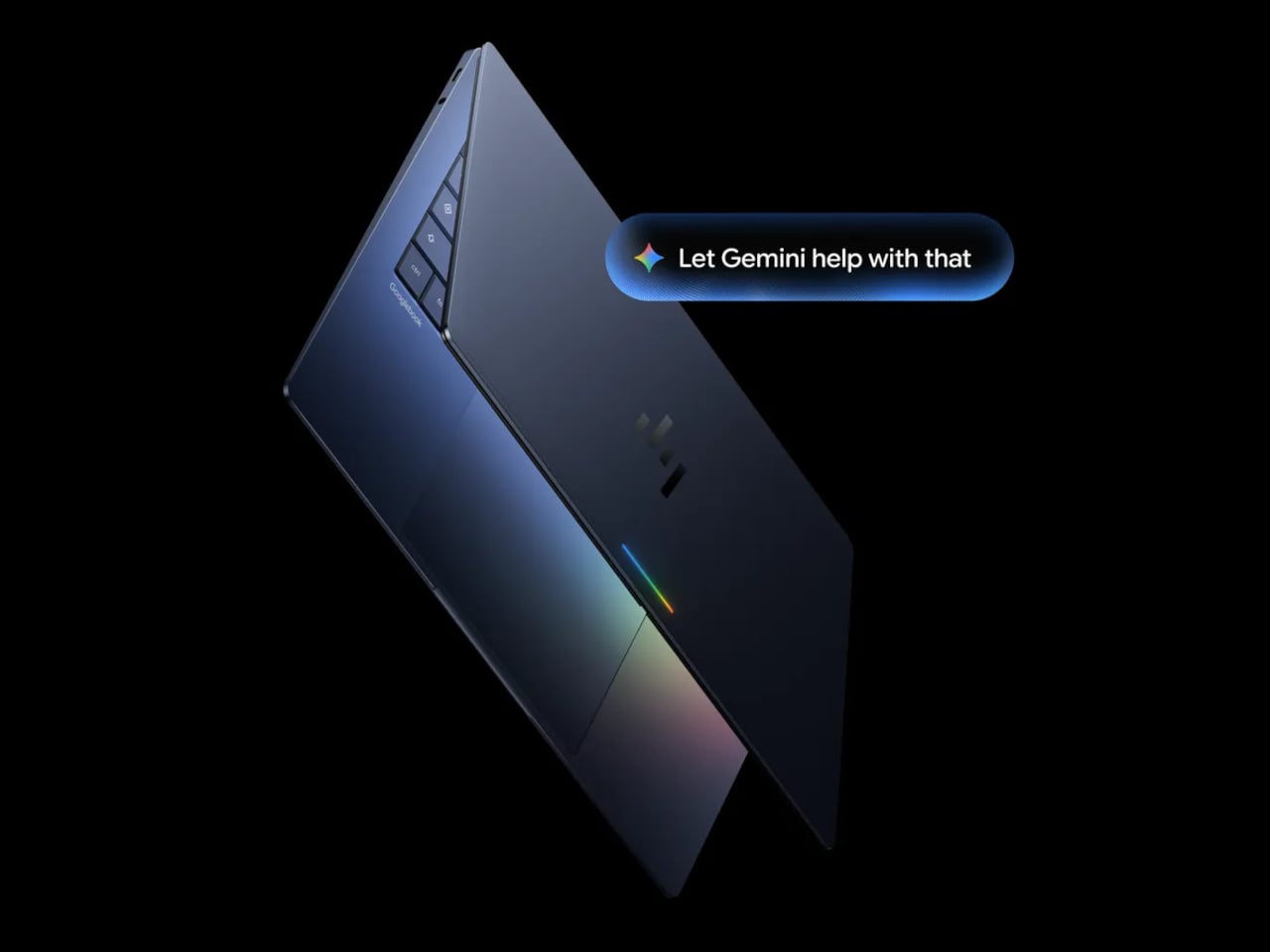
A laptop announced in May with no price, no ship date, and no way to actually buy one is easy to forget by September. Googlebook just stopped being that kind of announcement. Pre-orders opened today across five hardware partners, Acer, ASUS, Dell, HP, and Lenovo, turning a concept built around Gemini Intelligence into something arriving on shelves within two weeks, starting at $899.
That timing matters because it answers the question a spec sheet alone can’t: what does an Android phone actually gain by having a matching laptop nearby? Continue On reopens a task straight from the phone onto the laptop’s taskbar, while a feature called Files reaches into the connected phone’s storage to pull up a photo or document without any manual transfer step in between.
Designers: Google, Acer, ASUS, Dell, HP, Lenovo
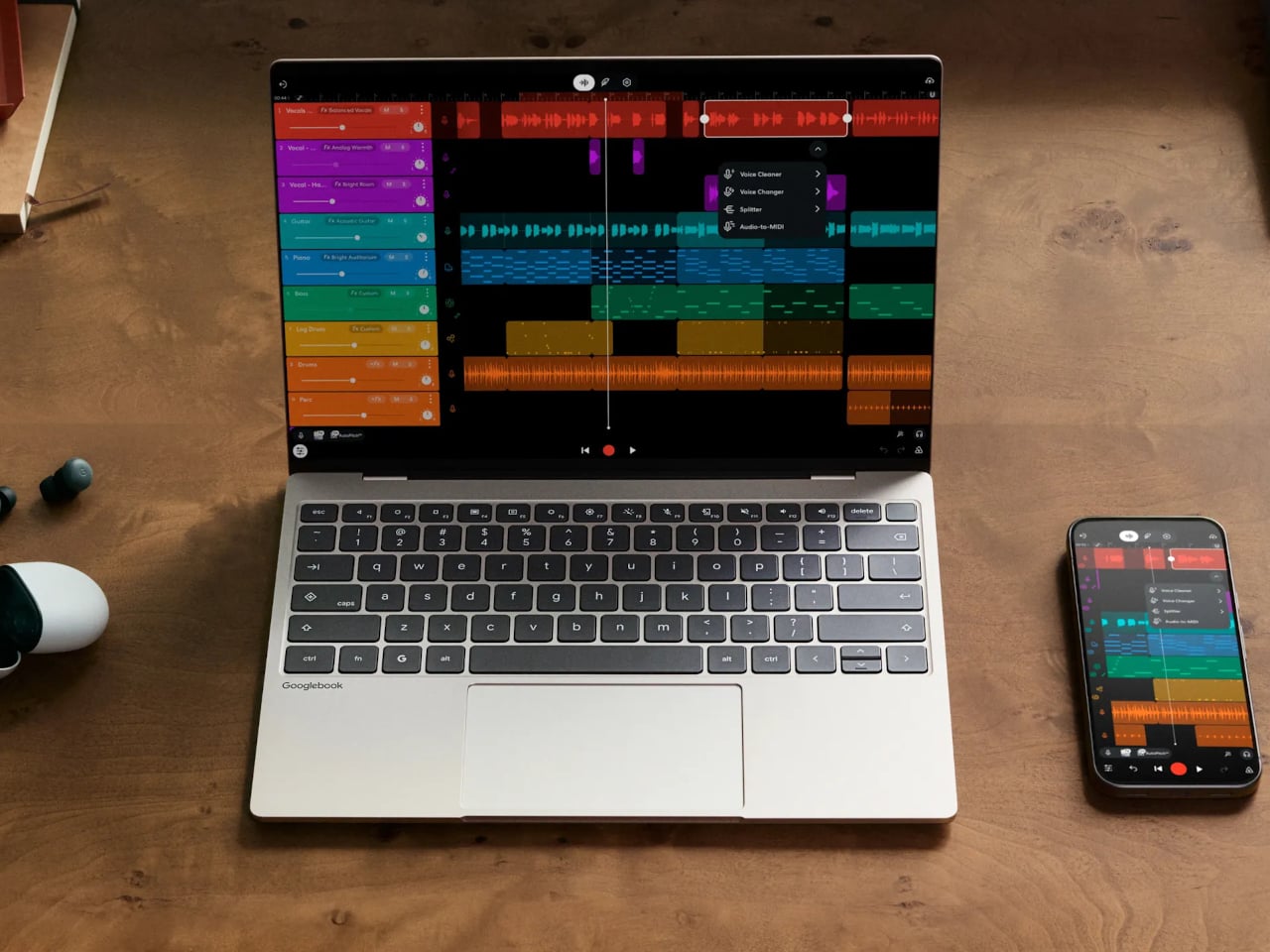

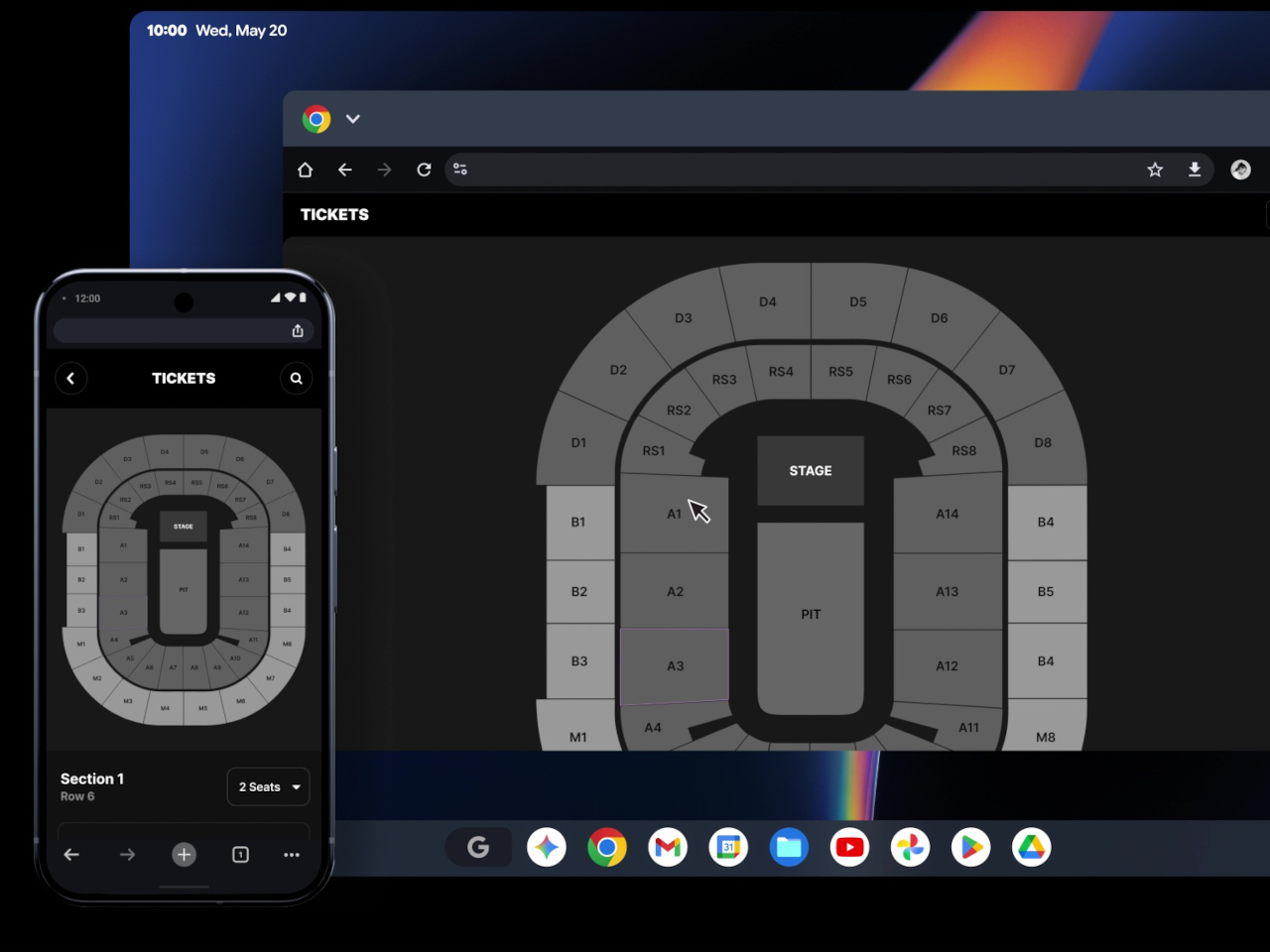
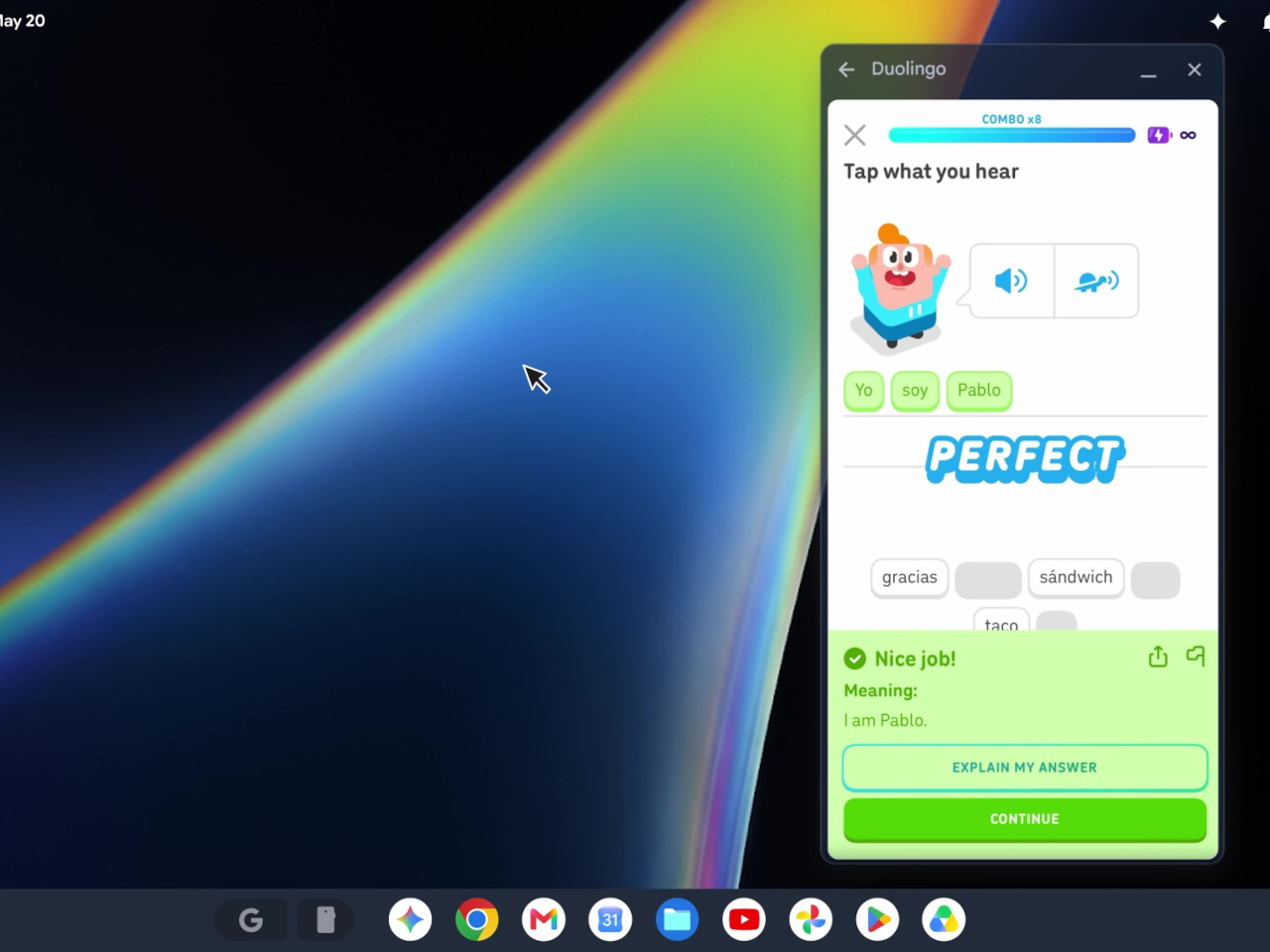
Cast My Apps pushes that further, streaming Android phone apps directly into desktop windows alongside the Chrome browser itself. An app built for a 6-inch screen suddenly runs in a resizable window next to a spreadsheet, treated as a native piece of the desktop instead of a screen mirror bolted on as an afterthought. Passwords, Wi-Fi credentials, and messages move over encrypted, without a manual re-login on either end.
Gemini sits underneath all of it as the connective layer rather than a separate app to open. Magic Pointer turns a cursor into a contextual assistant, summoned to check an email, schedule something, or touch up an image based on whatever it’s hovering over at the moment. Rambler takes a different angle entirely, converting messy spoken notes into text organized enough to hand off without a rewrite.
Create My Widget pushes personalization somewhere most laptops never bother going. Describing a tool in plain language builds a working desktop widget on the spot, no coding background required, no template to hunt down first. It’s a small feature with a large implication: customizing a laptop’s actual function, not just its wallpaper, becomes as easy as typing a sentence.
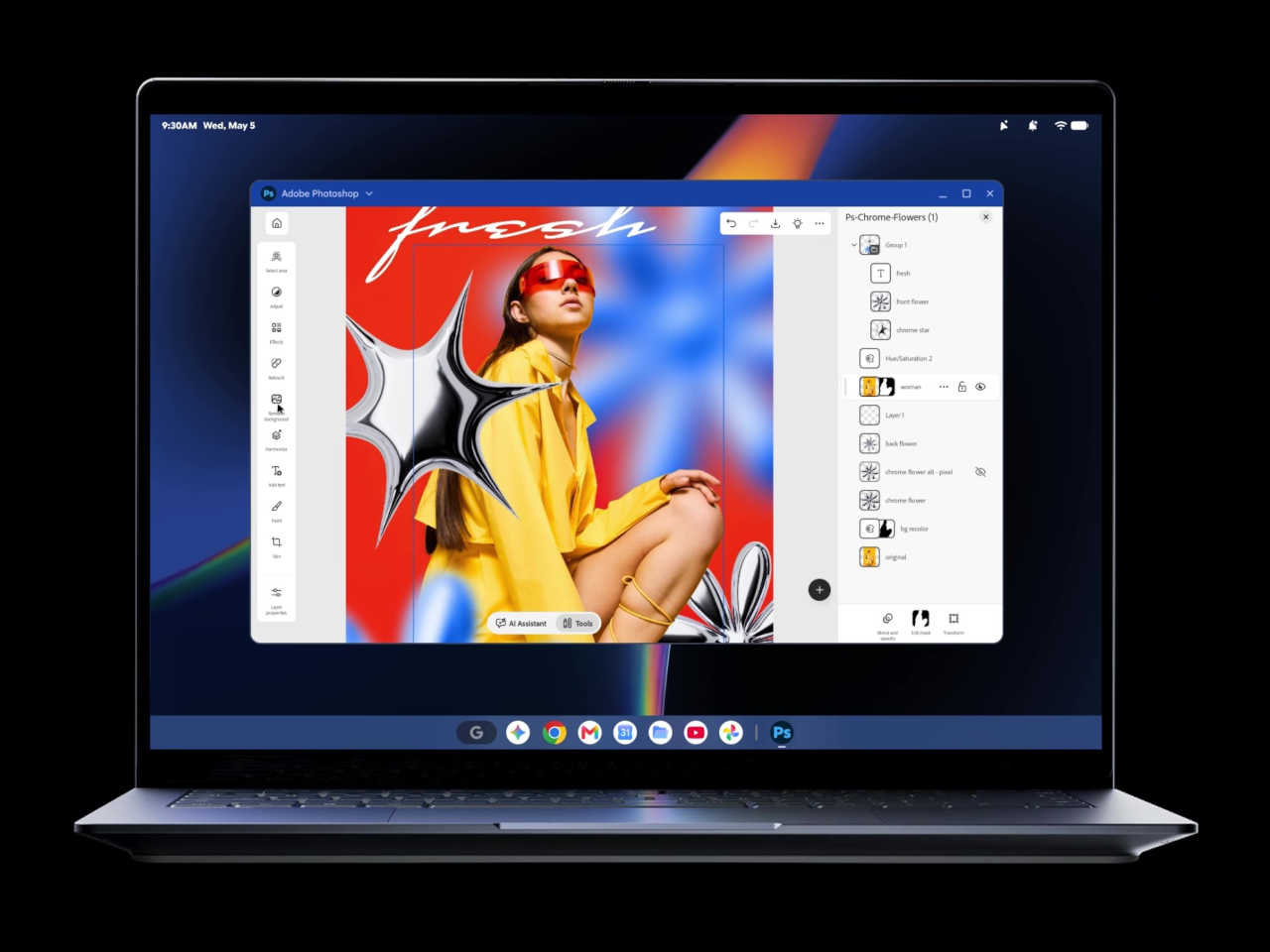
Developers get an unexpectedly serious toolkit bundled in as well. Google Antigravity ships standard, letting anyone write an app and deploy it directly onto the device without extra setup. A full Linux terminal sits underneath that, running tools like Claude Code for genuine agentic coding sessions, a level of openness rarely handed to a mainstream consumer laptop straight out of the box.
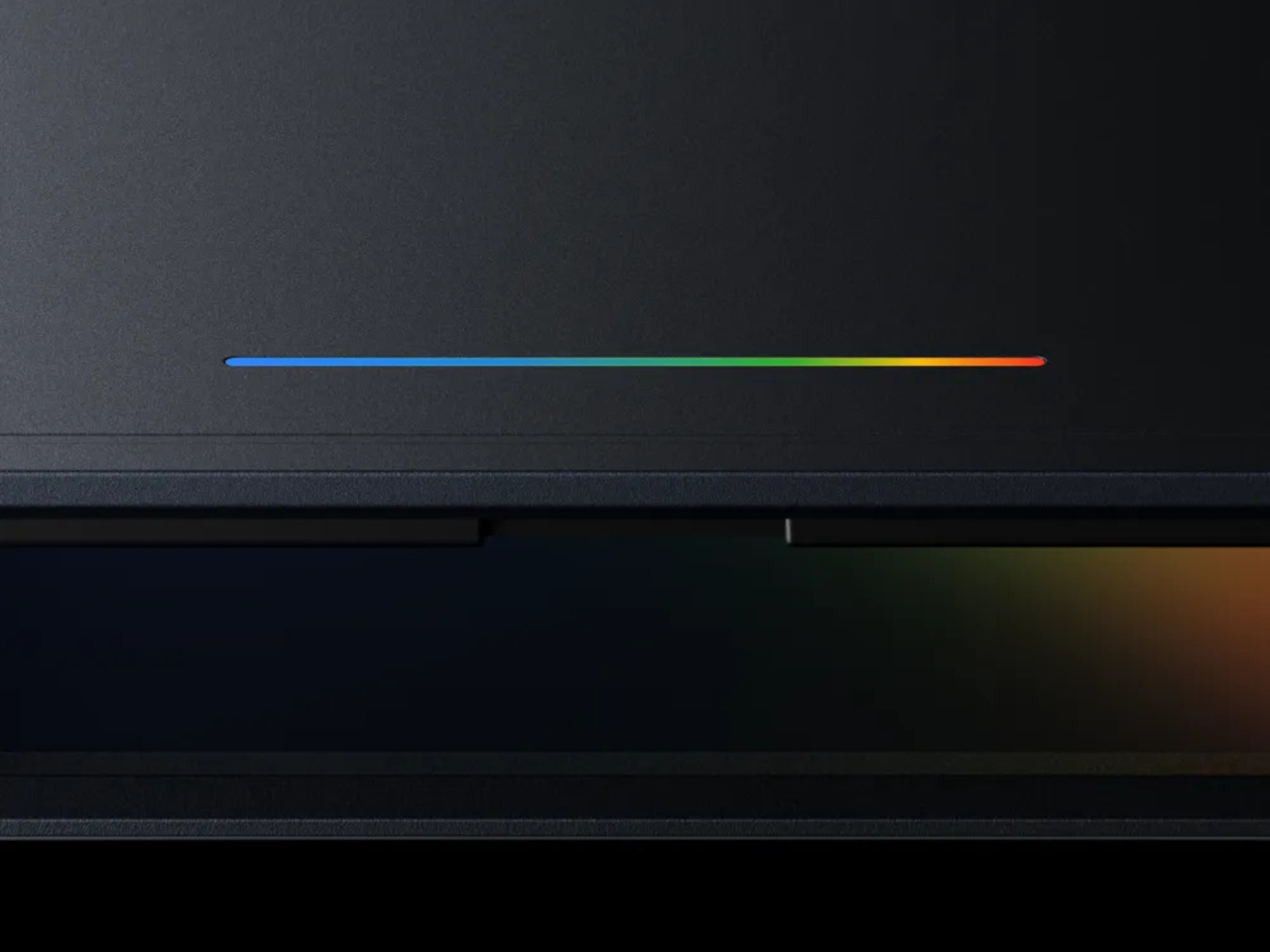
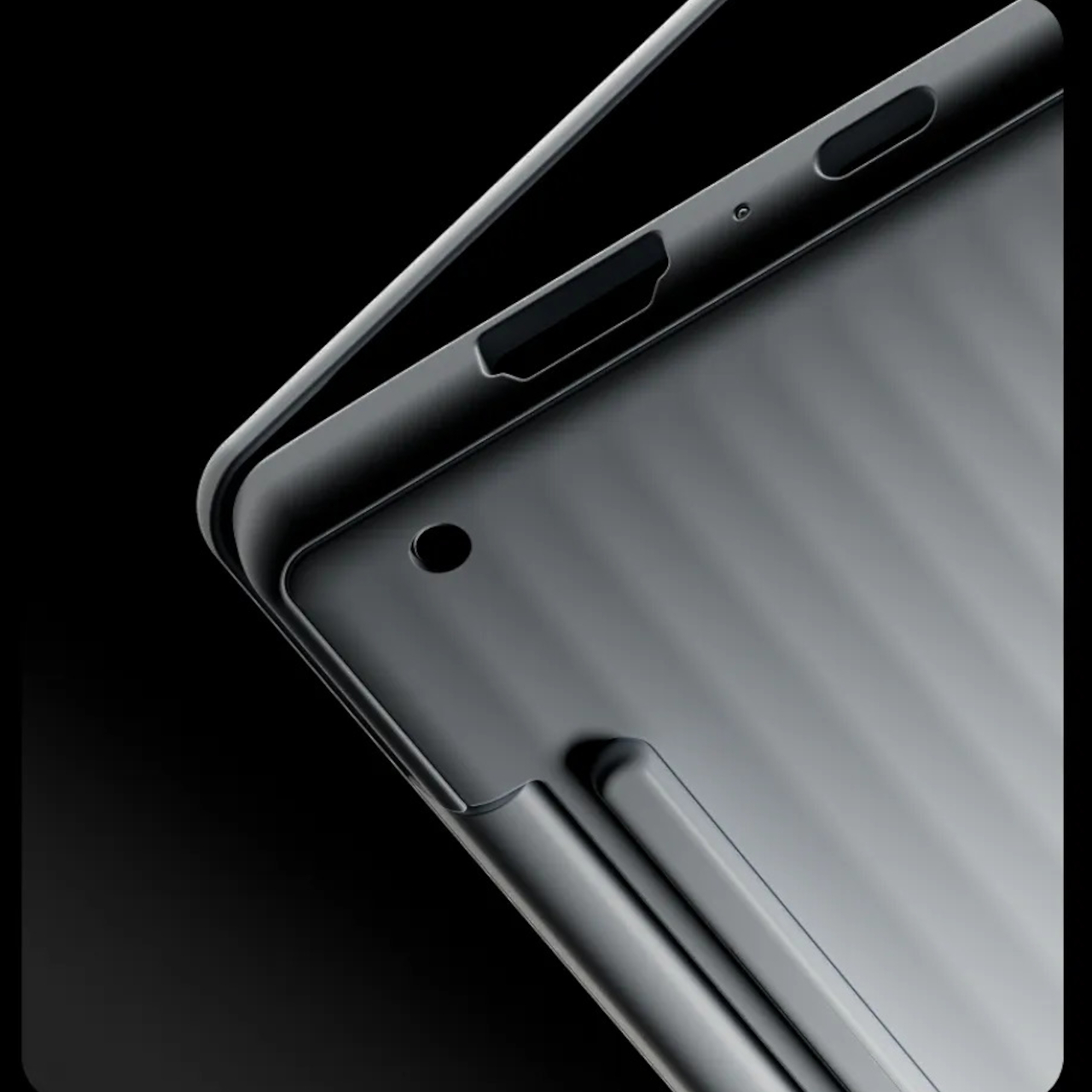
Design stays consistent across all five brands through a single shared signal: the Glowbar, a strip of light Google requires on every Googlebook regardless of who builds it. Acer, ASUS, Dell, HP, and Lenovo each bring their own chassis language and price point, yet that glowing strip functions like a shared handshake, letting someone recognize the platform before ever checking a spec sheet.
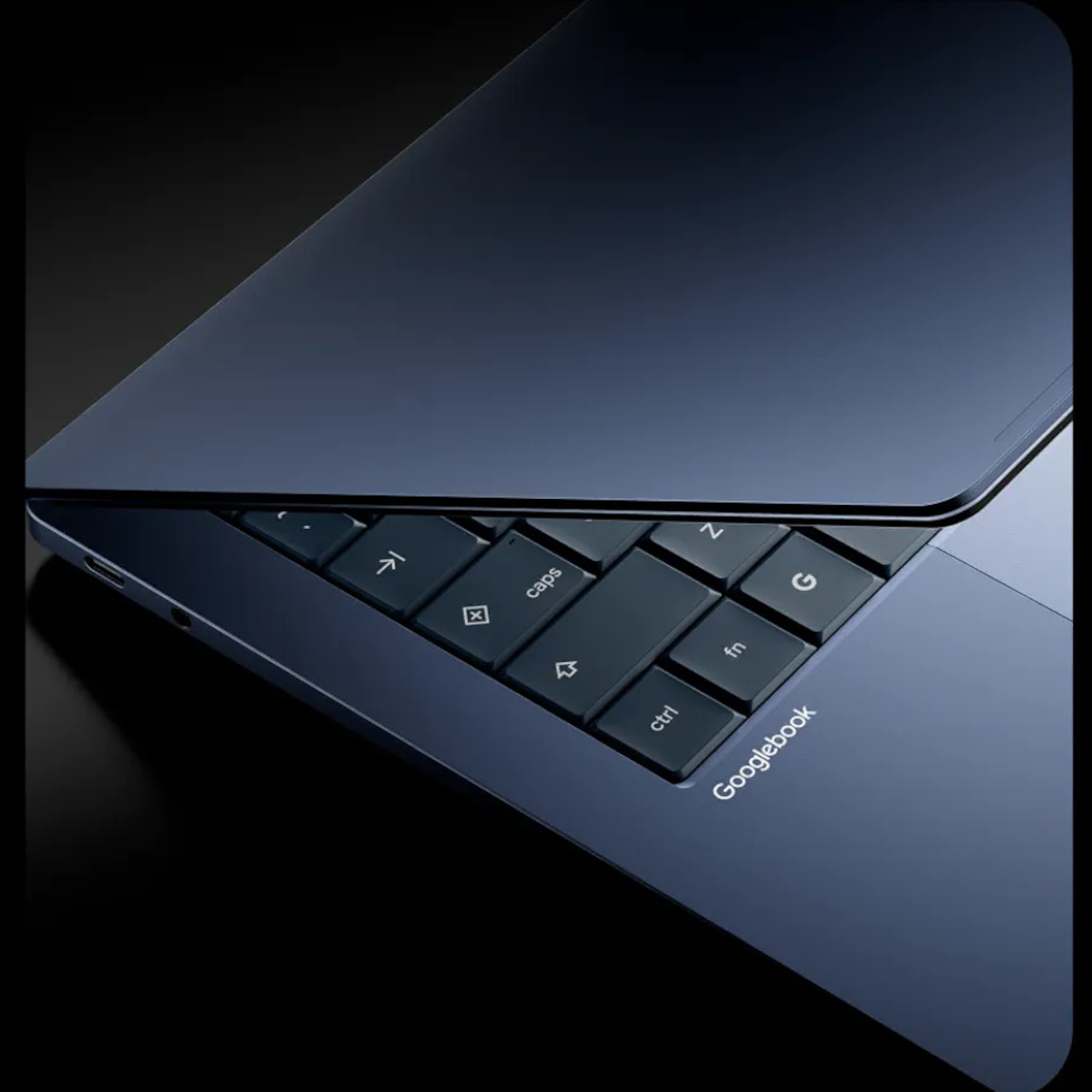

Every Googlebook also ships with 12 months of Google AI Pro, unlocking 5 TB of cloud storage and Gemini’s advanced tools alongside three months each of YouTube Premium and Adobe Photoshop. Google backed that with a commitment to feature drops and software updates for up to 10 years, treating a laptop purchase as a decade-long relationship rather than a two-year cycle before the next upgrade feels necessary.