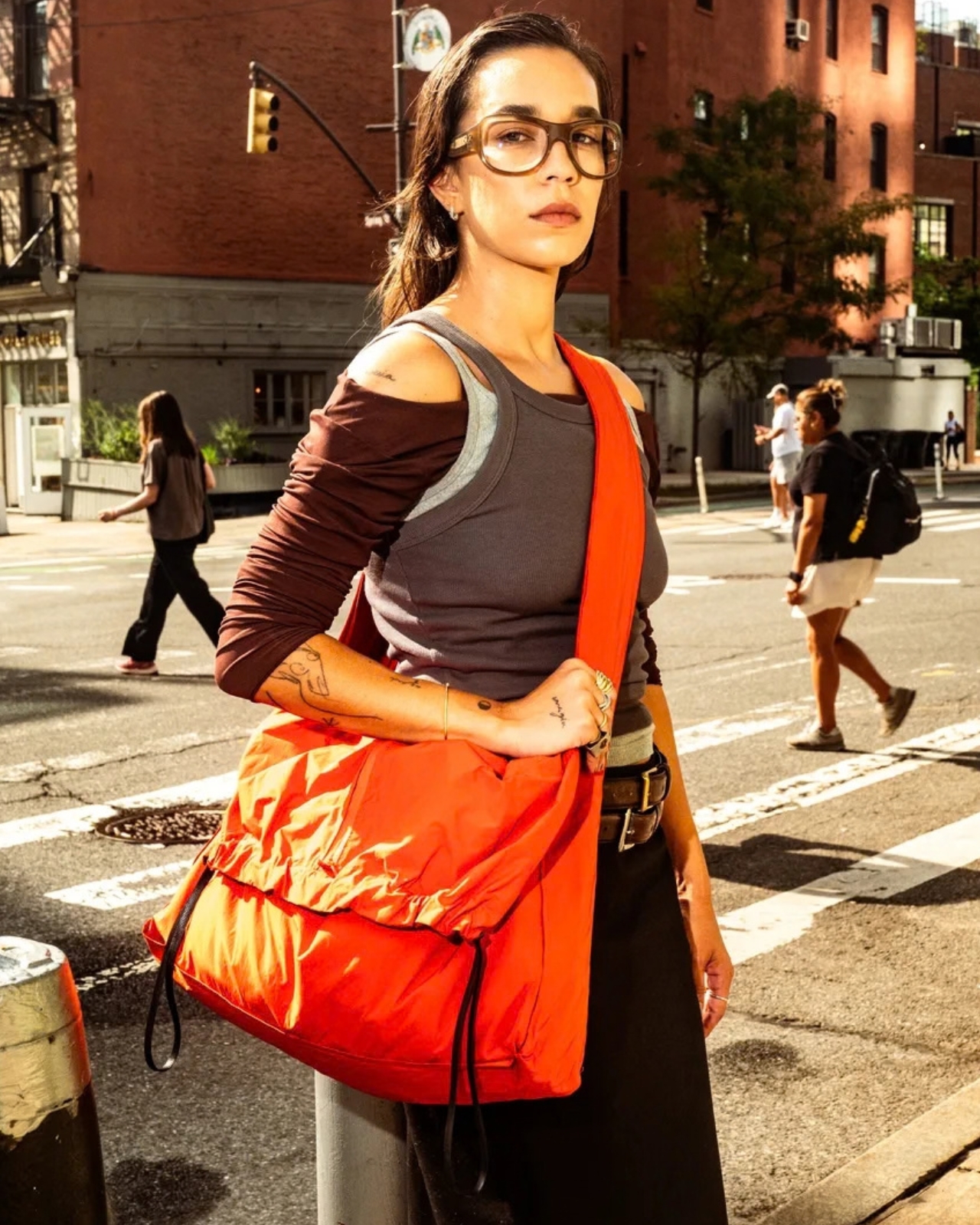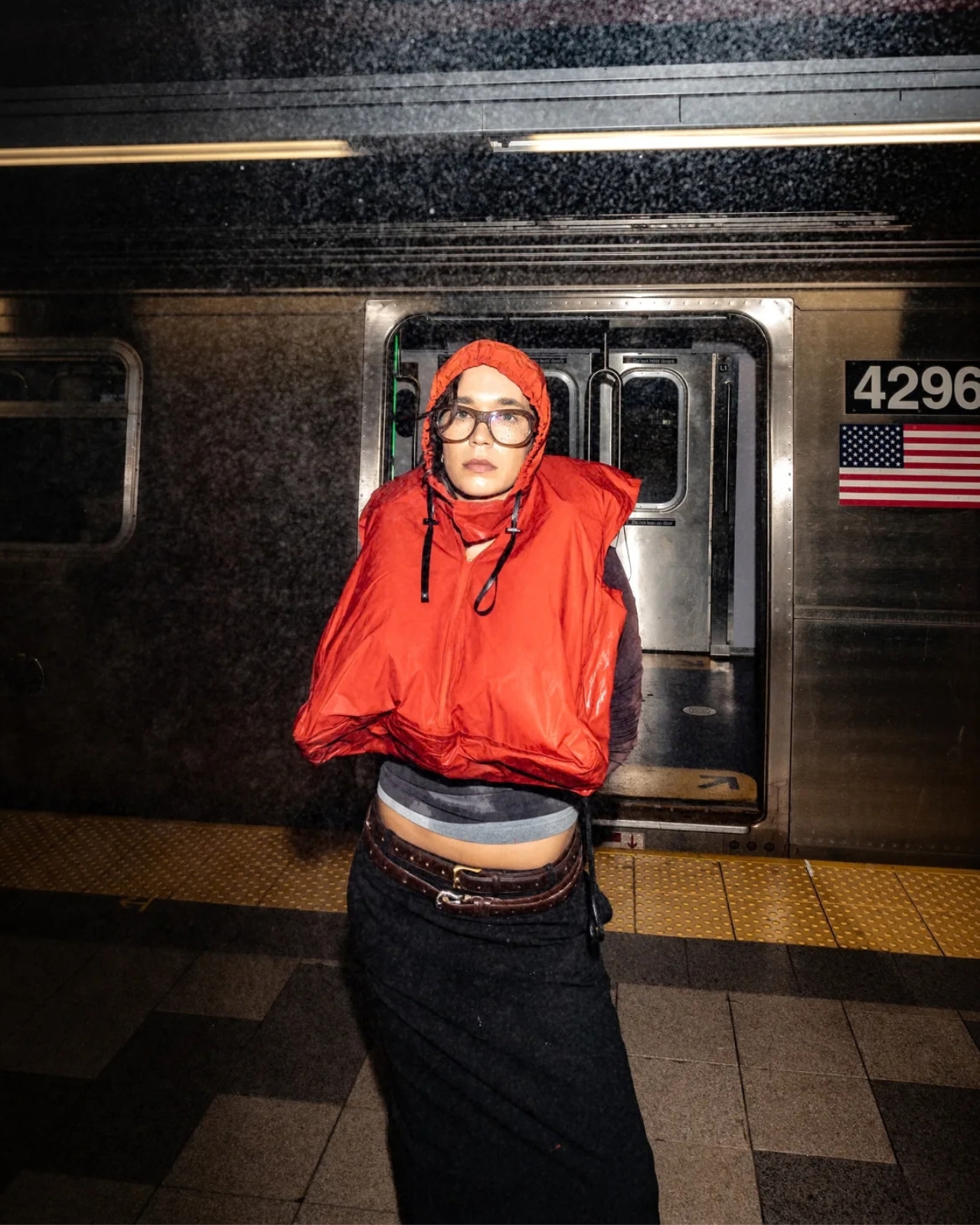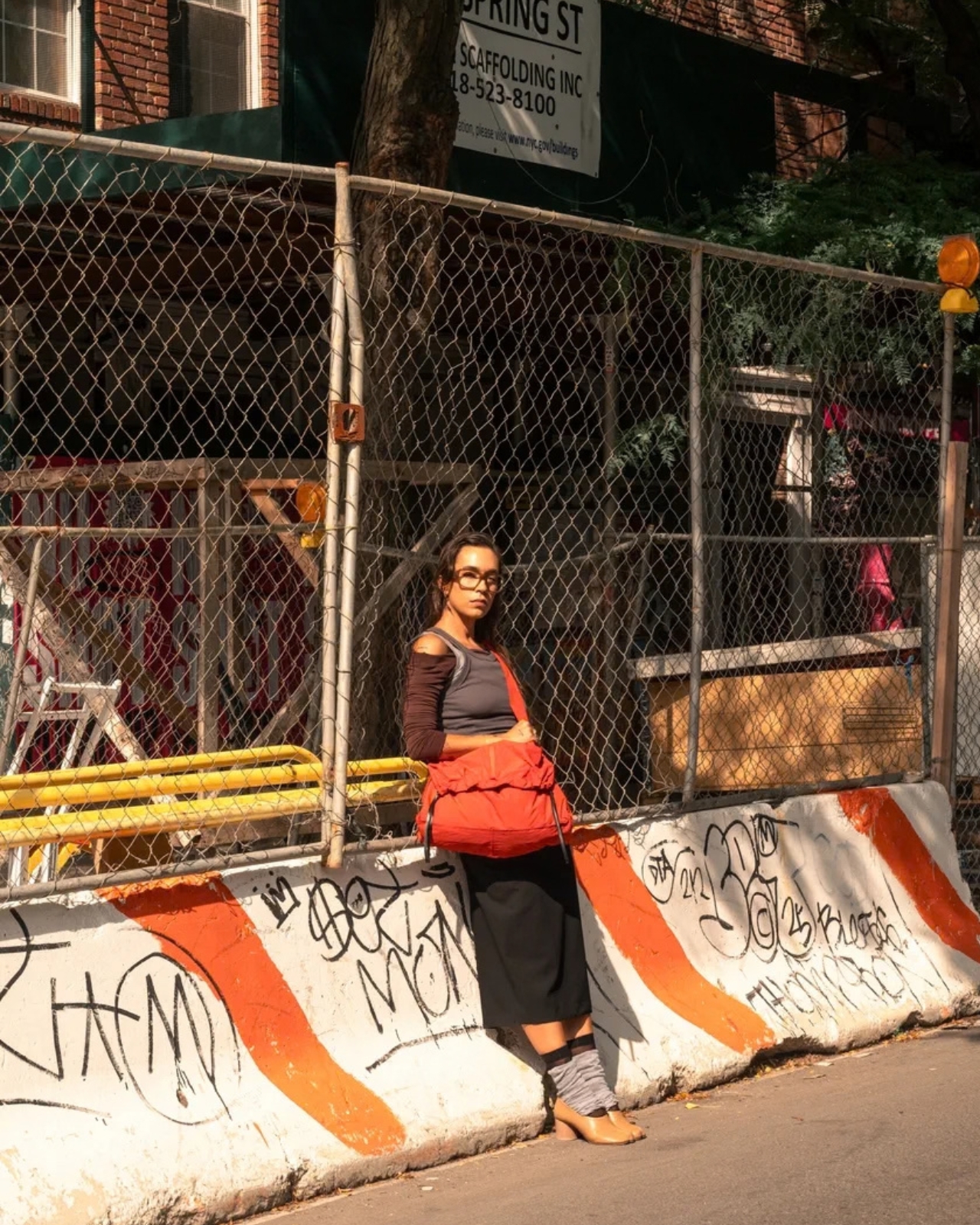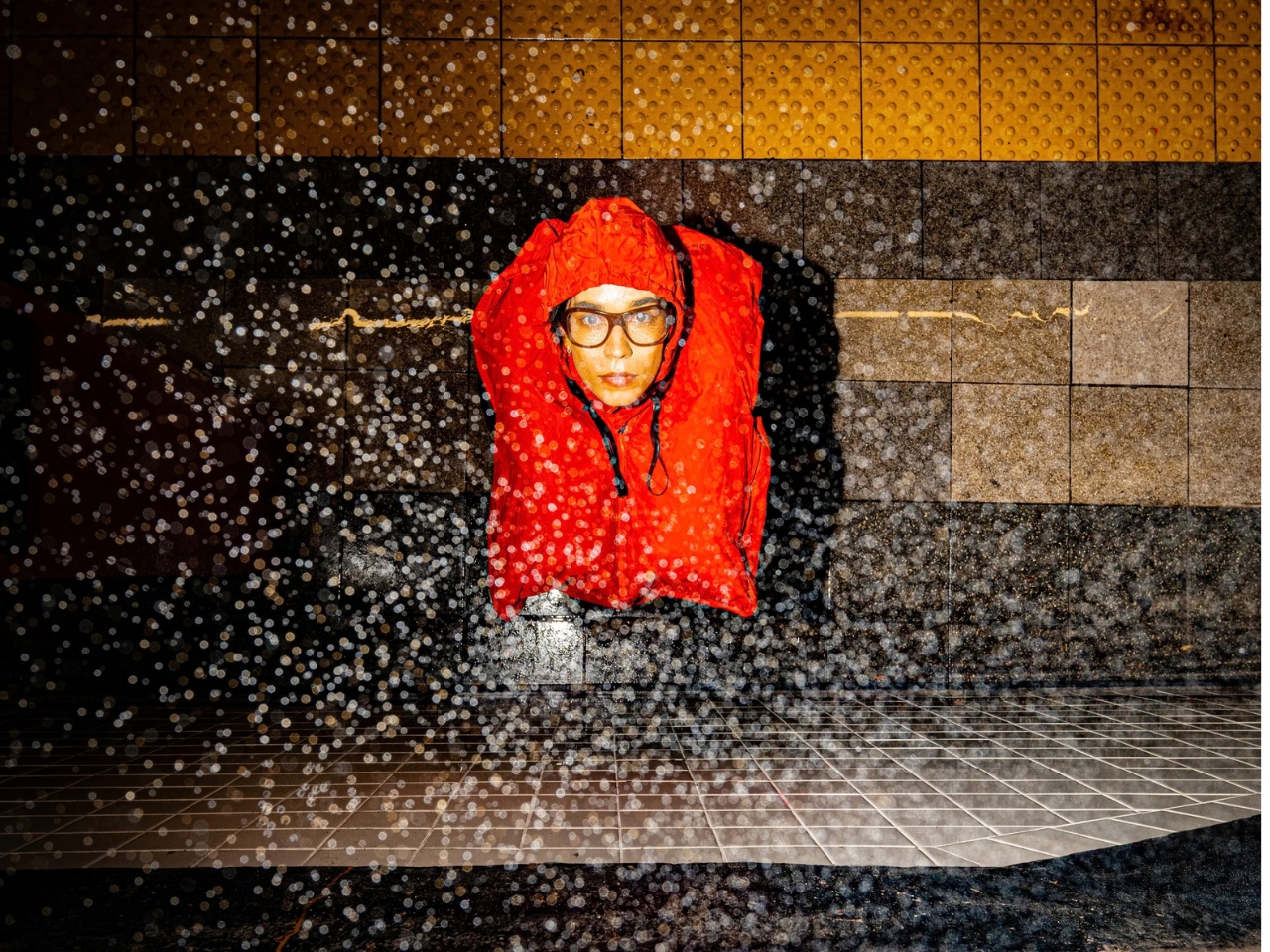

Picture the most unremarkable object you own. A canvas tote, maybe, the kind you grab off a hook without thinking, sling over one shoulder, and forget about until it’s holding your groceries or your gym clothes. Now picture unzipping that same bag, pulling it over your head, and yanking a cord that inflates it into a life jacket, because the subway platform under your feet just turned into a swimming pool. That’s Lifeline, a conceptual piece by New York artists Phil Le Brun and Gabriela Mestriner, and it exists because a very real, very unfunny problem has been building under this city for years.
New York’s subway was engineered to handle a major flood about once every five years. That math stopped working a while ago. Nearly 200 stations have flooded during major storms over the past several years, Hurricane Ida alone dumped more than three inches of rain in a single hour back in 2021, and this past summer the city logged roughly two severe weather warnings a week from June through August. Riders have waded through knee-deep water and clung to walls just to get out of a station. That’s the problem Lifeline is responding to, not with a fix, but with a mirror.
Designers: Phil Le Brun and Gabriela Mestriner

The bag itself is genuinely well made, which is part of what makes it unsettling. Mestriner dismantled a standard nylon life jacket and heat-welded the pieces back together into the shape of a tote, using about three yards of nylon, two polyester zippers, four yards of black cord, and four adjustable metal locks. A zipper runs through the center of the flap and body, wide enough to fit over someone’s head, and there’s a detachable rain hood tucked inside for good measure. Pull the straps and the whole thing inflates in about fifteen seconds. None of this was drafted on a computer first. The team built, tested, took it apart, and rebuilt it by hand until it worked.
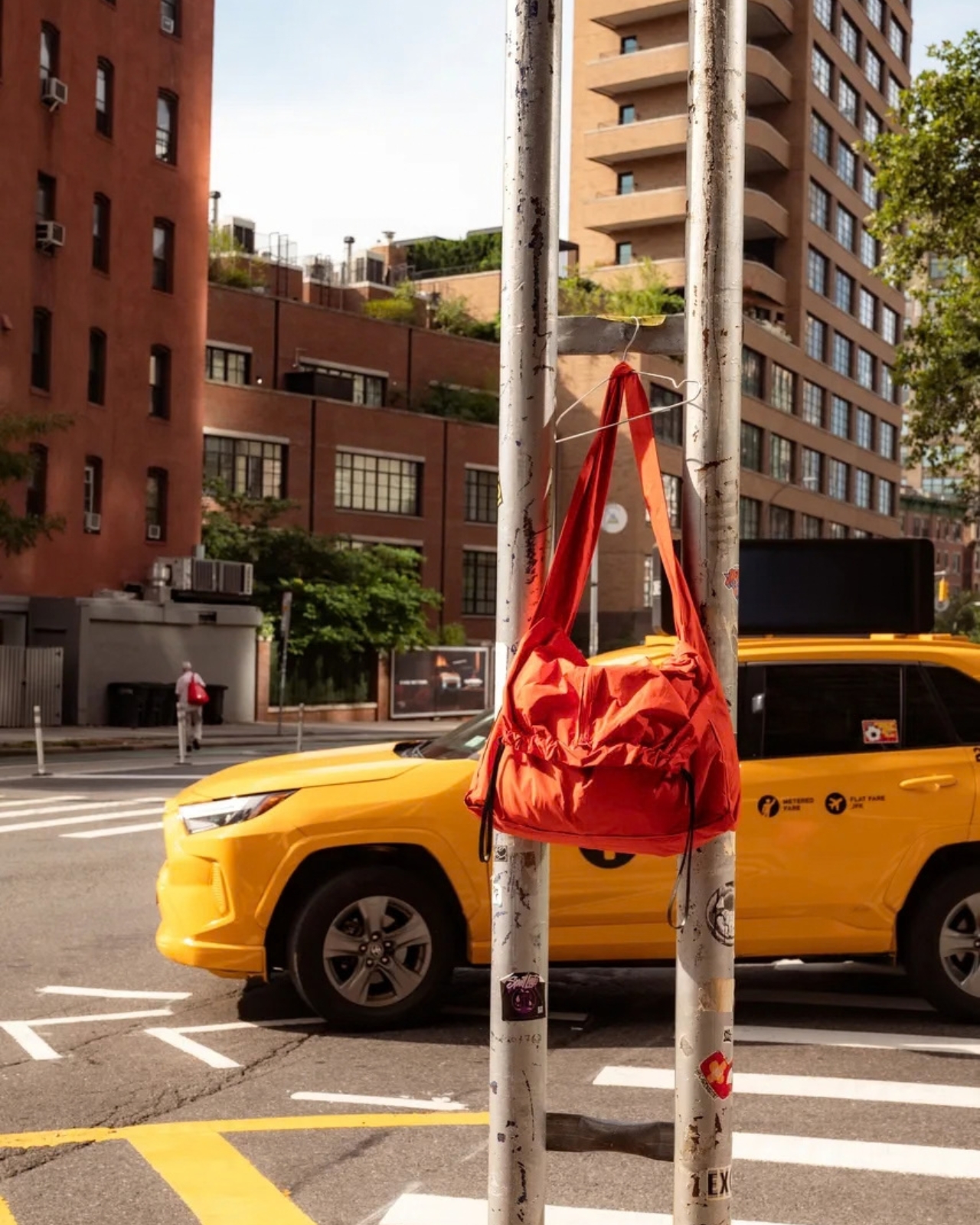

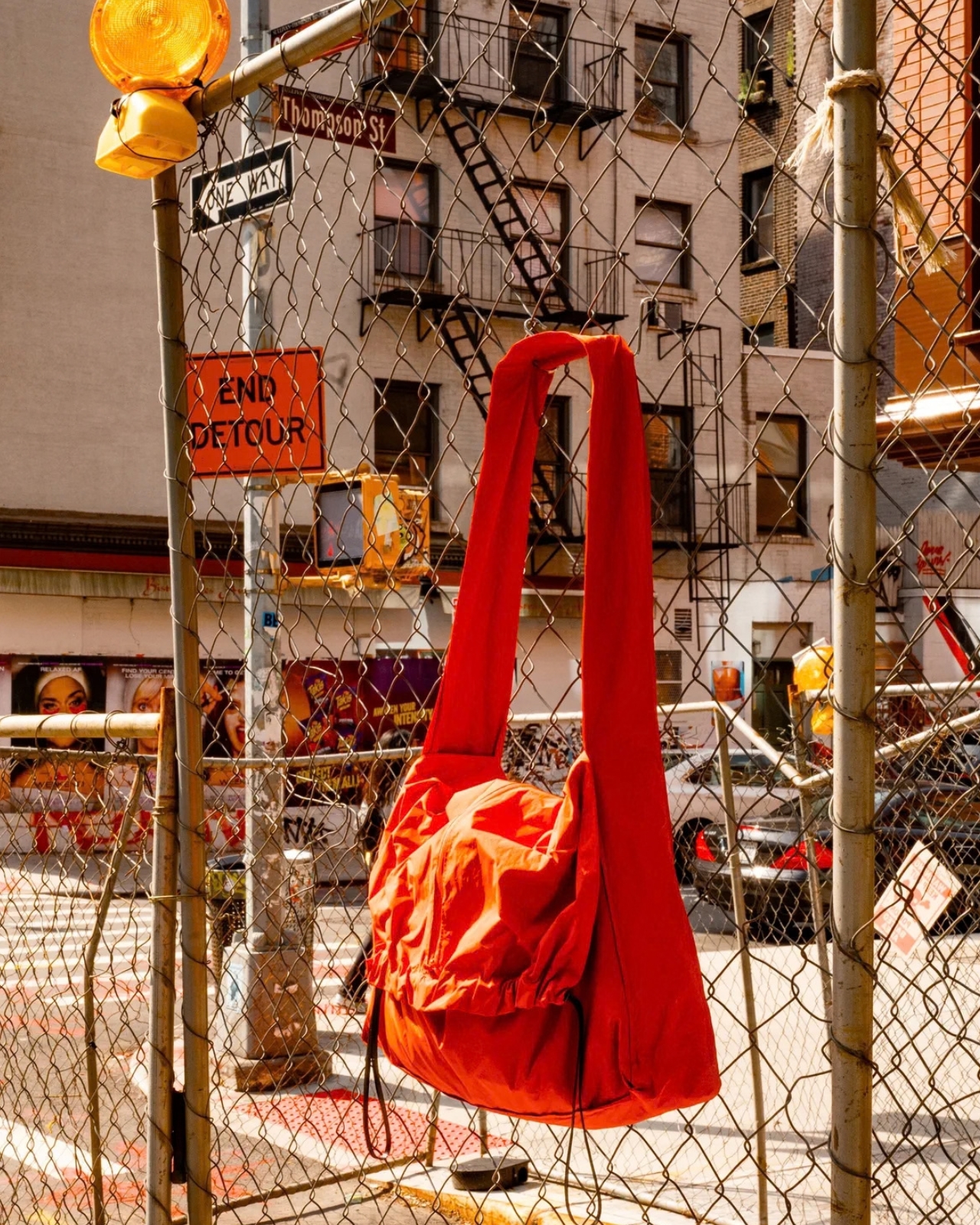
The color is doing a lot of the talking too. Lifeline is a loud, unmissable orange, the same visual language as a highway cone or a hazard sign. Le Brun has called it exactly that, the language of emergency, and it’s a smart choice because it refuses to let the object blend in the way most safety gear quietly does. Life jackets on a plane are tucked under your seat where you never see them until it’s too late to think clearly. This one is worn like an accessory, which is either darkly funny or the most honest design decision in the whole project, depending on your mood that day.
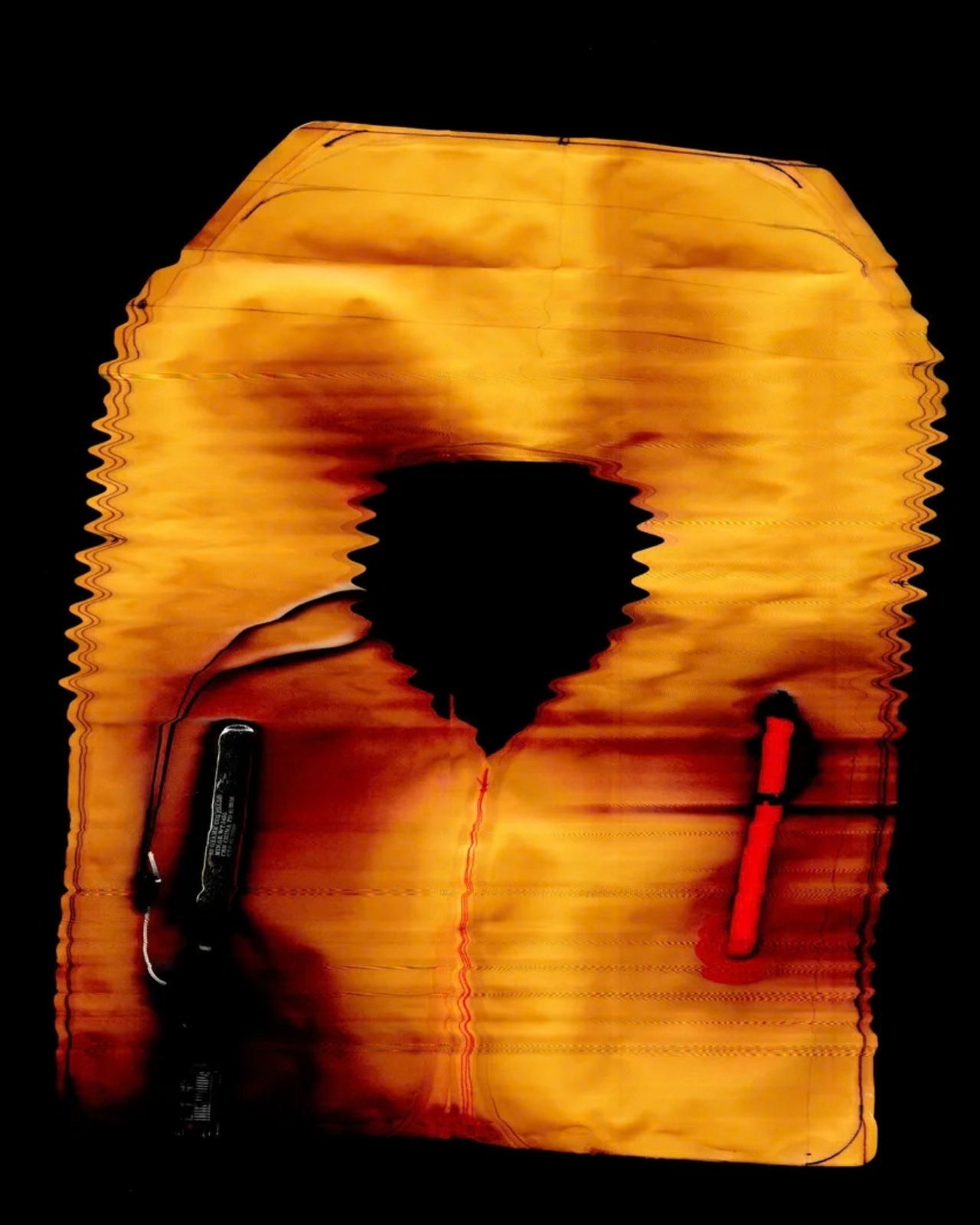
What actually gets me about Lifeline isn’t the engineering, it’s the framing. Le Brun described the whole project as an “essential that shouldn’t exist,” and that phrase does more work than any statistic could. We’ve gotten so used to climate disruption showing up as background noise, a delayed train, a canceled flight, a flooded platform you just have to walk around, that we rarely stop to ask why any of it has become normal enough to accessorize. Mestriner put it well when she talked about the project sitting at the intersection of convenience and emergency, privilege and vulnerability, and how that weight never falls evenly across people or neighborhoods.
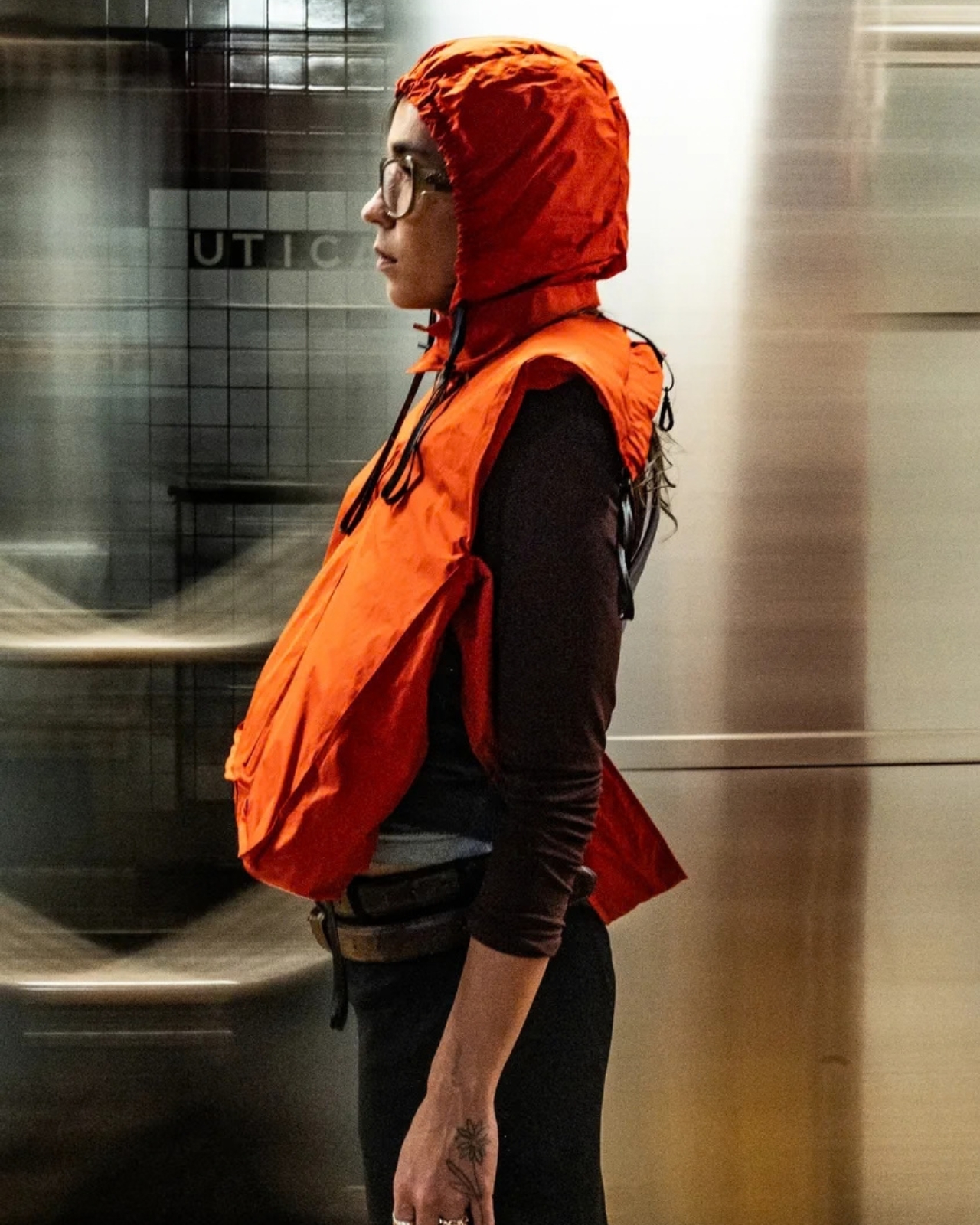
Lifeline isn’t for sale, and it was never meant to be. It launched at the start of Climate Week as what Le Brun calls a narrative object, something built to spark a conversation rather than solve a logistics problem. That’s a fair goal for a five person art collective working with heat-welded nylon in a studio, and I don’t think anyone involved believes commuters should actually be shopping for inflatable totes. But the object does something a chart or a headline can’t quite manage. It takes an abstract, slow moving crisis and makes it wearable, immediate, almost absurdly personal.
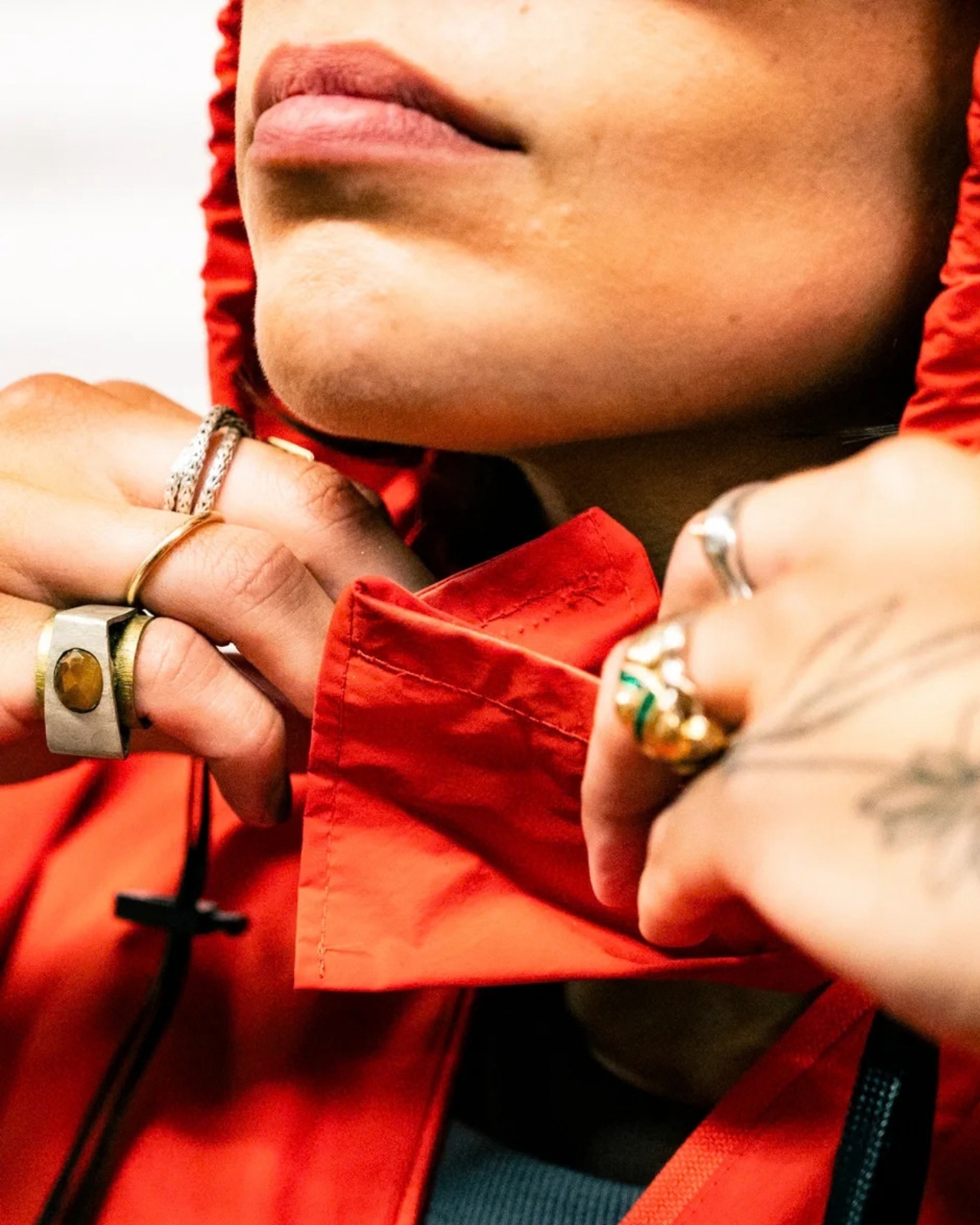
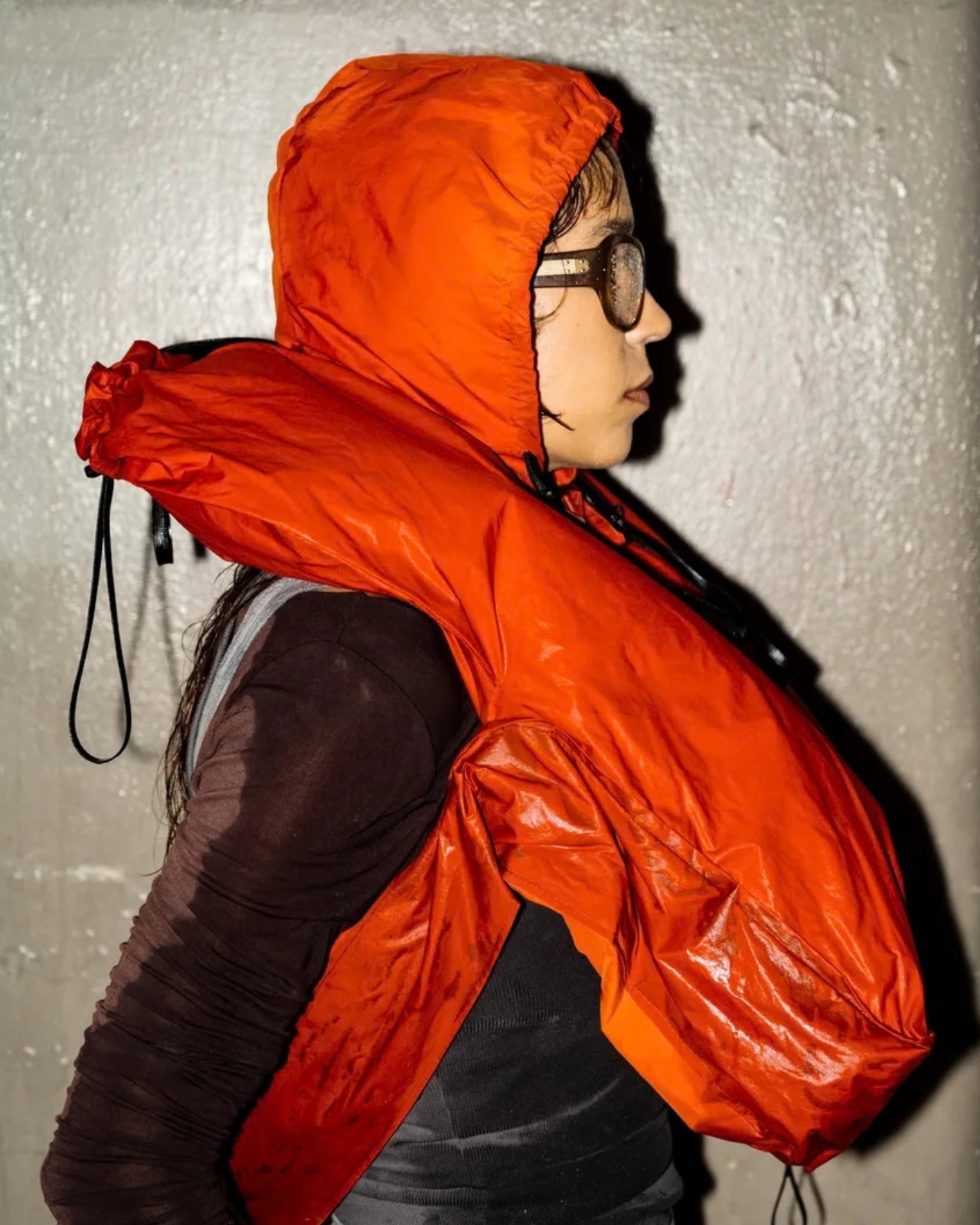
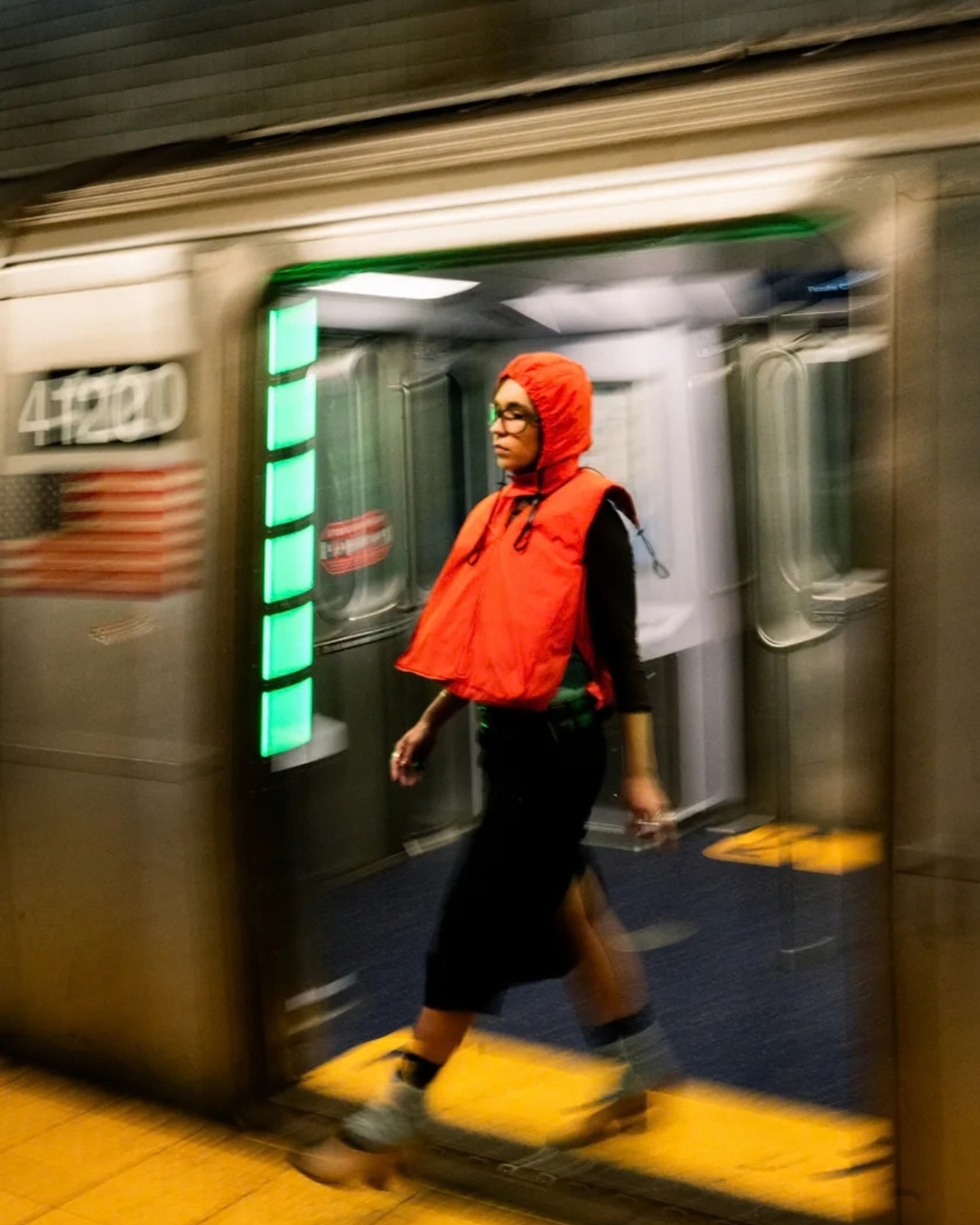
I keep coming back to the photos of the bag being converted into a life jacket inside an actual subway station, styled like a fashion editorial one second and a survival scenario the next. That whiplash is the whole point. New York keeps moving through disruption because that’s what the city does, but Lifeline is a pretty sharp reminder that resilience and denial can look identical from the outside, right up until the water starts rising.