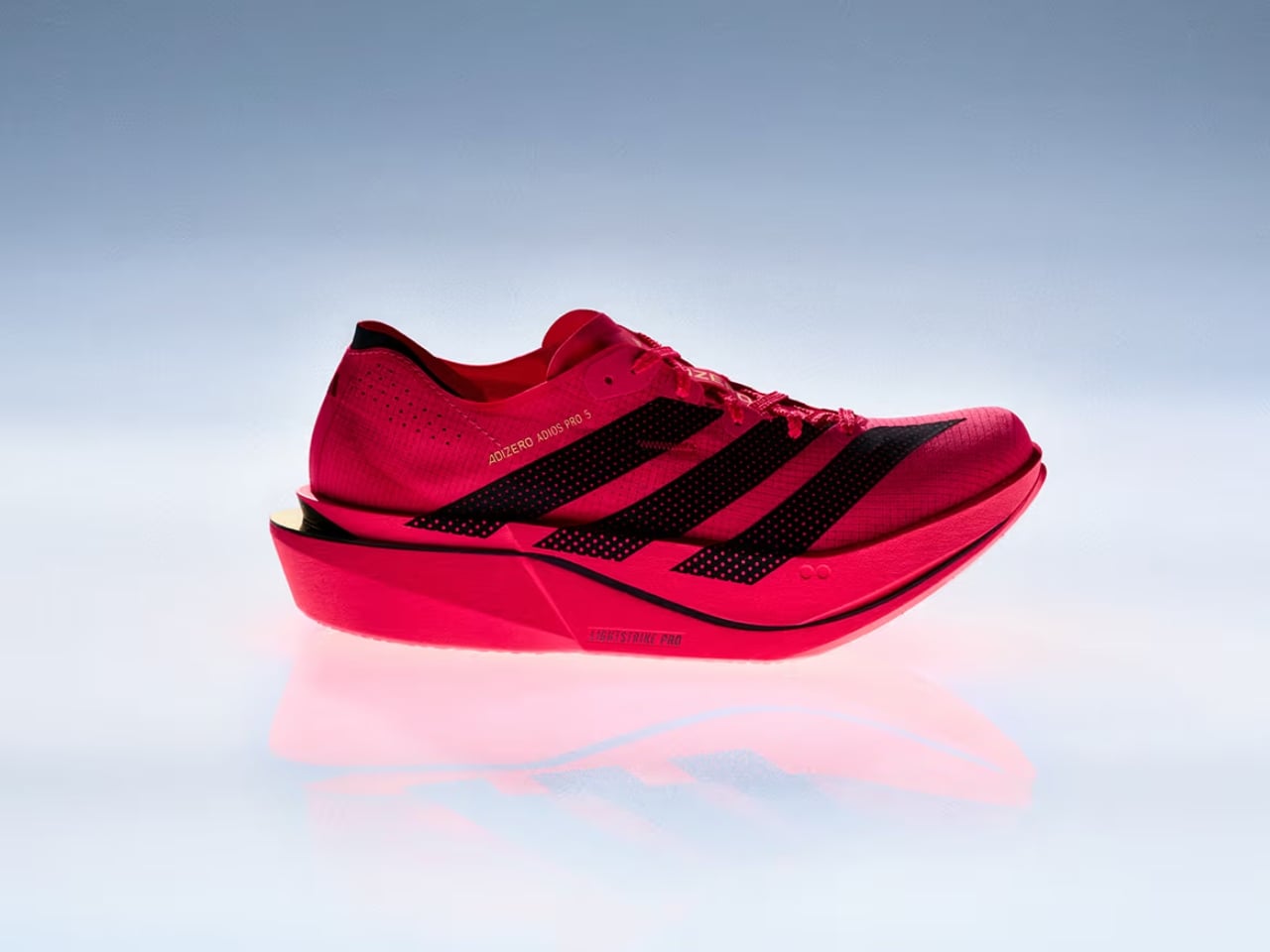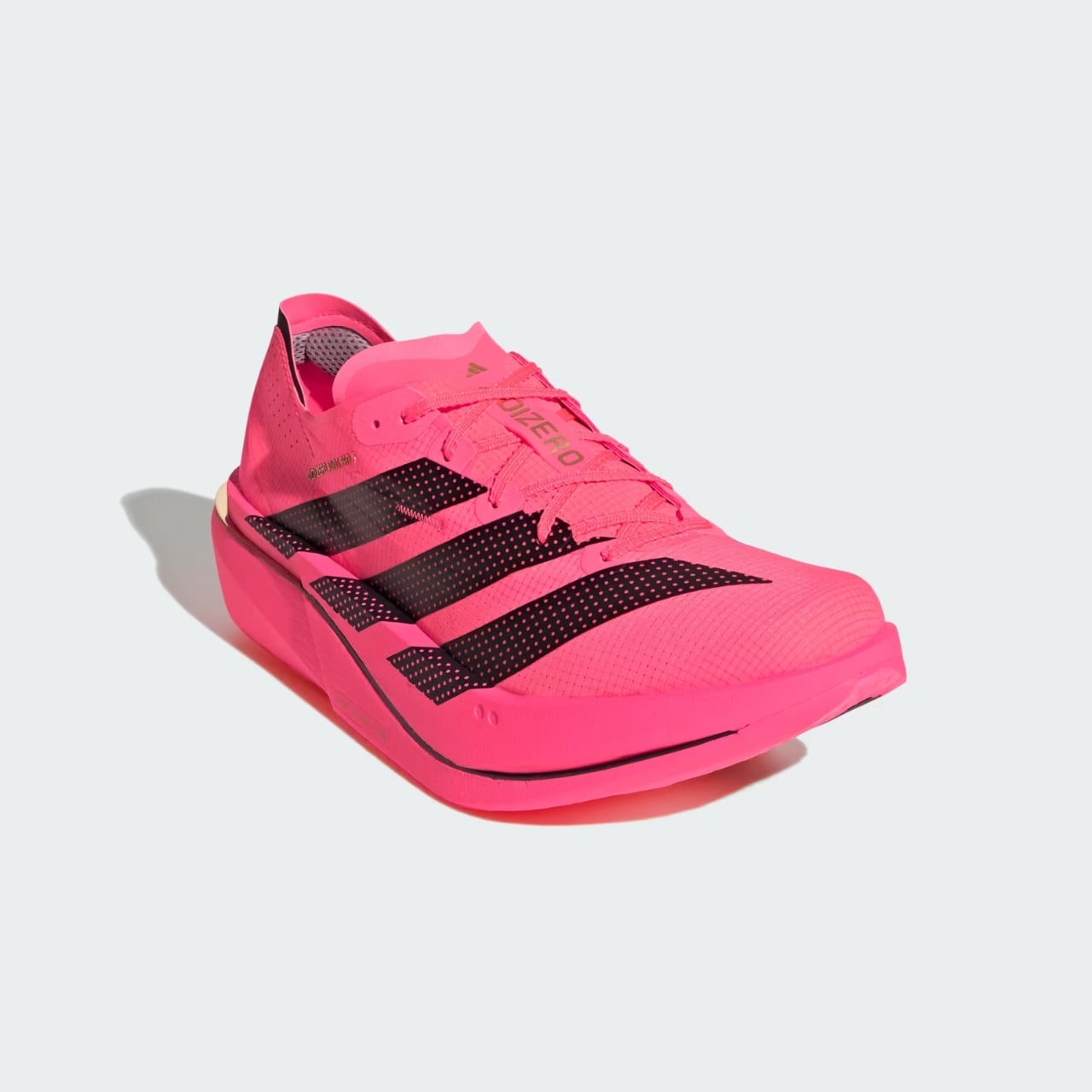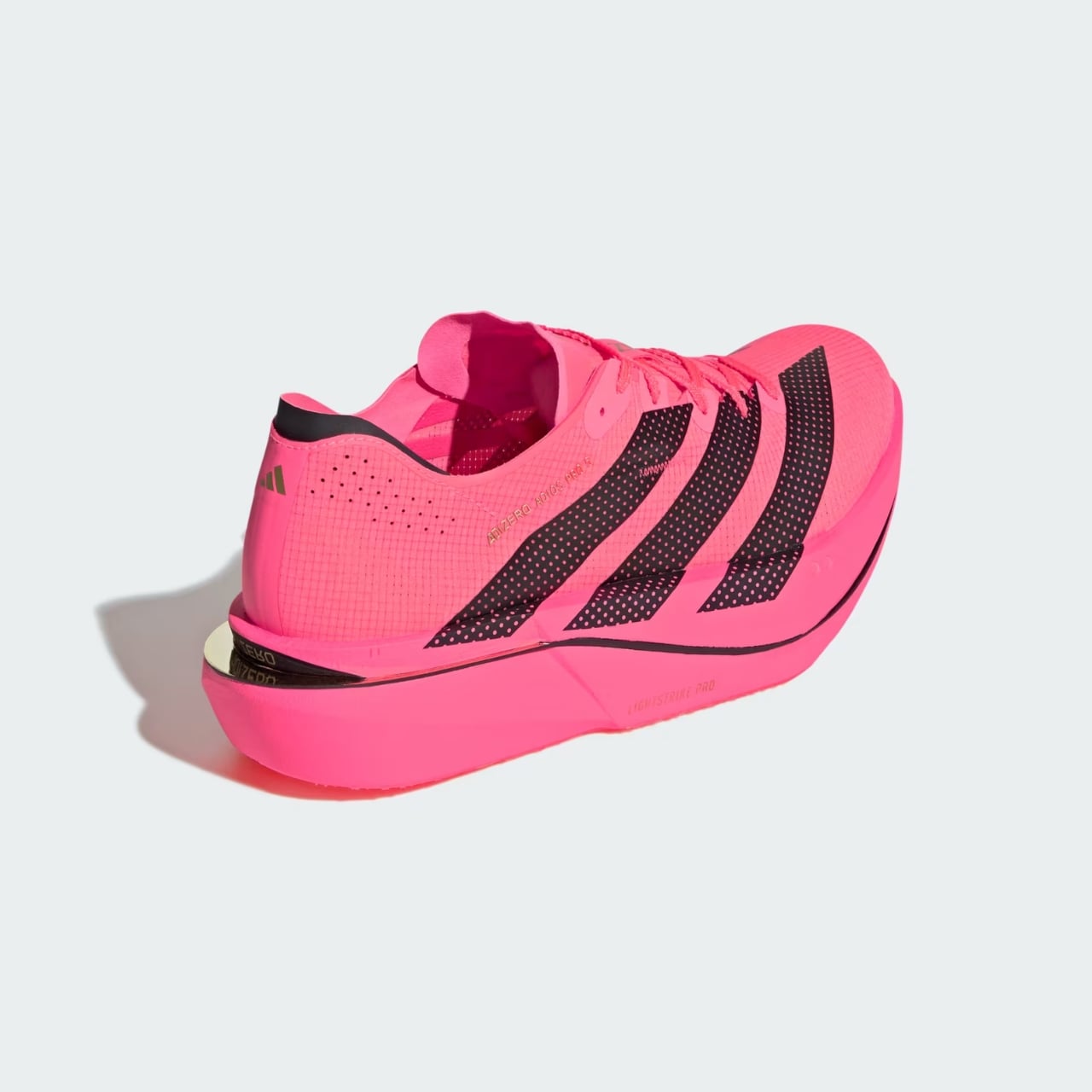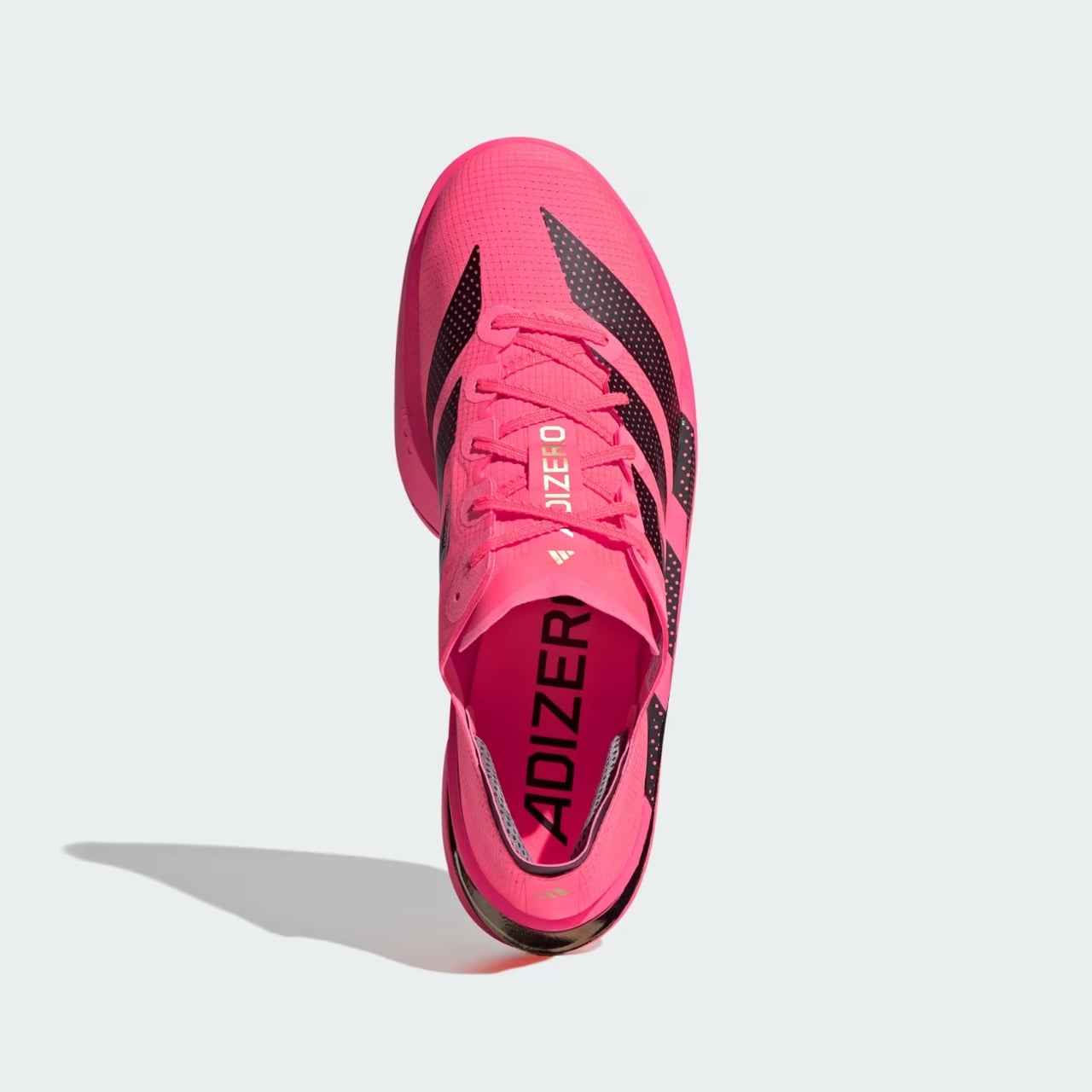

Most runners will never own the shoe that broke the two-hour marathon barrier. The Adizero Adios Pro Evo 3 that Sabastian Sawe and a handful of other elite athletes wore into the history books this year was never really built for the rest of us. It’s fragile by design, priced somewhere north of $500, and made for maybe one perfect race before it’s done. That’s the actual problem adidas set out to fix with the Adizero Adios Pro 5: how do you take genuinely record-breaking technology and put it on the feet of someone training for their local Sunday marathon without asking them to spend half a paycheck or babysit a shoe that might not survive the training block that gets them there.
The answer, released globally on September 22 at $275, is a shoe that borrows its most important ideas from the Evo 3 and builds them into something you can actually train in, race in, and buy again next season. That distinction matters more than it might sound like it does. Super shoes have spent the last several years chasing marginal gains that only elite athletes could feel, at price points that only enthusiasts could justify. The Pro 5 is adidas’ attempt to close that gap, and from what’s been tested so far, it mostly succeeds.
Designer: adidas
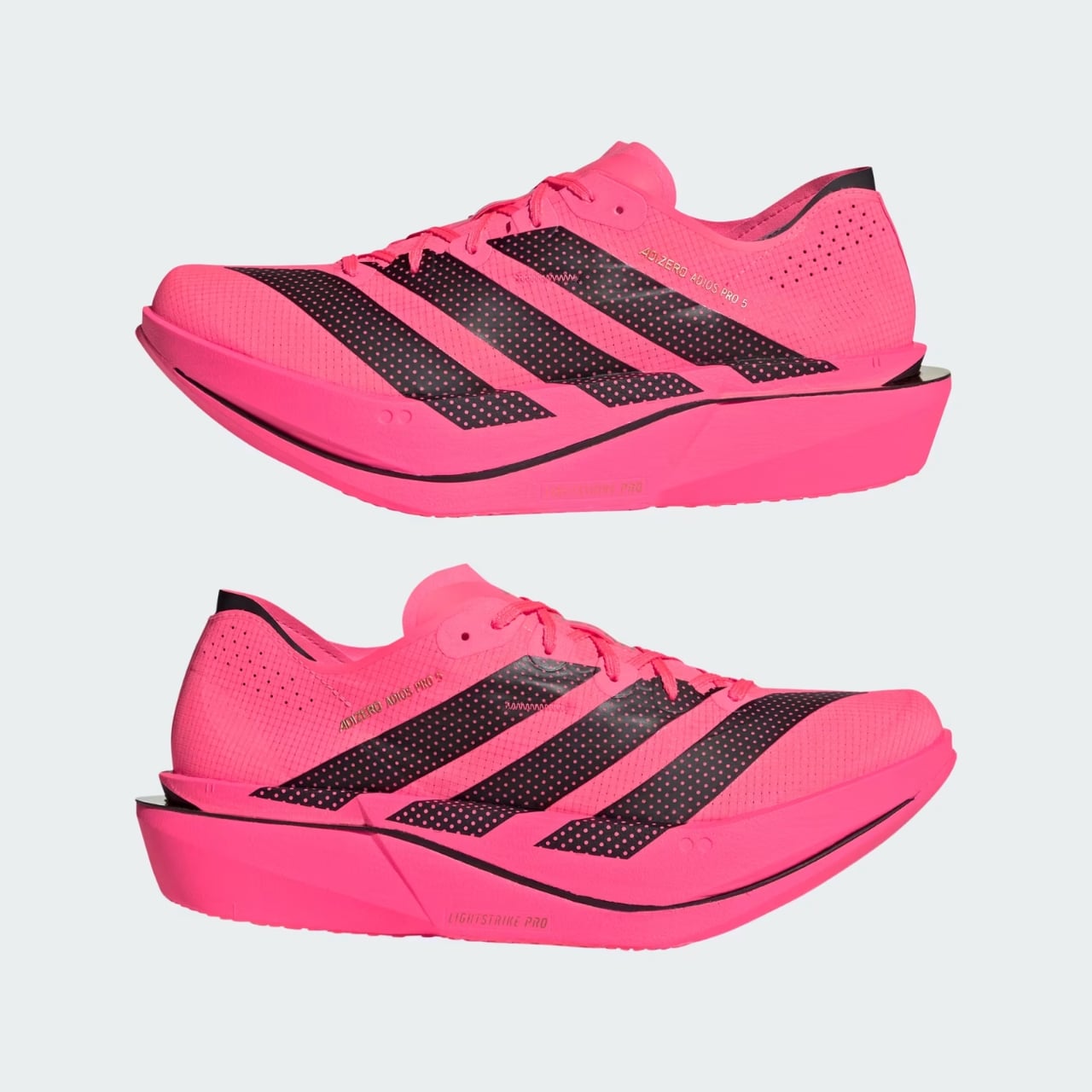


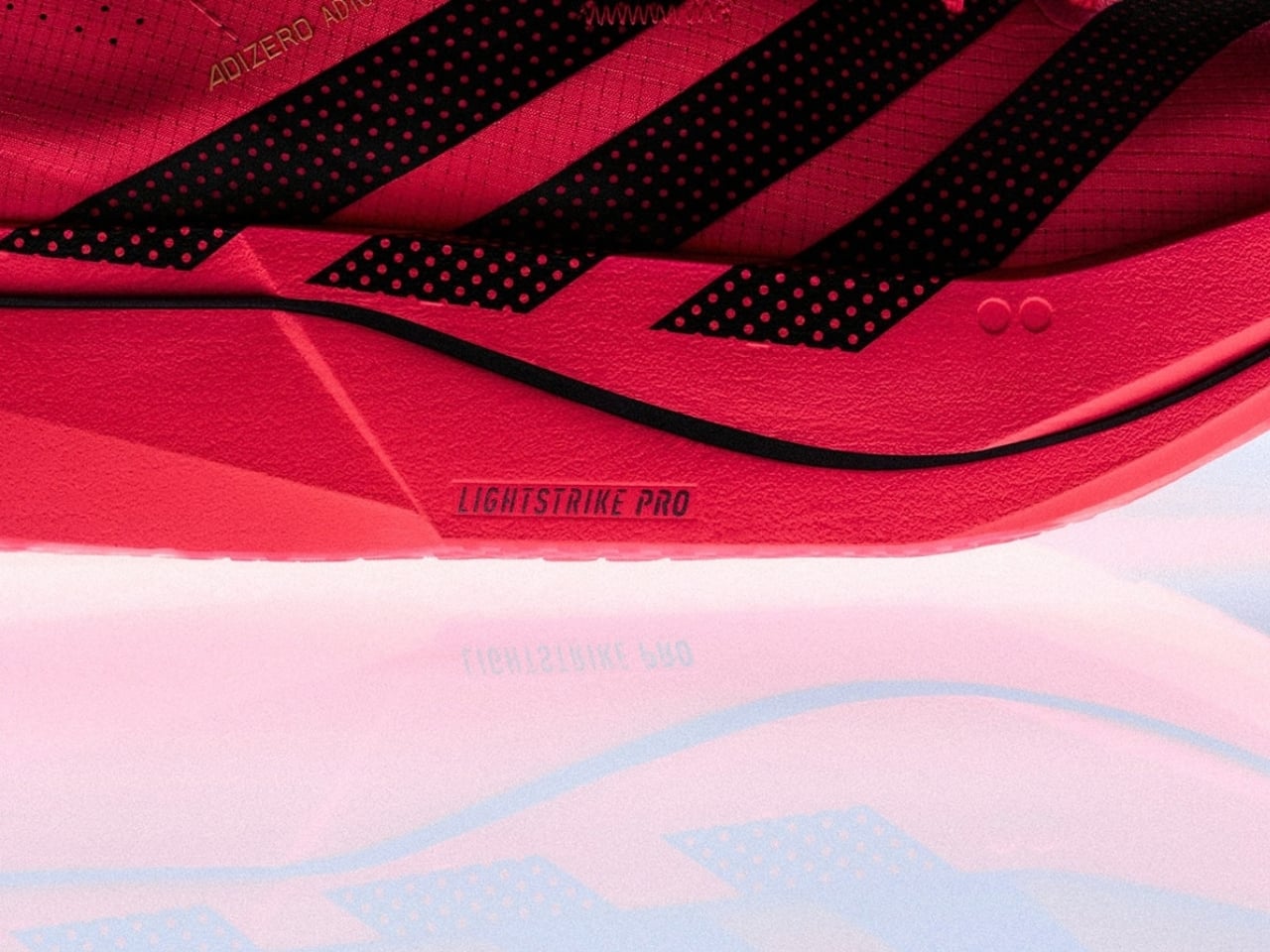
The headline feature is something called ENERGYRIM, a carbon-fiber-infused ring that runs around the perimeter of the midsole instead of the carbon rods threading through the center, which is how most super shoes have handled propulsion since the category exploded. Freeing up that center space means more room for pure Lightstrike Pro foam directly under the foot, which adidas says translates to a 9 percent bump in energy return over the previous version. I’m generally skeptical of percentage claims in shoe marketing, but the logic here actually checks out from an engineering standpoint. More foam where your foot actually lands should matter more than a rod you never directly feel.
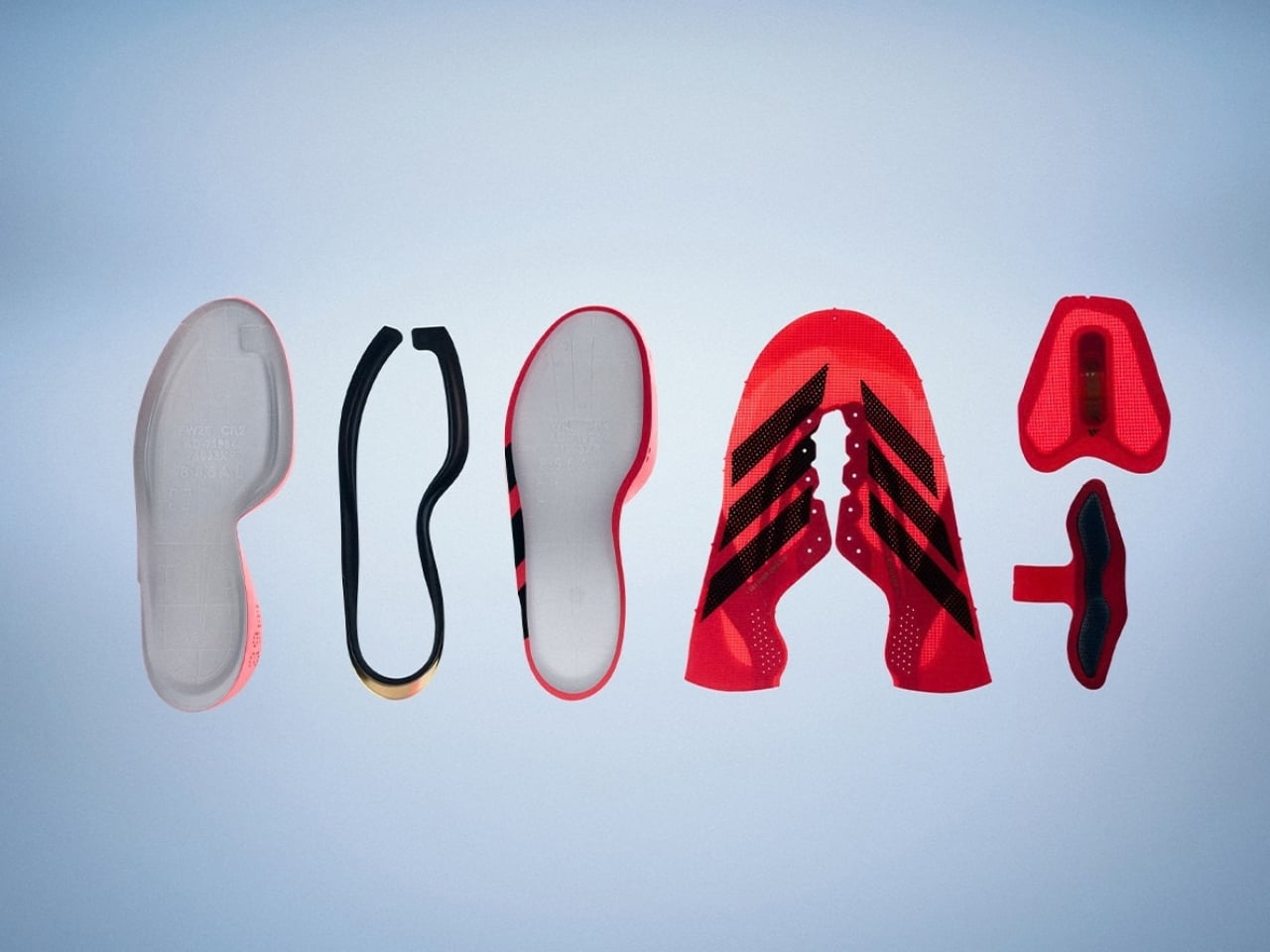
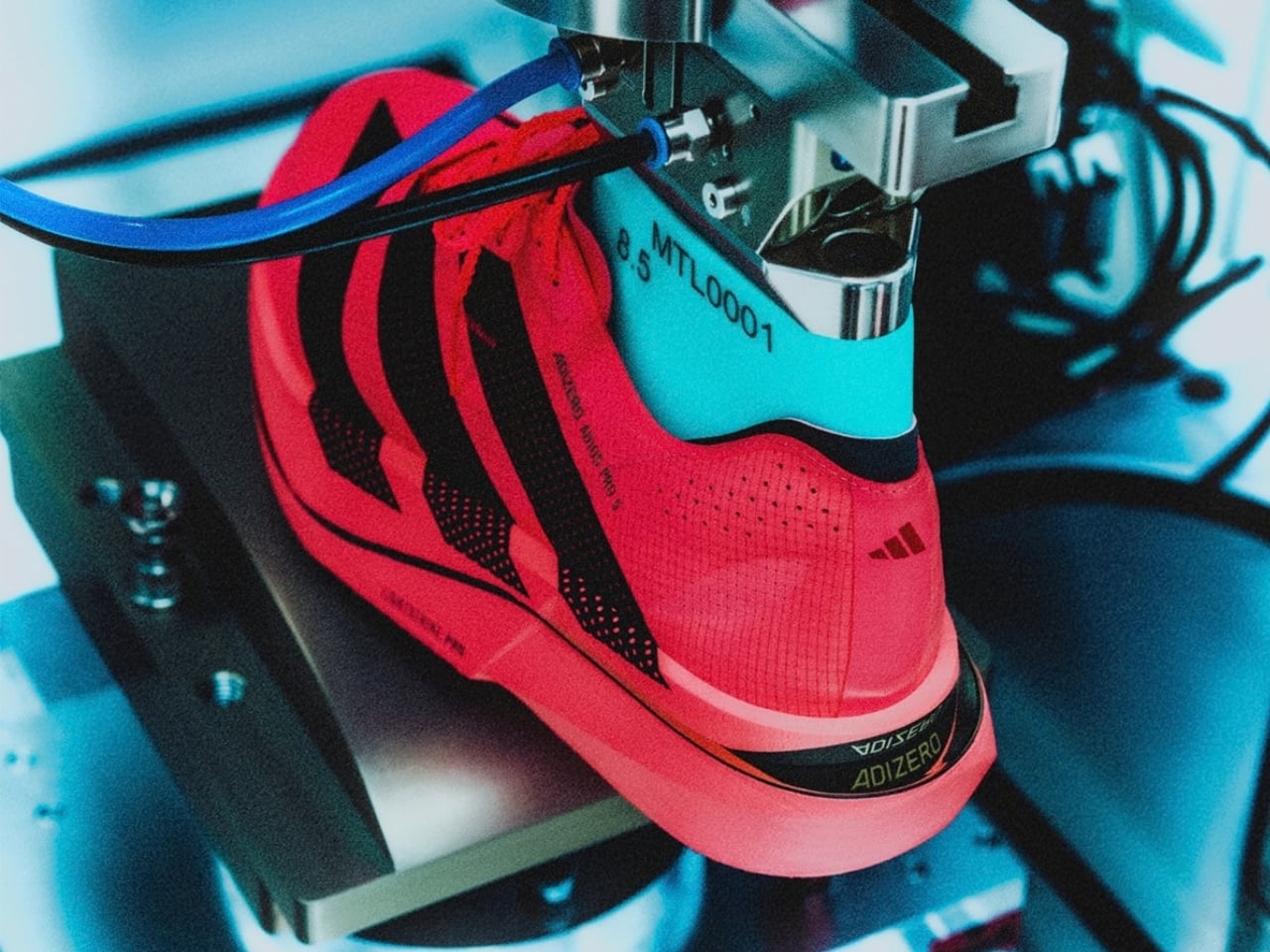
What’s harder to fake is the weight. The Pro 5 averages 177 grams, about 23 grams lighter than the Pro 4, which doesn’t sound dramatic until you’re 20 miles into a marathon and every gram left on the shoe is a gram you’re not fighting anymore. adidas has leaned into this a little too cheerfully in its own marketing, but the number holds up across early reviews, and it’s the kind of change runners actually feel rather than just read about.
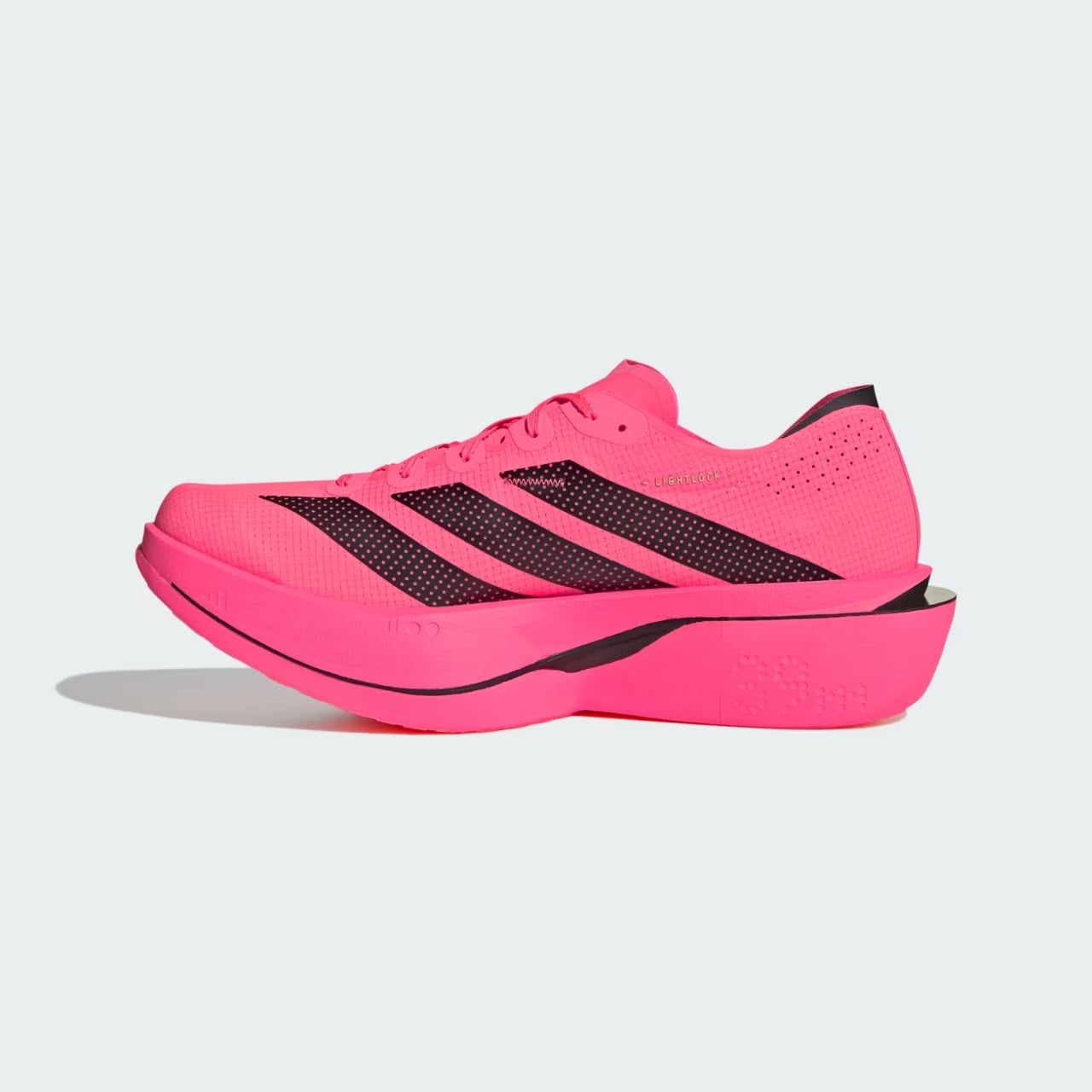
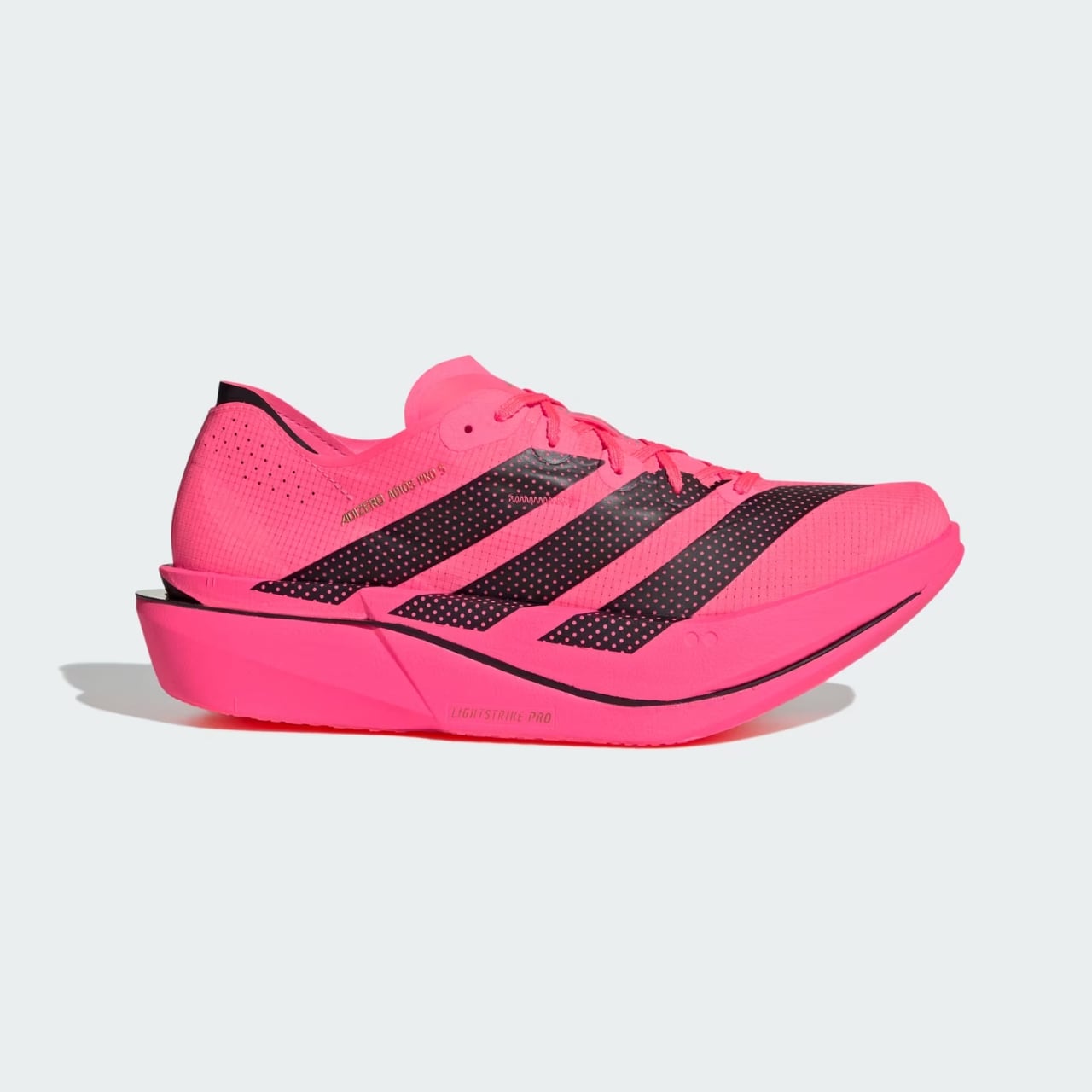
The geometry shift is the quieter story here, and probably the more interesting one. Stack height moved to 39mm in the heel and 35mm in the forefoot, with the drop dropping from 6mm to 4mm. That’s a flatter ride than the outgoing model, and it’s a deliberate move toward something closer to how the Evo 3 actually rides. adidas isn’t hiding that this is a trickle-down shoe. It’s stating it outright, which I appreciate more than the usual vague marketing about “innovation.”
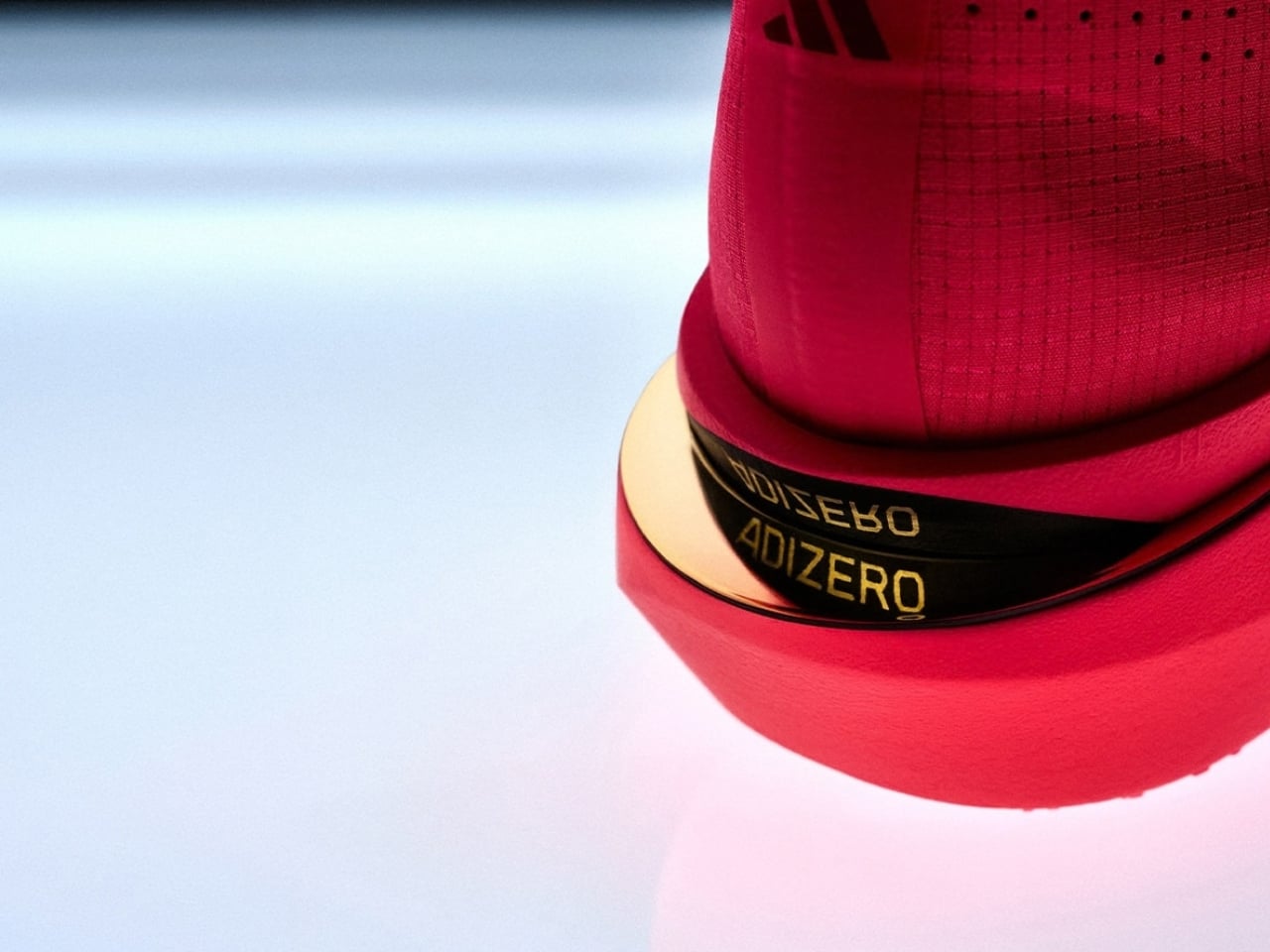
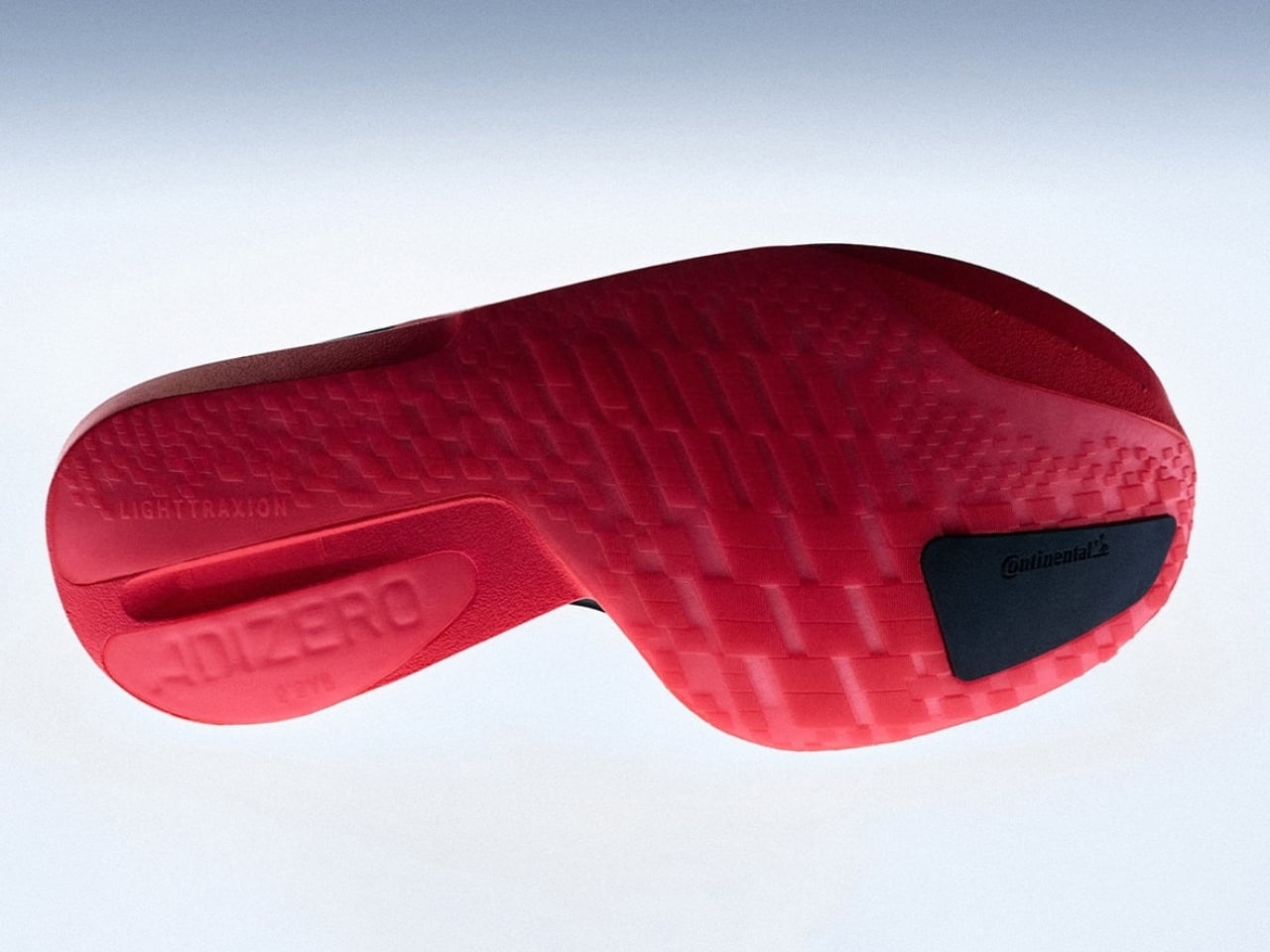
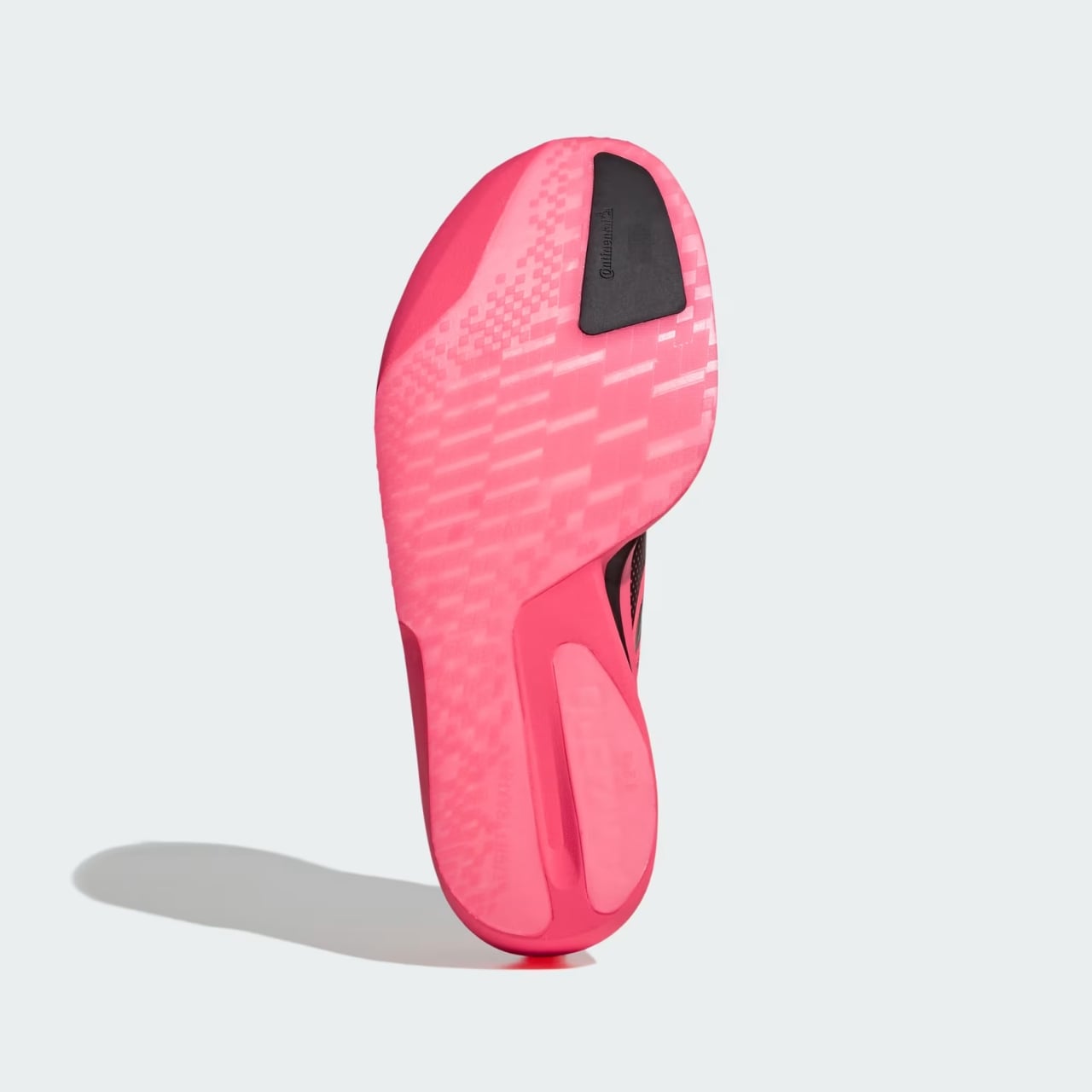
The upper got real attention too. Lightlock 2.0 adds anti-slip foam pods around the heel, addressing the one complaint that’s followed nearly every carbon racer since the category started: your heel slipping around mile 20 when your form starts to fall apart and you need the shoe to hold its end of the deal. Underneath, a Continental rubber patch at the toe-off zone means grip doesn’t disappear the moment the road gets wet, which matters more than any spec sheet number if you’ve ever raced through a rainy start line.


None of this makes the Pro 5 a shoe for everyone. It’s still a race-day tool built for people chasing a number on a clock, not a daily trainer for easy miles. But adidas tested it with more than 25 athletes across Kenya, Ethiopia, and the US before bringing it to market, and that groundwork shows in a shoe that feels less like a marketing exercise and more like an honest attempt to hand serious runners a genuine piece of the tech that just rewrote what a marathon can look like.