
The parking lot is the wrong frame for tailgating. The better one is the living room, relocated and weather-dependent, but organized around the same core logic: good sound, something to watch, something warm in your hands. The gadgets that actually close that gap are never the loudest or most expensive ones in the lot. They solve one specific problem well and stay out of the way of everything else.
These three products make game day feel like home, not through spectacle but through specificity. The RetroWave 7-in-1 Radio handles the sound. The XGIMI MoGo 4 Pro handles the picture. The BioLite CampStove 2+ handles the food and the power that keeps everything else running. Each earns its space in the truck bed for a different reason, and none of them need explaining once they are set up.
1. RetroWave 7-in-1 Radio
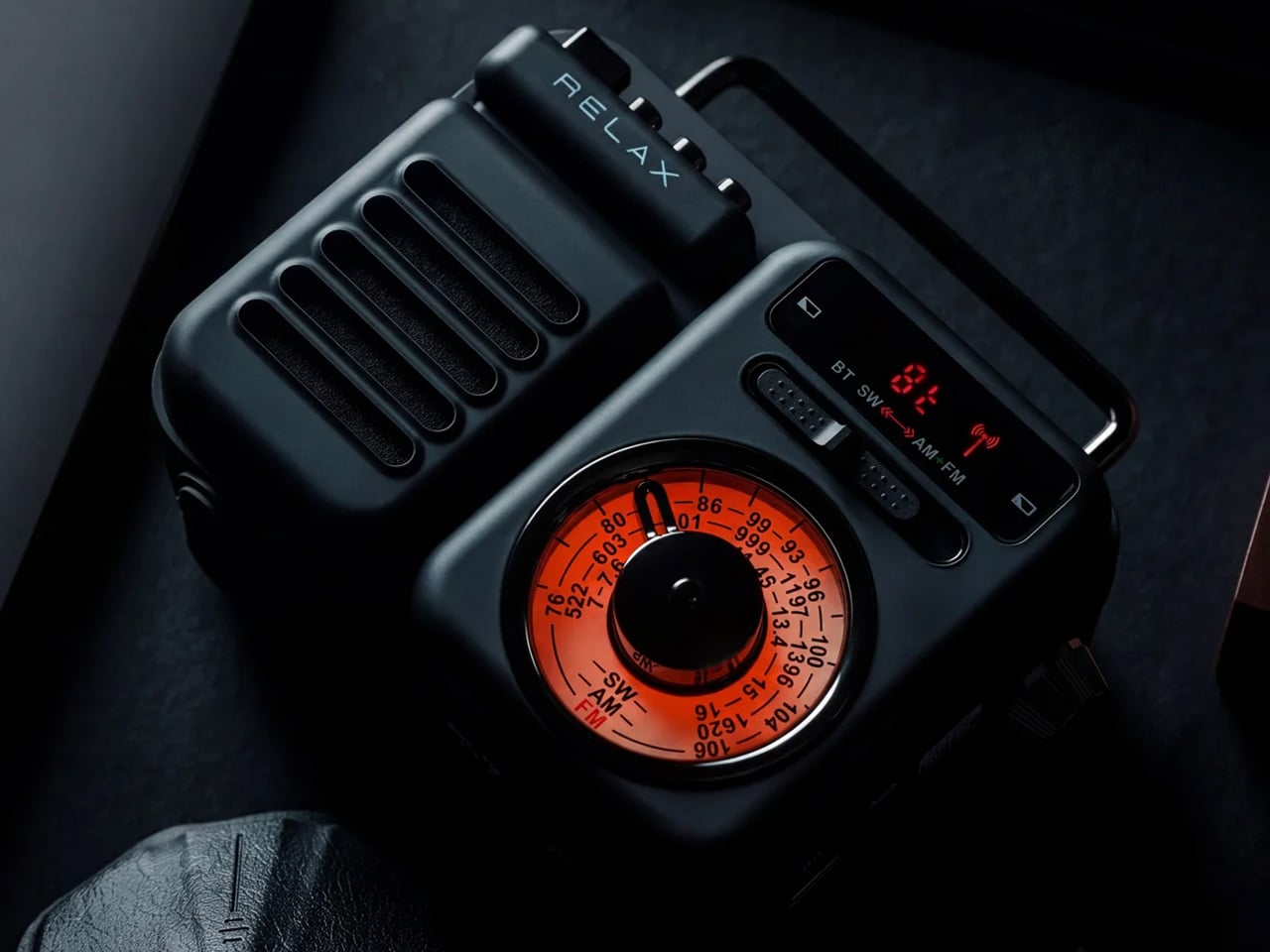
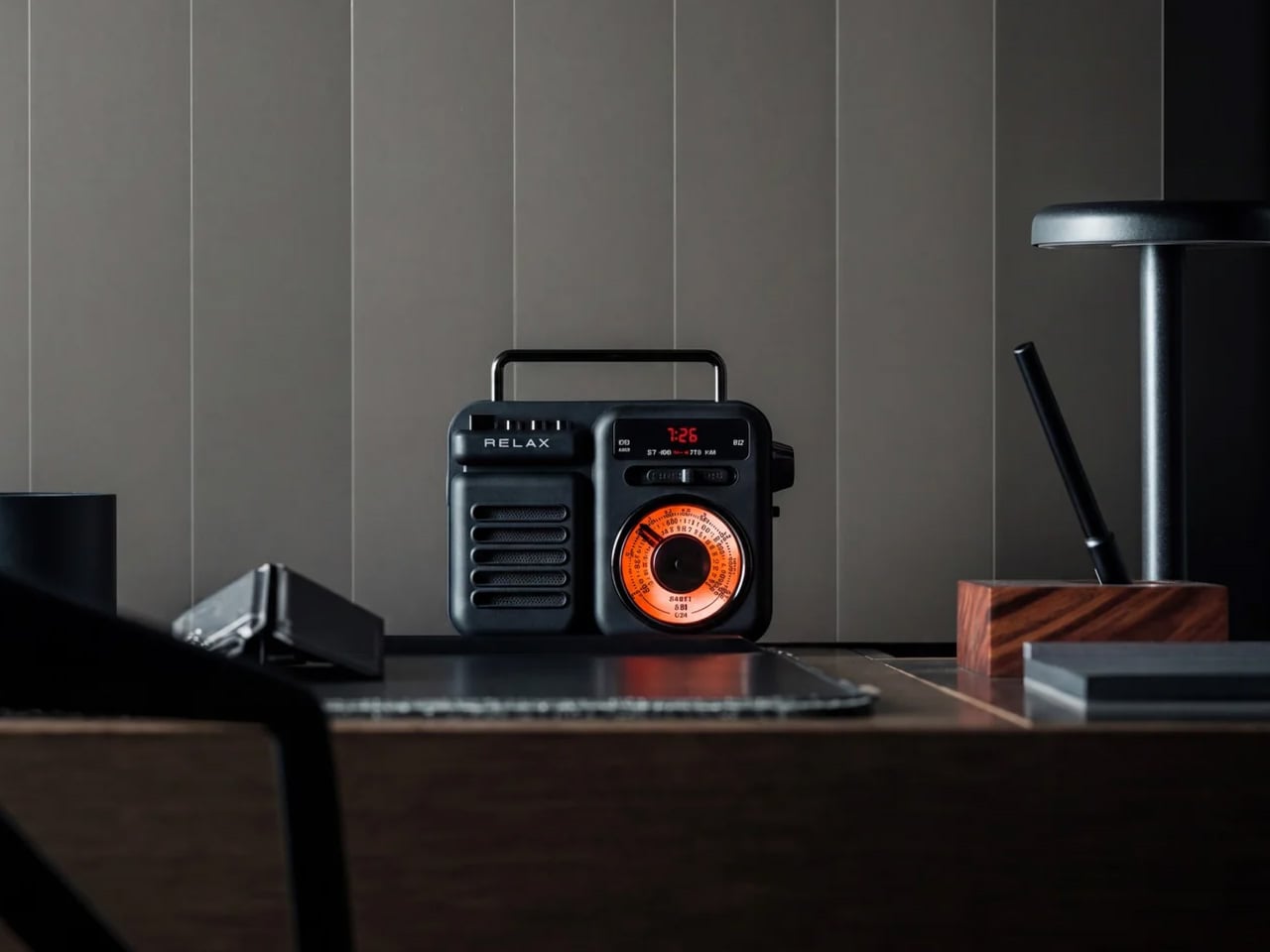
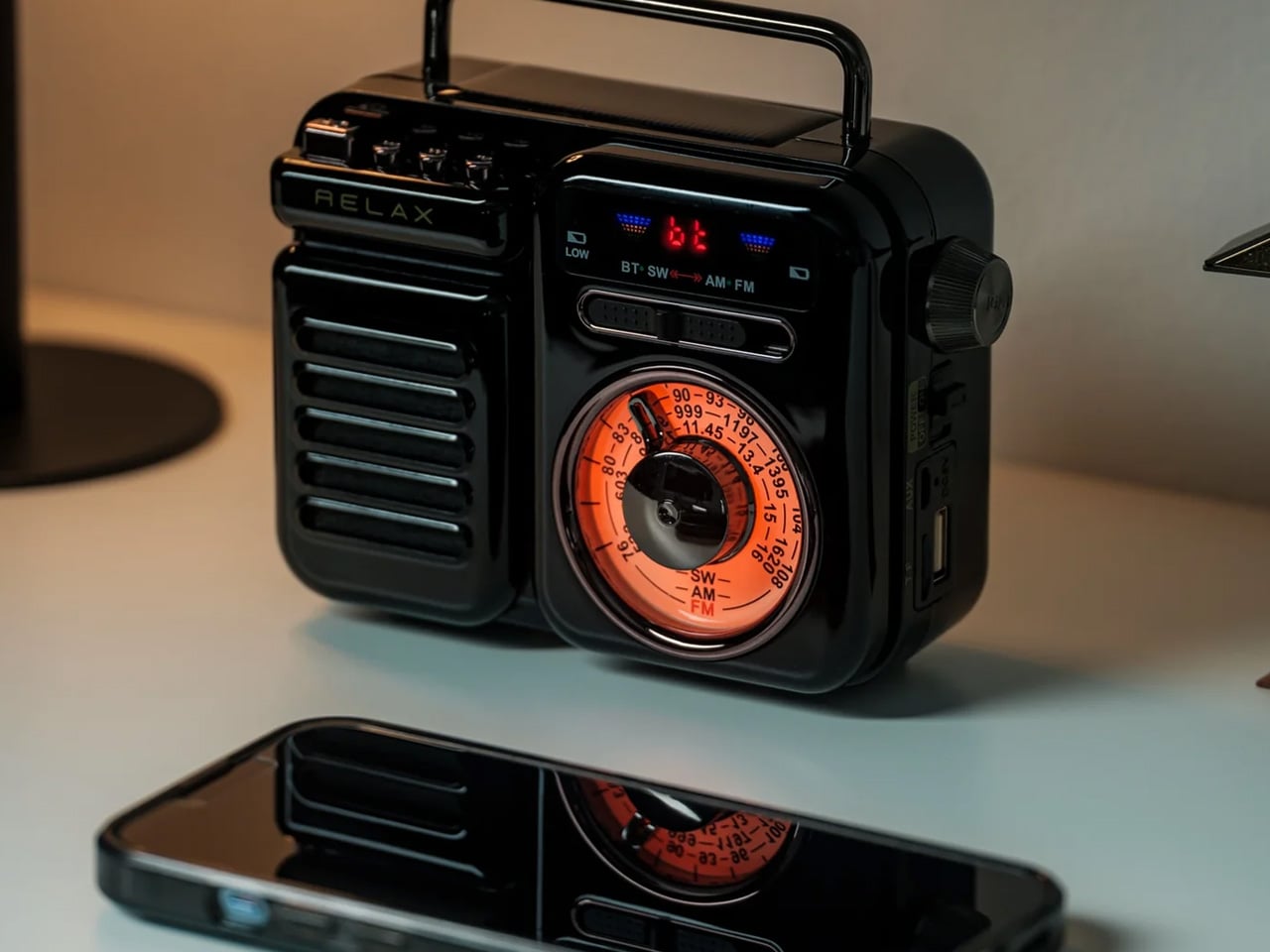
The RetroWave 7-in-1 Radio is a portable AM/FM and shortwave receiver built around a form factor that looks more at home on a record shelf than in a parking lot. That tension is the whole point. It tunes into live radio so you catch the actual broadcast call, not a delayed stream with a lag during the play that just ended the game. The solar panel keeps it running off-grid, and the built-in power bank charges whatever runs out first.
At a tailgate, the radio is what sets the tone before anyone arrives. You switch it on while setting up, and the lot sounds like a broadcast. The tactile tuning dial gives you a physical action in a world of swipe gestures: find the station, stay there. The RetroWave sits in the center of the setup looking like it belongs rather than looking like equipment. Available in Black, Warm Gray, and Matte Black, with nothing that reads as an afterthought.
What we like:
- The solar panel and built-in power bank make it genuinely independent of outlets. You can run a full game day on sunlight alone and still have charge to spare when the lot clears.
- AM/FM and shortwave reception means you get the actual broadcast with no streaming delay, which matters when the crowd reacts to plays before your phone does.
What we dislike:
- The retro form factor is a design commitment. It reads correctly in an intentional, considered tailgate setup and slightly out of place in a purely utilitarian one where aesthetics aren’t part of the brief.
- Radio signal quality depends on location. In dense stadium environments surrounded by concrete and interference, reception can vary in ways that a streaming setup would not.
2. XGIMI MoGo 4 Pro Portable Projector

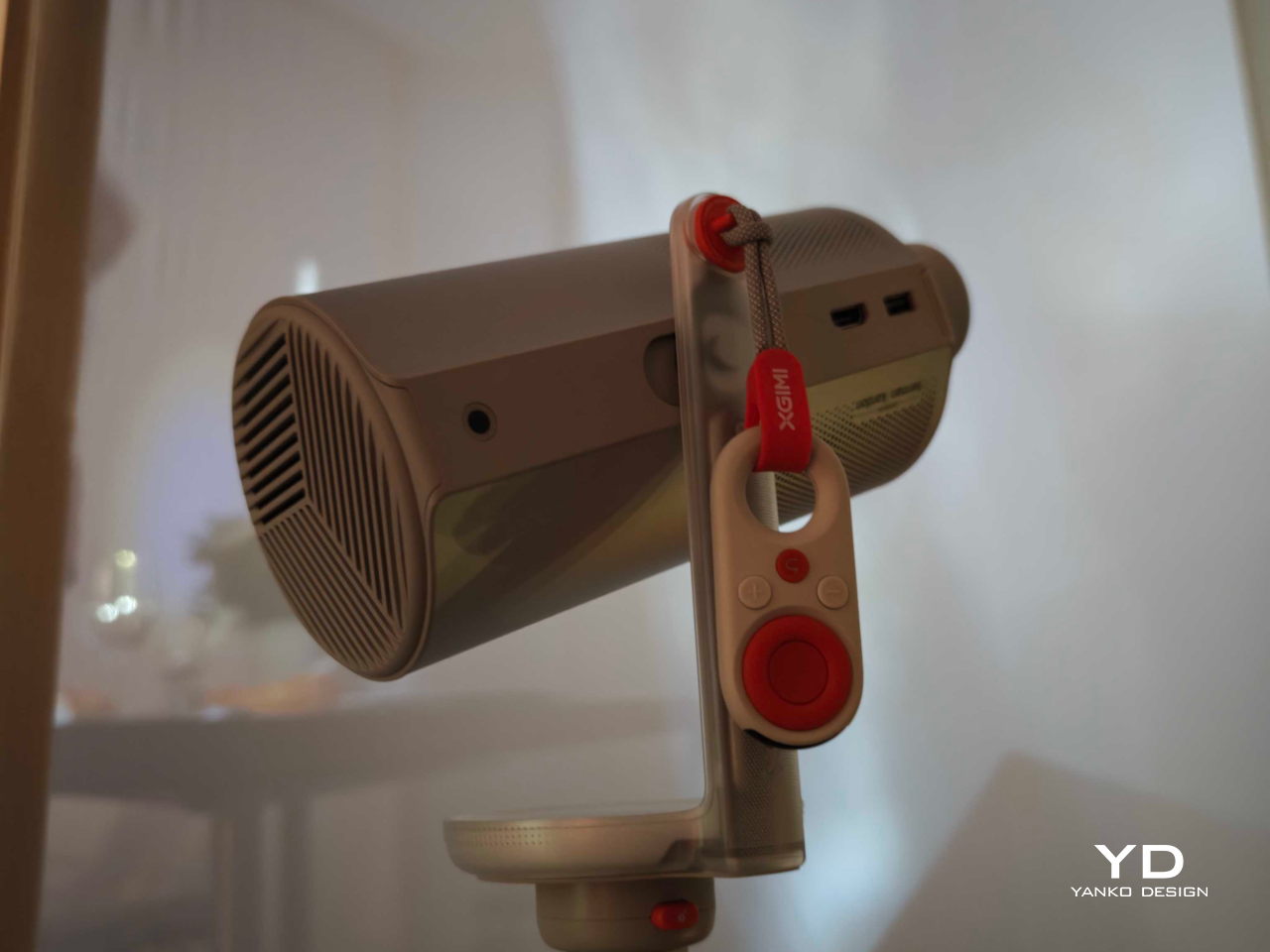
The XGIMI MoGo 4 Pro is a portable projector with a built-in battery, Android TV, and automatic keystone correction that sets the image straight without manual adjustment. It runs without a power outlet, which at a tailgate is not a convenience but a requirement. The projector format changes the scale of what you are watching: a bedsheet, a white truck panel, a concrete wall. Any flat surface becomes a screen large enough to follow the game from twenty feet back.
At a game day setup, the projector is what separates a good tailgate from a watch party. You point it at the side of the truck, and thirty people can follow the same play at the same moment. The MoGo 4 Pro runs on Android TV, so streaming the game requires nothing beyond your phone. The form is compact enough for a backpack, which means it goes wherever the setup moves, not just where you planned for it to go.
What we like:
- Automatic keystone correction means the image self-levels on any surface angle without a setup process. You point, it adjusts, and it works — at a tailgate where setup time is game time, that matters.
- Android TV is the full streaming operating system, not a paired app. Every service showing the game is accessible directly from the projector without routing through a laptop.
What we dislike:
- Projector brightness is always a variable. The MoGo 4 Pro performs best in low-light conditions; in a bright afternoon lot before kickoff, the image needs shade or a darker surface to read clearly.
- Battery runtime is finite. A full game with pre-show and halftime coverage runs longer than most portable projector batteries, which means planning for a power source or accepting that the battery eventually needs support.
3. BioLite CampStove 2+
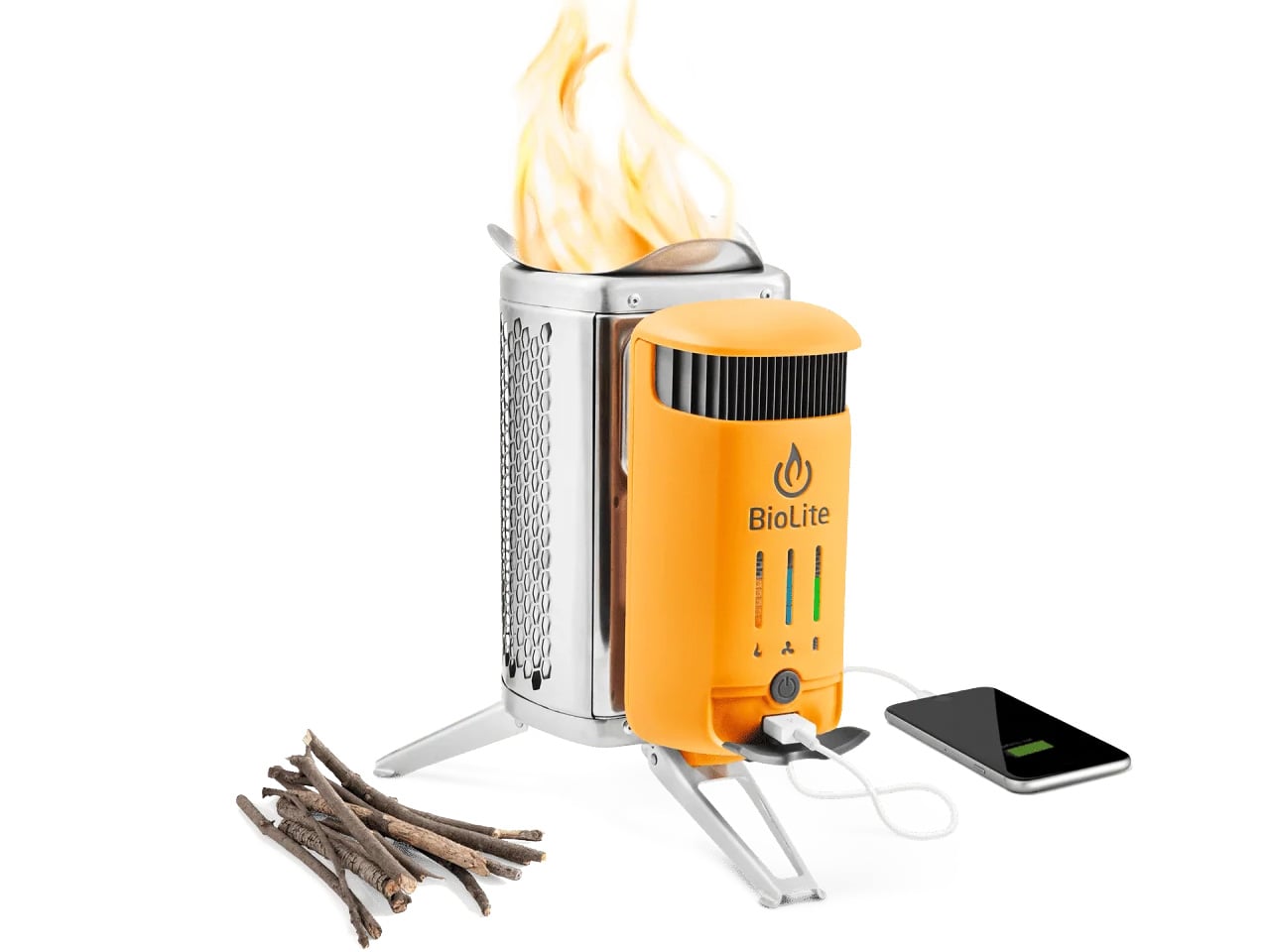
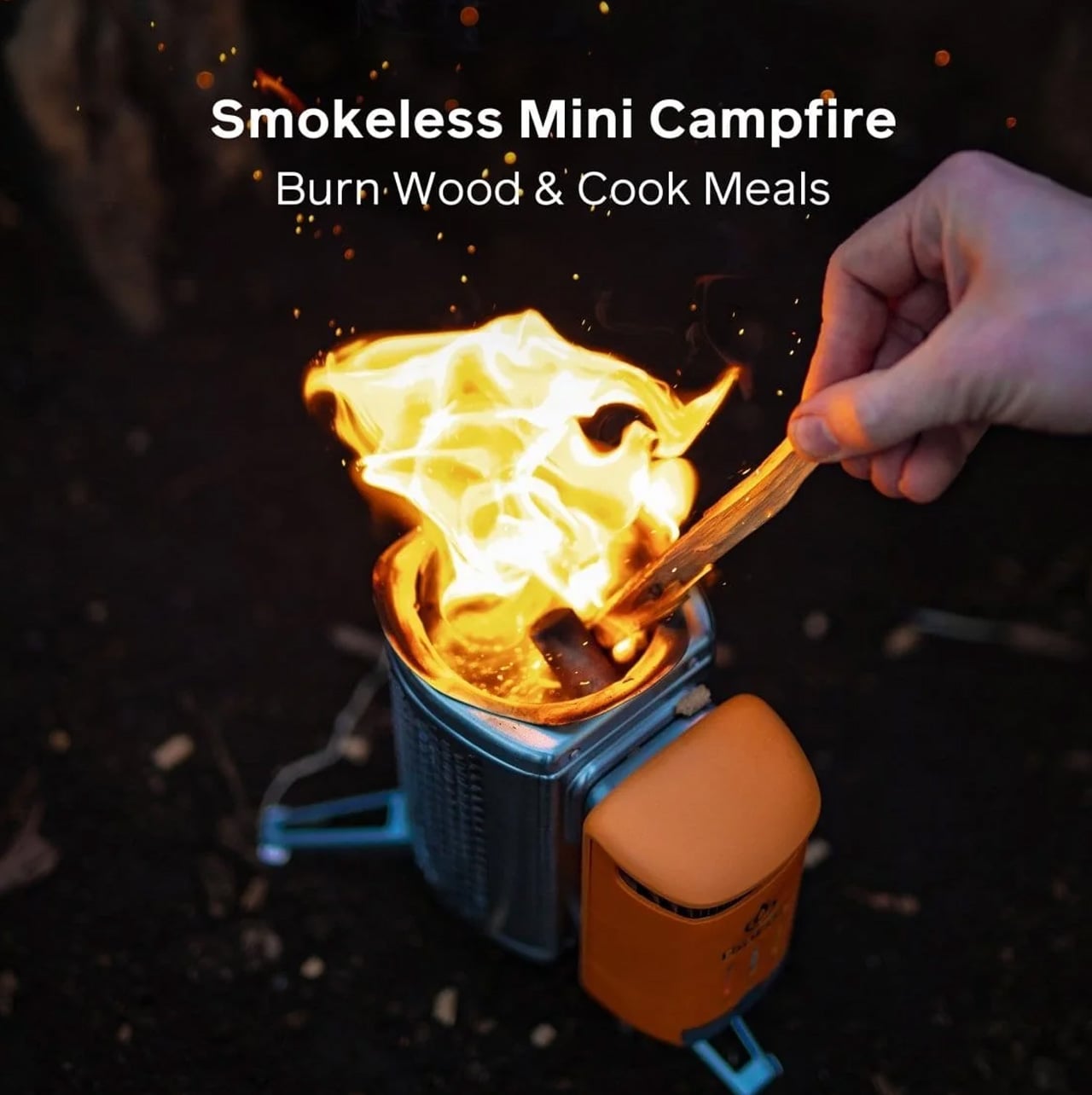

The BioLite CampStove 2+ burns small sticks and wood scraps from the surrounding area and converts that heat into electricity through a built-in thermoelectric generator. The generator feeds a fan that circulates air back into the combustion chamber for a cleaner, more complete burn, and charges an onboard battery simultaneously. That battery powers a USB port. You cook food on the same device that charges your phone. It is one of the more compressed problem-solving loops in outdoor equipment.
At a tailgate, the stove is the piece that makes the setup feel settled rather than temporary. Wood from a small bundle in the truck bed becomes the fuel, and you do not need anything from a gas station to light it. The food you cook on it justifies the time spent getting there. When the phone running the projector stream drops low, the CampStove charges it. The setup becomes self-sufficient in a way a standard propane burner never manages.
What we like:
- The thermoelectric system converts heat into electricity passively as you cook. Charging happens as a byproduct of the fire, with no separate step and no additional device to carry alongside it.
- Wood fuel means the CampStove runs as long as there is material to burn. There is no propane canister to run out at halftime.
What we dislike:
- The CampStove 2+ is sized for a small group cooking at the same time, not a large one. It handles focused cooking jobs well but cannot replace a full grill setup for a bigger crowd.
- Wood-burning in a parking lot depends on what is permitted. Some stadium lots restrict open flame from wood fires, which would make the CampStove 2+ a non-starter in that specific context before you even unpack it.
The Parking Lot Is Just the Address
The three products in this list don’t share an aesthetic or a price point. They share a design logic: one specific problem, resolved with unusual precision, and nothing unnecessary added around it. The RetroWave handles the broadcast. The MoGo 4 Pro handles the picture. The CampStove 2+ handles the food and the power. Together they account for the three things that actually make any space feel like somewhere worth staying.
Game day is already the occasion. The gadgets don’t need to make it feel like one. They need to make it feel like home, which is a quieter and more specific brief: less about performance, more about the ease that comes from not thinking about your setup once it is running. These three get that right. The parking lot becomes the living room, and you stay longer than you planned.

