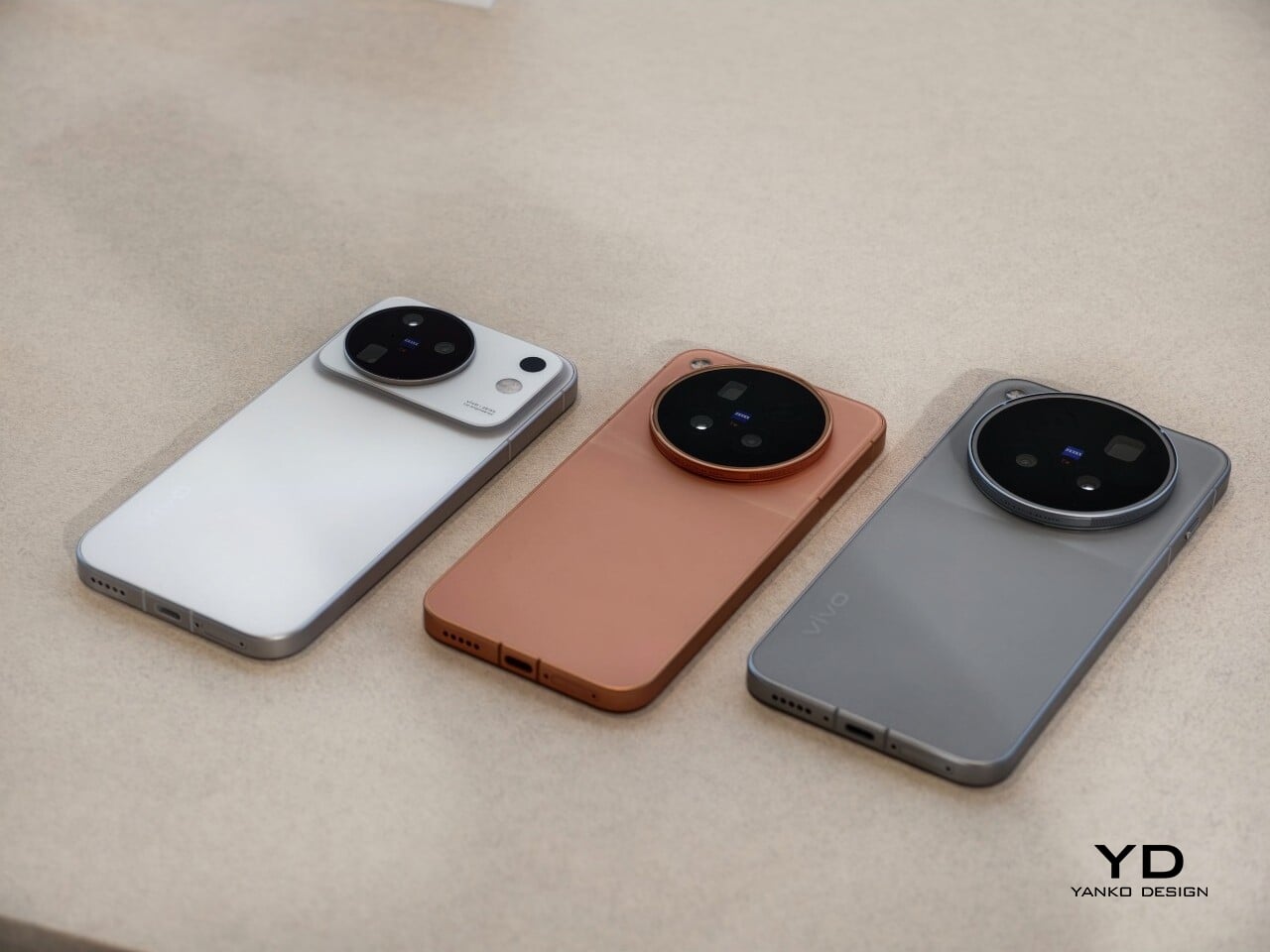

Vivo has unveiled the X500 series in Shanghai, introducing the X500, X500 Pro, and X500 Pro Max as the first phones built around its new dynamic imaging strategy. The whole lineup is meant to raise the bar for both photography and video, but the X500 Pro Max is clearly the main attraction. It is the model with the biggest imaging ambitions, the most serious video features, and Vivo’s clearest attempt yet to turn a smartphone into a genuine all-in-one production tool.
The X500 Pro Max debuts Vivo’s new Sony LYTIA L910 sensor, which the company says delivers true 17 EV ultra-high dynamic range output. The goal is to preserve more detail across bright highlights and deep shadows in the same frame. The rest of the setup is just as ambitious, pairing the main camera with a 200MP ZEISS APO telephoto camera and support for a 400mm equivalent Vivo ZEISS Telephoto Extender Gen 2 Ultra. Vivo is also putting plenty of weight behind stabilization, with 3-degree gimbal-grade OIS on the main camera and CIPA 7.0 professional stabilization on both the main and telephoto cameras.
Designer: Vivo
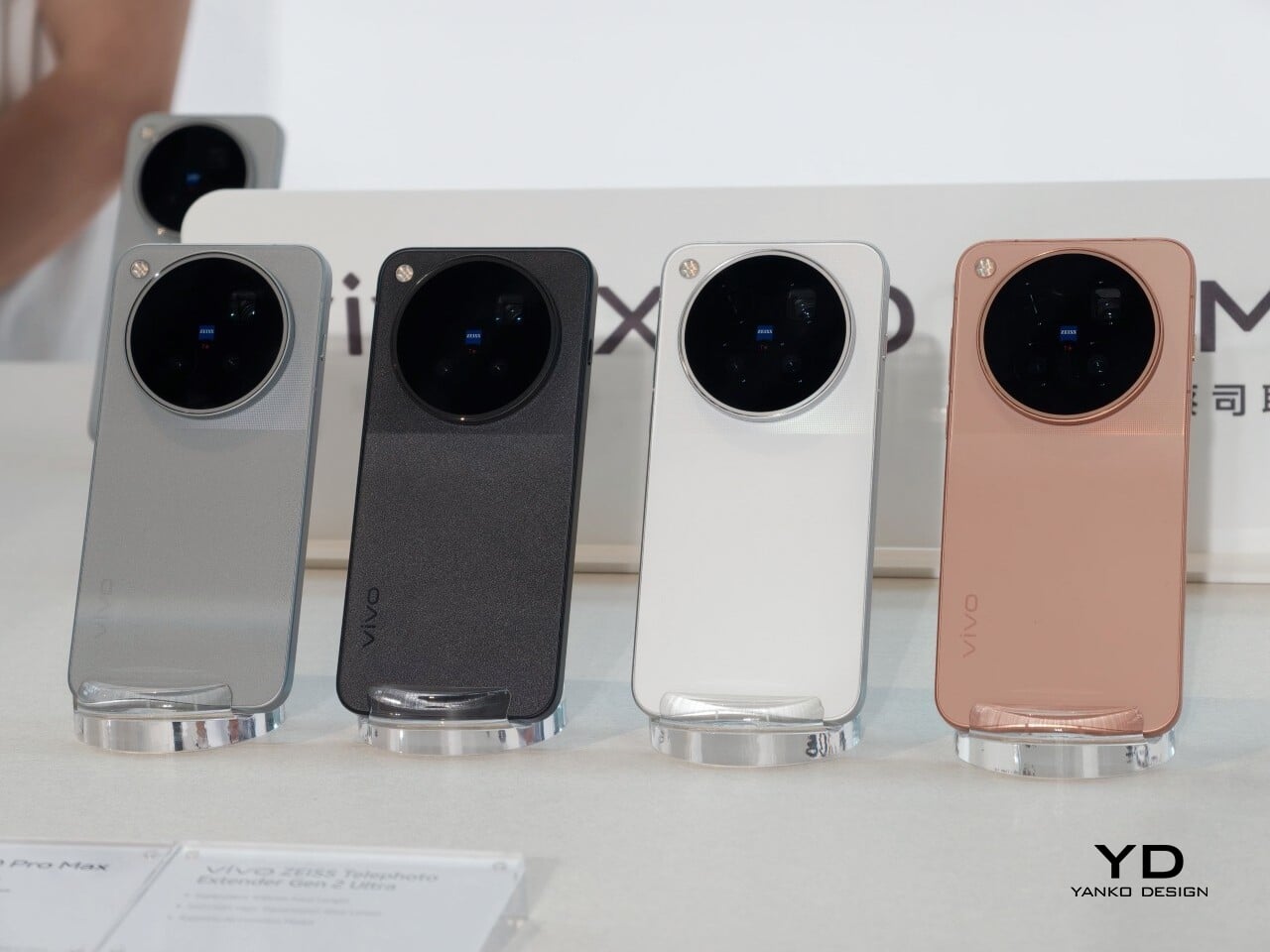
Vivo X500 Pro Max
Video is where the X500 Pro Max really starts to pull ahead. The phone supports 4K 240fps cinematic slow-motion video, 4K 120fps 10-bit Log burn-in direct output, AF tracking video, and 8K Native Live. Vivo is also leaning into a more professional workflow with 10-bit 4:2:2 encoding, ACES support, and official color transformation support with DaVinci. Taken together, those features make the X500 Pro Max feel less like a phone that happens to shoot good video and more like a camera tool built with editing in mind from the start.
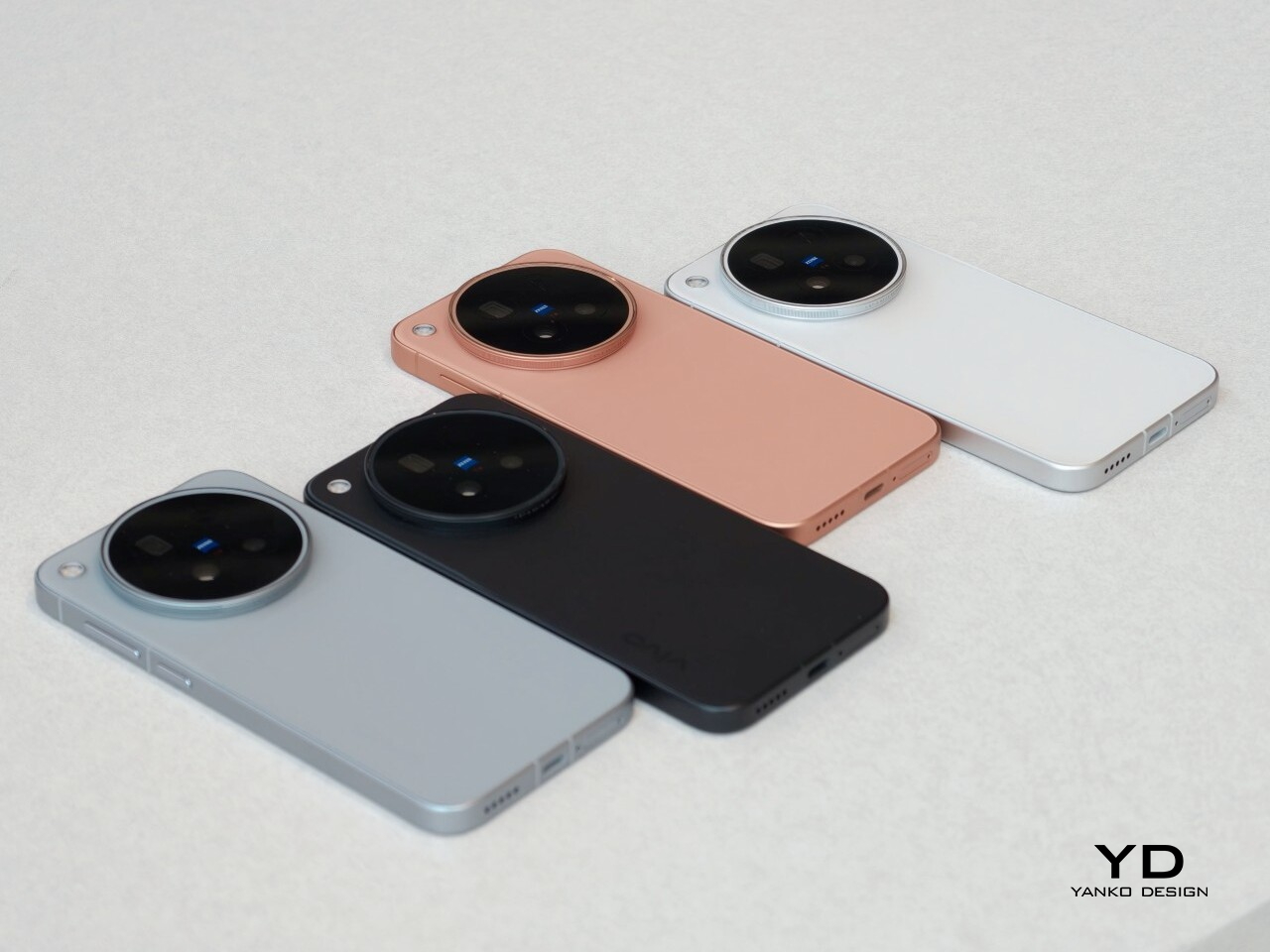
Vivo X500 Pro
The X500 Pro Max and X500 Pro share almost the same design, with size being the main differentiator. Both come in black, gray, white, and dusty orange, with a subtle two-finish back panel that adds slight contrast to the rear surface. The effect is understated, but it helps the phones feel a little more considered than a purely spec-driven flagship.
The standard X500 looks a little different from its Pro siblings. Available in black, gray, white, and purple, it uses a square camera plateau at the top instead of following the same rear layout as the X500 Pro and X500 Pro Max.
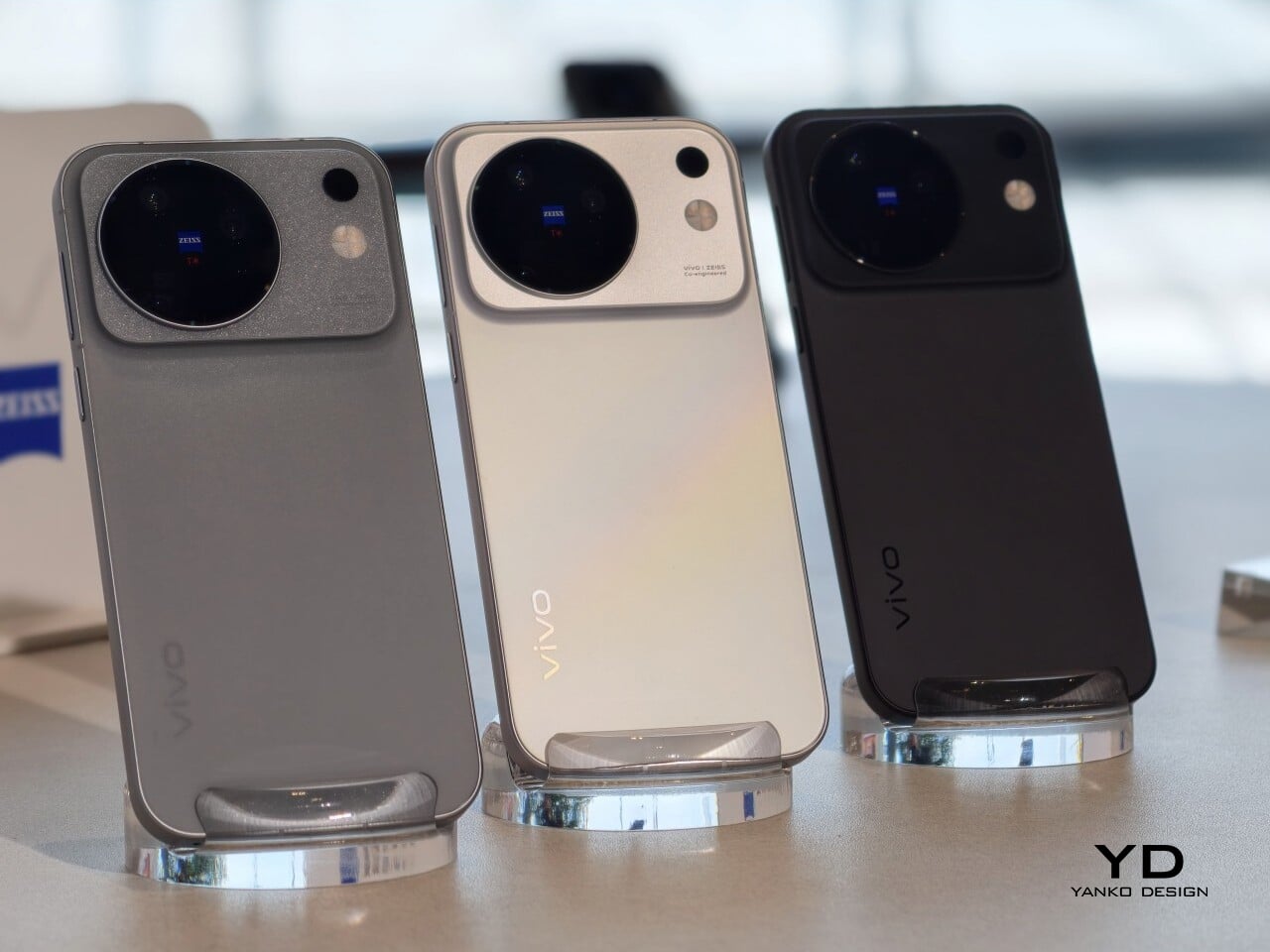
Vivo X500
The rest of the hardware is built to keep pace with the camera system. The X500 Pro Max runs on the MediaTek Dimensity 9600 Pro and includes Vivo’s V3+ imaging chip alongside the VS1+ pro imaging chip. It also gets a 6.85-inch 2K ZEISS Master Color Display and an 8000mAh battery, which should matter to anyone actually using these video features for more than a few minutes at a time. The X500 Pro shares much of the same foundation, making the two Pro models feel more like parallel options than a simple good-better-best ladder.
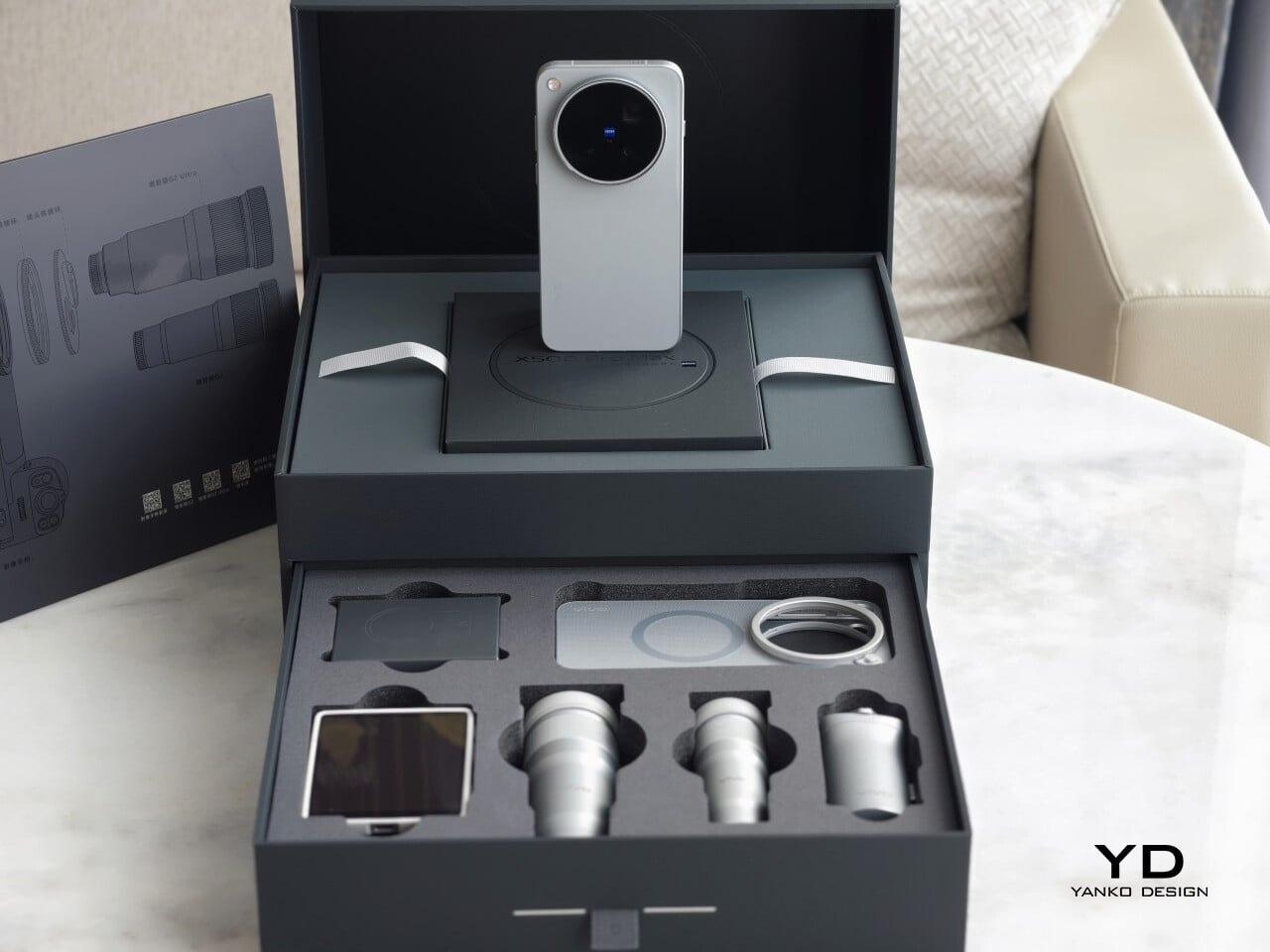
Vivo is also building an ecosystem around the X500 Pro Max with a dedicated Creator Kit. Its most interesting feature is a real-time wireless camera viewfinder, which makes framing and monitoring a lot more flexible during shoots. The kit also includes 2.35x and 4.7x telephoto converter lenses, pushing the phone further toward a more modular shooting setup.
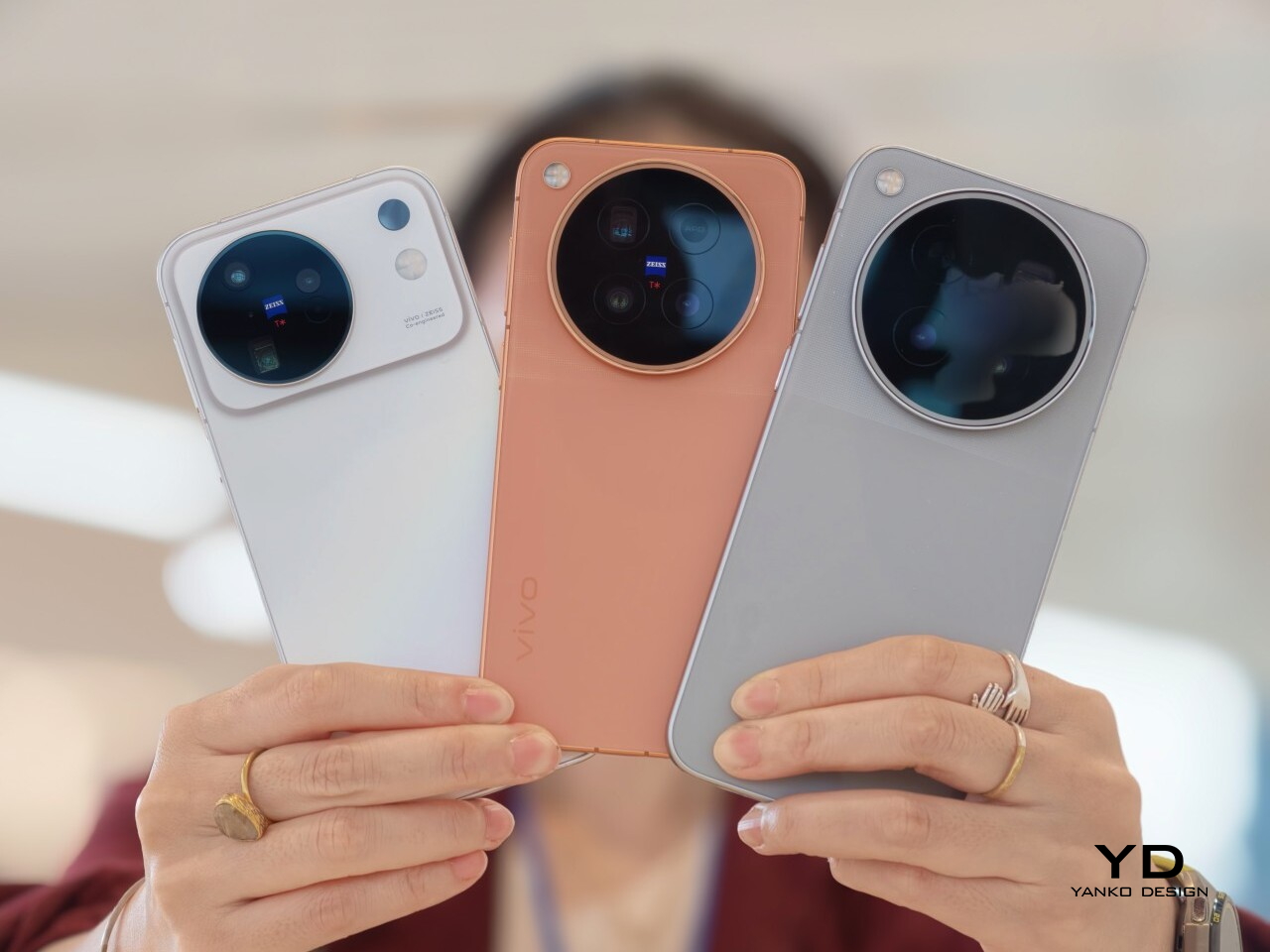
The standard X500 still sounds strong on its own, with a large main sensor, ZEISS gimbal-grade OIS, 4K 120fps slow motion, and 8K Native Live. Still, this launch revolves around the X500 Pro Max. It is the phone Vivo is using to show where mobile imaging is headed next, and it makes a stronger case than most for a phone that can go well beyond casual shooting and hold its own in professional-level workflows.
Vivo has confirmed pricing for the X500 series. The X500 starts at 5,499 CNY (about $821) for 12GB+256GB, the X500 Pro starts at 6,499 CNY (about $970) for the same tier, and the X500 Pro Max opens at 6,999 CNY (about $1,045) for 12GB+256GB. The Creator Kit, built around the 16GB+1TB satellite communication X500 Pro Max, carries a suggested price of 12,999 CNY (about $1,941). Pre-orders for the X500 series are open now in China, with official sales beginning on September 24. A global rollout is planned for later on, though the company hasn’t shared specific markets or pricing outside China, leaving international buyers to wait for further details.

