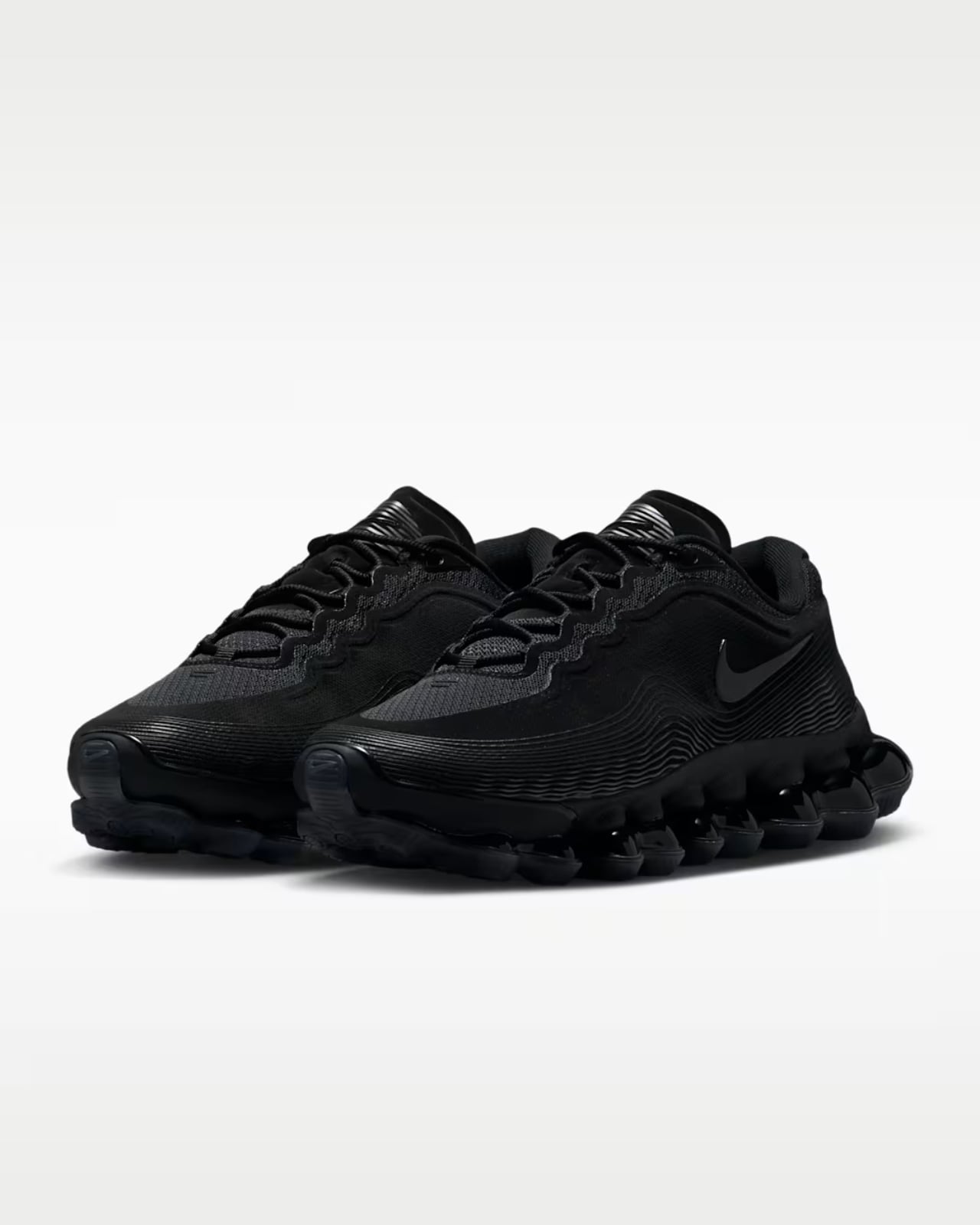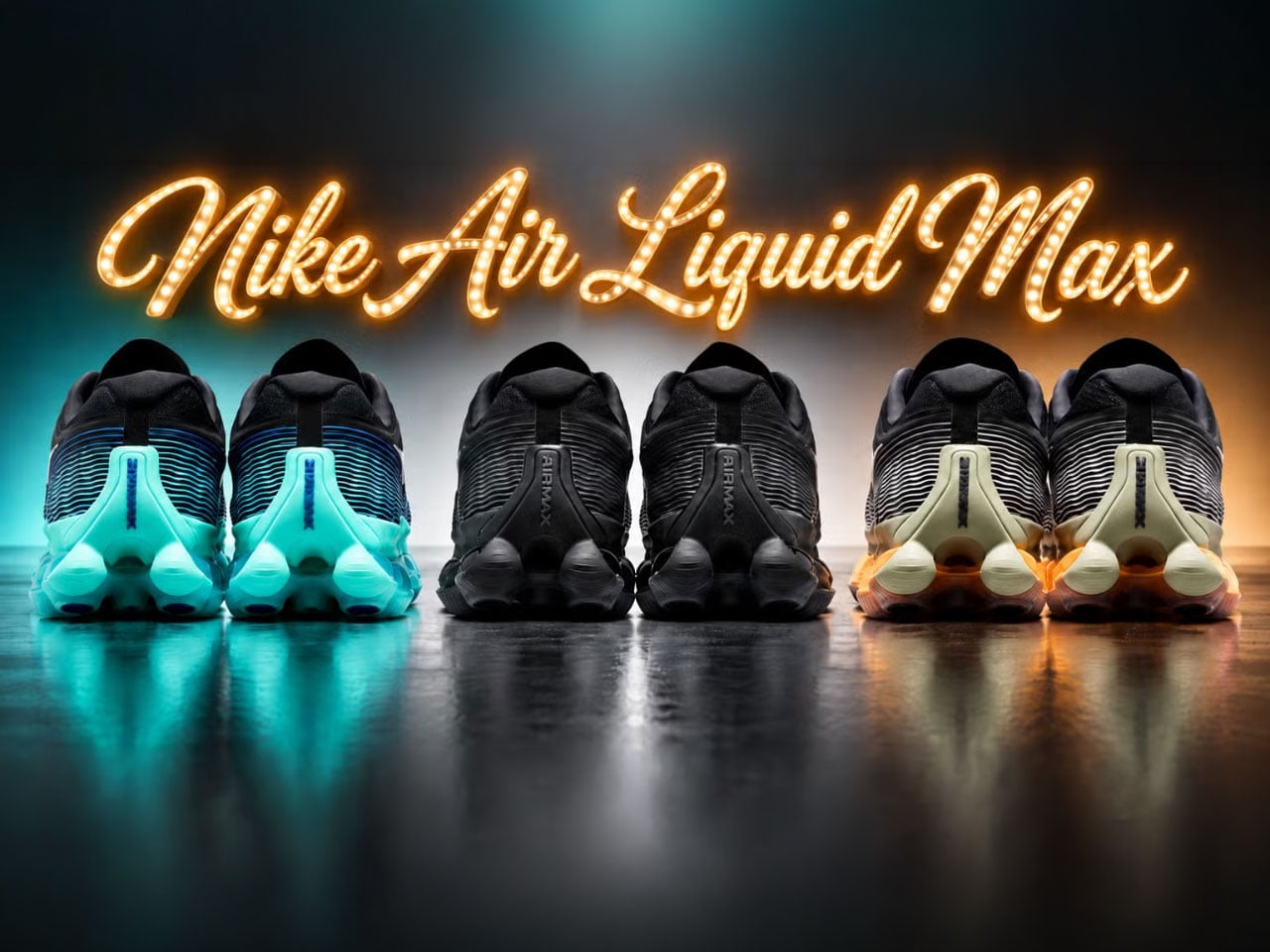

Nike Air Max sneakers have spent four decades winning arguments about style and losing them about comfort. That tension is basically baked into the brand’s history: the visible air bubble was always the hook, the thing you pointed at in the store window, while the actual walking experience underneath came second. The Air Liquid Max, which dropped this year, is the first Air Max in recent memory that seems built to fix that imbalance instead of ignoring it.
That matters if you’ve ever bought an Air Max for how it looks and then quietly stopped wearing it after the first week. I’ve done it. Plenty of people I know have done it too. The shoe photographs beautifully and then sits in the closet because the ride is stiff, the sole feels like a novelty rather than a foundation, and your feet remind you of that by the end of a long day. Nike’s fix here isn’t cosmetic. It’s underfoot.
Designer: Nike
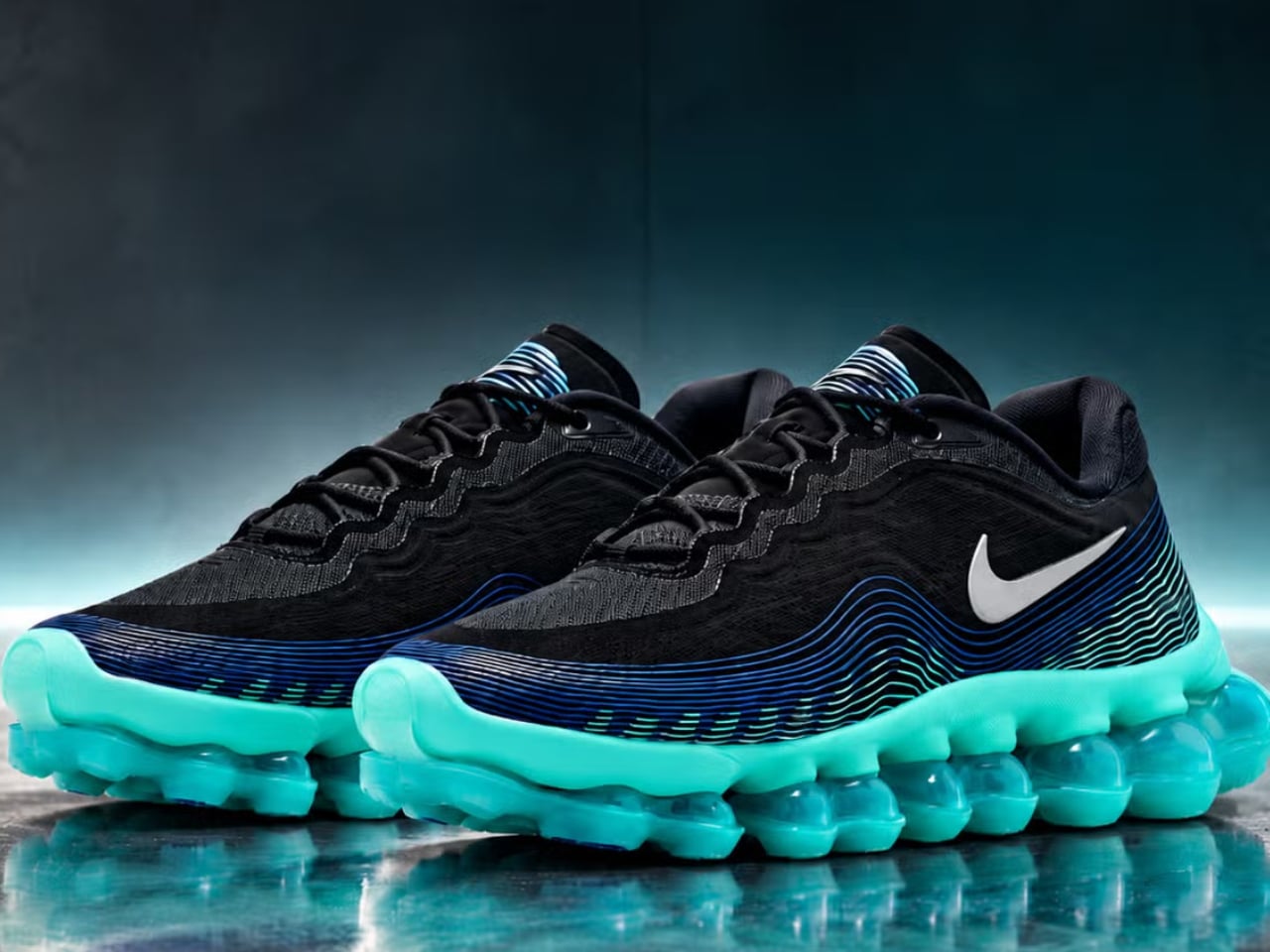
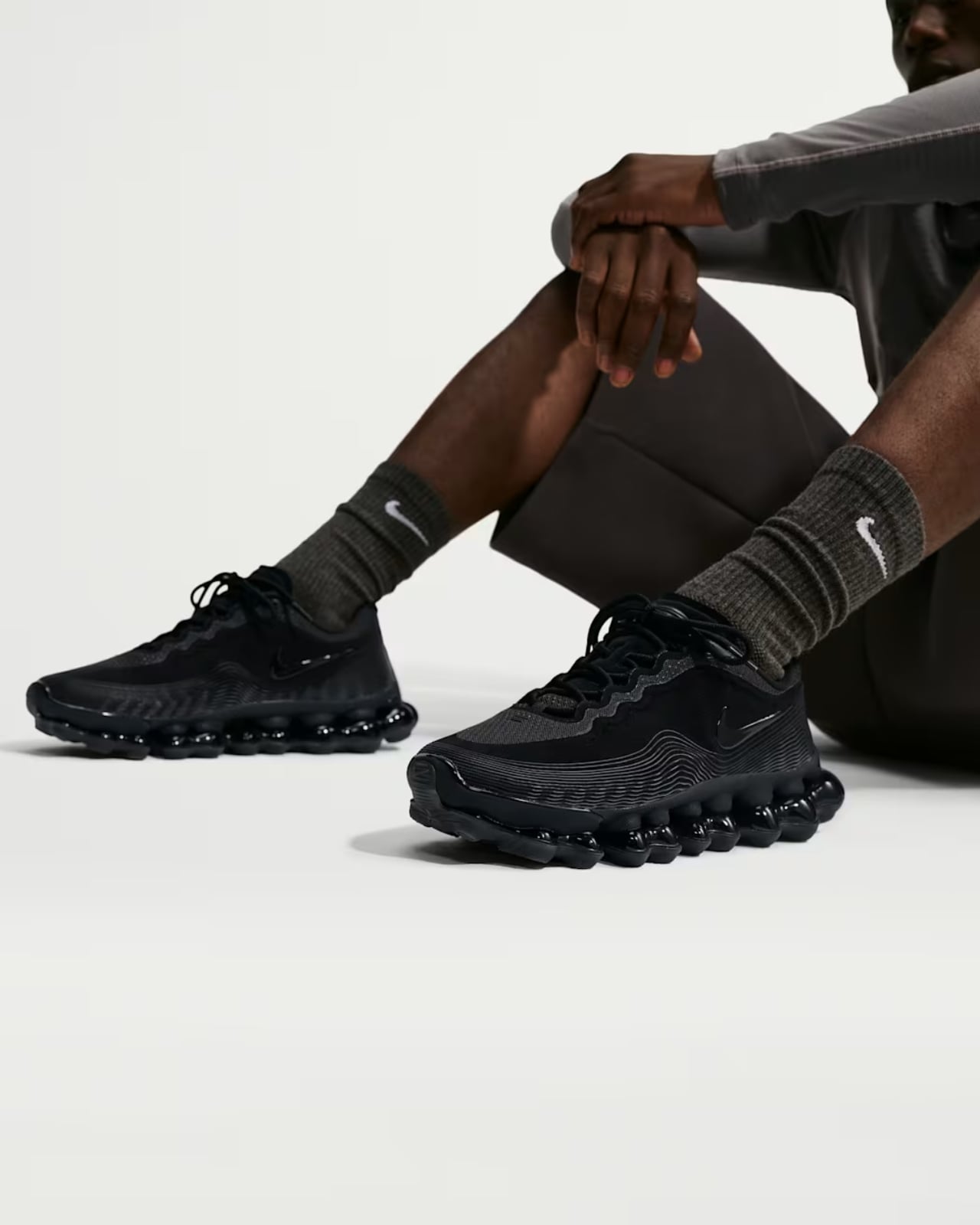

The Liquid Max ditches the old flat air bag for a curved, two-chambered unit that runs the length of the shoe, with material carved out between the pressure points where your foot doesn’t need cushioning. Nike calls it point-loading, and it’s an idea the brand has been quietly testing since the Air Max Scorpion. On top of that sits a drop-in Cushlon midsole, which is the part that actually explains why early reviewers keep describing the ride as fluid rather than firm. Four out of five stars from real buyers isn’t nothing, especially for a shoe this unusual looking.
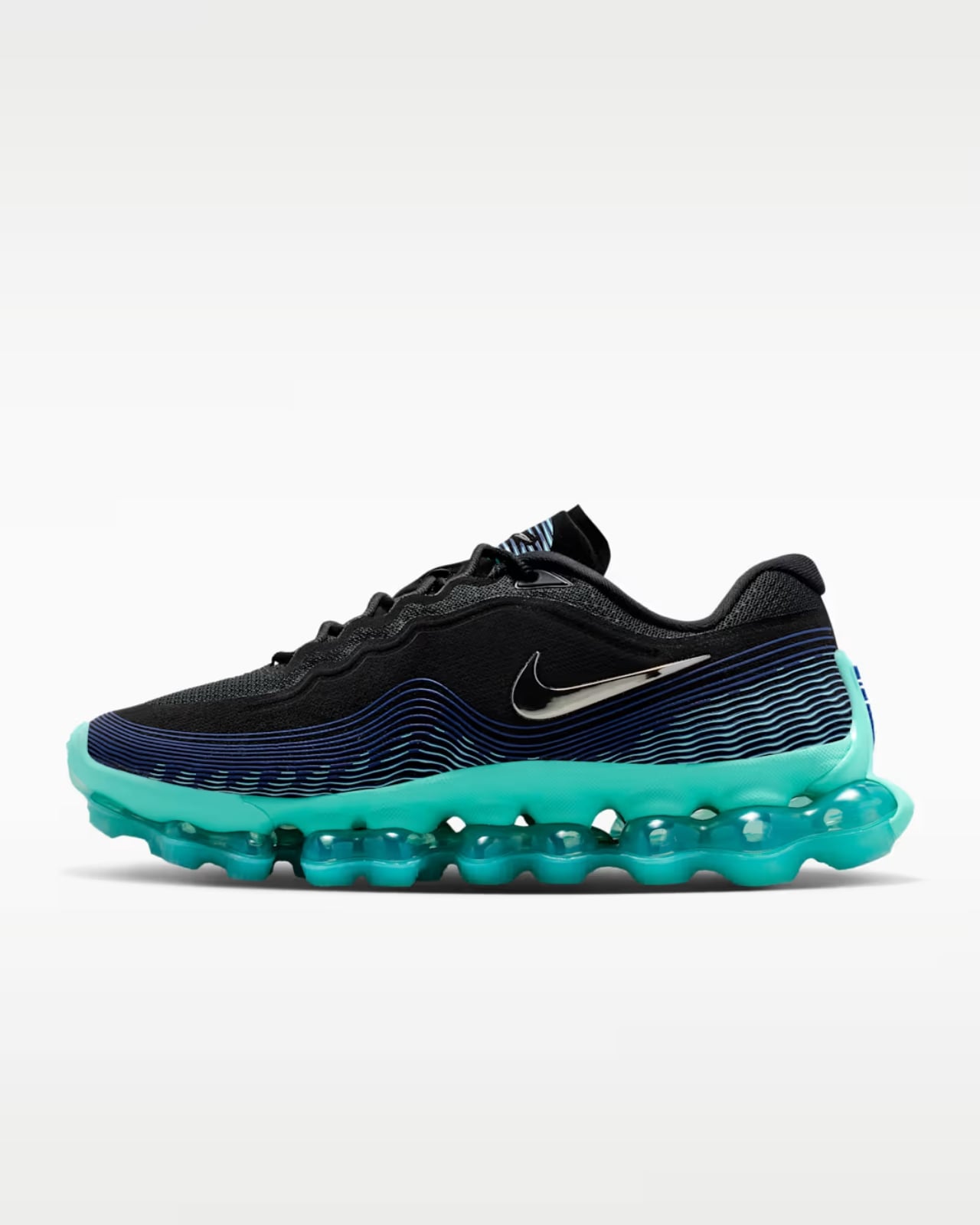
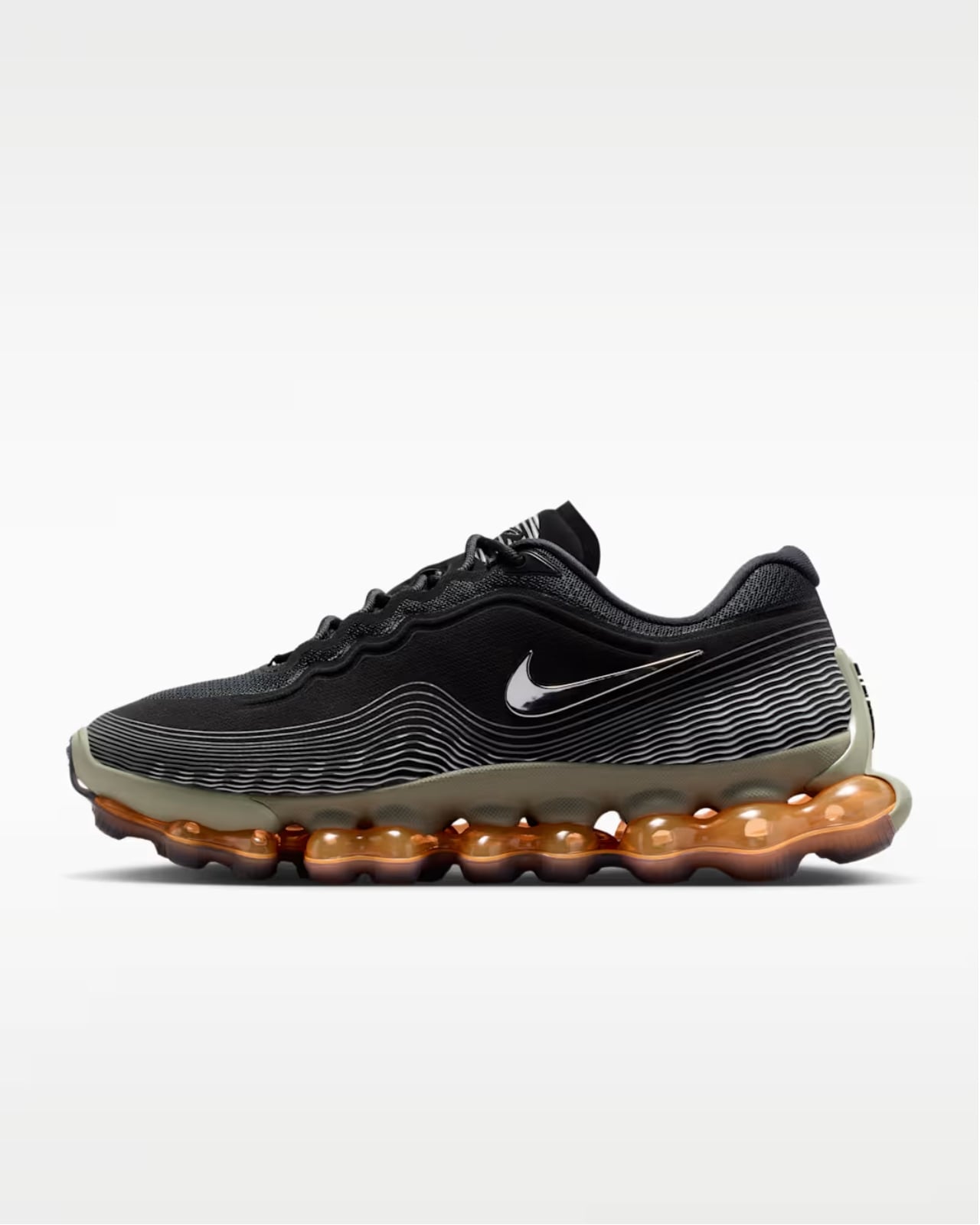
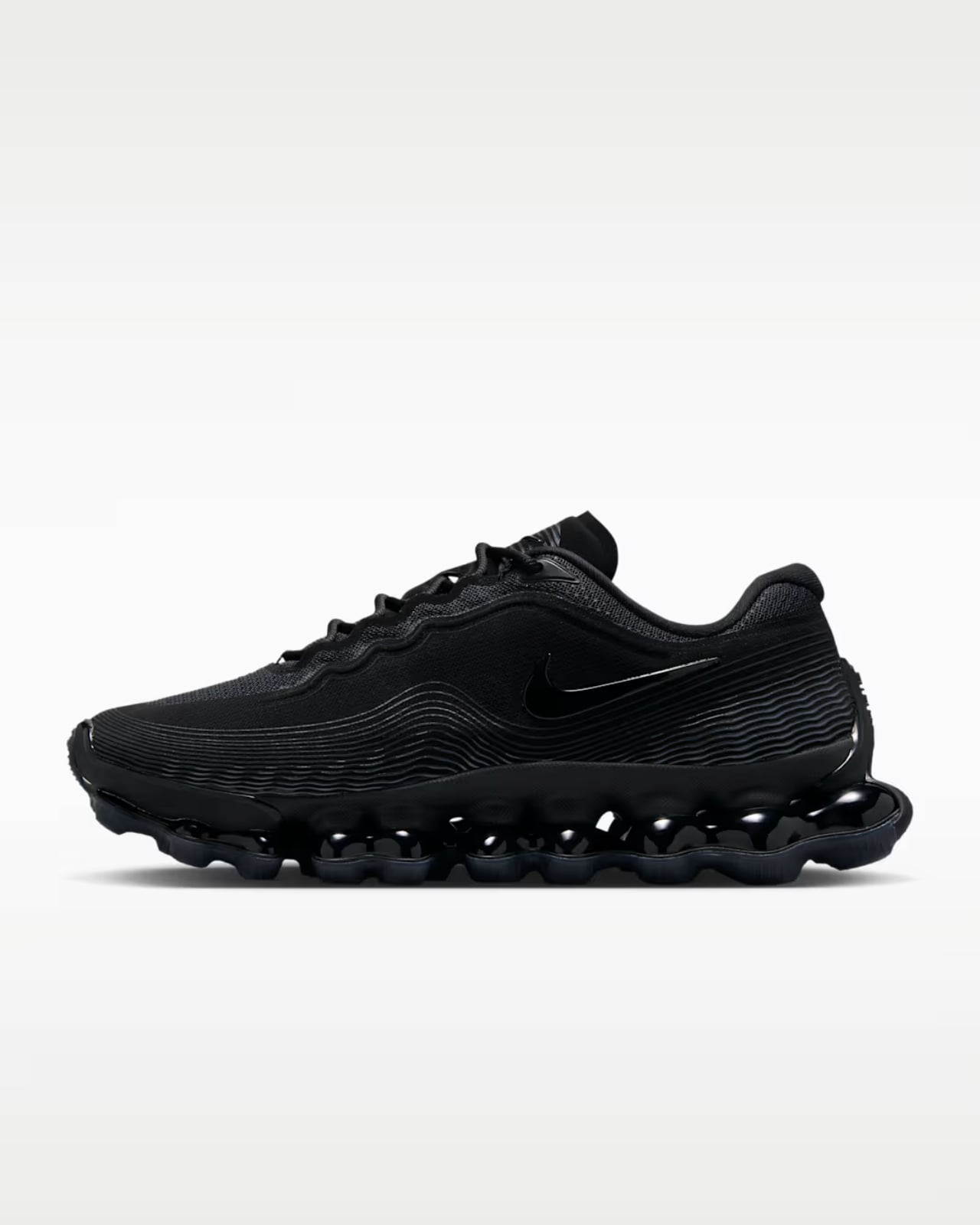
And it is unusual looking. The upper takes its color story from poison dart frogs, which is a strange sentence to write about a sneaker but makes sense once you see it. Three layers of textured printing sit under a glossy finish, so from ten feet away the shoe reads as one clean, saturated color, and up close it turns into something with actual texture and depth. The chrome swoosh on the launch colorway does a lot of the same work. It’s a design decision that rewards you for looking twice, which is rare in sneakers right now.
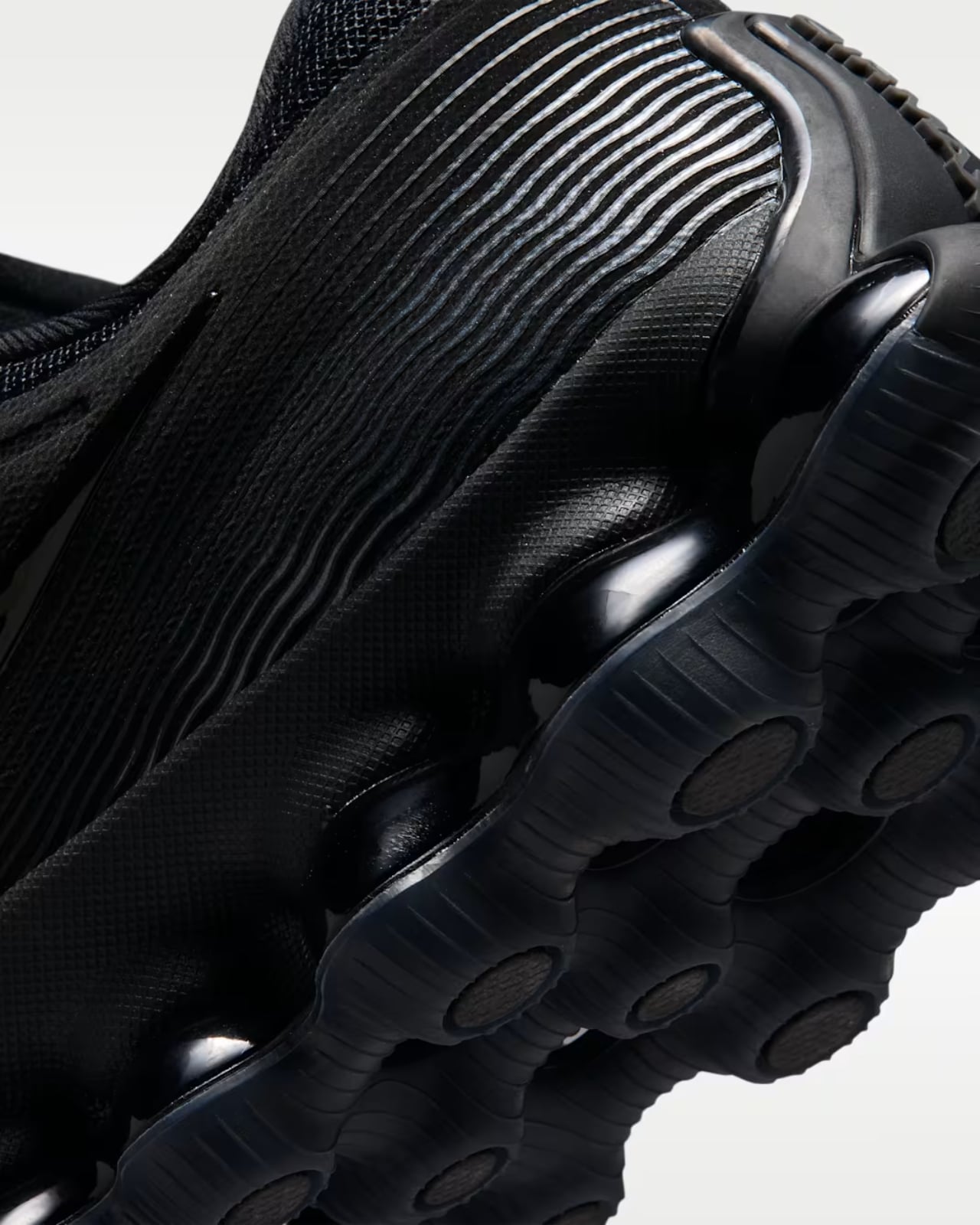
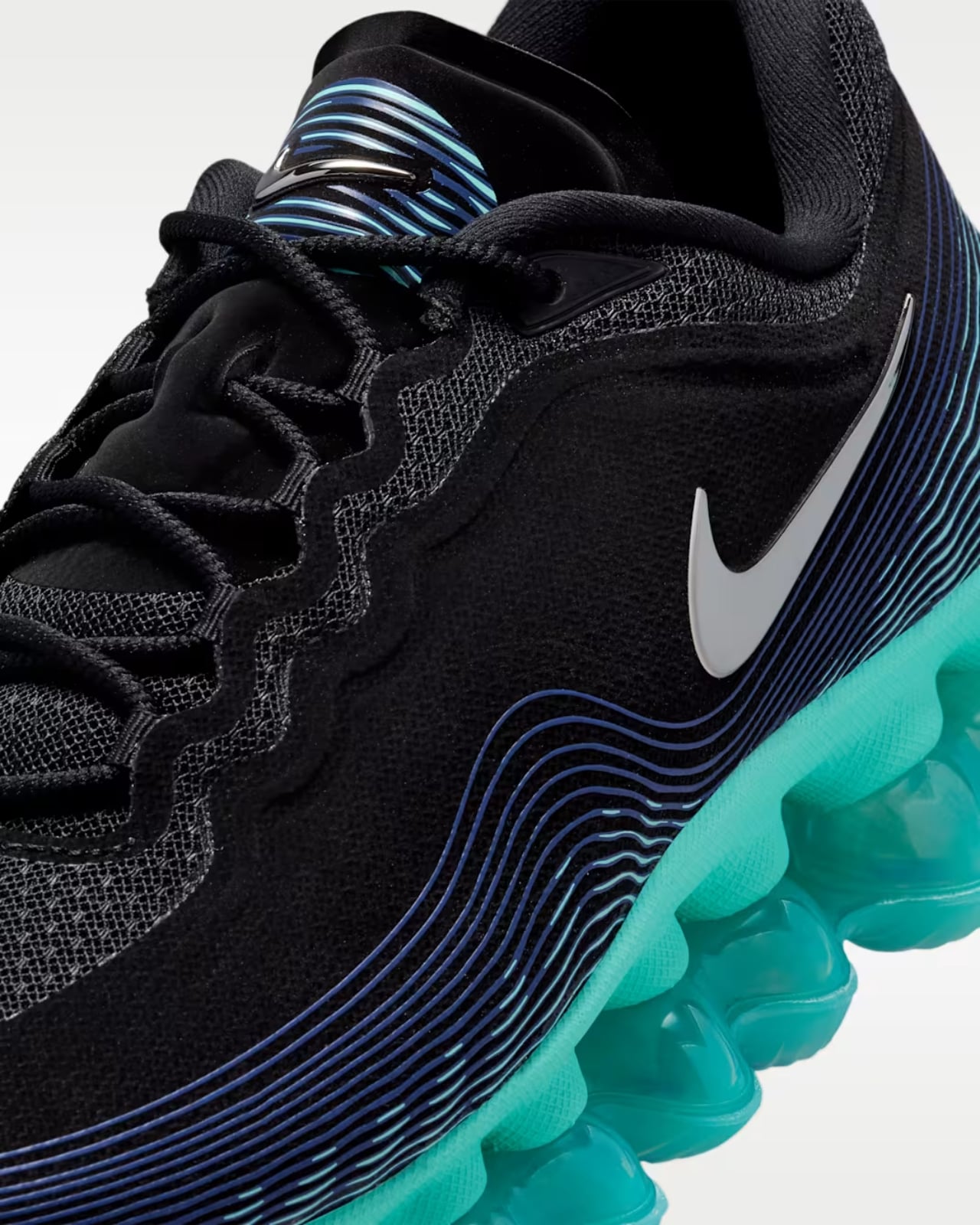
I won’t pretend the sculpted sole isn’t polarizing, because Nike isn’t pretending either. Their own product copy basically shrugs and says take it or leave it, which is a confident thing to put on a $220 shoe. I respect that more than I expected to. Most brands try to talk you into loving a weird design. Nike just built the thing and let the shoe make its own case, which feels closer to how design used to get talked about before every release came wrapped in marketing language designed to preempt criticism.
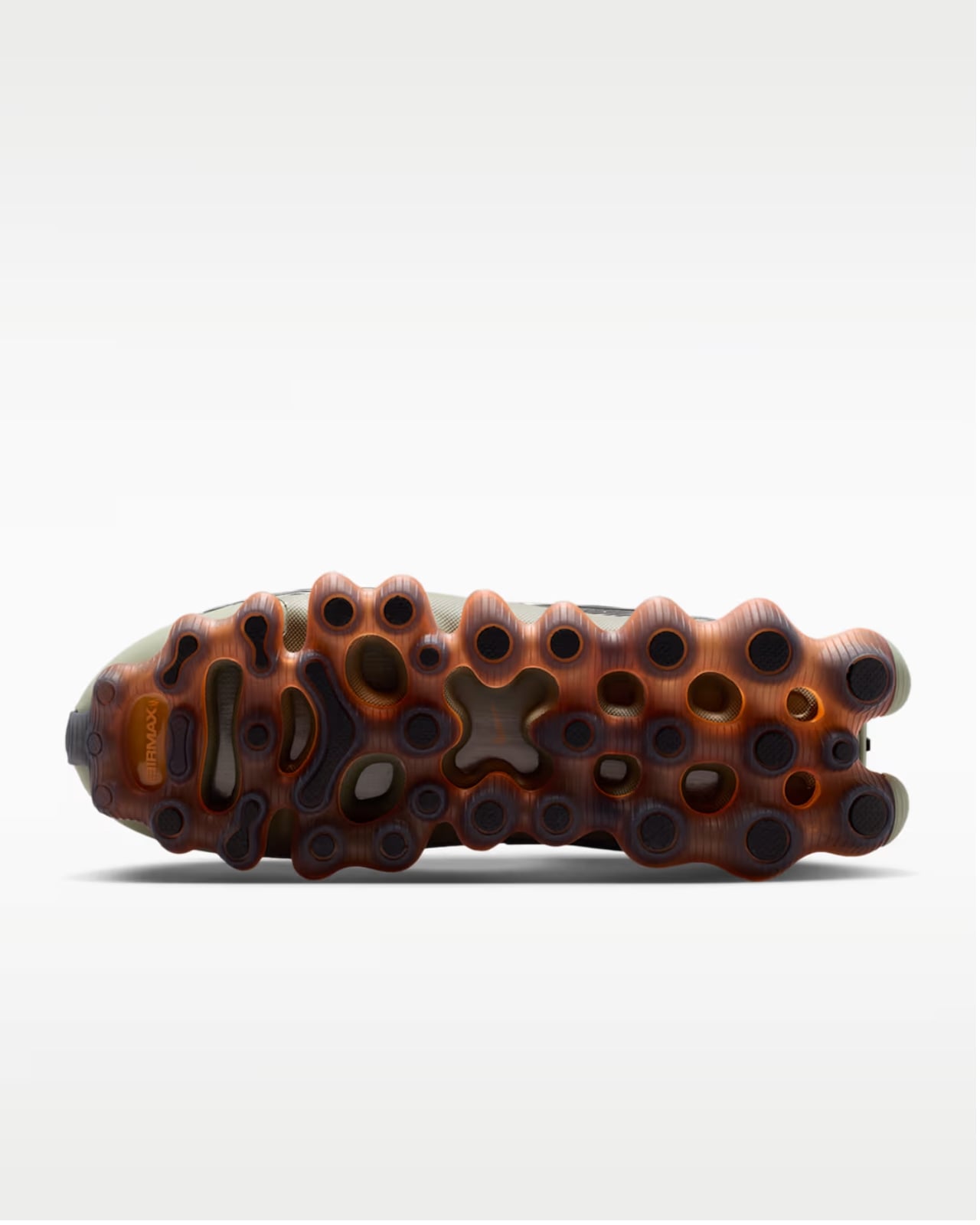
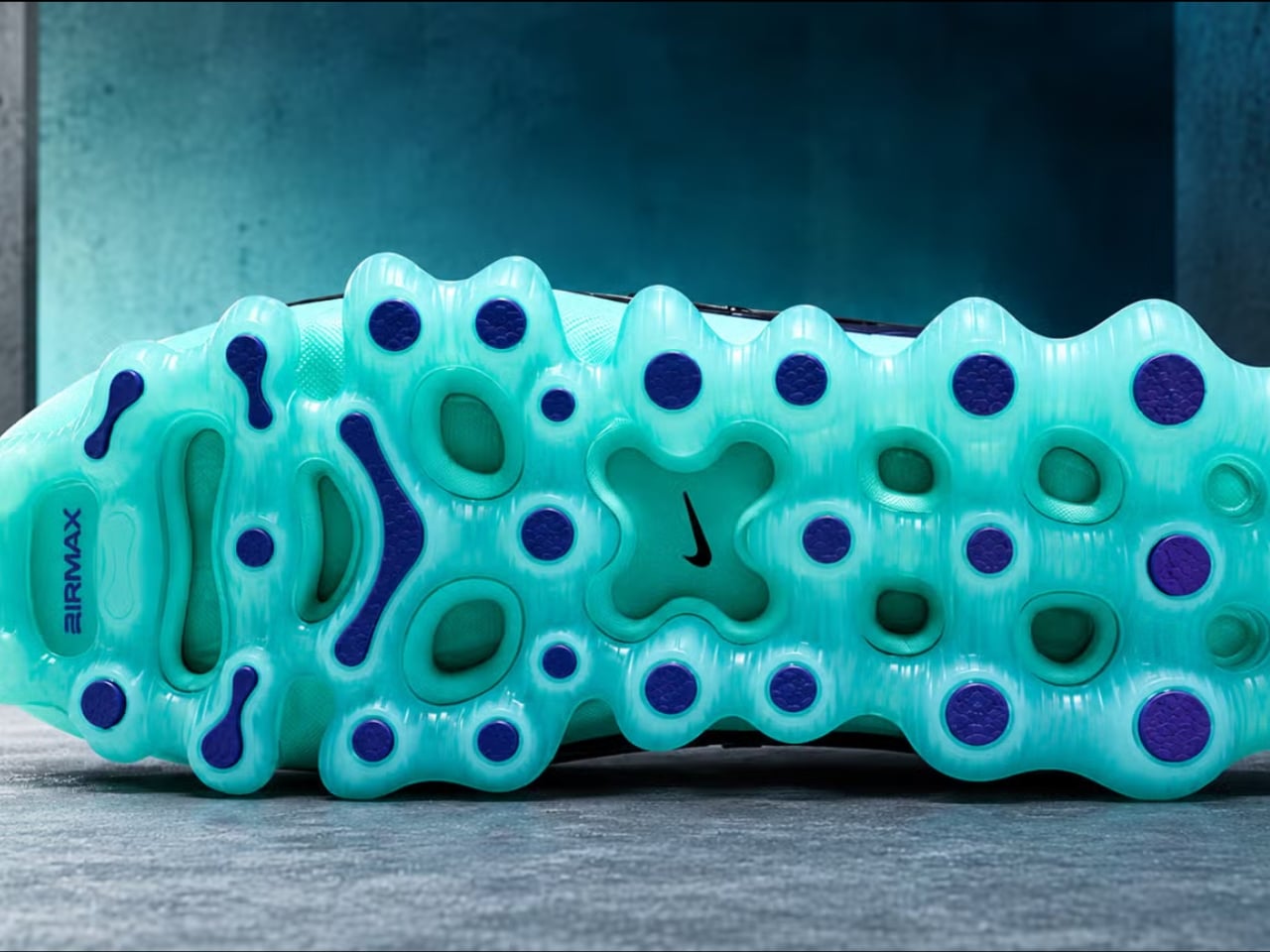
Where this actually lands for you depends on what you’ve been missing from your rotation. If your sneaker wall is full of quiet, safe silhouettes, the Liquid Max is going to look like chaos next to them, and that’s kind of the point. It’s not trying to be your everyday grocery run shoe, though people are already wearing it that way. It’s closer to the sneaker you buy because you’re bored of buying the same shoe with a different colorway slapped on it.
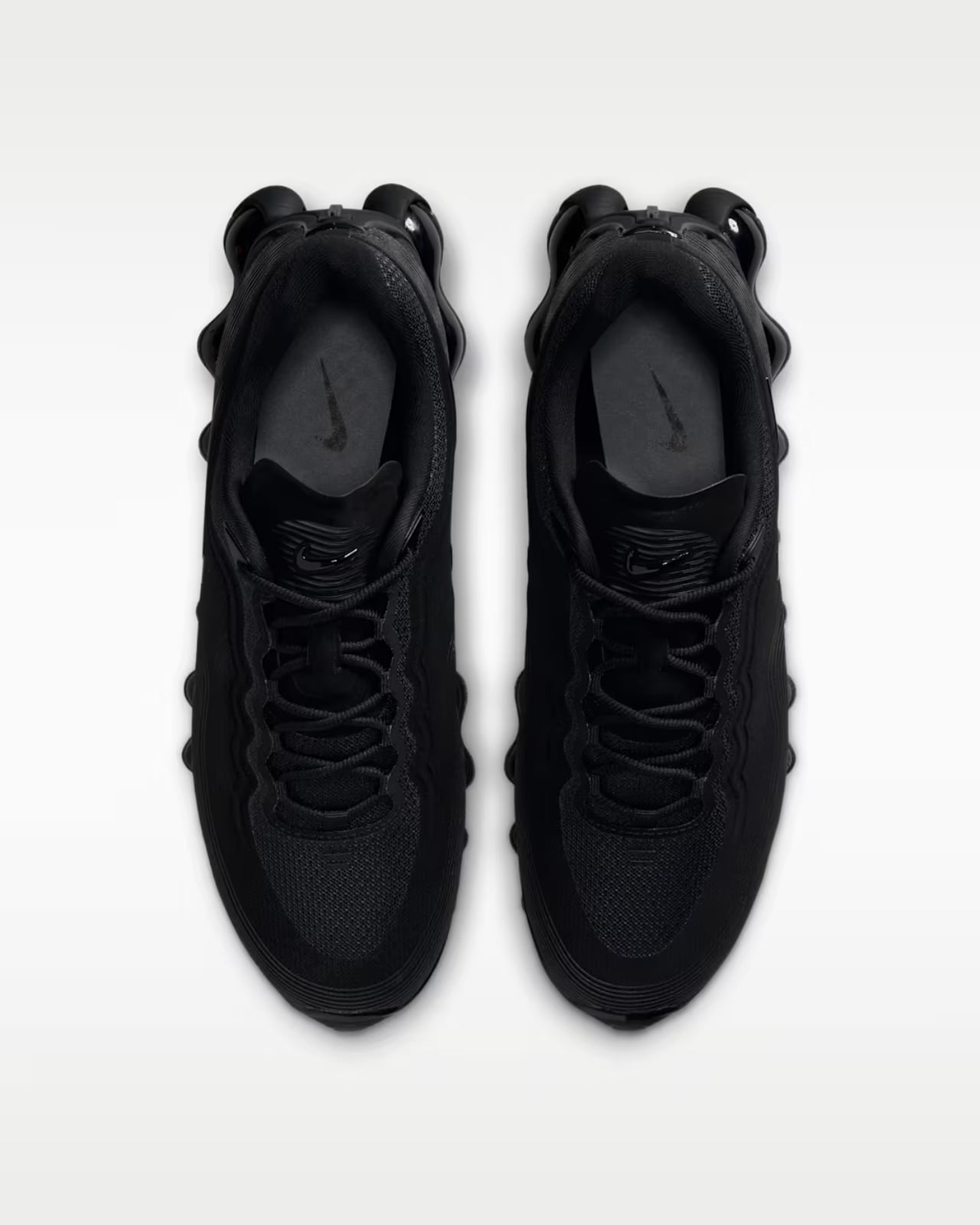
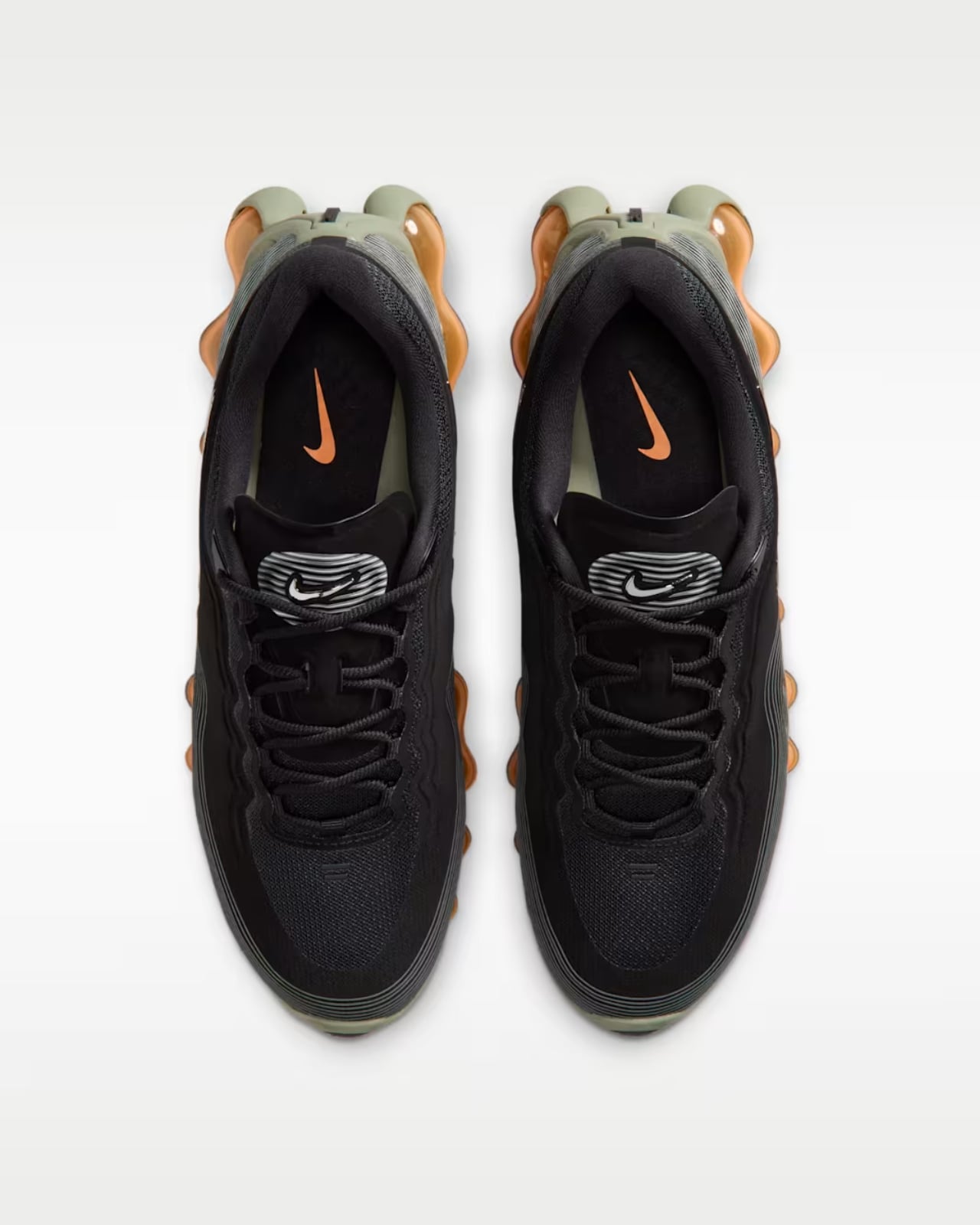
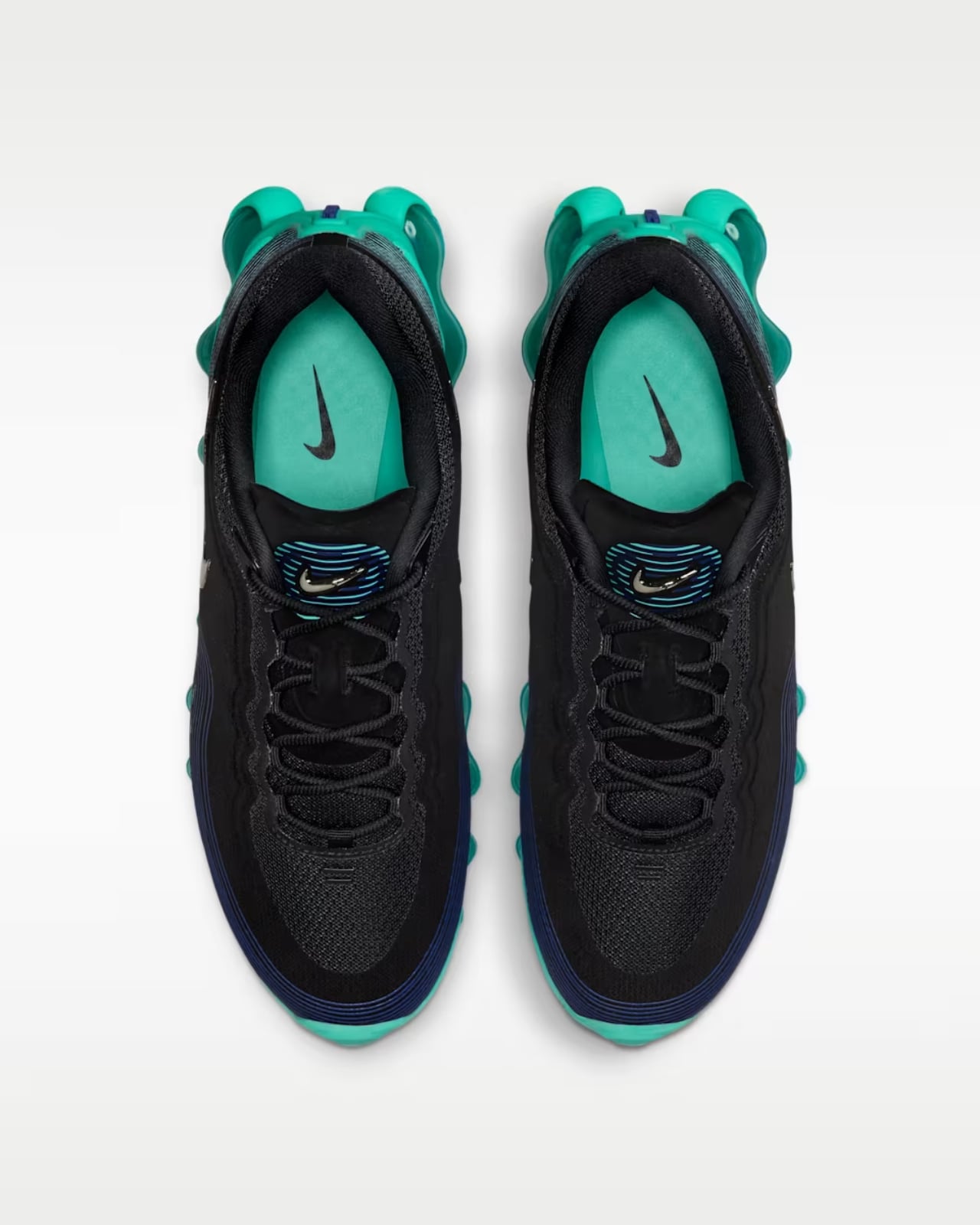
At $220, it sits in a strange middle ground. That’s real money for a shoe that some people will find genuinely ugly, but it’s also far from the resale-market pricing of a hyped collab, and Nike has three colorways live right now, from a loud blue and green pair to a blacked out version that’s easier to wear on repeat. Early markdowns are already showing up in a few sizes, which tells me Nike expected some resistance and priced accordingly.
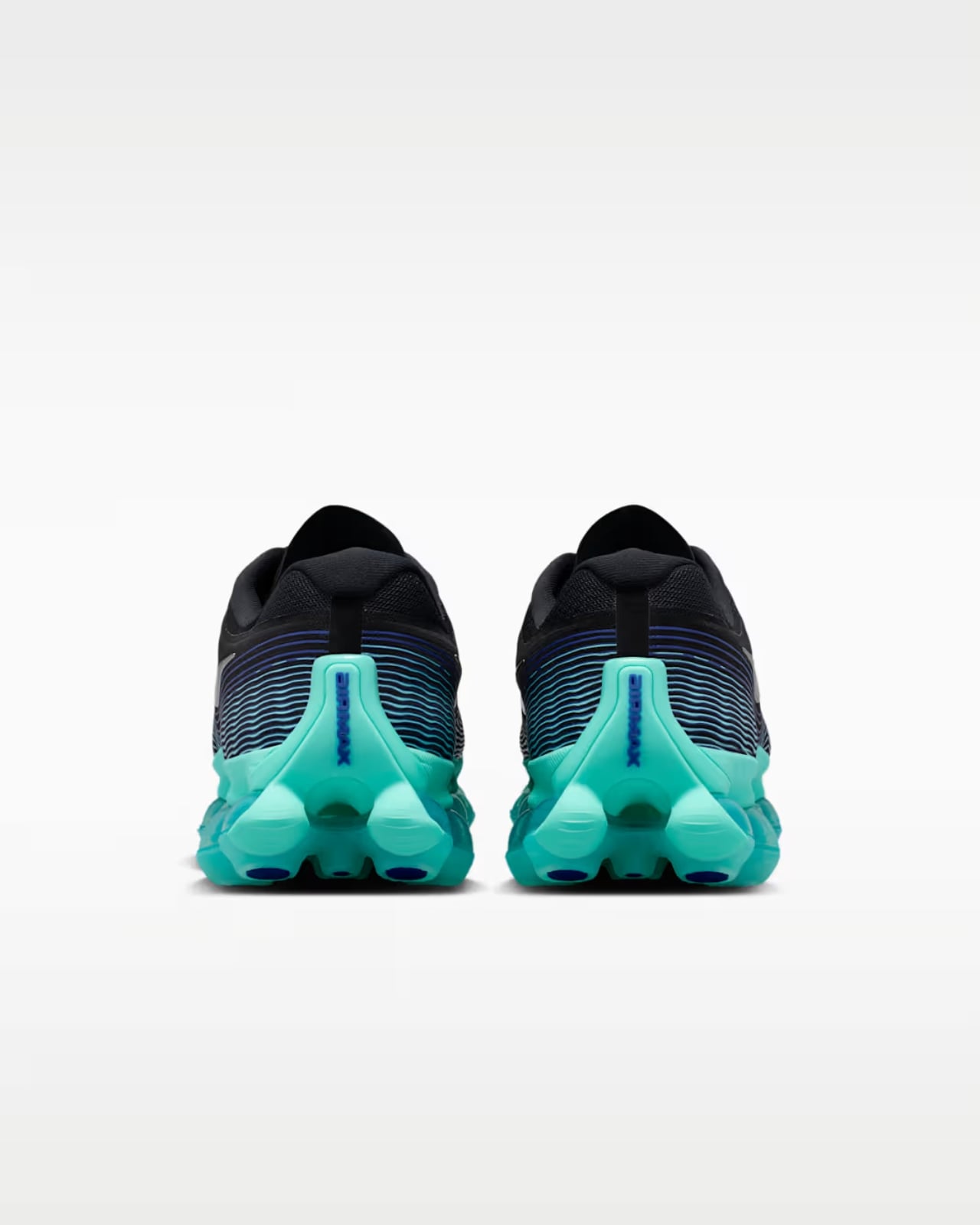
I haven’t worn a pair yet, so I can’t tell you how it feels after eight hours on concrete. What I can tell you is that this is the first Air Max release in a while where the comfort claim doesn’t feel like an afterthought bolted onto a design pitch. Whether the look works for you is a personal call. Whether the shoe was actually engineered to solve the problem people have complained about for years, that part seems real.