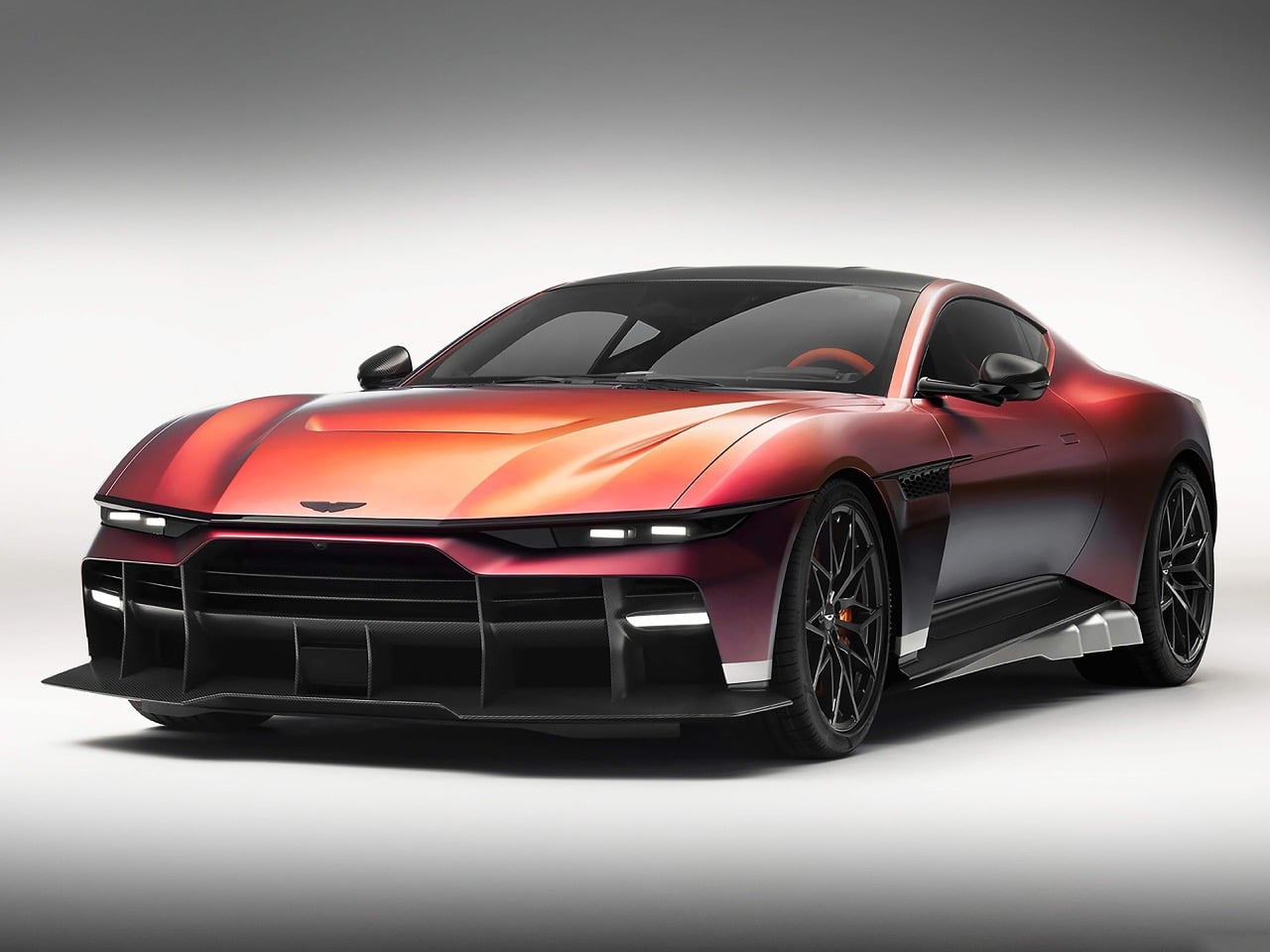

Aston Martin’s new supercar reminds it of, and it was not a Vantage. It was a Mustang. Or a Camaro, depending who you ask on which forum. That is a wild sentence to type about a British V12 GT that costs more than most houses, but here we are, because the Valen swapped Aston’s usual oval headlamps for hooded, horizontal DRL bars that genuinely do look like they escaped from Dearborn. I get the pearl clutching. I also think the internet is only half right, and the other half of the story is way more interesting than a meme.
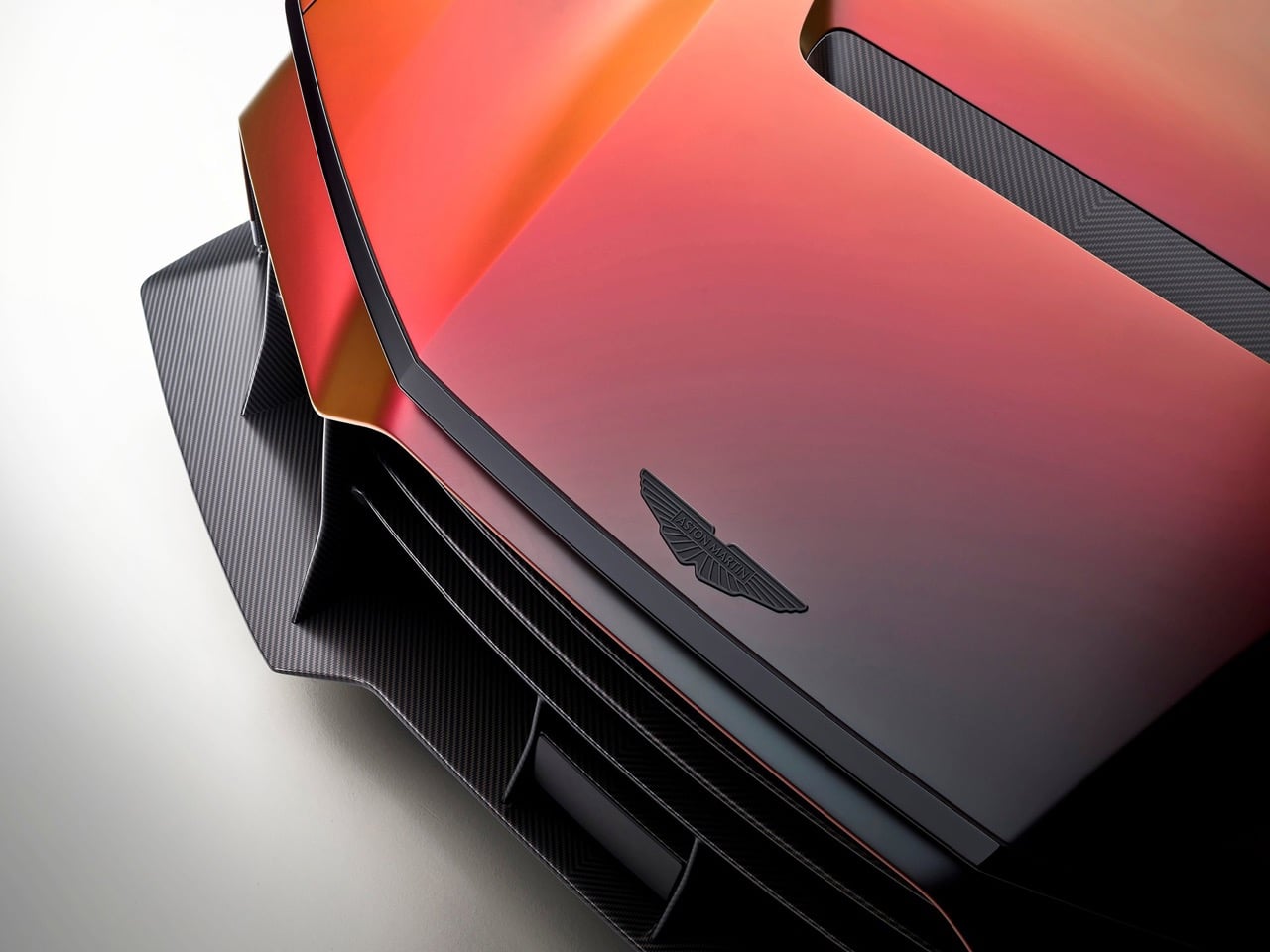
Because while everyone was busy roasting the front end, almost nobody was talking about the paint, which might be the single best thing Aston Martin has ever sprayed onto a car. Satin Andromeda Red shifts from deep red into copper and gold before dipping into blue undertones, using Chromaflair pigment tech that keeps shifting even in low light. There is also no rear window, but we will get to that. First, let us talk about why a supercar with a hood ornament for a face somehow still looks incredible in the metal.
Designer: Aston Martin
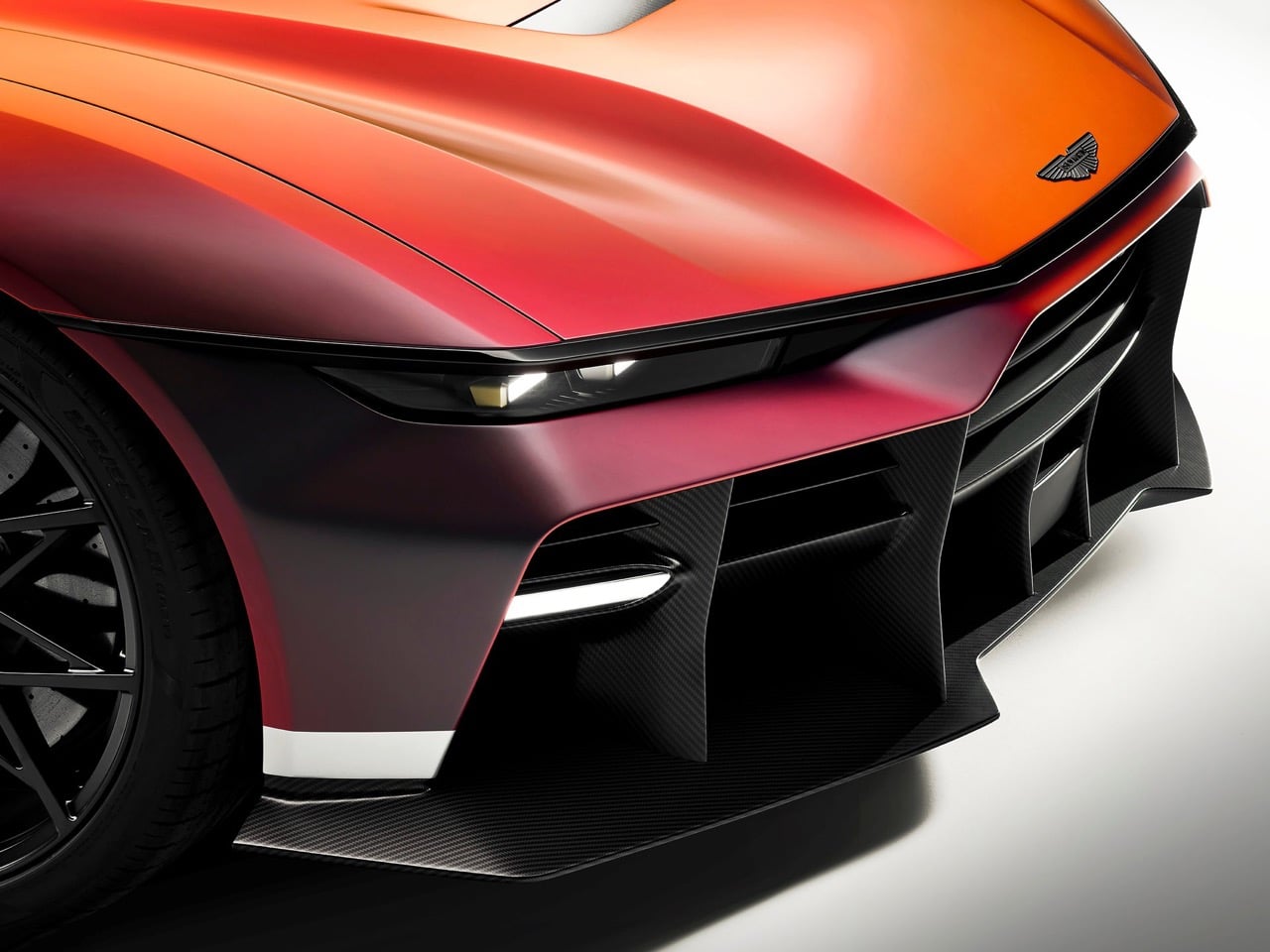
The Mustang comparisons are not baseless, and pretending otherwise does nobody any favors. Deeply recessed slimline headlamps sit hooded under a plunging bonnet edge, the daytime running lights stretch into a horizontal bar, and the grille motif runs almost to the corners of the fascia instead of sitting in its usual trapezoid box. That is a genuinely different grammar for Aston, a brand that has built its entire visual identity around a vertical, jewel-like nose since the DB9. Horizontal light bars and hooded lamps have become the default vocabulary for aggressive front ends across the industry, from pony cars to hypercars, and Aston just adopted it wholesale. The result looks fantastic in isolation. It also looks less like an Aston Martin than anything the brand has built in years, which is either the whole point or the whole problem, depending on how attached you are to the marque’s design DNA.
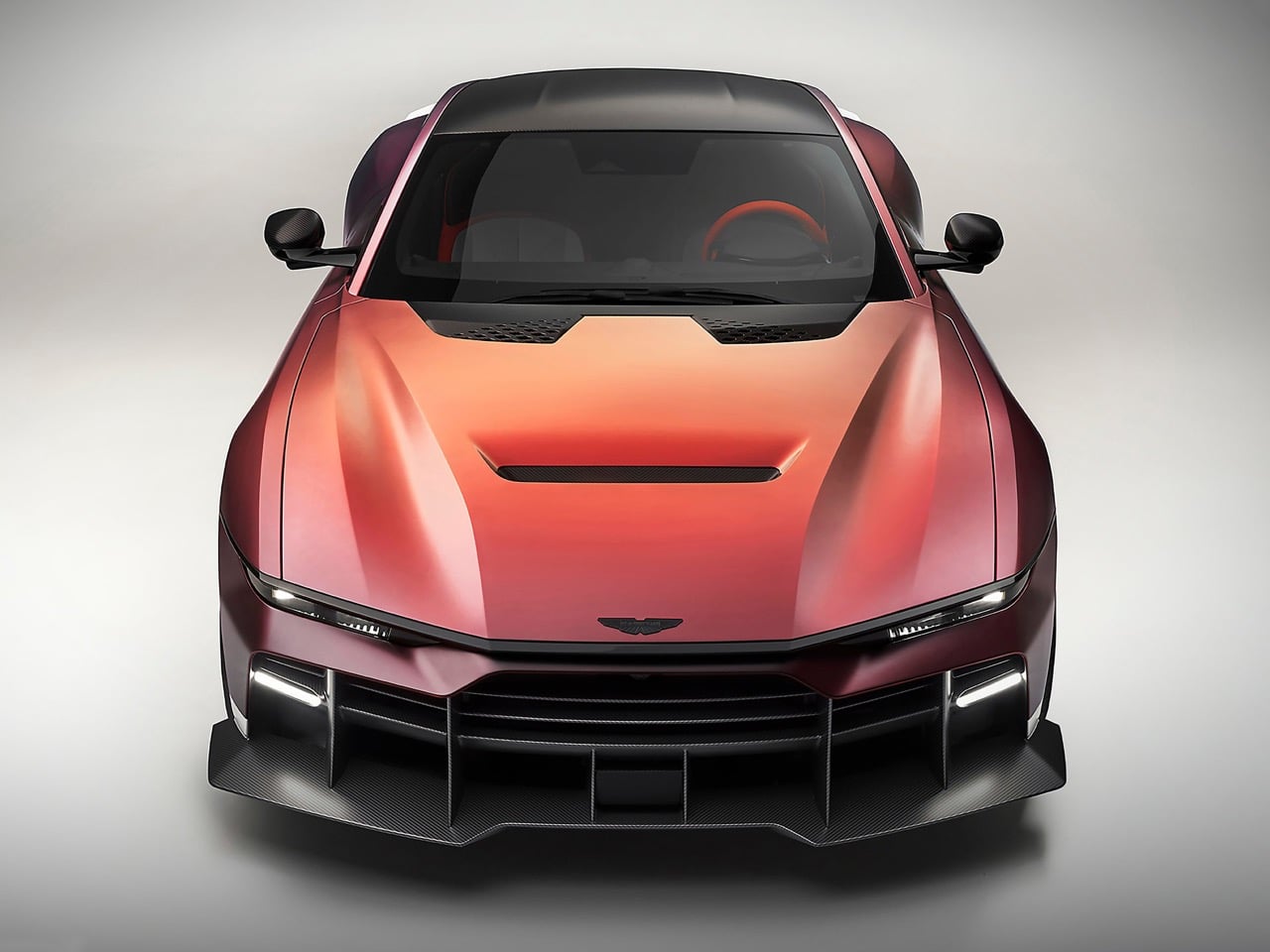
Reichman has more or less admitted as much. He describes the Valen as a chance to explore more extreme emotions through a new form language, and Robb Report reported the design studio’s moodboard was headed with four words: ruthless, ominous, experimental, alter ego. That is an unusually blunt brief for a company that spent a century being polite about horsepower, and it explains why the Valen’s face reads as confrontational rather than refined. Aston did not stumble into looking aggressive. The team built a car specifically designed to provoke a reaction, and judging by the forum threads, it is working exactly as intended.
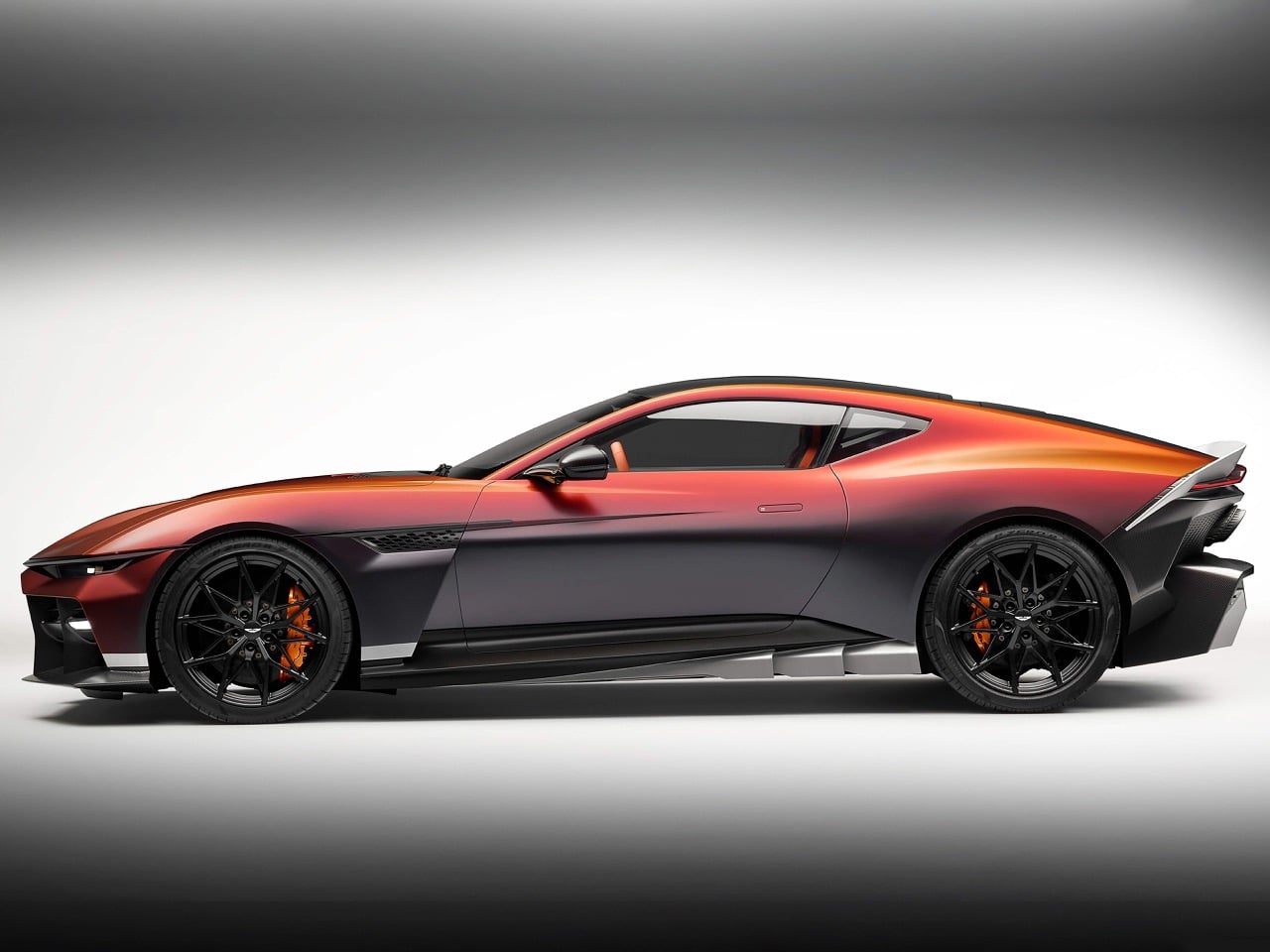
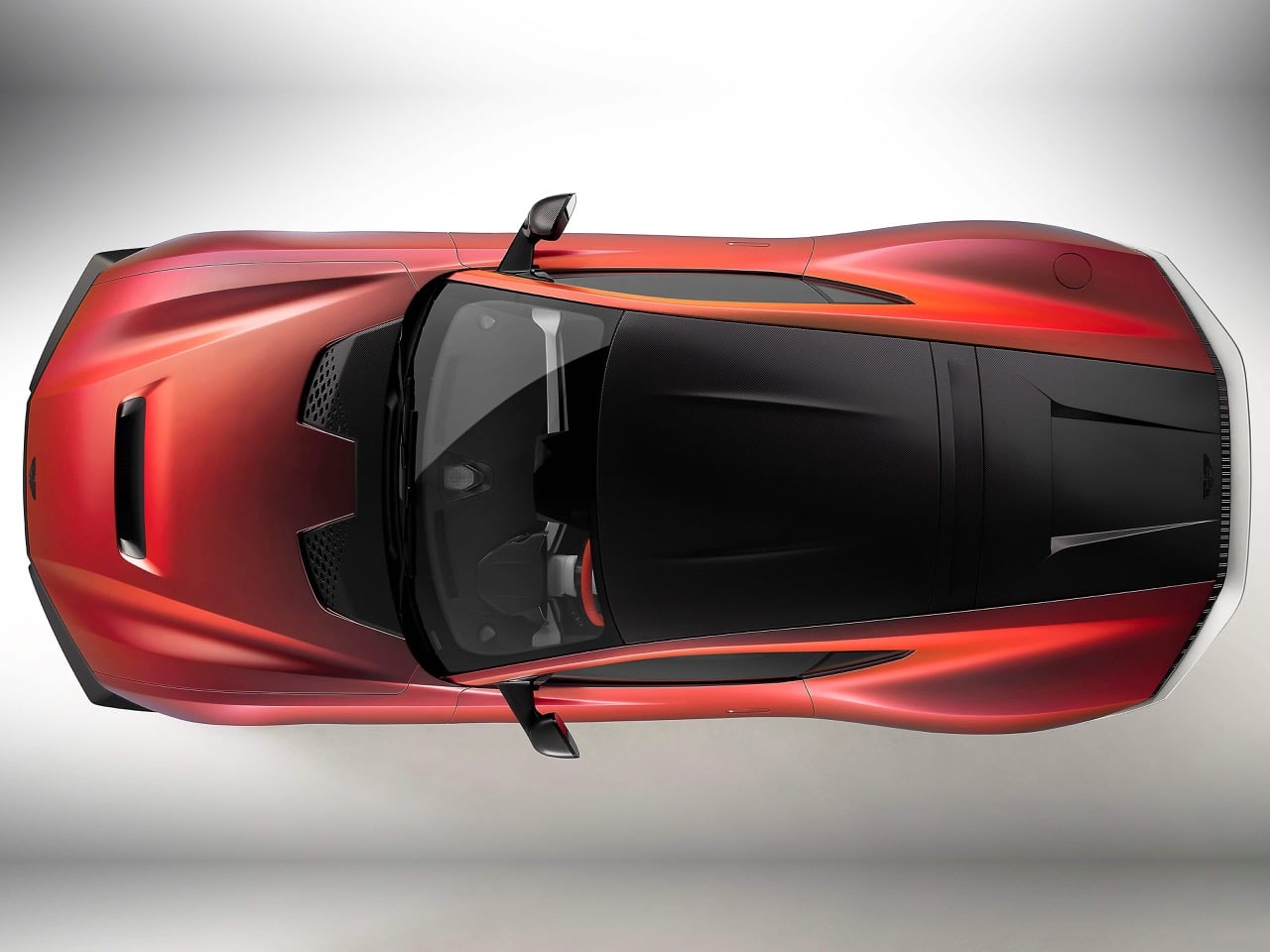
Then there is the paint, and honestly, this is where I think the Valen earns its price tag. Satin Andromeda Red is a bespoke Q Ultra color built on Chromaflair pigment technology, shifting from deep red through copper and gold before settling into intense blue undertones depending on the angle and the light hitting it. Most automotive paint is static. This one behaves like it has moods, holding that color shift even in low light environments rather than needing direct sun to perform. Pair it with the option of a fully exposed carbon body, herringbone weave running down the centerline and tintable in custom satin or gloss finishes, and Aston has built one of the more technically interesting finish options on any current production car, muscle car face or not.
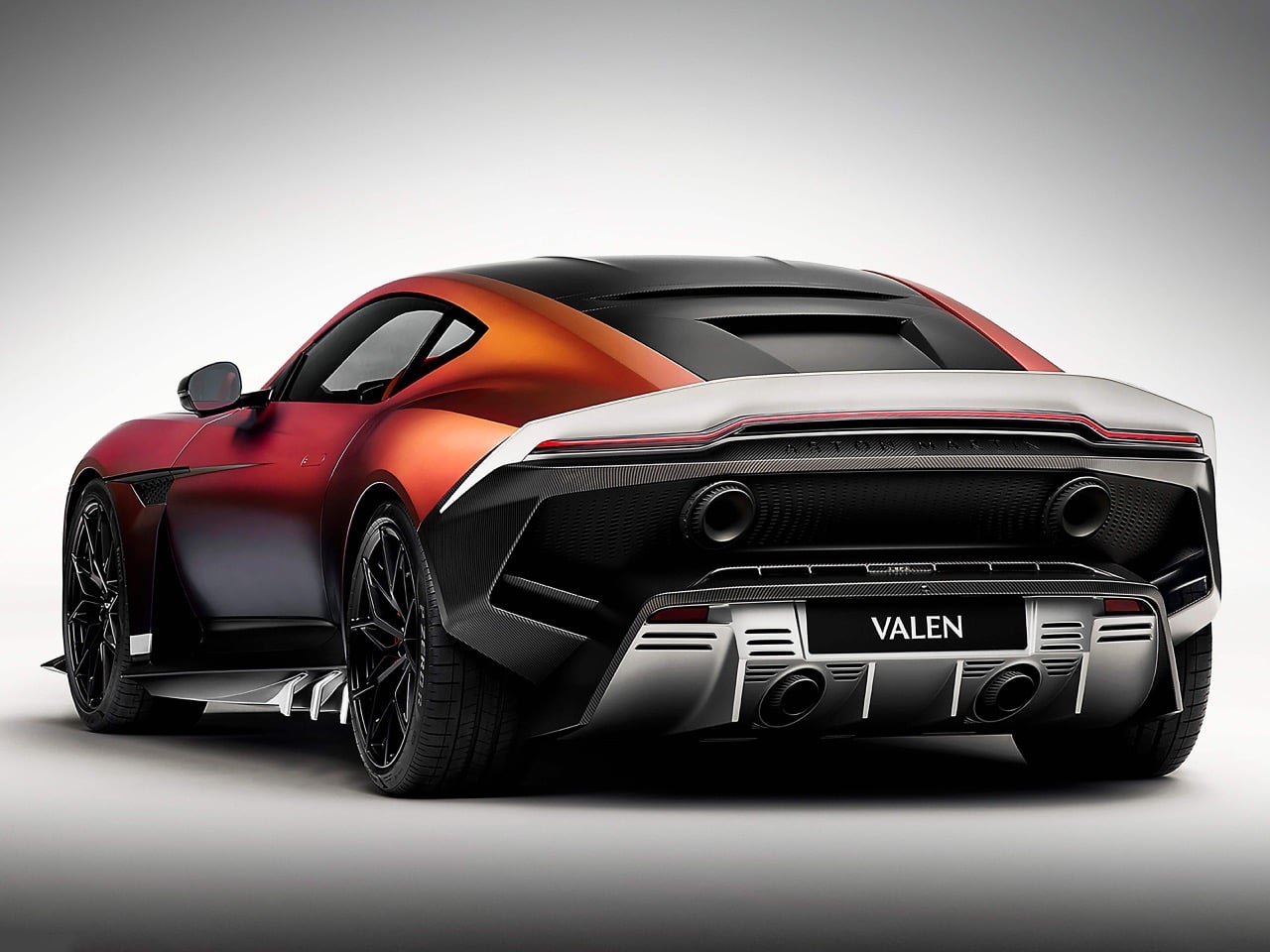
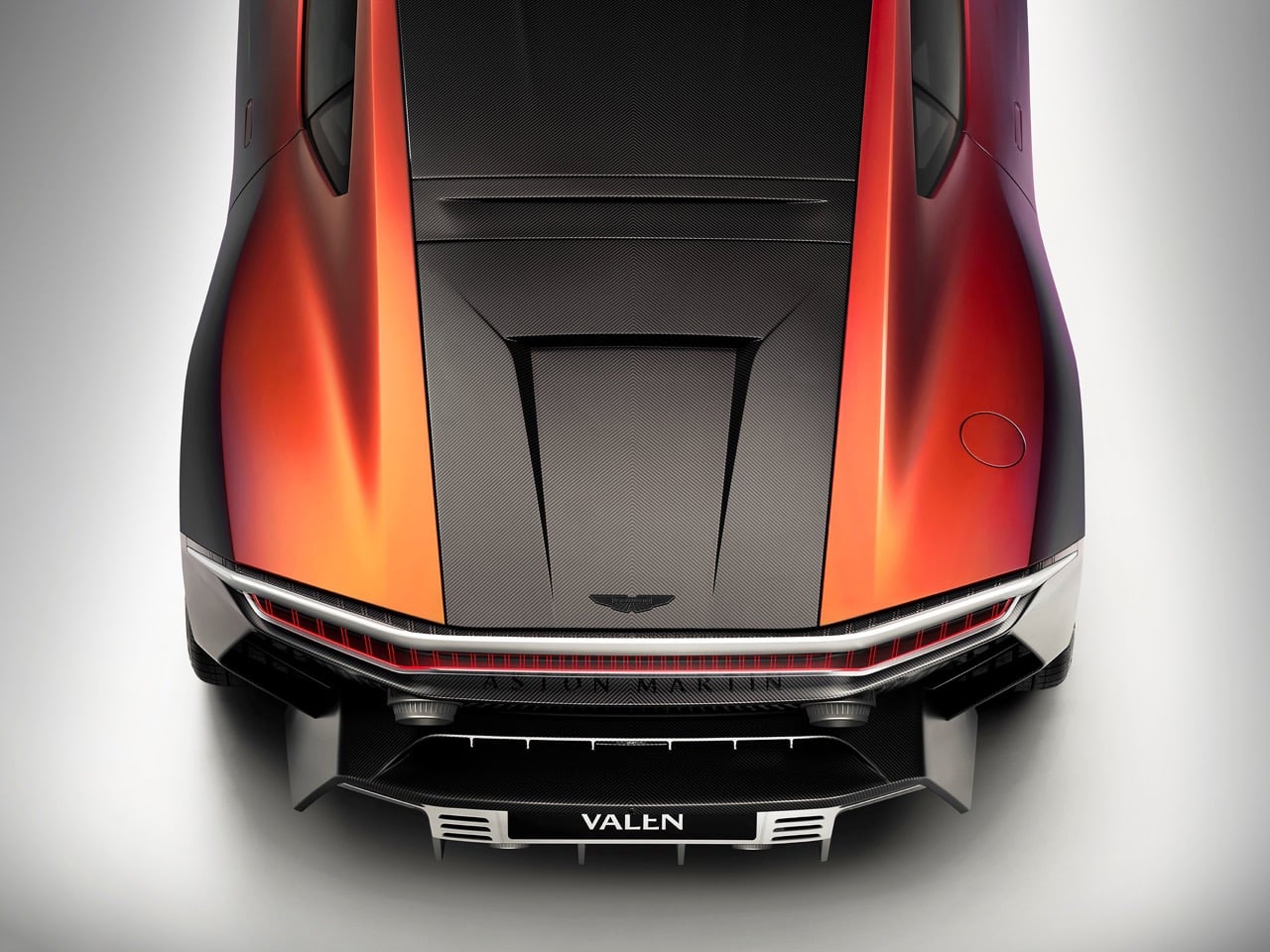
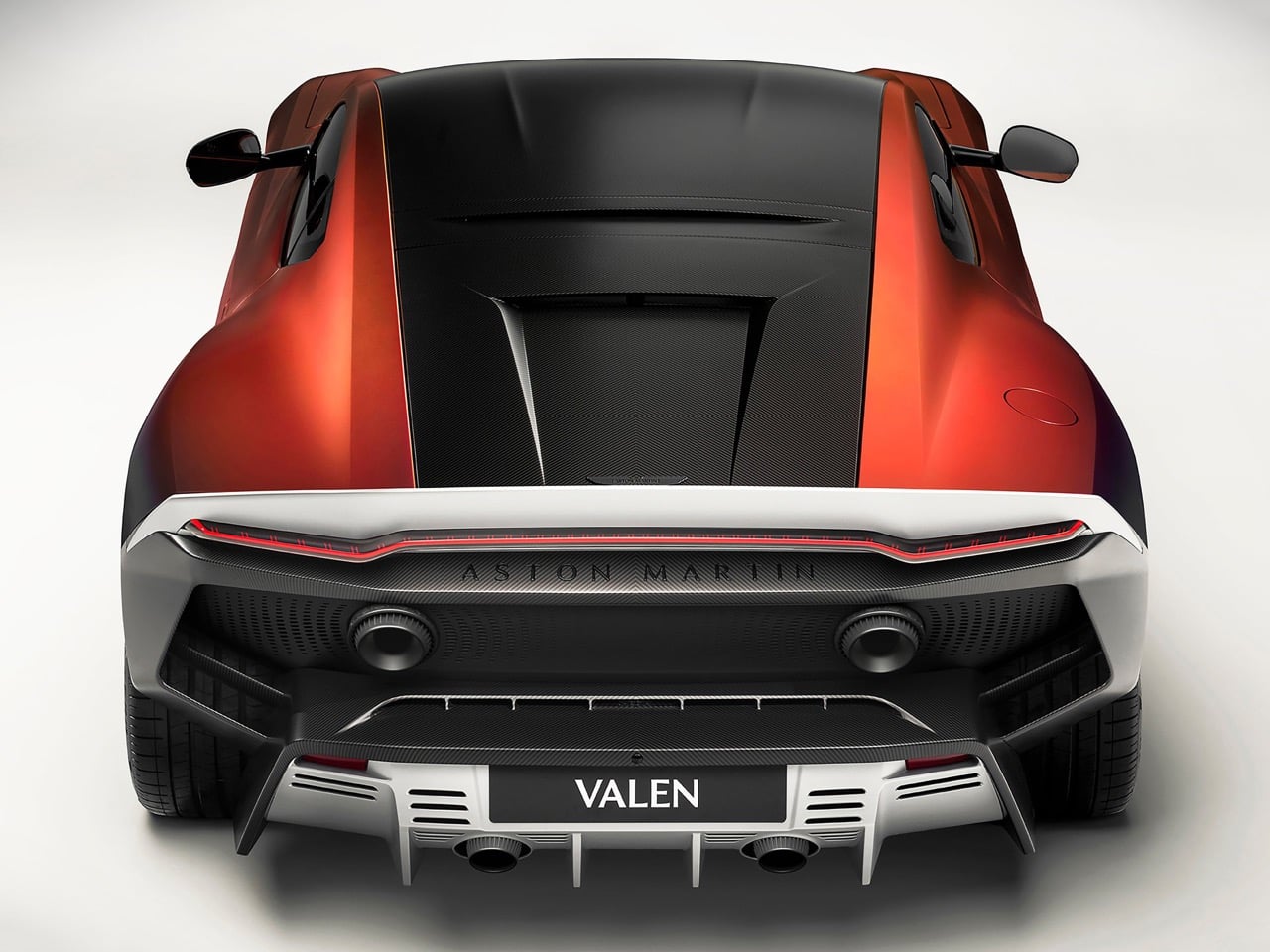
The rear end doubles down on the provocation. Aston deleted the Vanquish’s conventional rear window and bootlid entirely and replaced both with a solid carbon tailgate, its upper edge sculpted into a Gurney flap that generates downforce without a bolted-on wing. Beneath it sits a 170-liter boot with an optional Touring Pack luggage set. Quad titanium exhaust tips, two stacked high and two low, poke through a perforated heat-management panel underneath a full-width light bar. It is a genuinely strange trade of visibility for silhouette, and it puts the Valen in the same conversation as the McLaren P1 and the Polestar 5, cars willing to sacrifice a rear window for a cleaner shape and a cleverer aero solution.
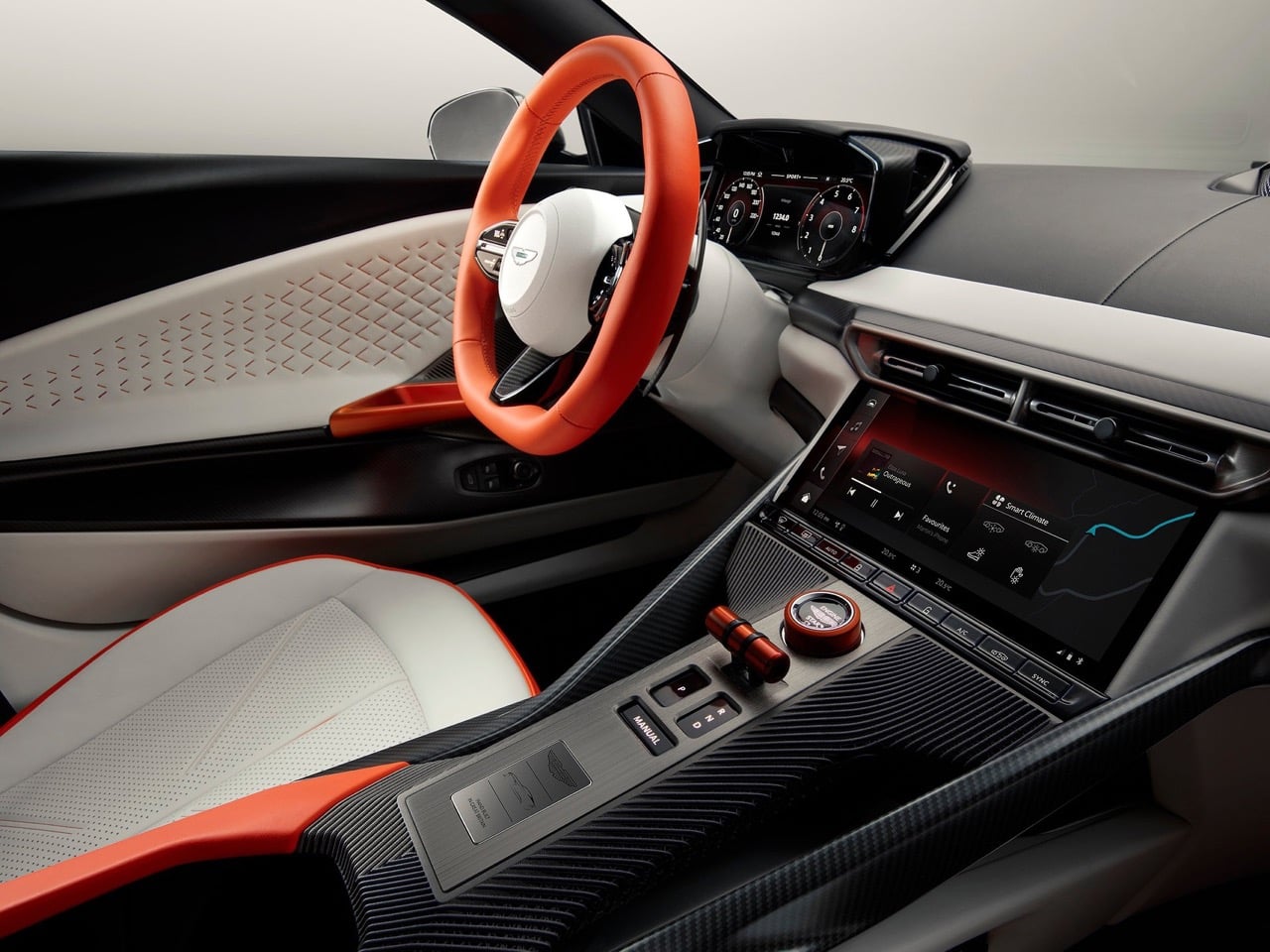
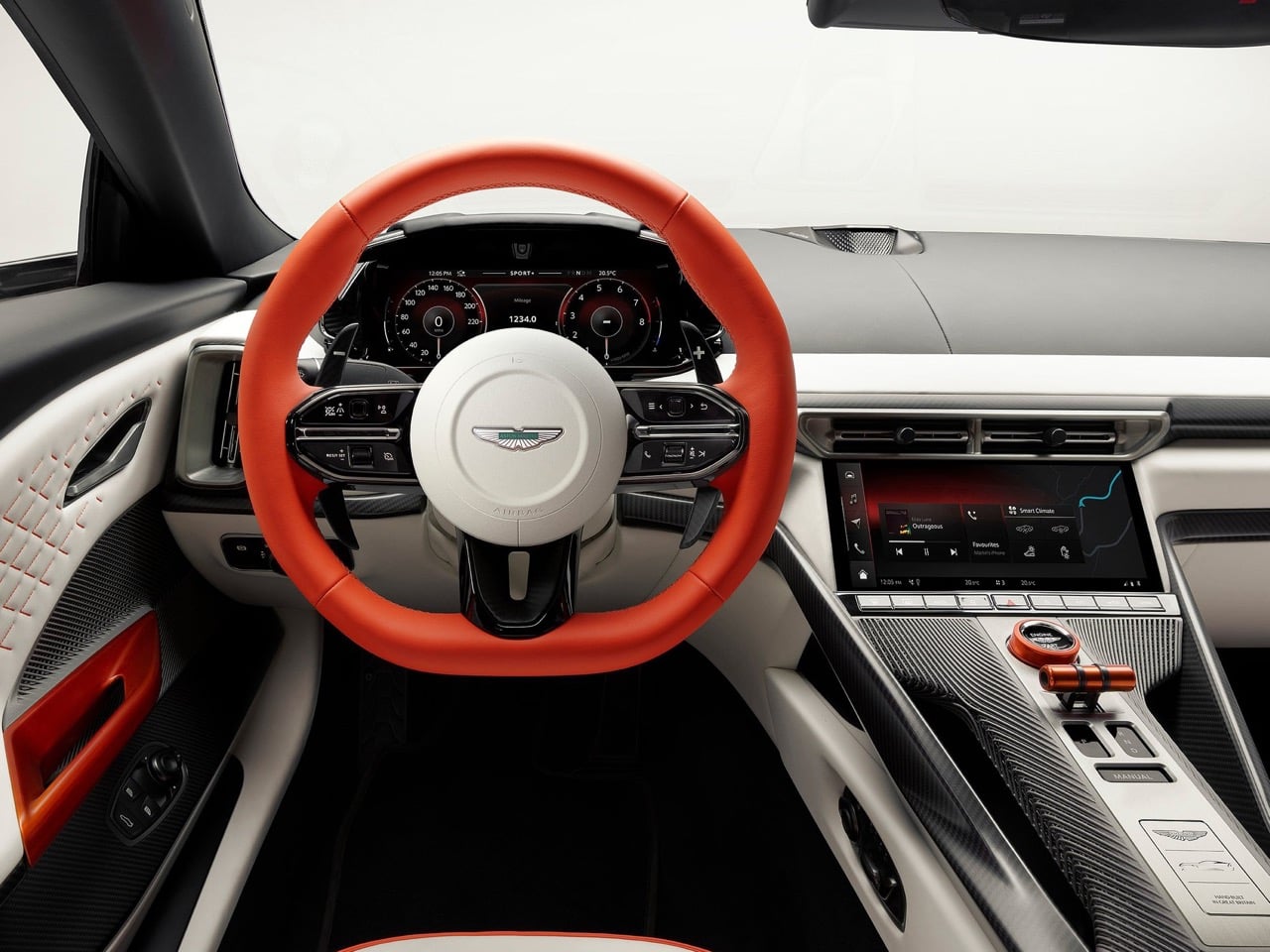
Under all that theater sits a 5.2-liter twin-turbo V12 making 838bhp and 738lb-ft, good for 0-60 in three seconds and a limited 214mph, built on a Vanquish chassis shedding up to 110kg through carbon, titanium, and magnesium. Only 150 will exist, each starting around £1.5 million before Q’s inevitable rabbit hole of options. Whether you read the Valen as Aston Martin finding a bolder voice or briefly losing its accent, it is impossible to look at and feel nothing, and for a company that has spent years being tastefully quiet, that alone might be the real design win here.