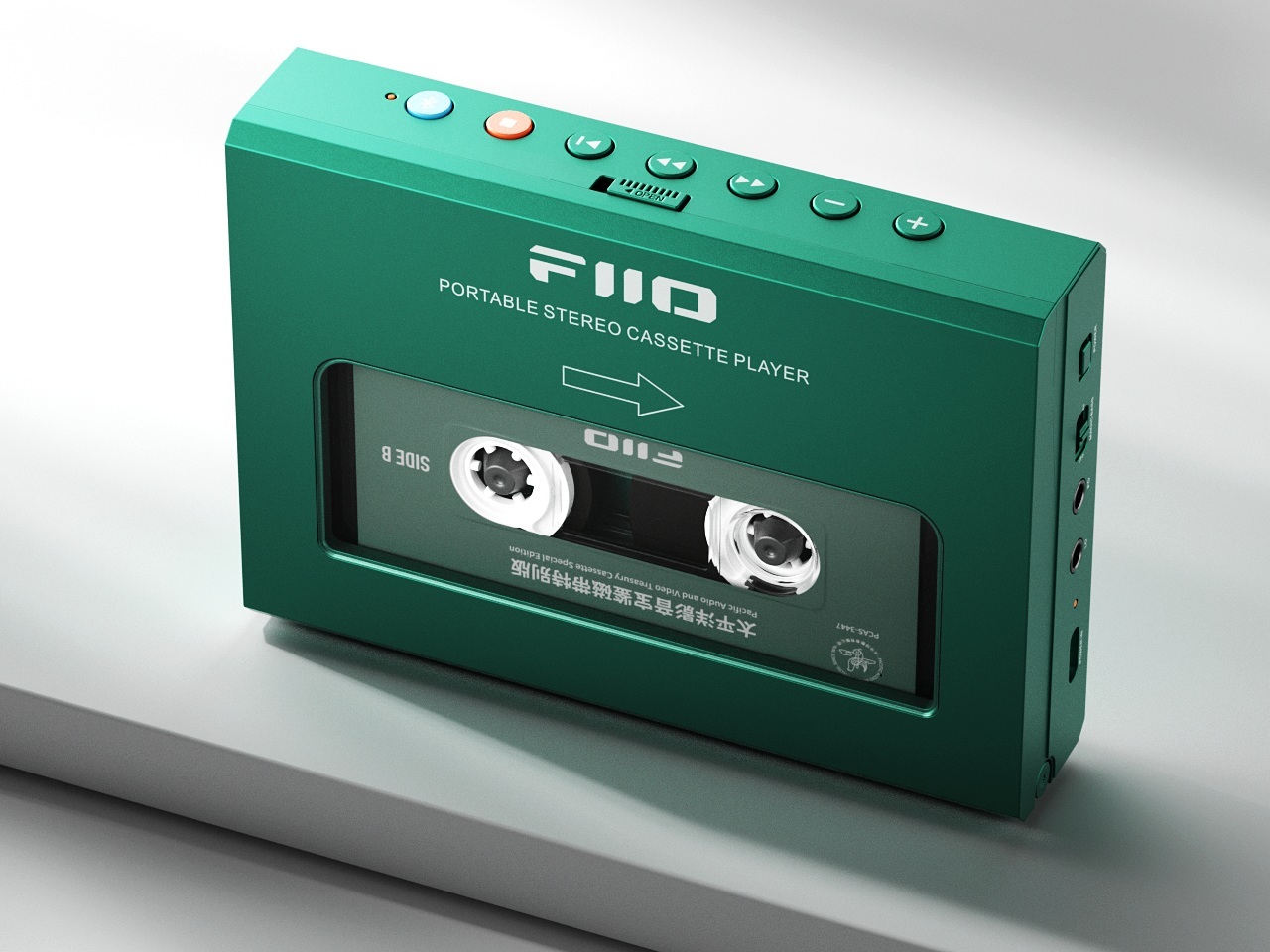

Vinyl already had its big cultural moment, dragging turntables and record stores back into the mainstream. Cassette tapes, quietly and without much fanfare, have been going through the same arc. Sales have been climbing for years, but the revival has lacked a player actually engineered for it. The FiiO CP11 is that player, and it comes with two years of R&D to back it up.
Getting to the CP11 wasn’t a straight line. FiiO originally planned to lead with the higher-end CP15, but as the new ultra-thin mechanism proved far more complex to engineer than expected, from structure and servo coordination to full system integration, the roadmap got reorganized. The CP11 was added earlier in the lineup so the new playback technology could reach people before everything else was perfected.
Designer: FiiO
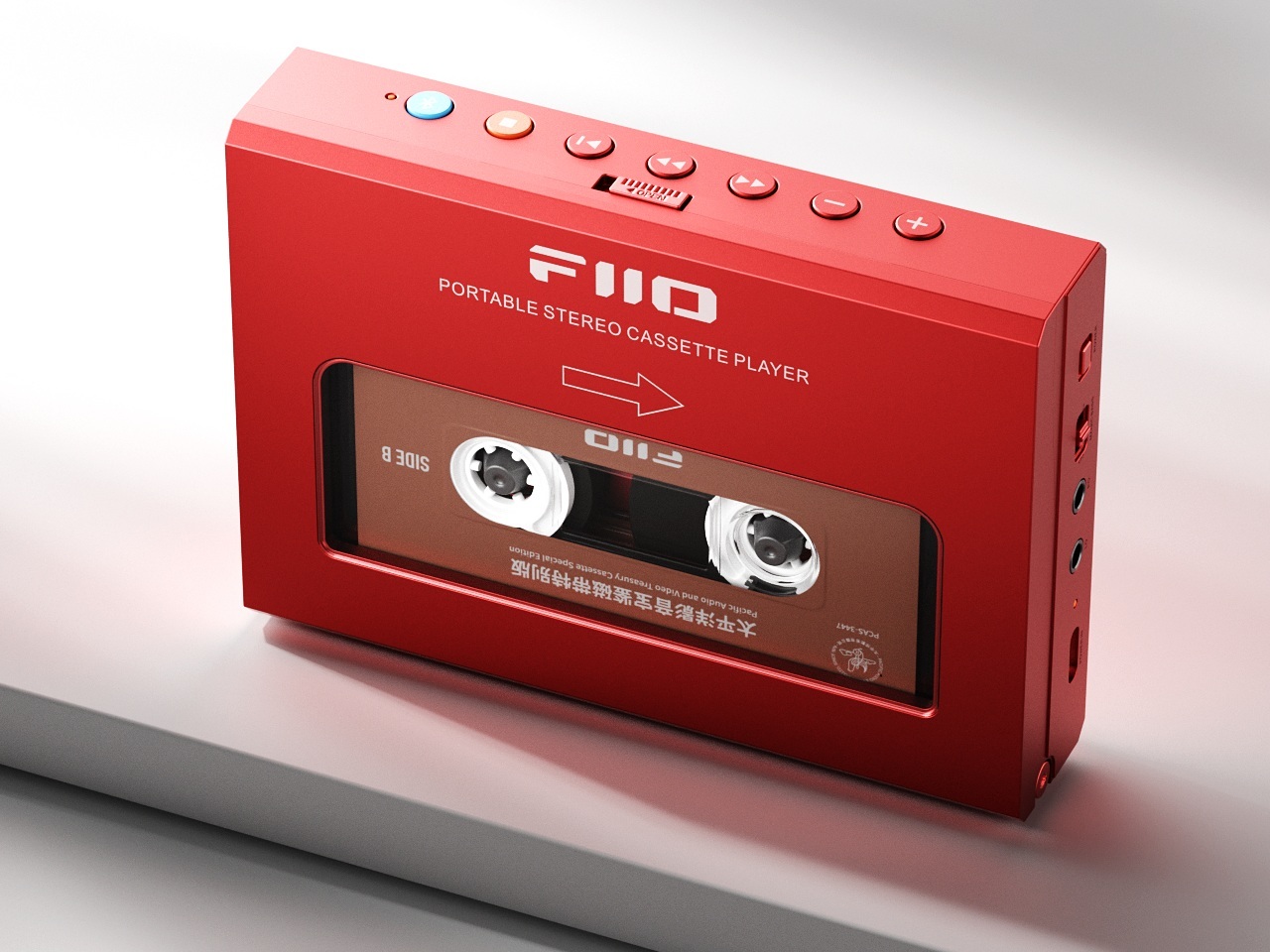
The size of the thing is worth talking about. FiiO designed the CP11 to be genuinely pocketable, competitive with the Walkmans that defined portable listening decades ago. That’s a different proposition entirely from the thick, ungainly cassette players that have populated the modern revival market. The all-new ultra-thin transport mechanism is what makes that slim profile possible, and getting it right required repeated prototyping and refinement.
Inside, the CP11 moves away from the hardware compromises that hold most modern tape players back. It runs on a brushless motor paired with a new servo drive and revised circuit design, which together are meant to deliver more stable, accurate playback than conventional motors allow. The magnetic head has been upgraded as well, since even the warmest analog sound can only be as good as the head reading it.
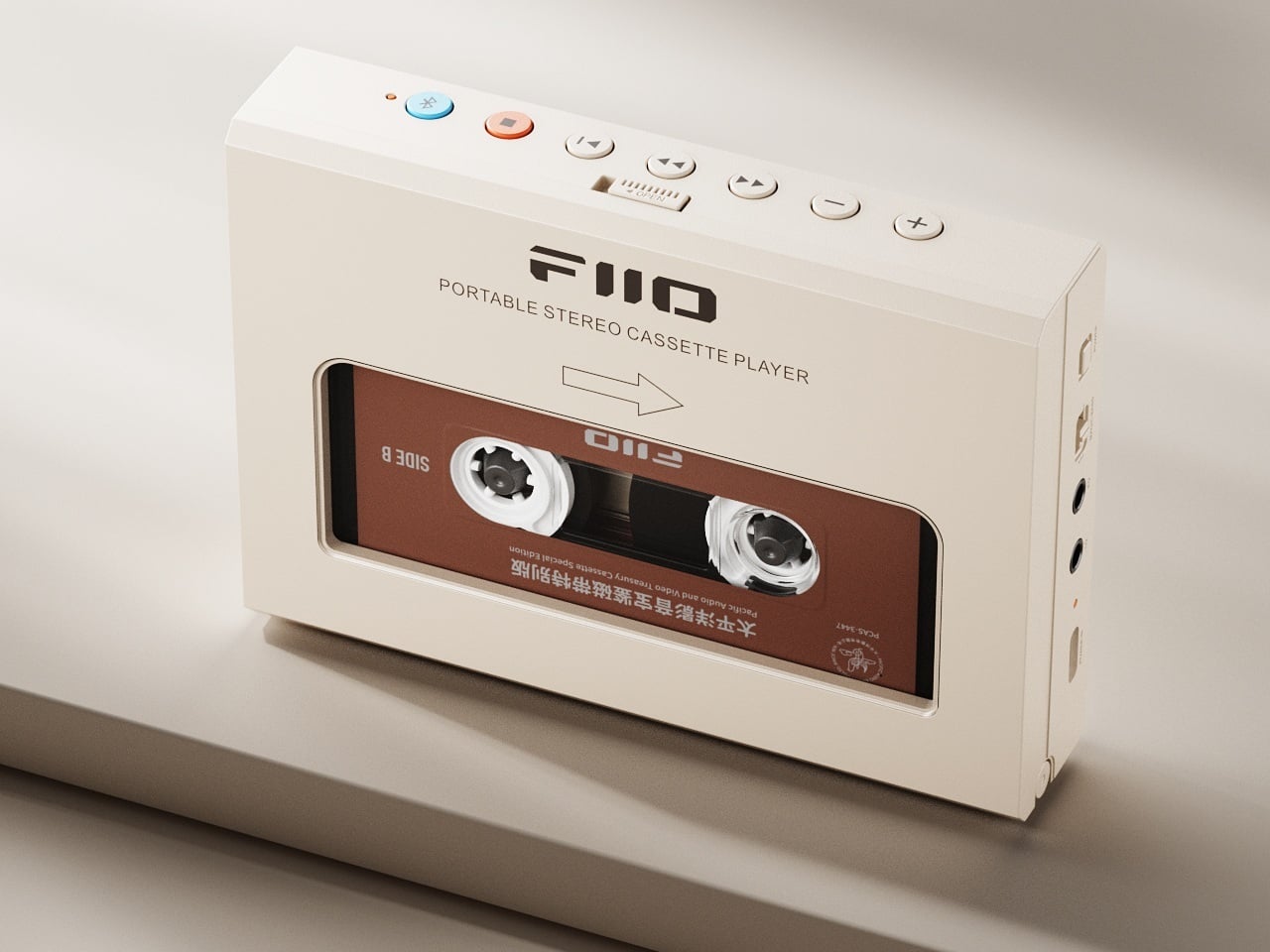
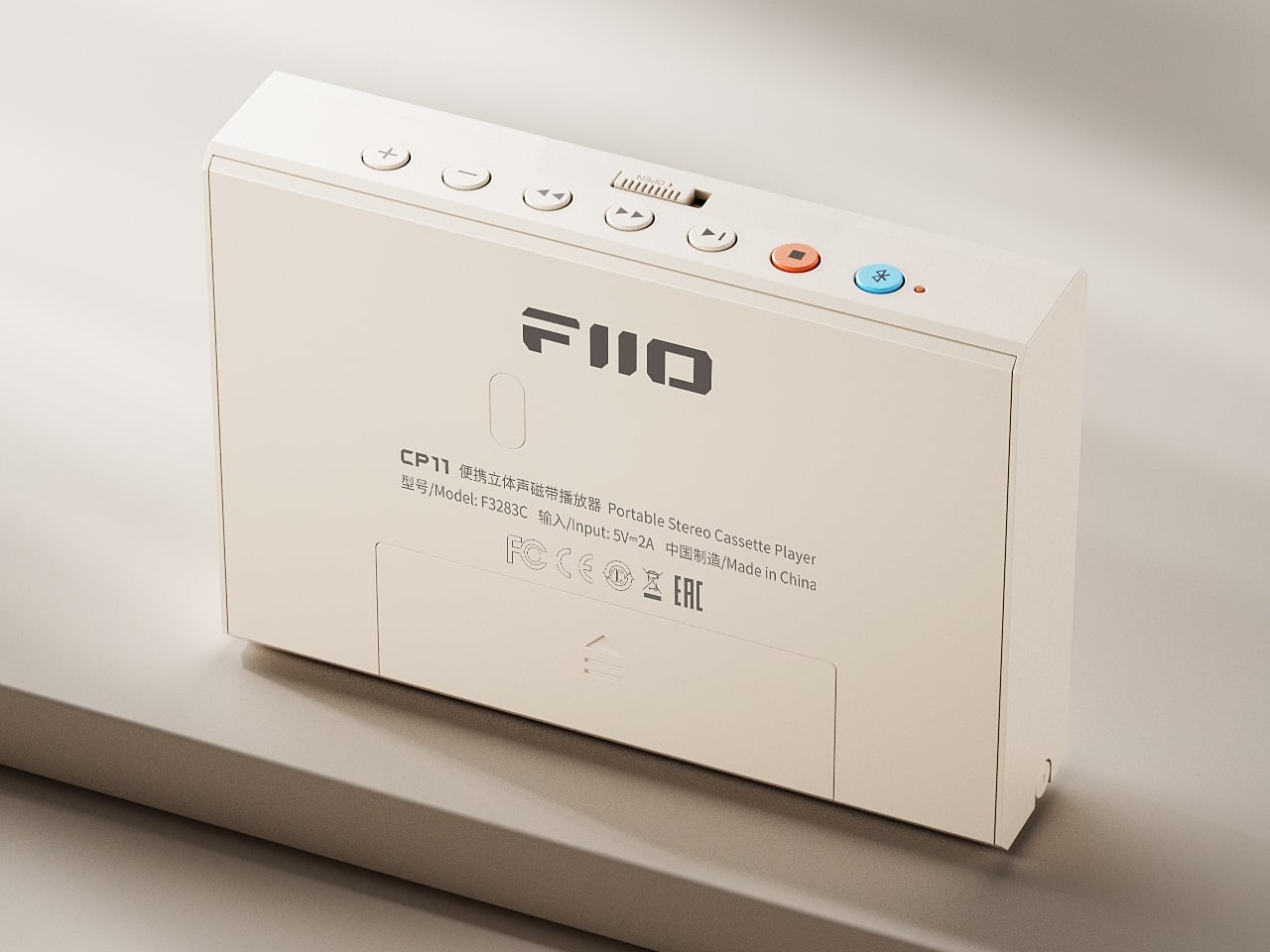
Then there’s Bluetooth, which is probably the feature that makes the CP11 most interesting to a broader audience. The fully analog CP13, FiiO’s existing tape player, never had it. Adding wireless transmission here means you can pair the CP11 with any wireless headphones and listen to your mixtapes or favorite vintage tapes without a headphone cord to manage. The 3.5mm jack is still there for people who prefer it that way.
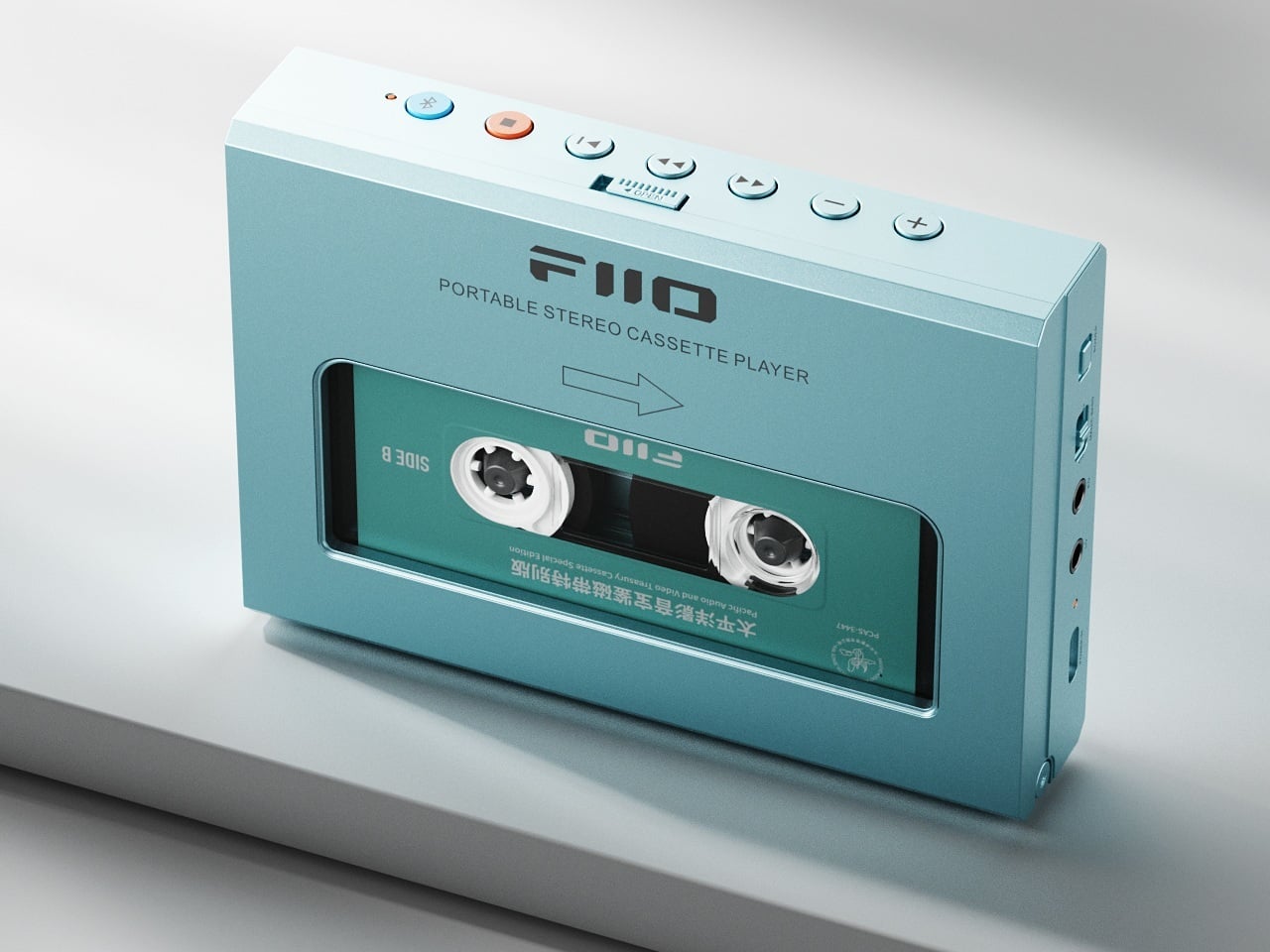
The design doesn’t try to pass off nostalgia as a substitute for intent. The body is clean and minimalist, available in cream, green, and silver colorways that feel more considered than retro-chic. There’s a battery hatch on the back, which suggests the cell might be user-replaceable, a small but meaningful detail for a device built around physical media and the culture of long listening sessions.
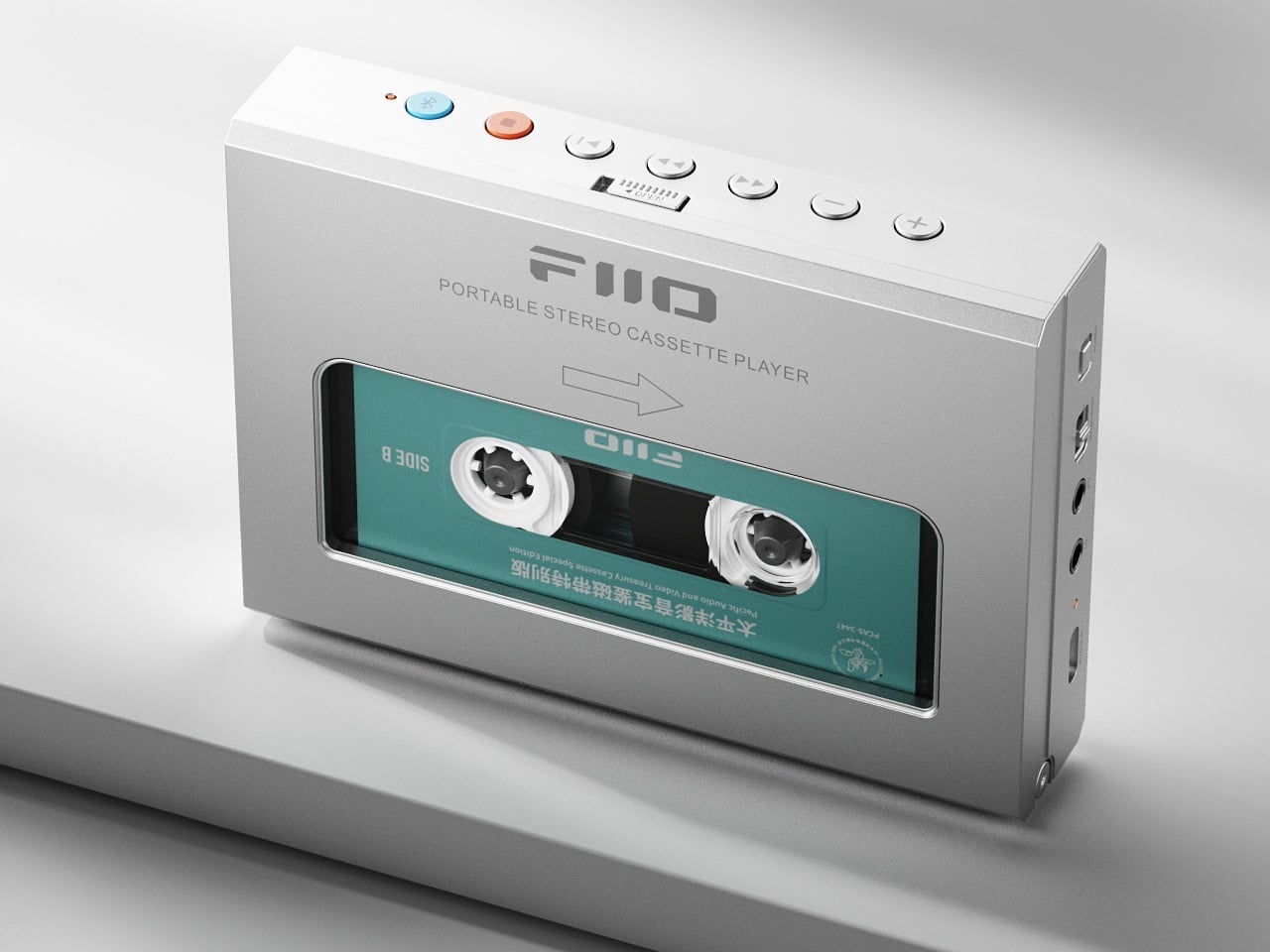
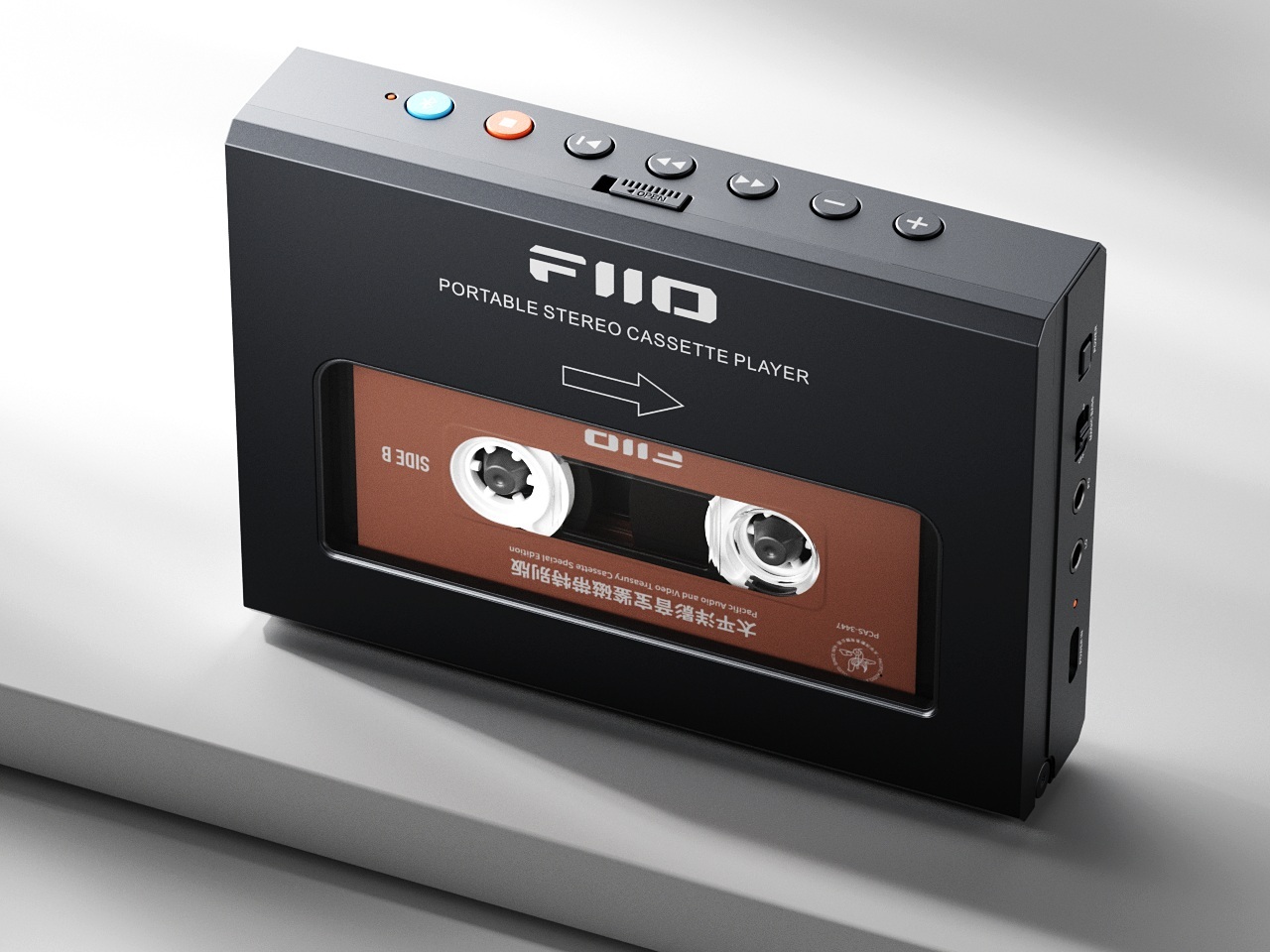
USB-C handles charging, which is a small but welcome concession to the present. It charges at 5V/2A, so any standard cable will do, and you won’t need to hunt for a specialized adapter while your tape collection gathers dust. Physical playback controls sit at the top alongside a dedicated Bluetooth button, keeping the experience tactile rather than forcing everything through a touchscreen or an app.
No pricing has been announced yet, though FiiO’s existing CP13 sells in the $99 to $110 range, giving some rough sense of where the CP11 might land. A late 2026 launch is the target, and the higher-end CP15 is progressing simultaneously, with its internals largely completed. The cassette revival doesn’t have a device worthy of leading it yet. The CP11 is making a case for the job.