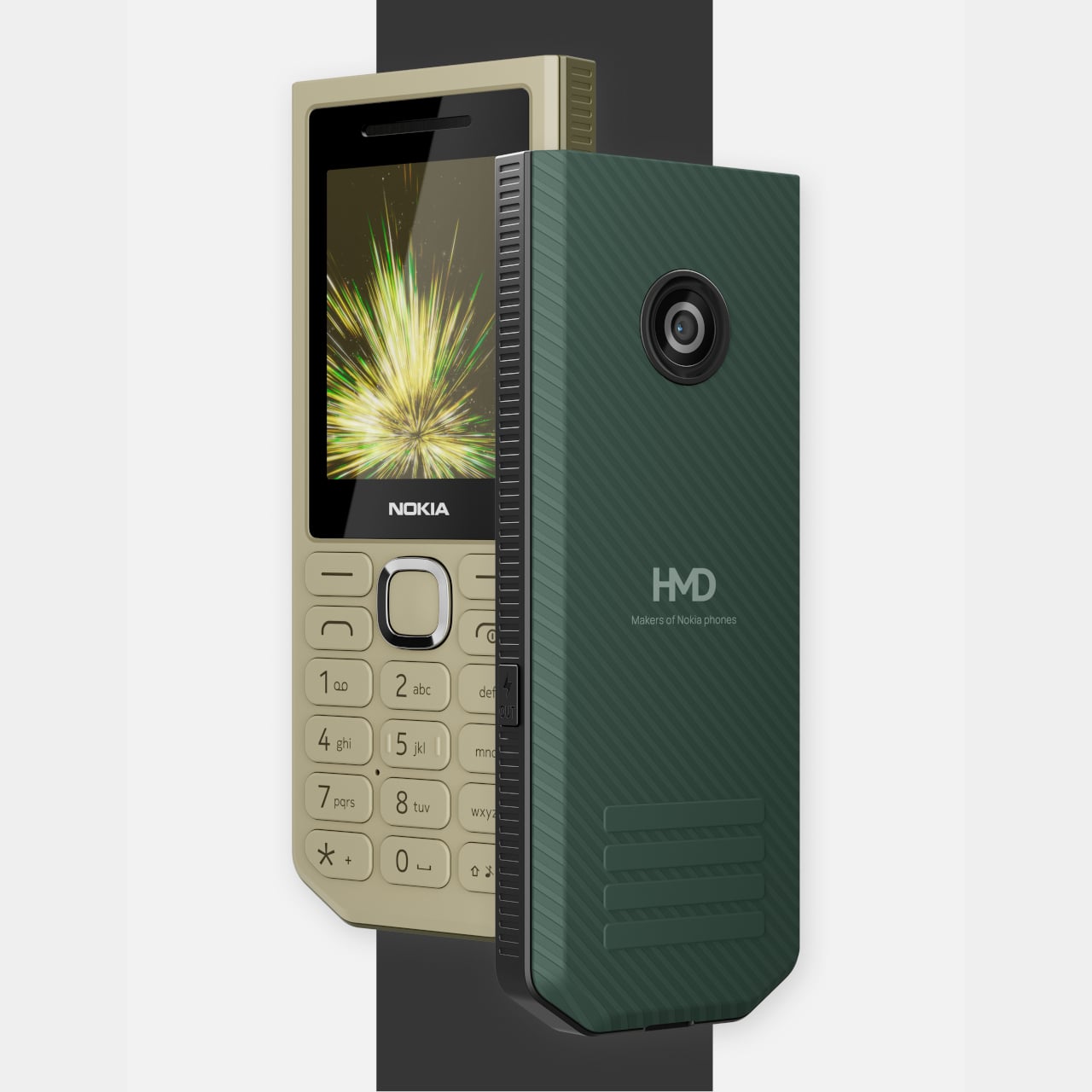

The idea of carrying a power bank separately has never been particularly glamorous. It’s another thing to charge, another thing to forget, and another thing to dig out of your bag just when you need it. The Nokia 300 Charge sidesteps that by folding the power bank into the phone itself, a feature phone with a 3,700mAh battery that can share its charge with other devices.
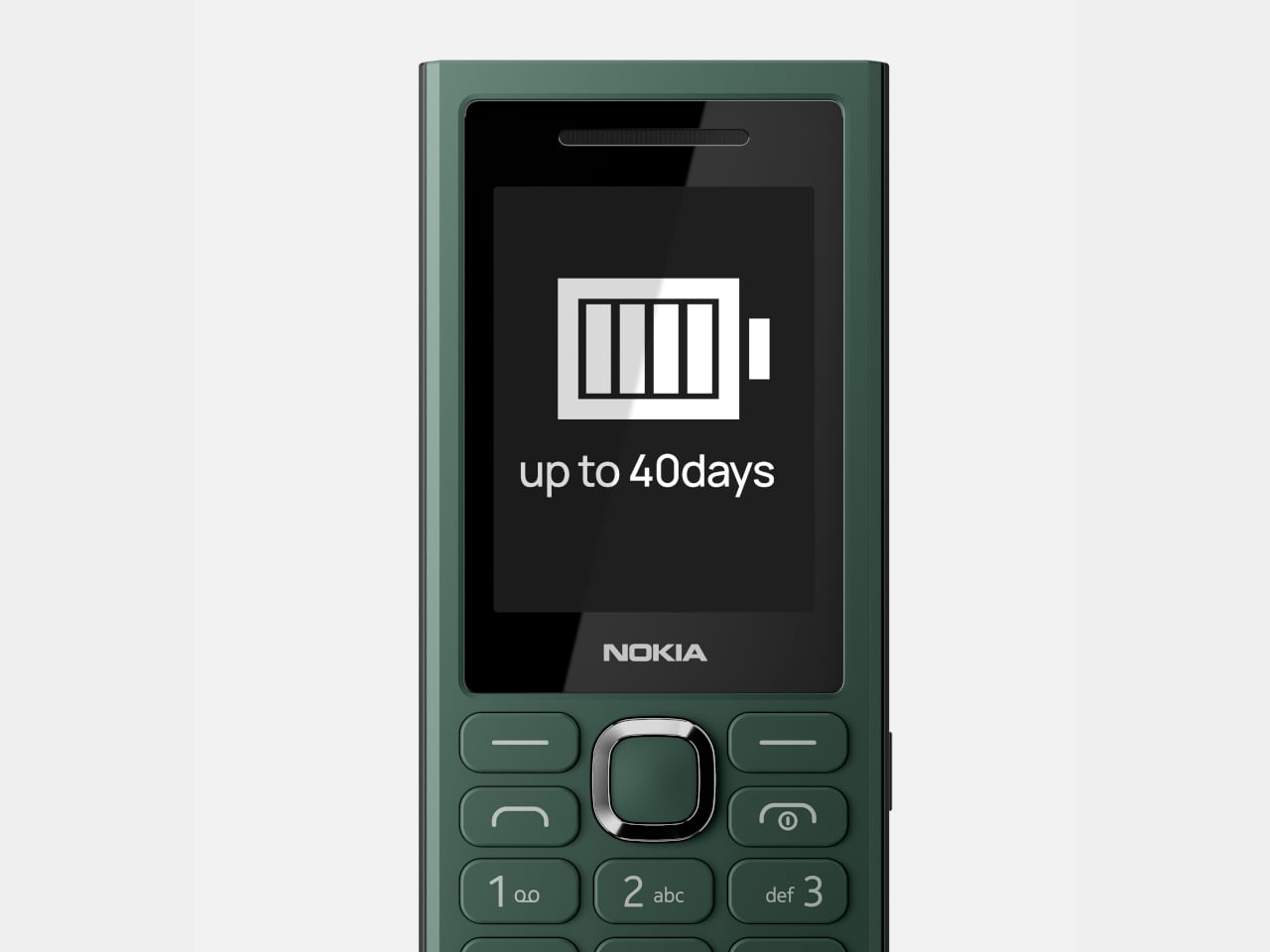
That 3,700mAh figure sounds modest until you consider what it’s sitting inside. Most feature phones top out well below 2,000mAh, and the Nokia 110 Power only packs 1,750mAh, despite the name. The 300 Charge has more than double that, giving you up to 37 hours of talk time and over 40 days of standby. For a phone living in a drawer or a travel bag, those numbers genuinely matter.
Designer: HMD Global
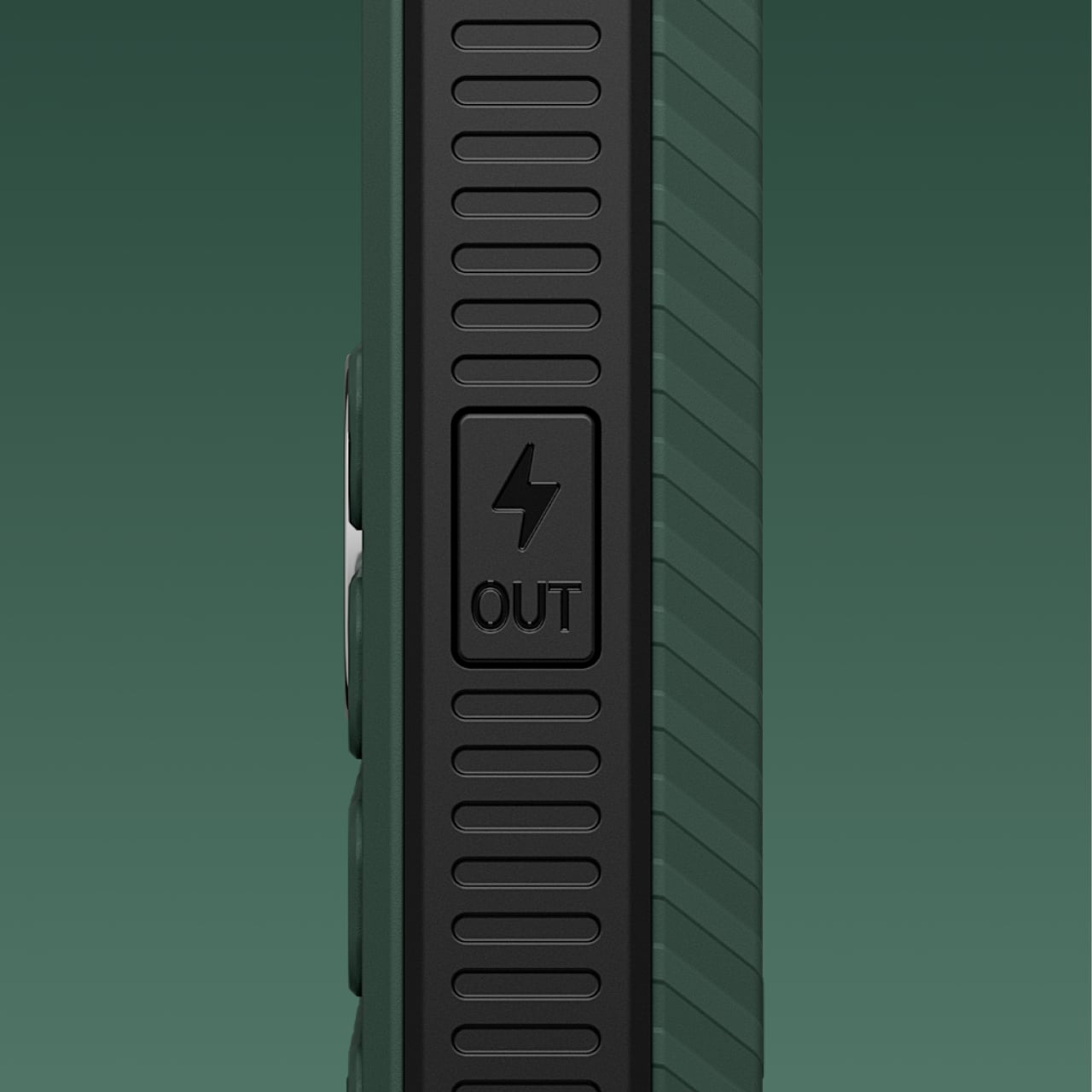
The reverse charging works through the same USB-C port the phone charges from, activated by a dedicated button on the side. Press it, plug in a cable, and the 300 Charge starts pushing 10W out to whatever’s connected. An included 4-in-1 cable covers most devices you’d commonly carry, and the phone itself charges at the same 10W speed when it’s on the receiving end.
Long travel days and power outages share a common anxiety: a smartphone dying when there’s no wall socket in sight. You’d normally be counting on someone else’s power bank to get through. With the Nokia 300 Charge in your bag, you’re already carrying the solution. It’s the kind of device that makes sense stashed in a go-bag, a glove compartment, or a festival backpack before a long weekend.

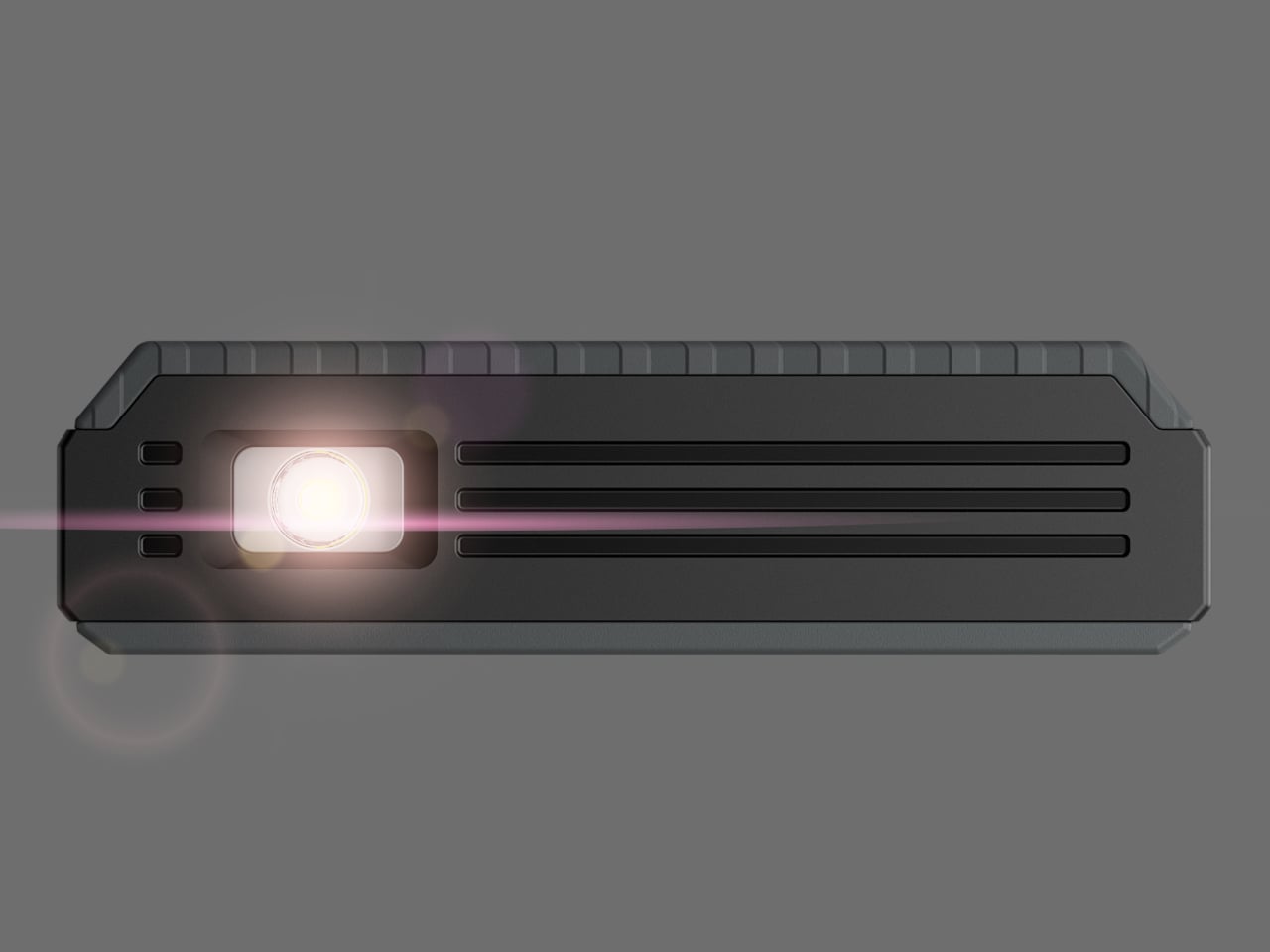
Then there’s the torch. The Nokia 300 Charge has a high-power LED flashlight that’s reportedly four times brighter than the one on the Nokia 105. That kind of output actually matters when the power goes out, or you need to navigate somewhere dark. Rather than a gimmick, it’s one of the more immediately useful things on the device, especially given what the phone is designed to handle.
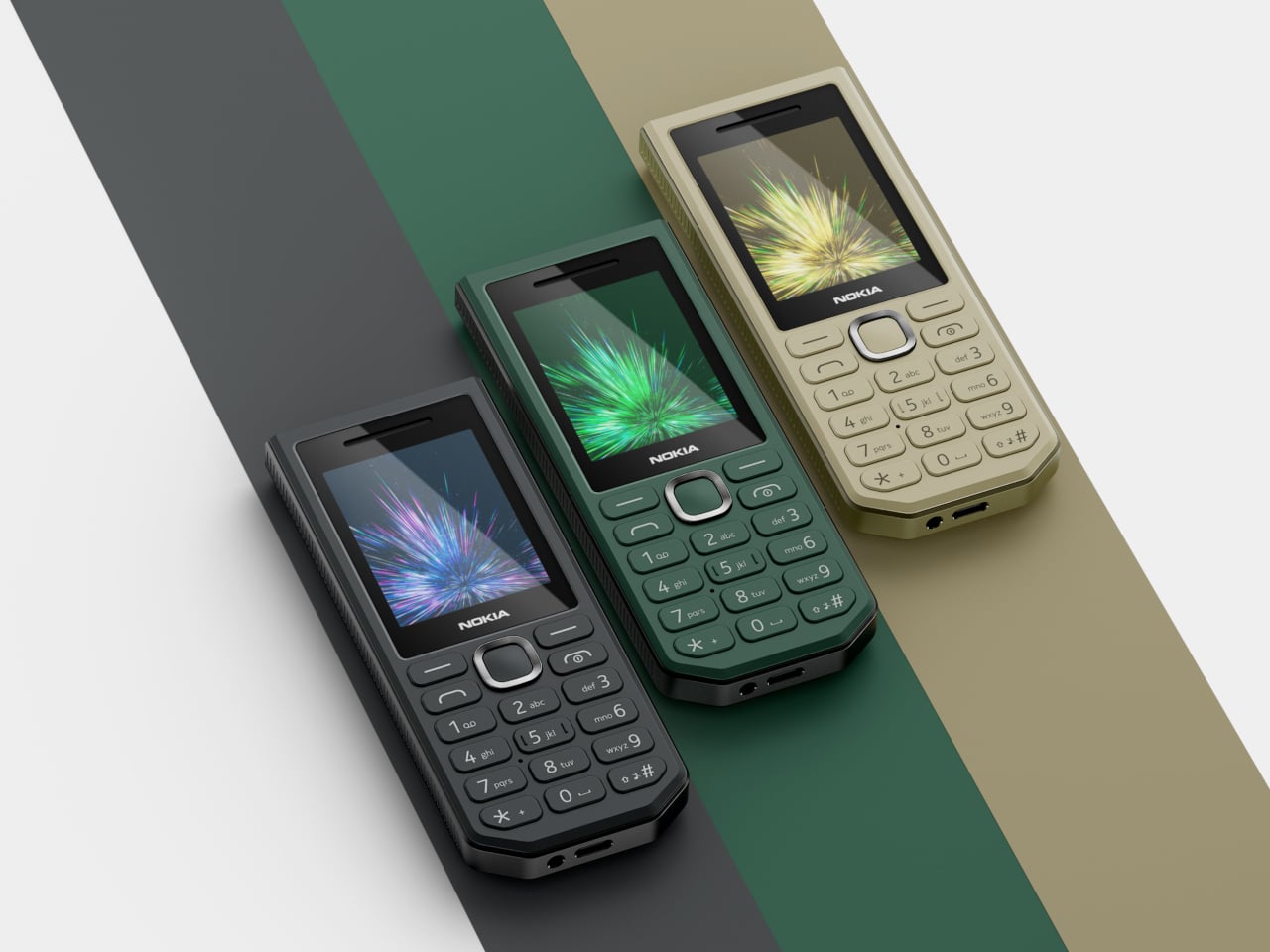
The phone is built for situations where things get knocked around. A rugged chassis with a textured, anti-slip grip keeps it secure in your hand, while the overall package comes in at 138 grams and about 15mm thick. It doesn’t feel like a compromise between durability and portability. Available in Sandstone, Green, and Black, the colorways lean practical rather than flashy.
On the inside, the Nokia 300 Charge keeps things simple. A 2.4-inch display, a microSD slot expandable up to 32GB, a 3.5mm headphone jack, and dual SIM support cover the basics. Connectivity is 2G only, which limits it to regions where that network infrastructure is still active. It’s worth confirming coverage before picking one up for travel, since some markets have already shut down their 2G networks.
The Nokia 300 Charge launched in the Philippines at around $32, with a wider international rollout expected. The battery is removable, a practical detail that most phone makers have quietly dropped. It charges at 10W via USB-C, matching the same output it provides when sharing power. A feature phone that calls, texts, lights your way, and tops up other devices at that price doesn’t need a complicated pitch.