
The privacy conversation around laptops tends to happen entirely in software. Operating systems add permissions dialogs, apps get granted or denied microphone access, and browsers warn about tracking cookies. All of that matters, but it operates in a layer that can be undermined by the hardware underneath it. A microphone that’s turned off in software is still physically connected to a circuit that could, under the right conditions, be activated without the user’s knowledge.
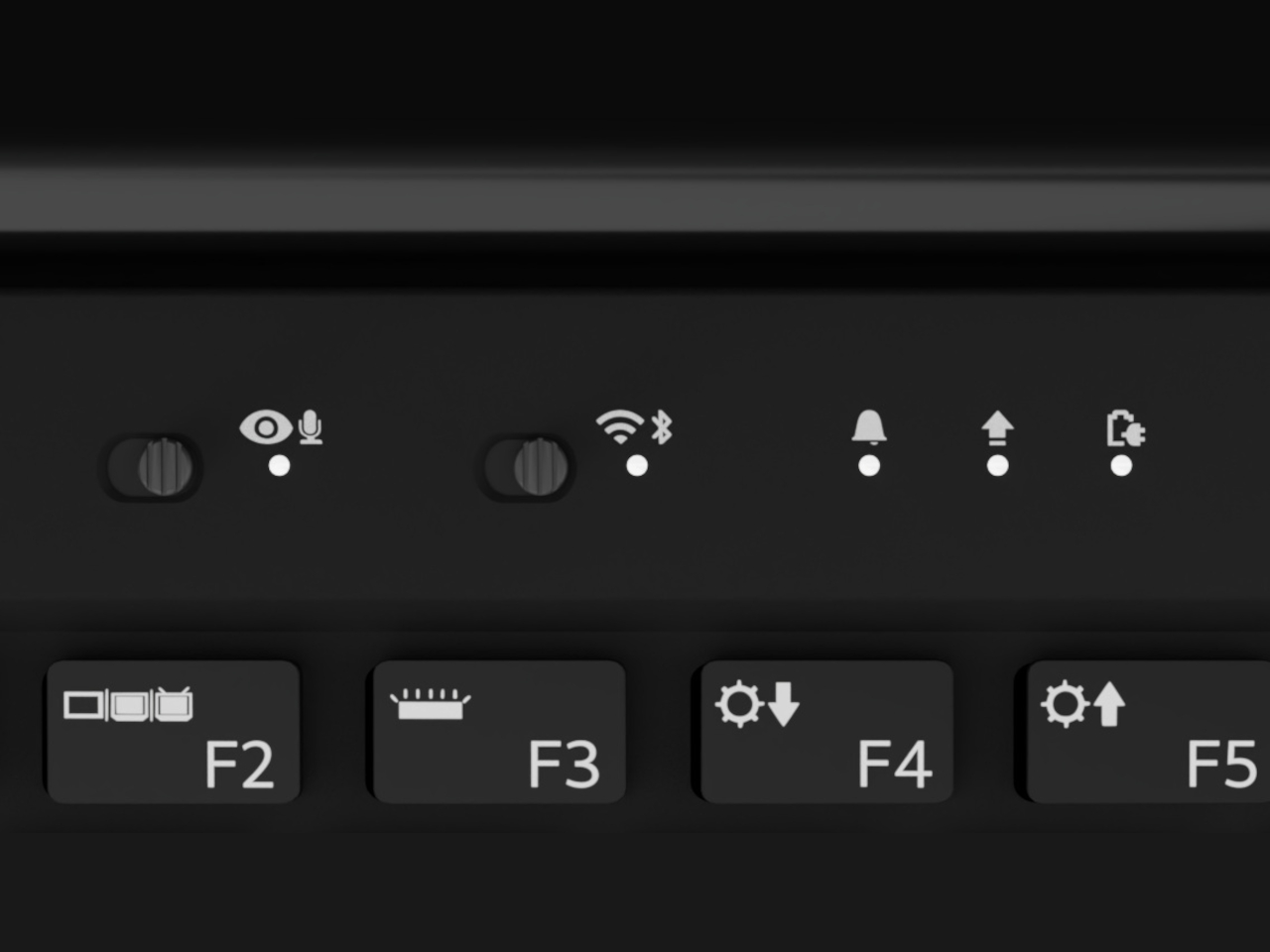
The Purism Librem 16 treats that gap as the actual problem worth solving. It’s a 16-inch Linux laptop built around the premise that hardware security has to be literal, not just promised. Two physical kill switches on the body electrically disconnect the camera and microphone as one group and the Wi-Fi and Bluetooth radio as another. Not toggled in software, not muted through the operating system, but physically disconnected from the board.
Designer: Purism
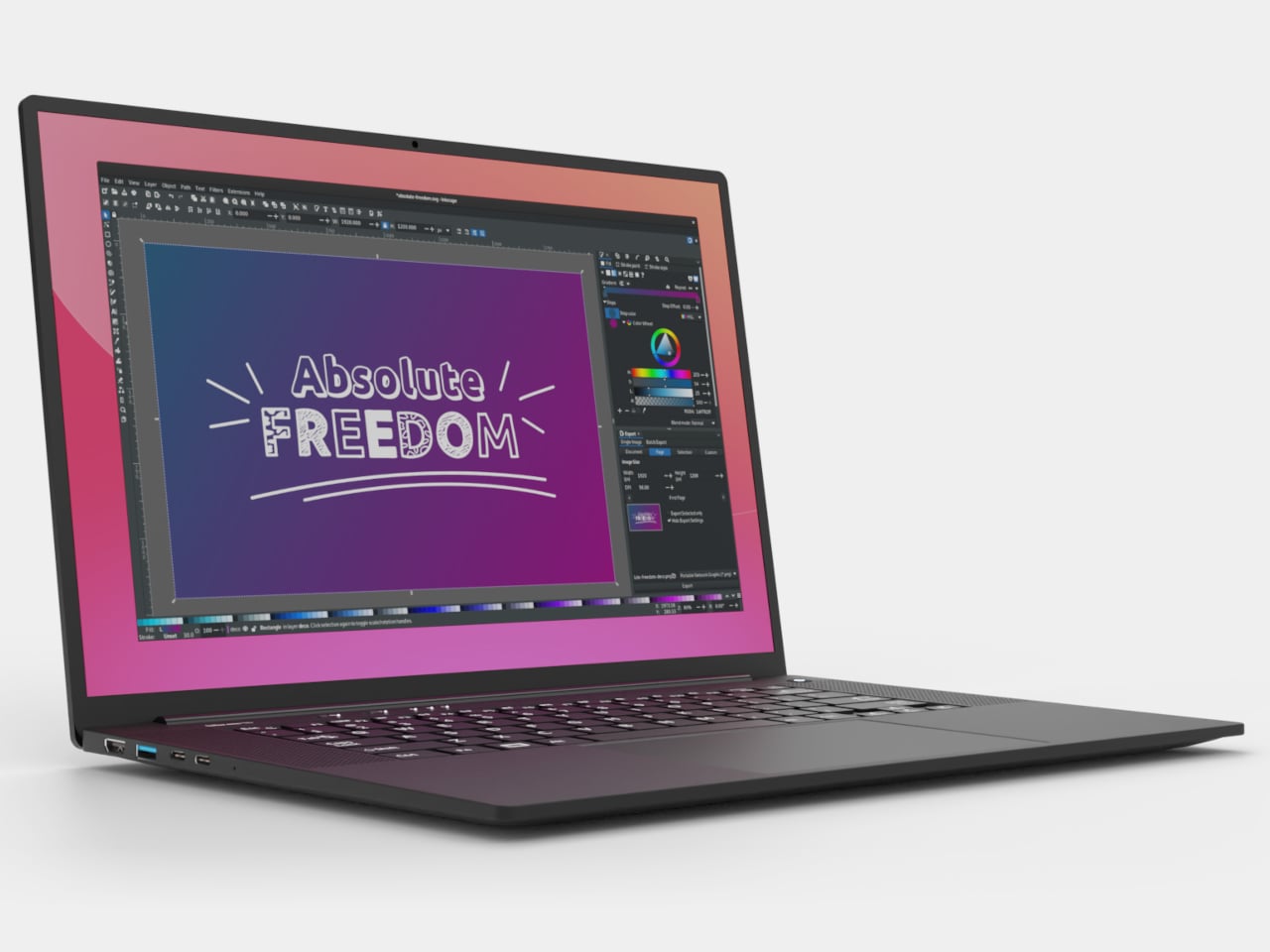

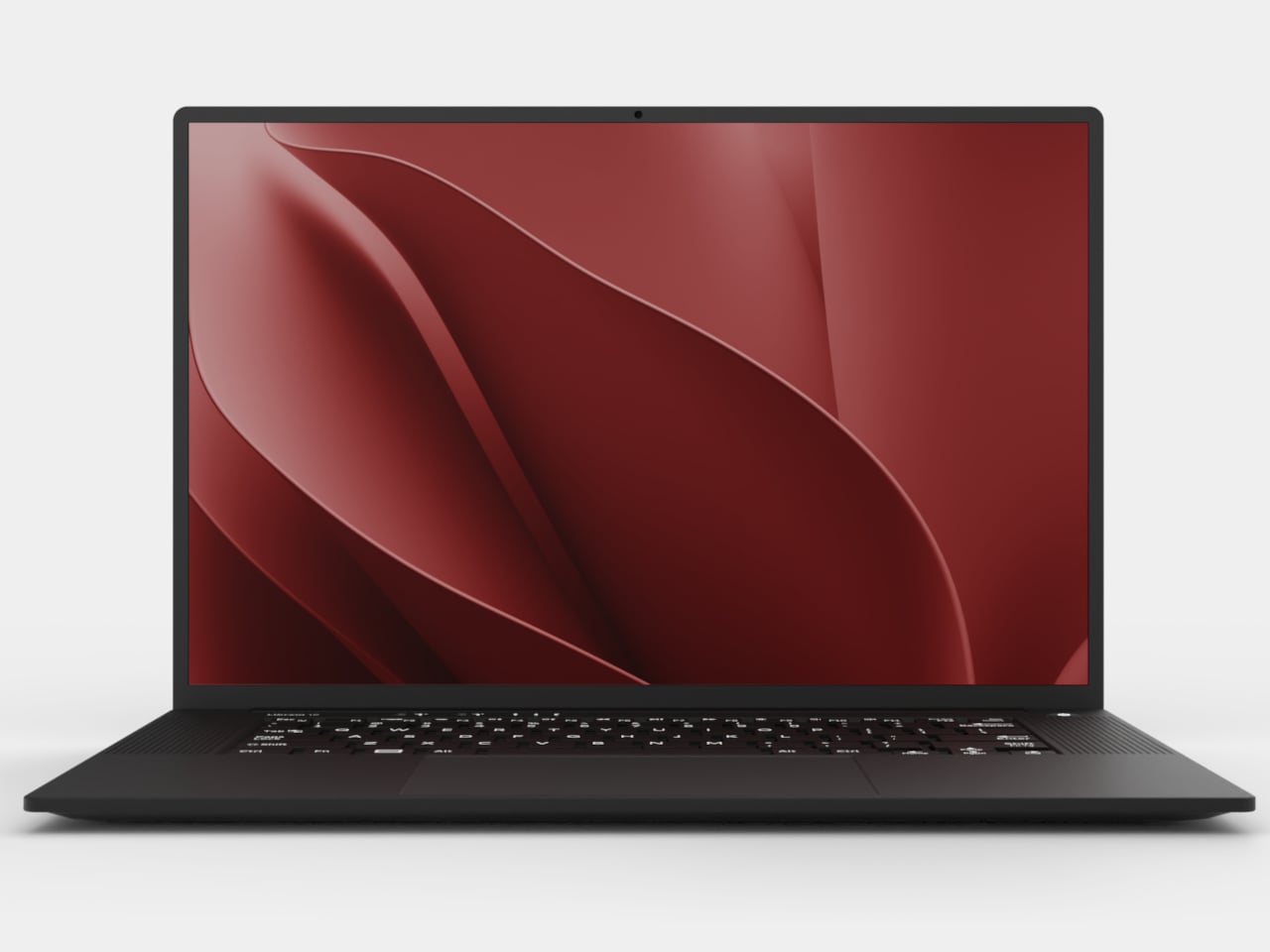
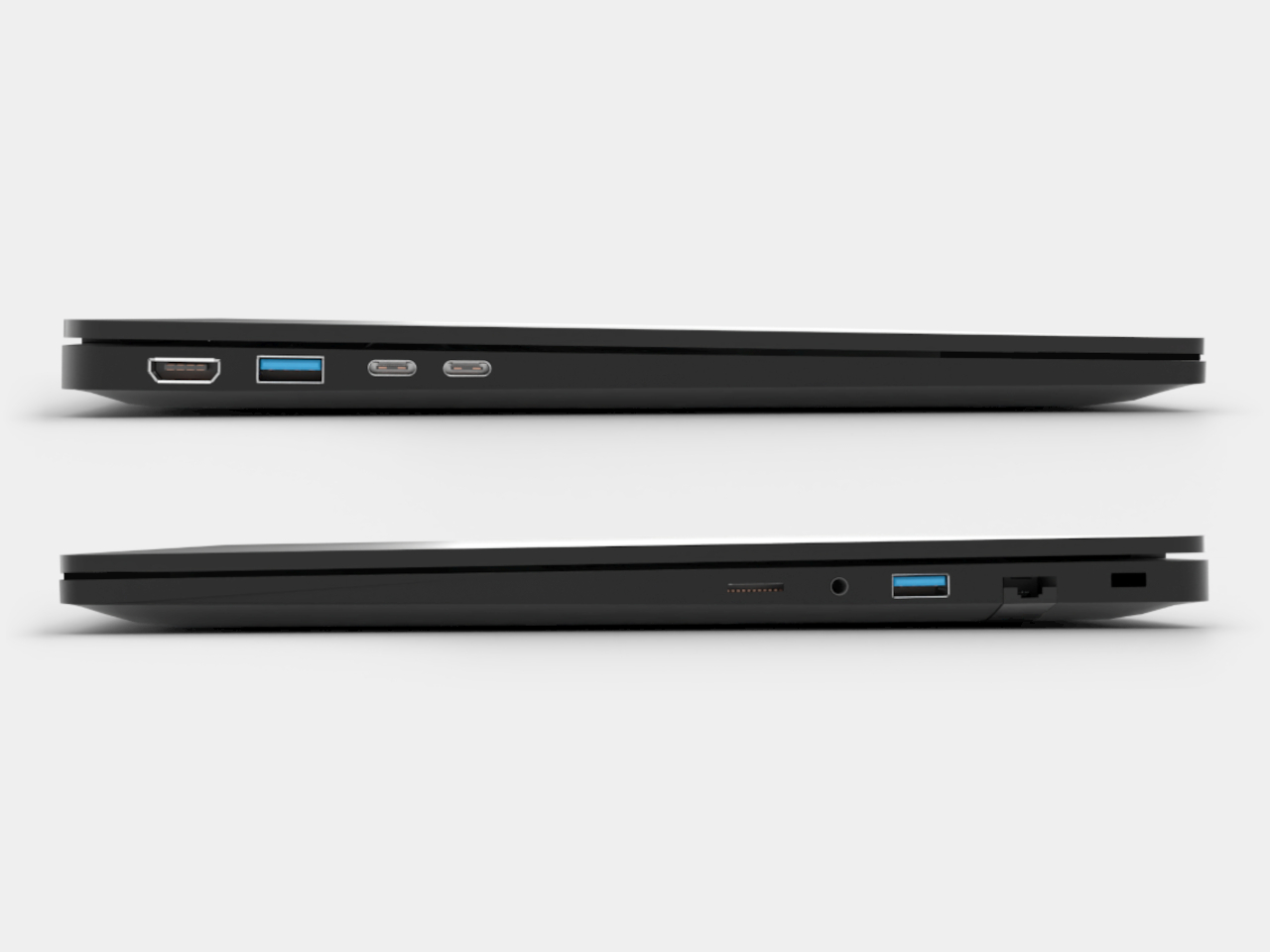
The machine runs Intel’s 13th-generation Core i7-13620H, with ten cores, 16 threads, and a peak frequency of 4.9GHz. Two DDR4 RAM slots support up to 64GB, and two M.2 slots can take the storage configuration all the way up to 16TB. Four USB ports cover the connectivity side, split evenly between two USB-C ports running USB4 with DisplayPort alternate mode and two Type-A USB 3.2 ports, alongside HDMI, Ethernet, a headphone jack, and a microSD reader.
The Intel Management Engine, a separate embedded processor that runs independently of the main CPU and operating system, is disabled. This component exists on most Intel-based systems and can operate even while the machine is off, a characteristic that privacy-focused hardware communities have objected to for years. Disabling it removes the most significant piece of hardware the owner never had direct control over.
Firmware comes in the form of PureBoot, Purism’s implementation of Coreboot combined with the Heads open-source security framework. This replaces the conventional UEFI BIOS with a verified boot process that can detect whether the firmware has been tampered with since the last known-good state. An optional Librem Key USB token works alongside PureBoot to verify that nothing has changed between sessions, providing tamper detection at startup.
The operating system is PureOS, a Debian-based GNU/Linux distribution that ships with only free and open-source software. Purism also offers an optional anti-interdiction service, a supply chain inspection process that adds physical tamper-evidence measures before the laptop ships, for buyers who want assurance that the hardware hasn’t been compromised in transit.
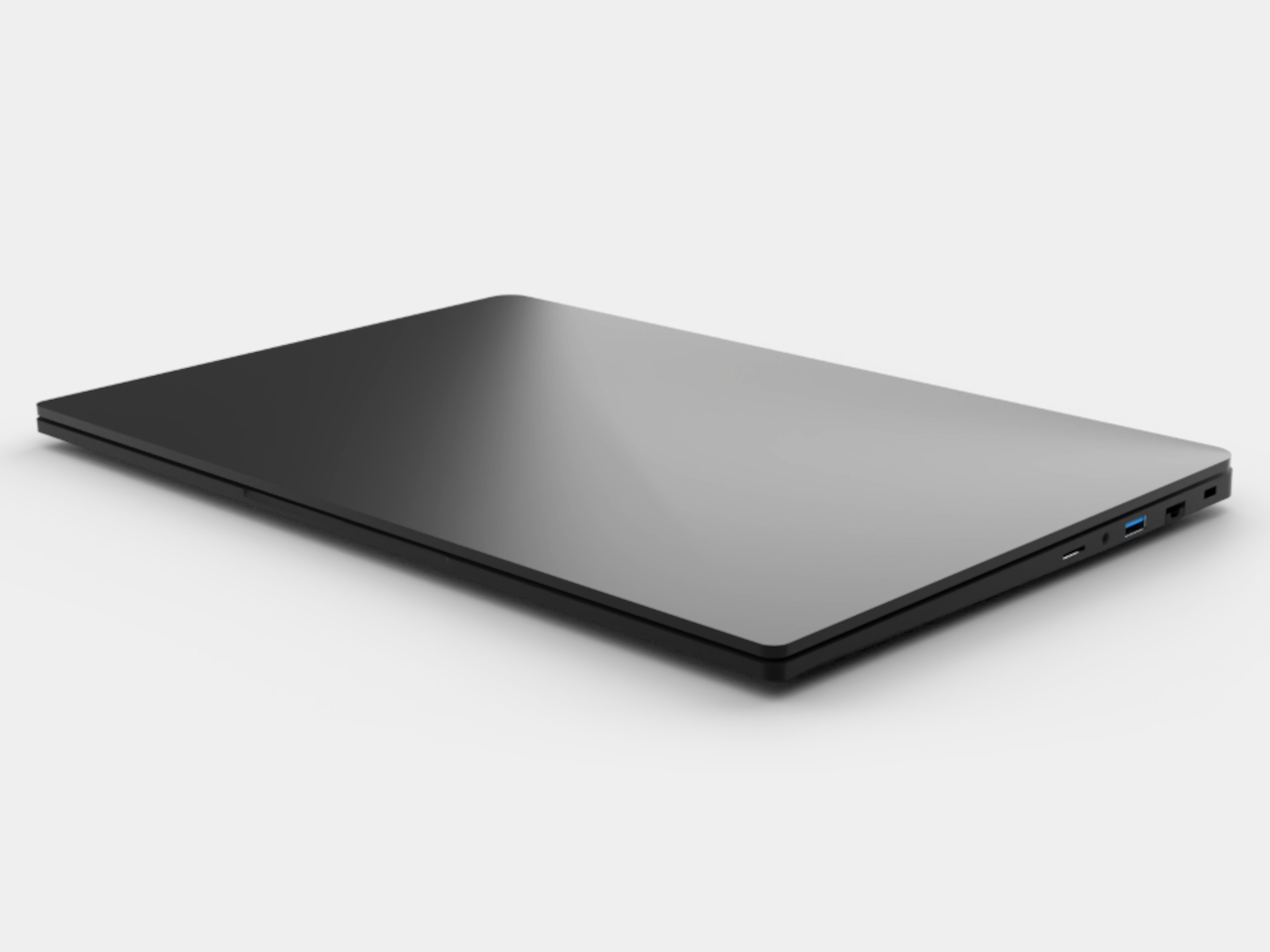
Aesthetically, the Librem 16 carries the understated design language that runs across the Librem lineup. The lid has no branding, the ports have no identifying icons, and the only visible label appears above the keyboard indicating the model. The aluminum chassis keeps the profile clean, matching the design intent of a machine meant to disappear into its owner’s workflow rather than announce itself.
The base model starts at $2,899, with a 32GB/2TB configuration at $4,199 and a fully maxed-out 64GB/16TB version at $9,799. Given that the premium is paid for hardware-level privacy architecture rather than raw performance specs, that price range is exactly what the machine’s philosophy leads to.

