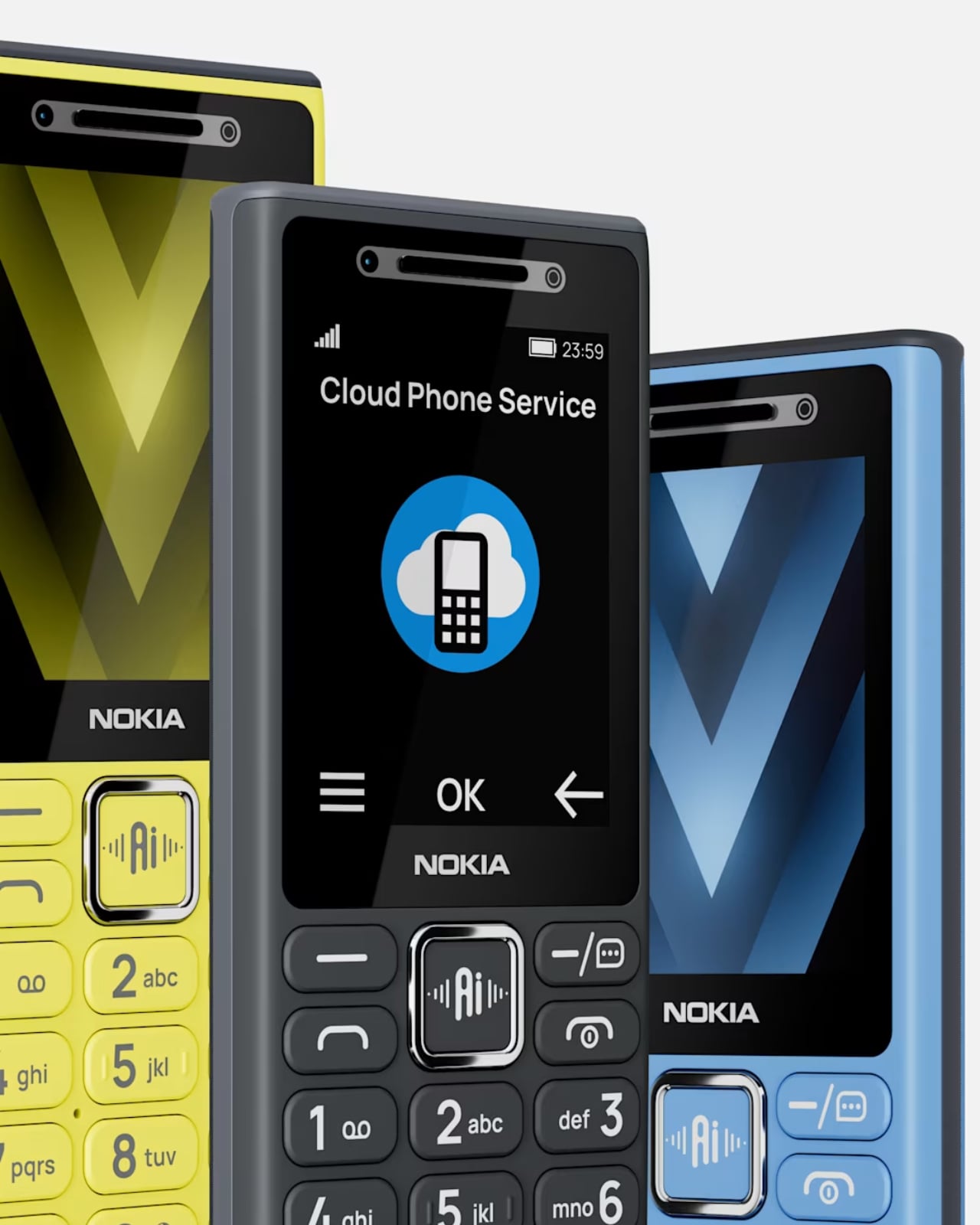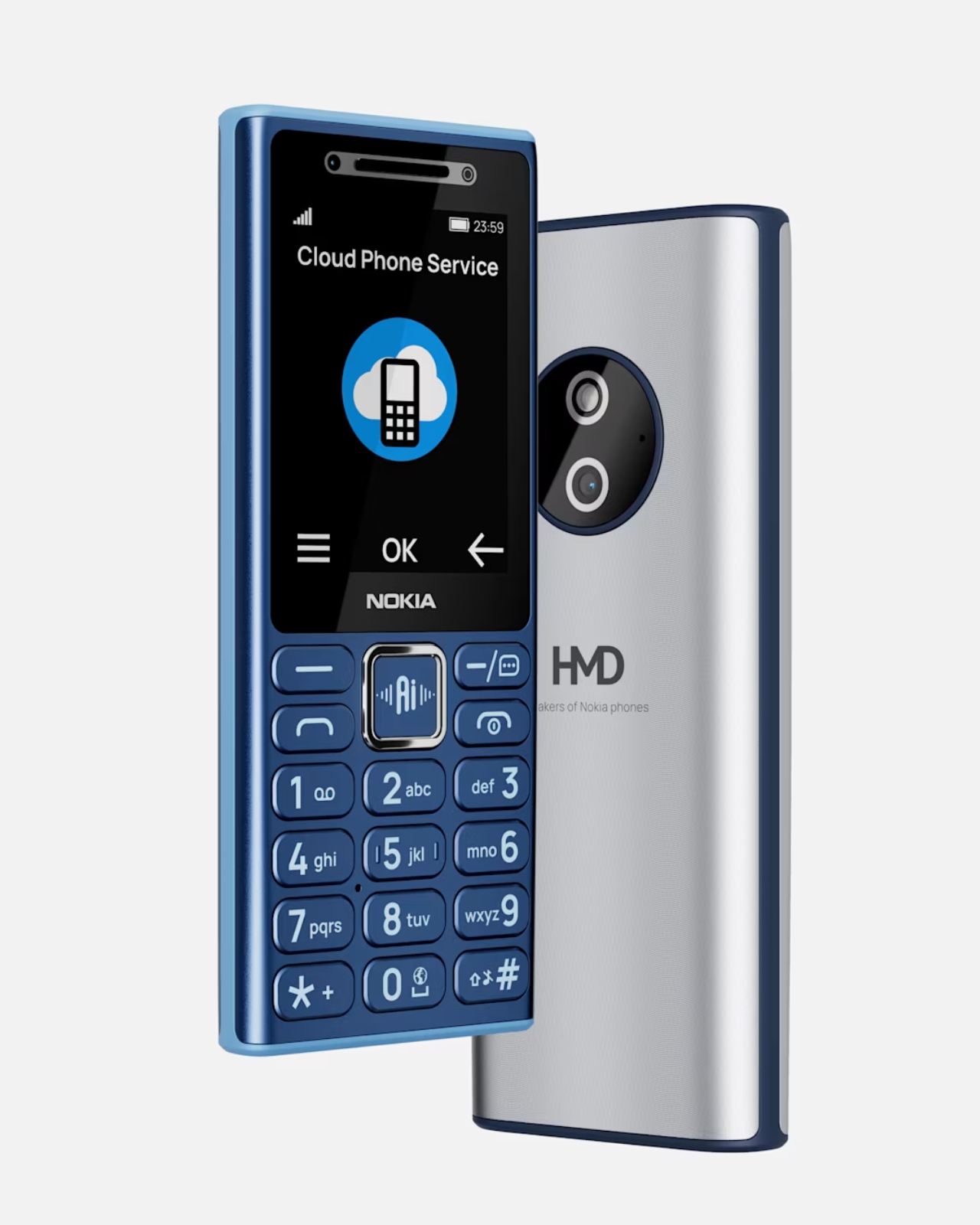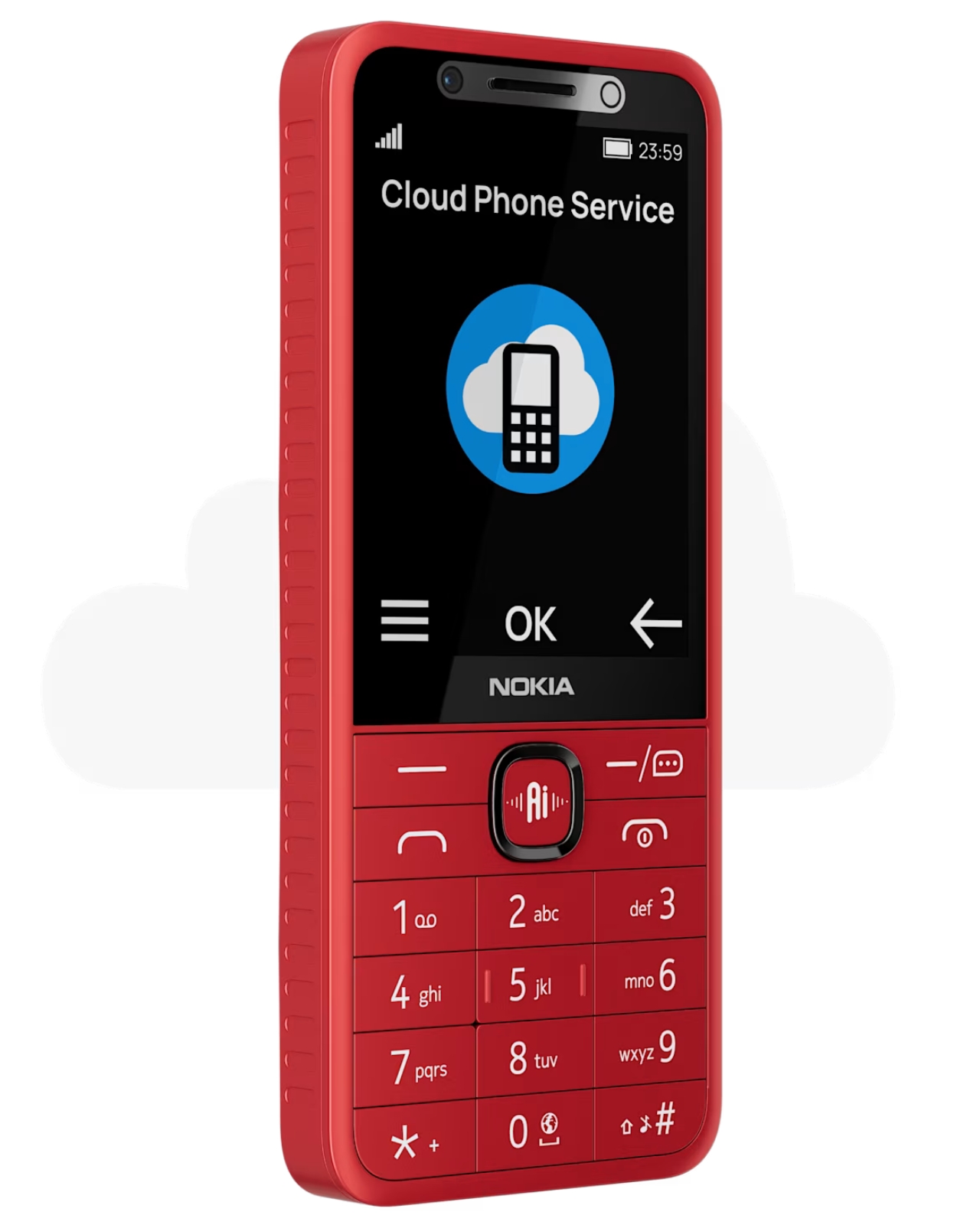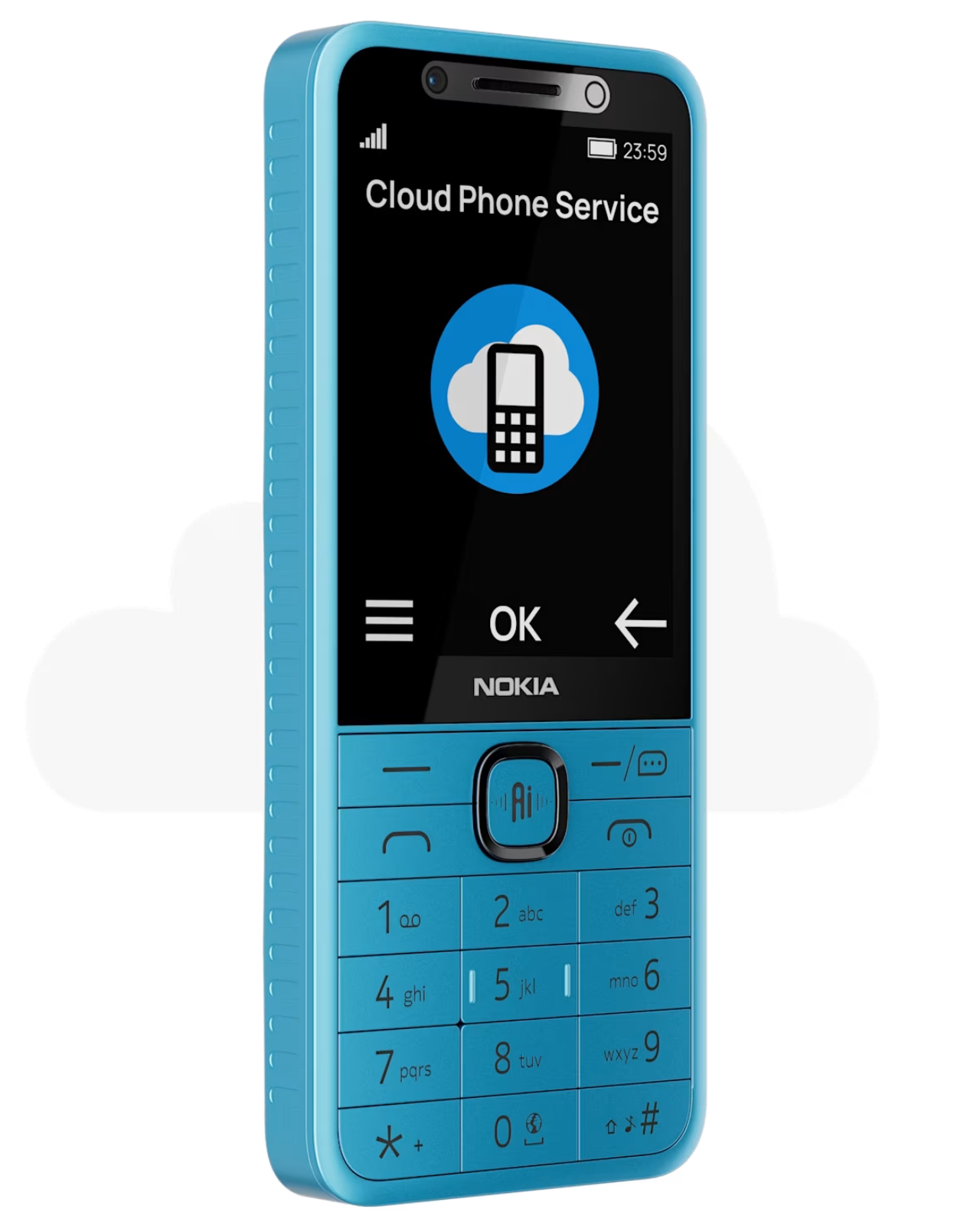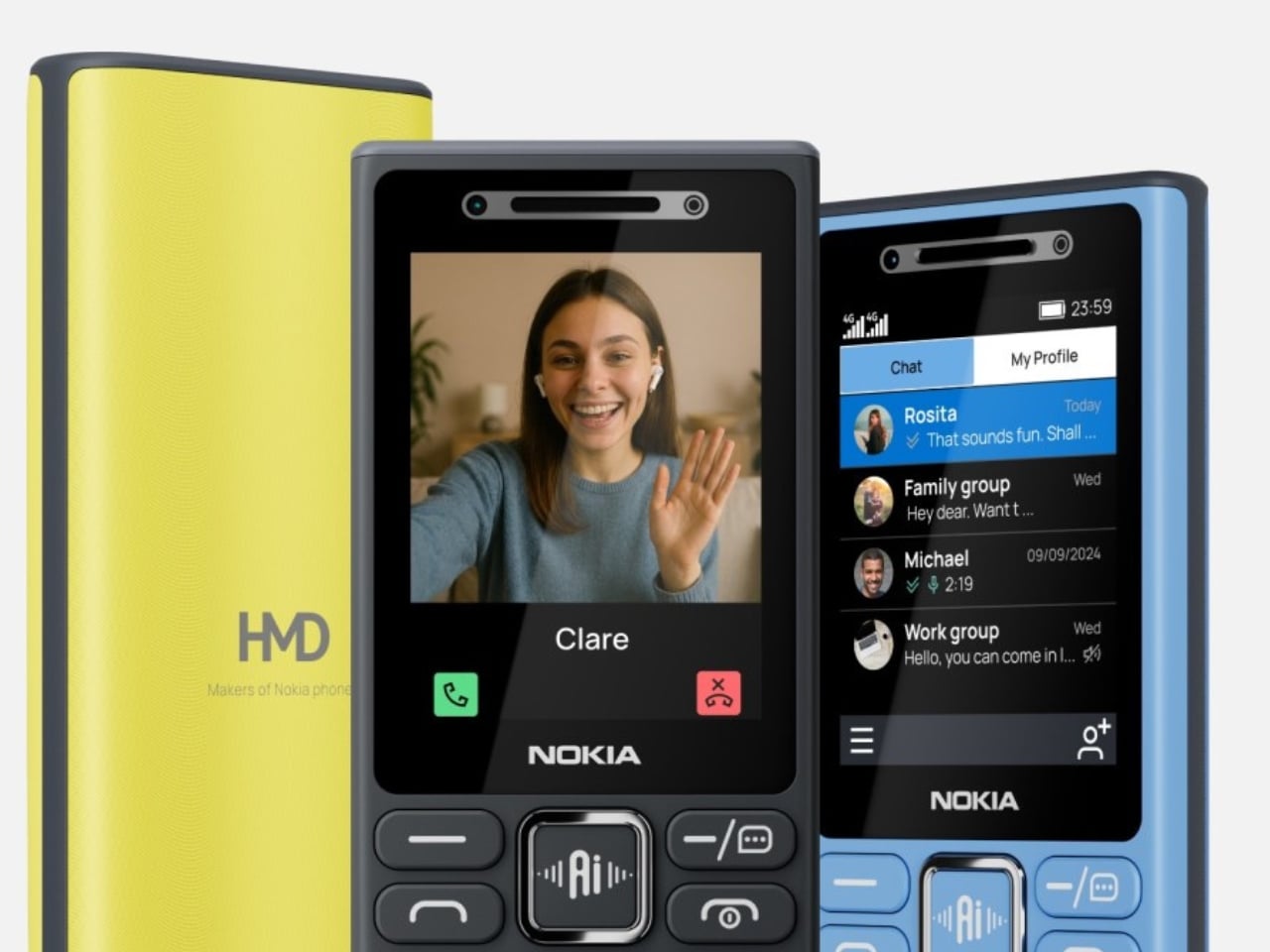
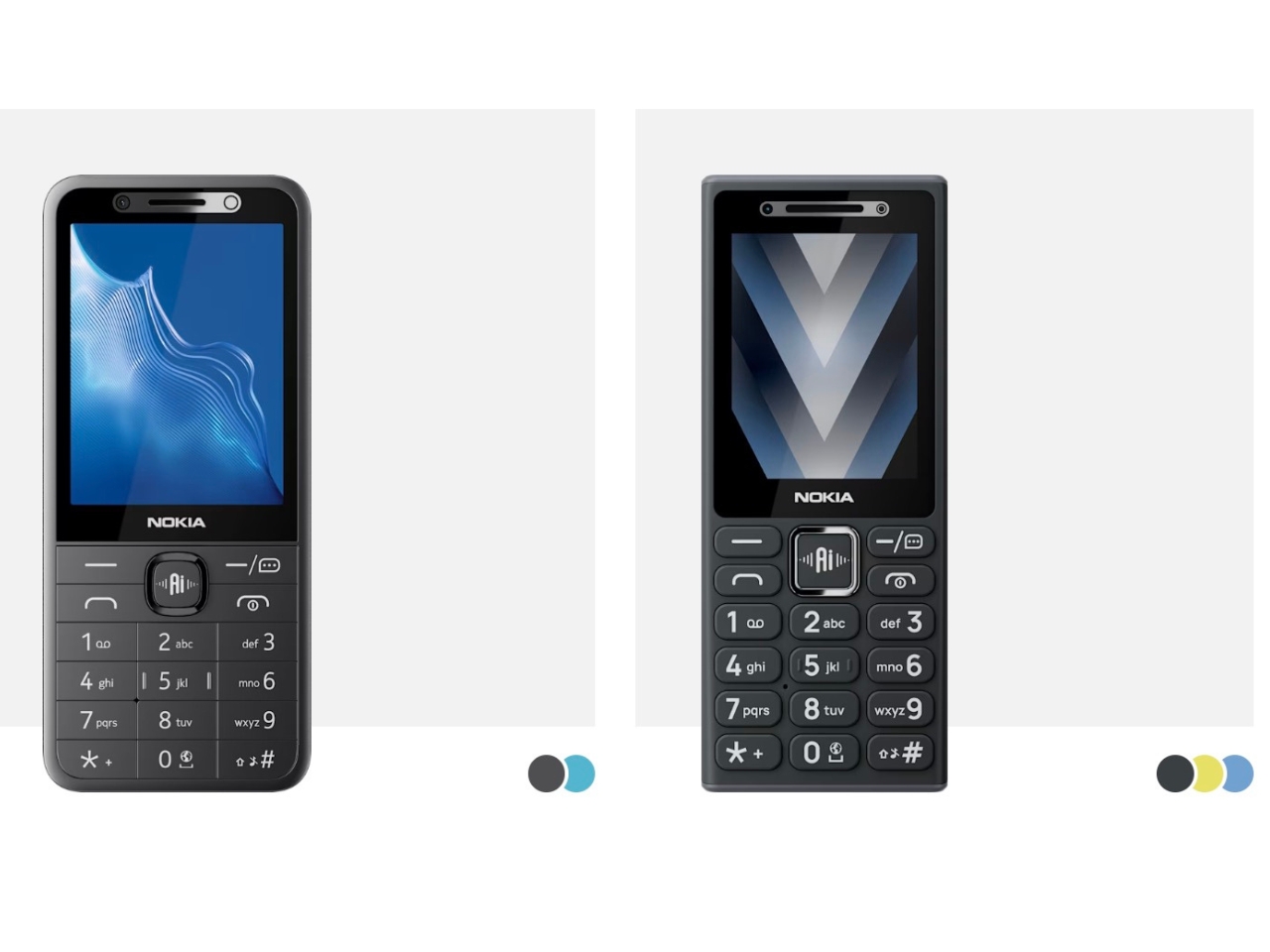
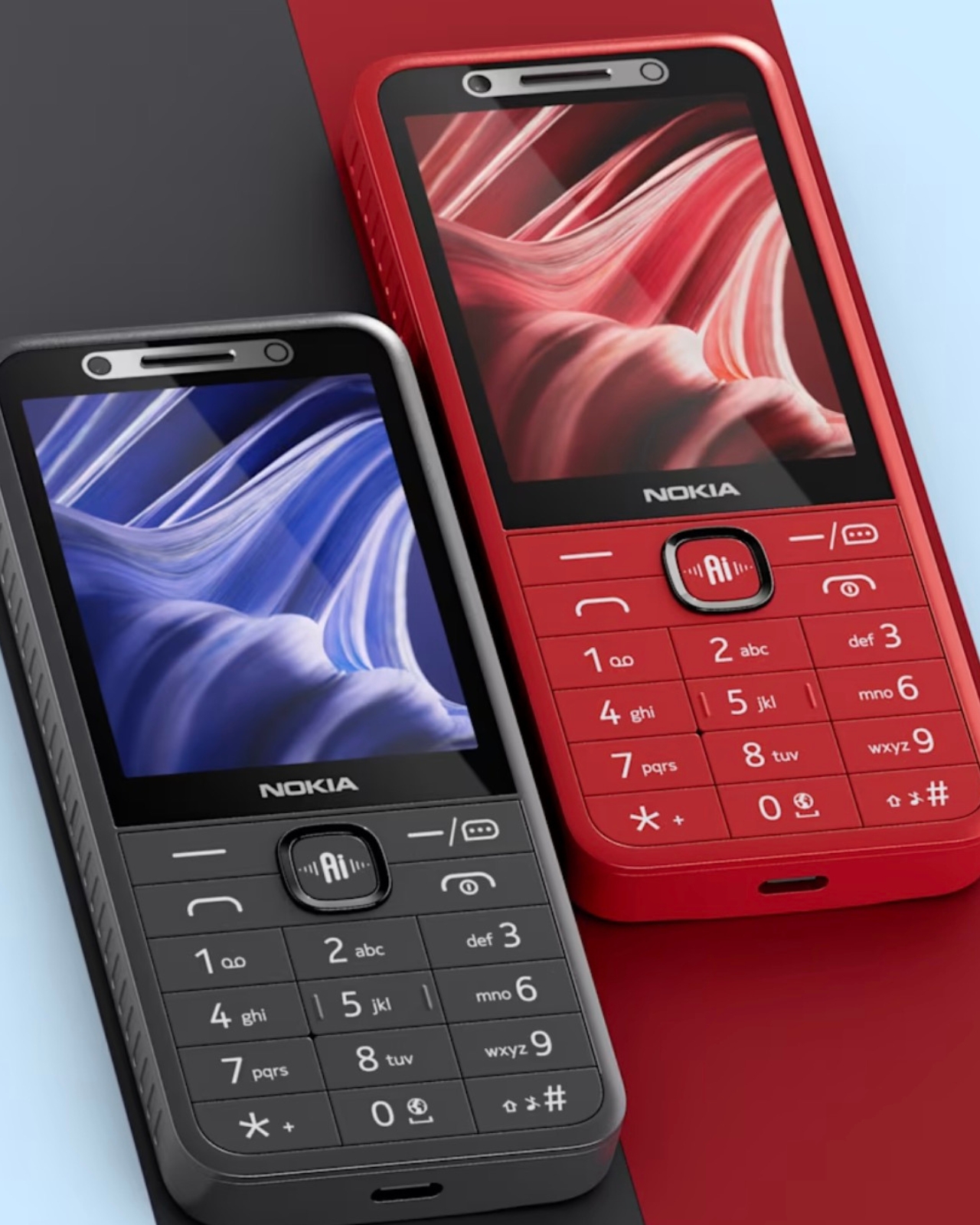
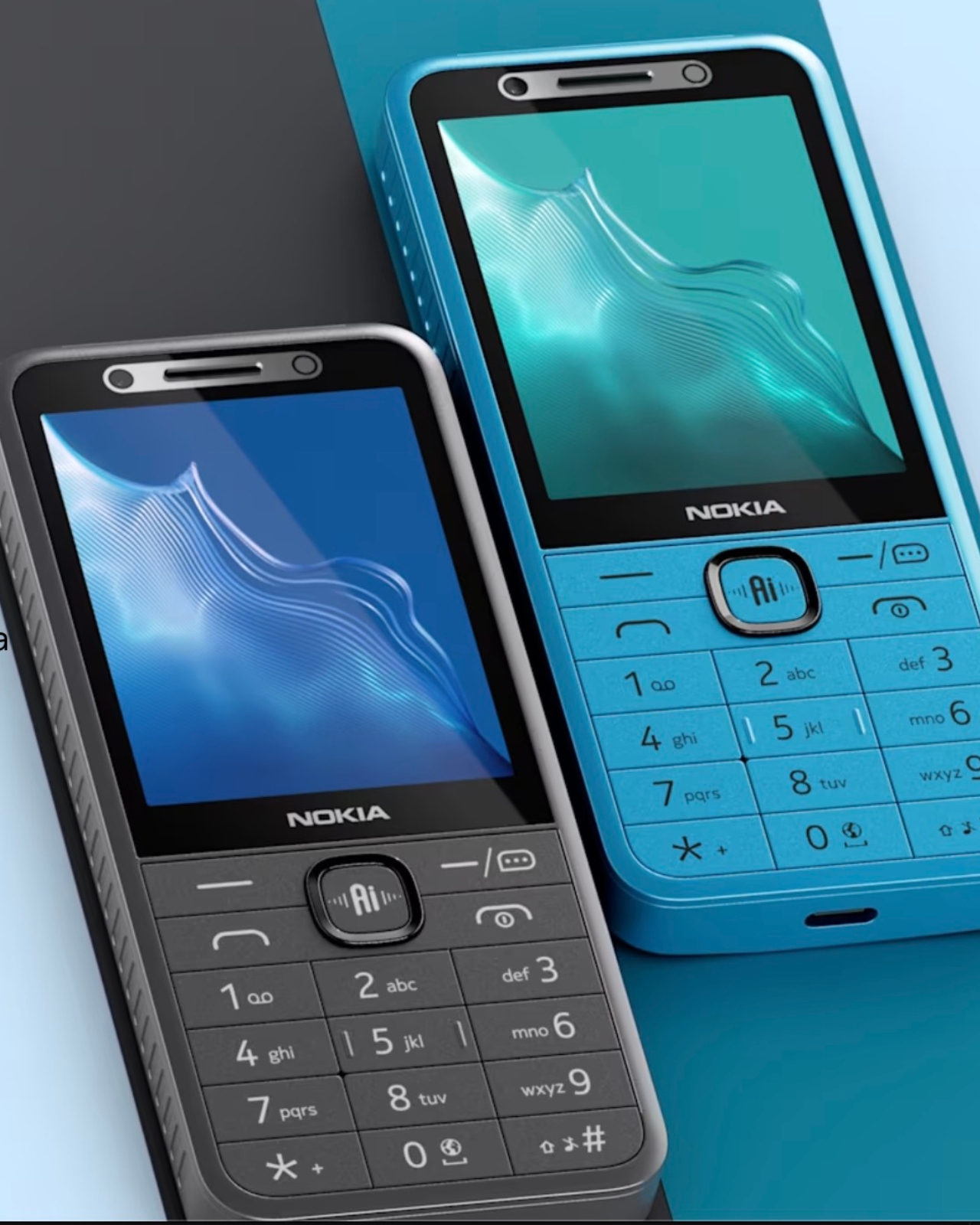
The dumb phone comeback has been one of the more quietly satisfying design stories of the last few years. People are tired. Tired of doom-scrolling, tired of notification overload, tired of carrying a pocket-sized anxiety machine everywhere. So when HMD quietly dropped four new Nokia feature phones — the Nokia 210 4G, Nokia 200 4G, Nokia 215 4G 2nd Edition, and Nokia 235 4G 2nd Edition — it felt like another chapter in that story. Except for one very notable detail sitting right on the side of each device: a dedicated AI button. Yes. An AI button. On a dumb phone.
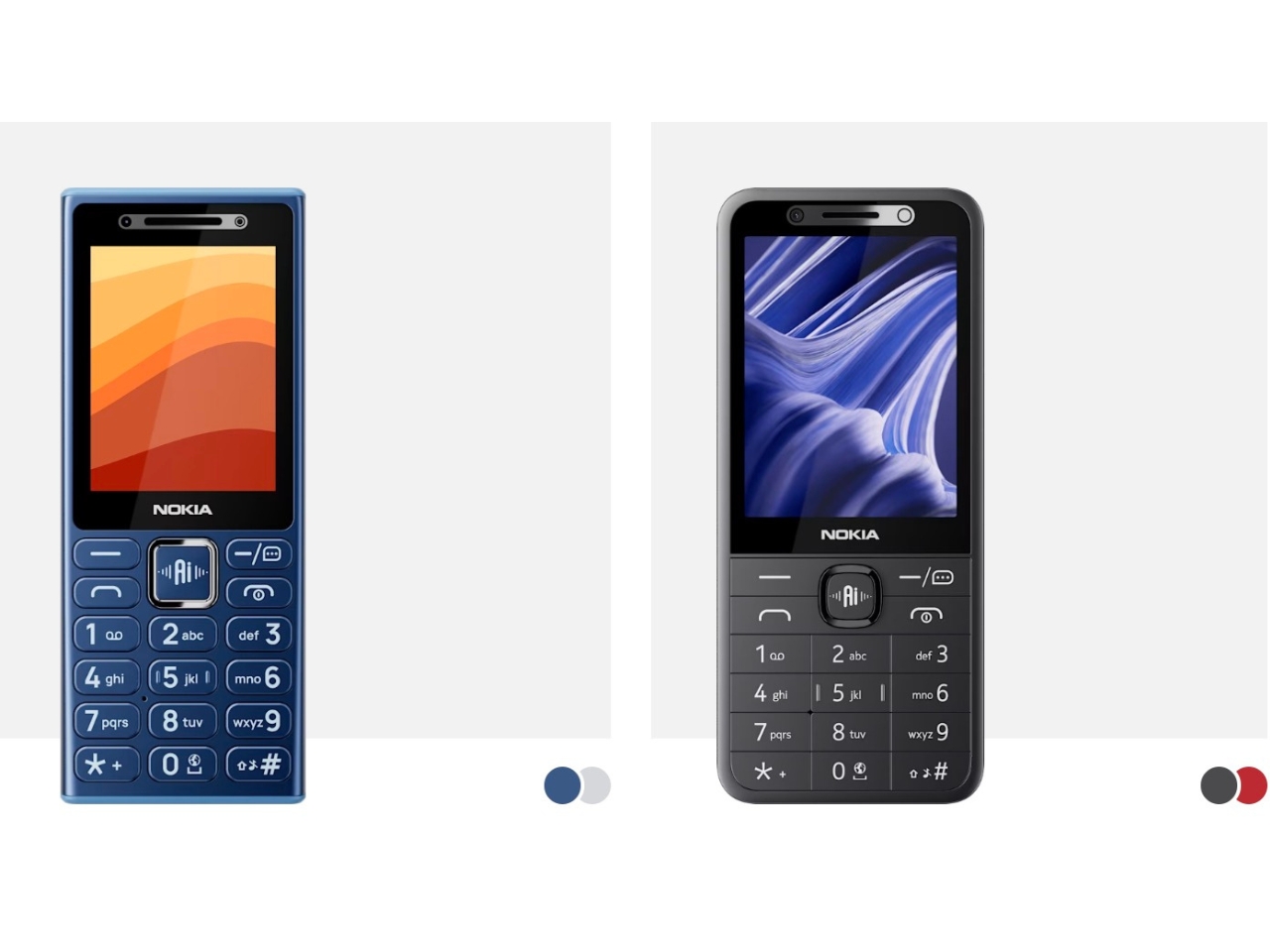
Let me back up. These phones are, by most definitions, exactly what the dumb phone crowd has been asking for. Compact candy-bar designs. That immediately recognizable Nokia build, now with a metallic frame around the selfie camera and speaker that gives it a slightly more premium feel. A 1,450 mAh battery. A 3.5mm headphone jack, because HMD remembers those exist. FM radio. USB-C charging. The Nokia 215 4G 2nd Edition and Nokia 235 4G 2nd Edition carry 2.8-inch IPS displays, while the Nokia 200 4G and Nokia 210 4G keep things even more minimal with 2.4-inch screens. You can make calls, send texts, set an alarm, and leave your house without dreading a 14-hour screen time report. Classic.
Designer: HMD
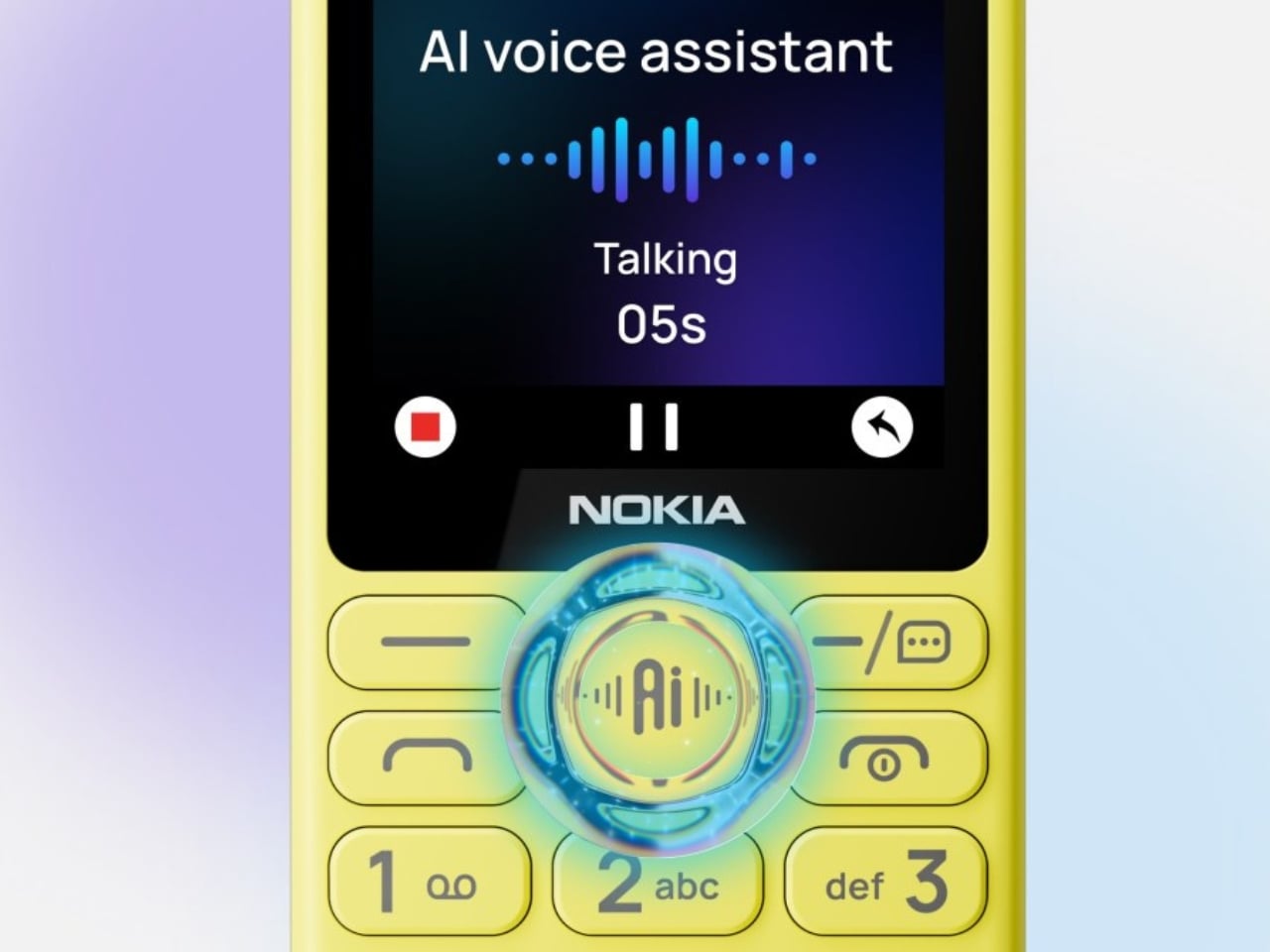
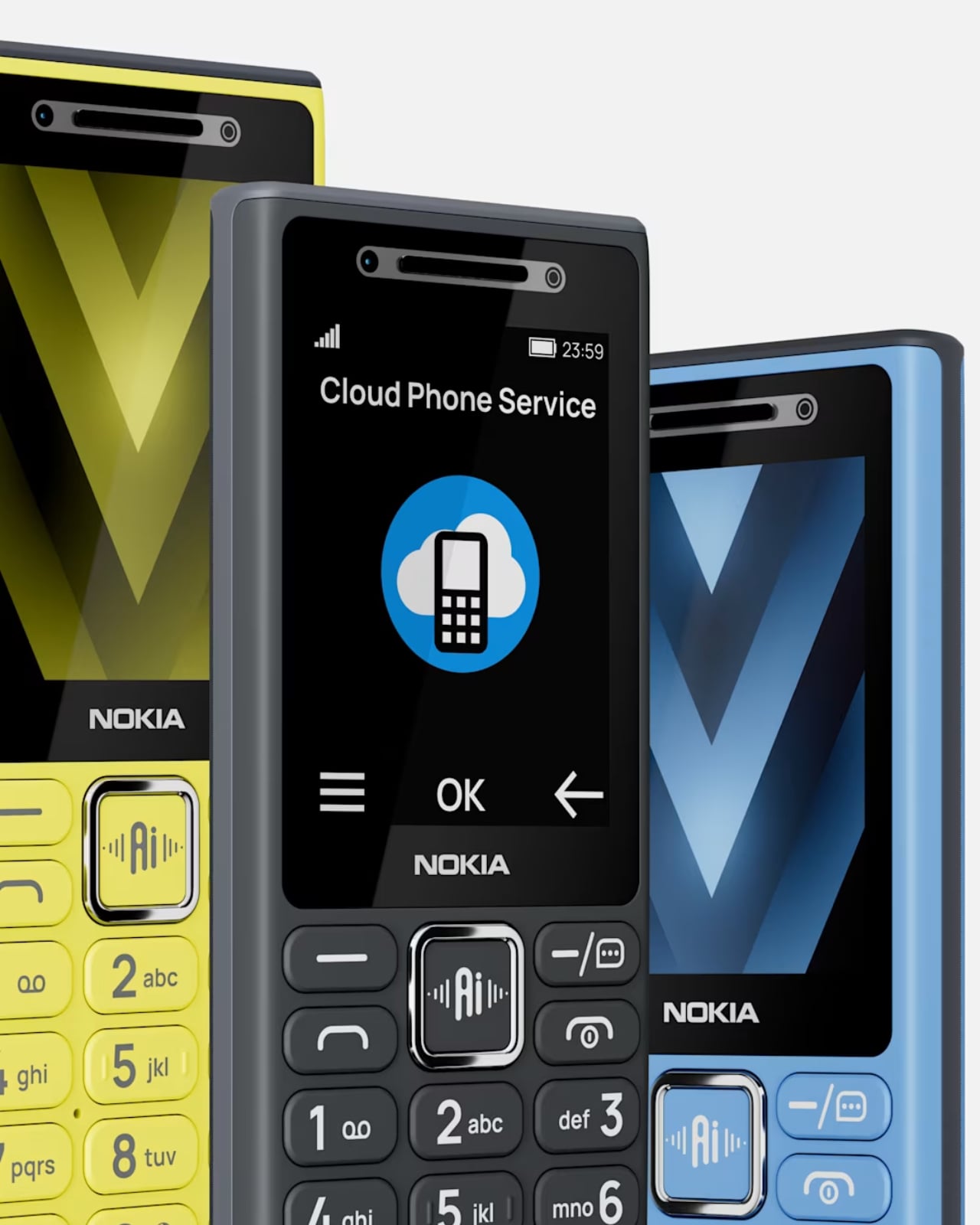
And then there’s the AI. The button accesses an on-device assistant powered by Sikey AI, which lets you do things like turn on the flashlight, set a reminder, open the camera, or place a call using voice commands. It even comes with cloud phone service support, so you can check weather forecasts, sports news, and short-form video without eating up local storage.
On paper, that sounds almost reasonable. Voice control on a small phone with no touchscreen? Fine, I get it. But the moment you start pulling on that thread, the whole premise of a “digital detox device” starts to unravel a little. A feature phone that checks your weather and streams video content via the cloud is not exactly the quiet, intentional tool that most dumb phone enthusiasts are reaching for. It starts to feel less like a step back and more like a regular phone wearing a disguise.
The subscription element makes it even more interesting. The Sikey AI features come with a free trial period, after which users need to subscribe to a paid plan. HMD notes, somewhat cheekily, that you’ll need an actual smartphone to complete that purchase. So your minimalist phone requires a smartphone to fully unlock its most marketed feature. That’s a sentence.
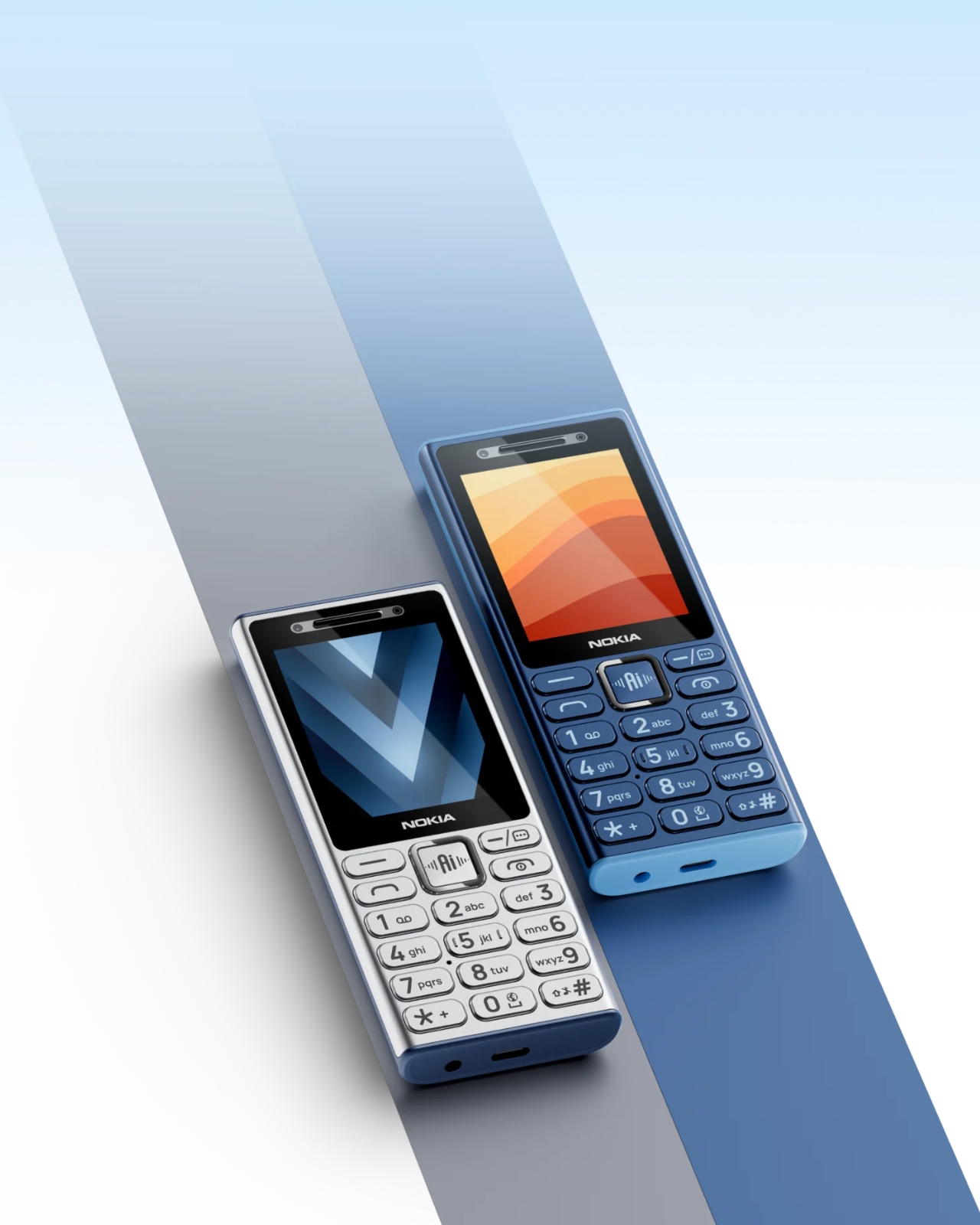
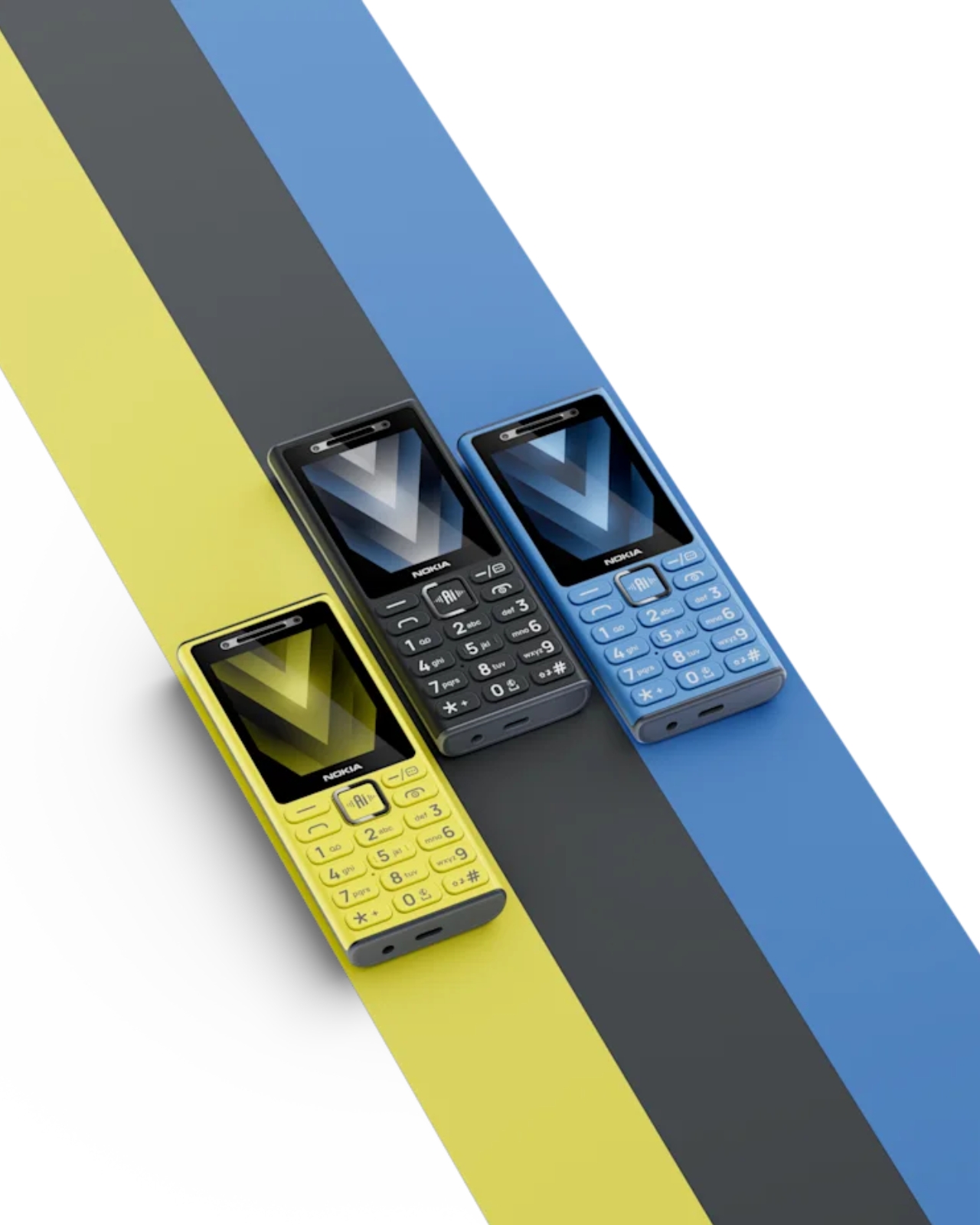
None of this makes the devices bad. For their actual intended market — likely first-time phone users, older users who want simplicity, or people in markets where smartphone data is still a real cost concern — these phones make a lot of sense. The design language is clean and familiar. The feature set is honest. And HMD has clearly put thought into making them feel more current with the USB-C port and 4G connectivity.
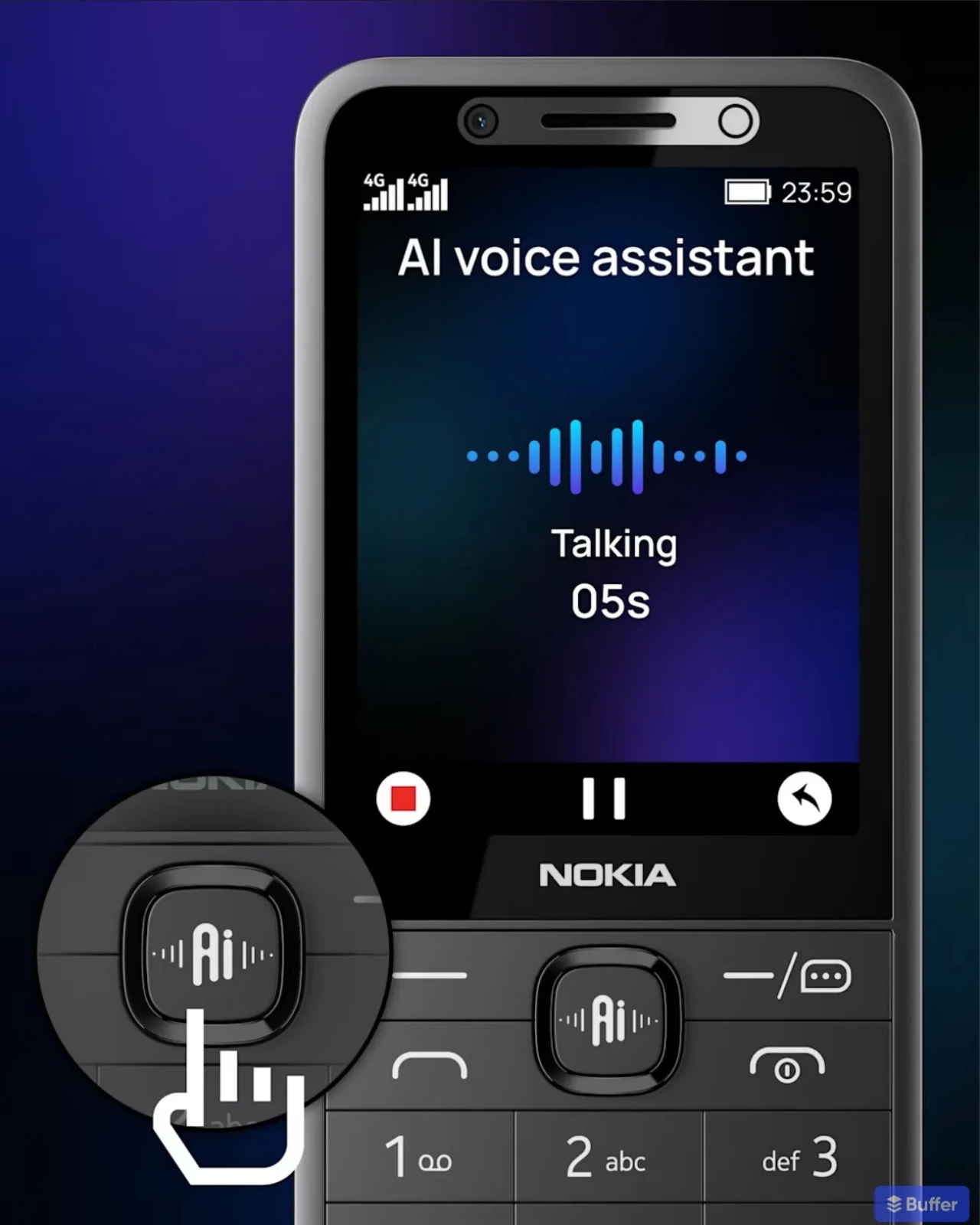
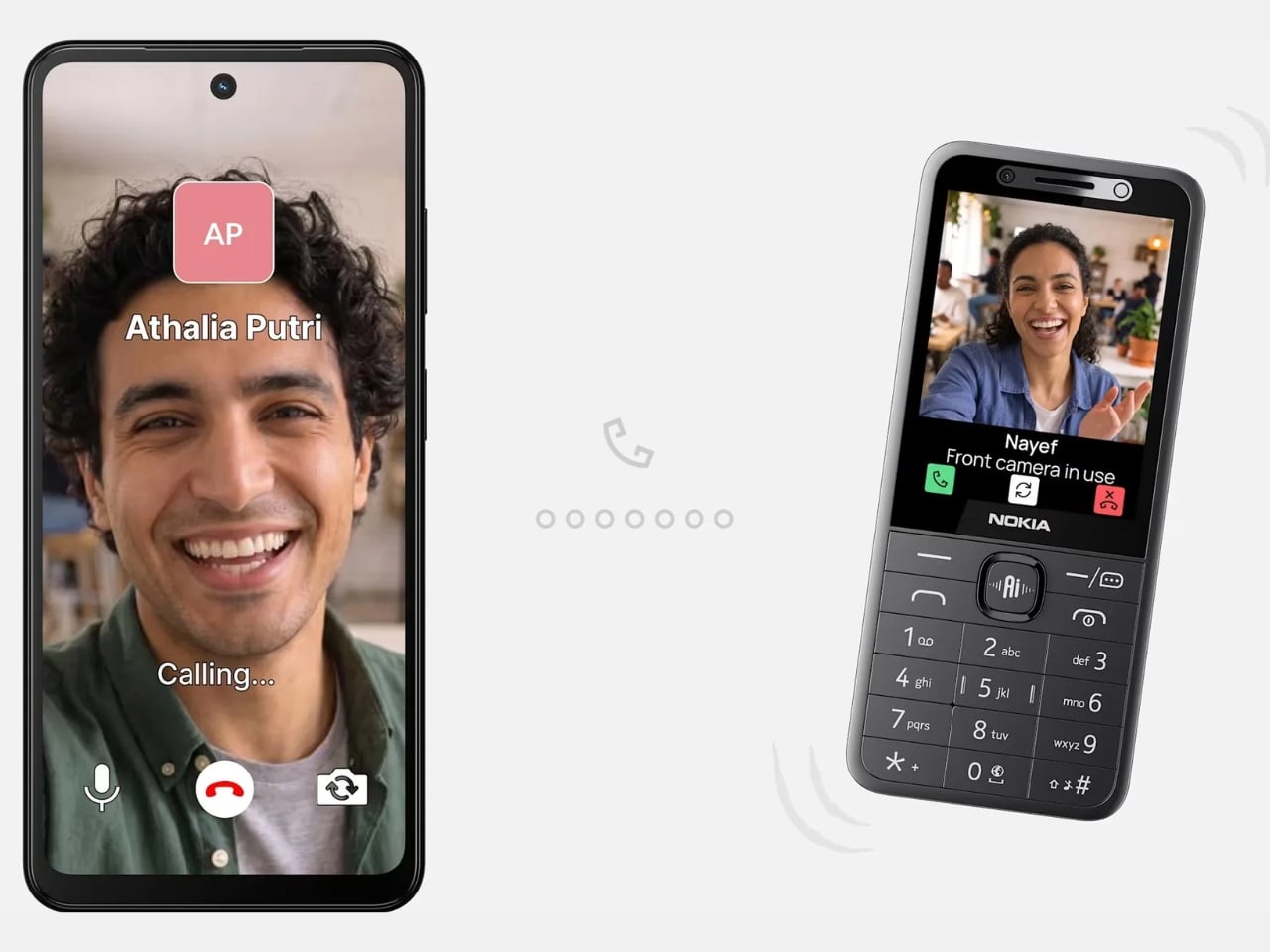
But I keep thinking about what the AI button is really doing here. Is it genuinely useful? For some users, absolutely. Is it a design choice that muddies the identity of a product built around the appeal of doing less? Also yes. The best thing about a dumb phone is the clarity of purpose. You pick it up, you make a call, you put it down. Every added layer of “smart” functionality chips away at that clarity, even if the layer is thin.
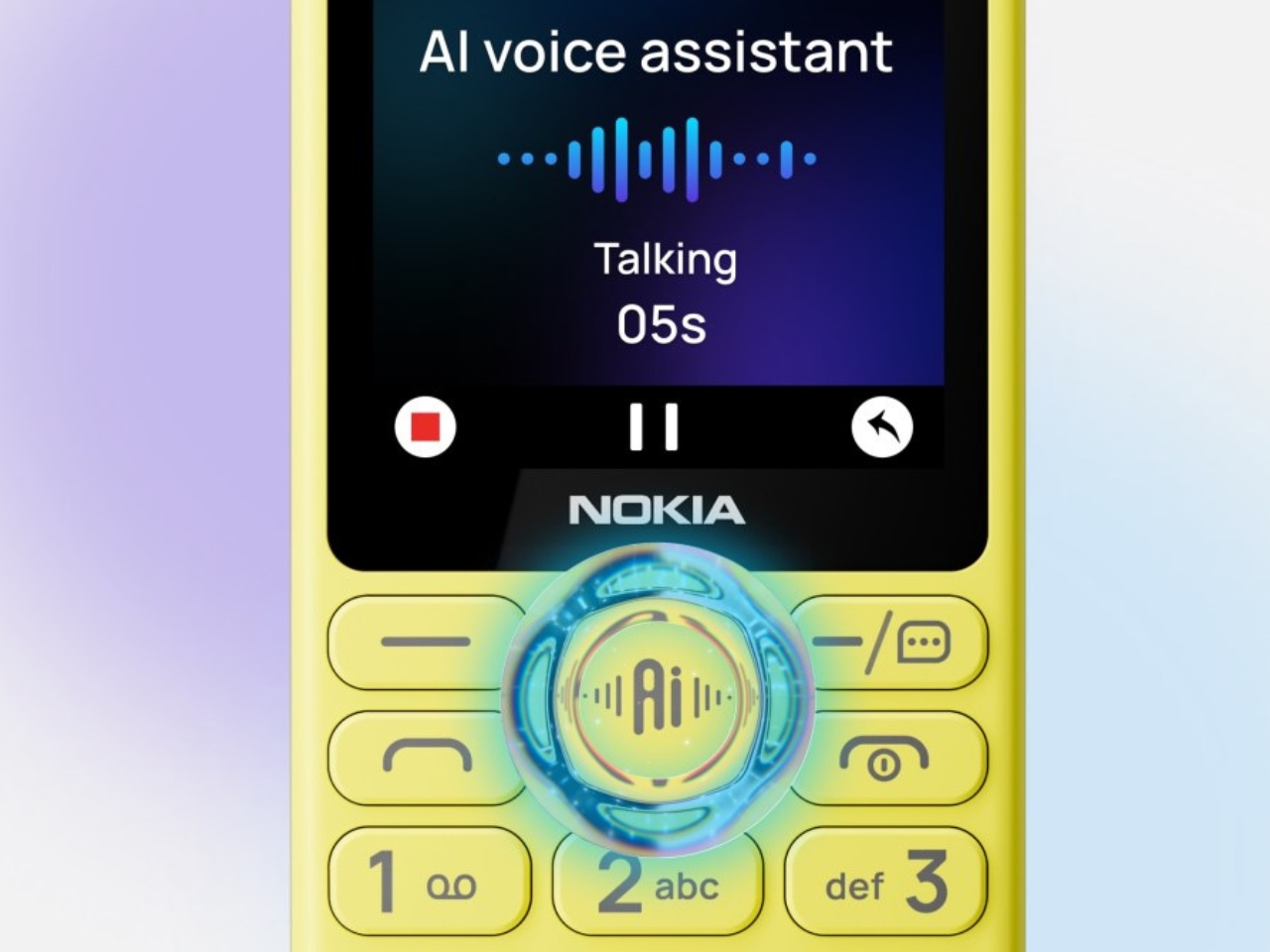
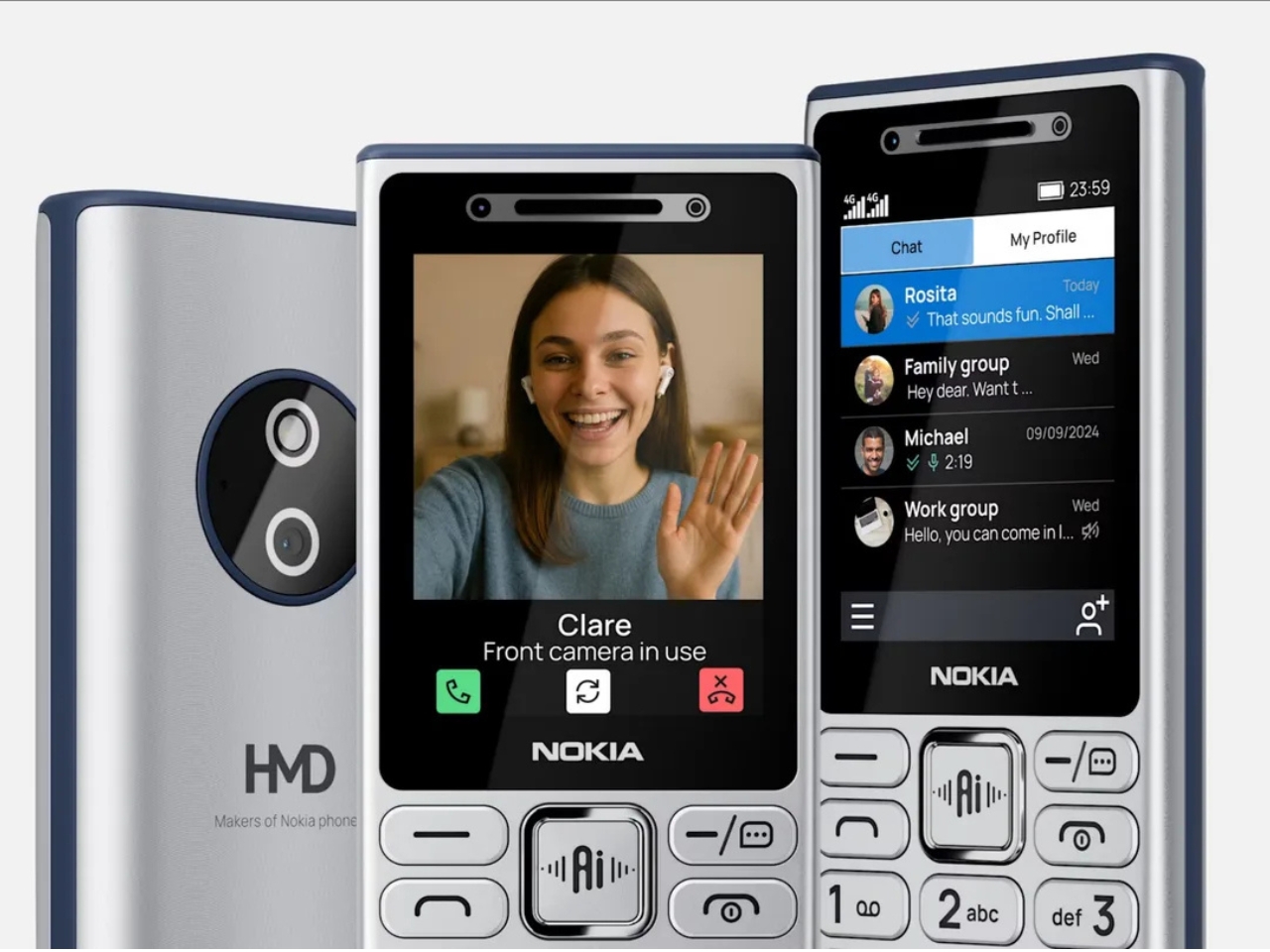
HMD is navigating a strange middle ground, honoring a legacy brand built on simplicity while trying to stay current in a market that rewards anything labeled AI. Whether that balance lands well depends entirely on who’s buying. For the digital detox crowd, these probably won’t scratch that itch. For everyone else, they’re solid little phones with a lot of nostalgic charm and a feature that might come in handy more often than expected.