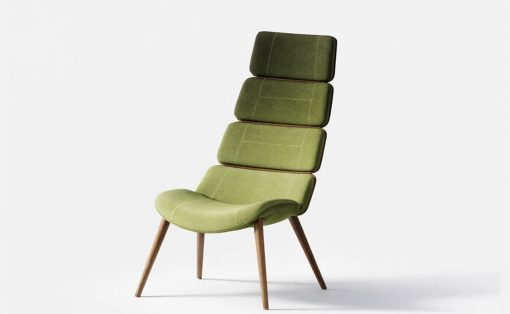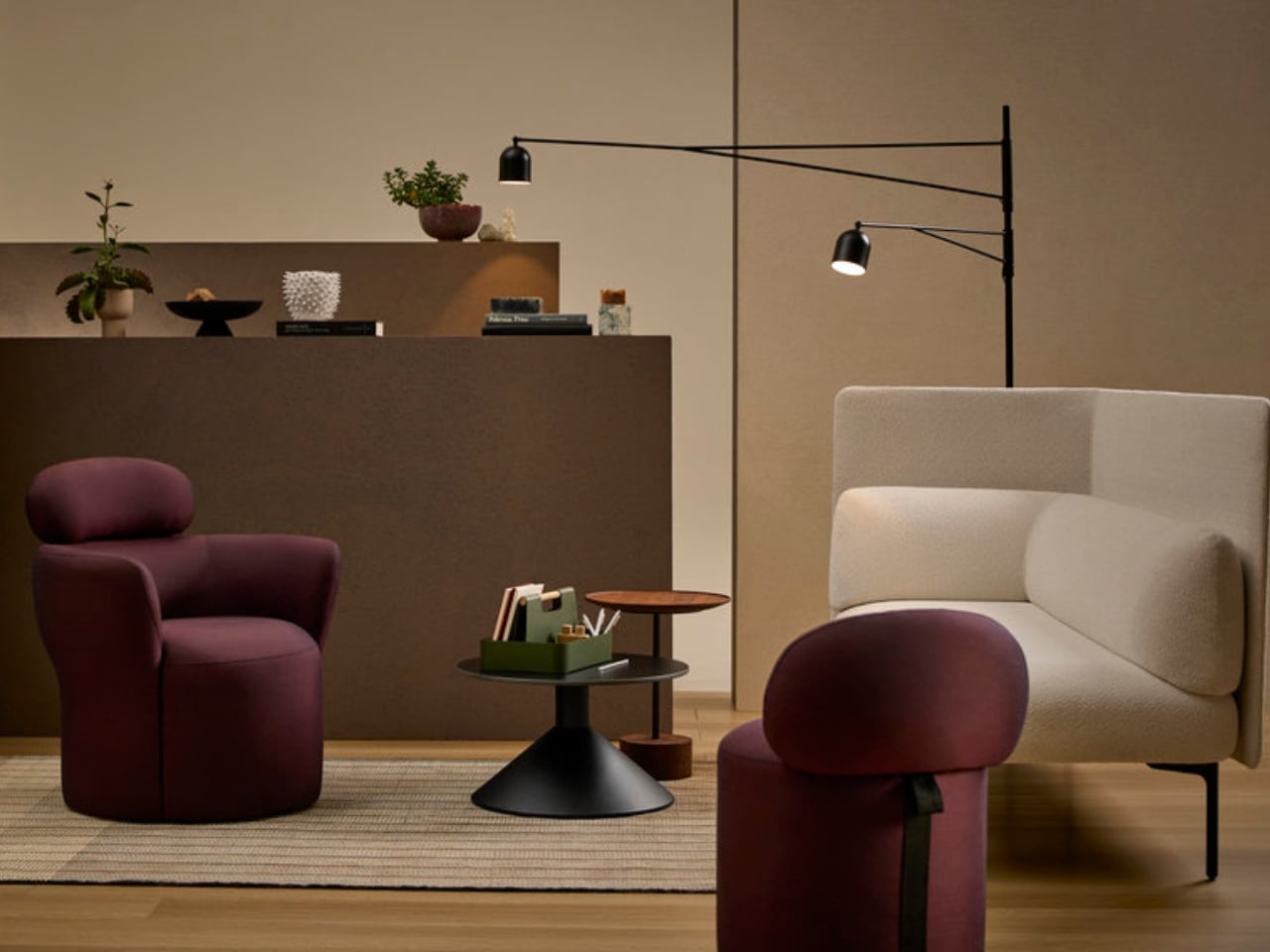
The original Hello lounge chair launched in 2002. Over two decades later, it’s back, and Patricia Urquiola has had her way with it. The result is the kind of redesign that makes you wonder why it took this long.
Haworth’s Hello collection has been a reliable fixture in offices, lobbies, and collaborative spaces for years. The bones were always good: solid frame construction, thoughtful ergonomics, and a form language that leaned into comfort without abandoning function. But the original aesthetic, however serviceable, was a product of its era. Urquiola looked at all of that and asked a different question. Not “how do we update this?” but “how do we make it feel like right now?”
Designer: Patricia Urquiola for Haworth
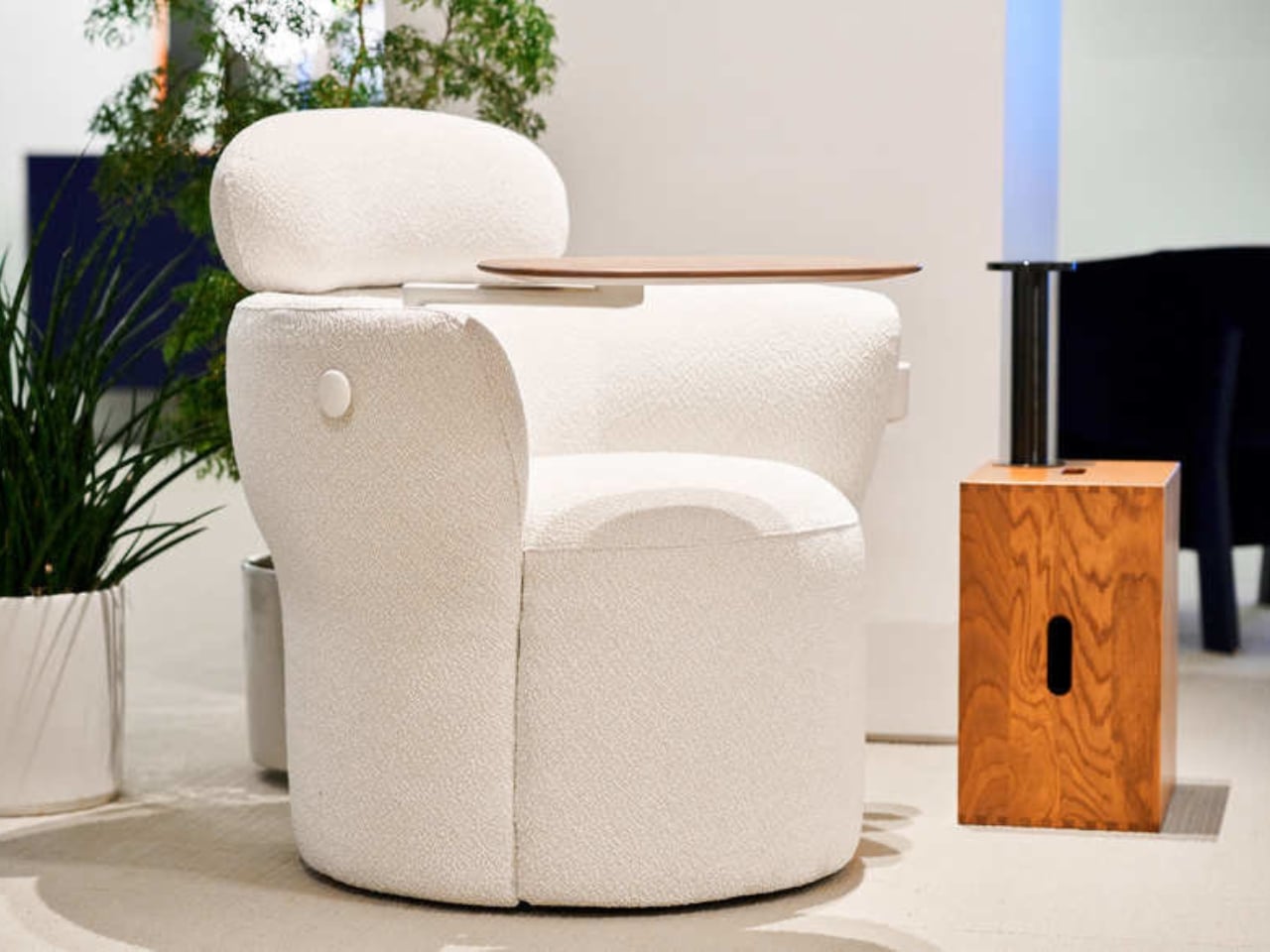
The answer, as it turns out, is softness. Not softness as a design cliché, but softness as a deliberate visual and tactile language. Urquiola kept the platform and the time-tested interior frame that gave the original its structural integrity, then completely transformed the exterior into something rounder, warmer, and far more contemporary. The lines are gentler. The proportions feel more considered. The overall effect is a chair that looks equally at home in a sleek corporate atrium and a boutique hotel lobby, which is not an easy balance to achieve.
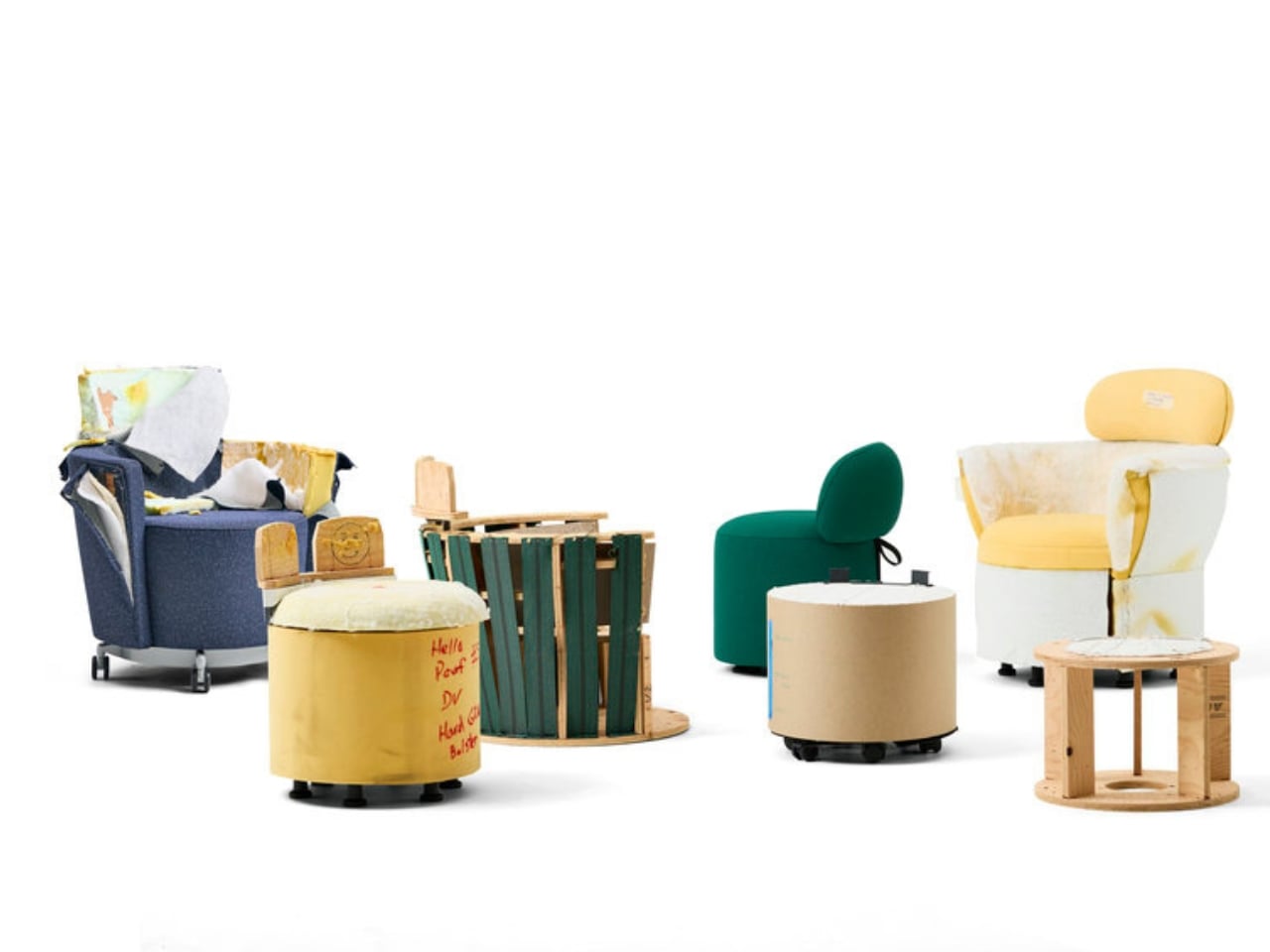
One of the smartest things Urquiola did here was in how she handled the practical details. She didn’t just make it look better; she made it work better for the way people actually use shared spaces today. The casters are there for mobility, but they’re concealed beneath a skirt, so the chair reads as a lounge piece first and a mobile unit second. That’s a meaningful distinction. Nobody wants to feel like they’re sitting in something that belongs on a warehouse floor.
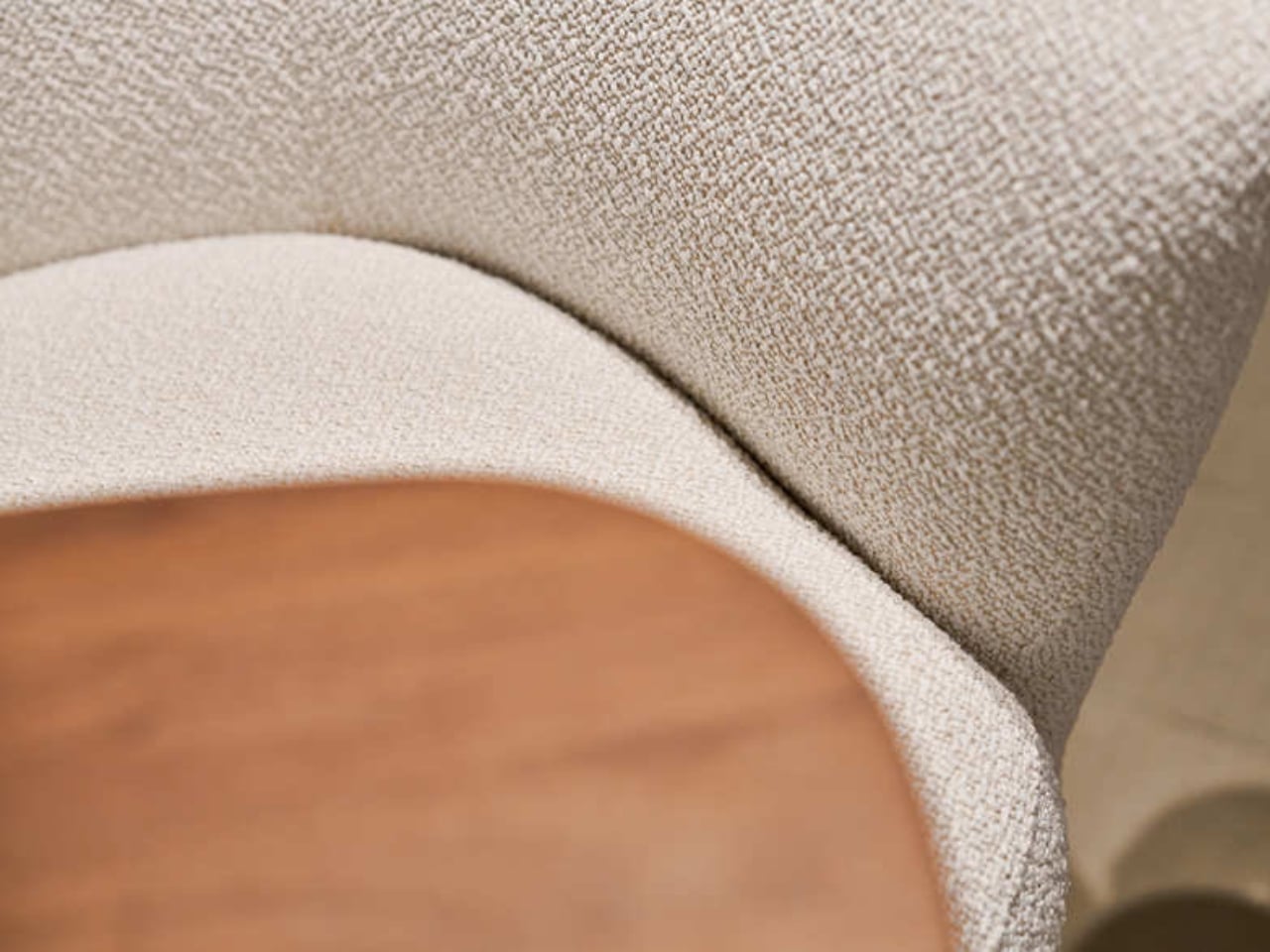
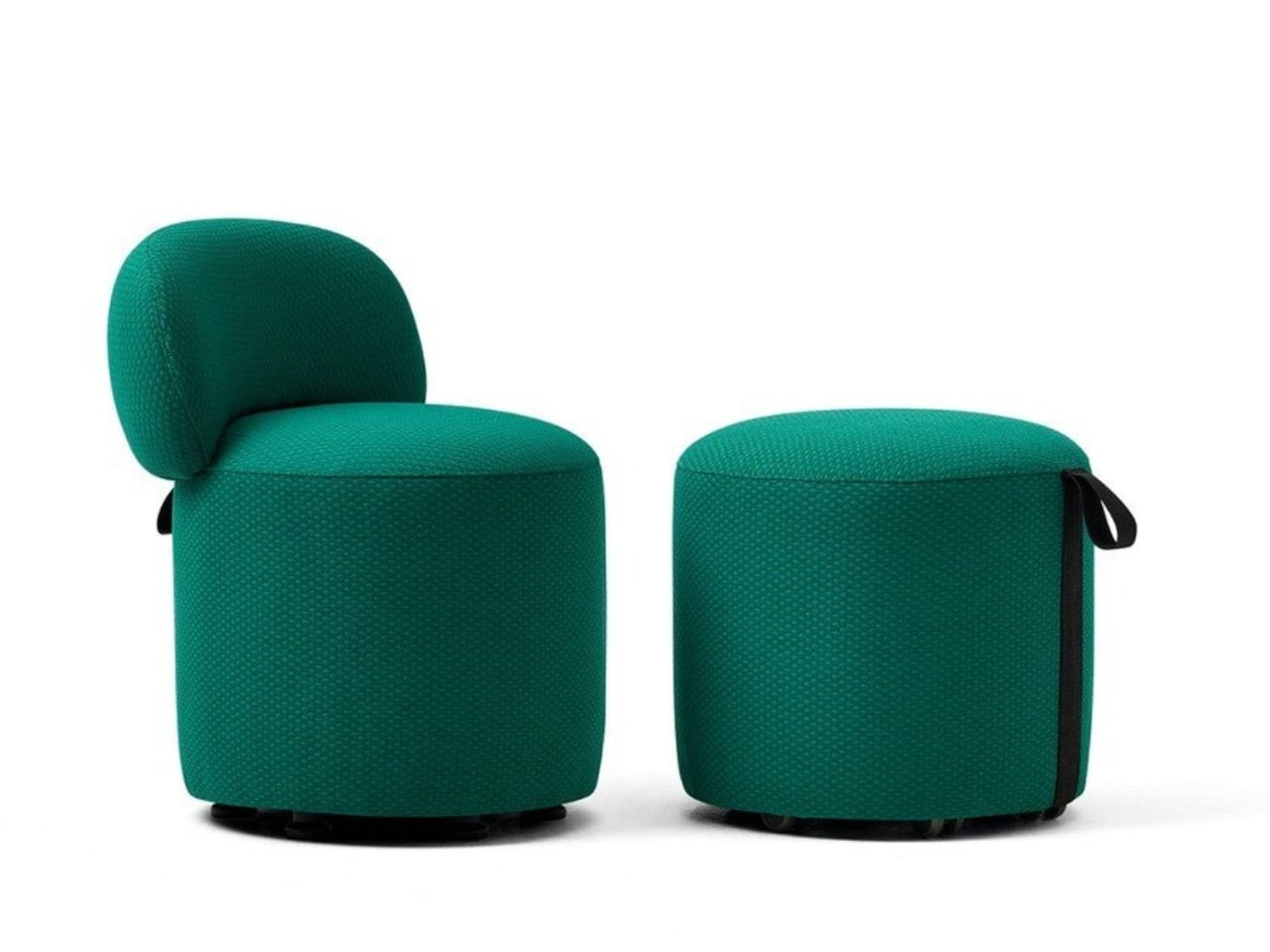
The collection extends beyond a single chair. Hello is a family: lounge chairs and poufs that can be configured in combinations suited to practically any setting. The pouf is particularly clever. It functions as a standalone ottoman, but a nylon pull strap makes it portable, and a back bolster can be added to transform it into low-profile mobile seating. That kind of adaptability is exactly what flexible, activity-based workplaces need right now, and the design handles it without looking like it’s trying too hard.
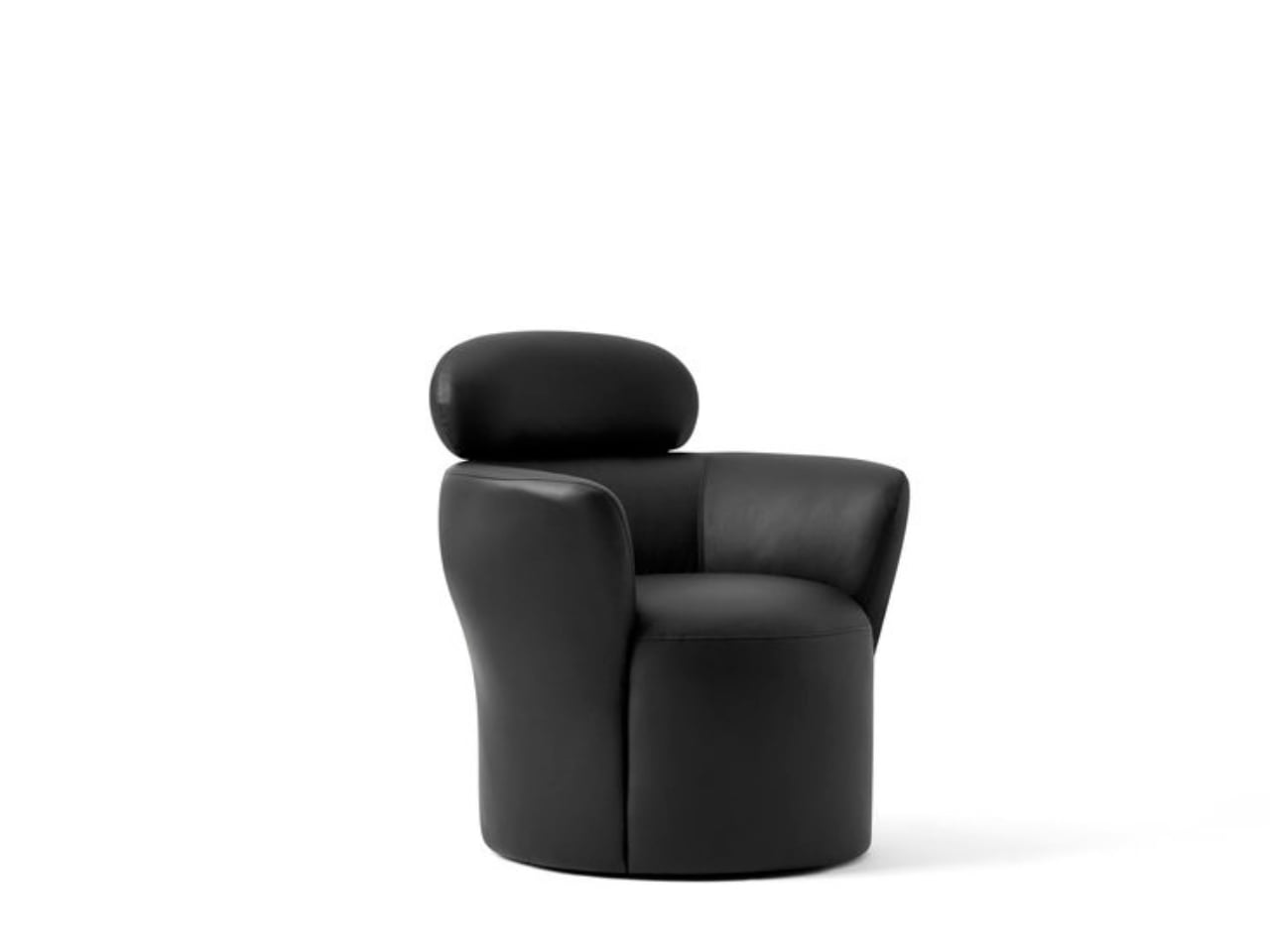
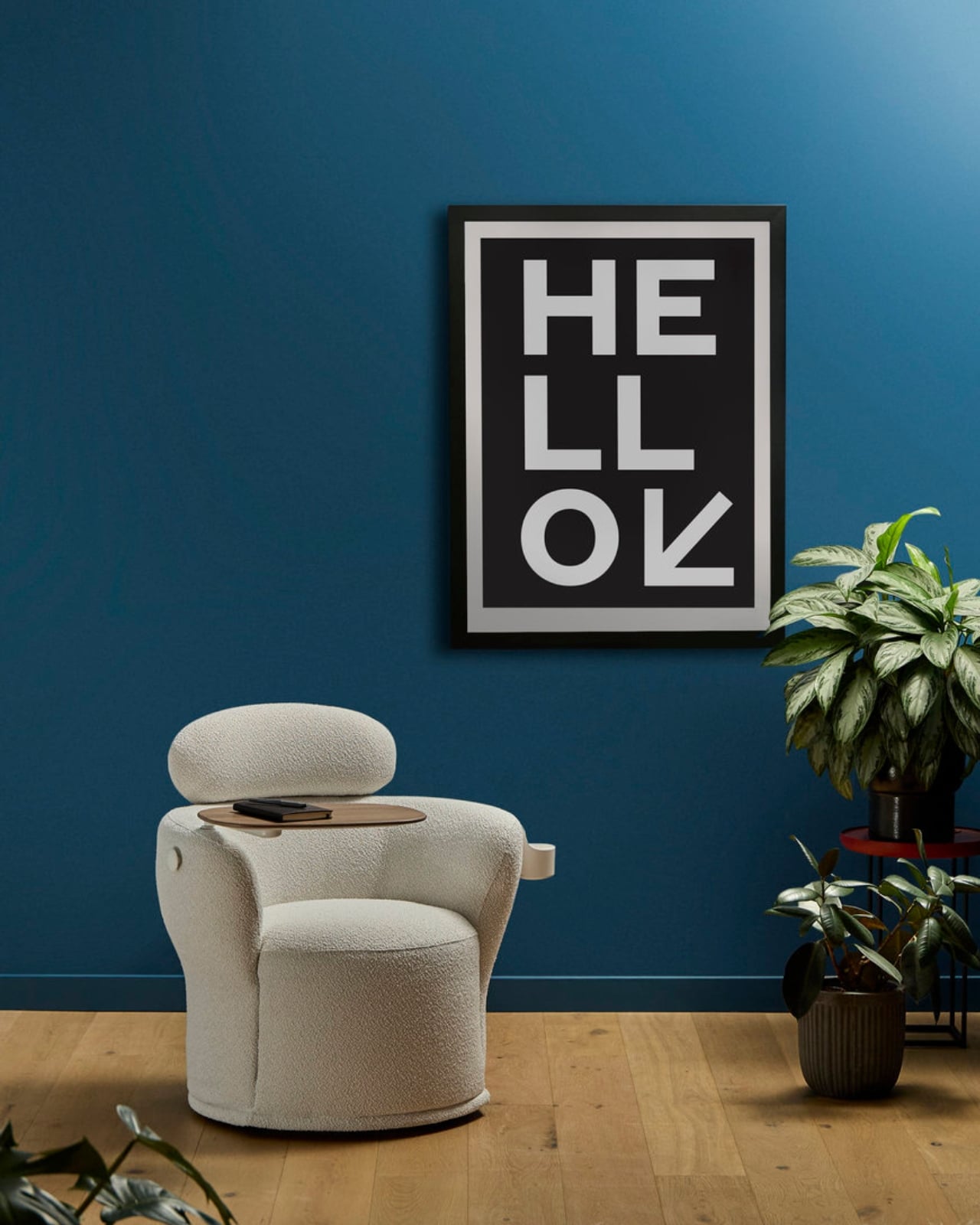
The optional accessories are worth noting too. A dual-pivot tablet arm, cupholder, and bag hook can all be specified, which brings Hello into territory that traditional lounge seating rarely occupies. It’s not quite a workstation, but it’s not purely decorative either. It sits, deliberately, somewhere in between, and that’s the whole point. The modern workplace doesn’t always separate focused work from casual gathering, and Hello doesn’t ask you to either.
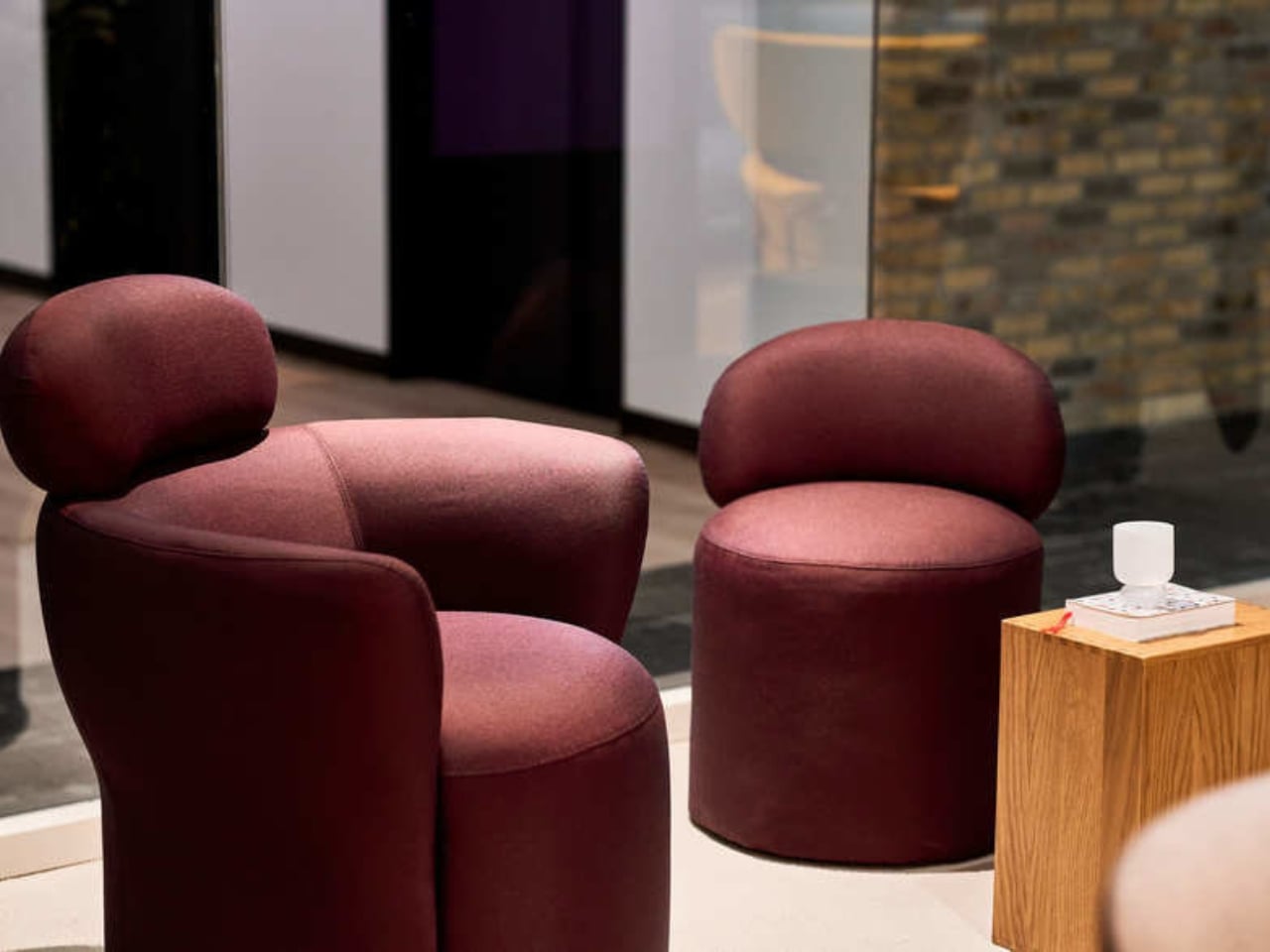
Patricia Urquiola is one of those designers whose work you can recognize before you even see her name attached to it. Her pieces tend to have a quality that is both generous and precise, warm but never fussy, tactile without being ostentatious. Her portfolio, which spans collaborations with Cassina, Flos, Kartell, and many others, has long established her as someone who understands that great design is ultimately about how people feel inside it. The Hello redesign is completely consistent with that view. You can tell it was made by someone who actually thinks about what it means to sit down.
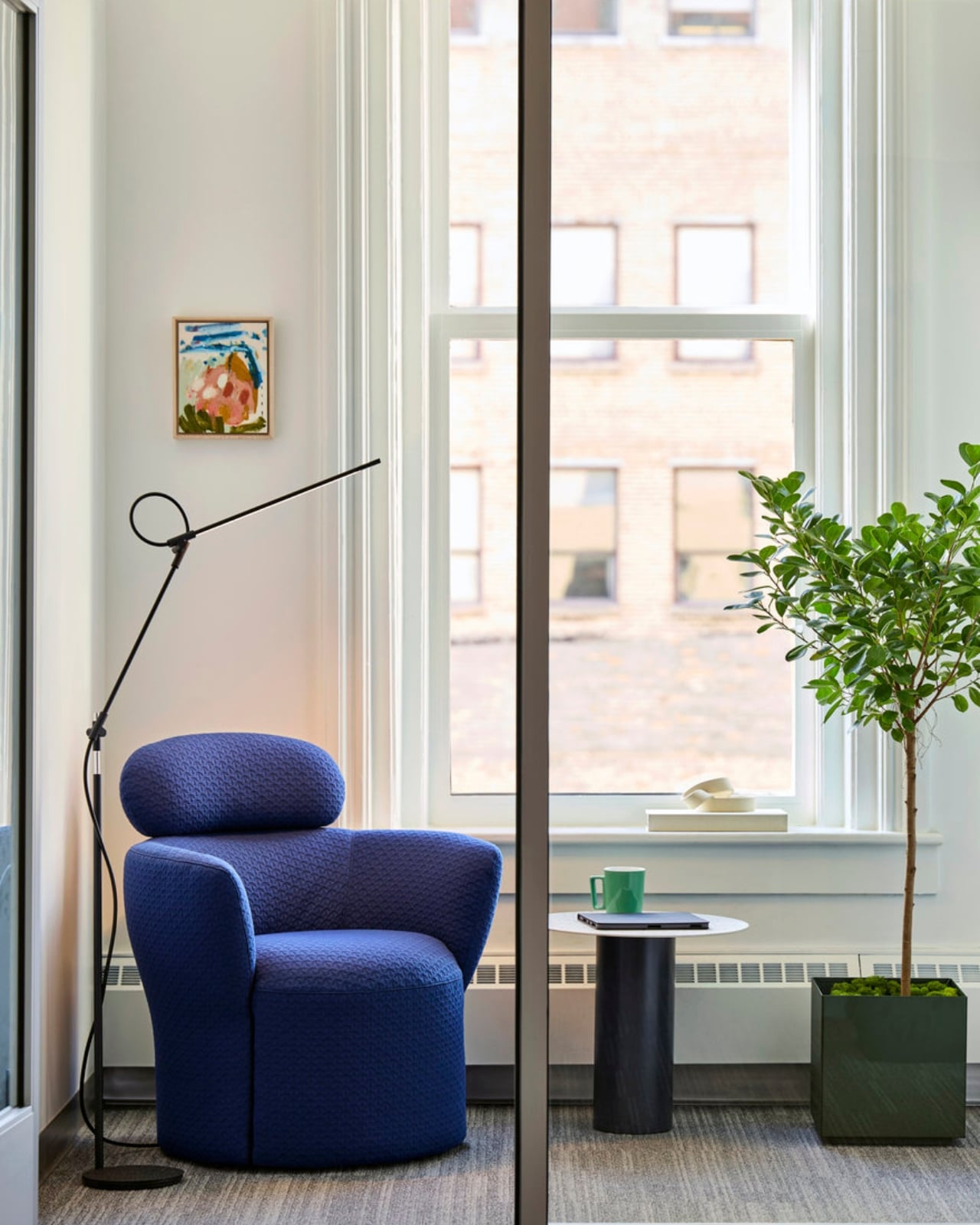
What Hello gets right, quietly and without fanfare, is the idea that the workplace deserves beautiful things. Not just functional things. Not just efficient things. Beautiful ones, with texture and softness and a visual warmth that makes people want to stay longer than they planned. That sounds obvious when you say it out loud, but it’s actually quite rare in contract furniture, where the priority is so often durability over delight and cost efficiency over craft.
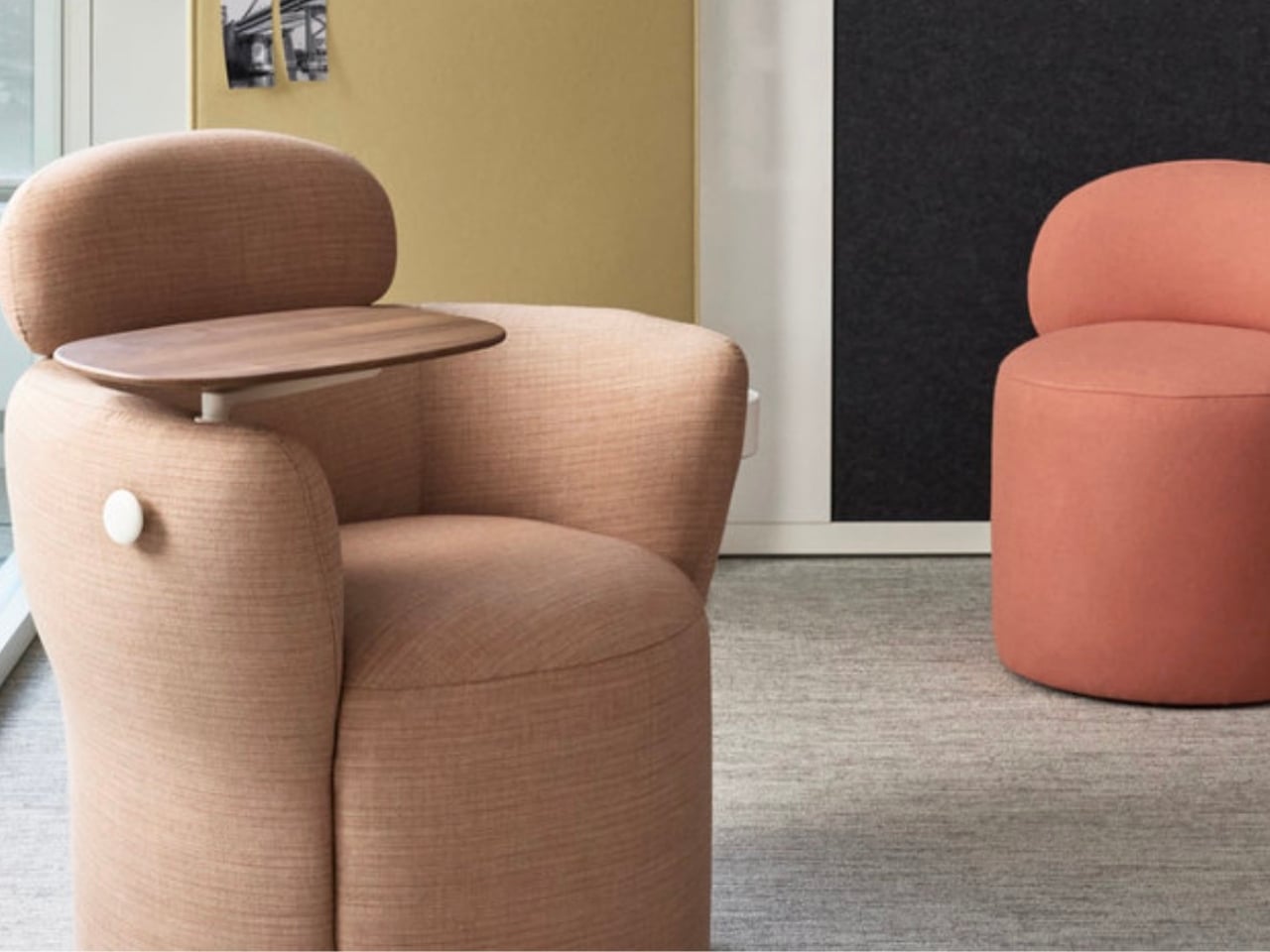
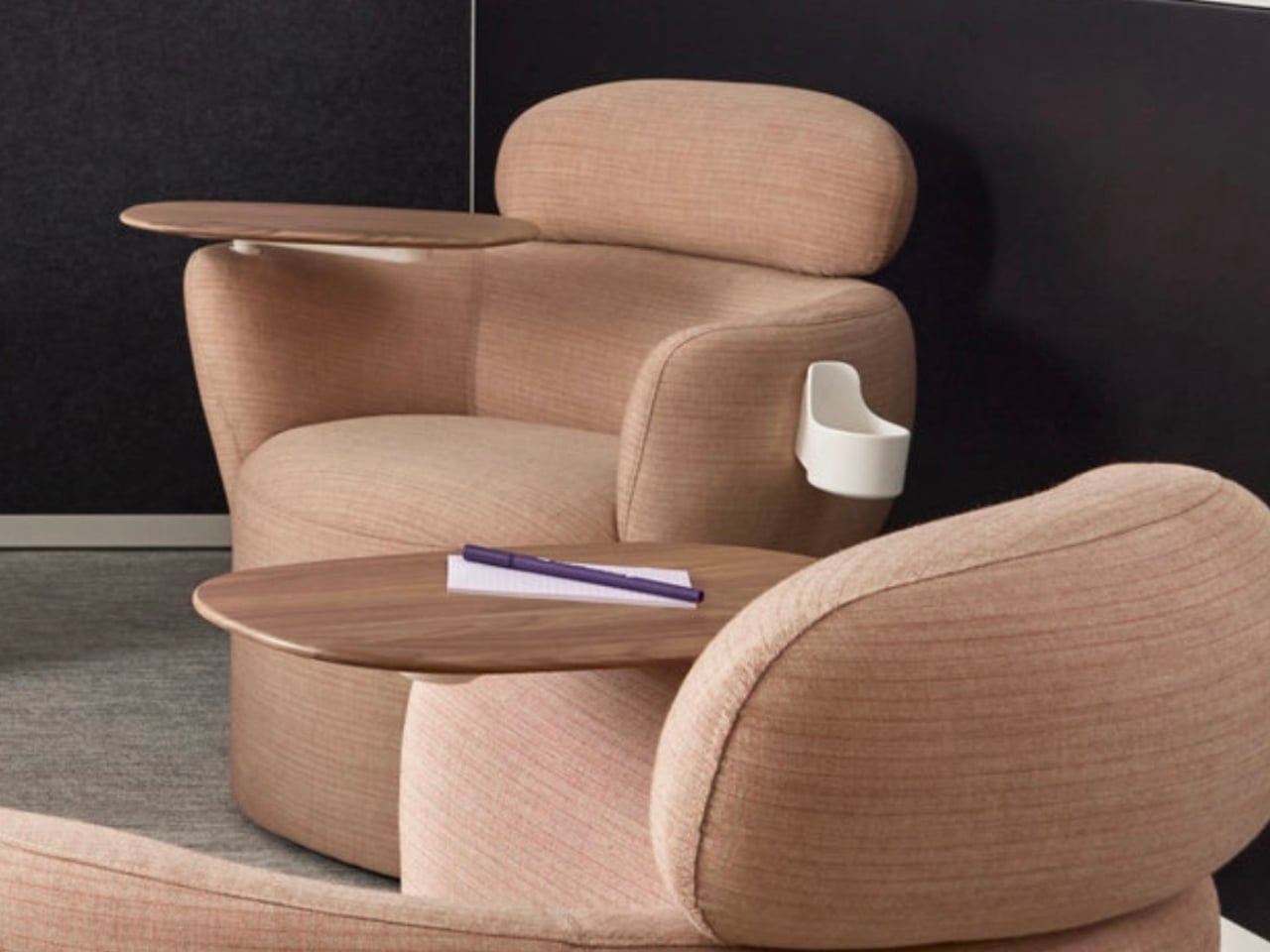
Urquiola and Haworth have managed to give Hello both. It’s a piece that respects where it came from while having the confidence to become something entirely its own. After more than twenty years, the chair said hello again, and it meant it.
SHARE