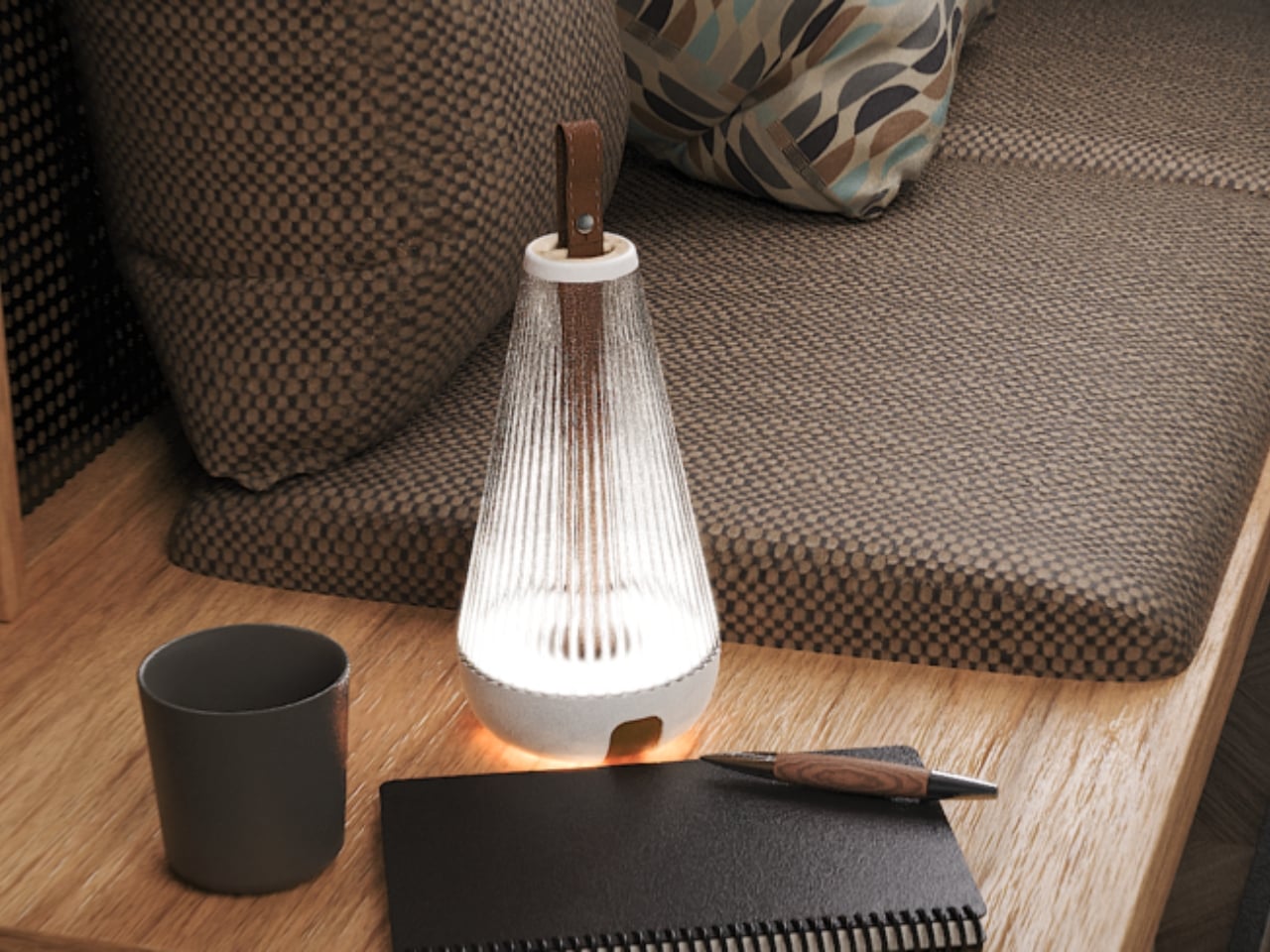
Most portable lights exist to solve a problem. They help you see when there’s no overhead fixture, charge your phone during a power outage, or keep your campsite from going completely dark. They’re useful, and that’s about where the conversation ends. Designer Benjamin Mtonya clearly thought that wasn’t enough.
His student project, Fluted, just earned a Student Notable honor at the 2026 Design Awards, and it deserves more attention than that modest title suggests. Because Fluted isn’t trying to be useful. It’s trying to be familiar. And that’s a meaningfully different ambition.
Designer: Benjamin Mtonya
The premise is straightforward, even if the execution is anything but. We move constantly now, between apartments, sublets, shared houses, short-term rentals, studio spaces we inhabit for six months before packing up again. Our stuff moves with us, but atmosphere typically doesn’t. You can’t carry the warm, golden light of your old apartment into a new, fluorescent-bright one. The mood of a space is tied to its architecture, its windows, its ceiling height, even the color of its walls. Your floor lamp will tag along for the ride, but it won’t feel like home until the room does.
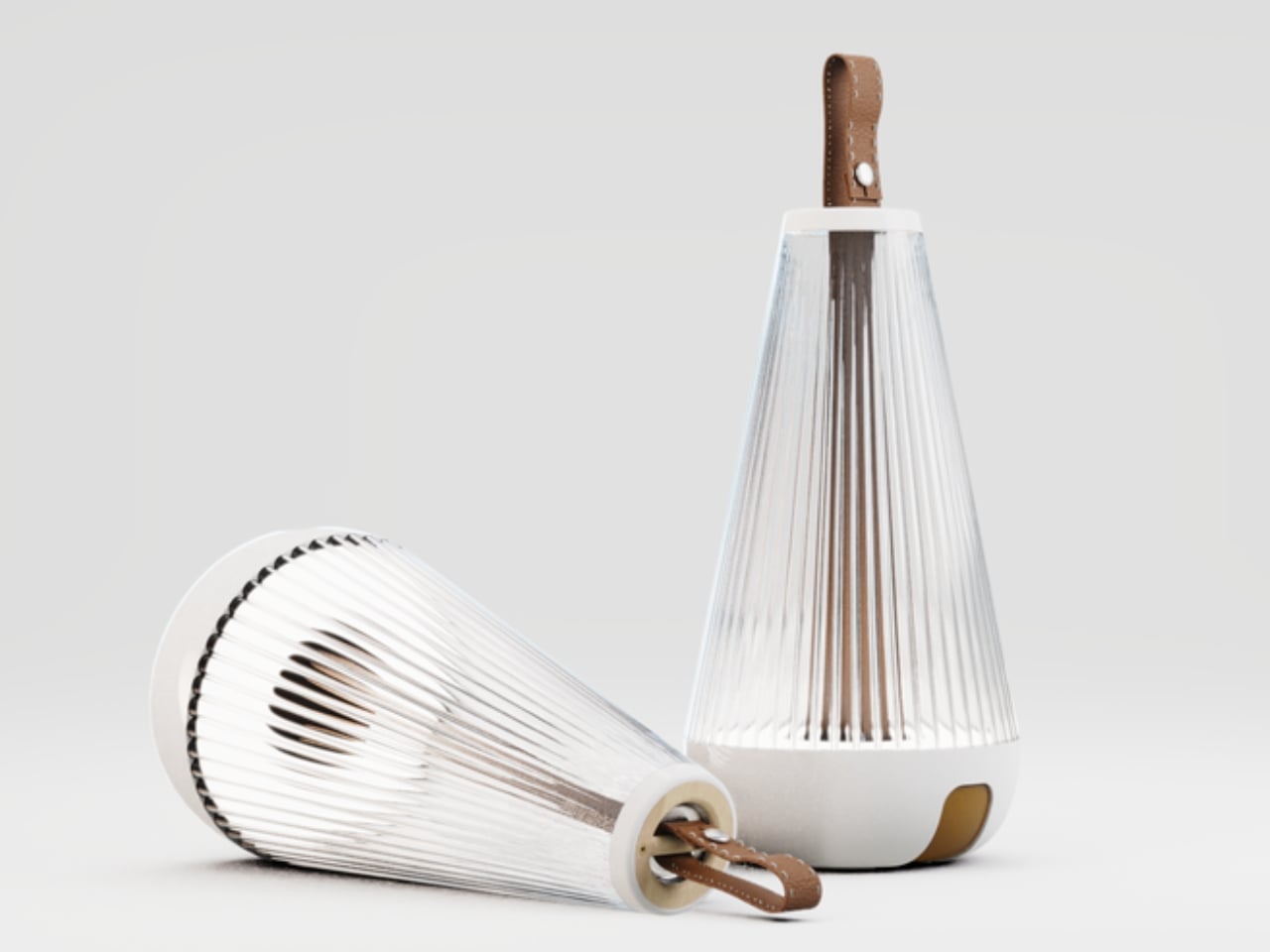
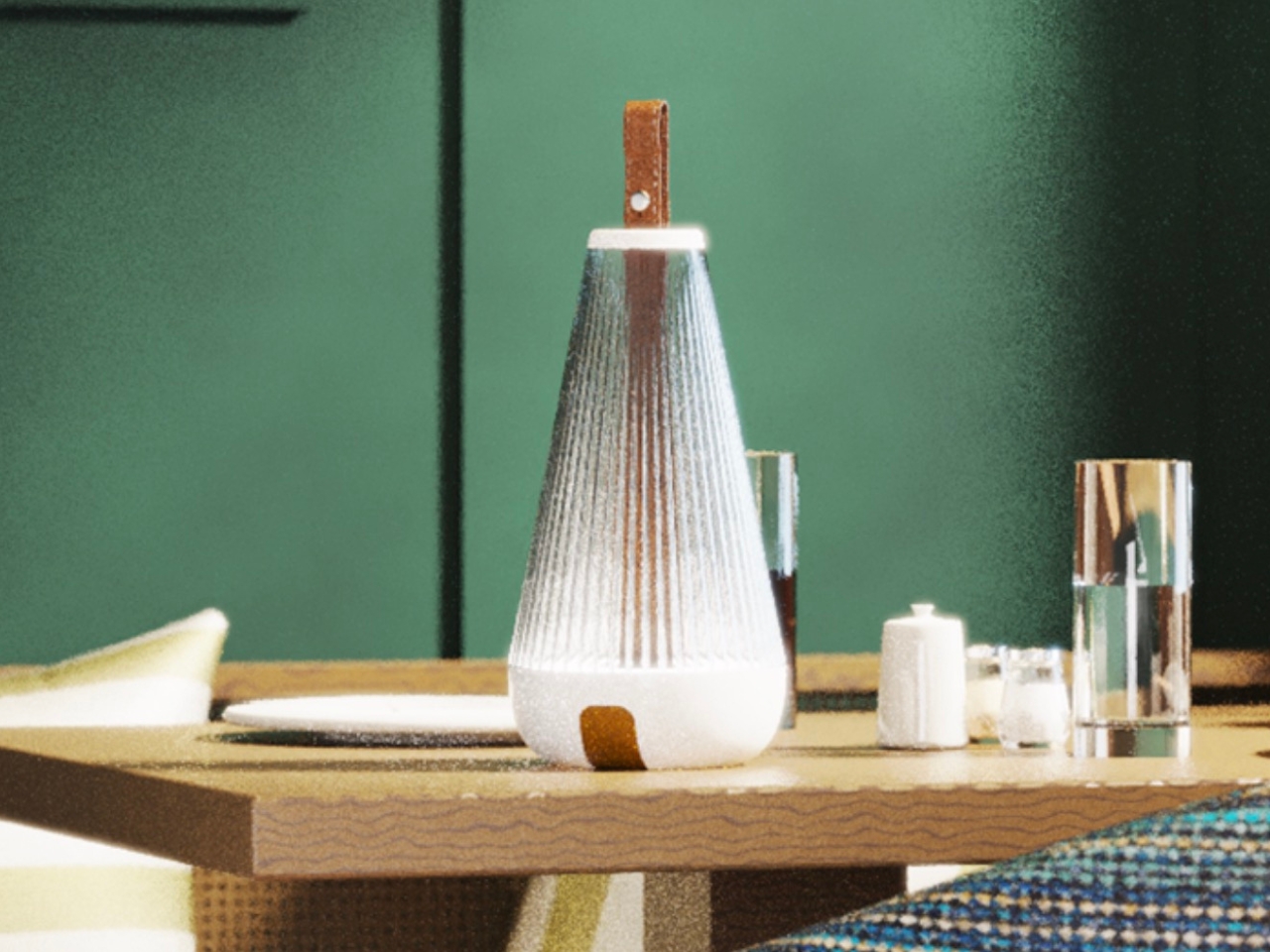
Fluted is Mtonya’s answer to that gap. It’s a portable lantern, yes, but designed entirely in the language of furniture rather than electronics, which is exactly why it works so well as a concept. The materials are deliberate: maple for tactile warmth at points of contact, leather to suggest carry and continuity, polished steel for a quiet refinement, and fluted glass to soften the light into something that reads less like illumination and more like mood. An upward-facing light source diffuses through that glass and produces a warm ambient glow that recalls candlelight, the kind that makes a space feel inhabited rather than simply lit, and without the fire hazard or the melted wax cleanup.
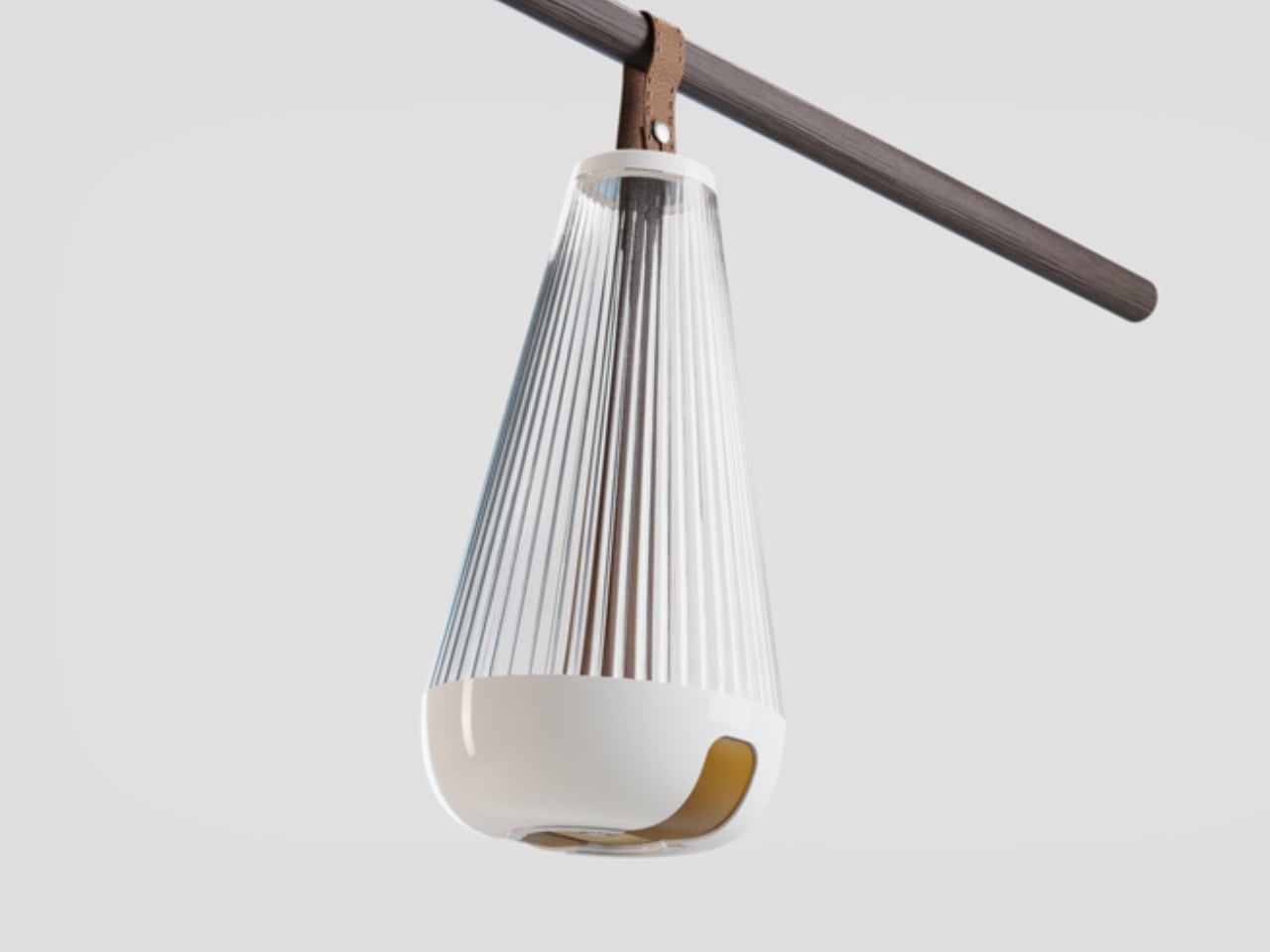
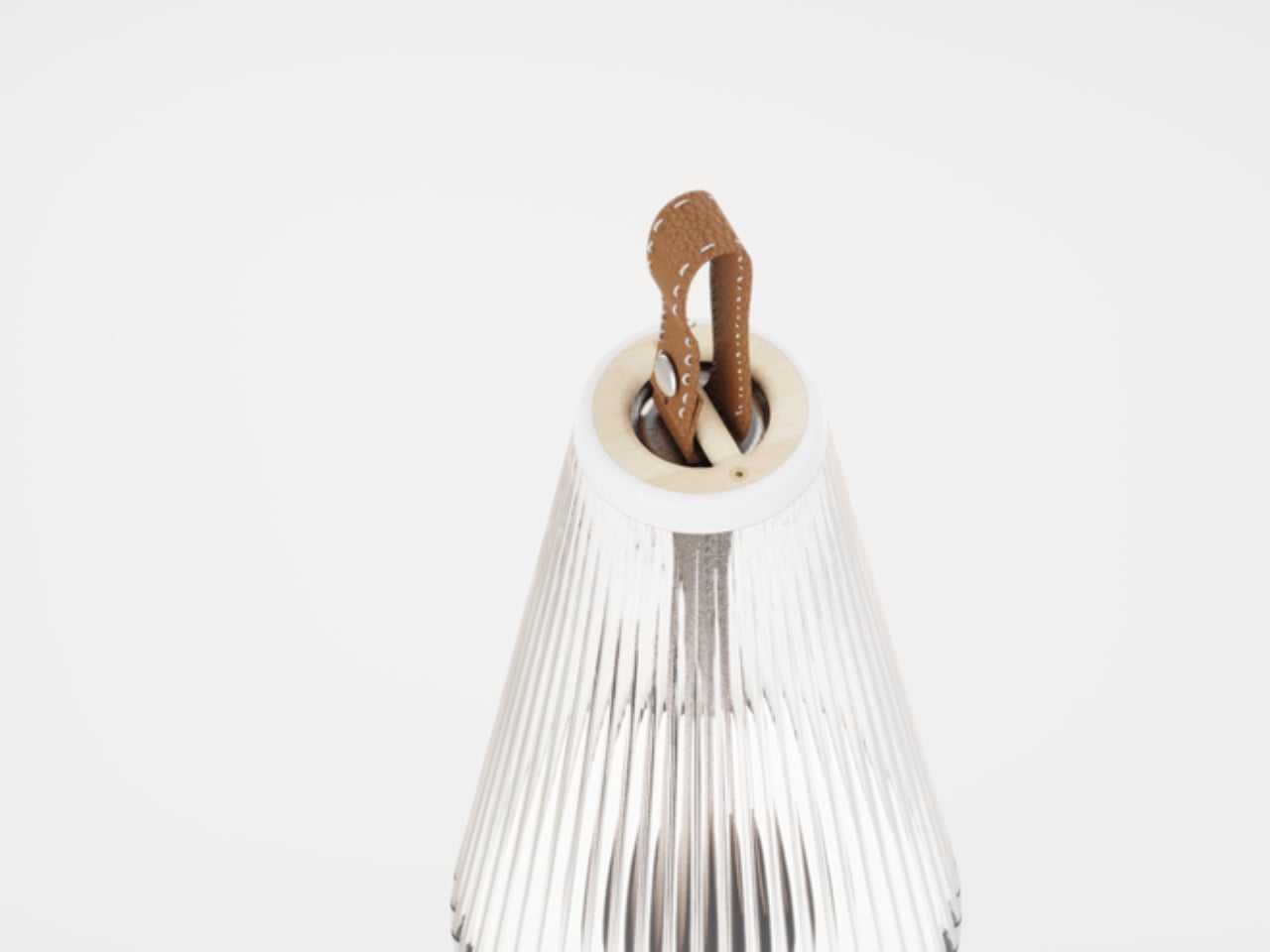
The visual centerpiece of the design is clever in a way that rewards a second look. At first glance, you see a single continuous leather strap that appears to pierce straight through the entire object. It’s partly an illusion. A detachable leather strap at the top transitions visually into an internal leather spine suspended within a minimal metal frame below, but the eye reads it as one uninterrupted element. It gives the whole thing a structural coherence that most portable lights completely lack. It doesn’t look like something you grabbed from a shelf out of necessity. It looks considered. It looks like it belongs somewhere.
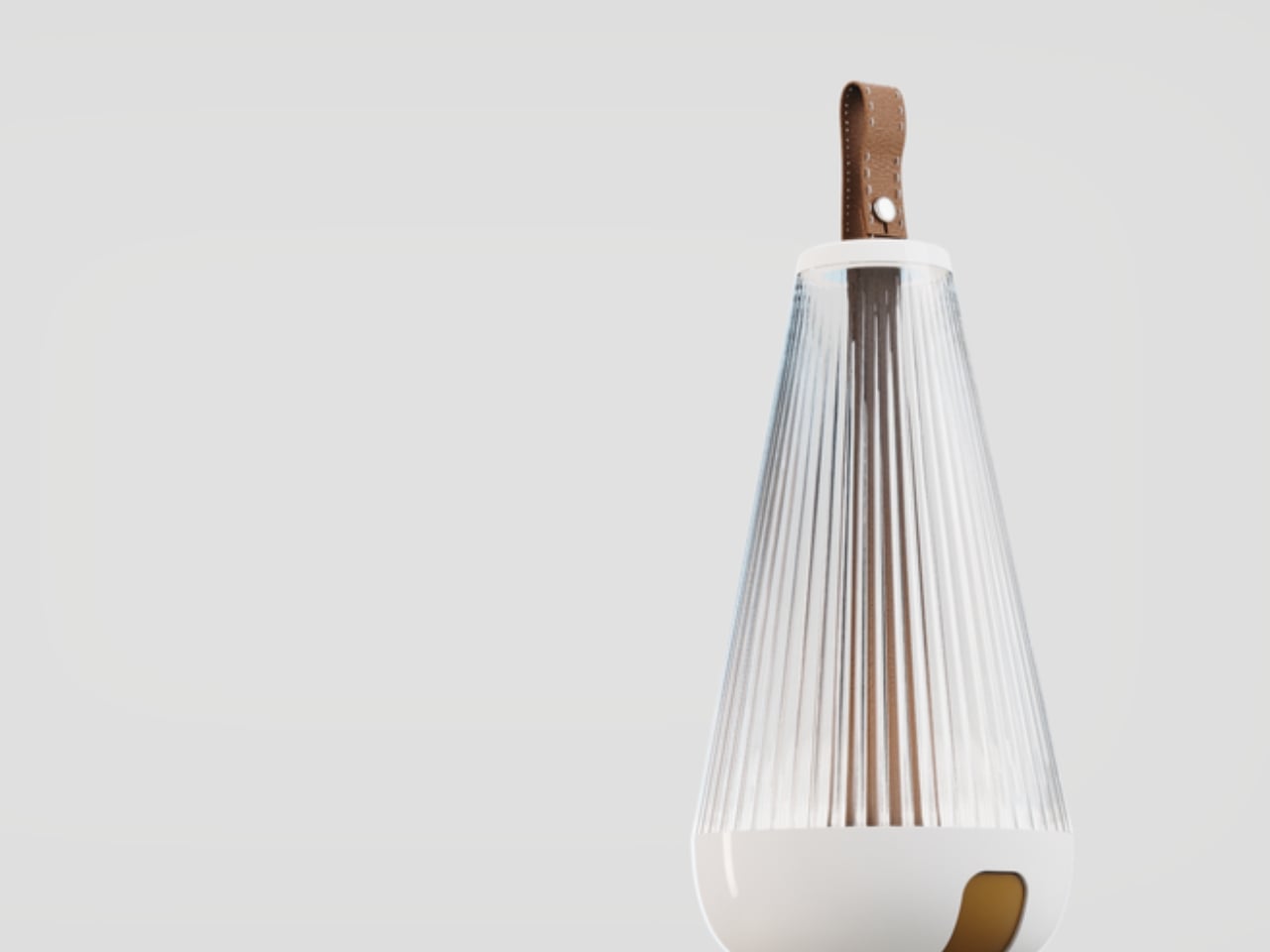
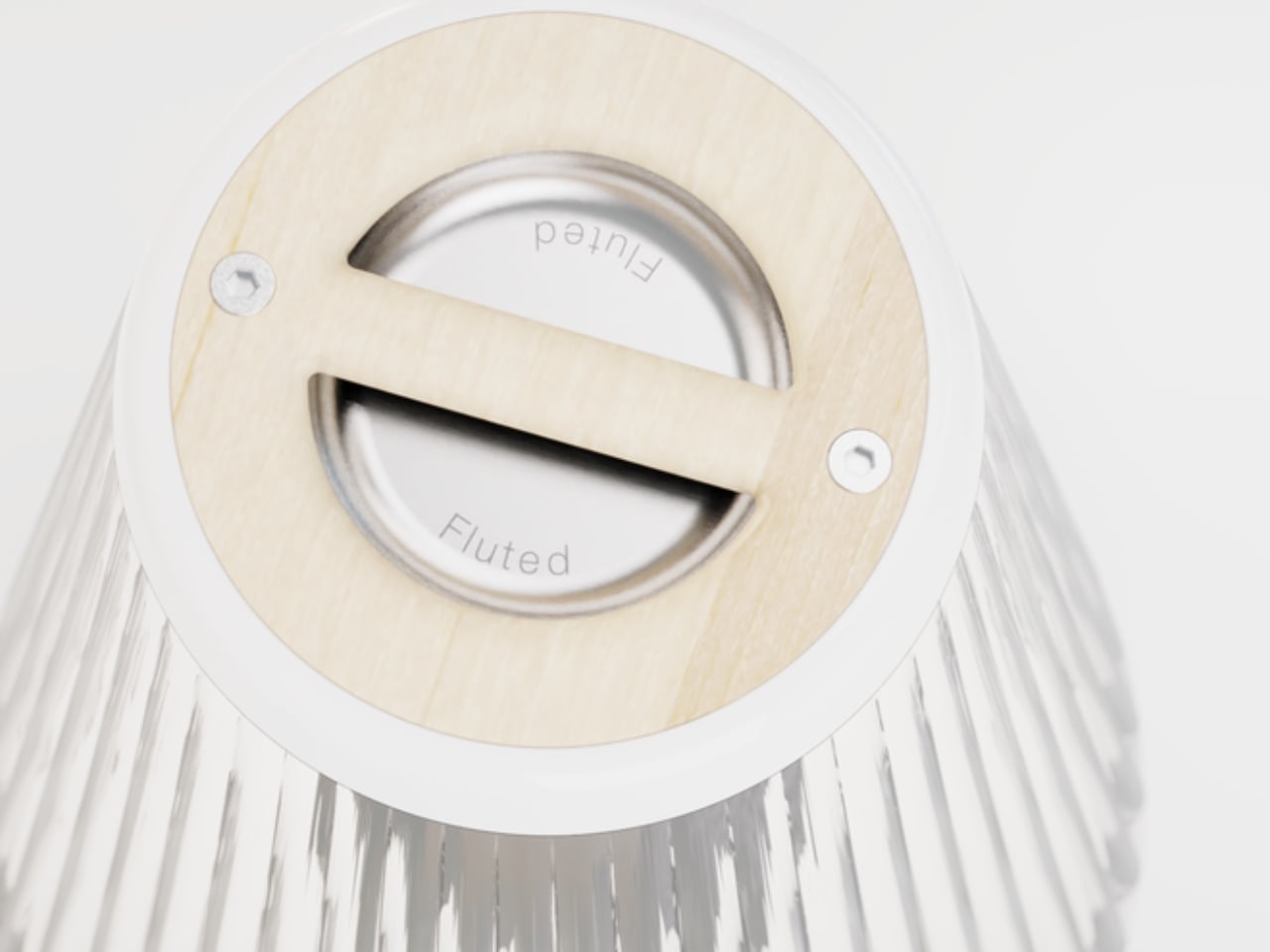
That distinction matters more than it might seem. We’ve accepted, almost without question, that portable objects are allowed to look utilitarian. Power banks look like bricks. Portable speakers look like, well, portable speakers. The category tends to signal its own temporariness through its aesthetic. Fluted pushes back on that assumption quietly, without making a fuss about it. It’s not loudly declaring that it’s beautiful; it’s simply refusing to look disposable.
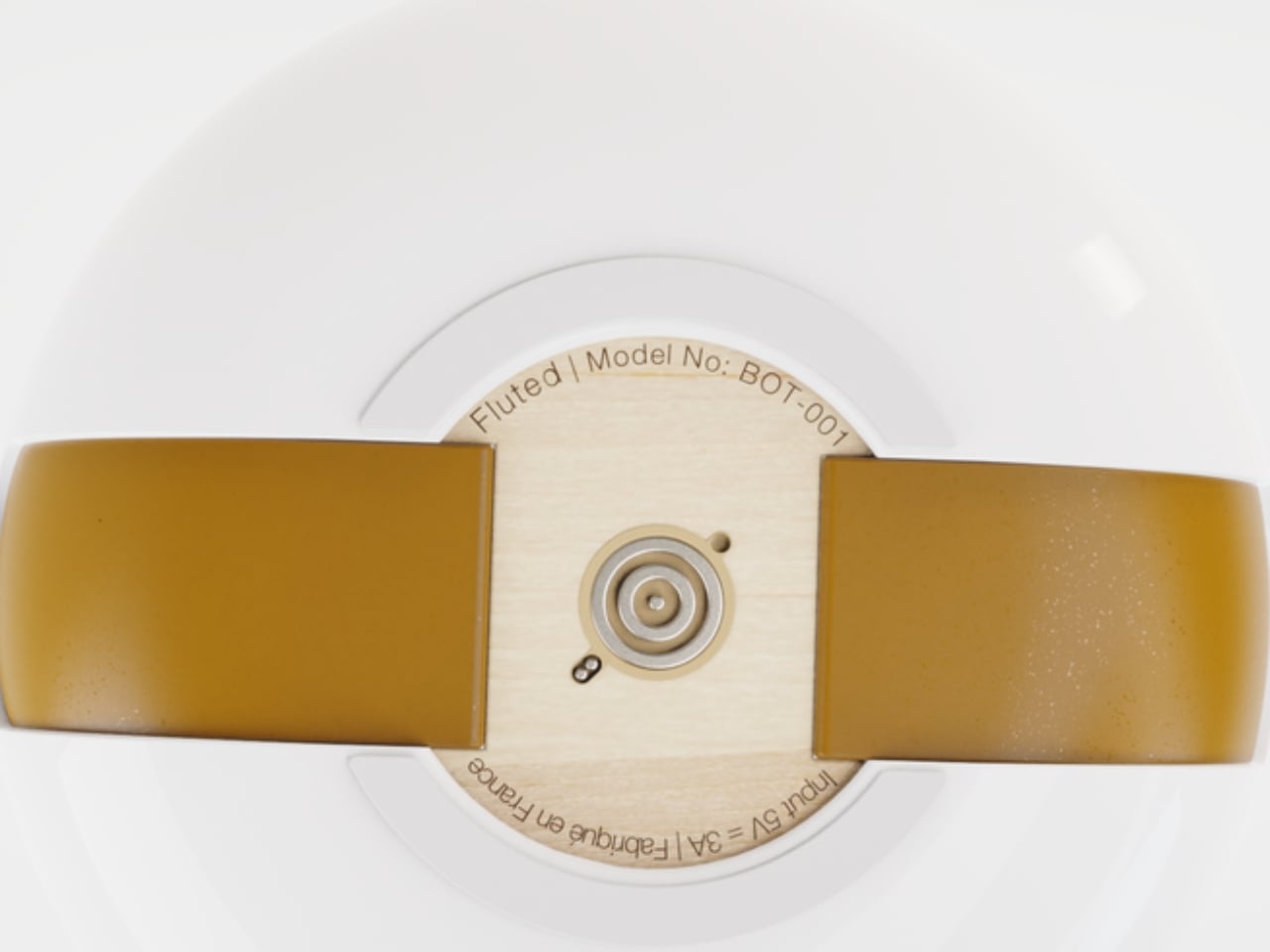
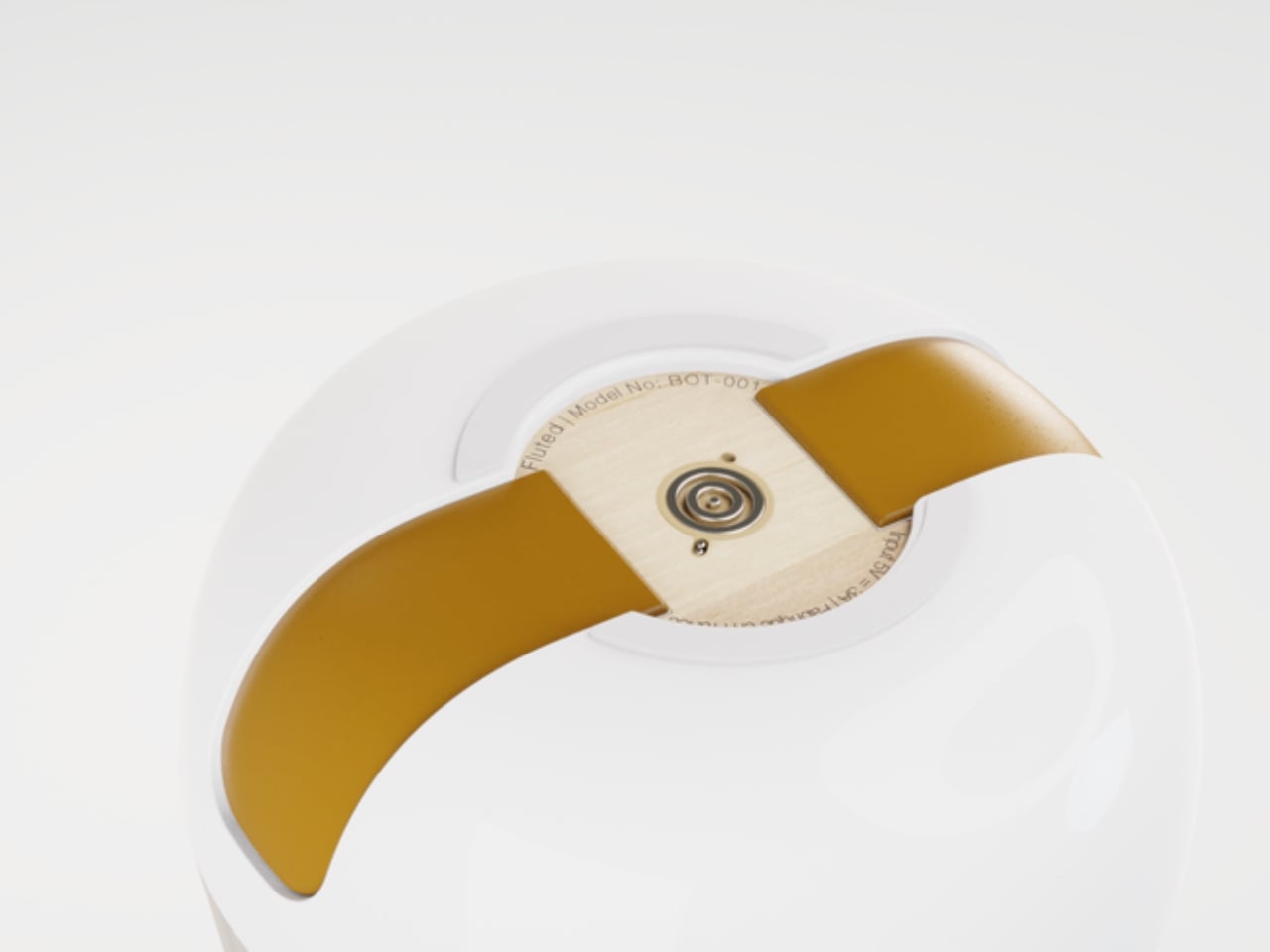
Mtonya designed it specifically for what he calls the “domestic nomad”: individuals whose environments shift regularly but who value continuity of atmosphere within them. That framing is worth sitting with for a minute. It’s not about people who travel light as a romantic lifestyle philosophy. It’s about the very ordinary experience of being in-between spaces, or between phases of life, and still wanting the corner of your room to feel like yours. That’s an experience a lot of us share right now, more than we probably want to admit.
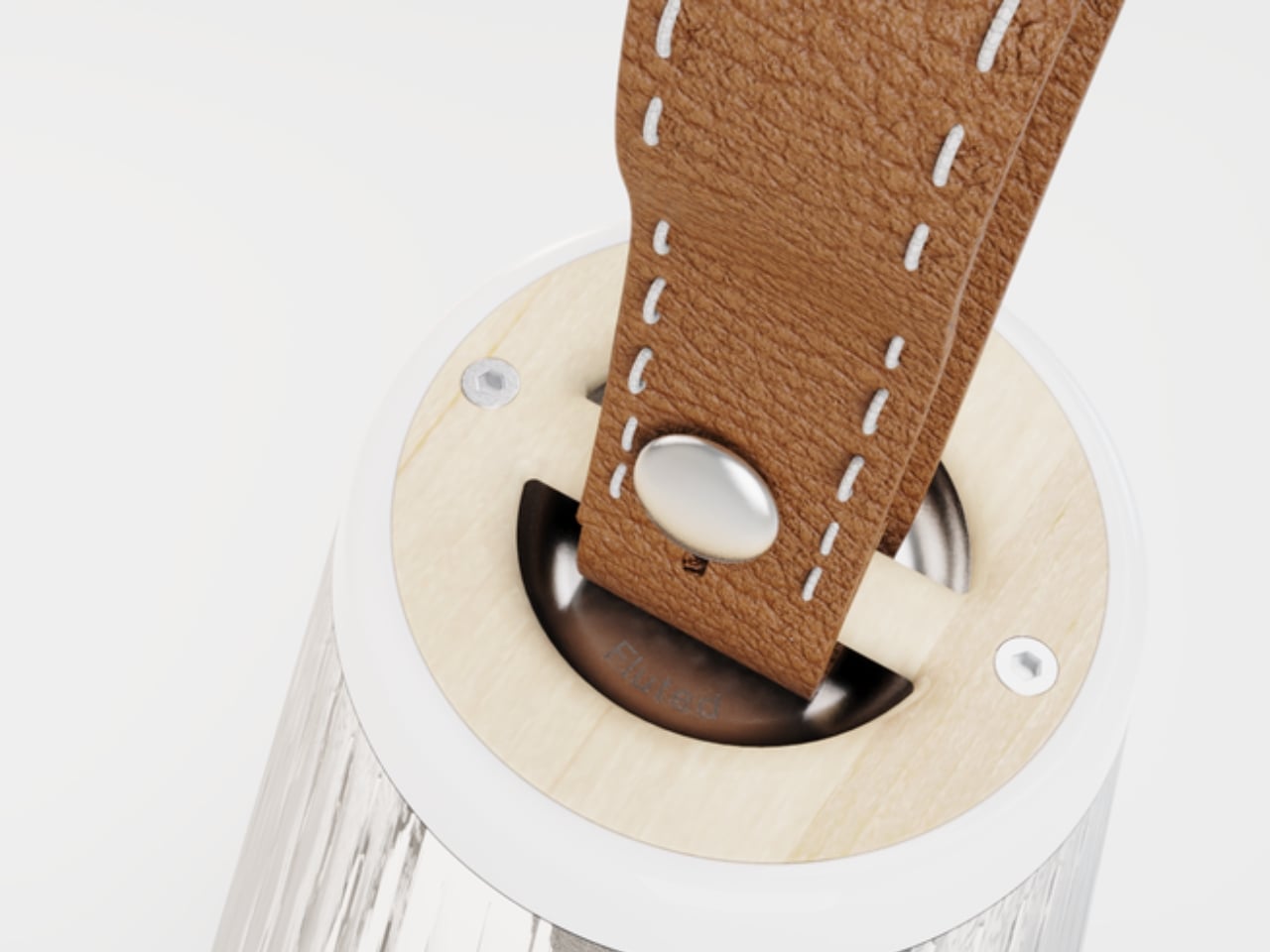
As student work goes, the philosophical clarity here is striking. A lot of design projects at this level are technically impressive but emotionally neutral. Fluted has a genuine point of view. It’s making an argument about what a portable object can mean, and it makes that argument through material choices and formal decisions rather than through a written manifesto. The object does the talking, and it’s articulate. Whether Fluted ever moves into production remains to be seen. But the conversation it starts about what we deserve from the objects we carry with us is already worth having.
SHARE